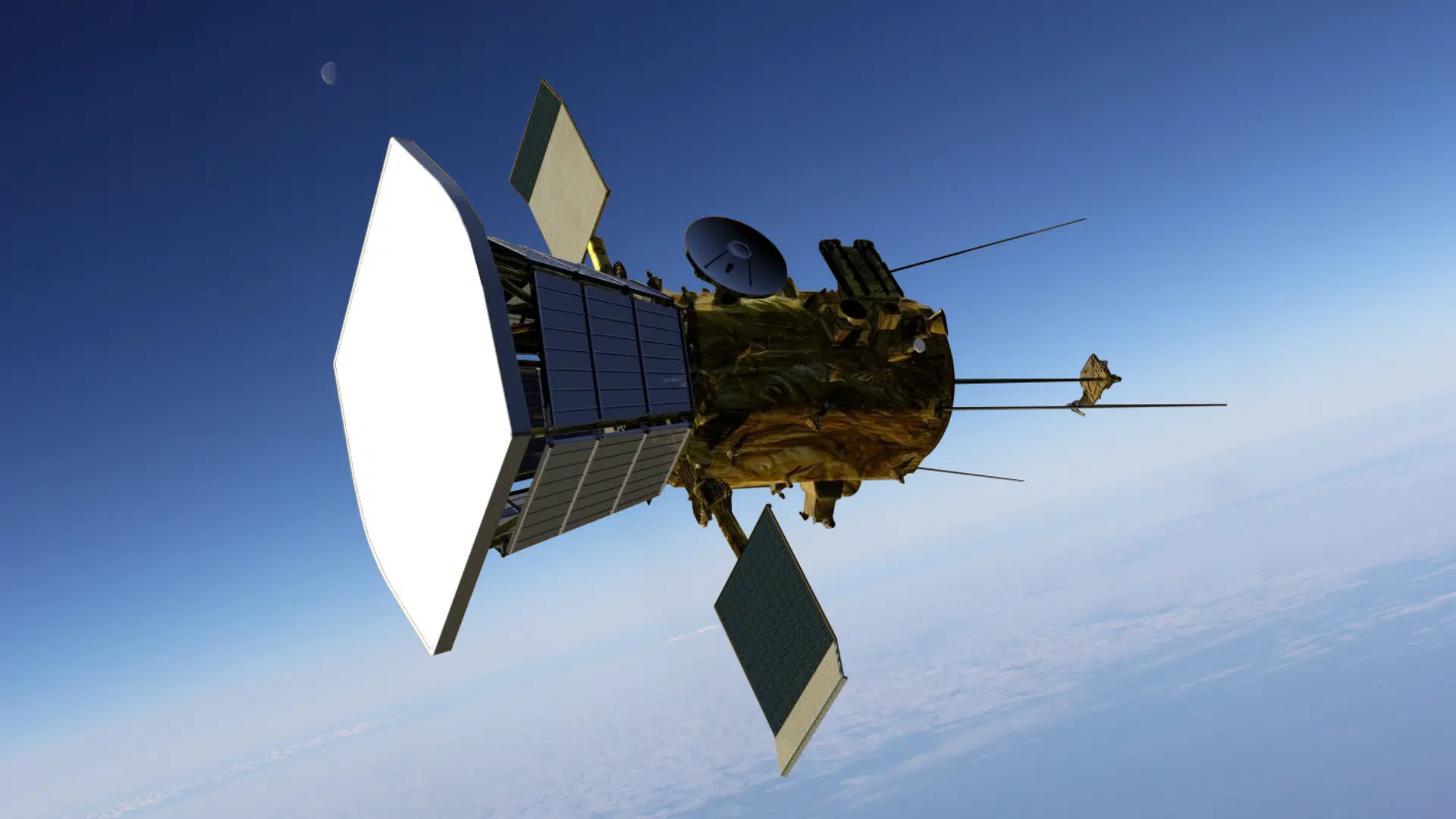



Speed has always played a key role in space travel. Rockets are designed to move faster than anything made on Earth.
Many people want to know what the fastest rocket in the world is and why speed matters so much in space. This topic connects science, motion, and human progress.
Extreme speed also leads to big questions. How fast can a rocket truly go? Are there limits that cannot be passed? Scientists continue to test these limits with new ideas and technology.
This blog thoroughly explains rocket speed. It helps readers understand why speed matters and how it shapes future space missions.
What Does “Fastest Rocket” Really Mean?
When people talk about the fastest rocket in the world, they usually mean speed. But speed can mean different things in space.
A rocket does not travel like a car on a road or a plane in the sky. Once a rocket leaves Earth, it moves in space where there is almost no air.
Speed can be measured in several ways. One way is how fast the rocket moves just after launch.
Another way is how fast it travels after leaving Earth’s gravity. Some rockets are fast during launch, while others reach high speed later in space.
Because of this, the fastest rocket is not always the same as the fastest spacecraft. Rockets are used mainly to escape Earth. Spacecraft are designed to travel long distances in space. Both are important when talking about speed records.
The Fastest Rocket in the World So Far
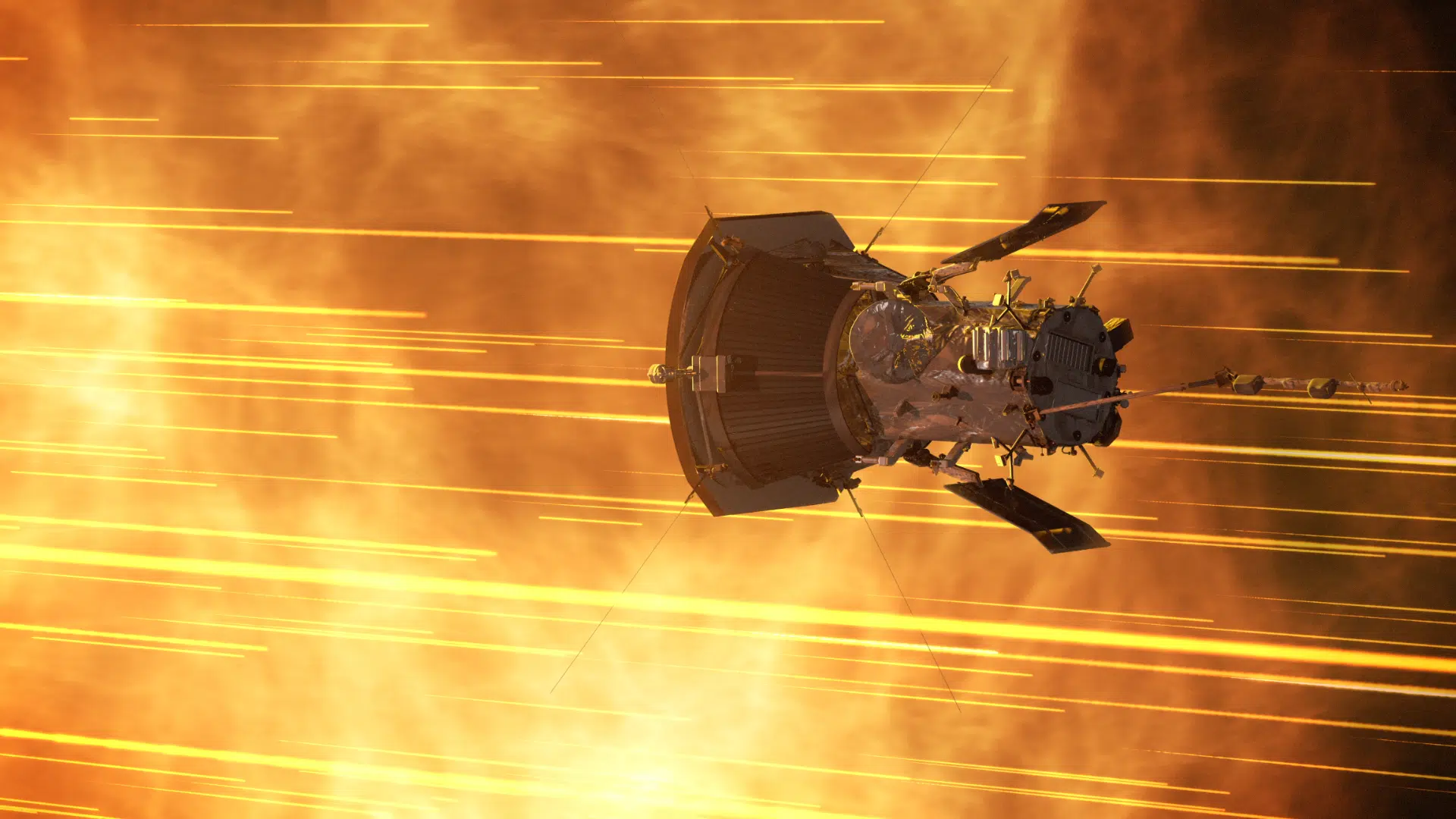
Image Source: NASA Science
When talking about the fastest rocket in the world, many experts point to missions that sent spacecraft out of the solar system. These rockets gave their spacecraft huge speeds.
One well-known example is the mission that launched the Parker Solar Probe. The Parker Solar Probe holds the record for the fastest spacecraft.
In December 2024, it reached about 690,000 km/h, which is roughly 191 km/s, relative to the Sun.
Reaching the Sun itself, however, is far more complex than it sounds, as missions must deal with both extreme heat and the challenge of changing orbital direction.
The rocket itself provided the initial push. Later, gravity from planets helped increase the spacecraft’s speed even more. This shows that rockets and gravity work together to reach extreme speed.
Why is Velocity Critical for Spacecraft?
In space, movement works differently than it does on Earth, so scientists use special ways to describe how fast objects travel.
- Speed shows how fast something moves.
- Velocity shows speed and direction together.
- Velocity is more useful than speed in space travel.
- Rockets burn fuel for only a short time after launch.
- After the fuel is gone, the spacecraft keeps moving forward.
- Space has very little air, so there is almost no resistance.
- A spacecraft can keep the same velocity for many years.
- The fastest spacecraft is measured by its highest velocity.
- This velocity is often much higher than launch speed.
How Rockets Gain Speed and Escape Earth

Rockets reach high speeds by following a simple rule of physics. To move forward, they push hot gas backward by burning fuel.
The faster this gas leaves the engine, the more speed the rocket gains. This is why rocket engines work at very high heat and pressure. Weight also matters.
Some of the most powerful rockets ever built, like Starship and Saturn V, demonstrate how engine design and thrust directly influence both lift capability and speed.
A lighter rocket can move faster than a heavier one with the same engine. To reduce weight, rockets drop empty fuel tanks during launch.
To fully leave Earth, a rocket must reach escape velocity, which is about 11.2 kilometers per second.
Rockets that do not reach this speed fall back to Earth. Many missions stay in orbit, while deep-space missions travel beyond Earth’s gravity.
How Engine Type Limits Rocket Speed
Different rocket engines affect how fast a rocket or spacecraft can travel. Each engine type is built for a specific purpose.
Rocket Engines and Speed Limits
Rocket engines control how much speed a vehicle can reach. The amount of fuel, engine design, and heat limits all affect performance.
No engine can provide endless speed, which is why scientists look for new technologies.
Chemical Rockets and Their Limits
Chemical rockets are the most common engines used today. They burn fuel and oxygen to produce hot gas that pushes the rocket forward.
These engines create strong thrust, which is helpful during launch. However, the fuel burns quickly and runs out fast. Once the fuel is gone, the rocket cannot increase its speed anymore.
Electric and Ion Engines
Electric and ion engines use electricity to push tiny particles at very high speeds. They produce low thrust but can run for long periods.
Over time, they slowly increase the spacecraft’s speed. These engines are mainly used in space, not for launch, and help missions travel farther.
Can Rockets Reach the Speed of Light?
Many people ask if the fastest rocket could ever reach the speed of light. According to physics, this is not possible for objects with mass.
As an object gets closer to the speed of light, it needs more and more energy. At the speed of light, the required energy becomes infinite.
This means rockets and spacecraft will always be slower than light. However, they can still reach incredible speeds by human standards.
How Speed Affects Space Missions
Speed shapes how space missions are planned, how long they take, and what goals they can reach.
- Deep space missions: These rely on high speed to travel billions of kilometers to distant planets.
- Travel time: Without high speed, deep space missions could take many decades to finish.
- Fast spacecraft: Higher speeds allow scientists to collect data sooner.
- Mission improvement: Faster results help improve future missions and technology.
- Human spaceflight: Crewed missions move slowly because astronaut safety is the top concern.
- Added weight: Life support, shielding, and landing systems increase spacecraft weight.
- Speed limits: Heavier spacecraft cannot travel as fast as lighter ones.
- Uncrewed missions: Most of the fastest rocket missions are robotic.
- Speed measurement: Engineers use math and tracking systems to measure speed.
- Tracking method: A spacecraft’s position is tracked over time.
- Reference points: Speed may be measured relative to Earth, the Sun, or another object.
Future Rockets and Higher Speeds
Future rockets are expected to reach higher speeds than today’s systems. Engineers are working on new engine types that can travel farther using less fuel.
Some future spacecraft may use electric engines that run for long periods and slowly build speed. Other ideas include nuclear-powered engines that could shorten travel time to distant planets.
Scientists are also testing solar sails, which use sunlight to push spacecraft forward. These methods do not rely on traditional fuel.
While many of these ideas are still being tested, they show how space travel may become faster over time.
Higher speeds could allow missions to reach distant targets sooner and expand what humans can study in space.
To Conclude
The idea of the fastest rocket in the world helps explain how far space technology has come. Rocket speed is not just about raw power.
The fastest spacecraft reach high velocity by using both strong launches and gravity from planets and the Sun.
Even with these achievements, clear limits still exist. Fuel, heat, and safety all affect how fast rockets can travel.
As technology improves, future missions may reach higher speeds and travel farther than ever before.
Keep learning about space science and follow future missions to see how these limits continue to change.