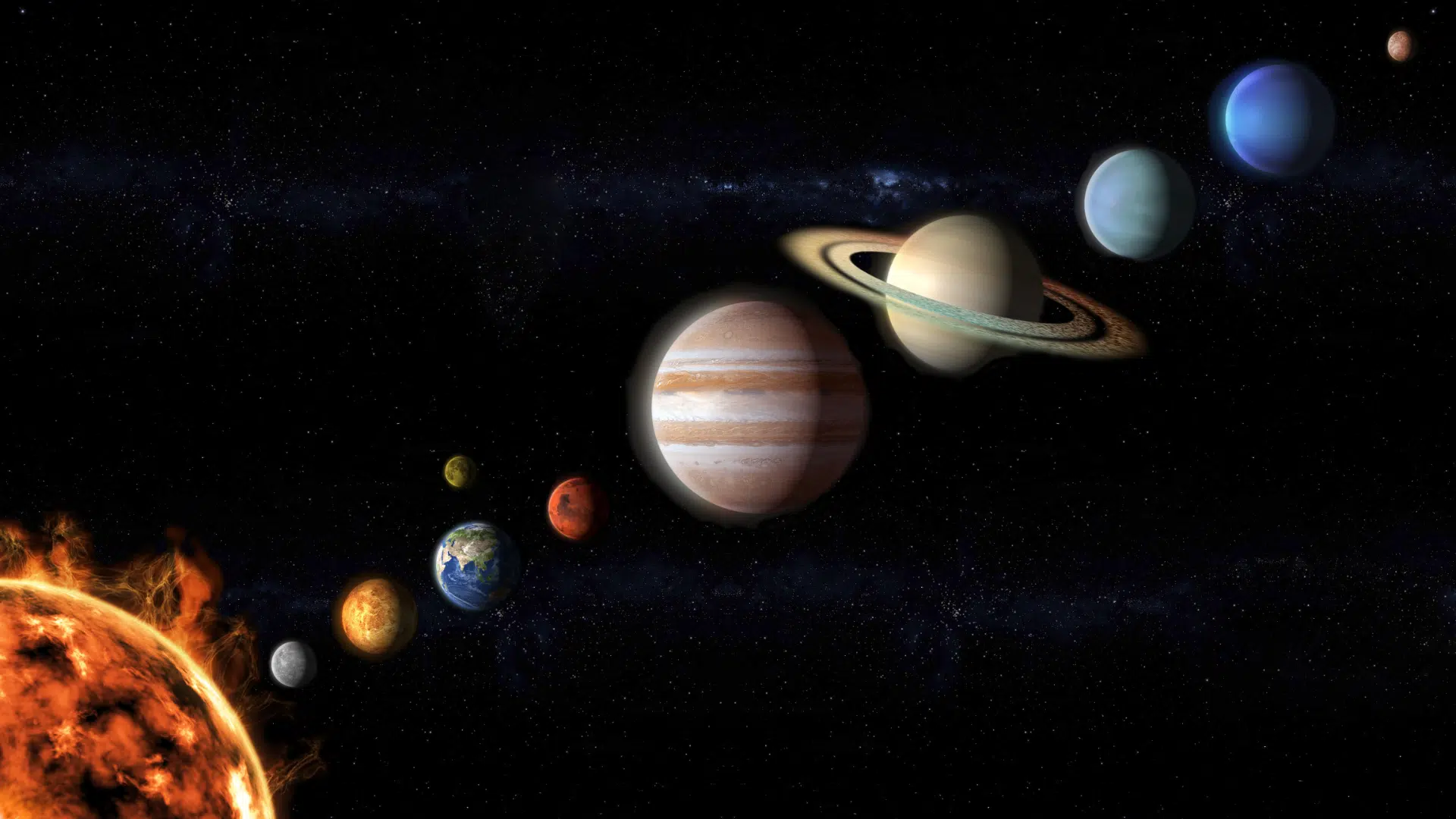



Planets are part of our solar system, and each one has something interesting about it. They circle around the Sun and come in different sizes and types.
People of all ages enjoy learning about space and the planets we see in books and through telescopes.
This blog is filled with fun and cool facts to help readers learn more in a simple way. The facts are easy to read and great for school, projects, or just for fun.
From the closest planet to the farthest, these facts are sure to make learning about space exciting.
What is a Planet?
Planets are large objects in space that go around a star. In our solar system, all planets move around the Sun. The Sun is a huge star at the center that gives light and heat to everything that orbits it.
To be a planet, an object must:
- Move around the Sun
- Be big enough that gravity makes it round
- Not share its path with many other large objects
This is why Pluto is no longer called a whole planet; it shares its path with many objects in space.
There are eight main planets in our solar system. Each one has its own shape, size, and surface. Many also have moons that orbit them.
Planet-by-Planet Fun and Cool Facts
Below are simple and interesting planet facts, grouped by each planet and major space topic. These facts are easy to read and perfect for students, kids, and curious minds.
Mercury
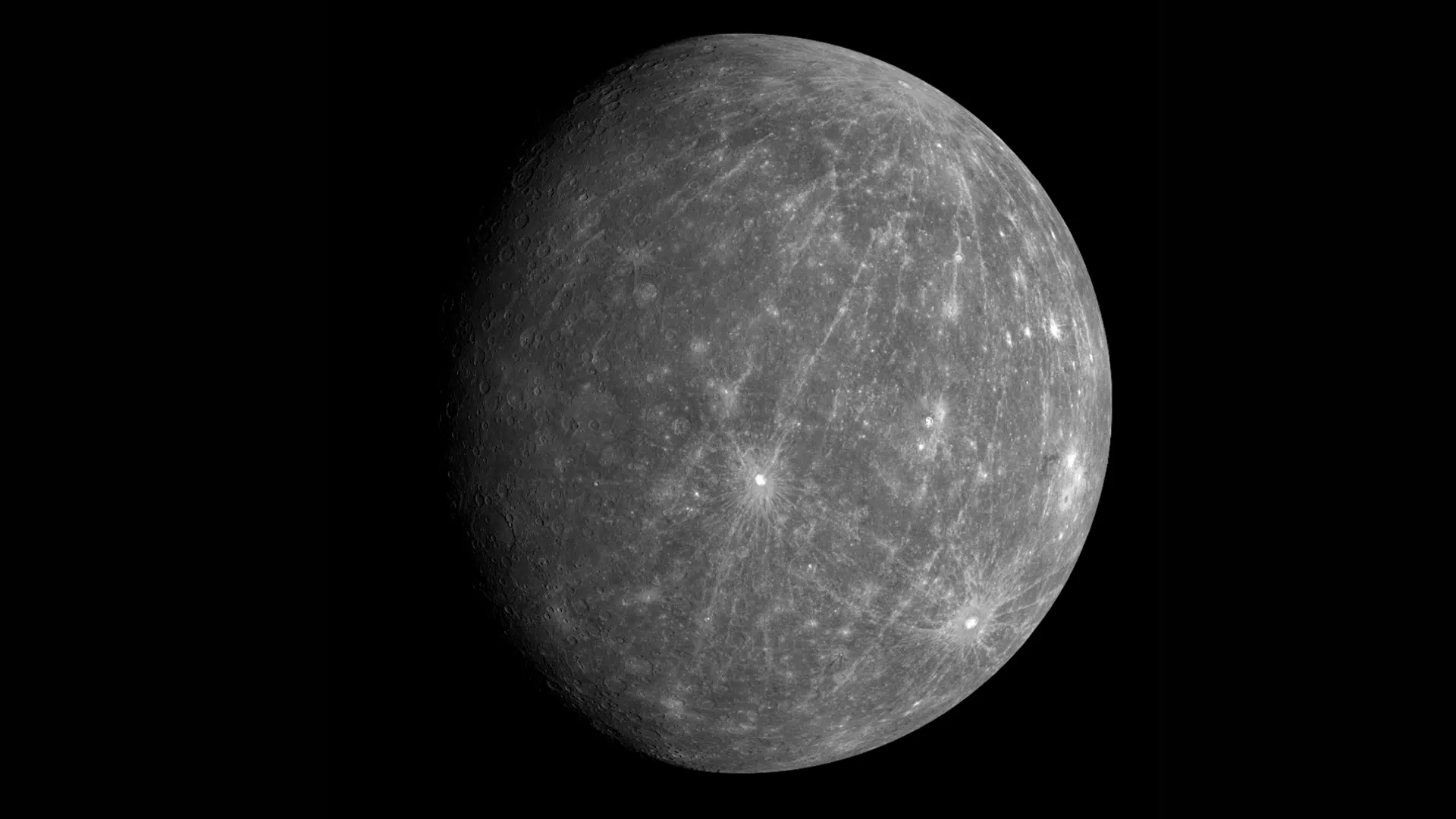
Mercury is the closest planet to the Sun.
It has no moons.
Mercury has almost no air.
A year on Mercury is only 88 Earth days.
One day on Mercury lasts 59 Earth days.
It has many craters from space rocks.
Mercury is smaller than some moons.
It has no weather because it has no real air.
Temperatures swing from super hot to freezing cold.
There may be frozen water in deep craters at the poles.
Venus
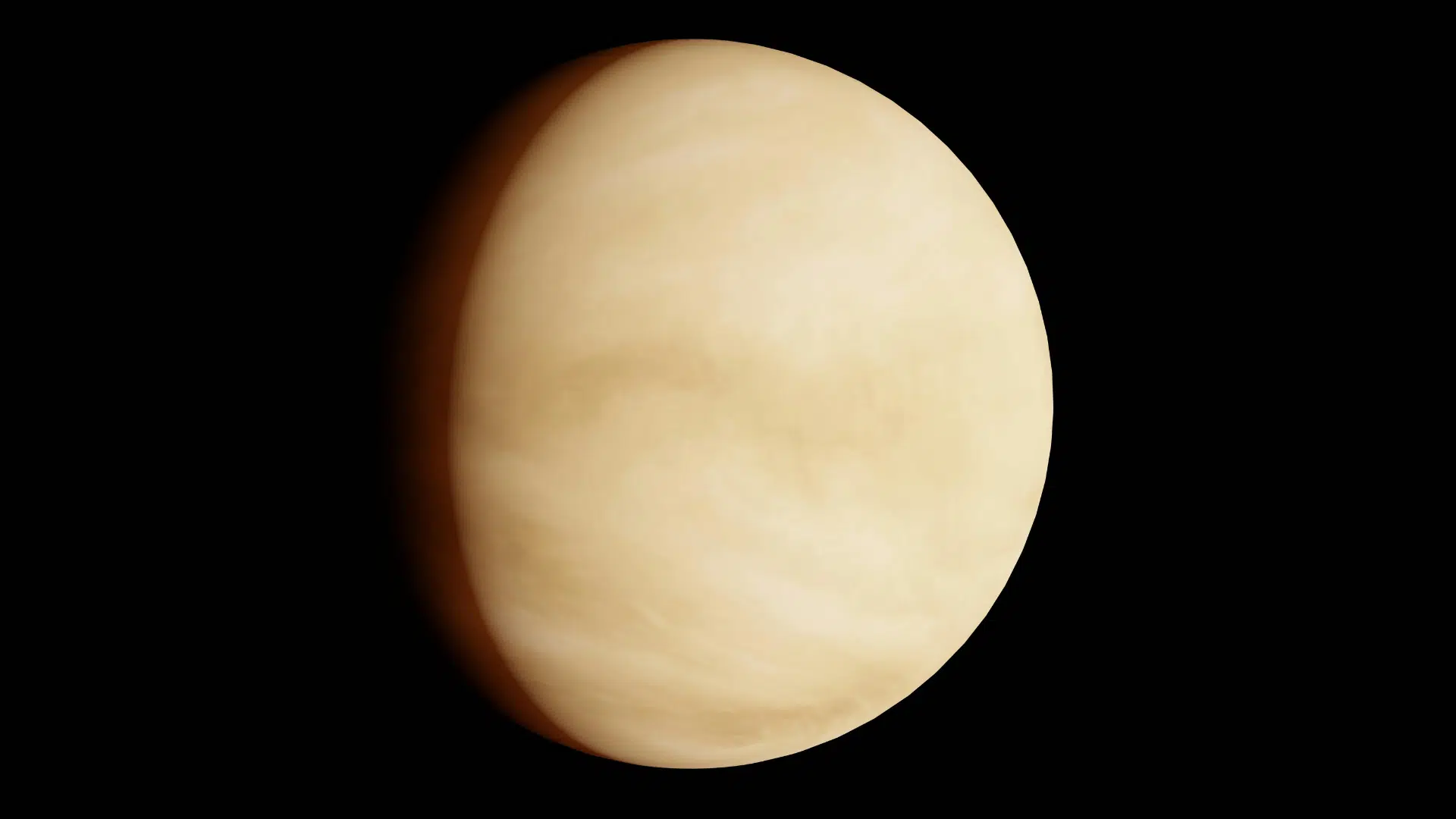
Venus is the second planet from the Sun.
It is about the same size as Earth.
Venus is covered in thick clouds.
It is the hottest planet in the solar system.
Venus spins in the opposite direction to most planets.
A day on Venus is longer than a year.
Venus has no moons.
Its air is full of carbon dioxide.
Its clouds trap heat, like a blanket.
Venus has lots of volcanoes and mountains.
It shines brightly in the sky and can be seen without a telescope.
The pressure on Venus is over 90 times stronger than on Earth.
Earth
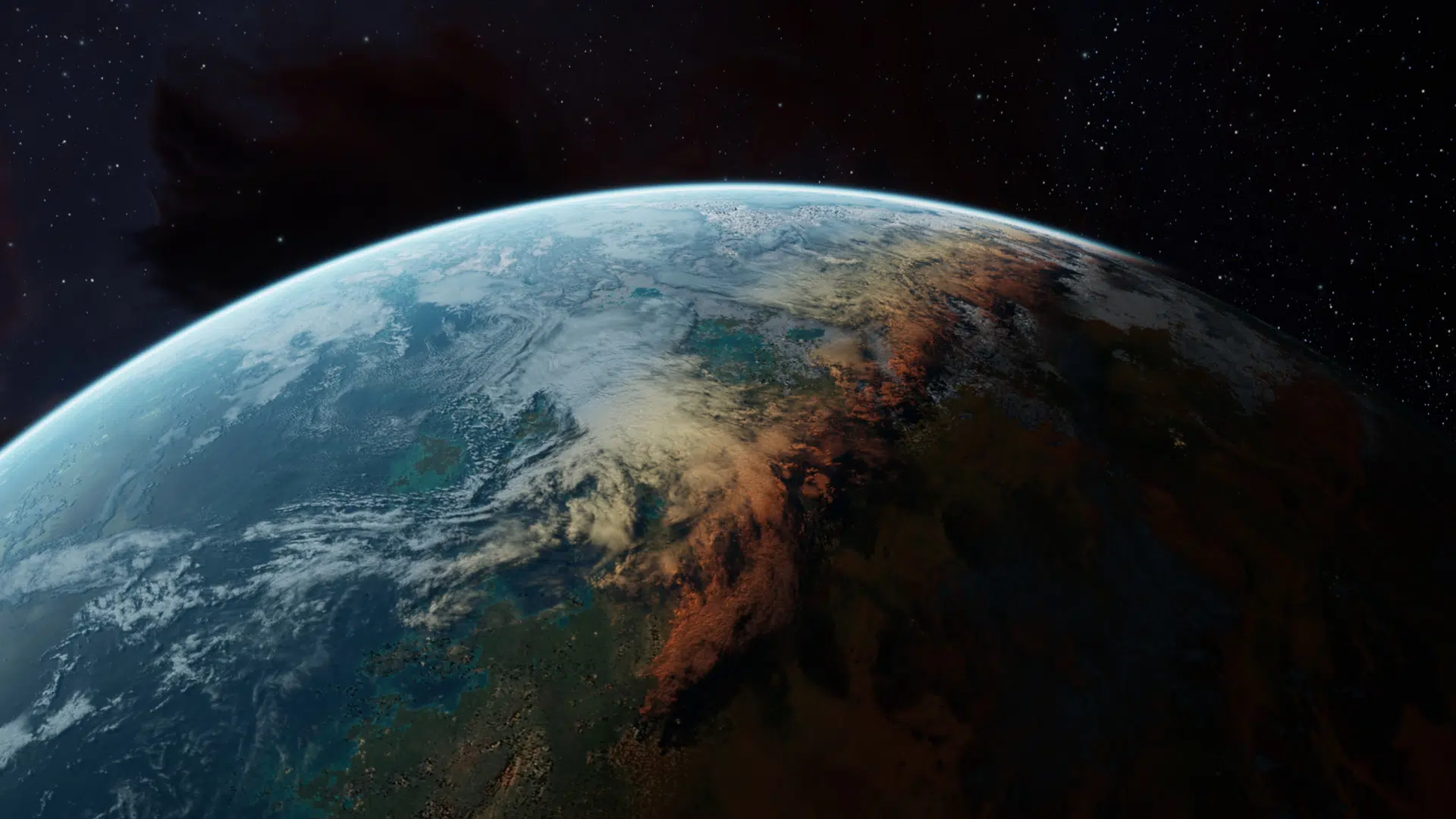
Earth is the third planet from the Sun.
It is the only planet known to have life.
Water covers about 71% of Earth’s surface.
Earth has one moon.
The air is mostly nitrogen and oxygen.
A day on Earth is 24 hours.
A year on Earth is 365.25 days.
Earth’s tilt causes seasons.
It has a magnetic field that protects it from solar wind.
Earth has volcanoes, mountains, oceans, and forests.
Earth’s Moon causes ocean tides.
Earth is over 4.5 billion years old.
It’s the densest planet in the solar system.
It spins eastward, like most planets.
Earth is the only planet with surface water in liquid form.
Mars
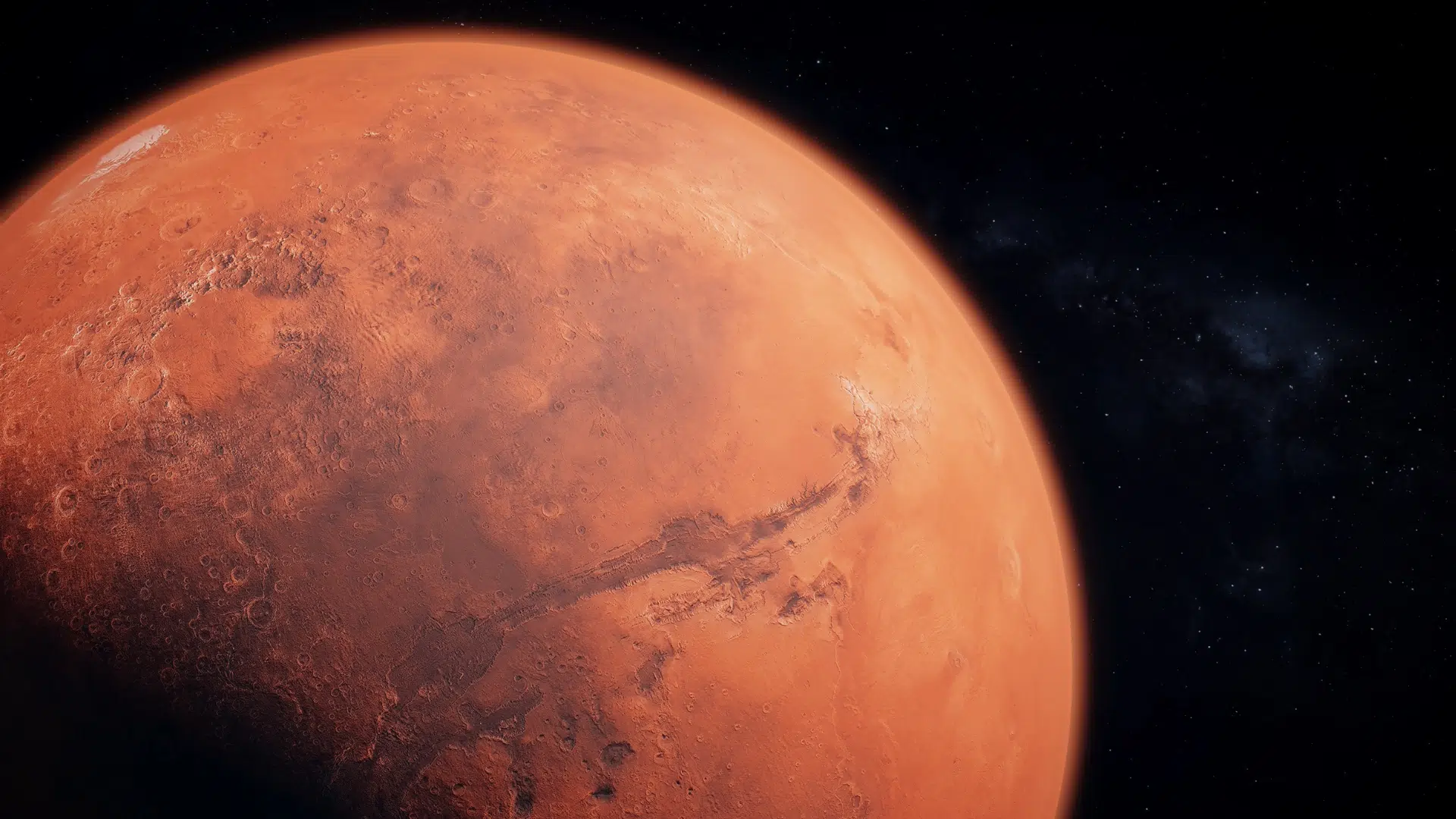
Mars is the fourth planet from the Sun.
It’s called the Red Planet due to its iron-rich soil.
Mars has two small moons: Phobos and Deimos.
Olympus Mons on Mars is the tallest volcano in the solar system.
Mars has a giant canyon called Valles Marineris.
A day on Mars is about 24.6 hours.
Mars has cold temperatures and a thin atmosphere.
The air is mostly carbon dioxide.
Mars has ice caps made of frozen water and CO₂.
Dust storms can cover the whole planet.
It has seasons like Earth due to its tilted axis.
Rovers have explored its surface.
Scientists think it once had flowing water.
Mars may hold signs of past life.
Jupiter
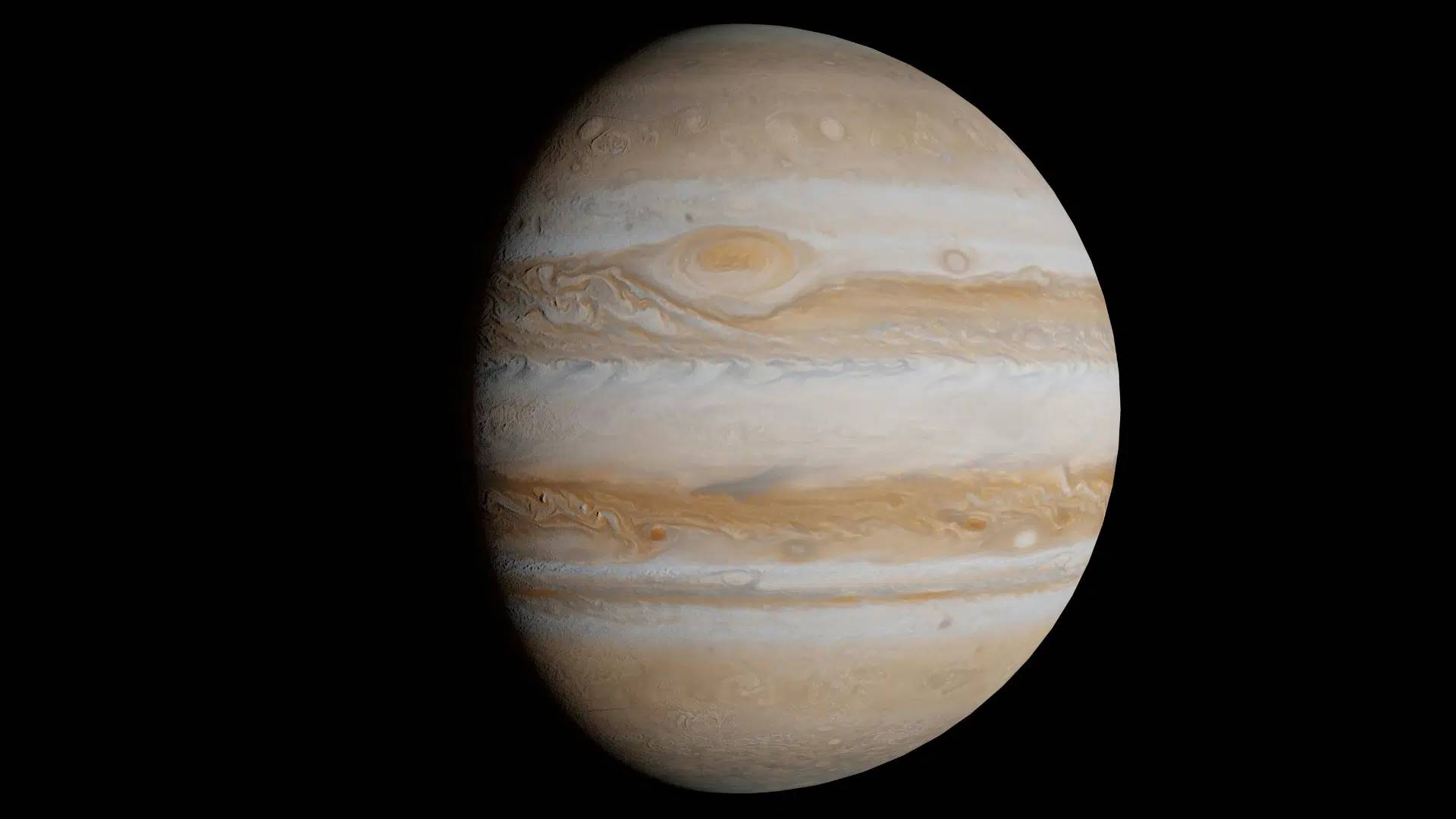
Jupiter is the fifth planet from the Sun.
It is the largest planet in the solar system.
Jupiter is made mostly of gas.
It has at least 95 moons.
Ganymede, its largest moon, is bigger than Mercury.
Jupiter has a strong magnetic field.
The Great Red Spot is a giant storm bigger than Earth.
The storm has lasted for hundreds of years.
Jupiter has faint rings.
A day on Jupiter is only about 10 hours.
It spins faster than any other planet.
Jupiter gives off more heat than it gets from the Sun.
Its four largest moons are called the Galilean moons.
Jupiter could fit all the other planets inside it.
Its gravity helps protect Earth by pulling in space rocks.
It was the first planet seen with a telescope after Saturn.
Saturn
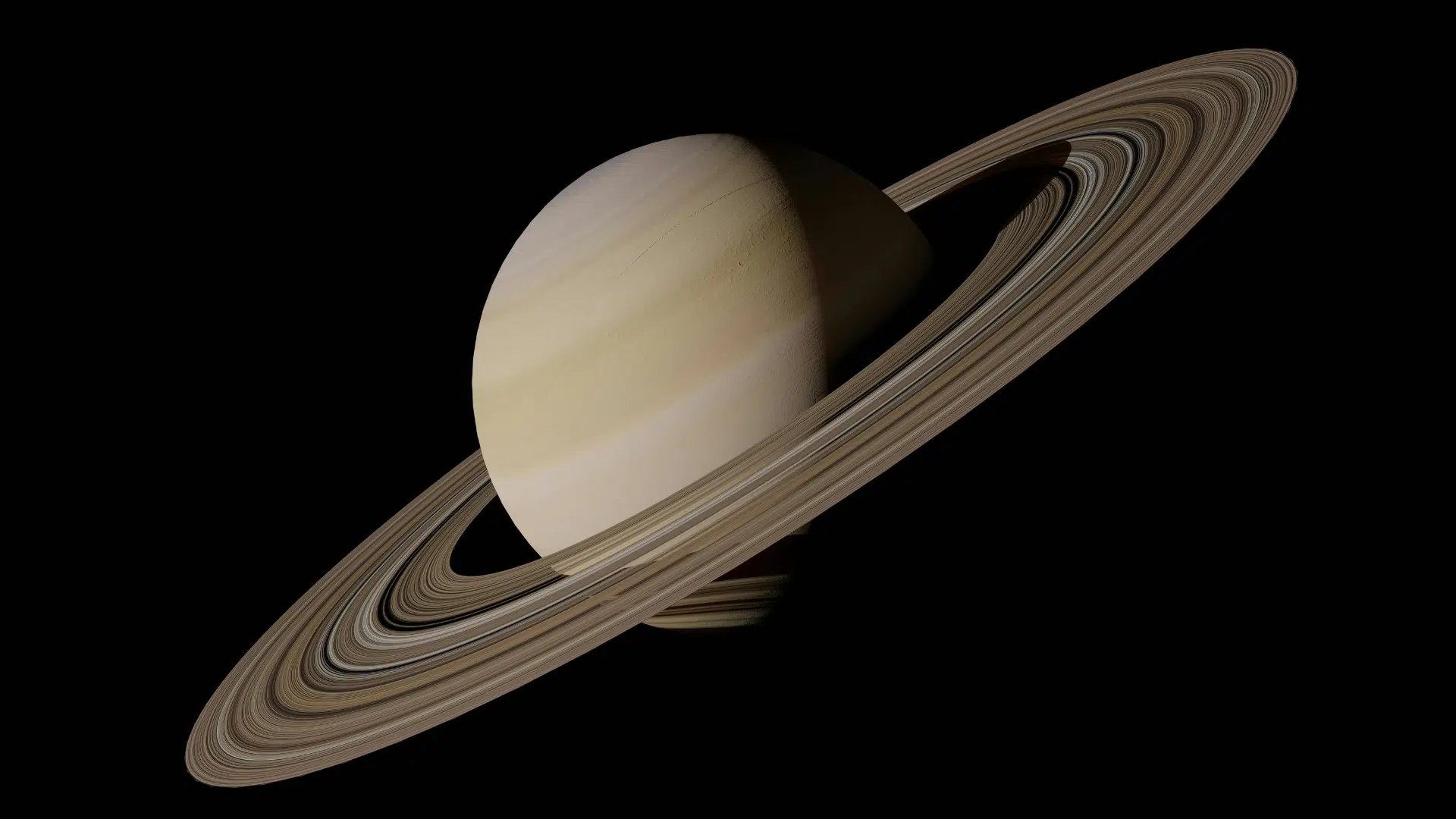
Saturn is the sixth planet from the Sun.
It is a gas giant like Jupiter.
Saturn has thousands of ring pieces made of ice and rock.
The rings are wide but very thin.
Saturn is the second-largest planet.
It has more than 140 moons.
Titan, its largest moon, has thick air and lakes.
Enceladus, another moon, shoots water into space.
A day on Saturn is about 10.7 hours.
Saturn is less dense than water.
Its rings may have come from a broken moon.
Some moons orbit inside the rings.
Cassini spacecraft studied Saturn for 13 years.
Winds on Saturn can reach 1,000 mph.
The planet has a yellow color due to gases in its air.
Uranus
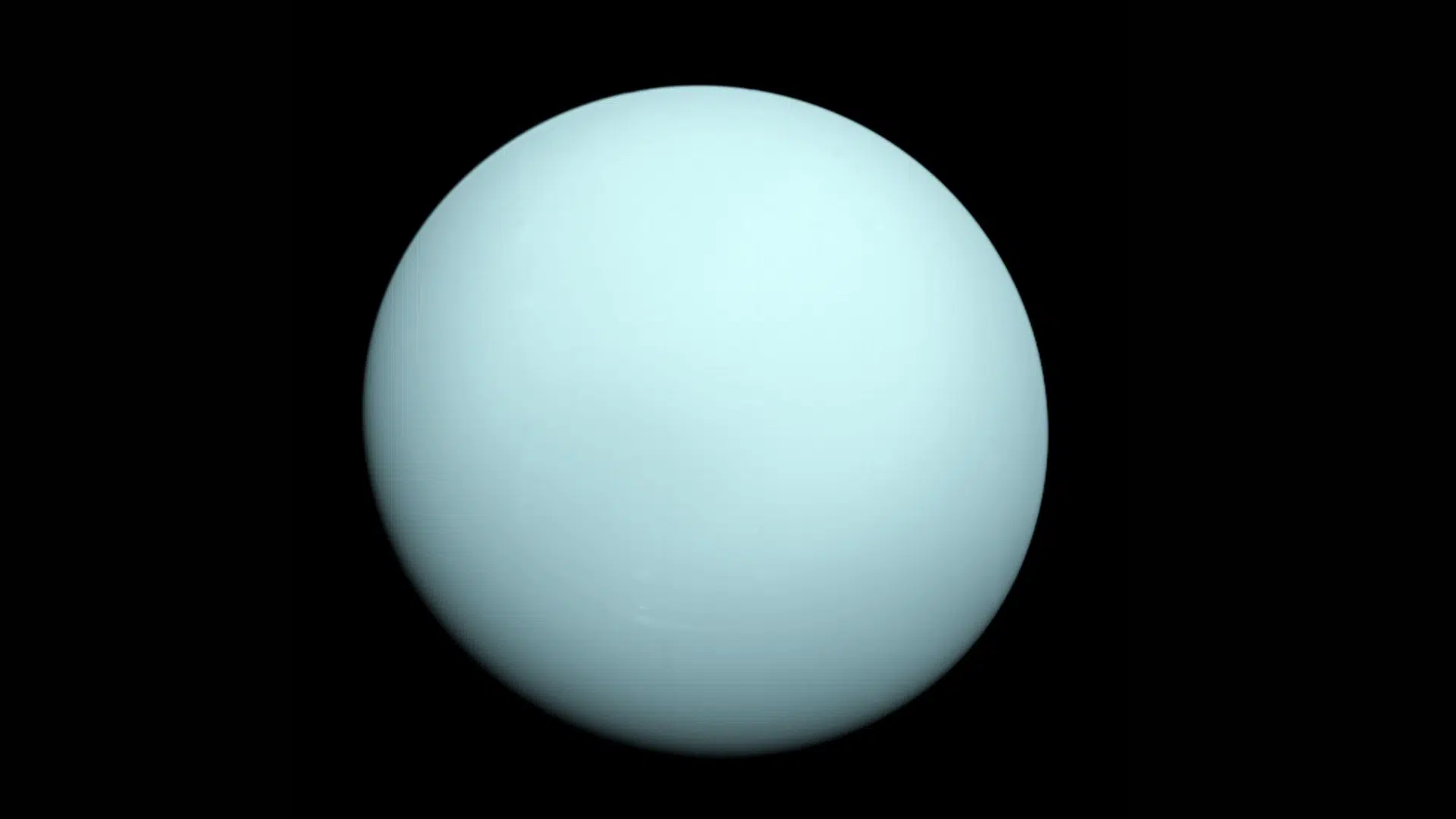
Uranus is the seventh planet from the Sun.
It spins on its side compared to other planets.
Its blue-green color comes from methane gas.
Uranus is called an ice giant.
It has faint rings.
Uranus has at least 27 moons.
Its biggest moons are Miranda, Titania, and Oberon.
A year on Uranus lasts 84 Earth years.
A day on Uranus is about 17 hours.
It was the first planet found with a telescope.
Uranus is very cold, with temperatures below -350\u00b0F.
Its moons are named after characters from plays and poems.
Neptune
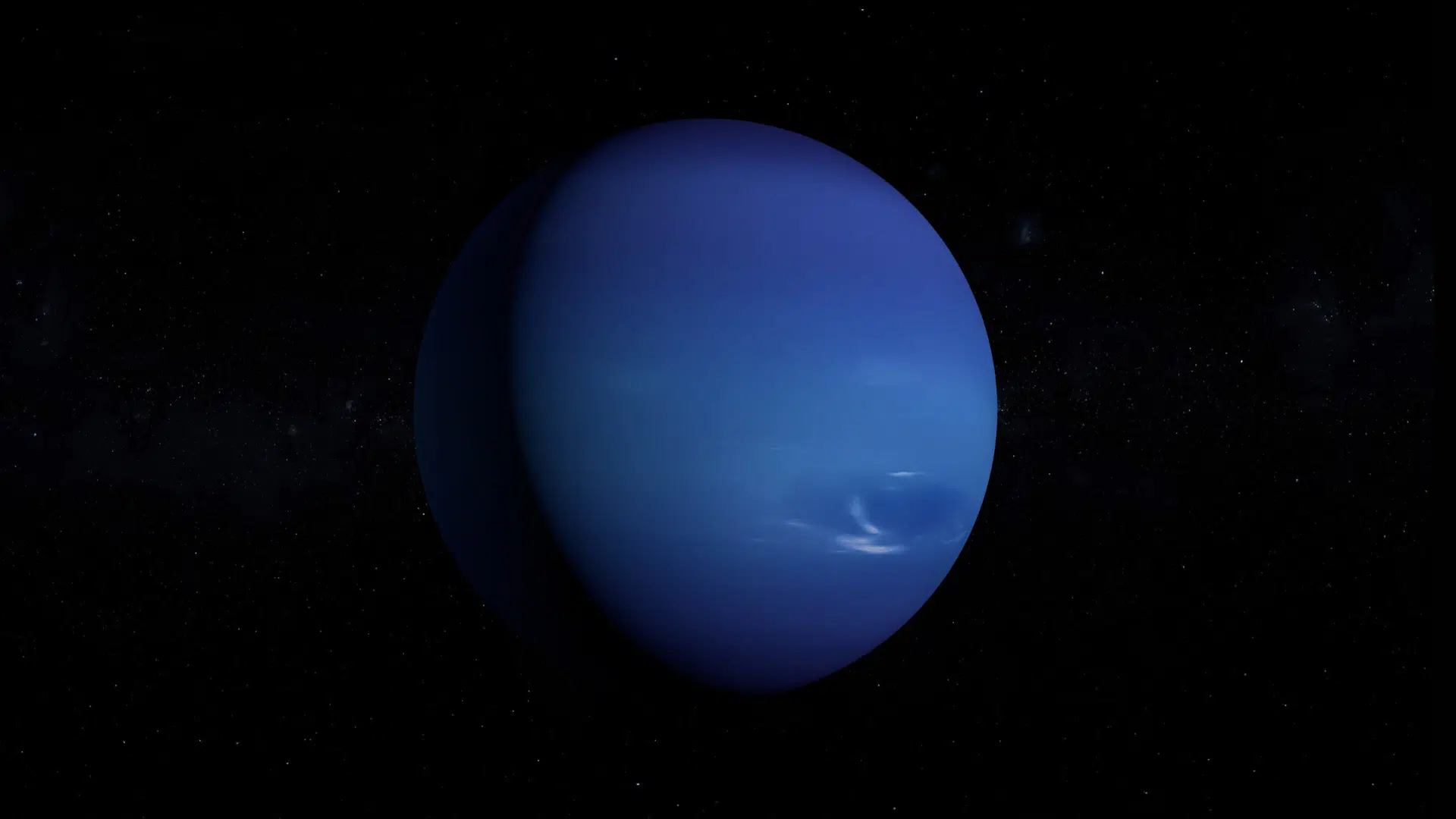
Neptune is the eighth planet from the Sun.
It’s the farthest planet in our solar system.
Neptune is also an ice giant like Uranus.
Its deep blue color is from methane in the air.
It has the fastest winds in the solar system.
A day on Neptune lasts about 16 hours.
One year on Neptune is 165 Earth years.
Neptune has at least 14 moons.
Triton, its largest moon, may have ice volcanoes.
Triton orbits backward, which is rare.
Neptune has thin, faint rings.
It was discovered through math before it was seen.
Dwarf Planets
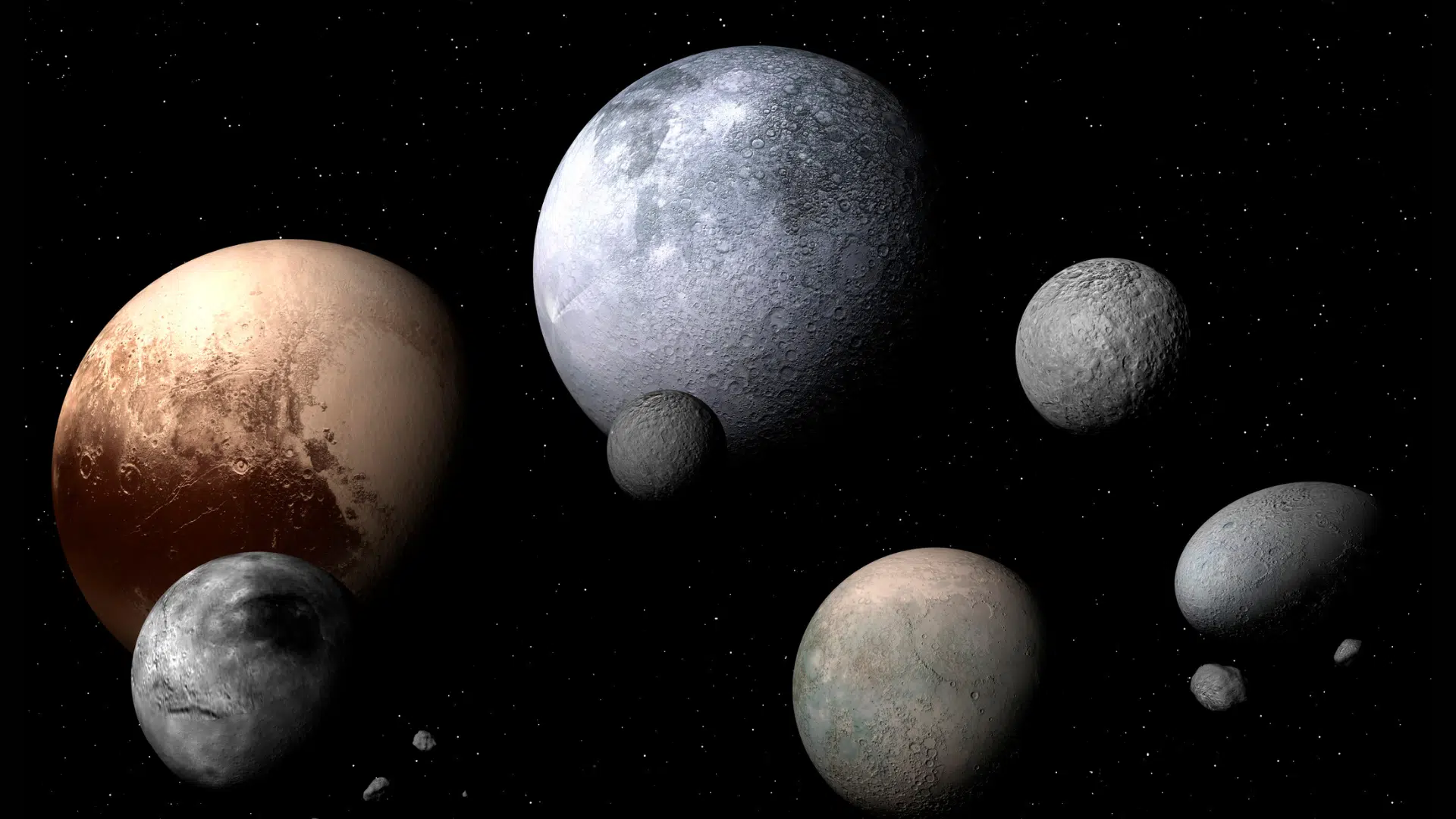
Pluto used to be called the ninth planet.
It is now a dwarf planet.
Pluto has five moons.
Charon is its largest moon.
Pluto is smaller than Earth’s Moon.
A year on Pluto is 248 Earth years.
Ceres is another dwarf planet, found in the asteroid belt.
Other dwarf planets include Eris, Haumea, and Makemake.
Moons
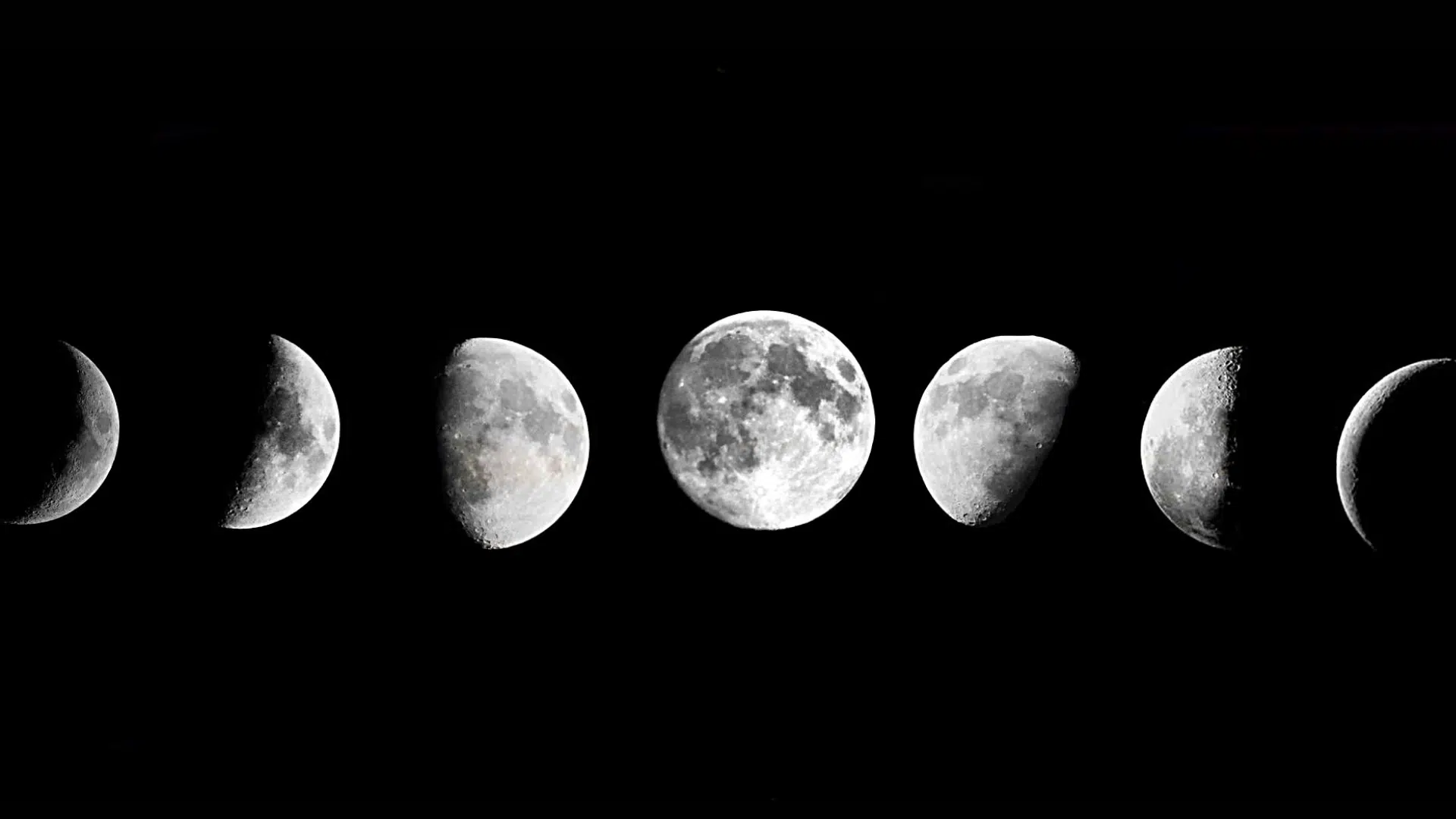
There are over 200 known moons in our solar system.
Earth has one moon.
Jupiter and Saturn have the most moons.
Some moons are round, others are odd shapes.
Titan has lakes and thick air.
Europa might have an ocean under its ice.
Ganymede is the biggest moon in the solar system.
Some moons may have the right stuff to support life.
Moons can cause tides and affect the planet’s movement.
Rings
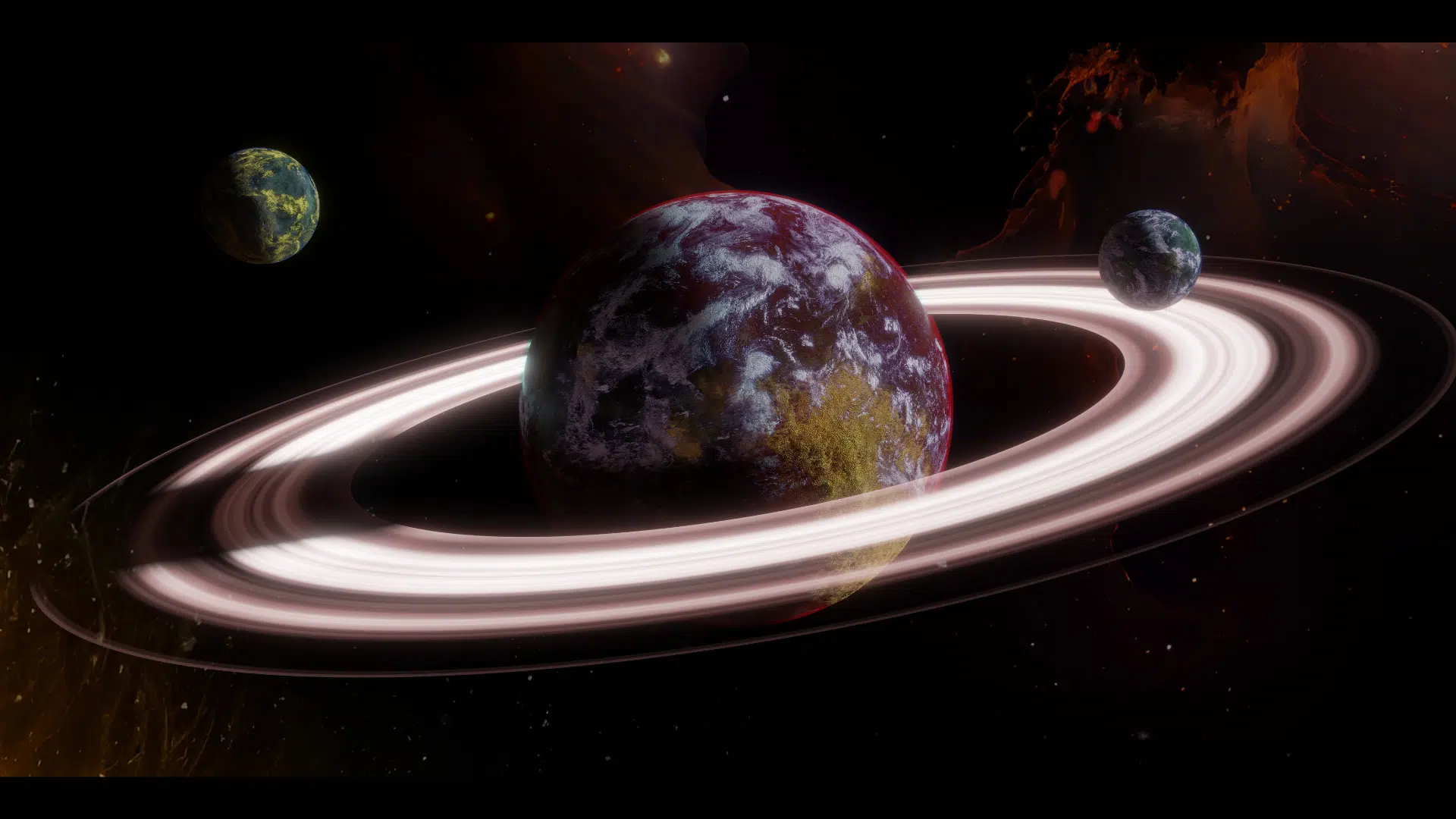
Saturn’s rings are the biggest and brightest.
Jupiter, Uranus, and Neptune also have rings.
Rings are made of ice, rock, and dust.
Some moons help shape and hold ring systems in place.
Solar System
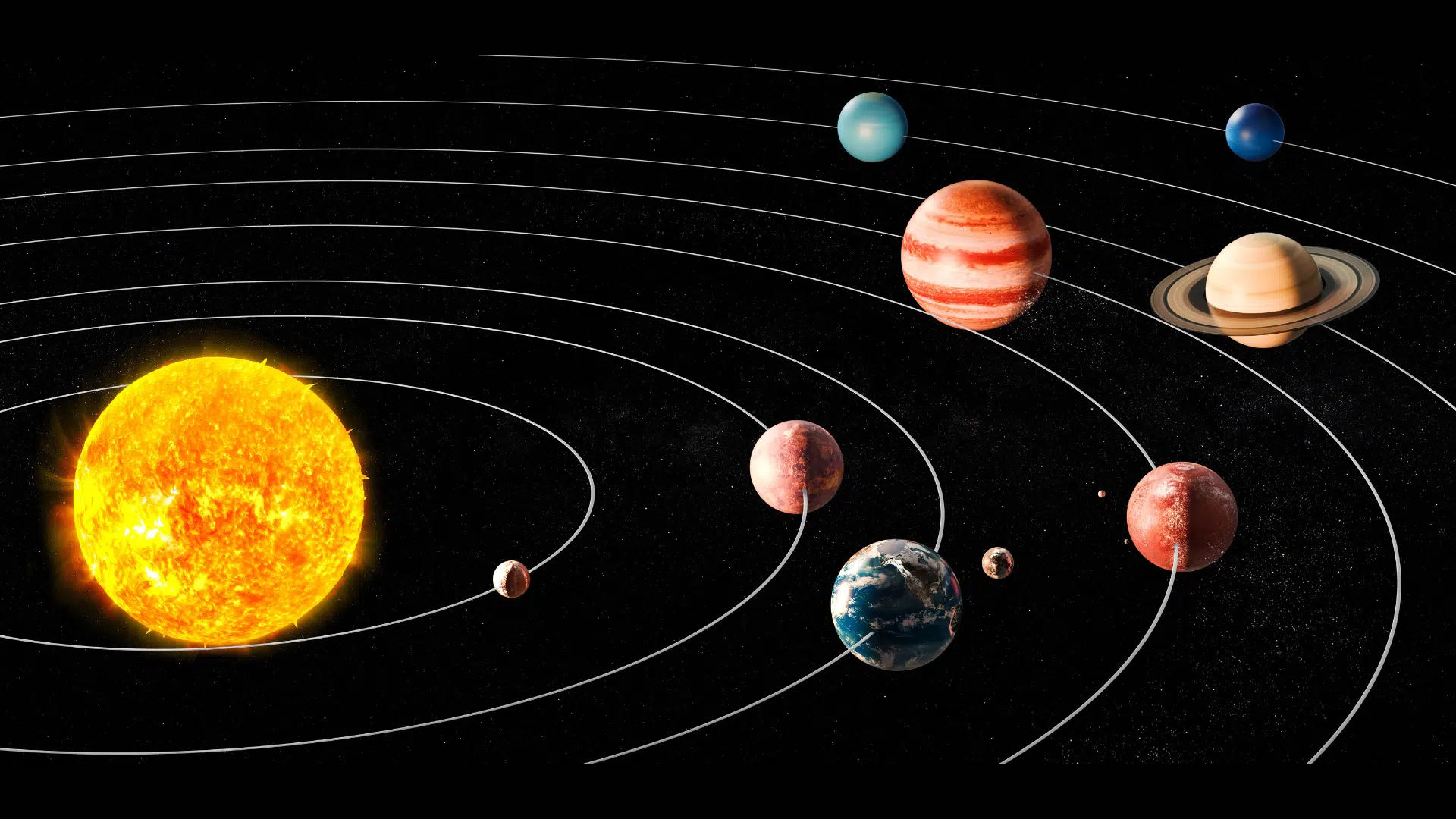
All planets orbit the Sun in the same direction.
The Sun makes up 99.8% of the mass in the solar system.
Our solar system is about 4.6 billion years old.
It is just one of billions in the Milky Way galaxy.
Final Thoughts
There’s so much to know about the planets, from how long their days are to what they’re made of.
Some have rings, some have many moons, and some are still a mystery. These facts show how big and exciting our solar system really is.
Learning about planets builds a strong base for science and makes school projects more fun. From icy giants to rocky worlds, there’s always something new to learn.
This list is just the beginning. Keep going, keep learning, and explore more space facts with us.
Check out our other space blogs to keep growing your knowledge and having fun with science!