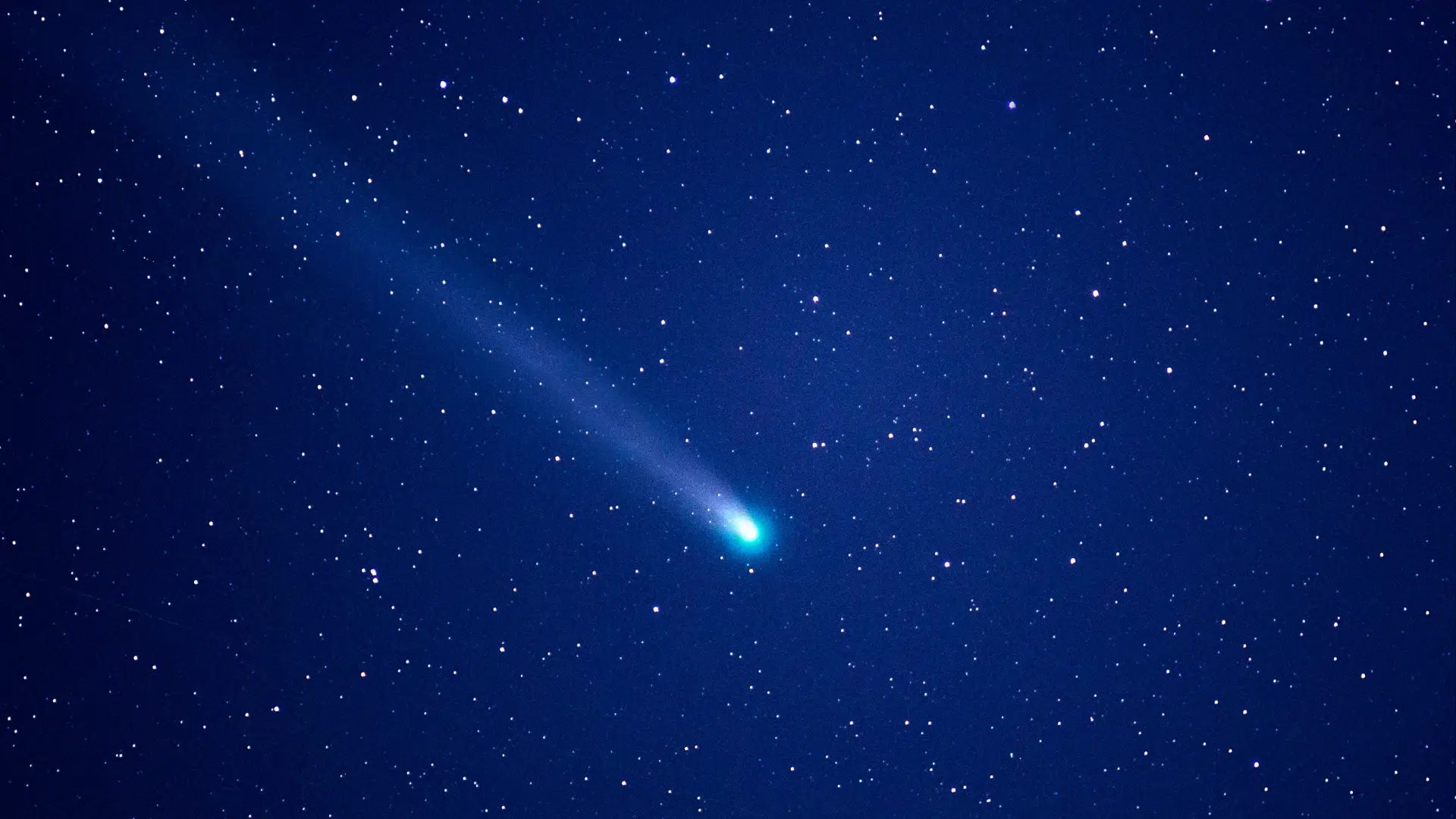



Meteors are bright streaks of light that flash across the sky. They are often called “shooting stars,” but they are not stars at all.
People have watched meteors for thousands of years. These space rocks come in different sizes and travel at very high speeds.
Many burn up before reaching the ground. A few can make it all the way down. Meteors come from space, and they enter Earth’s sky quickly.
This blog shares amazing facts about meteors in simple words. It’s great for anyone who wants to learn in a fun and easy way.
What is a Meteor?
A meteor is a bright light in the sky that happens when a space rock enters Earth’s atmosphere and burns up.
These rocks come from space and are often small. When they fly through the air and get hot, they make a glowing streak. People sometimes call them “shooting stars,” but they are not stars at all.
Meteors come from space. Most of them are tiny pieces that broke off from comets or asteroids. These pieces float around the solar system. When Earth moves through them, they fall into the sky and burn. That’s when we see a meteor.
What Does a Meteor Look Like?
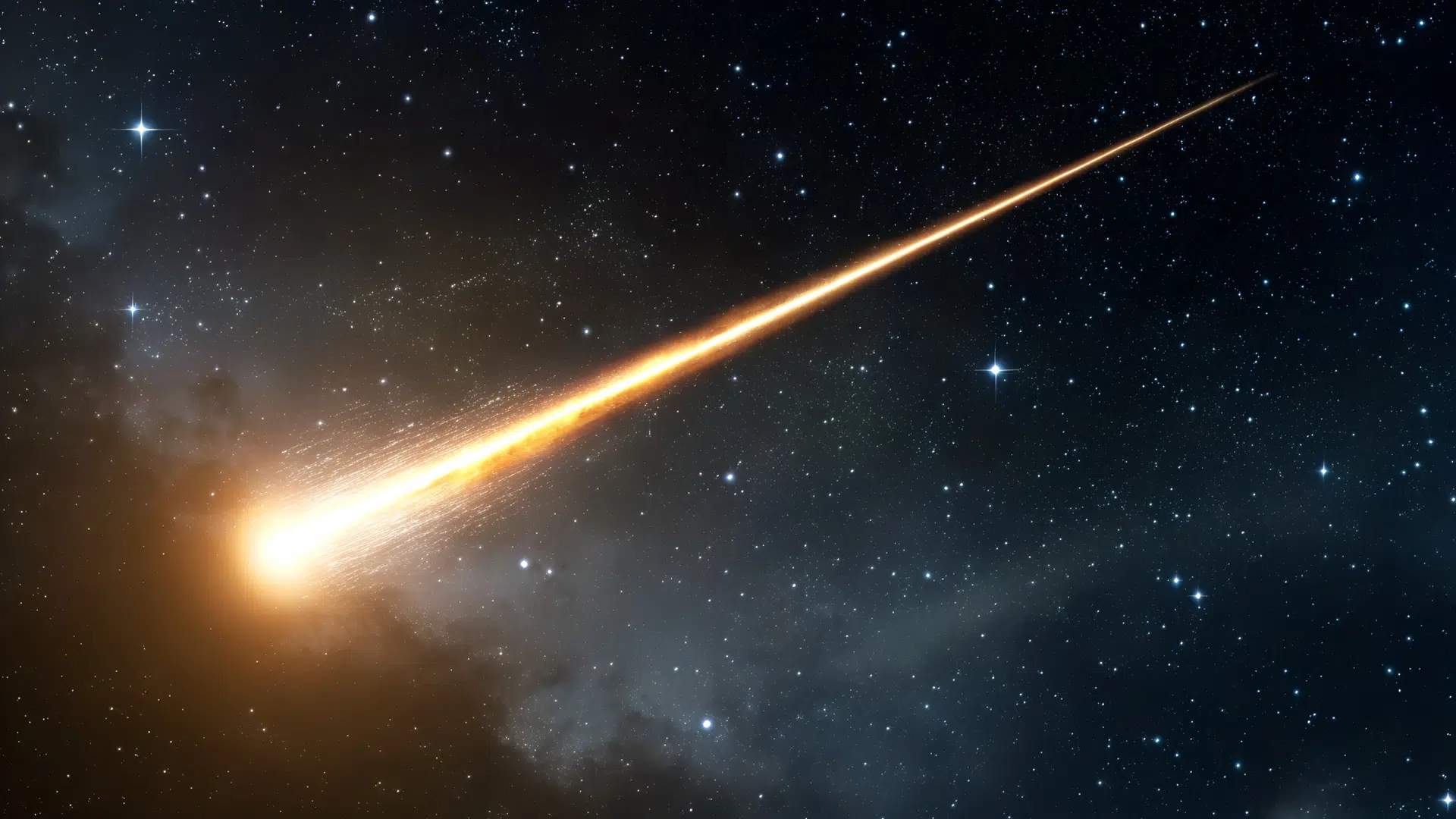
A meteor looks like a bright, fast streak of light moving across the night sky. Many people call it a “shooting star,” but it’s actually a space rock burning up as it enters Earth’s atmosphere.
Meteors can shine in different colors like white, yellow, orange, or green, depending on what they’re made of.
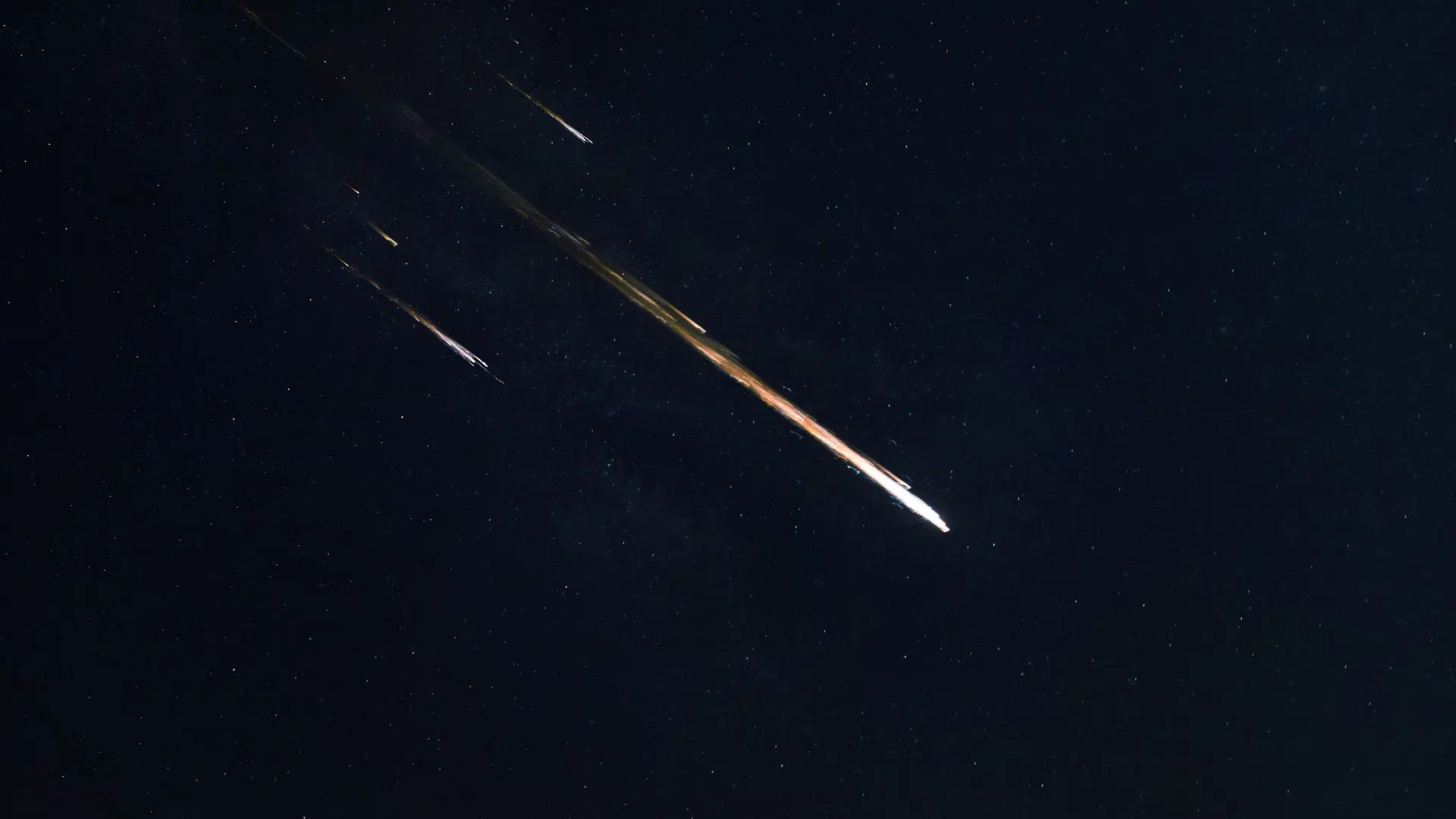
Most last only a few seconds before fading. Some can be much brighter and light up the sky; these are called fireballs.
A large meteor may even leave a glowing trail behind it that stays for a few minutes before disappearing into the dark.
Amazing Meteor Facts You Should Know
Below are simple and fun facts that explain how meteors behave, what they are made of, and why they matter. Each fact helps you understand these space lights a little better.
Fact 1: Meteors are Very Fast
Meteors fly through Earth’s sky at amazing speeds, often faster than 25,000 miles per hour. Some can go over 100,000 miles per hour. This speed causes the air around them to glow.
Most meteors flash by in just a second or two. Bigger ones may stay a bit longer. Scientists also use this speed to figure out how much energy the meteor had before it burned up.
Fact 2: Most Meteors Burn Before They Hit the Ground
Most meteors never reach the ground. They burn up high in the sky because they are small and light. The air gets hotter as they fall, and that heat makes them glow and break apart.
If a space rock is large enough to survive the fall, it becomes a meteorite. These are much rarer and can be found on land in some parts of the world.
Fact 3: Meteors Can Be Very Small
Many meteors are no larger than a grain of sand. Even though they are tiny, they can still make a bright flash in the sky when they burn up.
Some are as small as dust, while others can be the size of a rock or ball. The larger the meteor, the brighter the flash and the better the chance it might leave something behind.
Fact 4: A Meteor Shower is Not Rain
A meteor shower happens when Earth passes through a group of space rocks left behind by a comet. These showers can bring dozens or even hundreds of meteors in one night.
They don’t fall like rain; they zip across the sky at random spots. Meteor showers happen around the same time each year and are often named after star groups nearby.
Fact 5: Meteors Happen Every Day
Earth is hit by space rocks all the time; over 40 tons of dust and small debris fall each day. Most of it is too small to see.
But on any clear night, a person watching the sky might spot a meteor every 10 to 15 minutes. During showers, that number can go up. So, even without a special event, meteors are always part of our sky.
Fact 6: Meteors Can Make Sound
Very bright meteors, like fireballs or bolides, sometimes create sounds. These may include loud booms, cracks, or even hissing.
The sound usually comes a few seconds after the meteor is seen, because light travels faster than sound. People who have heard these sounds say they can be sudden and loud, almost like thunder. These events are rare but exciting for those who experience them.
Fact 7: Meteors are Not Stars
Even though many people call them “shooting stars,” meteors are not stars at all. A real star is a giant ball of gas far away in space.
A meteor is just a small rock or metal object from space that burns up in Earth’s atmosphere. The name “shooting star” comes from the way meteors look, not from what they truly are.
Fact 8: Meteors Can Be Seen in Daylight
While most meteors are seen at night, some are so bright they can be spotted during the day. These are known as daylight fireballs. They shine brightly enough to be seen through sunlight and sometimes leave smoke-like trails.
Daylight meteors are rare and hard to catch, but when they do appear, they often surprise people who weren’t even looking at the sky.
Fact 9: Some Meteors Leave Smoke Trails
Large meteors may leave behind a smoky trail in the sky. These trails are made from hot gases and tiny particles as the meteor burns.
Wind can bend and twist the trail, making it look like it’s moving. Some trails stay in the sky for several minutes. These trails are also useful for scientists who want to track the meteor’s path.
Fact 10: Meteorites Can Be Very Old
When a meteor reaches the ground, it becomes a meteorite. Some meteorites are over 4 billion years old, older than Earth itself.
These space rocks help scientists study what the early solar system was like. Because they are so old, each meteorite is like a time capsule from space, giving us clues about planets, moons, and other things beyond Earth.
Fact 11: Meteors Have Different Colors
The color of a meteor can tell us what it’s made of. Different elements glow in different ways when they burn. For example, iron makes yellow, copper shows green or blue, and calcium makes purple.
If you watch a meteor shower closely, you might see different colors flash across the sky. Scientists use these colors to learn more about the meteor’s makeup.
Fact 12: NASA Tracks Meteors
NASA and other space agencies track meteors using radar, cameras, and even satellites. They keep an eye on the sky to watch for large meteors that could fall to Earth.
When a big meteor is seen, NASA records its size, speed, and where it might land. This helps keep people informed and gives scientists valuable data about space rocks.
Fact 13: Meteors Have Names
Many meteor showers are named after the constellation from which they appear to come. For example, the Perseids seem to come from the constellation Perseus, and the Leonids come from Leo.
These names help people know where to look during showers. The names are also useful for scientists who study the timing and strength of each yearly event.
Fact 14: Meteorites Can Be Found on Earth
If a meteor is large enough to survive the fall, it becomes a meteorite and can land on Earth. People have found them in deserts, frozen lands like Antarctica, and even in backyards.
Meteorites often have a dark, burned surface and may feel heavier than normal rocks. Some museums let people touch real meteorites that came from space.
Fact 15: One Meteor Can Light Up the Whole Sky
A very large meteor is called a bolide. It can be so bright that it lights up the sky like daytime. Bolides may break into pieces, create loud booms, or shake buildings.
In 2013, one exploded over Russia and broke windows in several cities. While rare, bolides show how powerful a single space rock can be when it enters our sky.
How to Watch a Meteor Shower
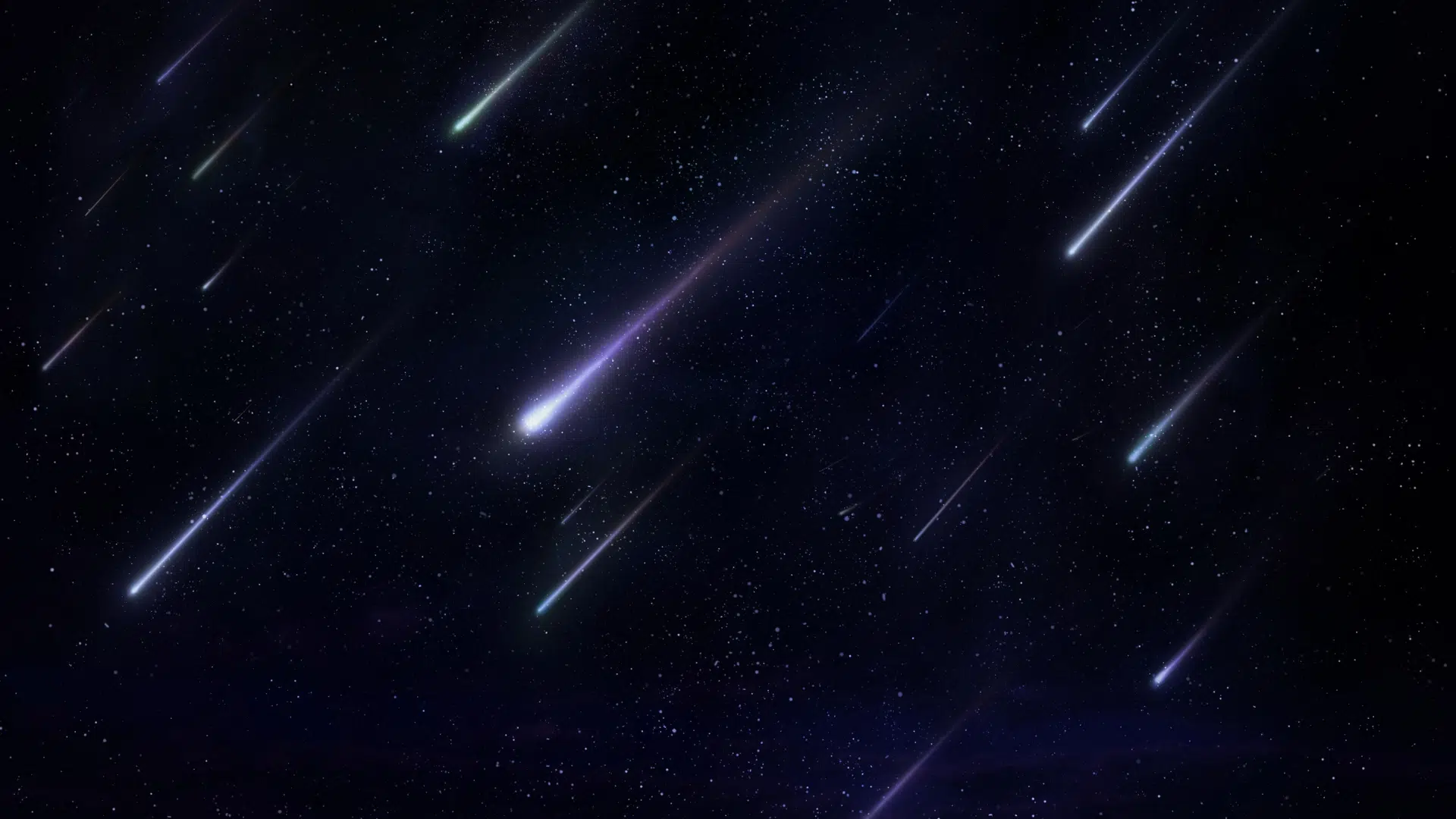
Want to see a meteor? Follow these tips:
- Go out at night, usually after midnight.
- Stay away from city lights. Dark skies help you see more.
- Look up and be patient. It may take 10–15 minutes to adjust your eyes.
- Use a blanket or chair. Lying down helps you see more of the sky.
- Don’t use a telescope. Meteors move too fast, and you’ll miss them.
No special tools are needed, just your eyes and a clear sky.
To Conclude
Meteors remind us that space is always moving, even when we can’t see it. Just one flash across the sky can lead to big questions and new ideas.
Scientists use meteors to study the past, while sky watchers enjoy the beauty they bring. These space rocks may be small, but they connect us to something much bigger.
The next time you see one, think about where it came from and how far it traveled. Meteors aren’t just bright lights; they’re messengers from space.
Want more simple facts like these? Check out our other blogs for easy reads on stars, planets, and more wonders above.