


Looking at the night sky is a fun and peaceful hobby. Binoculars can help make the stars, moon, and planets easier to see.
Many people prefer them over telescopes when just starting out.
But with so many binoculars out there, it can be hard to know which ones are good for stargazing. Some may look great but miss the details in the sky.
This blog shares the top picks for binoculars made for star watchers. It also gives helpful tips to make the buying choice easier and smarter.
Why Use Binoculars for Stargazing?
Binoculars are a great tool for stargazing because they are simple to use and easy to carry. Unlike telescopes, they don’t need a setup or special skills.
You just pick them up and look. Binoculars also show a wide part of the sky, which makes it easier to find stars, planets, and the moon.
They are less expensive than most telescopes and can be used for other things too, like bird watching or hiking.
For beginners or anyone who wants a clear and close view of the night sky without much hassle, astronomy binoculars are a smart and helpful choice.
Key Features to Look For in Astronomy Binoculars
Not all binoculars work well at night. Here are some features to check before buying:
1. Magnification and Lens Size (Example: 10×50)
- The first number (like 10 in 10×50) shows how many times closer things appear.
- The second number (like 50) is the size of the lens in millimeters. Bigger lenses let in more light.
For stargazing, 10×50 is a popular and balanced choice.
2. Lens Coating
Good binoculars have coated lenses to reduce glare and give a brighter image. Look for terms like:
- Fully coated
- Multi-coated
- Fully multi-coated (best option)
3. Exit Pupil
This tells you how bright the view will look. It’s the lens size divided by the magnification. For example, 10×50 gives an exit pupil of 5mm (50 ÷ 10). A bigger number means a brighter view at night.
4. Field of View
This shows how much sky you can see at once. A wider field of view makes it easier to find stars or planets.
5. Weight and Size
Heavy binoculars are hard to hold for a long time. Try to find a balance between lens size and weight. You can also use a tripod for heavier models.
6. Waterproof and Fogproof
This helps if you plan to stargaze in wet or cold places. Look for rubber-coated models with these features.
Top Astronomy Binoculars for Stargazing
Here are some of the best astronomy binoculars based on reviews, user experience, and expert advice. Each one is picked for a reason and fits different needs.
1. Celestron SkyMaster 15×70
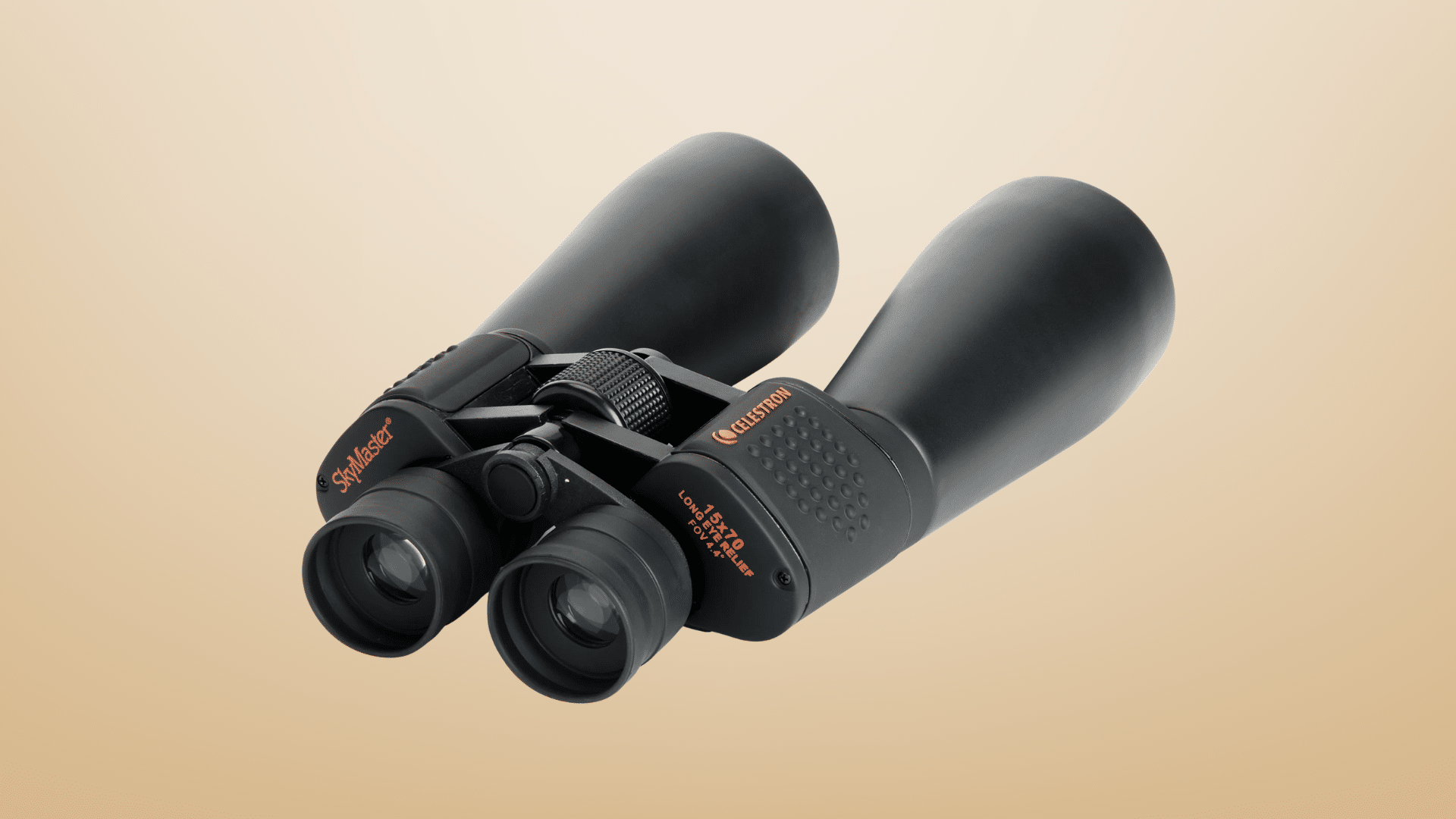
- Magnification: 15x
- Lens Size: 70mm
- Weight: 3.28 lbs
- Tripod Mount: Yes
Why it’s great: These binoculars are popular for their strong zoom and bright lenses. You can see deep-sky objects like star clusters and even some galaxies. They do need a tripod, as they are heavy.
Best for: Intermediate users who want better views and don’t mind using a tripod.
2. Orion Scenix 7×50
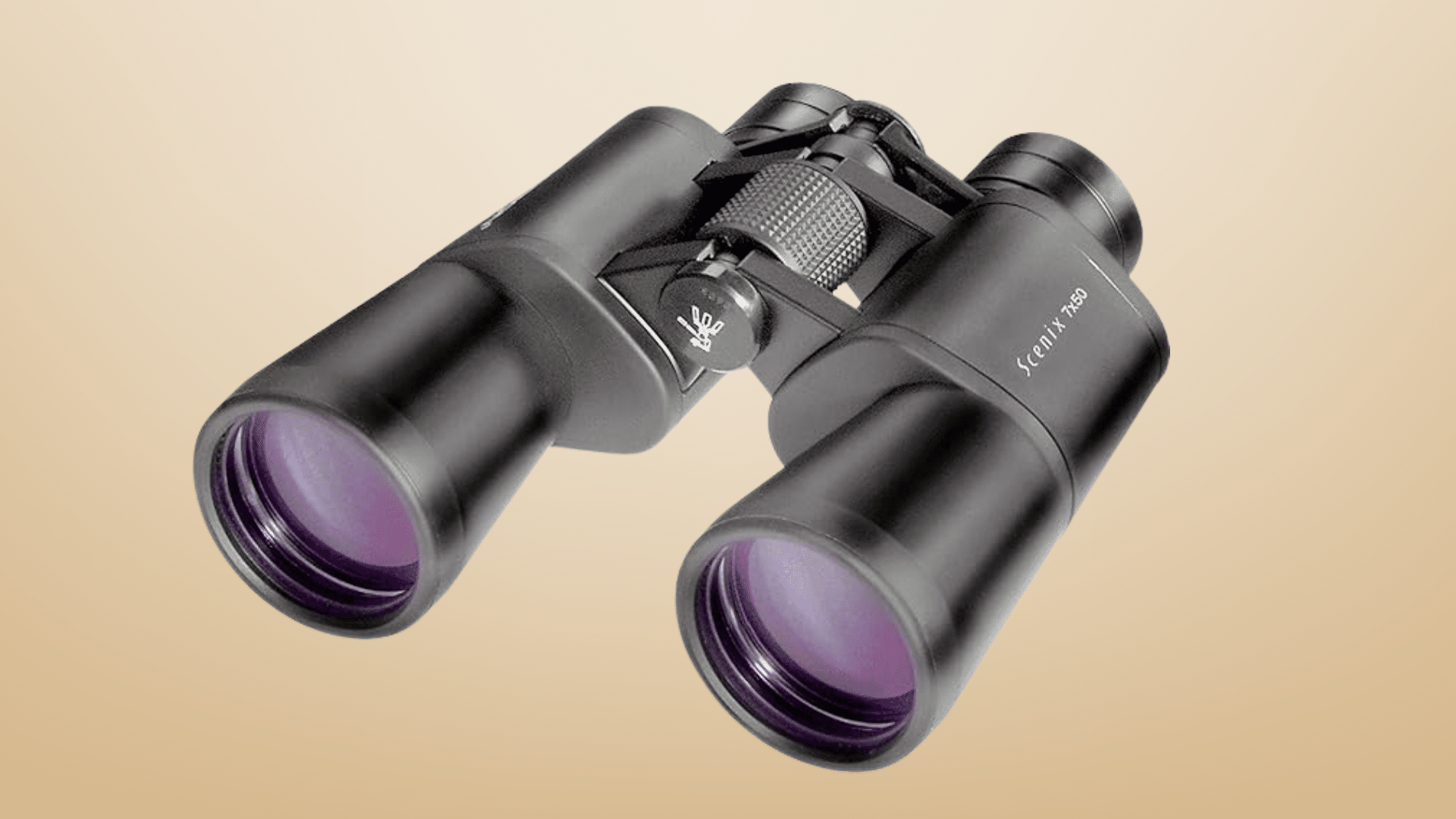
- Magnification: 7x
- Lens Size: 50mm
- Weight: 1.81 lbs
- Tripod Mount: Yes
Why it’s great: With a wide field of view, it’s perfect for finding stars quickly. Lightweight and good for handheld use.
Best for: Beginners or casual users.
3. Nikon 10×50 Aculon A211
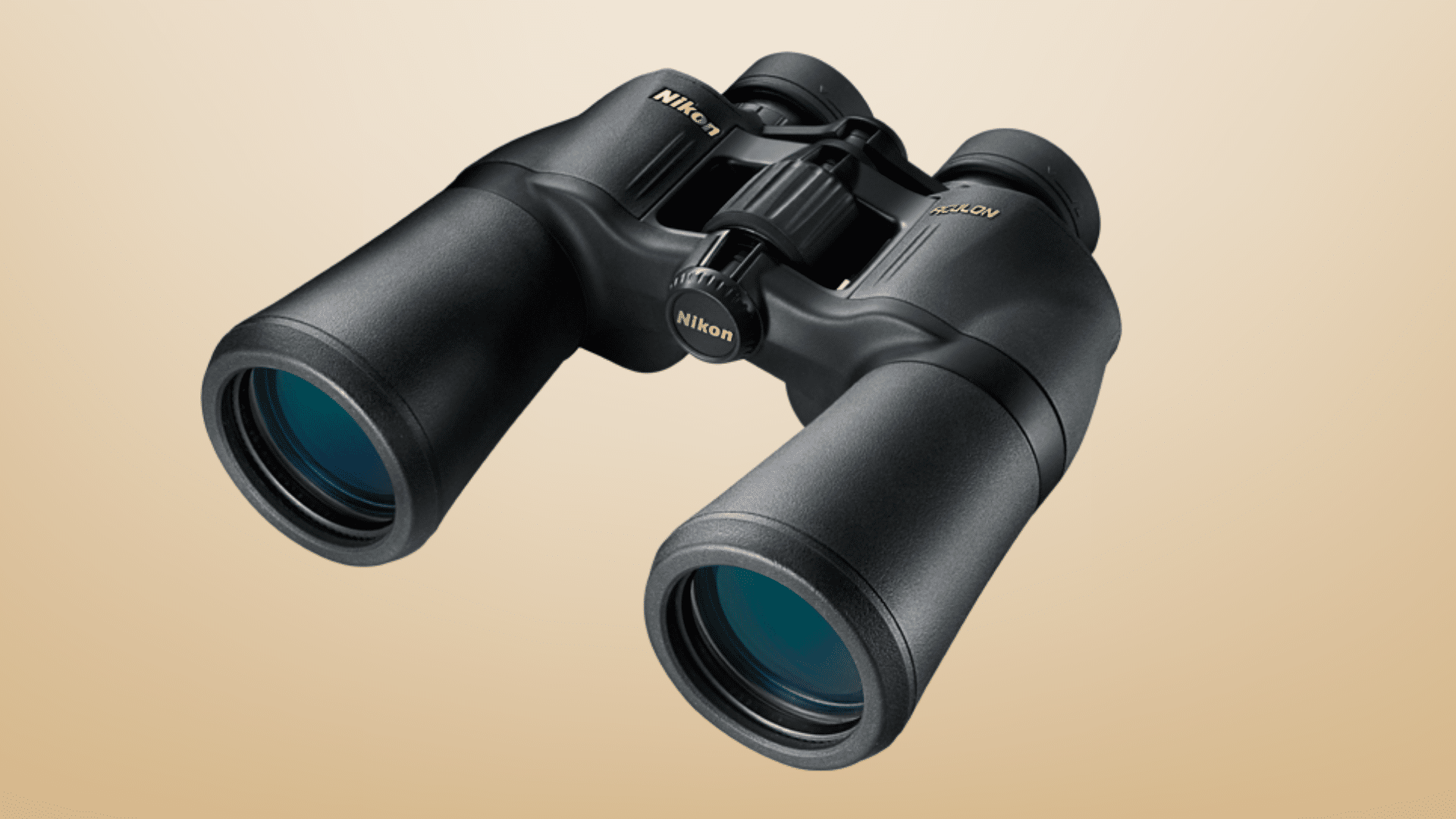
- Magnification: 10x
- Lens Size: 50mm
- Weight: 2.2 lbs
- Tripod Mount: Yes
Why it’s great: These offer a good balance of size, power, and quality. The images are bright and sharp. The price is fair for the quality.
Best for: All-around use, beginners to advanced.
4. Gosky 10×42 Roof Prism Binoculars
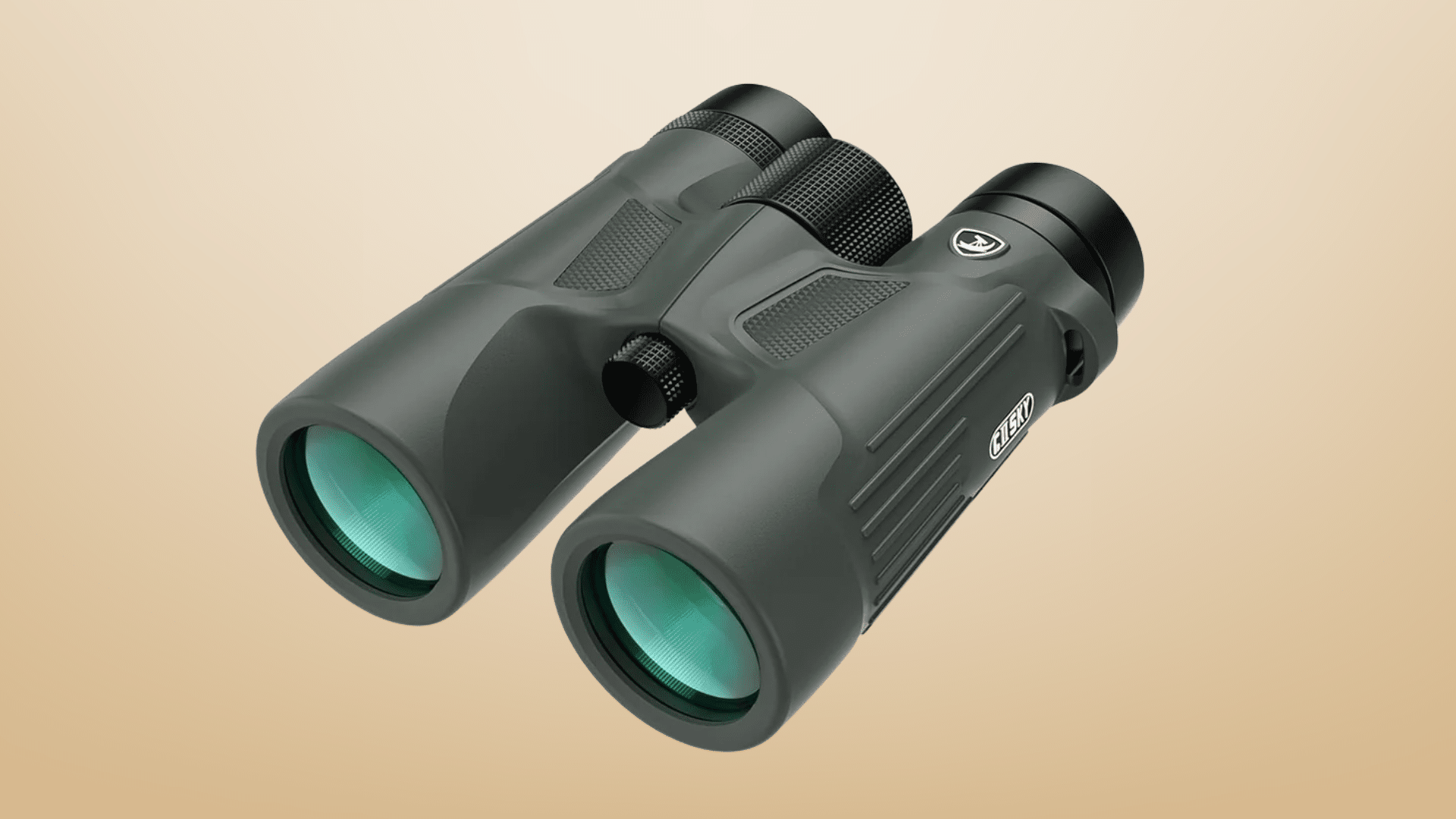
- Magnification: 10x
- Lens Size: 42mm
- Weight: 1.5 lbs
- Tripod Mount: Yes
Why it’s great: These are compact and come with smartphone support, so you can take photos of what you see.
Best for: Travelers and those who want to share views on their phone.
5. Vortex Optics Crossfire HD 12×50
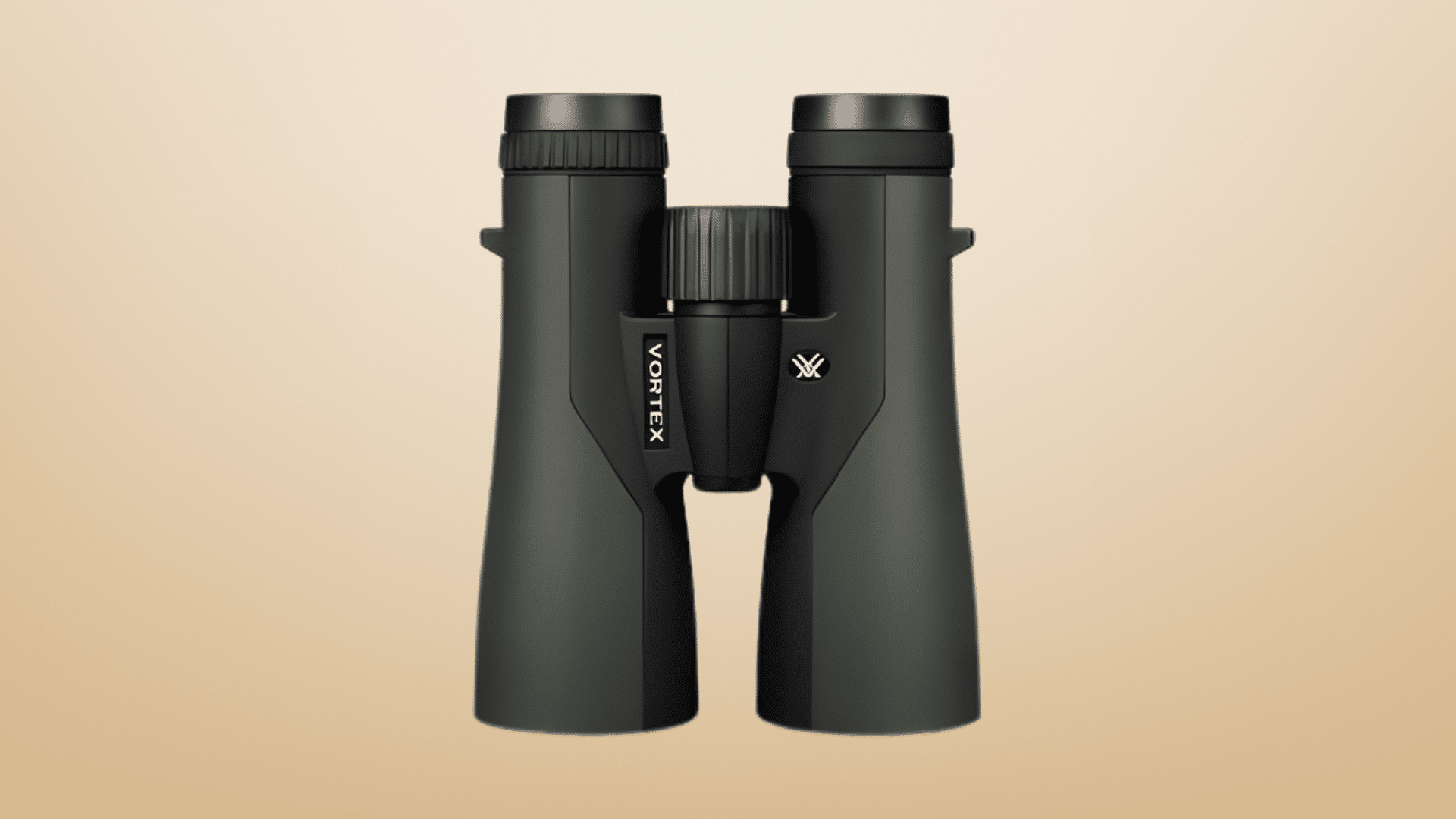
- Magnification: 12x
- Lens Size: 50mm
- Weight: 2 lbs
- Tripod Mount: Yes
Why it’s great: These are waterproof, fogproof, and come with great optics. Strong and clear image quality.
Best for: Users who want premium quality.
Best Budget and Beginner Binoculars for Stargazing
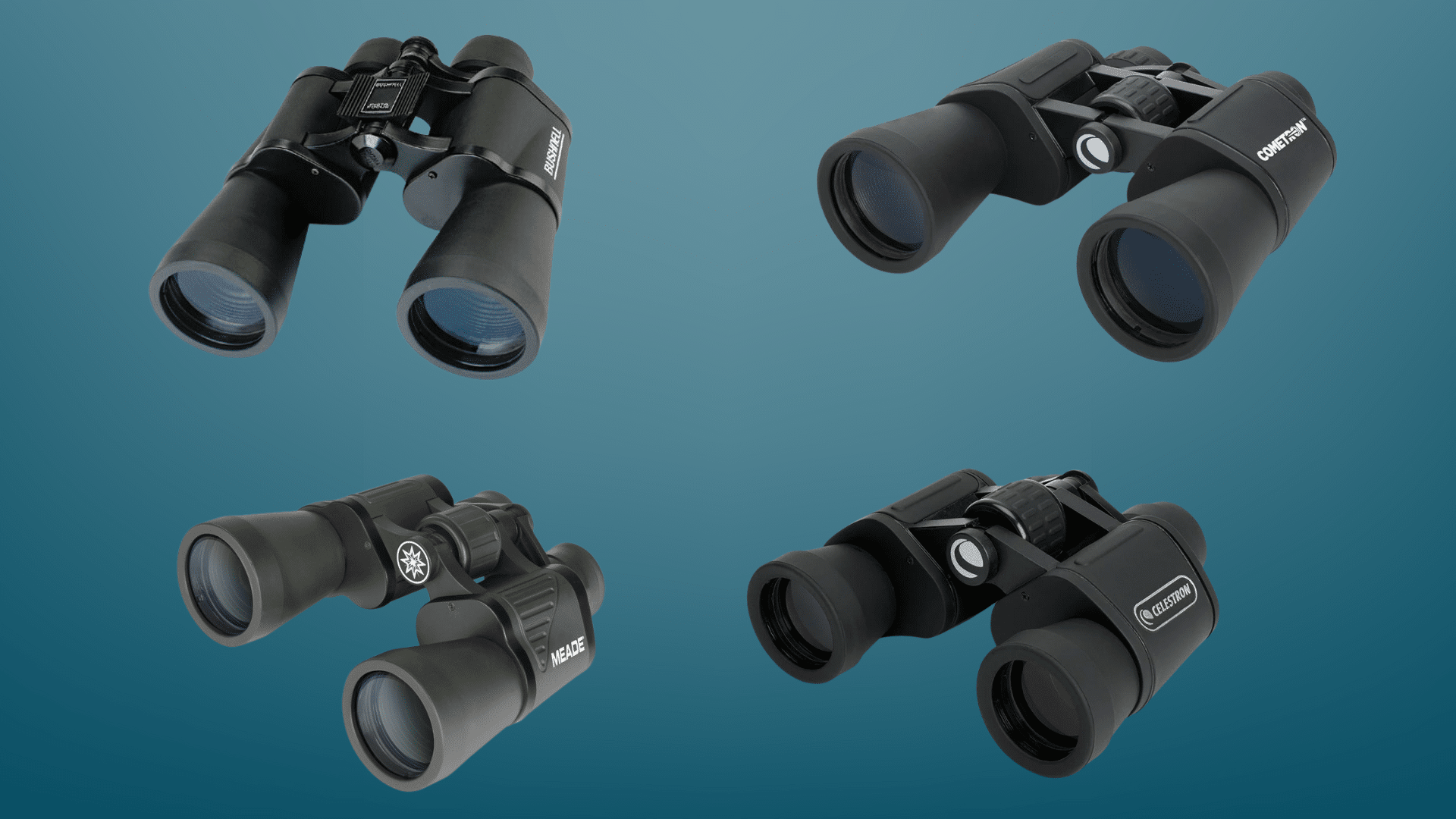
You don’t have to spend a lot to enjoy the night sky. Many astronomy binoculars are budget-friendly and still offer great views. This table includes top picks that are both affordable and easy to use.
| Model | Magnification | Why It’s Great | Best For |
|---|---|---|---|
| Bushnell Falcon 10×50 | 10×50 | Good zoom and brightness. Simple, sturdy, and affordable. | Budget users |
| Celestron Cometron 7×50 | 7×50 | Lightweight and easy to use. Great for beginners and children. | Beginners and kids |
| Meade TravelView 10×50 | 10×50 | Solid optics at a low price. Great for getting started. | First-time users |
| Celestron UpClose G2 8×40 | 8×40 | Small size and rubber body make it easy for kids to hold. | Kids and young beginners |
| National Geographic | 8×40 | Fun design, simple to use, and light enough for children. | Kids and family stargazing |
These binoculars won’t show distant galaxies, but they work well for the moon, planets, star clusters, and bright stars. They’re great for learning, practicing, and enjoying the night sky without a big investment.
How to Use Astronomy Binoculars Properly
Using binoculars the right way can make stargazing easier and more fun. Follow these simple tips to get the best view:
- Pick a dark spot: Go far from streetlights or city glow for a clearer night sky.
- Let your eyes adjust: It takes 15–30 minutes for your eyes to get used to the dark.
- Hold steady: Use both hands and rest your elbows on a surface if possible.
- Use a tripod: For larger binoculars, a tripod helps stop shaking.
- Start with the moon: It’s bright and easy to find. Then move to stars and planets.
- Look slowly: Move the binoculars gently across the sky to spot more objects.
- Use star maps or apps: These can help you find planets, constellations, and star clusters.
Binoculars vs. Telescopes for Stargazing
New sky watchers often wonder which tool is easier to start with. A quick comparison shows the main differences.
| Feature | Binoculars | Telescope |
|---|---|---|
| Price | Lower | Higher |
| Size | Small and light | Large and heavy |
| Ease of Use | Very easy | May need setup and learning |
| Sky Coverage | Wide view | Narrow view |
| Portability | High | Low |
For beginners, binoculars are often the better choice.
What Can You See with Astronomy Binoculars?
You’ll be surprised how much you can see with binoculars:
- The moon’s craters
- Jupiter’s moons (look like small dots)
- Saturn’s shape (may not see rings clearly)
- Venus and its bright glow
- Star clusters like the Pleiades
- The Milky Way band
- Bright galaxies like Andromeda (under dark skies)
How to Care for Your Binoculars
Take good care of your binoculars, and they’ll last a long time.
- Keep them dry: Store in a dry place.
- Use a case: Always use the case when not in use.
- Clean lenses gently: Use a soft cloth or lens cleaner.
- Avoid dropping: Even a small fall can harm the optics.
To Conclude
Binoculars make it easy to enjoy the night sky without a lot of gear or setup. You don’t need expert skills to get started.
A clear sky, a quiet spot, and the right pair of binoculars are all it takes. With so many choices, it helps to know what matters most, like lens size, brightness, and comfort.
This guide gave you solid options for every budget and age. Now it’s your turn to try it for yourself.
Don’t wait for the perfect night. Grab a pair that fits your needs, step outside, and look up. The stars are waiting. Start your stargazing adventure today.