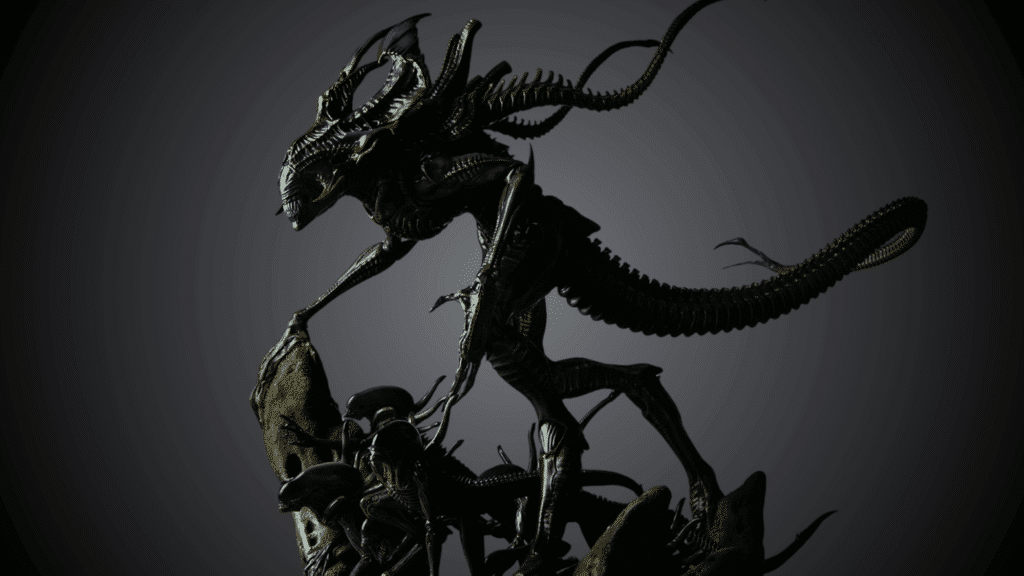
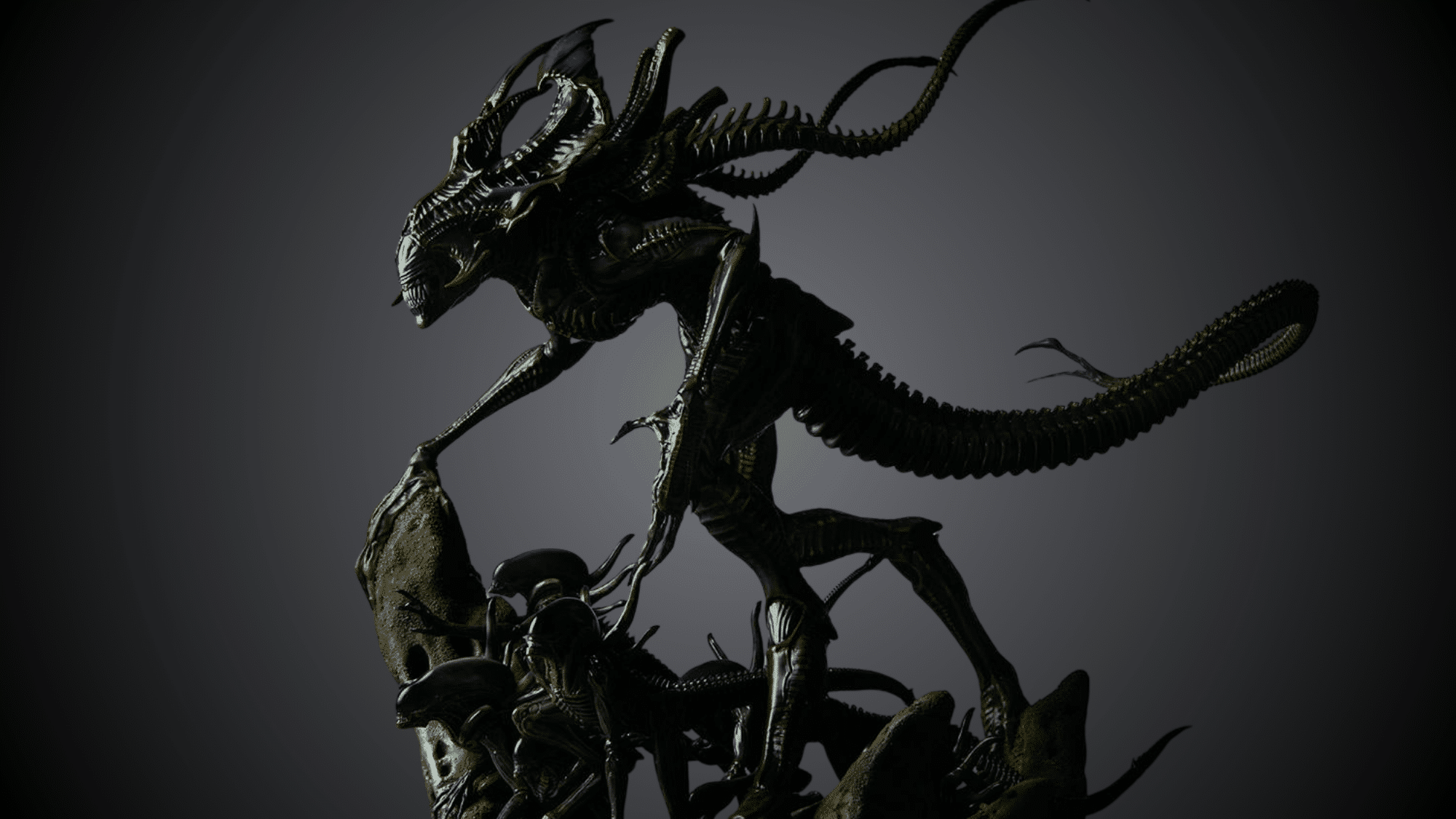



The Xenomorph franchise has terrified audiences for decades, but one figure looms larger than the rest.
Deep in the hive structure exists a creature so powerful, so commanding, that even the deadliest aliens bow before it. This isn’t just another drone or warrior. This is royalty.
Fans have debated the hierarchy of these creatures since the first film dropped. Most know about the Queen, but fewer understand the complete power structure.
The answer goes deeper than most realize, and it connects to everything that makes these creatures so terrifying. This blog reveals the truth about Xenomorph leadership. Understanding this king changes how one views the entire franchise.
Who is the Alien King in the Xenomorph Universe?
The Xenomorph hierarchy doesn’t actually include a traditional “king” in most canon materials. The Queen reigns as the ultimate authority in the hive, serving as both ruler and mother.
She’s massive, intelligent, and controls her offspring through pheromones and instinct. However, some expanded universe content introduces the concept of a Xenomorph King or “Rex” variant.
These rare creatures appear in certain comic series and games, depicted as even larger than Queens. They’re born under specific circumstances when a hive needs extreme protection or aggressive expansion.
But in the main film franchise, the Queen stands alone at the top.
The Origin of The Rogue or The Alien King Concept
The Alien King concept first emerged in Dark Horse Comics in 1993.
Ian Edginton and Will Simpson created the “Rogue” in the four-issue series Aliens: Rogue, introducing a male Xenomorph designed to challenge Queen authority.
Professor Kleist developed Project Chimera at Charon Base, hybridizing spy Lance Kray’s DNA with Xenomorph genetics to create a Queen rival. This black, heavily spiked creature ignored humans entirely, focusing solely on killing other Xenomorphs.
The Rogue ultimately dueled a Queen before dying in the base explosion.
Video games and toys later featured King variants, but Rogue established the original concept. This character remained confined to expanded media, never appearing in theatrical releases or core film storylines.
Xenomorph Hierarchy Explained: Where Does the Alien King Fit?
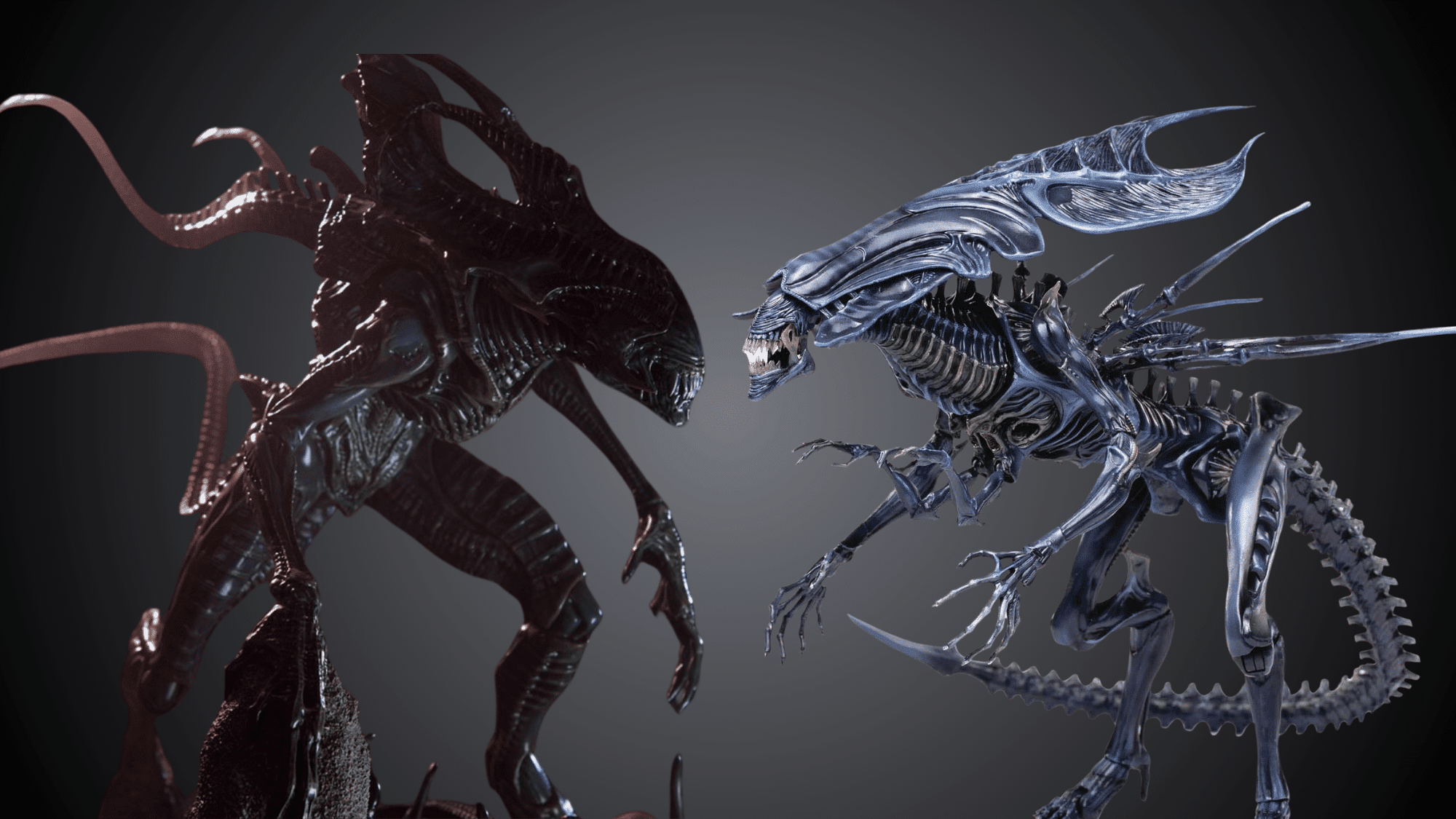
The Xenomorph caste system functions through biological programming and pheromone signals. Each rank performs specific duties, while the King exists as a laboratory-created anomaly outside natural hive development.
The Xenomorph Hierarchy:
- Facehuggers: First-stage parasites that implant embryos into hosts, initiating the Xenomorph reproductive cycle through direct contact.
- Chestbursters: Newly born aliens that violently erupt from hosts, then seek shelter to molt into their adult forms.
- Drones: Worker class responsible for hive construction, host capture, and general maintenance of colony infrastructure and safety.
- Warriors: Combat-focused caste with heightened aggression and speed, defending territory and eliminating threats to the hive.
- Praetorians: Elite guards protecting Queens directly, featuring enhanced armor plating and size compared to Warriors or Drones.
- Queens: Reproductive rulers controlling hives primarily through pheromone release, laying eggs, and directing lower castes through chemical signals.
- Alien King: Laboratory-created male variant from human-Xenomorph hybridization, existing outside natural hierarchy as an experimental alpha challenger.
Xenomorph King vs Queen: Key Differences
Kings and Queens represent vastly different biological designs. One evolved naturally for colony survival, while the other emerged from forced genetic experimentation and human manipulation.
| Aspect | Xenomorph Queen | Xenomorph King |
|---|---|---|
| Primary Role | Egg-laying and colony expansion through continuous reproduction | Queen elimination and territorial dominance through aggression |
| Hive Loyalty | Controls hive through pheromone release and chemical communication | Operates independently, lacks pheromone loyalty to any structure |
| Physical Build | Elongated head crest, large ovipositor, height around 4.5-6 meters | Bulkier, heavily spiked body, height around 5-7 meters, no ovipositor |
| Birth Trigger | Natural hive maturation when the colony reaches a sufficient population size | Laboratory creation via human-Xenomorph hybrid experimentation by Prof. Kleist |
| Reproductive Ability | Lays hundreds of eggs continuously to sustain and grow the hive | Male without an ovipositor, created through hybridization, not natural evolution |
| Intelligence Level | High strategic cunning, uses pheromones for hive coordination | High tactical intelligence focused on combat and Queen’s assassination |
| Canon Status | Fully canon, appears in all mainline Alien films | Expanded universe only, originates from comics and games |
| Lifespan | Can survive years or decades, leading established, stable colonies | Unknown duration, typically short-lived due to violent confrontations |
Is the Alien King Canon in Alien Franchise Lore?
The Alien King exists outside official film canon entirely. No theatrical release from Ridley Scott’s original through recent prequels has depicted male rulers or King variants.
The Queen remains the sole reproductive authority across all movies. Dark Horse Comics introduced the Rogue in 1993, establishing Kings in expanded universe materials like comics, video games, and toy lines.
Under Disney and Marvel’s current ownership, this content holds “semi-canon” status, meaning it could be revived or contradicted.
Most fans recognize only films as true canon, with expanded media occupying supplementary space.
The King concept lives in games like Aliens: Armageddon and various comic series, but it doesn’t impact main storylines or future film development at all.
Evolution of Xenomorph Kings in the Expanded Universe
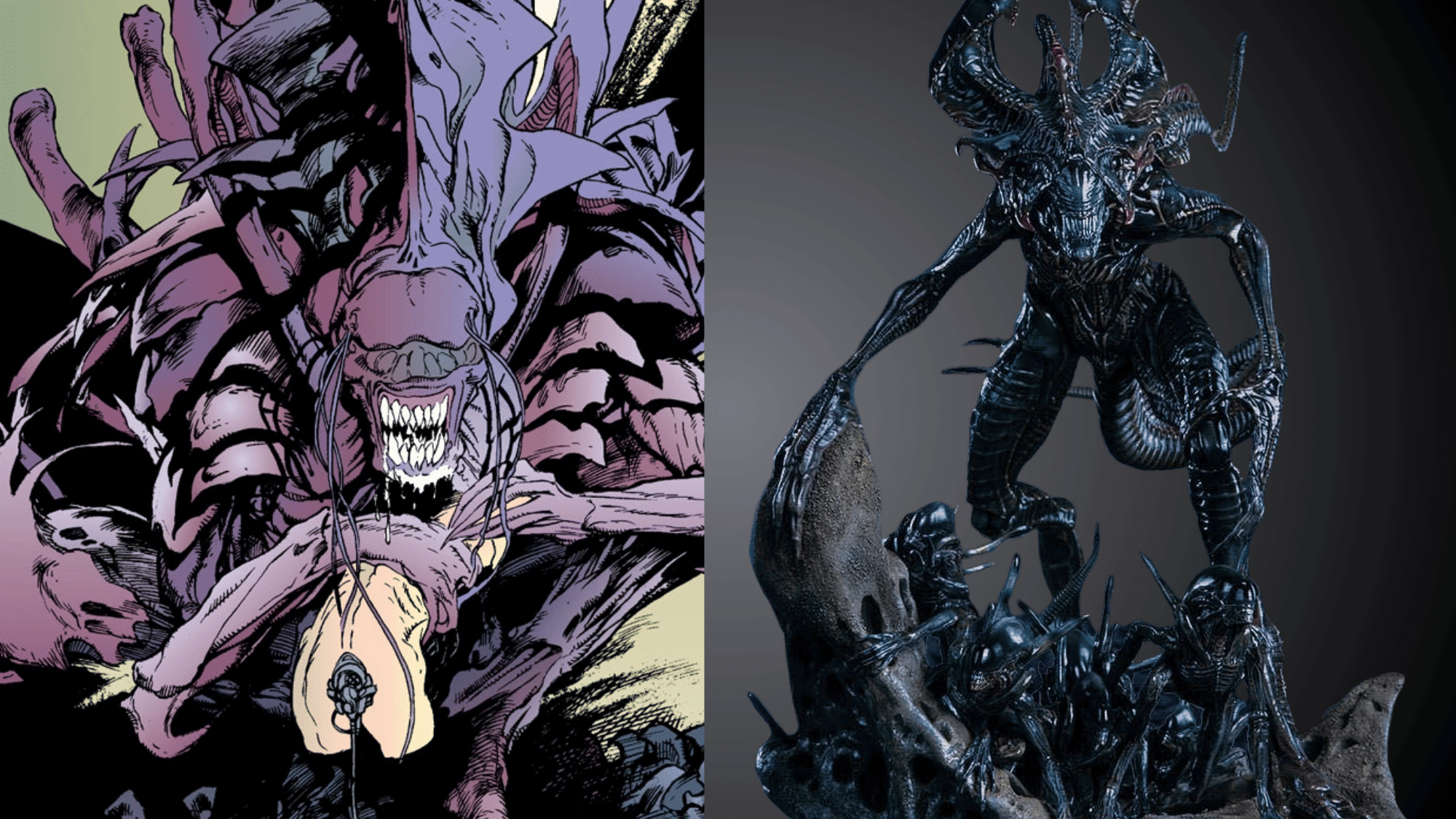
The Alien King evolved through various expanded media interpretations. Each version is built on the Rogue’s foundation while adding unique characteristics and combat roles across different formats.
Early Comic Appearances
The 1993 Aliens: Rogue series by Ian Edginton and Will Simpson introduced the first King through Professor Kleist’s Project Chimera.
This black, heavily spiked creature resulted from hybridizing spy John Kray’s DNA with Xenomorph genetics at Charon Base. The Rogue ignored human targets, focusing exclusively on killing other Xenomorphs and challenging the Queen’s dominance.
Artists depicted it with massive spikes and a bulkier frame than standard aliens, emphasizing its combat-focused design over reproductive functions.
Video Game Interpretations
Games introduced Kings as boss encounters and heavy combat units. Aliens: Armageddon featured King variants as massive opponents requiring strategic takedowns. These versions emphasized raw destructive power and territorial aggression.
Players faced the Kings as climactic challenges rather than standard enemies.
The games portrayed them as rare evolutionary anomalies or experiments, maintaining the concept of Kings as exceptional threats.
Each title added unique attack patterns while keeping the core idea of male alpha challengers intact.
Modern Novel Depictions
Post-2010s novels featured Kings sparingly, focusing more on their combat capabilities than on their psychological depth.
The authors treated them as dangerous combatants rather than exploring tragic or complex motivations. These stories positioned the Kings as physical threats requiring the Queen’s intervention or military response.
The novels maintained consistency with the Rogue’s original design philosophy: creatures built for destruction and dominance challenges.
Kings appeared as obstacles or antagonists without deep character exploration or emotional narratives within the expanded storylines.
Wrapping Up
The Alien King remains one of the franchise’s most intriguing concepts, even if it never made the theatrical cut. This creature represents what happens when evolution takes a different path.
Comics and games gave fans something the movies never could: a true rival to the Queen’s absolute power. While purists might dismiss Kings as non-canon additions, they’ve enriched the Xenomorph universe with new possibilities and conflicts.
The debate over their legitimacy continues, but one thing remains clear. These rogue alphas proved that even the most perfect organisms can produce wildcards.
Sometimes the most interesting stories happen outside the spotlight, in the expanded shadows where Kings lurk.