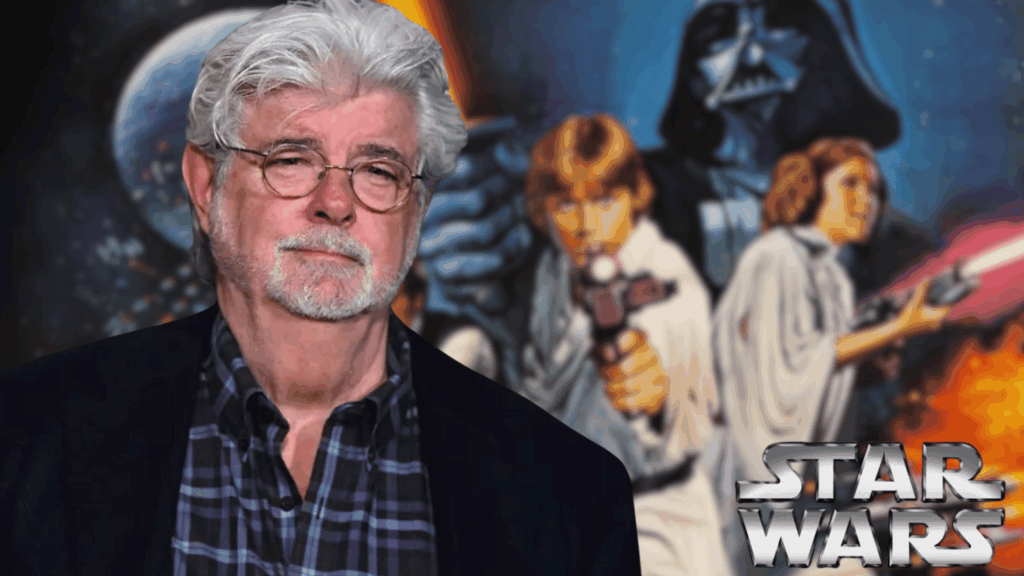
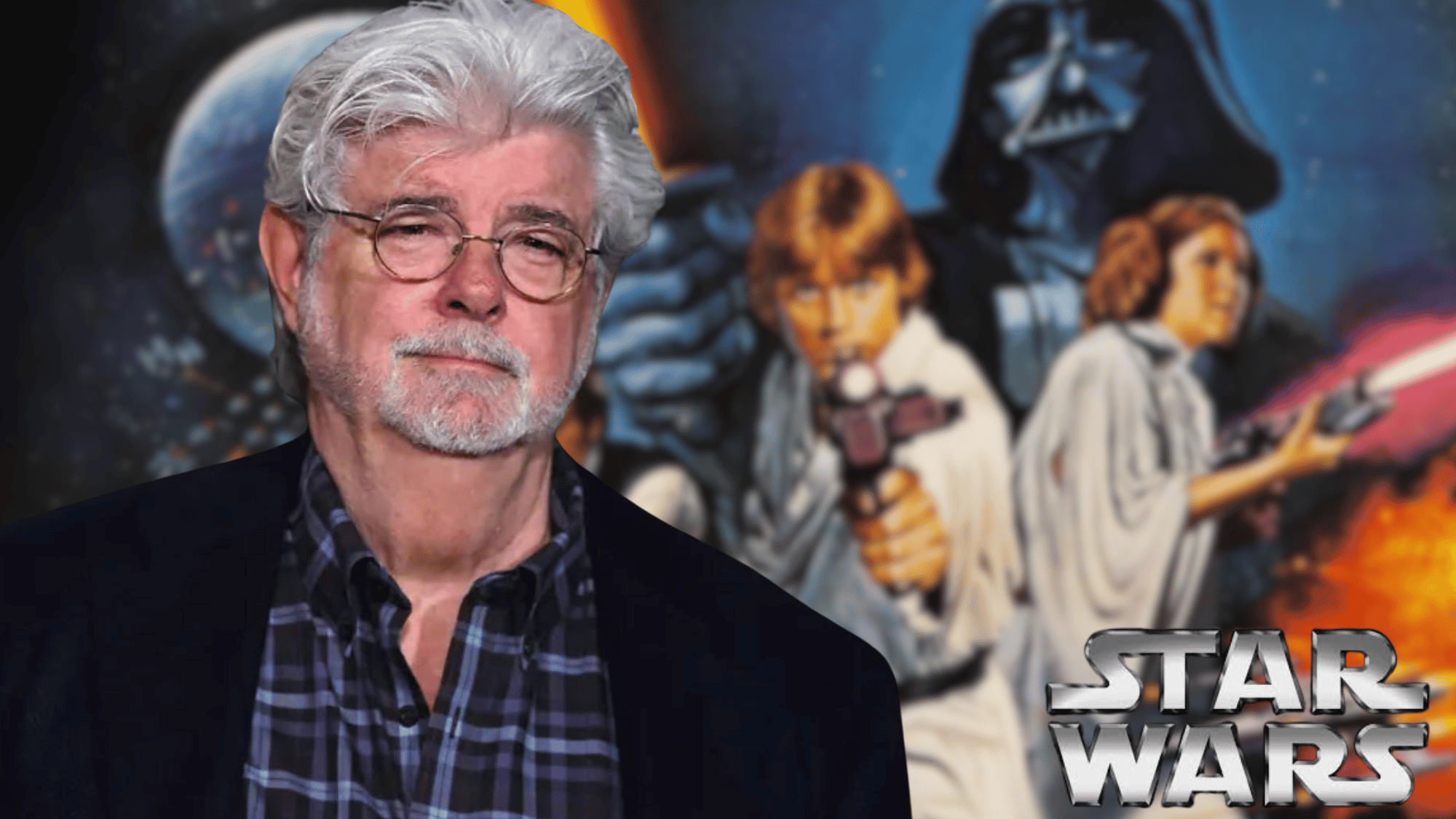



George Lucas built an empire that changed movies forever. Most people know him as the mind behind Star Wars, but his financial story goes way deeper than lightsabers and space battles.
From a small California town to Hollywood’s biggest deal rooms, Lucas made choices that rewarded him handsomely.
He bet on himself when others wouldn’t, kept control when he could’ve cashed out early, and turned down quick money for long-term wealth.
His net worth today reflects decades of smart moves, massive risks, and one particularly brilliant sale. But how did a filmmaker end up with billions? The numbers tell a story almost as interesting as his movies.
George Lucas Net Worth in 2026
George Lucas sits comfortably at around $5.1 to $5.3 billion as of 2026, holding steady from the previous year.
Forbes tracks his wealth mostly through Disney stock, which became his biggest asset after he sold Lucasfilm in 2012.
His net worth has bounced around a bit; it hit $5.5 billion in 2024 before settling at current levels. Market changes affect the numbers, but so does his giving.
Lucas has donated substantial sums to charity and education, which impacts where he lands on billionaire lists compared to other entertainment moguls.
Is George Lucas the Richest Filmmaker?
Not quite. Steven Spielberg edges him out at $5.3 billion compared to Lucas’s $5.1 billion. The gap is razor-thin, but Spielberg takes the crown among filmmaker billionaires.
| Filmmaker | Net Worth (2025-2026) | Key Source |
|---|---|---|
| Steven Spielberg | $5.3B | Movies, Theme Parks |
| George Lucas | $5.1–5.3B | Star Wars Sale |
| Peter Jackson | $1.7B | Lord of the Rings |
How the Star Wars Creator Made His Money
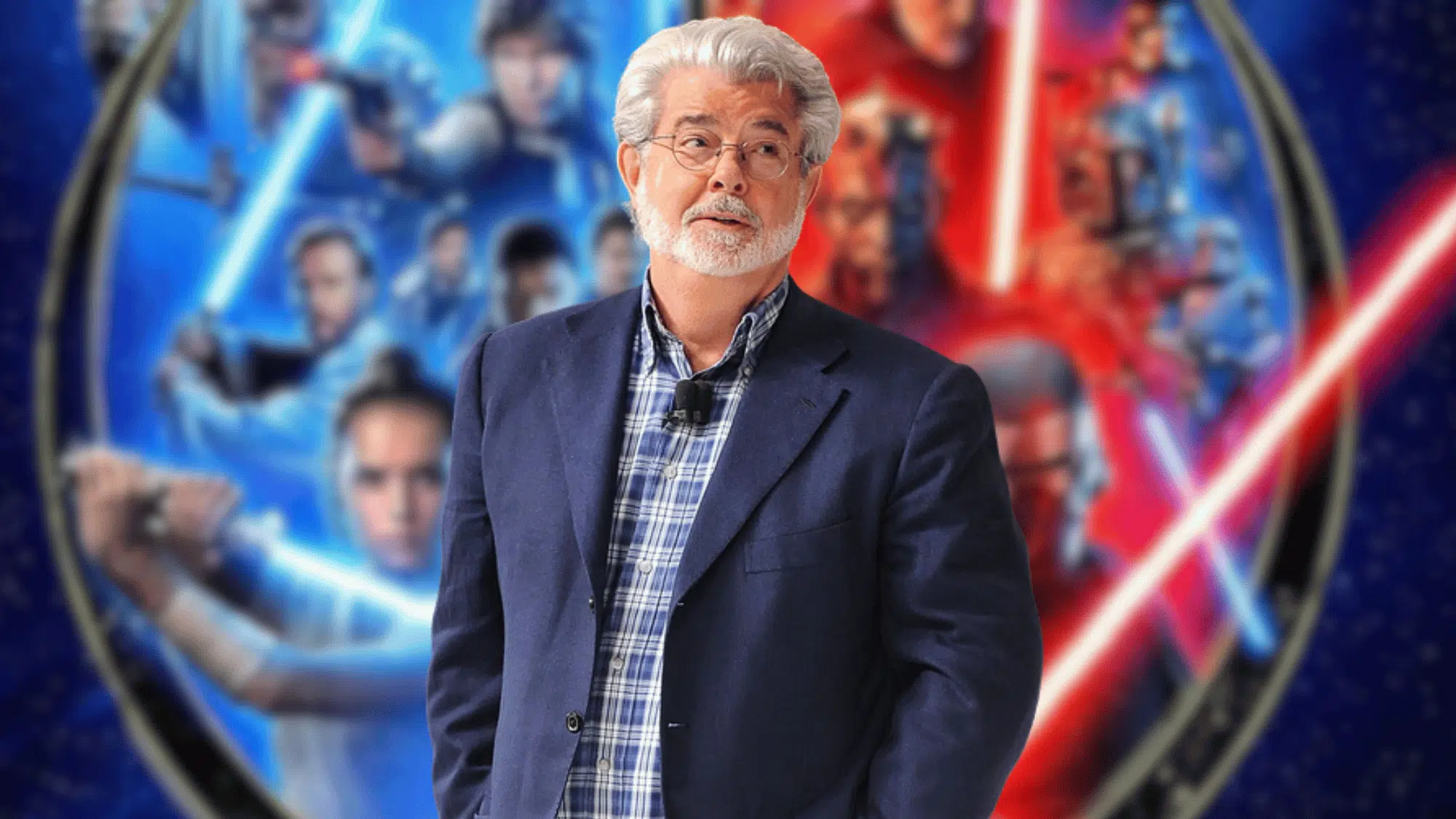
Lucas didn’t get rich from director paychecks. He built wealth by owning what he created, keeping merchandising rights when studios thought toys were worthless, and eventually selling his empire for billions in Disney stock.
Star Wars Changed the Business: Rights, Merchandising, and Long-Term IP Value
Lucas made a gutsy move in 1977; he took a smaller upfront salary in exchange for complete merchandising rights. Studios happily agreed, thinking action figures were a side hustle at best.
They were wrong. Star Wars toys outsold the box office, generating billions over decades. This wasn’t quick cash; it was a compounding engine. Every lunchbox, every lightsaber, every licensing deal fed his fortune while other directors collected flat fees and moved on.
Directors typically earn $100,000 to a few million per film. Lucas turned Star Wars into a $20+ billion franchise by controlling the intellectual property itself, not just collecting paychecks.
Ongoing deals kept money flowing for decades. Each new generation of fans meant new products, new games, new revenue streams; all feeding Lucas’s wallet long after the credits rolled.
Lucasfilm Sale to Disney: The Deal That Cemented Billionaire Status
In 2012, Lucas sold Lucasfilm to Disney for $4.1 billion. His net worth jumped from $3.3 billion practically overnight, but the real genius was in the structure. He took a mix of cash and Disney stock rather than pure cash.
Selling meant Lucas gave up future Star Wars profits, but he diversified into Disney’s entire entertainment empire. As Disney’s stock climbed over the years, so did his wealth, without lifting another camera.
Stock deals create passive growth. Lucas doesn’t need to make another movie.
Disney’s success with Marvel, Pixar, and yes, more Star Wars content keeps its net worth climbing through share appreciation and dividends.
Beyond Star Wars: Indiana Jones, ILM, Skywalker Sound, and the Lucas Empire
Lucasfilm wasn’t just about movies. Lucas built Industrial Light & Magic (ILM), the effects company behind countless blockbusters, and Skywalker Sound, an audio powerhouse. These became profit centers in their own right.
Indiana Jones added over $100 million in co-ownership rights.
Lucas created a platform, not just franchises. His tech companies serviced other studios, generating steady revenue streams independent of his own directing work.
ILM did effects for Star Trek, Marvel, and dozens of other projects. Skywalker Sound worked across Hollywood. Multiple income streams meant Lucas didn’t rely solely on his own films succeeding.
Most directors work project-to-project. Lucas built infrastructure that earned whether he directed or not. That’s the difference between making movies and building an empire.
George Lucas and Star Wars: How Much Did He Personally Profit?
The original Star Wars trilogy alone made Lucas over $1 billion in merchandising and box-office revenue.
While the films themselves were massively successful, the toys, games, and licensing deals dwarfed theatrical earnings.
After selling to Disney, his profits shifted from direct franchise revenue to stock performance.
Lucas now earns around $200 million or more annually through Disney dividends and share appreciation. Every time Disney announces a new Star Wars series or theme park expansion, its stock value climbs.
He doesn’t touch the creative side anymore, but financially? Star Wars keeps paying him. The franchise he created in the 1970s generates wealth for him decades later, even though someone else runs the show now.
Myths About George Lucas’ Wealth
Lucas’s billions spark wild stories and half-truths. Some inflate his wealth to absurd levels, while others miss how he actually built his fortune. Here’s what’s real and what’s Hollywood myth.
Myth 1: George Lucas Earned His Fortune from Directing Salaries
People assume Lucas made hundreds of thousands or millions per Star Wars film as a director’s fee, building wealth through traditional Hollywood paychecks.
Reality: Lucas took modest salaries, around $150,000 to $165,000 upfront for Star Wars films. He sacrificed big paychecks to keep merchandising and sequel rights. Those rights generated billions while other directors cashed out early and walked away with far less.
Myth 2: George Lucas Is the Richest Filmmaker Ever
Some outlets claim Lucas sits at $9 billion or more, making him the wealthiest director in history by a wide margin.
Reality: Steven Spielberg edges him out at roughly $5.3 billion compared to Lucas’s $5.1–5.5 billion as of 2025. Even adjusted for inflation, the race is tight. Lucas ranks near the top, but he’s not alone on the throne.
Myth 3: The Disney Sale Was All Cash, Doubling His Wealth Overnight
Headlines made it sound like Lucas walked away with $4 billion in pure cash, instantly doubling his net worth in 2012.
Reality: The $4.1 billion deal was split; $2.21 billion in cash and 37 million Disney shares worth about $1.85 billion at the time. His net worth jumped from $3.3 billion, but the real growth came later as Disney stock climbed. Those shares are now worth over $7 billion, paying him roughly $64 million annually in dividends.
Myth 4: George Lucas No Longer Profits from Star Wars
After selling Lucasfilm, many believe Lucas completely severed financial ties to Star Wars and no longer earns a dollar from it.
Reality: He earns passively through Disney stock dividends and share appreciation. Every new Star Wars show, movie, or theme park expansion boosts Disney’s value, which lifts Lucas’s holdings.
Myth 5: Star Wars Box Office Alone Made Him a Billionaire
Fans often credit theatrical ticket sales as the primary source of Lucas’s wealth, pointing to the massive box office numbers.
Reality: The original trilogy earned about $1.7 billion lifetime at the box office; impressive but not enough for billionaire status. The real explosion came from merchandising, which drove the franchise value past $20 billion.
Conclusion
Lucas proved that owning your work beats any paycheck Hollywood can offer.
While Spielberg edges him out by a hair, both filmmakers rewrote the rules on how directors build wealth. The lesson? Control the rights, not just the camera.
His $5.1 billion fortune came from saying no to quick cash and yes to merchandising deals everyone else ignored. The Disney sale was smart, but the real genius happened decades earlier when he bet on toys and sequels.
Want to build lasting wealth in any creative field? Think like Lucas.
Own what you create, let it compound over time, and don’t chase the biggest upfront offer. Sometimes the smaller deal today becomes billions tomorrow.