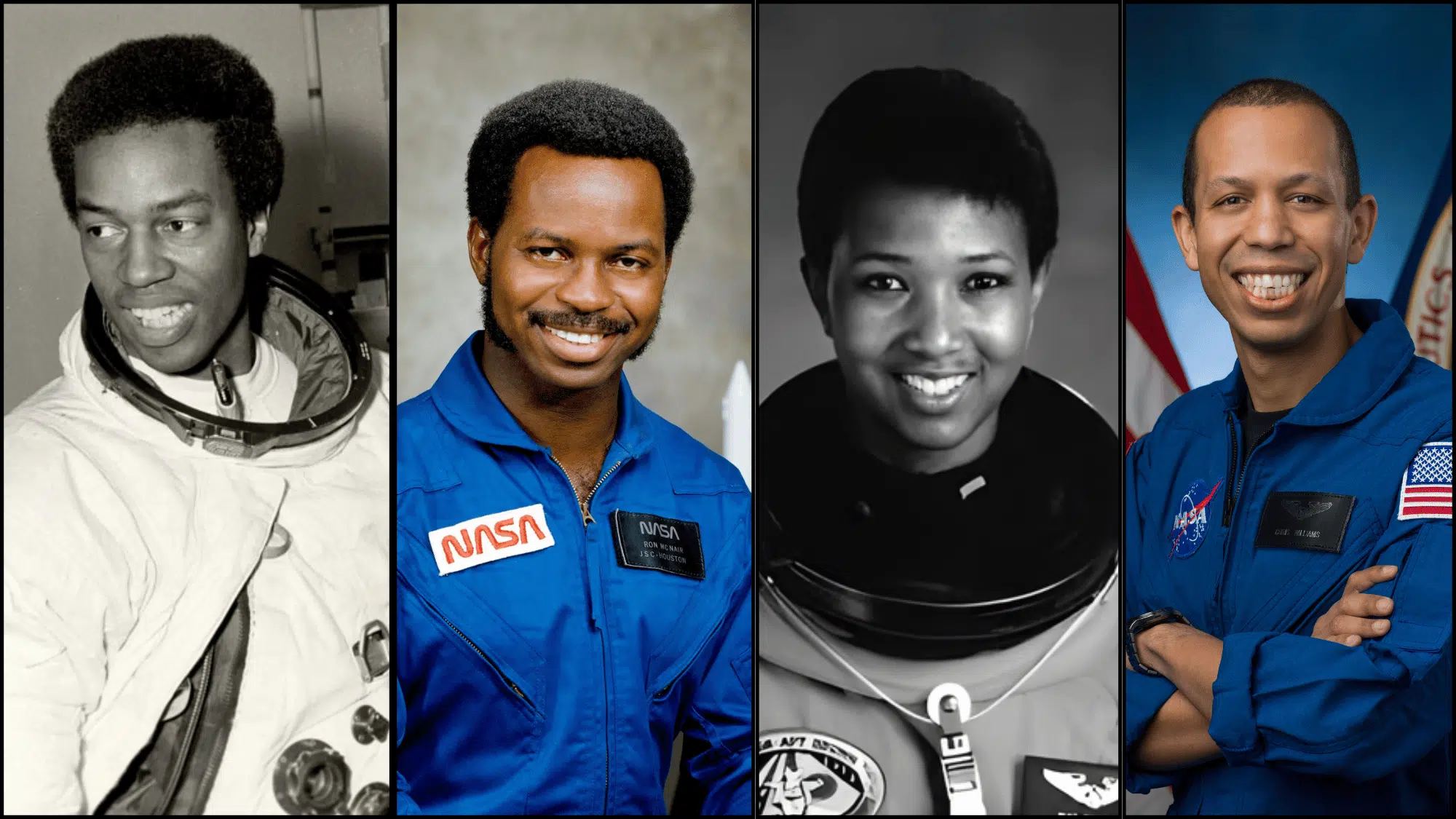



When people think about space, they often picture distant stars and planets. But behind those cosmic views are real humans who’ve dared to step into the void.
African-American astronauts have played a crucial role in these moments of courage and discovery.
From the first to break barriers to those setting new records today, these spacefarers have pushed boundaries both on Earth and beyond.
Their spacewalks represent more than technical achievements. They’re stories of determination, skill, and the relentless pursuit of what seems impossible.
This post celebrates trailblazers who’ve made their mark in the vast expanse of space, one spacewalk at a time.
Who Were the First Black Astronauts in Space?
The history of African-American spaceflight began with groundbreaking pioneers who opened doors for generations to come.
Guion Bluford made history on August 30, 1983, becoming the first African-American to reach space aboard the Space Shuttle Challenger. His mission, STS-8, marked a turning point in NASA’s diversity.
But the story doesn’t end there. Mae Jemison shattered another ceiling in 1992 as the first Black woman in space. Ronald McNair, who tragically perished in the 1986 Challenger disaster, had flown to space in 1984 and remains a symbol of courage.
These astronauts didn’t just float among the stars. They conducted critical experiments, operated complex machinery, and proved that space exploration truly belongs to everyone. Their legacies continue inspiring countless students and dreamers today.
List of African-American Astronauts Who Have Traveled to Space
Over the decades, numerous African-American astronauts have ventured beyond Earth’s atmosphere, each contributing to the history of space exploration.
1. Guion S. Bluford Jr.
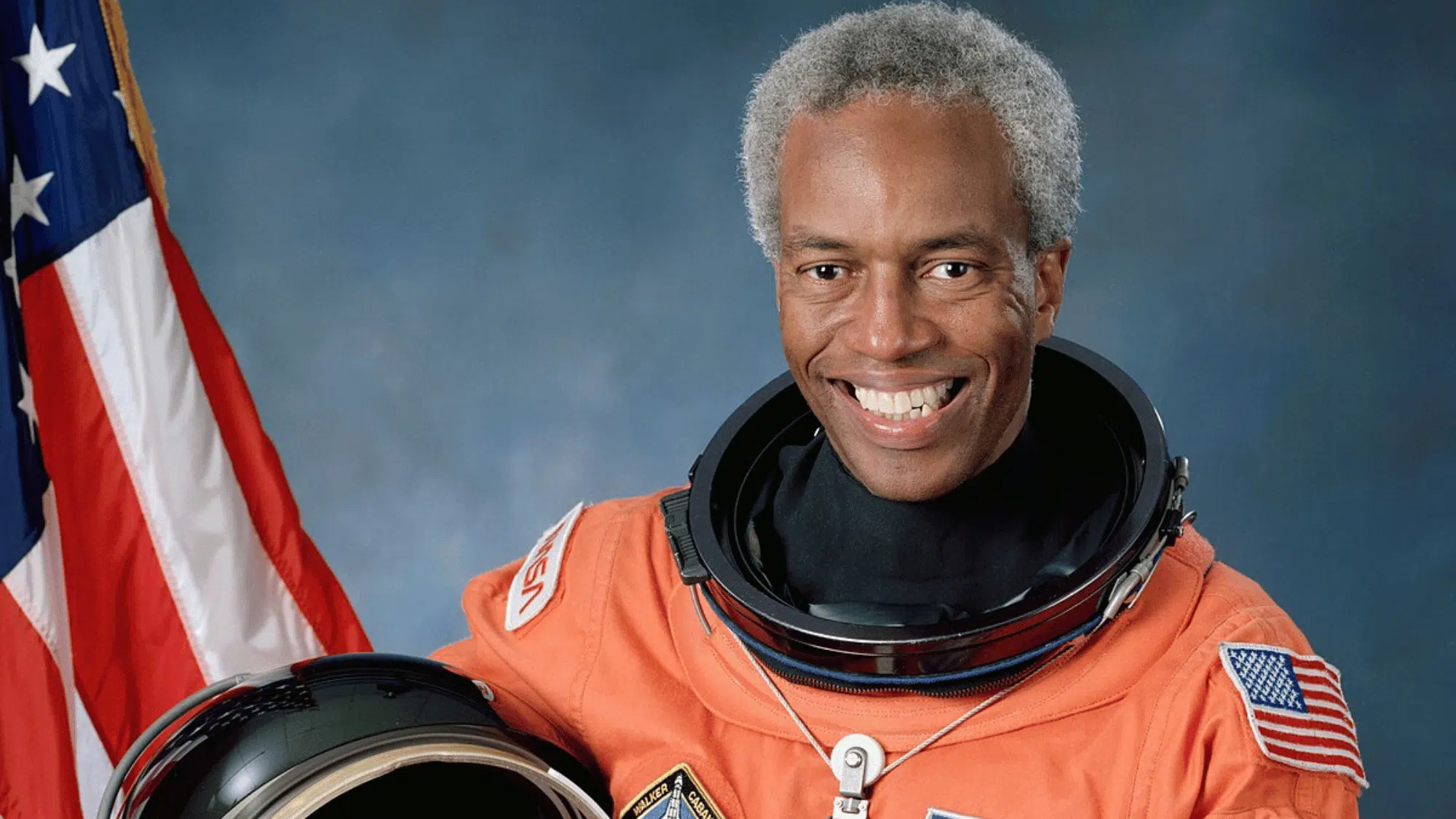
Image Source: Wikipedia
Guion S. Bluford Jr. became the first African-American astronaut to travel to space in 1983 aboard STS-8. A U.S. Air Force veteran and aerospace engineer, he flew four Space Shuttle missions.
Bluford’s historic achievement broke racial barriers at NASA and established him as a trailblazer whose legacy continues to inspire diversity and inclusion in space exploration.
2. Ronald E. McNair
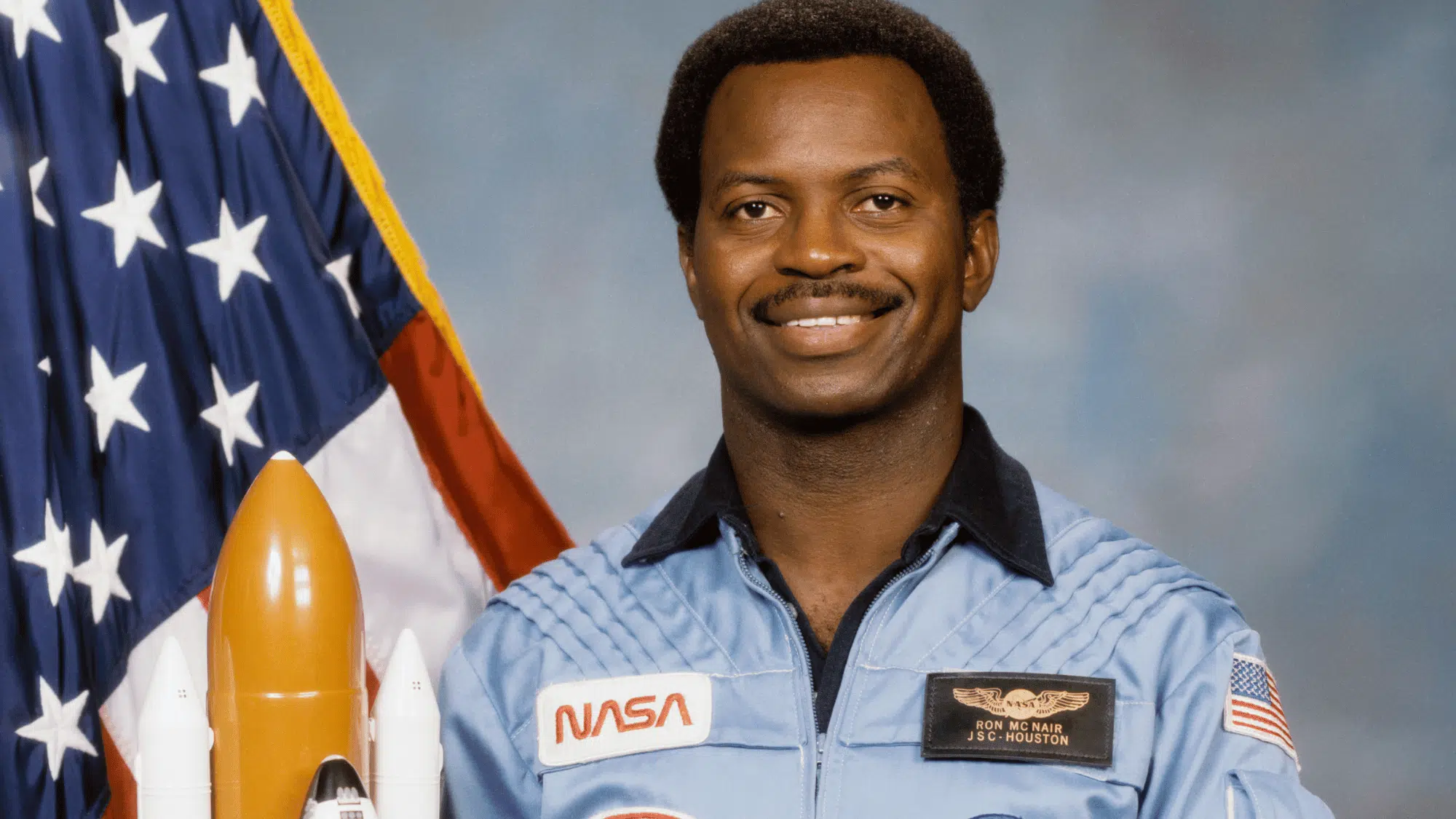
Image Source: Wikipedia
Ronald E. McNair flew into space aboard STS-41-B in 1984, becoming the second African-American astronaut to reach orbit.
A highly accomplished physicist, McNair conducted scientific experiments in microgravity and was deeply committed to education.
His life and career were tragically cut short in the Challenger disaster, but his contributions remain deeply influential.
3. Frederick D. Gregory
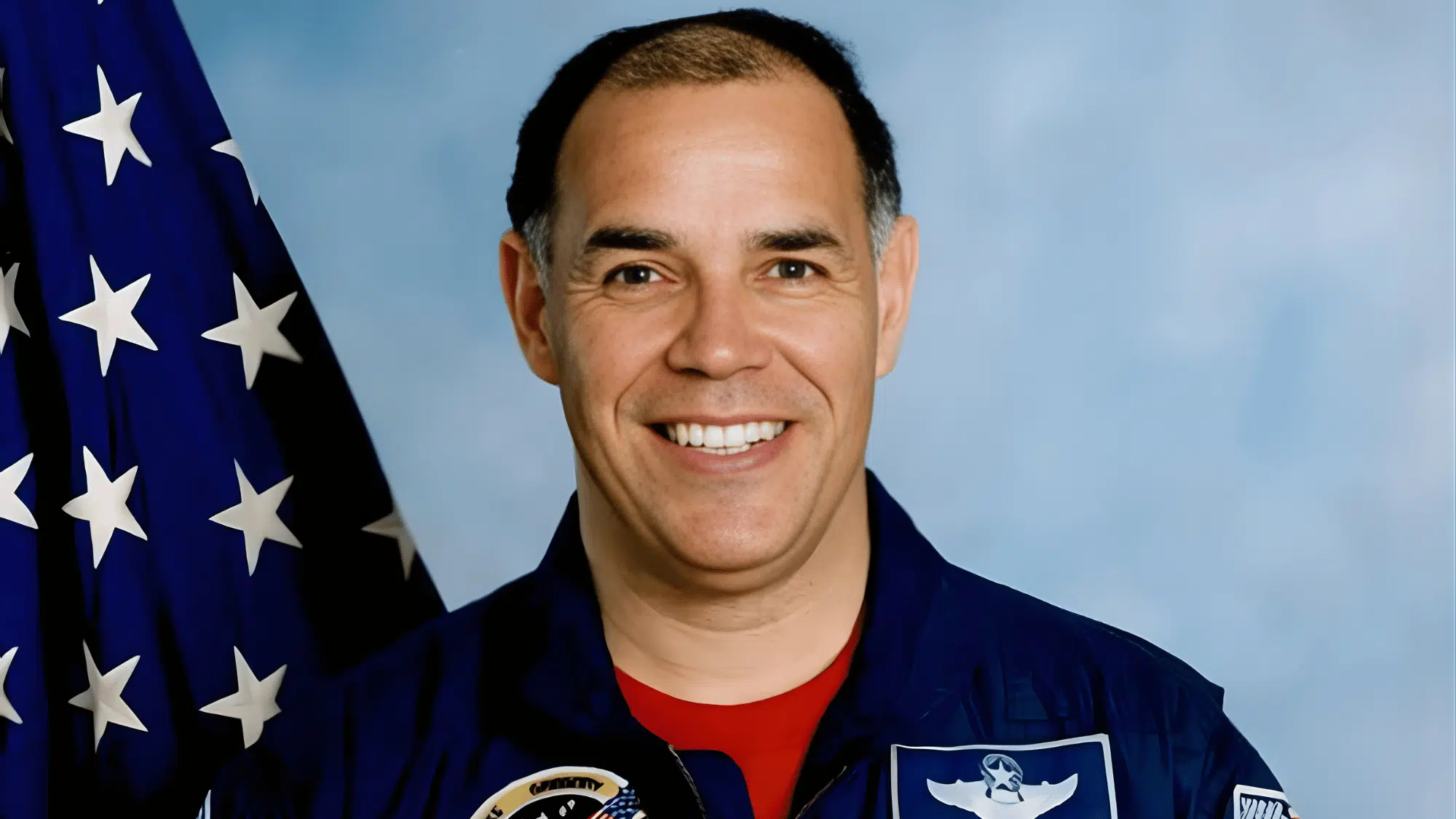
Image Source: GW Alumni
Frederick D. Gregory made history in 1985 as the first African-American to pilot a Space Shuttle during STS-51B.
He later became the first African-American shuttle commander.
A decorated Air Force test pilot, Gregory flew three missions and later served in top NASA leadership roles, influencing policy, safety, and the agency’s operational direction.
4. Charles F. Bolden Jr.
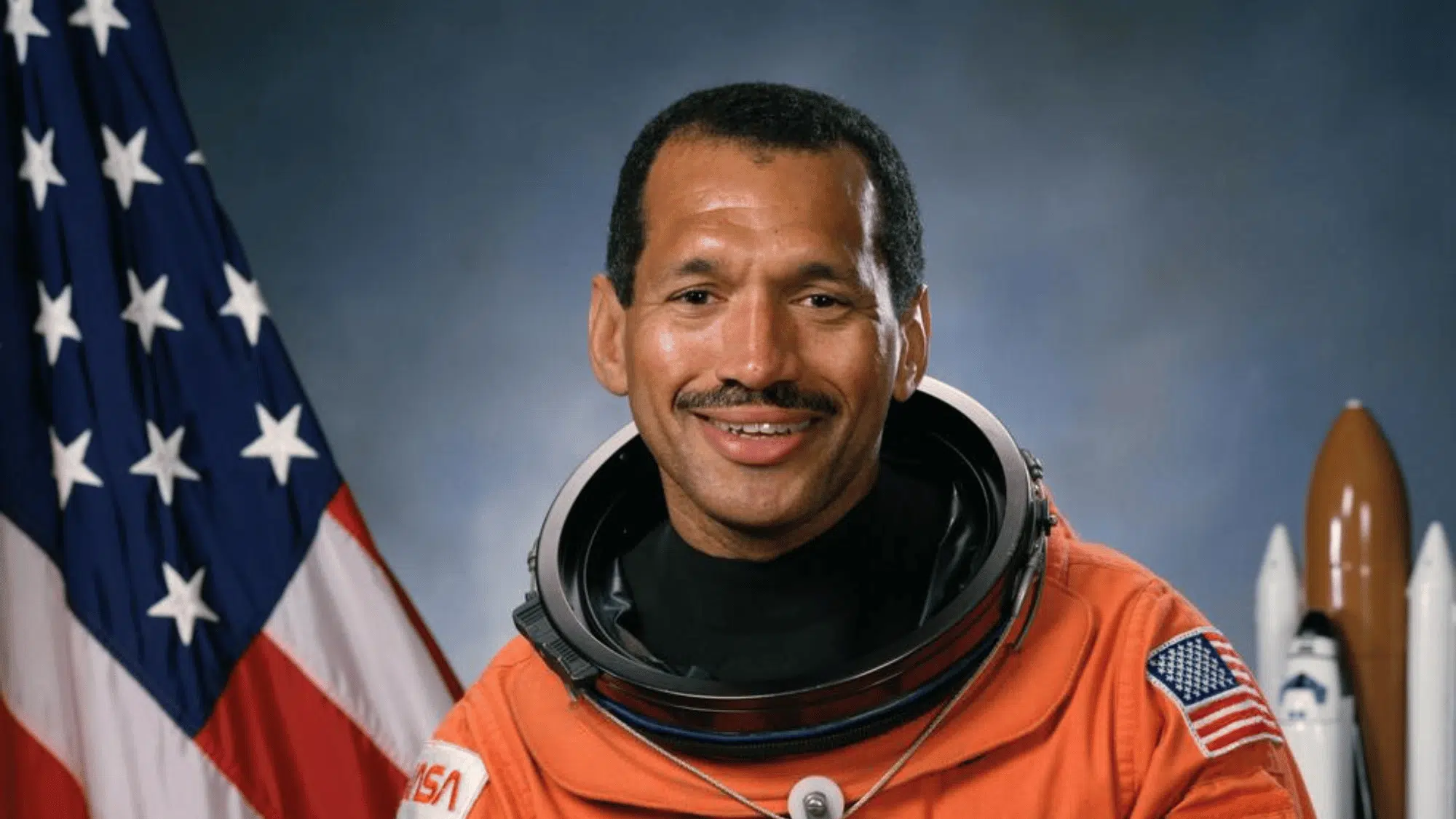
Image Source: NASA
Charles F. Bolden Jr. flew multiple Space Shuttle missions beginning with STS-61C in 1986. A U.S. Marine Corps aviator, he later became the first African-American Administrator of NASA.
Bolden played a crucial role in advancing human spaceflight, strengthening international partnerships, and guiding NASA through the early era of commercial space exploration.
5. Mae C. Jemison
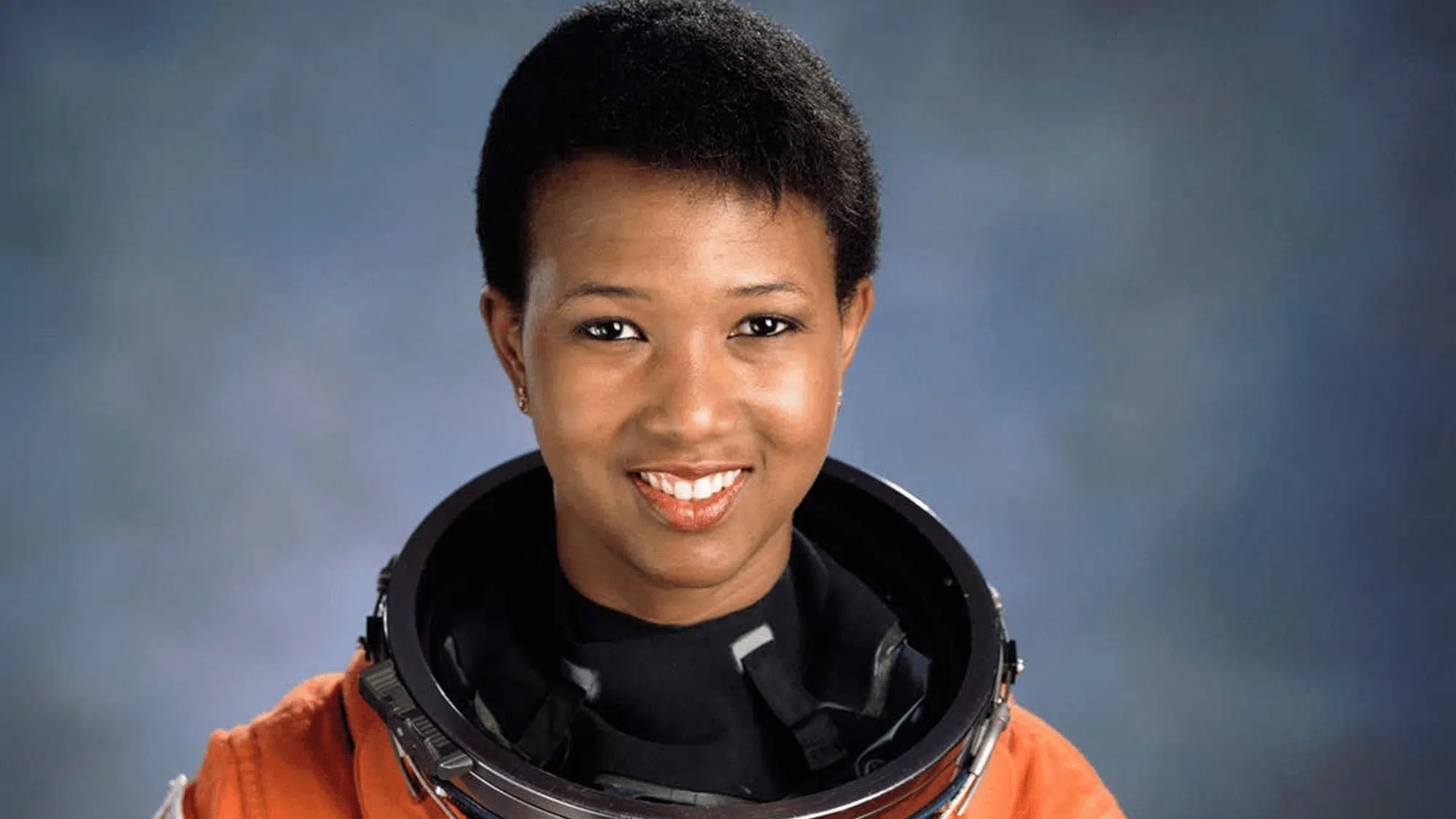
Image Source: NewScientist
Mae C. Jemison became the first African-American woman in space during STS-47 in 1992.
Trained as a physician and engineer, she conducted life sciences experiments aboard Space Shuttle Endeavour.
Jemison’s achievements reshaped representation in STEM fields, and she continues to advocate for science education, innovation, and the future of human space exploration.
6. Bernard A. Harris Jr.
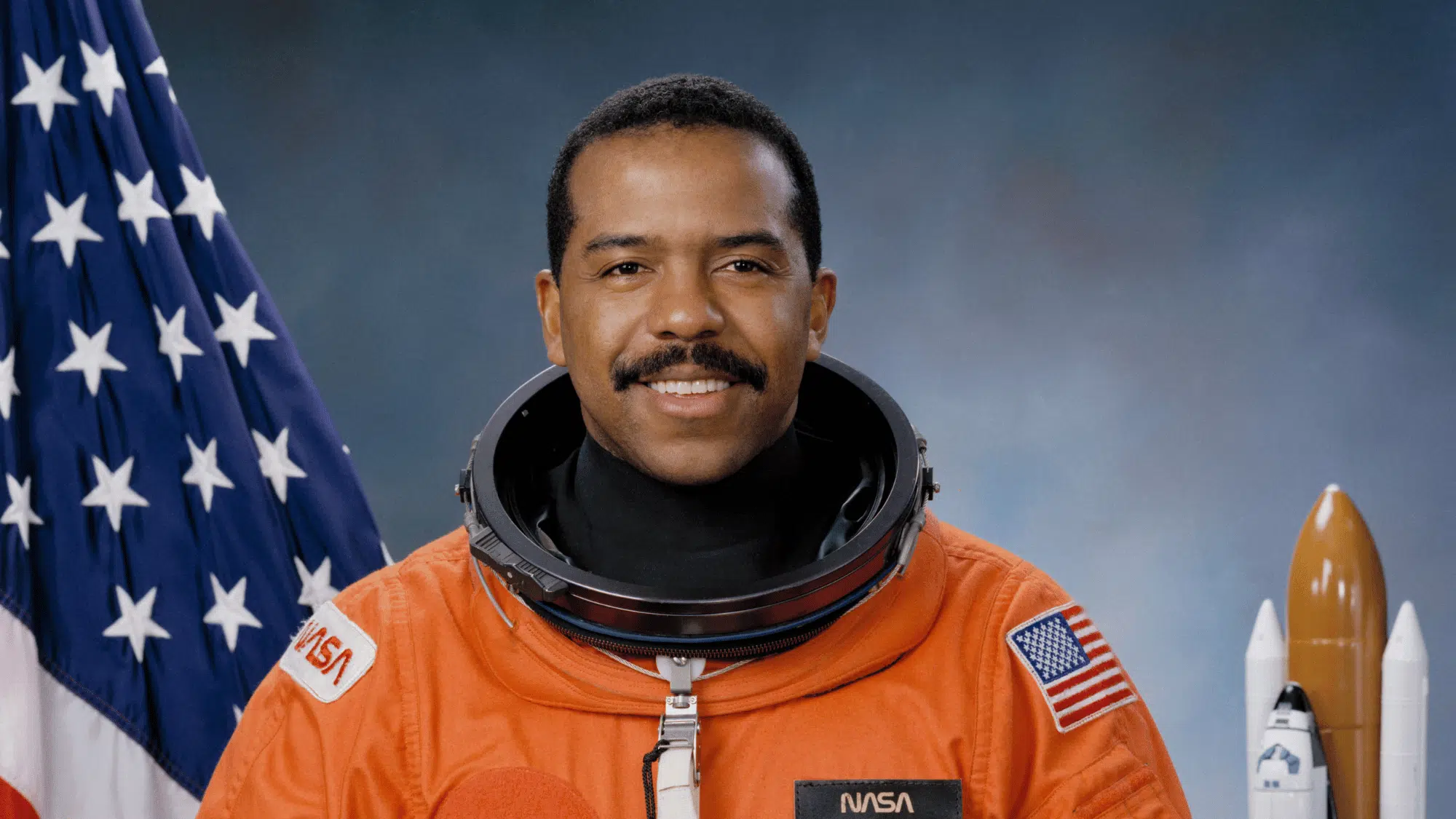
Image Source: Wikimedia Commons
Bernard A. Harris Jr. flew aboard STS-55 and STS-63, becoming the first African-American astronaut to perform a spacewalk in 1995.
A medical doctor and former flight surgeon, Harris researched human adaptation to space. His groundbreaking EVA marked a major milestone and expanded opportunities for African-Americans in extravehicular space operations.
7. Winston E. Scott
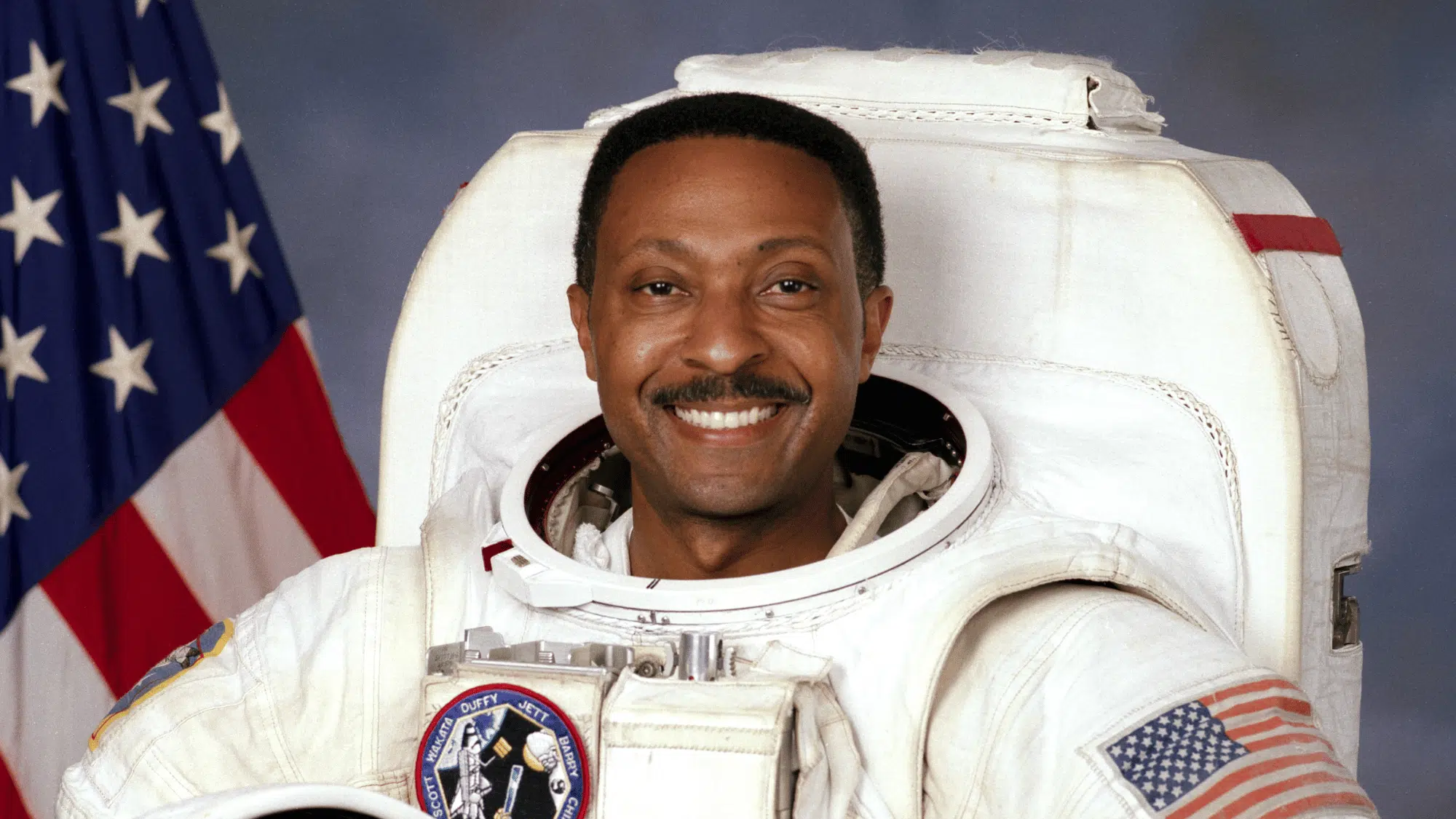
Image Source: Wikipedia
Winston E. Scott flew two Space Shuttle missions, STS-72 and STS-87, during the late 1990s. A U.S. Navy aviator, Scott completed three spacewalks totaling more than 19 hours.
His work supported satellite retrieval and ISS preparation. After NASA, he became a prominent advocate for aerospace education and academic leadership.
8. Michael P. Anderson
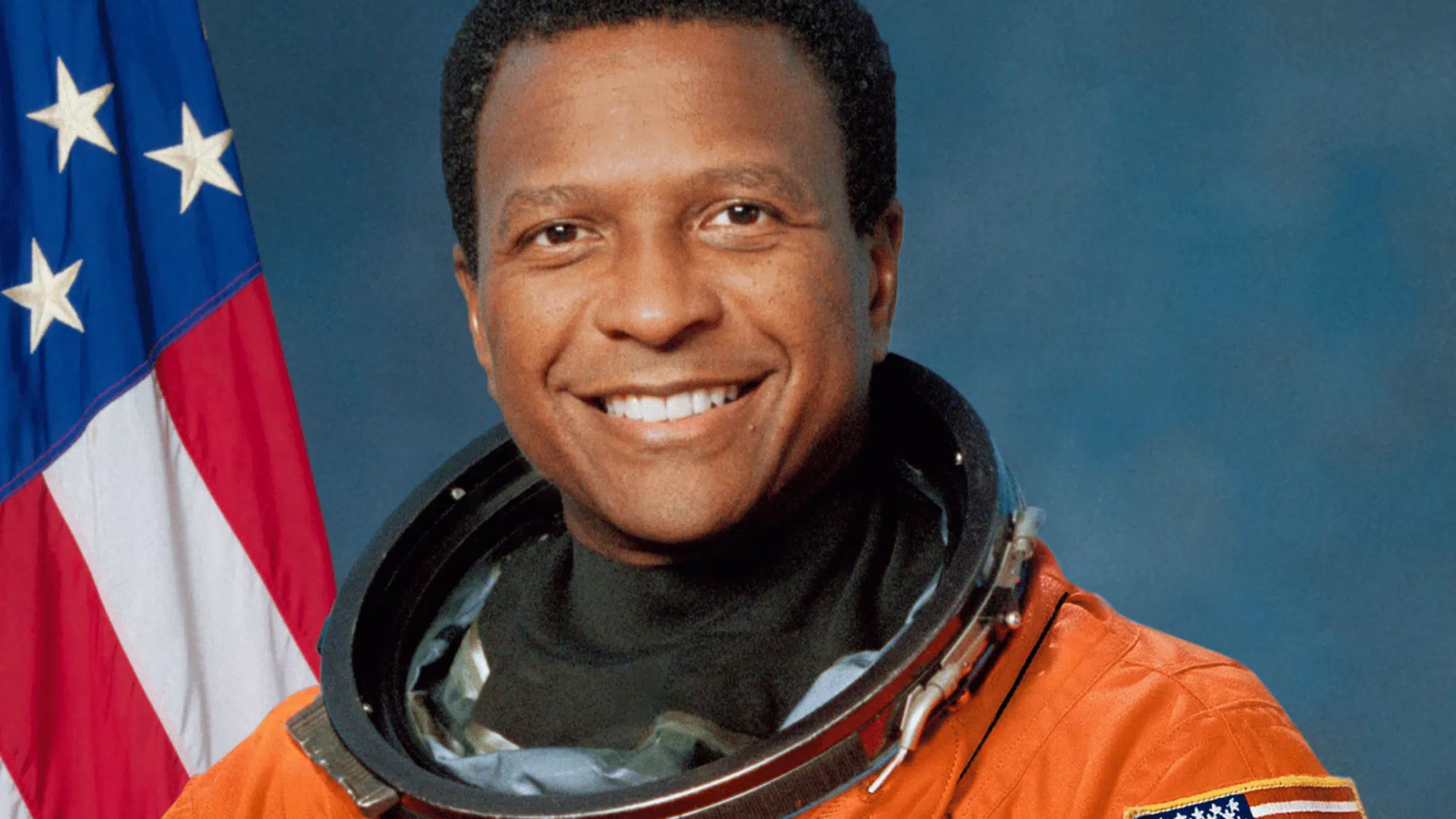
Image Source: Wikipedia
Michael P. Anderson flew aboard STS-89 in 1998 and later served on STS-107 in 2003. A physicist by training, he contributed to research aboard the Russian space station Mir.
Anderson tragically lost his life in the Columbia disaster, but his dedication to science and space exploration continues to be widely honored.
9. Robert L. Curbeam Jr.
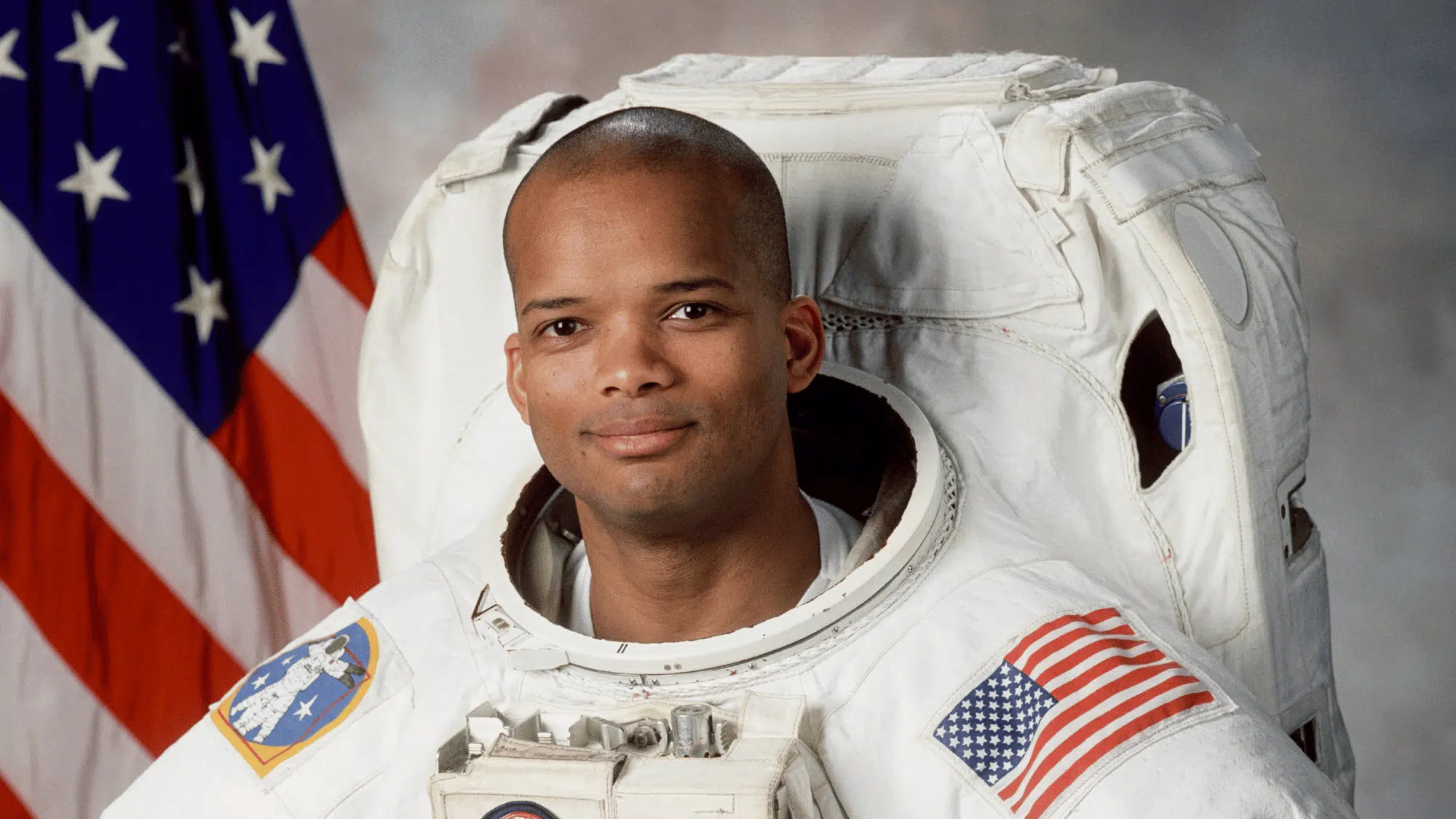
Image Source: Wikipedia
Robert L. Curbeam Jr. flew on multiple Space Shuttle missions beginning with STS-85 in 1997.
He performed four spacewalks and played a critical role in the construction and maintenance of the International Space Station.
A former Navy pilot, Curbeam is recognized for advancing EVA techniques and supporting long-term human presence in space.
10. Stephanie D. Wilson
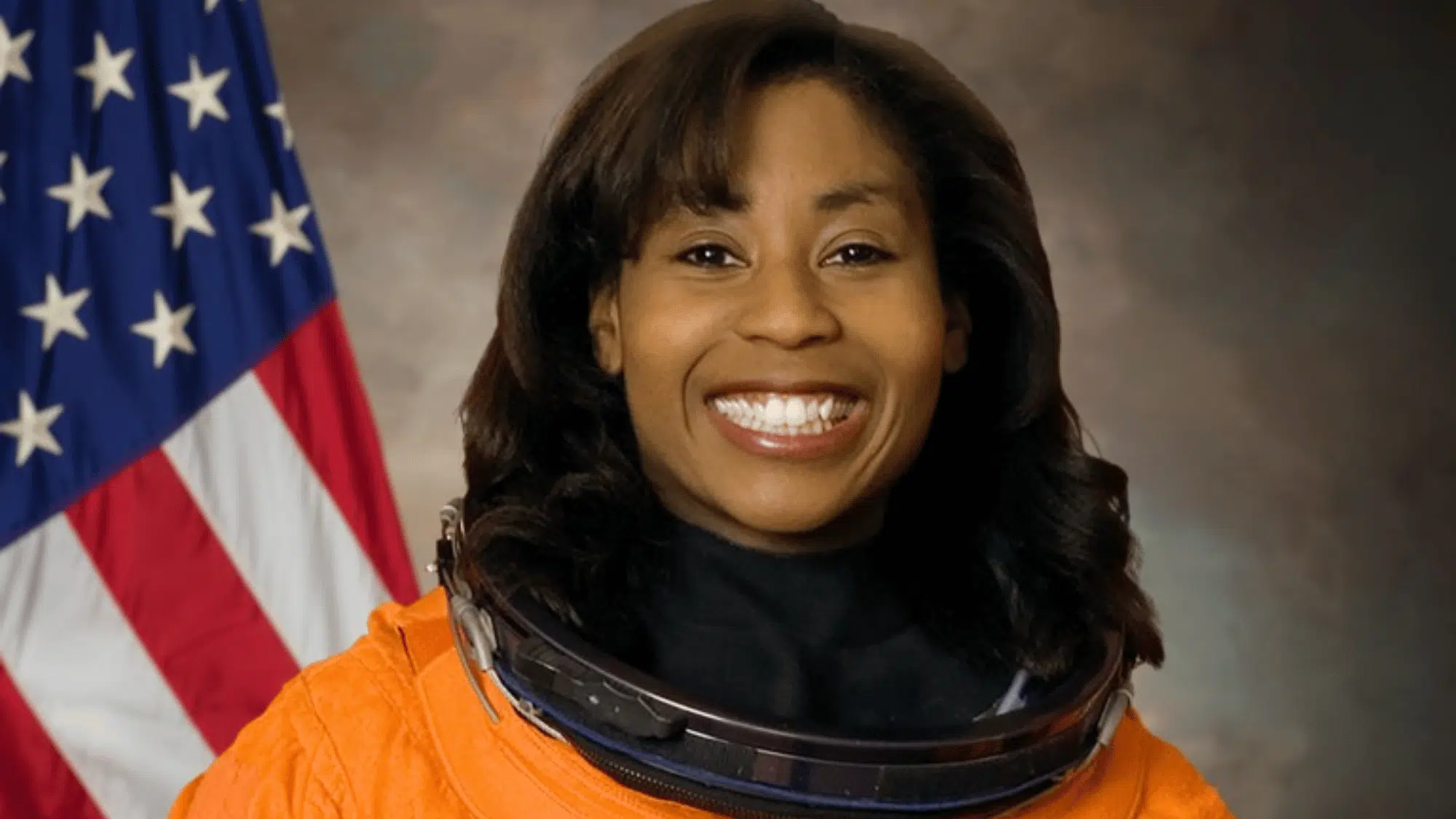
Image Source: NASA
Stephanie D. Wilson flew three Space Shuttle missions, starting with STS-121 in 2006, logging more than 42 days in space.
An accomplished engineer, she contributed to International Space Station assembly missions.
Wilson is one of the most experienced African-American women astronauts and continues to inspire future generations through STEM advocacy and leadership.
11. Joan E. Higginbotham
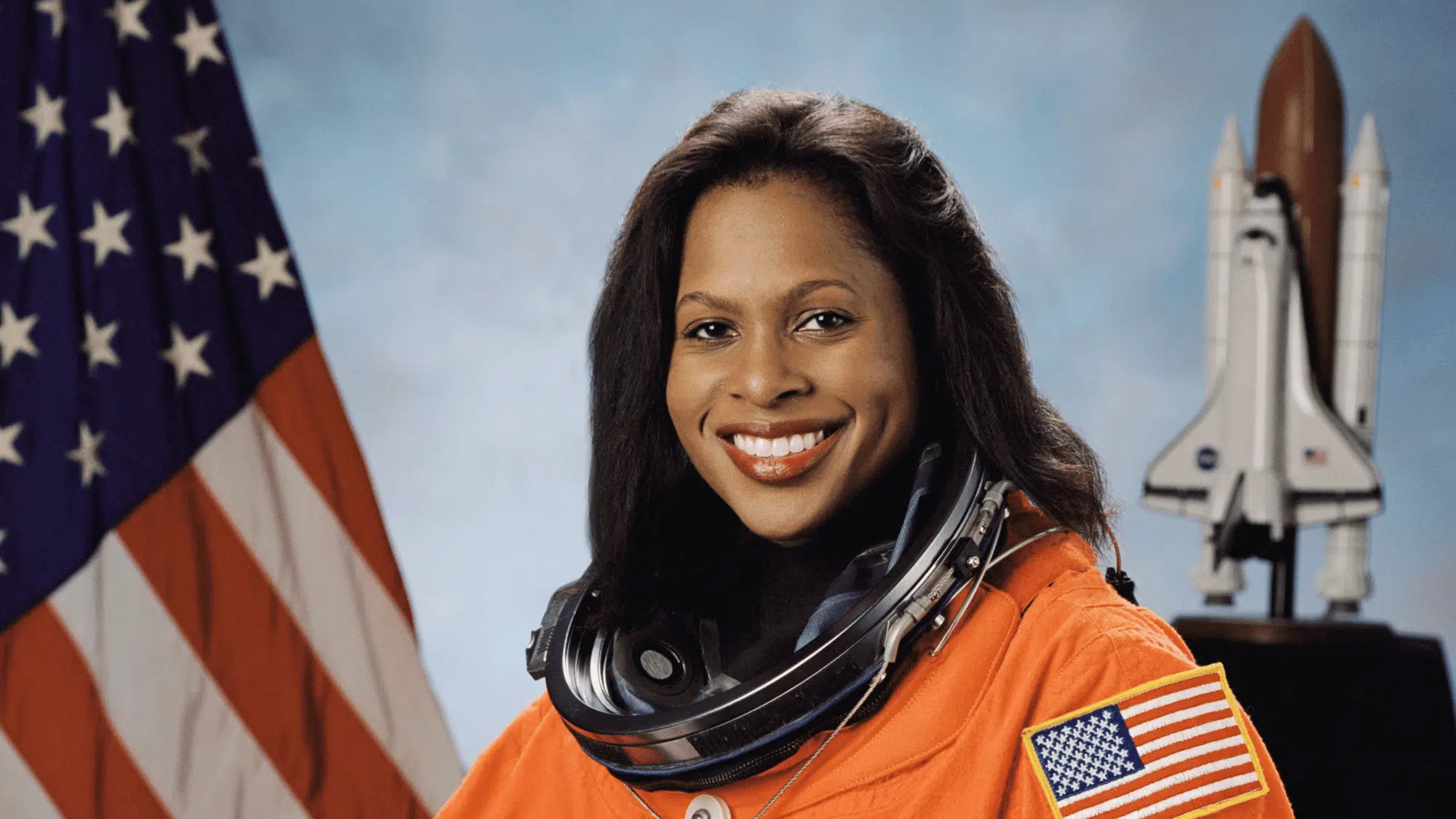
Image Source: Wikipedia
Joan E. Higginbotham flew aboard STS-116 in 2006, a mission critical to the expansion and rewiring of the International Space Station.
With over 20 years at NASA prior to her flight, she brought extensive technical expertise as an electrical engineer. Higginbotham’s career reflects dedication, perseverance, and excellence in space operations.
12. Leland D. Melvin
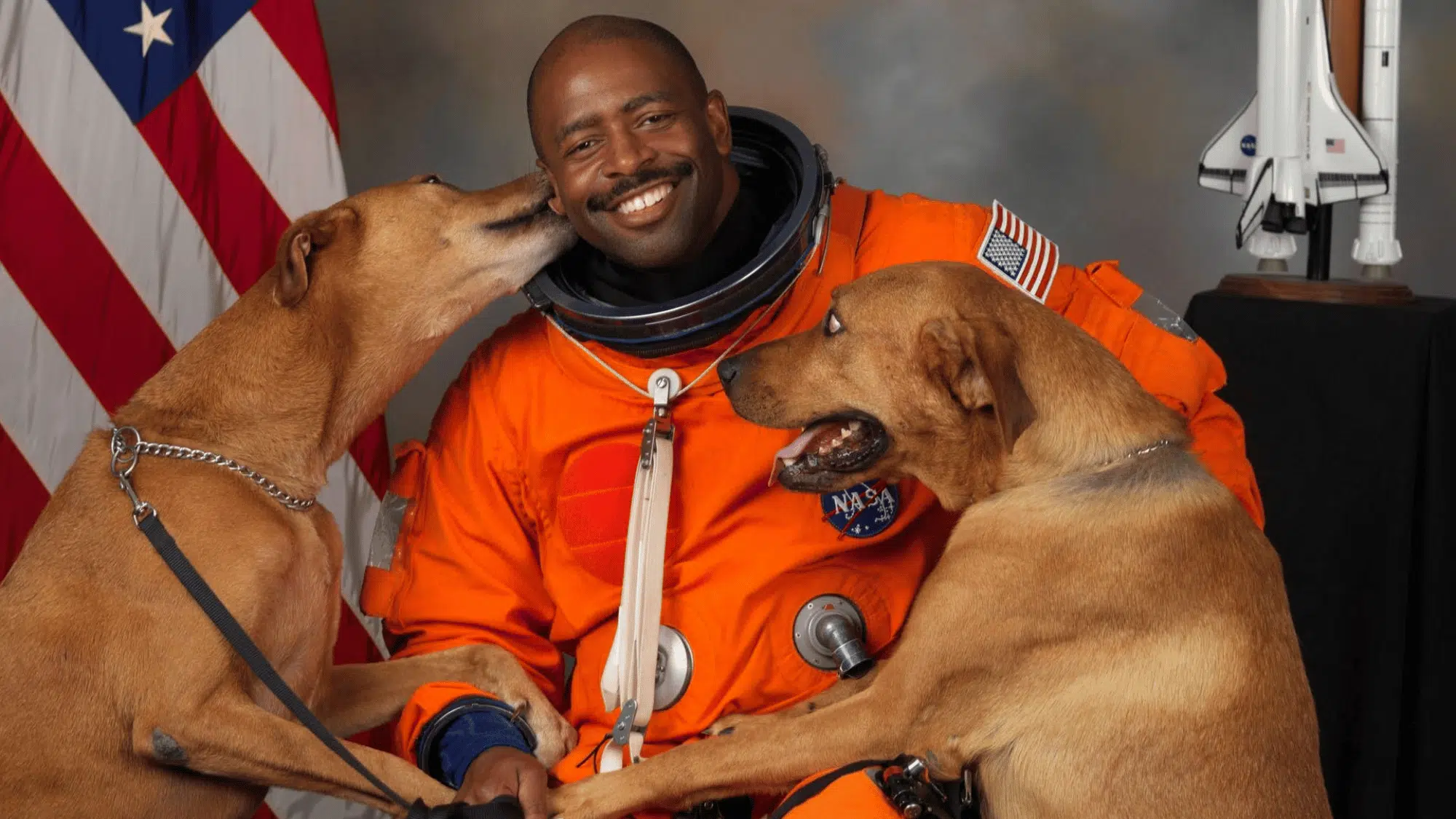
Image Source: Wikipedia
Leland D. Melvin flew two Space Shuttle missions, STS-122 and STS-129, supporting ISS assembly and logistics.
A former NFL player turned aerospace engineer, Melvin later served as NASA’s Associate Administrator for Education. He became widely known for his efforts to engage young students and promote STEM education nationwide.
13. Alvin Drew
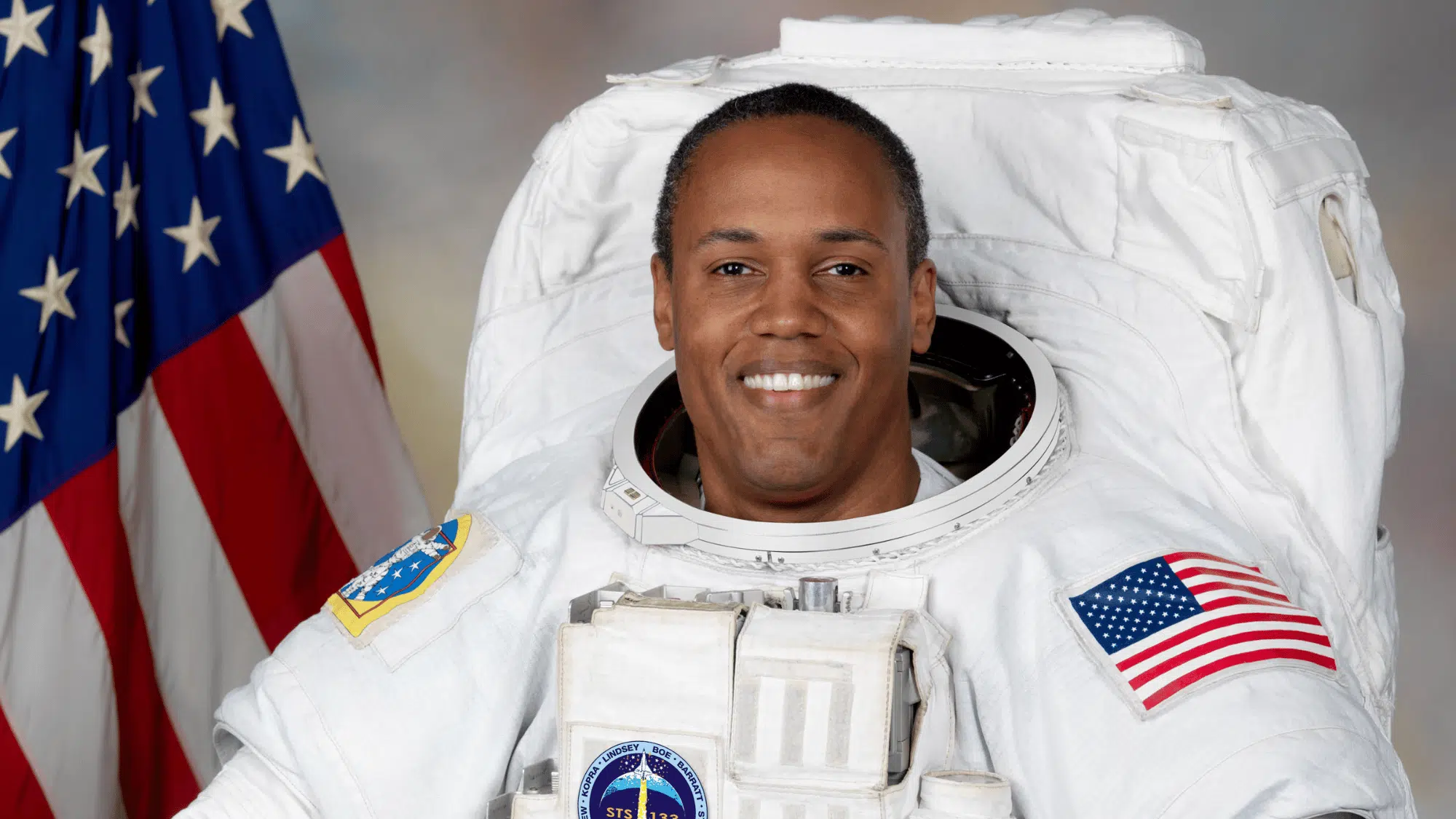
Image Source: Wikimedia Commons
Alvin Drew flew aboard STS-118 in 2007 and later STS-133 in 2011, contributing to ISS operations and assembly. A U.S. Navy captain, Drew combined military leadership with technical expertise in spaceflight.
His missions supported station expansion and logistics, further strengthening human capabilities for long-duration space missions.
14. Victor J. Glover
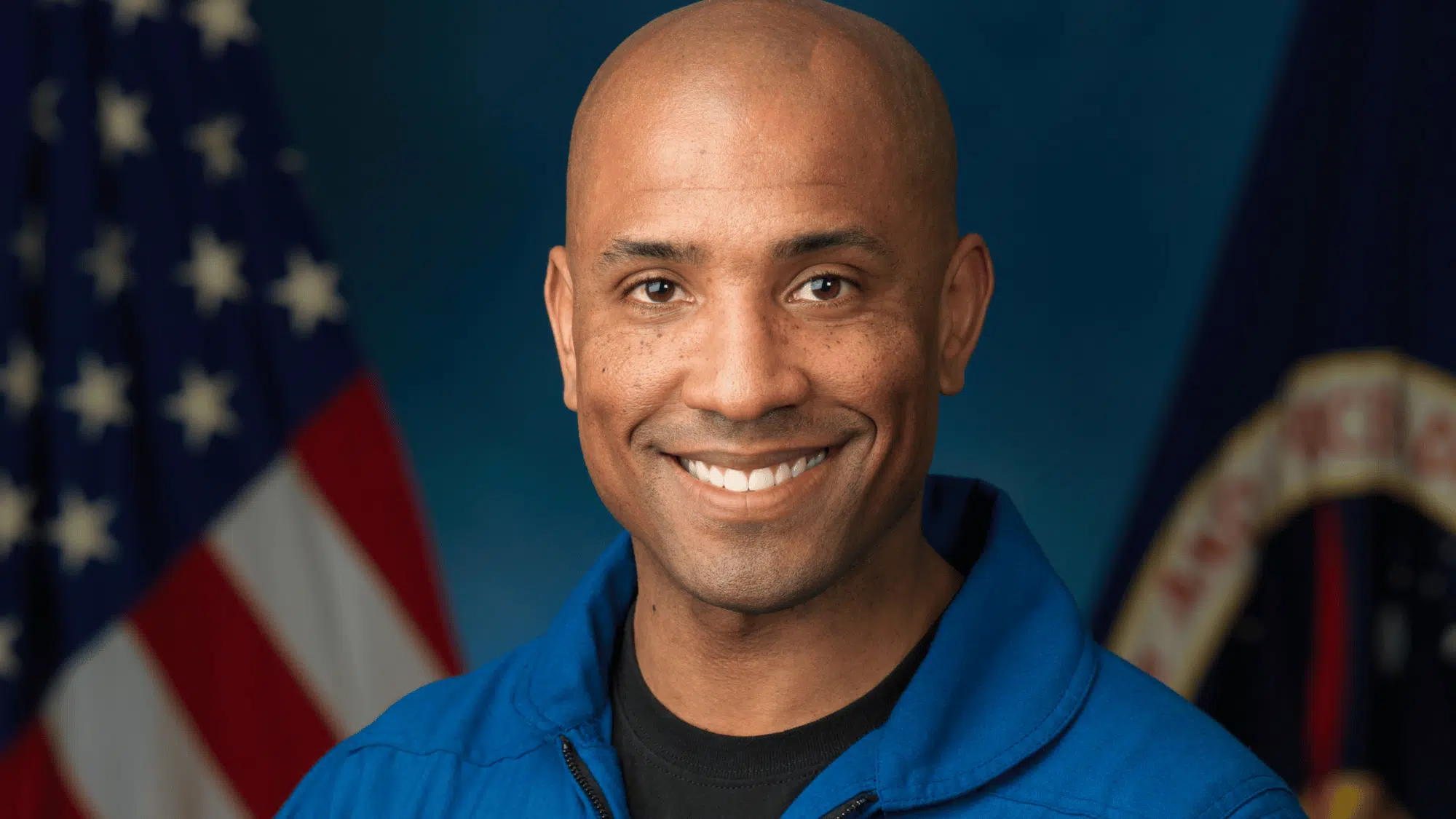
Image Source: NASA
Victor J. Glover made history as the first African-American astronaut to complete a long-duration mission aboard the International Space Station during SpaceX Crew-1 in 2020–2021.
A naval aviator, he spent nearly six months in orbit and later became the first Black astronaut selected for NASA’s Artemis lunar missions.
15. Jessica Watkins
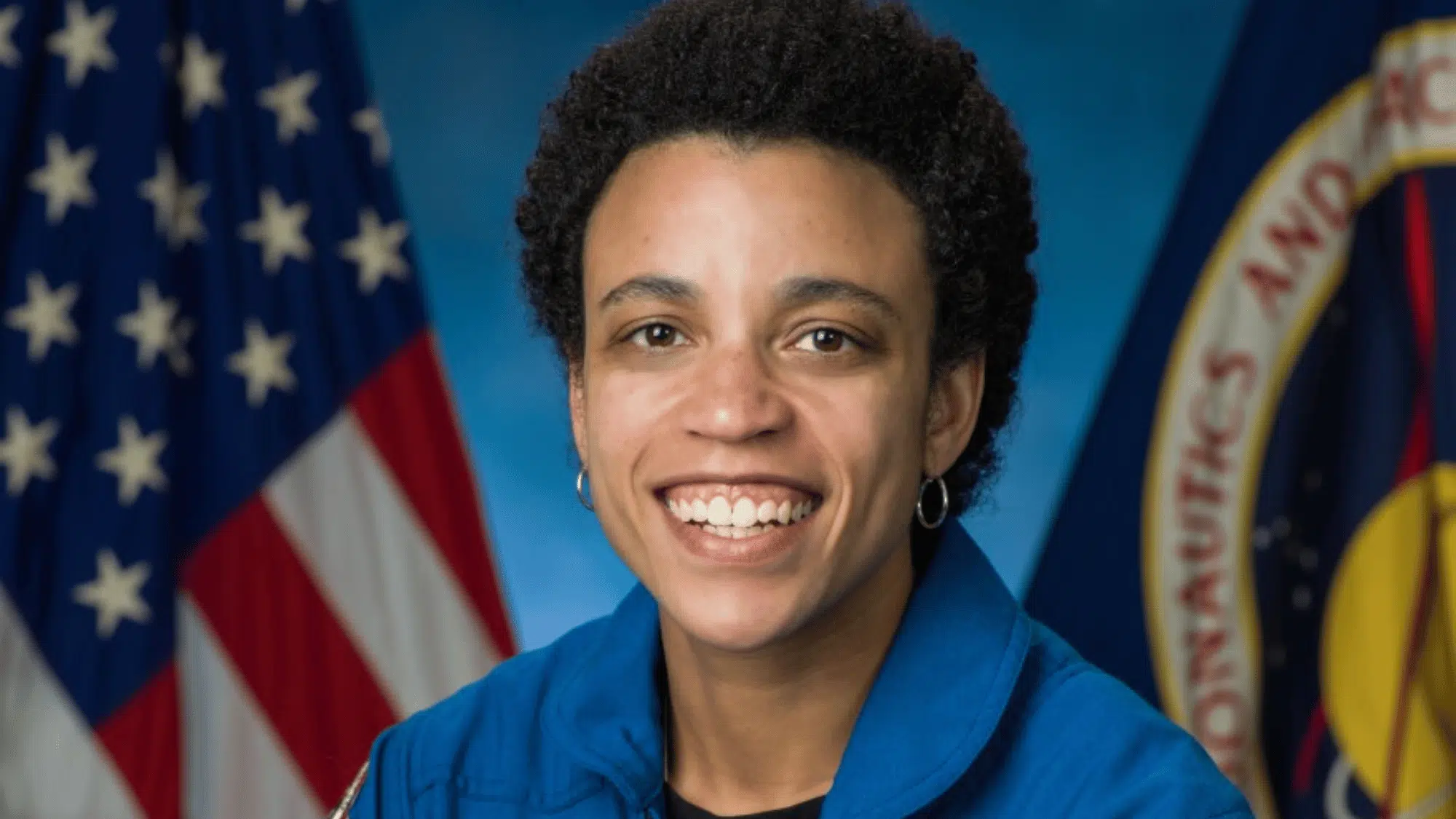
Image Source: KNKX
Jessica Watkins flew to the International Space Station as part of Expedition 67 in 2022, becoming the first African-American woman to serve on a long-duration ISS mission.
A geologist, she conducted Earth science research in microgravity. Watkins later joined NASA’s Artemis II crew, marking another historic milestone in space exploration.
Pioneers Who Shaped History Without Reaching Orbit
Not every pioneer reaches space, yet their contributions remain vital. These trailblazers faced immense challenges and paved the way for others, even though they never completed orbital missions themselves.
Robert Henry Lawrence Jr.:
Selected in 1967 as the first African-American astronaut for the Air Force’s Manned Orbiting Laboratory (MOL) program, Lawrence represented a monumental step forward.
Tragically, he died in a training aircraft crash in December 1967 before ever flying to space. His selection drew inspiration from the Tuskegee Airmen legacy, and his sacrifice is remembered as part of the foundation upon which future Black astronauts built their careers.
Ed Dwight:
Backed by President Kennedy in the early 1960s, Ed Dwight entered astronaut training at Edwards Air Force Base with high hopes.
However, he faced systemic racism and deliberate obstruction that ultimately blocked his path to spaceflight. Despite never reaching orbit, Dwight’s courage in confronting bias head-on made him a symbol of perseverance.
His story underscores the barriers that existed before Guion Bluford’s historic 1983 flight and continues inspiring conversations about equity in aerospace.
Latest African-American Astronauts to Reach Orbit
Christopher Williams recently became the 16th African-American astronaut to reach orbit when he launched aboard Soyuz MS-28 in November 2025.
He’s currently contributing to Expedition 73 on the International Space Station, showcasing NASA’s commitment to diversity in long-duration missions.
Before Williams, Jeanette Epps achieved a significant milestone with Crew-8 in 2024, becoming the third Black woman to serve on an extended ISS assignment.
Her mission highlighted the expanding opportunities for underrepresented groups in orbital spaceflight.
While suborbital flights like Inspiration4 in 2021 carried Sian Proctor and Hayley Arceneaux beyond 50 miles of altitude, the distinction between orbital and suborbital remains important in tracking professional astronaut milestones.
Conclusion
Space exploration has always been about pushing limits, and African-American astronauts have done exactly that. They’ve floated outside spacecraft, conducted groundbreaking research, and inspired millions watching from below.
Every mission represents years of training, sacrifice, and unwavering dedication. Every spacewalk proves that excellence knows no boundaries.
More records will fall. More talented individuals will strap into spacesuits and venture into the black.
The legacy built by pioneers from Bluford to Williams ensures that future generations won’t just dream about the stars; they’ll strive to reach them.