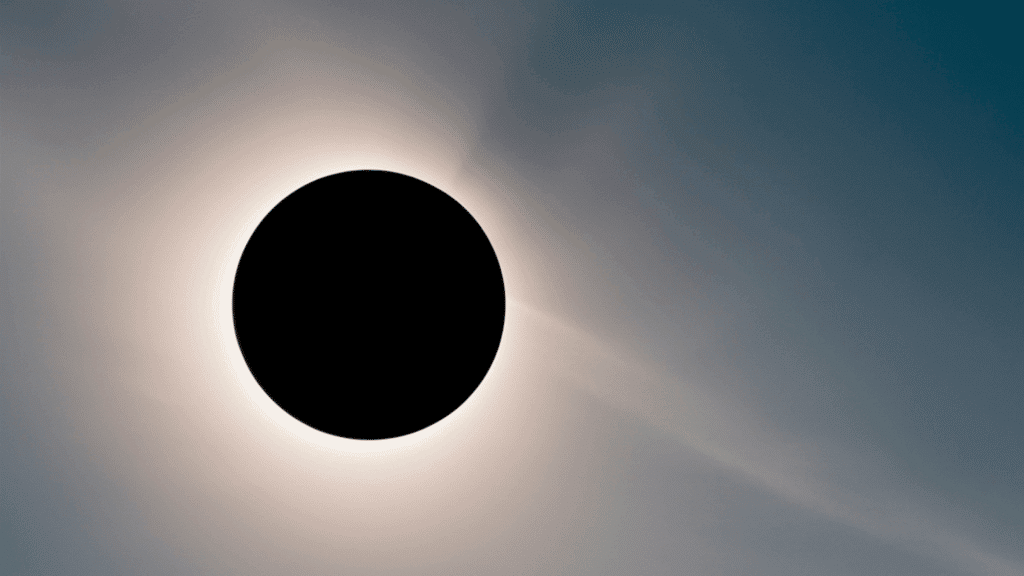
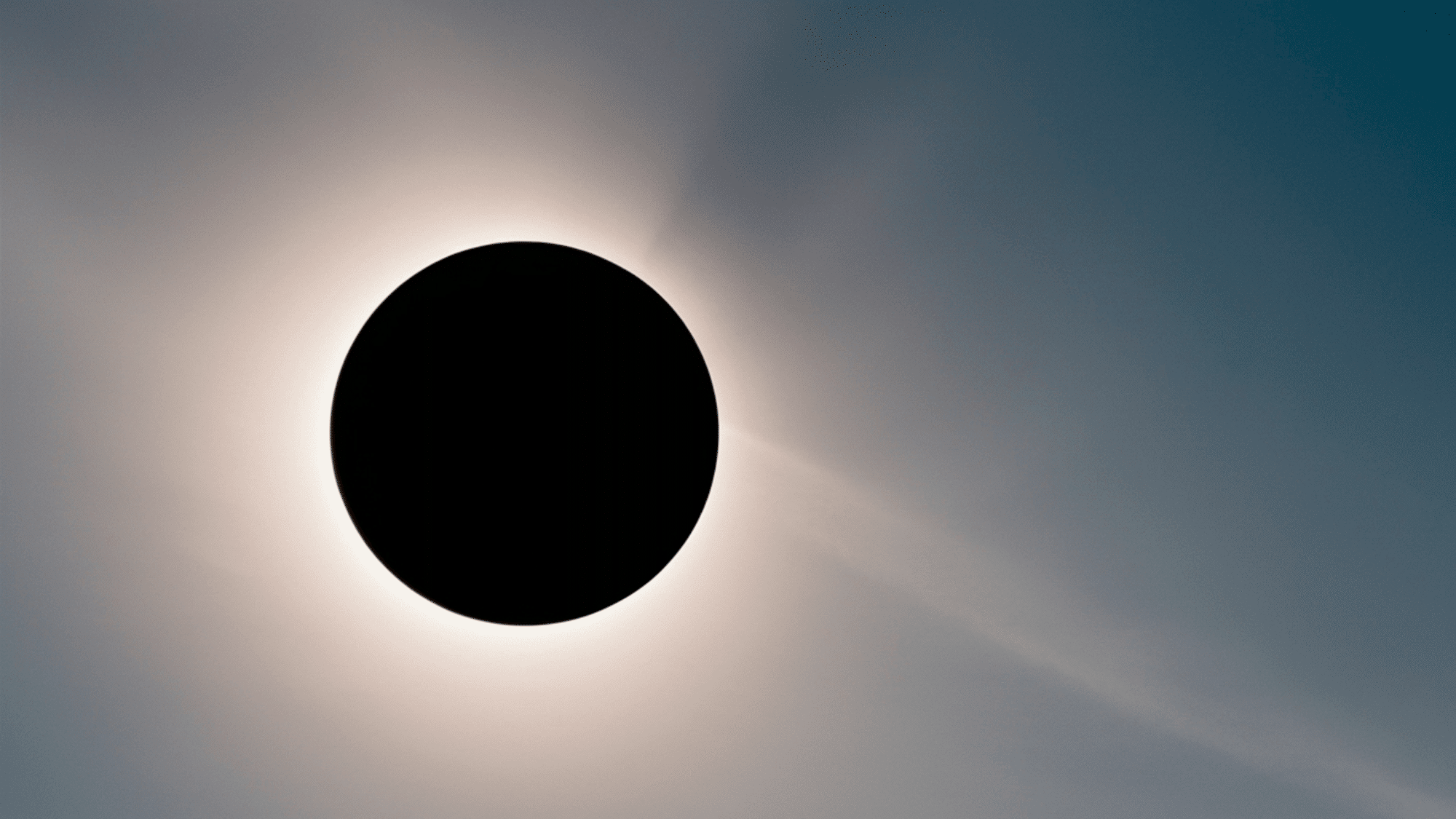



Looking up at the sky, people have been amazed by solar eclipses for thousands of years. The moon slides in front of the sun, day turns to night, and everything feels different for a few minutes.
But these events aren’t exactly rare. They happen more often than most people think. The catch? Being in the right place at the right time.
So what determines when and where these celestial shows take place?
The answer involves some interesting science about how the moon, Earth, and sun line up. Let’s break down the timing and patterns behind one of nature’s most stunning spectacles.
How Often Does a Solar Eclipse Happen on Earth?
Solar eclipses occur somewhere on Earth about 2 to 5 times per year. However, total solar eclipses are rare from any single location, happening only about once every 300–400 years on average.
This is because the moon’s shadow covers only a narrow path across Earth’s surface. Astronomer Fred Espenak, often called “Mr. Eclipse,”has described totality as “one of the most profound spectacles nature has to offer, according to NASA’s Eclipse Web Site.
Most of these eclipses are visible only from specific parts of the planet, often over oceans or remote areas where no one lives.
The moon’s shadow is relatively small as it sweeps across Earth’s surface. This means any single location might wait decades, sometimes even centuries, between total solar eclipses.
Partial eclipses are more common, but they don’t pack the same dramatic punch. The timing depends on the complex dance between Earth, the moon, and the sun as they move through space.
Why Don’t Solar Eclipses Happen Every Month?
If the moon orbited Earth on the same flat plane as Earth orbits the sun, we’d get a solar eclipse every single month. But that’s not how it works.
The moon’s orbit is tilted about five degrees compared to Earth’s path around the sun. This tilt means the moon usually passes above or below the sun from our perspective.
Only when the moon crosses Earth’s orbital plane at just the right moment does an eclipse happen.
These crossing points are called nodes, and they have to align perfectly with a new moon. That specific combination only occurs a few times per year.
Understanding Eclipse Seasons and the Saros Cycle
Solar eclipses don’t happen randomly; they follow long-term cycles.
Twice each year, Earth enters an eclipse season, a roughly 34–35 days windowwhen the moon’s orbital nodes line up closely enough with the sun for eclipses to occur.
Even more fascinating is theSaros cycle, a period of about 18 years, 11 days, and 8 hours
After one Saros cycle, the positions of the Earth, moon, and sun return to nearly the same geometric alignment. As a result, a very similar eclipse occurs again
However, because of the extra eight hours, Earth has rotated further west, so the new eclipse appears about one-third of the way around the globe from the previous one.
This cycle has been used since ancient times and is still referenced in modern NASA eclipse predictions.
Types of Solar Eclipses and How Often Each One Occurs
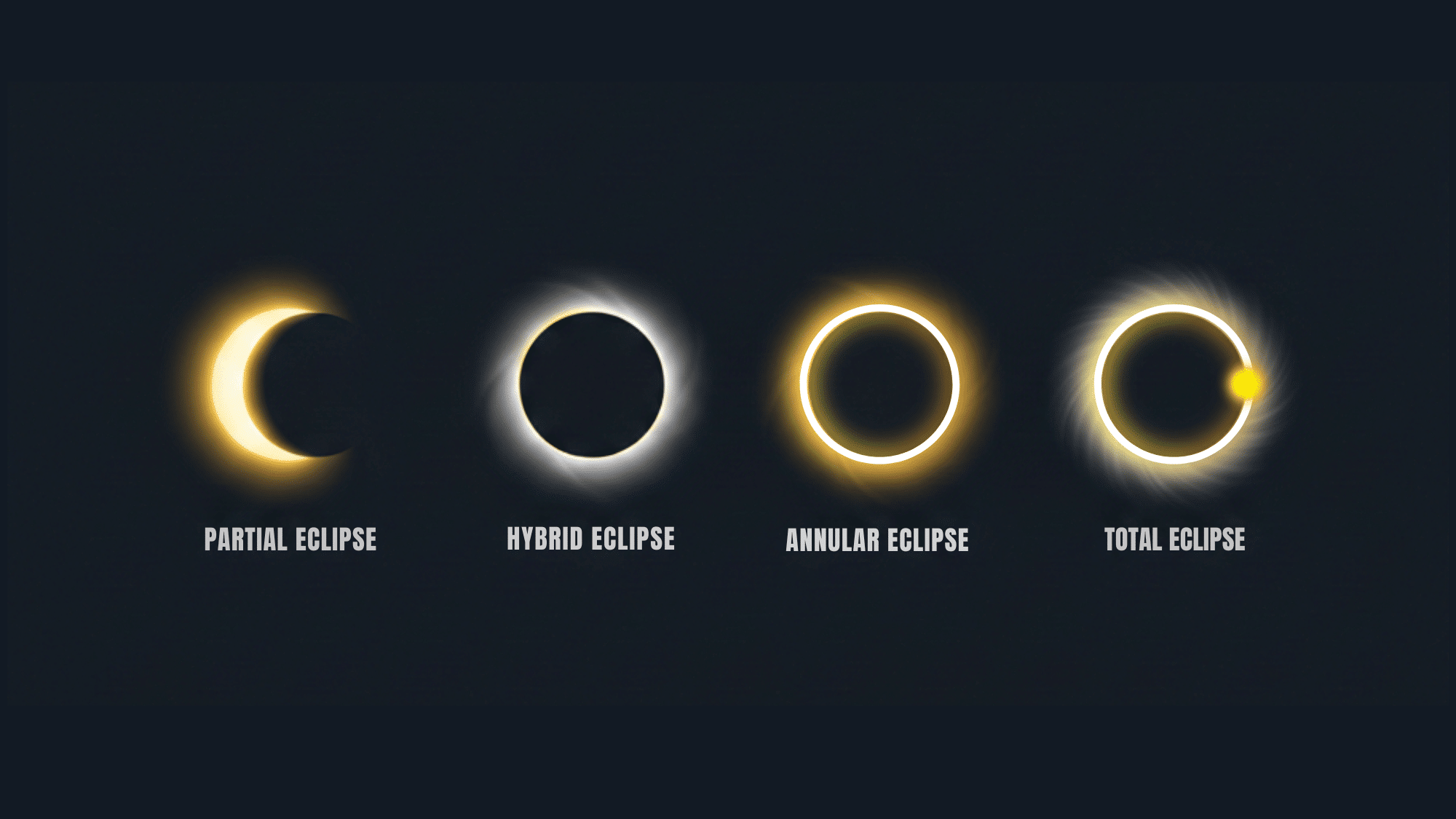
Not all solar eclipses are created equal. There are actually four different types, each with its own frequency and visual characteristics. Understanding these differences helps explain why some eclipses get massive media attention while others barely make the news.
1. Total Solar Eclipse Frequency
Total solar eclipses are the rock stars of astronomical events. They happen when the moon completely covers the sun, revealing the sun’s corona in a breathtaking display.
But any specific spot on Earth only sees one about every 300 to 400 years. The moon’s shadow is tiny, covering just a narrow path. That rarity makes witnessing totality feel like winning a cosmic lottery.
2. Partial Solar Eclipse Frequency
Partial eclipses occur more frequently than total ones, and they’re visible across much larger areas.
The moon only covers part of the sun, creating a crescent shape. Many people experience these without even knowing it happened because you need special glasses to see them safely.
They don’t create the dramatic darkness of totality, so they often go unnoticed unless someone’s specifically watching for them.
3. Annular Solar Eclipse Frequency
Annular eclipses happen when the moon is farther from Earth in its orbit. It appears slightly smaller and doesn’t completely cover the sun, leaving a bright ring around the edges.
This “ring of fire” effect is stunning and occurs about as often as total eclipses.
The difference isn’t frequency but geometry. The visual experience is unique, but doesn’t include the darkness or corona visibility of a total eclipse.
4. Hybrid Solar Eclipse (Rare Case)
Hybrid eclipses are the oddballs. They shift between total and annular as the moon’s shadow moves across Earth’s curved surface. These happen only a few times per century, making them incredibly rare.
Most people never witness one in their lifetime. The eclipse appears total in some locations along the path and annular in others, depending on the observer’s distance from Earth’s center.
How Often Can You See a Solar Eclipse From the Same Location?
A total solar eclipse passes over the same location roughly once every 375 years on average.
Some places get luckier with shorter gaps, while others wait even longer. Partial eclipses show up more frequently, maybe once every few years, but they’re far less dramatic.
The reason comes down to geometry. The moon’s shadow races across Earth at over 1,000 miles per hour, covering only a narrow strip.
That path rarely crosses the same spot twice within a human lifetime. Eclipse chasers travel thousands of miles for good reason.
Eclipse paths are not evenly distributed. Because Earth’s orbit is slightly elliptical and the moon’s shadow often falls over oceans, the Southern Hemisphere experiences more eclipses over water.
While the Northern Hemisphere experiences more often overpopulated land areas, this makes them feel more common there.
Upcoming Solar Eclipses and Their Visibility
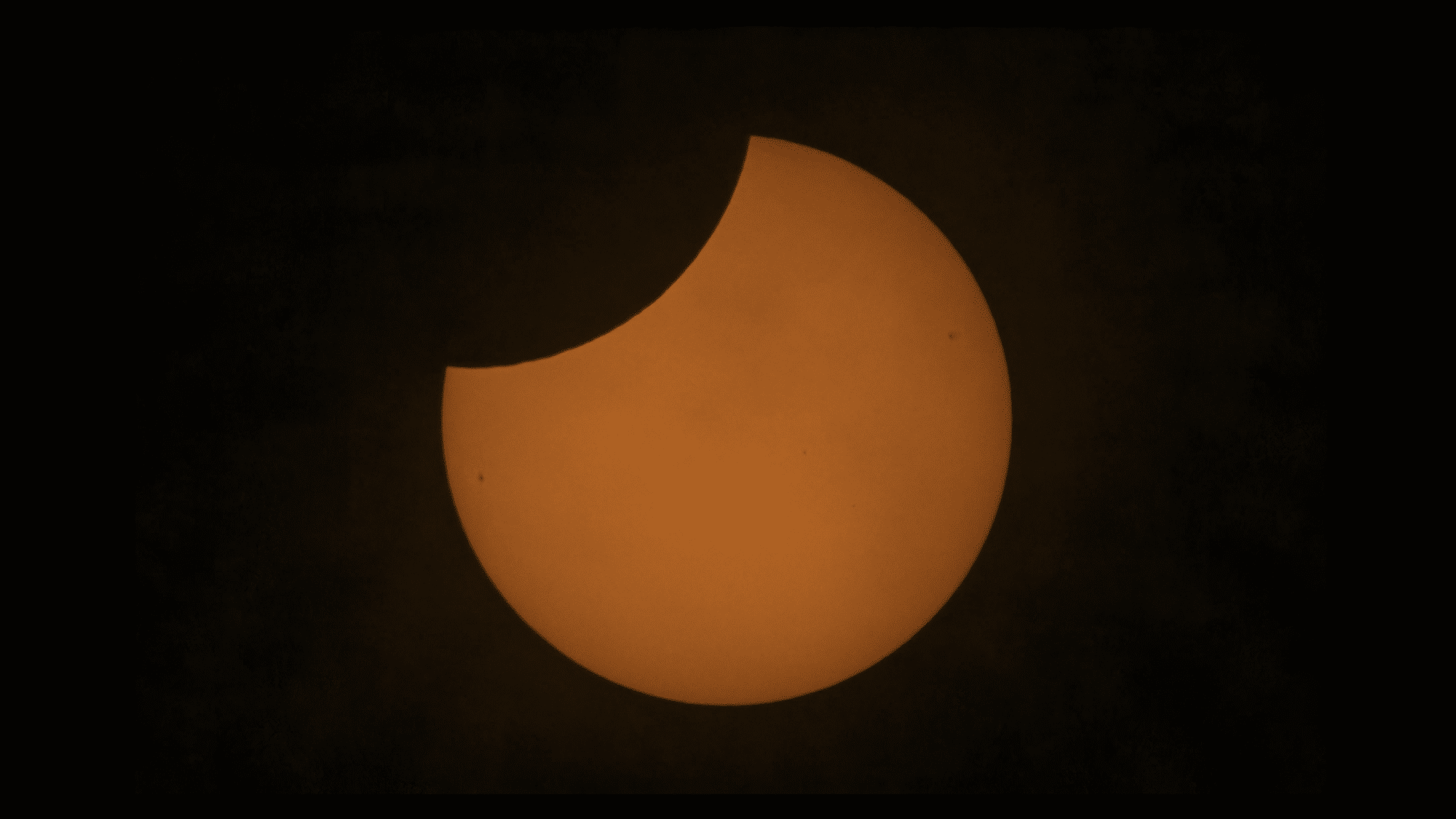
The next few years bring several notable solar eclipses across multiple continents. Some paths cross major cities and tourist destinations, making them far more accessible than usual for eclipse enthusiasts and curious observers alike.
| Date | Type | Max Duration | Primary Visibility |
|---|---|---|---|
| Feb 17, 2026 | Annular | ~6 min | Antarctica (remote; partials in the southern oceans) |
| Aug 12, 2026 | Total | 2m 18s | Greenland, Iceland, Spain (path from Arctic to Mediterranean) |
| Feb 6, 2027 | Annular | ~8 min | Chile, Argentina, Brazil, West Africa (sunset in Ghana, Nigeria) |
| Aug 2, 2027 | Total | 6m 22s | Spain, Morocco, Egypt (Luxor), Saudi Arabia, Yemen |
| Jan 26, 2028 | Annular | ~10 min | Ecuador, Galápagos, Panama, Colombia (partials in South America) |
| Jul 22, 2028 | Total | 5m 10s | Australia, New Zealand (South Pacific path) |
Why Solar Eclipses Feel Rare Even Though They’re Not
Solar eclipses occur regularly around the world, but most people rarely see one. Here’s why they feel like once-in-a-lifetime events, even when they’re not.
1. Geography matters more than frequency: The moon’s shadow only covers about 1% of Earth’s surface during any eclipse. Most paths cross oceans or uninhabited regions. Unless someone lives directly in that narrow strip or travels to it, they’ll miss the show completely.
2. Media hype creates false scarcity: When a total eclipse crosses a populated area, news coverage explodes. This attention makes each eclipse feel like a rare cosmic miracle. But somewhere on Earth, eclipses are happening every few months. The hype just focuses on the accessible ones.
3. Partial eclipses go unnoticed: Many partial eclipses occur without fanfare because they require eclipse glasses to view safely. People go about their day completely unaware that the sun is being partially covered overhead. Only totality creates obvious darkness that grabs everyone’s attention.
4. Modern life keeps eyes down: Centuries ago, people watched the sky constantly. Today, screens and buildings block the view. Even when eclipses happen nearby, daily routines mean most folks never look up. Ancient civilizations couldn’t miss them; modern ones scroll right past.
Conclusion
Solar eclipses aren’t as rare as they seem. They just happen to be picky about location. Earth sees several each year, but the odds of standing in the right spot at the right time remain slim without planning.
That’s changing, though. With upcoming eclipses crossing Spain, Egypt, Australia, and other accessible regions, more people have the chance to witness totality without extensive travel.
The wait times are shrinking for those willing to chase the shadow.
For anyone who’s never seen one, the upcoming years offer real opportunities. Mark those dates, grab proper viewing glasses, and consider making the trip. Some experiences are worth traveling for.