




Planetary scientists study planets, moons, and space rocks. They help us learn how these objects form and change over time.
This career is great for people who enjoy science and want to learn more about space. It takes hard work, but it can lead to exciting jobs and new skills.
Many students are curious about how to start this path. Knowing what to study and where to begin makes a big difference.
This blog gives simple steps to help students and future scientists get started. It is designed for anyone who wants to pursue this career in a clear, easy way. Keep reading to learn more.
What is a Planetary Scientist?
A planetary scientist is someone who studies planets and other celestial bodies. They want to know how planets were formed and what they are made of.
They also look at features such as volcanoes, dust, rocks, and weather on other planets. Some study the Moon or Mars. Others look at planets outside our solar system, called exoplanets.
Planetary science is not just one thing. It is a mix of other sciences, like:
- Geology (study of rocks and land)
- Astronomy (study of stars and space)
- Chemistry (study of materials)
- Physics (study of energy and forces)
- Biology (study of life)
What Do Planetary Scientists Do and Where Do They Work?
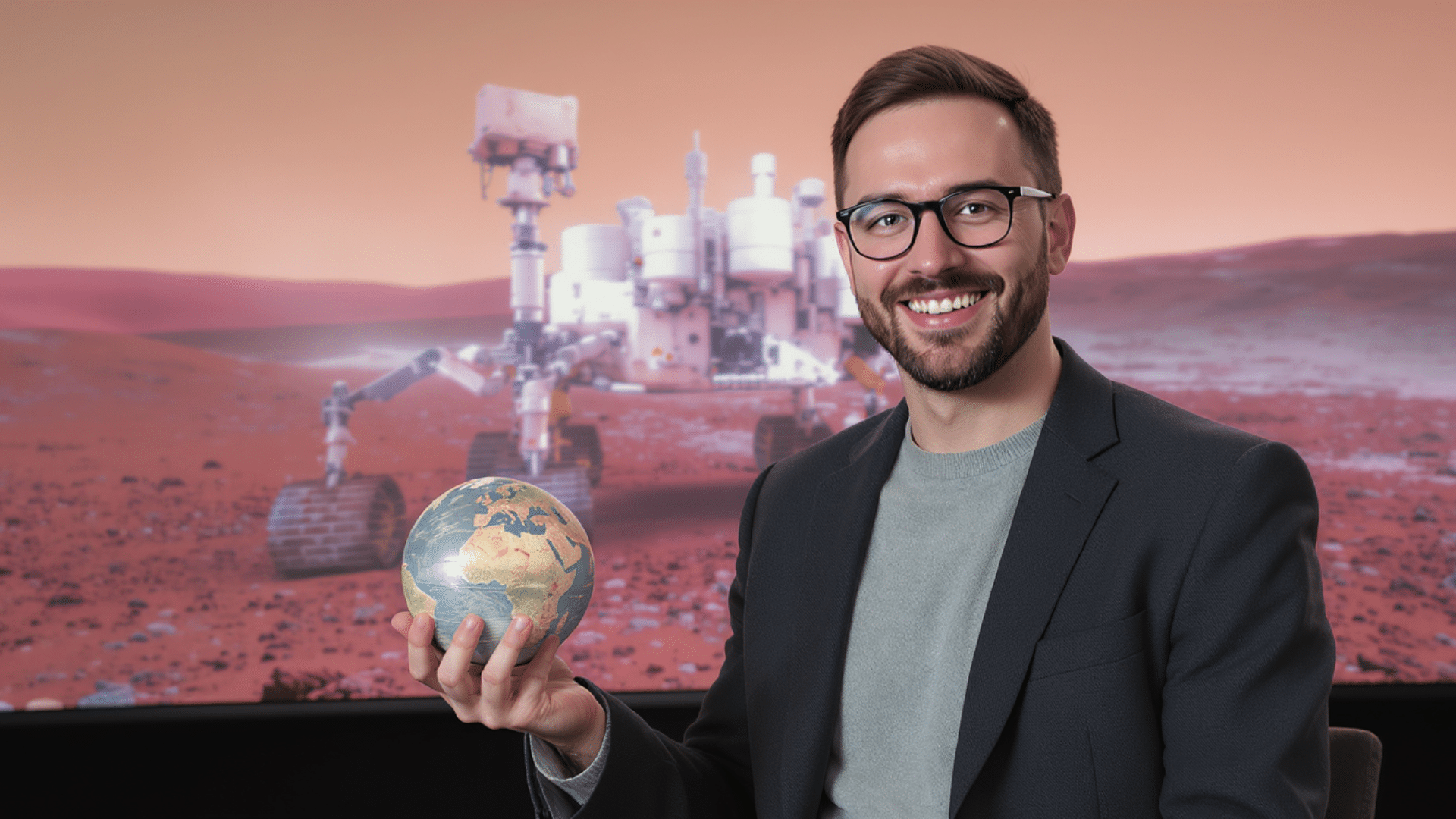
Planetary scientists study planets, moons, and other space objects. Their daily work and job locations can change based on their role, focus area, and experience level. The table below shows common tasks and places where planetary scientists work:
| What Planetary Scientists Do | Where Planetary Scientists Work |
|---|---|
| Study rocks from the Moon or Mars | Government space agencies like NASA |
| Analyze images from telescopes and space missions | Universities and colleges |
| Use computers to model planets and surface changes | Research labs |
| Help choose landing sites for space rovers | Planetariums and science museums |
| Work on missions sent to other planets | Private space companies like SpaceX |
| Write reports and research papers | Field sites on Earth similar to Mars or the Moon |
What Skills Do Planetary Scientists Need?
To become a successful planetary scientist, you need a mix of knowledge, technical ability, and soft skills. These skills help you study space objects, solve problems, and work with others. Below are the key skills you should build, and why each one matters.
Math and Science Skills
Planetary scientists use math and science every day. They calculate distances, work with formulas, and understand how natural forces affect planets. Science helps them study rocks, climates, and surfaces on other worlds. Physics, chemistry, and Earth science are especially helpful.
Tip: Practice solving real-world space problems or using basic math to study things like gravity, speed, or pressure.
Computer Skills
Much of planetary science happens on computers. Scientists use software to model planets, simulate climates, or track orbits. Learning programming languages like Python or MATLAB can be very helpful. Even knowing how to organize data in Excel or Google Sheets can make a big difference early on.
Tip: Try free coding websites or join a school tech club to grow your skills.
Writing and Reading
Planetary scientists write reports, research papers, and project updates. Good writing helps them explain their work clearly to others. They also read scientific journals to stay up to date. Strong reading and writing skills help you share ideas and understand new ones.
Tip: Practice writing short reports about science topics or space news. Focus on clear, simple sentences.
Teamwork
Planetary scientists almost never work alone. They join teams made of people from many places and fields. One team member might study rocks, another might work with computers, and another might run tests. Teamwork helps people solve big problems faster and better.
Tip: Work on group projects at school or join clubs to learn how to share your work and ideas.
Curiosity and Patience
Planetary science takes time. Missions to other planets may last for years. You won’t always get answers right away. You need to be curious, always asking why, how, or what if.
Tip: Keep a journal of questions you have about space. Look up answers or talk to teachers about what you find.
What are Some Jobs in Planetary Science?
You don’t have to be only a “planetary scientist.” Other jobs in this field include:
- Planetary geologist (studies rocks and land)
- Astrobiologist (studies possible life)
- Data analyst (looks at space data)
- Mission planner (helps plan space trips)
- Instrument engineer (builds tools for space)
These jobs may work together on the same mission
What Should You Study to Become a Planetary Scientist?
If you want to become a planetary scientist, it’s important to focus on the right subjects in school and college. These subjects build the knowledge and skills you will need later in your career.
Subjects to Focus on in School
Here are the subjects that can help you begin your path toward planetary science:
- Science: Take Earth science, physics, chemistry, biology, and, if available, astronomy. These classes help you understand the natural world, space, and how planets form and change over time.
- Math: Start with basic math and move up to algebra, geometry, and calculus if you can. Math is often used in data analysis, modeling, and solving science problems.
- Computer Science: Learn how to use computers, run simulations, and write simple code. These skills are useful when studying planets and working with large sets of space data.
- English and Writing: Reading and writing are important for writing science reports and reading research papers. You’ll need to explain your work clearly to others.
You don’t have to master all of these subjects at once. Just begin where you are, do your best, and keep learning as you go.
College Degrees for Planetary Science
Most planetary scientists go to college to study a science-related field. Many different degrees can lead to a job in planetary science. Some popular choices include:
- Geology or Earth Science: Studies rocks, land, and how planets form.
- Astronomy or Astrophysics: Focuses on space, stars, planets, and how they move.
- Physics: Helps you understand forces, motion, and energy, all important in space science.
- Planetary Science: Some schools have this exact major, which is perfect for this career.
- Chemistry: Teaches you about materials, elements, and how things react, useful for studying planetary surfaces and atmospheres.
- Space Science: A broad field that covers different areas of space study.
Most people start with a bachelor’s degree in one of these fields. After college, many go on to graduate school.
Graduate School and Advanced Degrees
To become a lead researcher or work on advanced missions, you may need more than a college degree. Many planetary scientists earn:
- A Master’s Degree: A 2-year program after college that helps you specialize in one area.
- A Ph.D. (Doctor of Philosophy): A long research degree that can take 4–7 years. This is often needed if you want to work in research, teach at a college, or lead projects.
Graduate school also gives you a chance to work on real science projects, write research papers, and build strong skills for future jobs.
How Much Does a Planetary Scientist Make?
The salary of a planetary scientist can vary based on education, experience, and the place of work. People working for government space agencies may earn differently from those in private companies or universities.
| Experience Level | Education Needed | Estimated Salary (Per Year) | Typical Role or Job Type |
|---|---|---|---|
| Entry-Level | Bachelor’s Degree | $45,000 – $65,000 | Research assistant, lab technician |
| Mid-Level | Master’s Degree | $65,000 – $90,000 | Data analyst, project assistant, lab manager |
| Advanced/Experienced | Ph.D. or equivalent | $90,000 – $120,000+ | Lead researcher, mission scientist, professor |
| Senior/Highly Specialized | Ph.D. with 10+ years’ experience | $120,000 – $150,000+ | Senior scientist, director, program manager |
These numbers are general estimates and can differ by country, employer, and field of study. Planetary scientists working in private companies or high-level research programs may earn more.
What is a Day Like for a Planetary Scientist?
A day in the life of a planetary scientist can be both busy and exciting. They might start by checking data from telescopes or space missions.
Some spend time looking at images of planets or studying rocks from space. Others write computer code to run models or simulations.
Many write reports, attend team meetings, or prepare presentations. If they teach, they may give lectures or help students.
Fieldwork is also part of some jobs, such as visiting Earth-like locations. Each day is different, but most involve science, problem-solving, and working with others to learn more about space.
Online Resources and Tools for Students
You can learn a lot online. Here are some helpful websites:
- NASA Planetary Science:https://science.nasa.gov/planetary-science
- NASA internships:https://intern.nasa.gov
- CosmoQuest: Citizen science projects
- Zooniverse: Help real scientists study space data
- YouTube: Look for science channels like PBS Space Time or NASA Goddard
These sites offer videos, free lessons, and real projects.
Tips for Students Who Want to Be Planetary Scientists
If you dream of becoming a planetary scientist, it helps to start early and stay curious. You don’t need to wait until college to begin learning. Here are some easy and fun ways to build your interest and skills while you’re still in school:
- Start reading about space as early as possible
- Ask teachers about science clubs or contests
- Visit a planetarium or science museum
- Watch space documentaries or videos
- Don’t be afraid to ask questions
- Practice math and science often
- Keep a science journal
- Try simple experiments at home
- Look for online space classes
- Keep your dream strong, even if it feels far away
To Conclude
Becoming a planetary scientist takes time, effort, and a love for space. It starts with school, builds through college, and grows with research and real-world work.
The path may be long, but it is exciting and full of chances to learn. You will need science, math, and computer skills. You will also need to work well with others and stay curious. Every planet has a story, and you can help tell it.
If you enjoy asking questions about space and want to be part of new discoveries, this could be the right path for you. Start your journey today and keep reaching for the stars.