

Gravity is more than what makes things fall. It pulls everything with mass toward everything else.
It holds the atmosphere in place, controls ocean tides, and keeps the moon moving around Earth. Gravity also shapes the motion of stars, planets, and galaxies.
Without it, there would be no air to breathe or ground to stand on. This blog shares key facts that explain how gravity works in simple terms.
From how it affects your body to how it powers the solar system, these facts will help you understand one of the most important forces in the universe.
Why is Gravity So Important?
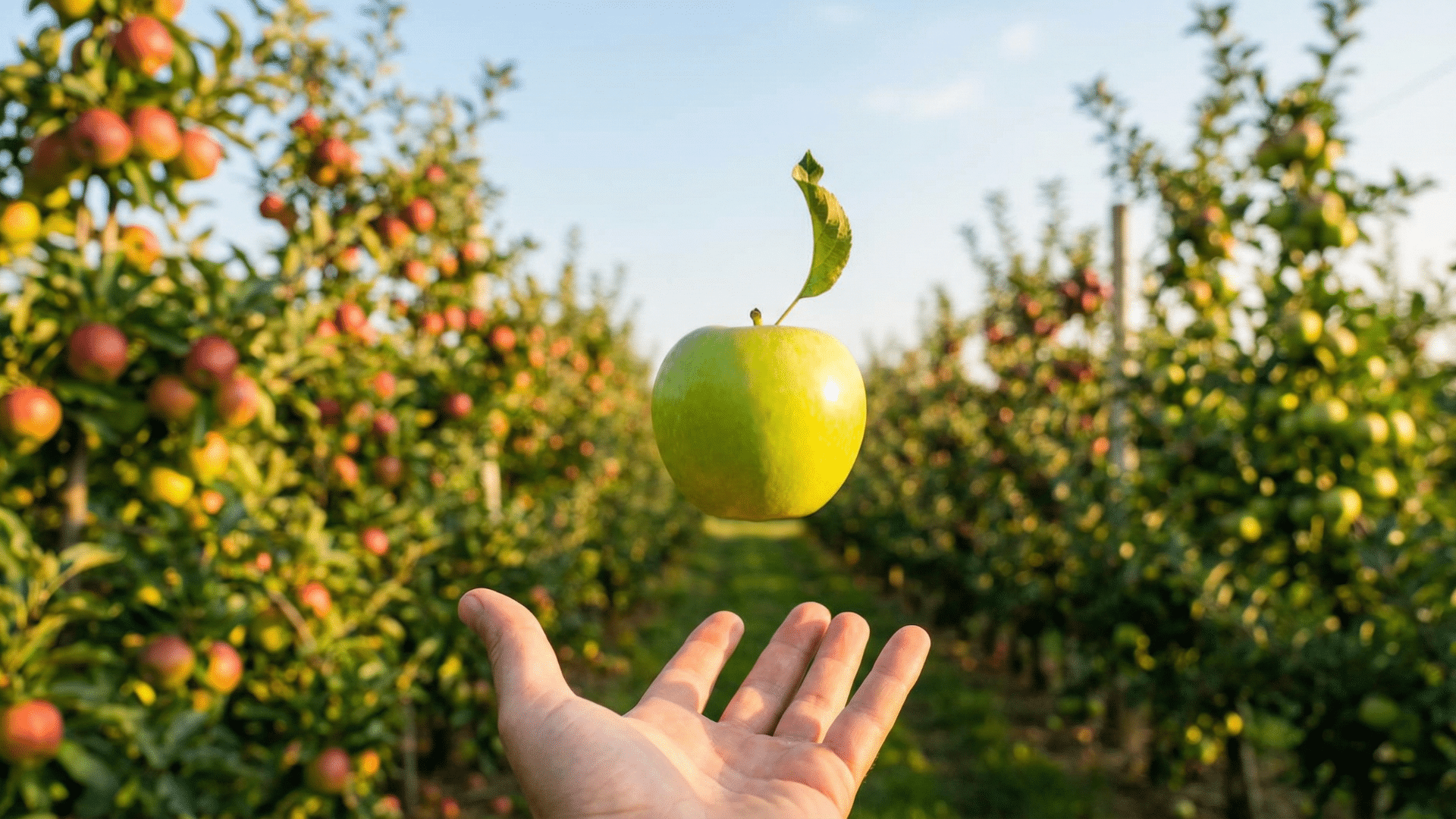
Gravity is not just something that makes apples fall or keeps us on the ground. It shapes the universe. It builds stars. It helps plants grow by pulling roots down. It lets rain fall and keeps air close to Earth so we can breathe.
Even everyday things, like pouring water or jumping, are possible only because gravity is always at work. Without it, nothing would work the way we know it.
You feel gravity every time you:
- Stand on the ground
- Sit in a chair
- Drop your phone
- Jump and land
- Pour a drink
Even when you sleep, gravity is working to keep you in place. It also helps your body understand what’s up and what’s down.
Easy and Fun Facts About Gravity Everyone Should Know
Below are simple facts about gravity. These facts are great for learning or teaching, no matter your age.
1. Gravity is a Force That Pulls Things Together
Gravity is a force. It pulls objects toward each other. Every object with mass (meaning weight or size) exerts gravity. The bigger the object, the stronger the pull. Earth pulls us down because it’s large and has a lot of mass.
2. Earth’s Gravity Keeps Us on the Ground
You don’t float away because Earth’s gravity pulls you toward the center of the planet. Everything on Earth is held down by this force: people, buildings, trees, and even the oceans.
3. Gravity Works in Space Too
Gravity doesn’t stop at Earth. It reaches far into space. The moon stays near Earth because of gravity. Planets move around the sun for the same reason. Even stars are held together by gravity.
4. The Moon’s Gravity Causes Ocean Tides
The moon pulls on Earth’s oceans. This pull causes tides. When the moon is closer, it pulls the ocean water toward it. That’s why we have high and low tides. The sun’s gravity also plays a small role in tides, but the moon’s pull is stronger because it’s closer.
5. Weight and Mass are Not the Same
Many people think weight and mass mean the same thing. They don’t.
- Mass is how much matter is in something. It doesn’t change.
- Weight is the force of gravity on that mass. It changes depending on where you are.
For example, your mass stays the same on Earth and the Moon. But your weight on the Moon is less because the Moon has less gravity.
6. Without Gravity, Life Would Not Exist
Gravity holds the air close to Earth. Without it, the air would float away into space. Water would not stay in lakes or rivers. People, animals, and plants could not survive. We need gravity to live.
7. Gravity Helps Form Planets and Stars
When dust and gas come together in space, gravity pulls them closer and closer. Over time, this forms stars and planets. Without gravity, the universe would just be a cloud of floating particles.
8. Gravity Gets Weaker With Distance
Gravity is strongest when objects are close together. As you move away from an object, its gravity becomes weaker. That’s why astronauts feel weightless in space. They are far enough from Earth that gravity exerts less force on them.
But gravity never completely goes away. Even in deep space, it’s still there, just weaker.
9. Everything Has Gravity, Even You
It’s true! Every object, no matter how small, has gravity. Even your body. But unless an object is very big, like a planet or moon, its gravity is too small to notice.
10. Gravity Keeps the Planets in Orbit
The planets in our solar system move around the sun. Why? Because the sun is massive and has strong gravity. It pulls on the planets and keeps them from flying off into space. This pull creates orbits.
11. The Earth’s Gravity is Not the Same Everywhere
Gravity is a bit stronger in some places and weaker in others. This is due to changes in the land below your feet, mountains, valleys, and the thickness of Earth’s crust. These changes can cause slight differences in gravity, but not enough to be noticeable without specialized tools.
12. Isaac Newton Helped Us Understand Gravity
In the 1600s, Isaac Newton wrote about gravity in a way that people could measure and study. He said that gravity pulls all objects toward each other. The famous story goes that he saw an apple fall from a tree and began to think about why it fell straight down.
Newton’s laws helped people understand how gravity works on Earth and in space.
13. Albert Einstein Explained Gravity in a New Way
In the early 1900s, Albert Einstein shared a new idea. He said gravity is not just a force. Instead, massive objects like Earth bend space around them. Think of it like placing a ball on a stretched-out blanket. The ball sinks in and bends the fabric. That’s what gravity does to space.
This idea helped scientists understand how gravity works with light and time, too.
14. Gravity Affects Time
This may sound strange, but gravity can change how time moves. The stronger the gravity, the slower time goes. This has been measured with very accurate clocks. For example, a clock on a mountain ticks faster than one at sea level. That’s because gravity is weaker higher up.
15. Gravity Makes Things Fall at the Same Speed (Mostly)
In a vacuum (a space with no air), all objects fall at the same rate, no matter how heavy they are. A feather and a bowling ball would hit the ground at the same time if dropped in a vacuum. Air usually slows light objects, but without air, gravity pulls everything the same way.
16. Gravity Helps Satellites Stay in Orbit
Satellites orbit Earth thanks to gravity. They are moving forward fast, but gravity pulls them toward Earth. Because of this balance, they keep going around the planet without falling down. That’s how we get GPS, weather forecasts, and satellite TV.
17. Gravity is Still Being Studied Today
Scientists still study gravity today. Some questions don’t have answers yet. For example, why is gravity so much weaker than other forces like electricity? And what causes it at the smallest level? Researchers hope to learn more by using powerful tools like space telescopes and particle colliders.
Some More Interesting Facts About Gravity
Here are a few bonus facts about gravity that many people find surprising:
- Earth’s gravity is strong enough to keep the moon nearby.
- The sun’s gravity holds the entire solar system together.
- Jupiter has the strongest gravity of any planet in our solar system.
- Black holes have gravity so strong that not even light can escape.
- Astronauts don’t float because there’s no gravity; it’s because they are in constant free fall.
Do Other Planets Have Gravity?
Yes! Every planet has gravity. But it’s different from Earth. Here’s a quick comparison of how much you would weigh:
| Planet | Gravity Compared to Earth | Your Weight if You Weigh 100 lbs on Earth |
|---|---|---|
| Mercury | 0.38 | 38 lbs |
| Venus | 0.91 | 91 lbs |
| Earth | 1.00 | 100 lbs |
| Moon | 0.17 | 17 lbs |
| Mars | 0.38 | 38 lbs |
| Jupiter | 2.34 | 234 lbs |
| Saturn | 1.06 | 106 lbs |
| Uranus | 0.92 | 92 lbs |
| Neptune | 1.19 | 119 lbs |
Can Gravity Be Used in Science and Technology?
Yes! Gravity is important in many areas:
- In space travel, scientists use gravity to help spacecraft speed up by flying near planets. This is called a “gravity assist.”
- In medicine, understanding gravity helps in treating balance problems and bone loss.
- In building, engineers design structures that can withstand gravity safely, such as bridges and tall buildings.
- In science, gravity is used to study Earth’s shape, ocean levels, and changes in the planet’s mass over time.
To Conclude
Gravity is always working, even when we don’t see it. It holds the Earth together, shapes space, and affects how we live.
These facts show how gravity plays a part in big things like stars and small things like a ball falling. Learning about gravity helps us better understand the world around us.
It’s a force that connects everything in space and on Earth.
Want to learn more cool science facts like these? Bookmark this blog or share it with someone curious, too.