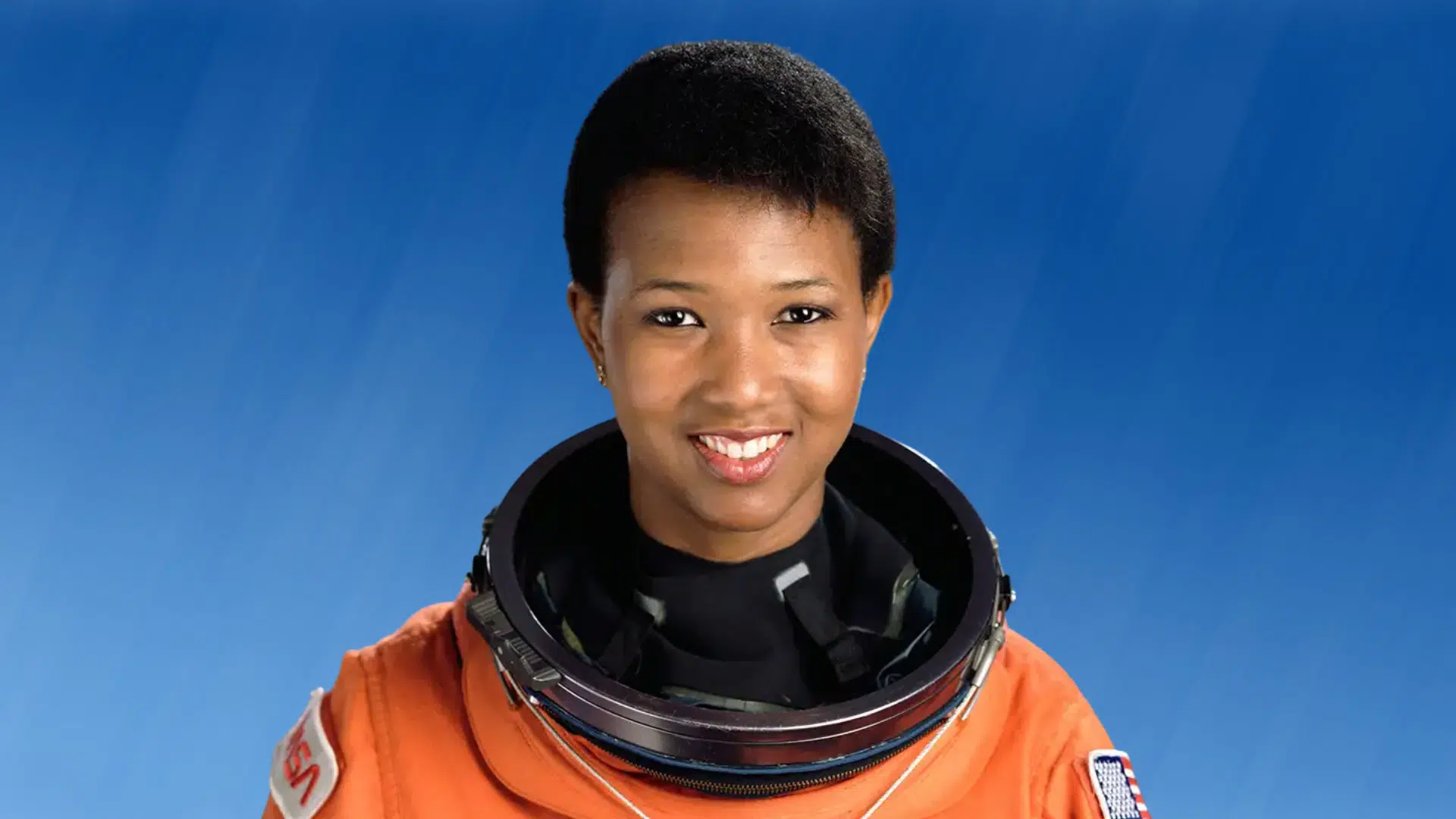



Mae Jemison is best known for making history in space, but her impact reaches far beyond that moment.
She became a symbol of courage, determination, and change. Her path to fame was not easy, but she never gave up. Today, she stands as a powerful role model in science, education, and beyond.
Many people know her name, but not everyone knows what truly made her famous. This blog takes a clear look at the key moments that shaped her story.
From her early interests to her groundbreaking role at NASA, readers will learn why Mae Jemison’s name continues to stand out in history.
Mae Jemison’s Early Life and Upbringing
Mae Carol Jemison was born on October 17, 1956, in Decatur, Alabama, but her family moved to Chicago, Illinois, when she was very young.
Her mother, Dorothy Jemison, was an elementary school teacher, and her father, Charlie Jemison, worked as a maintenance supervisor.
From a young age, Mae was curious and confident. She loved science, space, and books. She also enjoyed watching science fiction shows, especially Star Trek, which featured strong female characters.
Her parents encouraged her curiosity and supported her interest in science, even though few girls, especially African American girls, were expected to pursue that field at the time.
Mae Jemison’s Journey to Space
Before making history, Mae Jemison built a strong foundation through education, international service, and NASA training. Each step helped prepare her for the mission that would make her a household name.
Academic Success and Passion for Science
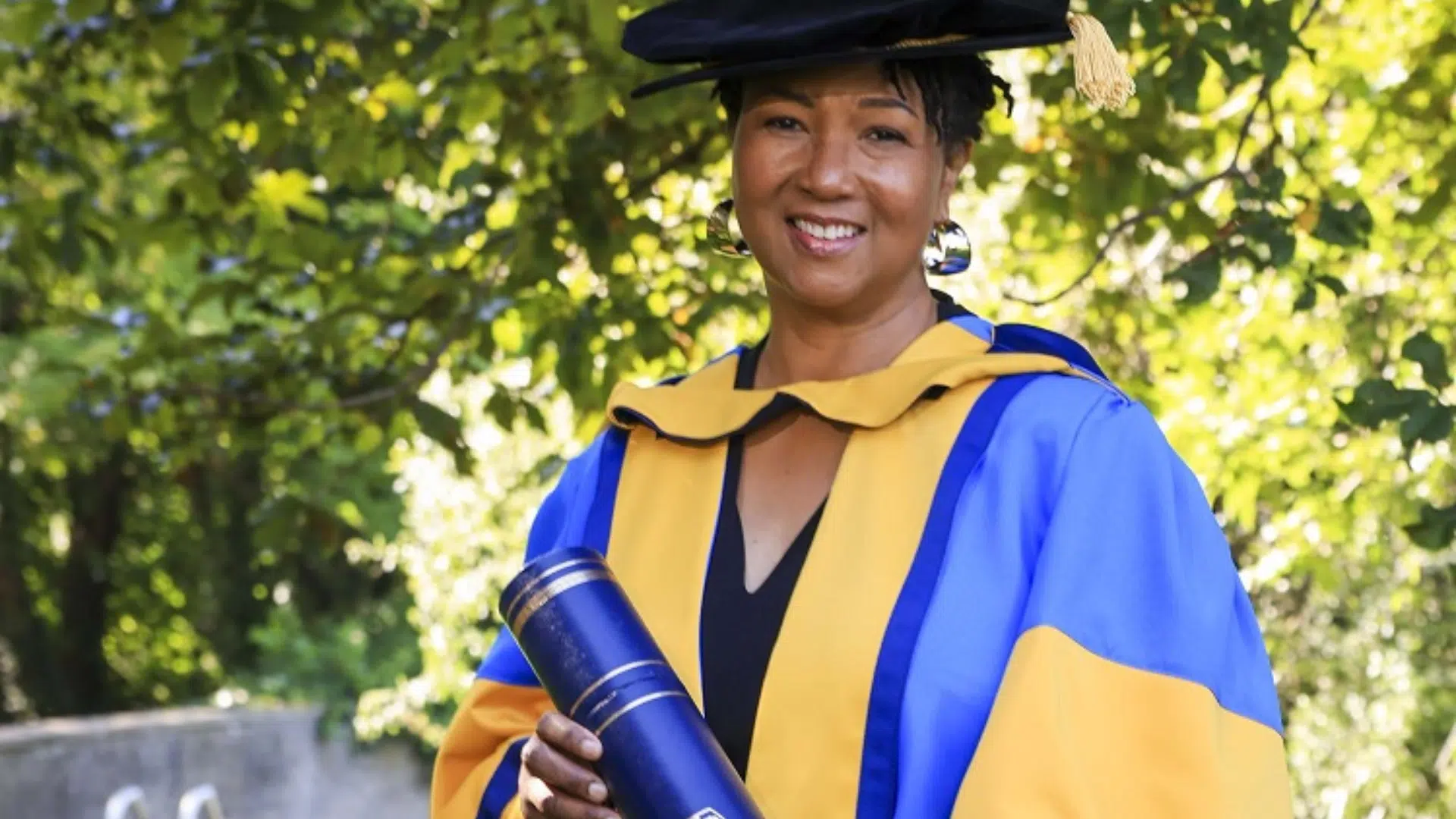
Image Source: University College Dublin
Mae was a gifted student. She graduated from high school at the age of 16 and enrolled at Stanford University. There, she earned degrees in chemical engineering and African and African-American studies.
While she was one of the few Black women at Stanford, she stayed focused and succeeded in a challenging environment.
After Stanford, Mae studied medicine at Cornell University Medical College, where she earned her Doctor of Medicine (MD) degree.
While in medical school, she volunteered in refugee camps and traveled to countries such as Cuba, Kenya, and Thailand to provide medical care. These early experiences helped shape her commitment to global health and service.
Work in the Peace Corps
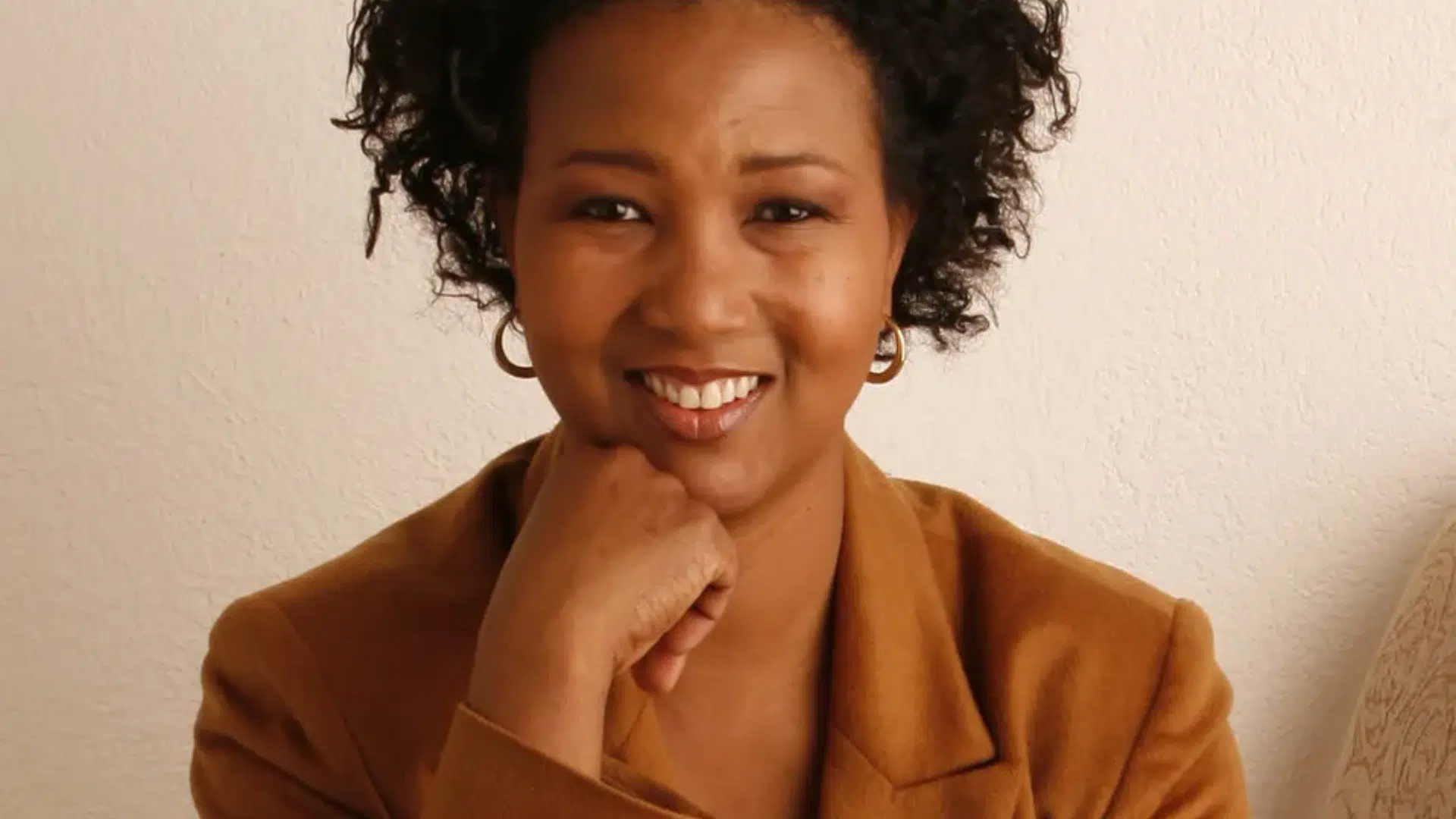
Image Source: weemagazine
After medical school, Jemison joined the Peace Corps and served as a medical officer in Sierra Leone and Liberia from 1983 to 1985.
During this time, she was responsible for public health programs, vaccinations, and medical care in remote and rural areas. She also trained local healthcare workers and handled medical emergencies.
This period helped her develop problem-solving skills, cultural awareness, and leadership, qualities that would later be essential in her career at NASA.
It also showed her ability to adapt and stay calm in high-pressure situations, a trait important for astronauts.
Applying to NASA and Making History
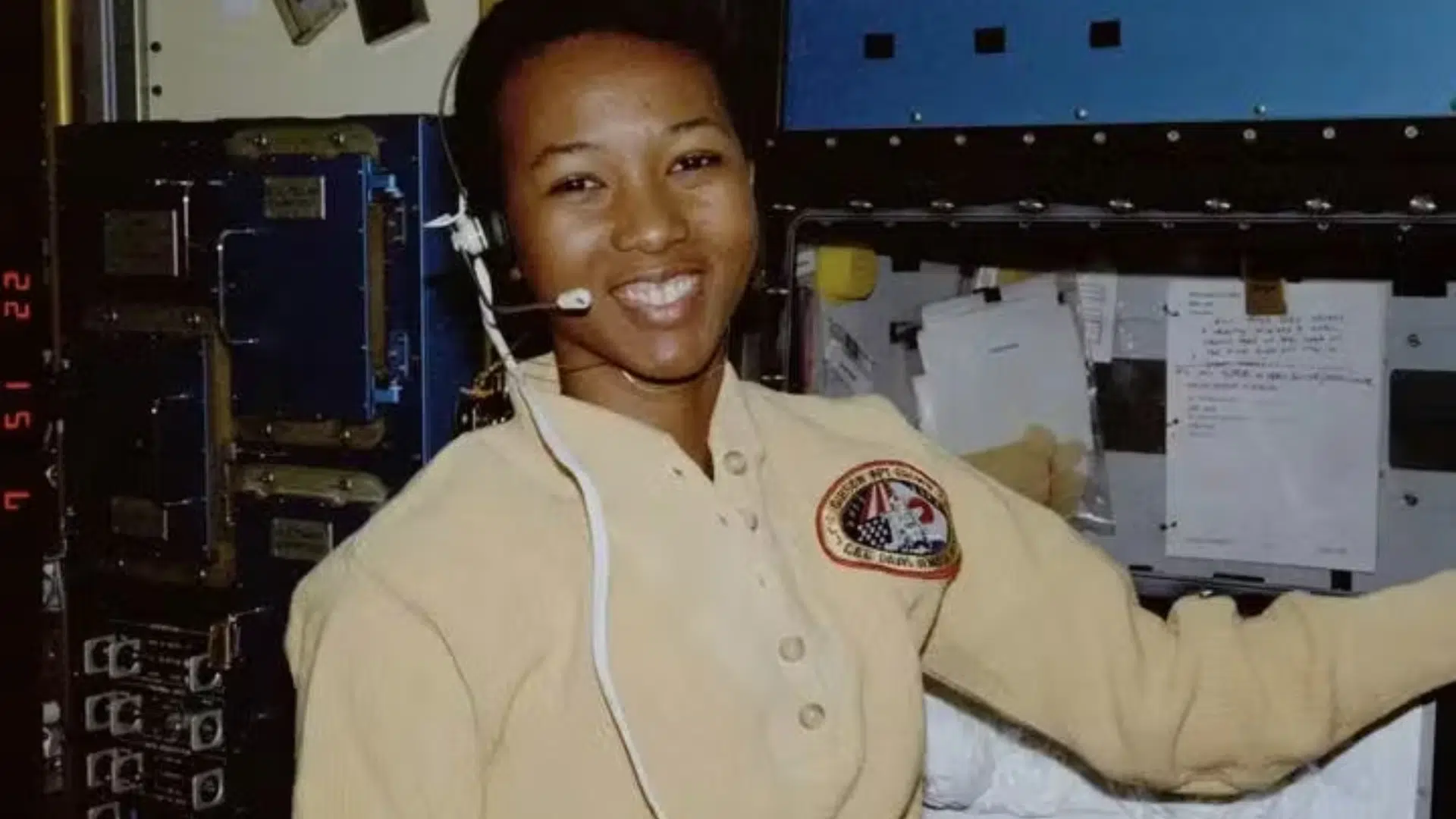
In 1987, after returning to the United States, Mae applied to NASA’s astronaut program. She was selected from a pool of more than 2,000 applicants, becoming the first African American woman ever accepted into NASA’s space program.
Her achievement stands alongside a broader history of African American astronauts, many of whom went on to perform complex missions, including spacewalks.
She began intensive training in 1987, which included:
- Spacecraft systems
- Robotics
- Medical procedures in space
- Physical fitness and survival training
- Flight simulations and jet aircraft operations
After years of preparation, she was chosen for a mission aboard the Space Shuttle Endeavour.
The STS-47 Mission
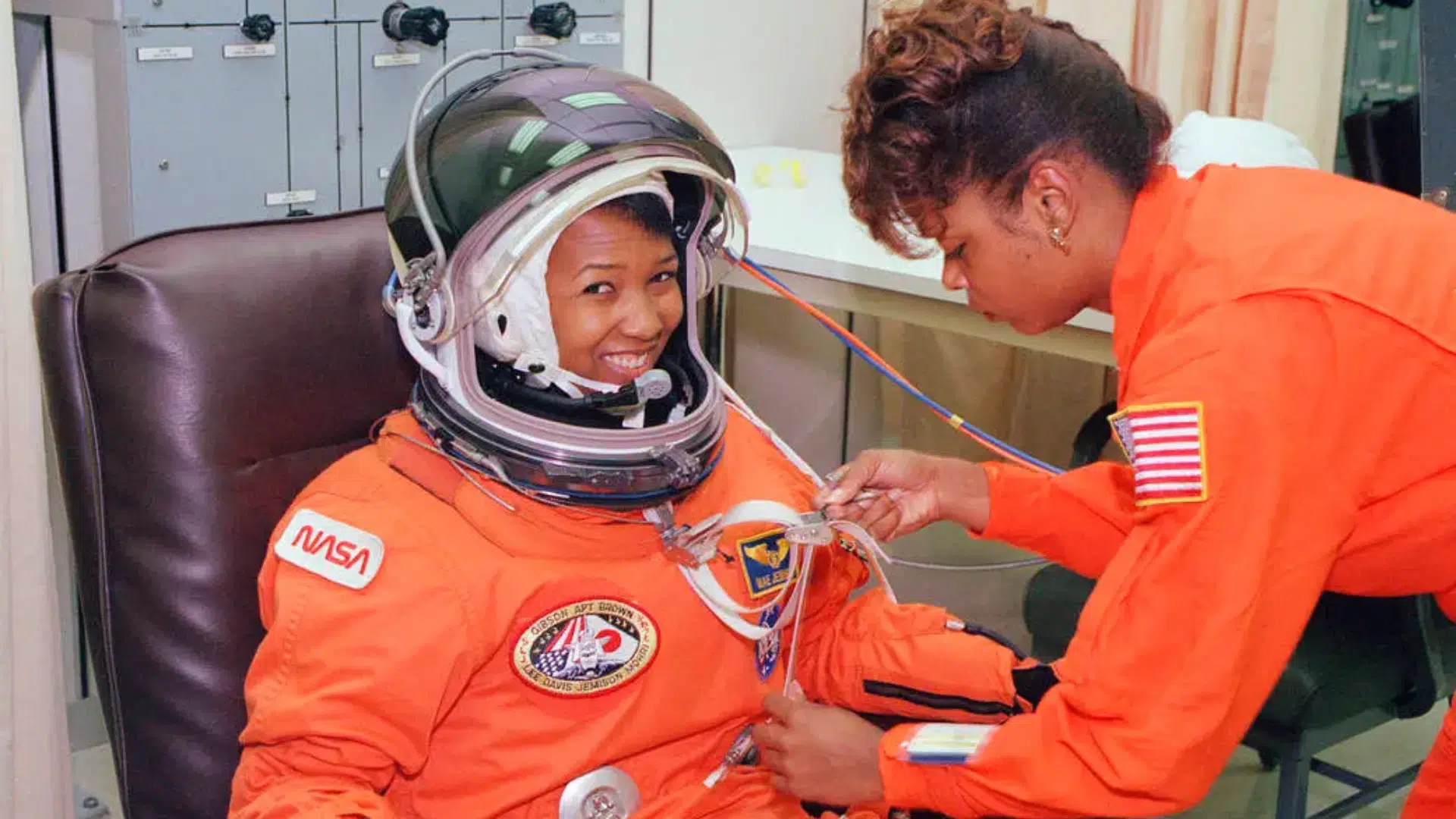
Image Source: NASA
On September 12, 1992, Mae Jemison flew into space as a Mission Specialist aboard STS-47, a joint mission between the United States and Japan.
The shuttle orbited Earth for 8 days, completing 127 orbits in total. The mission returned safely on September 20, 1992.
During the mission, she conducted experiments on:
- The effects of weightlessness on the human body
- How the body’s systems function in space
- Materials science and life sciences research
This mission made her the first Black woman to travel into space, a moment that marked a major milestone not only for NASA but also for American history.
Life After NASA
Mae Jemison left NASA in 1993 after six years of service. She went on to work on projects that connect science with everyday life.
She founded the Jemison Group, a company that focuses on using science and technology to improve people’s lives.
She also created the Dorothy Jemison Foundation for Excellence, named after her mother. Through this foundation, she launched The Earth We Share, an international science camp that helps middle and high school students solve real-world problems using science.
Jemison has also taught at Dartmouth College and served on advisory boards for organizations that support education, technology, and innovation.
Leading the 100 Year Starship Initiative
In 2012, Mae Jemison began leading a bold and ambitious project called the 100 Year Starship.
This initiative aims to make human space travel to another star system possible within the next 100 years.
The project is not just about engineering. It also brings together experts in physics, biology, ethics, and education to think about what a long-term future in space might look like.
It encourages people to think big and ask new questions about what’s possible.
Honors and Awards
Mae Jemison’s groundbreaking achievements have earned her many national and international honors. These awards recognize her contributions to space exploration, science education, and public service.
| Award / Honor | Details |
|---|---|
| NASA Space Flight Medal | Awarded for her 1992 mission aboard Space Shuttle Endeavour |
| National Women’s Hall of Fame | Inducted in 1993 for her impact on science and gender equality |
| International Space Hall of Fame | Honored for her role as a pioneering astronaut |
| Ebony Black Achievement Award | Recognized for breaking racial and gender barriers in STEM |
| Essence Science and Technology Award | Given for outstanding leadership and inspiration in the field |
| Kilby Science Award | Presented for contributions to education, science, and innovation |
| Multiple Honorary Doctorate Degrees | Over 10 honorary degrees from top universities in science and humanities |
| Mae Jemison Day | Celebrated in various cities across the U.S. to honor her accomplishments |
Mae Jemison Fun Facts
In addition to her scientific accomplishments, Mae Jemison has many interesting qualities and life experiences.
- She is fluent in English, Russian, Japanese, and Swahili.
- She took a photo of Bessie Coleman, the first Black female pilot, with her in space.
- She was the first real astronaut to appear on Star Trek: The Next Generation.
- Jemison began college at age 16, one of the youngest in her class.
- She once considered becoming a professional dancer, and still practices dance.
- She started a science camp for kids called The Earth We Share.
- She has written books for young readers and appeared in documentaries.
Conclusion
Mae Jemison’s life shows how one person can shape science, education, and the future. Her work didn’t stop after her spaceflight.
She used her platform to build programs, lead global projects, and inspire lasting change. She continues to speak out about why representation in science matters.
Her journey is proof that being the “first” is just the beginning. Today, she remains a key figure in pushing science forward for everyone.
If her story inspired you, take a moment to read more about other leaders in space and science. Visit our blog for more stories that inform and motivate.