

“To those who’ve survived: Breathe. That’s it. Once more. Good. You’re good. Even if you’re not, you’re alive. That is a victory.”
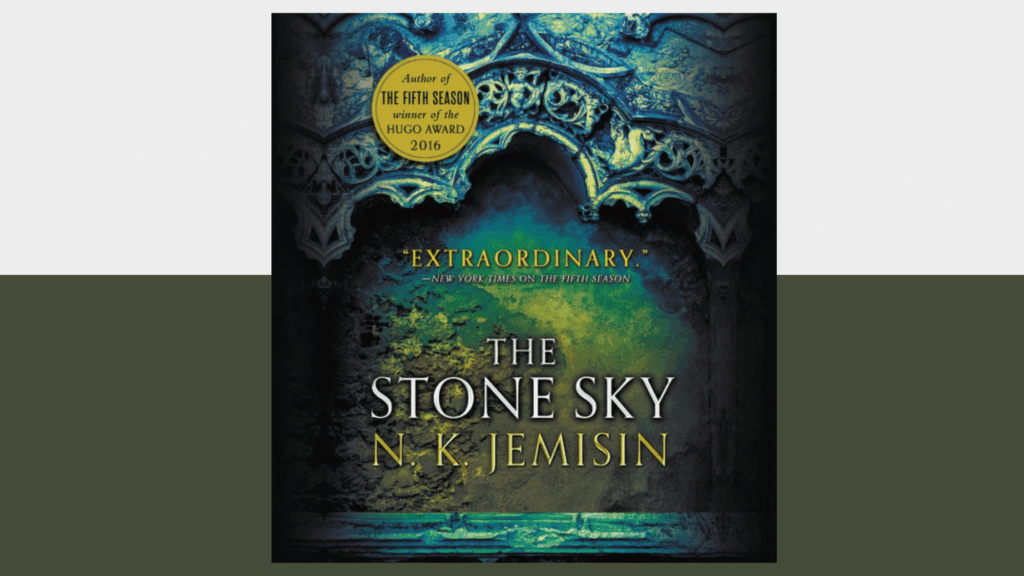
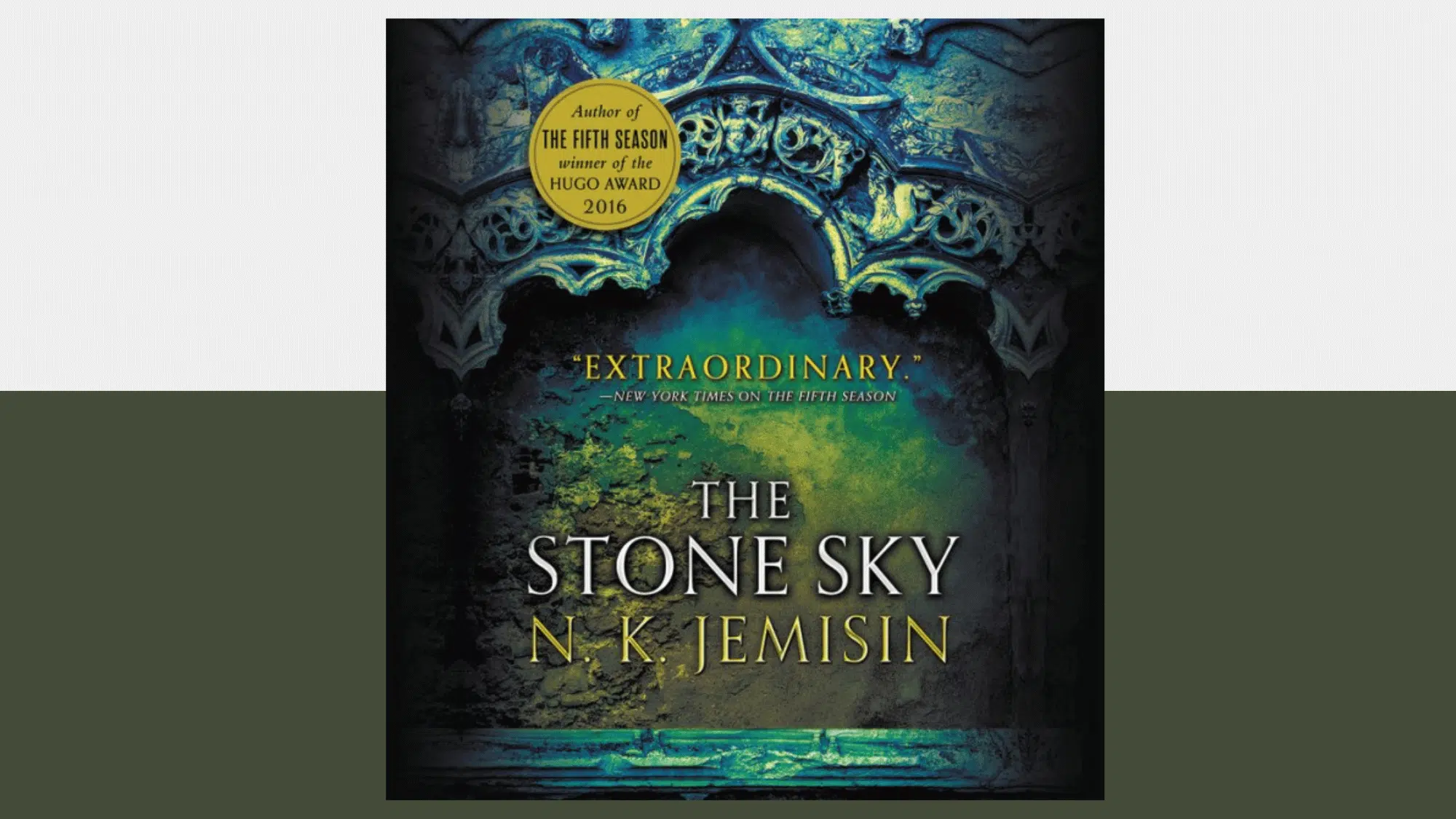
The Stone Sky isn’t just another fantasy novel. It’s revolution, grief, survival, and transformation all wrapped into one shattering conclusion.
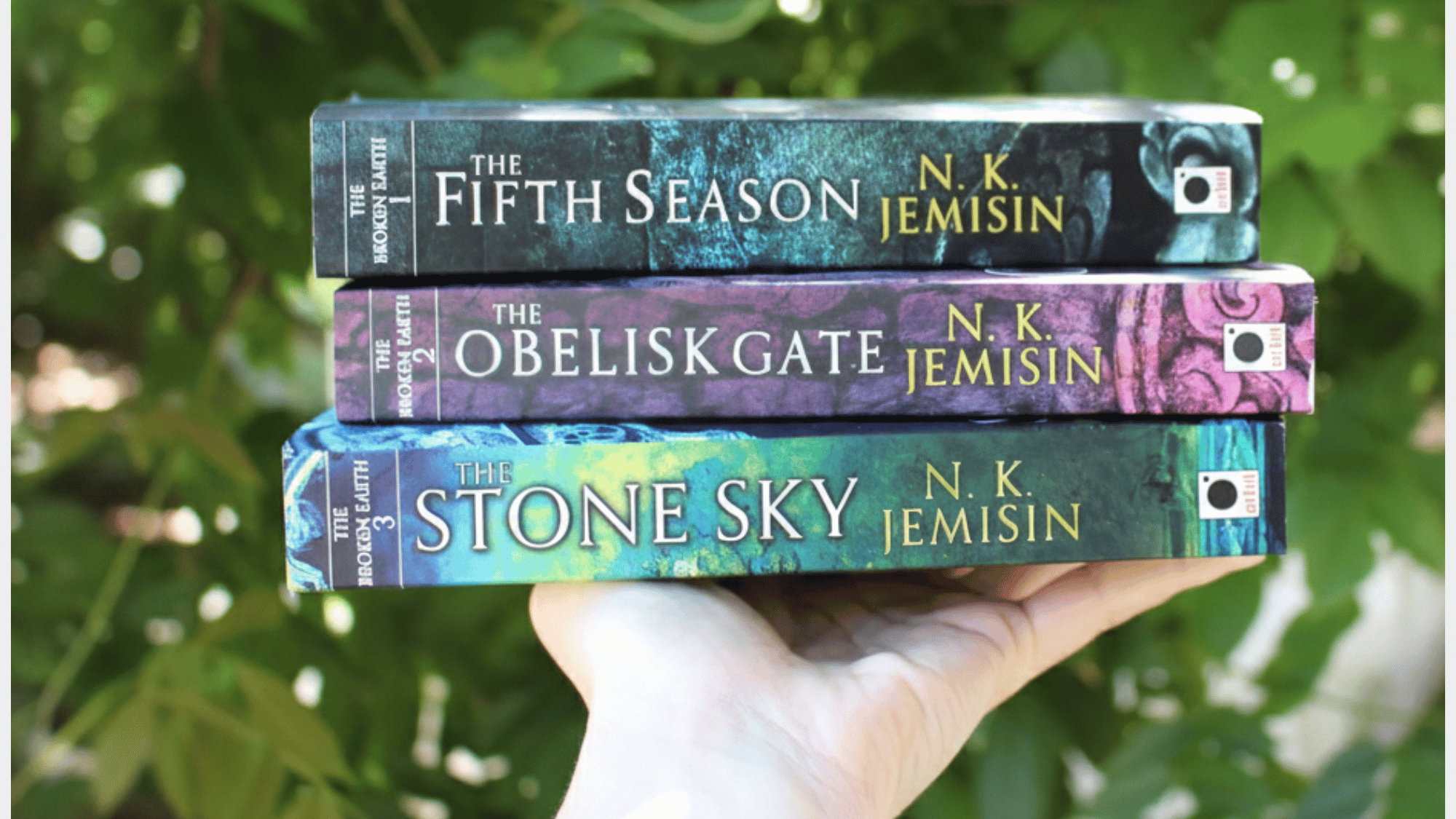
N.K. Jemisin doesn’t simply end stories; she rewrites what endings mean. This is the final book in The Broken Earth Trilogy, and it carries the weight of everything that came before.
“This is the way a world ends… for the last time.” That line? It sets the tone for what readers are about to experience.
But does it stick the landing? Does Jemisin deliver a finale worthy of the groundwork laid in the first two books? The answer might surprise some, satisfy others, and leave a few wondering.
Quick Overview of The Stone Sky
N.K. Jemisin closes her Broken Earth trilogy with a finale that refuses to play it safe. The book picks up right where the chaos left off, throwing readers into a world that’s literally tearing itself apart.
What makes this different from typical fantasy conclusions?
It doesn’t just wrap up loose ends. Instead, it digs deeper into questions about survival, revenge, and whether healing is even possible after generations of pain.
The writing stays sharp, the world-building expands in unexpected ways, and the emotional stakes climb higher than ever. It’s ambitious, unflinching, and completely committed to its vision.
Expanded Plot Summary of The Stone Sky
Warning: The following section contains major spoilers about the ending.
The final book weaves multiple timelines and perspectives into one devastating narrative about survival, vengeance, and whether broken worlds deserve second chances.
The World Nearing Its Final Breaking
The Stillness isn’t just dying; it’s screaming its last breath. Ash clouds block the sun, temperatures plummet, and comms crumble into desperate migrations.
Essun’s orogenic abilities have reached terrifying heights, capable of splitting continents, but every use turns more of her body to stone. Power and destruction are inseparable here.
Essun’s Journey Toward the Obelisk Gate
Essun leads a fragile comm northward through ambushes and starvation. Allies fall. Her stone arm is a grim trophy from past choices.
But she pushes forward with one impossible mission: use the Obelisk Gate network to drag the Moon back and stop the Seasons forever. It’s madness or salvation.
Nassun’s Parallel Story: Daughter Against Mother
Nassun has transformed into something beyond human: a stone-eater hybrid, an apocalypse in waiting.
Bound to Guardian Schaffa through shared trauma, she views the world as corrupt beyond repair. Her plan? Crash the Moon into Earth at Corepoint.
Love for her mother flickers beneath rage, creating unbearable tension.
Hoa and the Stone Eaters’ Hidden History
Hoa’s flashbacks shatter everything. Ancient Syl Anagist built the obelisks to drain Earth’s core for immortality, enslaving orogenes as living batteries. This arrogance birthed the Shattering and Father Earth’s wrath.
Stone eaters are the fractured remnants of that civilization, trapped between life and death.
The Return of the Moon (Major Turning Point)
Essun reaches the Obelisk Gate and attempts the unthinkable: calling the Moon home.
But Earth itself awakens; a silver-lit, vengeful consciousness born from millennia of abuse. Suddenly, the enemy isn’t human. It’s the planet demanding justice through Nassun as its chosen weapon.
The Final Confrontation
Mother and daughter meet at Corepoint in a collision of magic, grief, and competing visions. Essun begs Nassun to choose life.
Nassun offers oblivion. Sacrifices pile up; Hoa gives everything, Essun severs her connection to save the world. Nassun hesitates. The Seasons end, but the cost leaves scars.
How Does The Stone Sky End?
The ending doesn’t offer neat closure; it offers something harder-earned.
Essun and Nassun finally face each other at Corepoint, each holding godlike power and incompatible visions for humanity’s future.
Nassun wants to turn everyone into stone eaters, ending suffering through immortal stasis. Essun fights to bring the Moon back and give humanity another shot at survival.
The standoff peaks when Essun makes an impossible choice: she stops fighting and lets herself turn to stone, trusting Nassun to decide what comes next. That trust breaks something open in Nassun.
She chooses life; fragile, messy, uncertain life. The Seasons end. Humanity gets its second chance.
Main Characters in The Stone Sky
The characters aren’t heroes or villains; they’re survivors carrying impossible burdens, making choices that will either save or shatter what’s left of their world.
1. Essun: A mother hunting her daughter across a dying world. Orogene is powerful enough to move continents. She’s been broken, rebuilt, and hardened by loss, but maternal love still drives every devastating choice she makes.
2. Nassun: Ten years old and apocalypse-capable. Trauma carved her into something terrifying: part child, part stone eater, all rage. She loves her mother and wants to end the world somehow; both feel true.
3. Hoa: The trilogy’s secret narrator, revealed at last. A stone eater bound to Essun by ancient love and newer guilt. He remembers Syl Anagist’s fall and carries humanity’s original sin in his crystalline form.
4. Alabaster (Legacy Presence): Dead before the book begins, but his influence haunts every page. He shattered the continent, freed Essun’s power, and set this ending in motion. His absence is as heavy as anyone’s presence.
5. The Stone Eaters: Not quite alive, not quite dead; fragments of humanity’s arrogant past. Some help, some destroy, all driven by obsessions frozen into their stone hearts. They’re warnings and weapons simultaneously.
Themes in The Stone Sky
Jemisin doesn’t just tell a story; she dissects power, trauma, love, and revenge through a lens that makes fantasy feel uncomfortably, powerfully real.
- Motherhood and Impossible Love: Love becomes the last thing standing when the world collapses; Essun’s devotion to Nassun redefines what it means to fight for someone who might destroy everything.
- Oppression, Survival, and Rage: Orogenes are tools, weapons, slaves; their anger isn’t irrational, it’s inevitable, and the book refuses to apologize for that fury or soften its edges.
- The Earth as a Living Witness: Father Earth isn’t a metaphor; it’s a vengeful, conscious entity remembering every wound humanity inflicted, proving nature can hate back with planetary-scale wrath.
- Cycles of Destruction and Rebirth: Breaking the Moon’s orbit shatters more than geology; it demolishes old power structures, offering humanity a chance to rebuild differently or repeat the same mistakes.
- Hope After Apocalypse: The ending doesn’t promise easy futures; it insists healing is possible even after unimaginable trauma, that green shoots can grow through ash and stone.
Goodreads Ratings & Reader Reviews
The Stone Sky holds a strong 4.32/5 rating on Goodreads, with readers praising its narrative ambition and emotional weight.
Many call it a satisfying, gut-wrenching conclusion to one of modern fantasy’s most important trilogies.
Fans appreciate Jemisin’s refusal to soften hard truths or deliver conventional endings. The book’s triple Hugo win cemented its reputation, but reader responses reveal something deeper: this isn’t just acclaimed; it’s felt.
One reader admits,
“After Fifth Season won the Hugo, I got the free sample on Kindle… and the opening blew me away. This was DIFFERENT.”
Another note,
“It wasn’t what I expected from reading the blurb, but that’s actually a plus for me. I feel like it’s rare nowadays to be so (pleasantly) surprised by fiction.”
A third reflects on Hoa’s narration:
“The way he peppered in opinions or moments of self-reflection ‘humanized’ his narrative and elevated it beyond the perceptions of him we saw from the other characters’ points of view.”
Common praise centers on world-building, thematic depth, and the raw power of the mother-daughter confrontation.
Some readers found pacing uneven or certain reveals predictable, but even critics acknowledge the series’ cultural significance and Jemisin’s skill.
Discussion Questions for Book Clubs & Students
These questions dig into the book’s moral complexity, forcing readers to confront uncomfortable truths about power, trauma, forgiveness, and what comes after the apocalypse.
- Did Nassun make the right choice in sparing humanity, or was her initial plan to end all suffering through stone transformation more merciful?
- Is forgiveness possible after systemic cruelty? Can Essun and Nassun’s reconciliation serve as a model, or does it ask too much of victims?
- What does “home” mean in this trilogy? Is it a physical place, a person, or something else entirely for characters constantly displaced?
- Does the ending feel hopeful or tragic? Can a world built on genocide and exploitation truly heal, or is renewal just another cycle?
- How does Father Earth’s consciousness change your understanding of environmental destruction? Does the planet have a right to revenge?
- What role does Hoa’s narration play in shaping how we judge the characters? Would the story hit differently from another perspective?
- Is Essun’s final sacrifice an act of love, manipulation, or both? Did she give Nassun a choice or force her hand?
- How does the trilogy challenge traditional fantasy narratives about chosen ones, magic systems, and good versus evil?
To Conclude
The Stone Sky doesn’t ask if broken worlds deserve saving; it asks who gets to decide.
Jemisin built a trilogy that refuses comfort, demands engagement, and trusts readers with hard truths about power and survival. The ending won’t satisfy everyone, but that’s the point.
Some finales tie neat bows; this one leaves scars and seeds simultaneously. If you want fantasy that challenges rather than soothes, that sees oppression clearly and refuses to look away; this is it.
The Hugo wins weren’t hype. They recognized that science fiction finally caught up to what it could be.