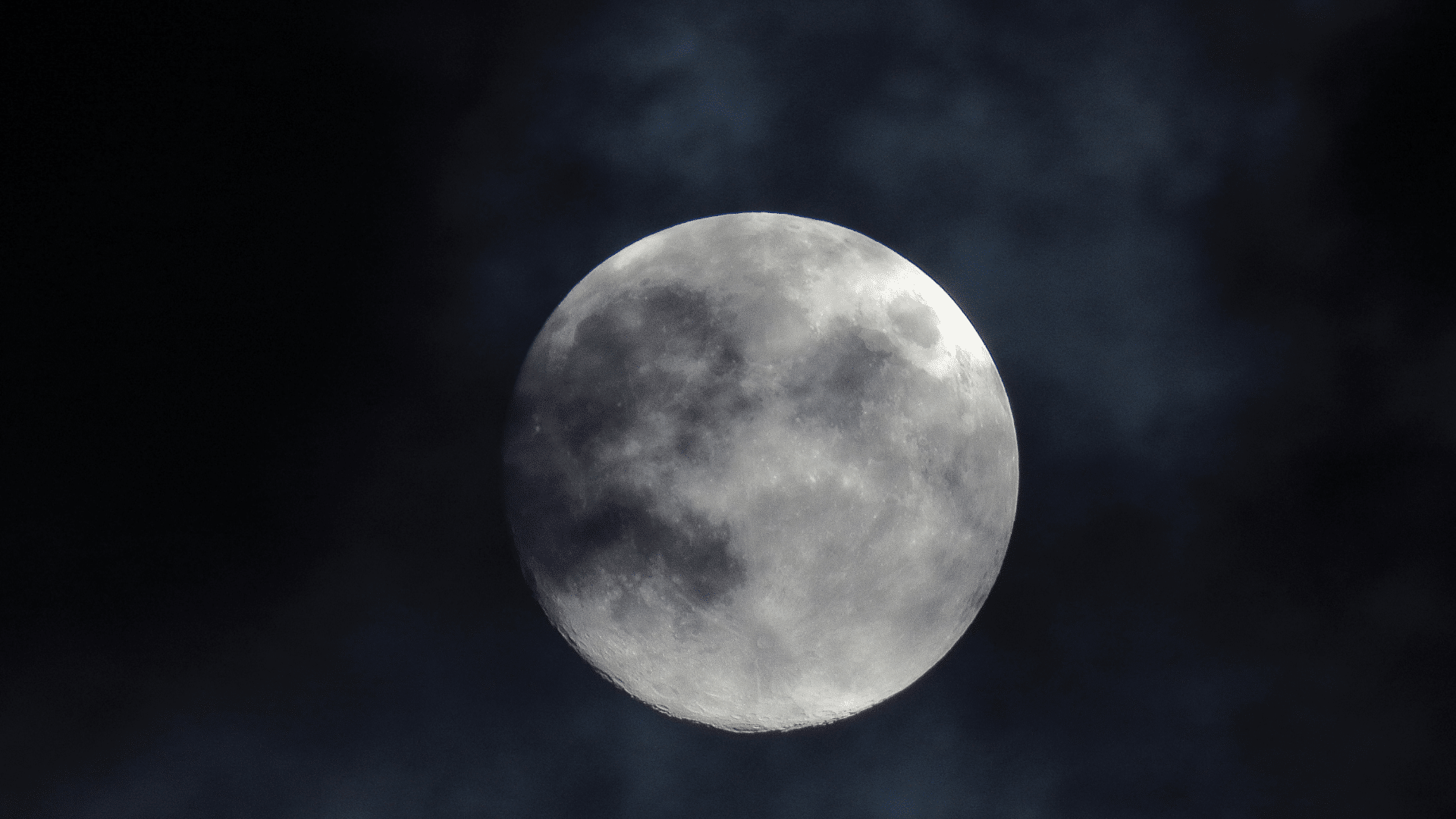



The Moon has always sparked questions about ownership and control. As space missions increase and private companies plan lunar projects, interest in this topic continues to grow.
People want to know who has legal rights beyond Earth and what rules guide those claims. The idea of owning part of the Moon may sound unusual, but it raises serious legal and political concerns.
Writers, scholars, and policy experts have examined this issue in books and reports for decades. Their work looks at law, ethics, and the future of space activity.
This article explains the basic debate and highlights publications that discuss what Moon ownership could mean for humanity.
Who Owns the Moon?
The question sounds simple, but it carries legal, political, and economic weight. The Moon is no longer just a distant object in the night sky. It is now part of serious plans by space agencies and private companies.
Governments are funding lunar missions. Companies are studying mining and long-term settlement. As activity increases, the issue of ownership becomes more important.
At the center of the debate is a basic concern: can anyone claim property in space? On Earth, land ownership is backed by national laws and legal systems.
In space, there is no global government that controls territory. Instead, rules come from international agreements between nations.
The concept of Moon ownership has led to legal debates, ethical concerns, and academic research. Many books and scholarly works examine how existing treaties apply to the Moon and whether new laws are needed.
The Foundation of Space Law
To understand who really owns the Moon, it is necessary to look at international space law. Two major agreements shape the debate today: the Outer Space Treaty of 1967 and the Moon Agreement of 1979.
1. The Outer Space Treaty of 1967
Any serious discussion of Moon ownership begins with the Outer Space Treaty. Signed in 1967, this agreement forms the foundation of modern space law. More than 100 countries have ratified it.
The treaty states that outer space, including the Moon, is the “province of all mankind.” It also declares that no nation can claim sovereignty over the Moon. This means a country cannot plant a flag and legally declare part of the Moon as its territory.
The treaty prohibits national appropriation by claim, occupation, or any other means. In simple terms, countries cannot own the Moon the way they own land on Earth.
This treaty is widely discussed in legal and policy textbooks on the ownership of the Moon. It remains the central document in nearly every academic debate on the subject.
Key Principles in the Treaty
The Outer Space Treaty sets several important rules:
- Space must be used for peaceful purposes.
- No country can claim ownership of celestial bodies.
- Countries are responsible for national space activities, even if private companies are involved.
- Harmful contamination of space should be avoided.
These rules shape how scholars and policymakers think about lunar rights today.
2. The Moon Agreement of 1979
Following the Outer Space Treaty, the United Nations adopted another agreement, the Moon Agreement. It was adopted in 1979 to clarify rules governing lunar resources.
The Moon Agreement describes the Moon as the “common heritage of mankind.” It suggests that the benefits of lunar resources should be shared globally. It also proposes the creation of an international regime to manage resource extraction.
However, major spacefaring nations, including the United States, Russia, and China, did not ratify this agreement. Because of that, it has a limited practical impact.
Why the Moon Agreement Matters
Although it is not widely adopted, the Moon Agreement often appears in books on Moon ownership. Legal scholars analyze its language to understand what a shared-resource system might look like.
The agreement raises important questions:
- Should lunar resources belong to all humanity?
- Who would manage shared benefits?
- How would profits be distributed?
These questions continue to shape academic discussions.
Can Private Companies Own Part of the Moon?
In recent years, private companies have entered the space industry. Firms such as SpaceX, Blue Origin, and others are developing technology for lunar missions. Some companies have announced plans to mine resources such as water ice and rare materials.
This raises a new question: if countries cannot own the Moon, can companies?
The Outer Space Treaty states that nations are responsible for private space activities. It does not directly grant companies ownership rights. Instead, it requires governments to supervise their companies.
National Laws and Resource Rights
Some countries have passed national laws allowing companies to own resources extracted from space. For example:
- The United States passed the Commercial Space Launch Competitiveness Act in 2015.
- Luxembourg passed a similar law supporting space mining companies.
These laws do not claim ownership of the Moon itself. Instead, they allow companies to own extracted materials.
This distinction is central in books discussing Moon ownership. Scholars debate whether resource ownership is consistent with the Outer Space Treaty or whether it conflicts with its spirit.
The Difference Between Land and Resources
A key issue in the debate over Moon ownership is the legal difference between owning land and owning resources taken from that land. International space law treats these two ideas separately. The table below explains how they differ under current legal interpretations.
| Category | Lunar Land (Territory) | Lunar Resources (Extracted Materials) |
|---|---|---|
| Legal Status | Cannot be owned by any country under the Outer Space Treaty | Ownership of extracted resources is debated and interpreted differently by nations |
| Sovereignty Claims | National claims are clearly prohibited | No clear treaty language granting ownership, but some countries allow resource rights |
| Treaty Reference | Directly restricted by Article II of the Outer Space Treaty | Not explicitly defined in the treaty text |
| National Laws | No country can legally declare part of the Moon as its territory | Some countries, such as the U.S. and Luxembourg, allow companies to own extracted materials |
| International Debate | Broad agreement that land ownership is not allowed | Ongoing debate about whether resource ownership fits treaty principles |
| Practical Impact | Flags, bases, or occupation do not create legal ownership | Companies may sell or use extracted resources depending on national laws |
| Ethical Concerns | Concern about territorial competition in space | Concern about unequal access and profit distribution |
The Role of the United Nations
The United Nations Office for Outer Space Affairs (UNOOSA) helps coordinate international discussions on space law.
Through committees and working groups, member states discuss:
- Resource management
- Environmental protection
- Peaceful use of space
- Conflict prevention
Although the UN cannot enforce laws like a global government, it provides a forum for agreement. Many books about Moon ownership analyze UN debates to understand how future regulations might develop.
The Artemis Accords and Modern Agreements
In 2020, the United States introduced the Artemis Accords. These are bilateral agreements between the U.S. and partner countries involved in lunar missions.
The accords emphasize:
- Transparency
- Peaceful exploration
- Interoperability
- Preservation of heritage sites
- Responsible resource extraction
They do not claim ownership of the Moon. Instead, they support the idea that resource extraction can occur under existing treaty principles.
Debate Around the Accords:
Some countries support the Artemis framework. Others believe it shifts power toward certain nations.
Legal scholars often analyze the Artemis Accords in books and journal articles about Moon ownership. They ask whether these agreements shape a new interpretation of space law.
Can Individuals Claim the Moon?
Over the years, some individuals have claimed to sell lunar land. Certificates of Moon property have appeared online and in novelty gift markets.
However, these claims have no legal basis under international law. No private person can legally own the Moon.
Publications discussing Moon ownership often use these examples to explain misunderstandings about space law. They clarify that symbolic claims do not override international agreements.
Throughout history, there have been symbolic attempts to claim celestial bodies. During the space race, astronauts planted flags on the Moon. However, under international law, these actions did not represent territorial claims.
Possible Models for Future Governance
Legal experts have proposed several models for managing lunar resources:
1. Free Market Model
Under this approach, companies extract lunar resources with limited international oversight, while national governments regulate their own private actors.
Supporters argue that this system encourages innovation, investment, and faster technological growth.
Critics, however, warn that it could concentrate power in wealthy nations and corporations, creating unequal access to lunar resources and increasing geopolitical tension.
2. International Authority Model
This model proposes a global body to oversee lunar resource extraction, similar to the International Seabed Authority that manages deep-sea mining.
An international organization would issue licenses, set environmental rules, and monitor compliance. Supporters believe this would promote fairness and shared benefits.
Critics question whether major space powers would accept external control over activities they fund and lead.
3. Cooperative Framework Model
In this system, countries form partnerships for specific missions and agree in advance on how resources and responsibilities will be shared.
It builds on existing agreements such as the Artemis Accords. Supporters see it as flexible and realistic, allowing cooperation without creating a new global authority.
Critics note that it may still favor leading space nations over smaller participants.
Academic and Legal Publications on Moon Ownership
The question of who really owns the Moon has become a major subject in international law programs. Universities offer courses on space law. Research journals publish articles on lunar governance.
Books on Moon ownership examine:
- Treaty interpretation
- Resource rights
- Global equity
- Governance models
- Environmental protection
These works help readers understand both legal details and broader implications.
Recommended Types of Publications:
- International law textbooks
- Policy analysis books
- United Nations reports
- Academic journal articles
- Space governance studies
These publications provide structured analysis rather than speculation.
Final Thoughts on Moon Ownership
Under current international law, no country owns the Moon. National sovereignty claims are prohibited. The issue of resource ownership remains a subject of debate, especially as private companies become more involved.
The concept of Moon ownership raises legal, ethical, economic, and political questions. It touches on global equality, environmental protection, and the future of space exploration.
For readers interested in understanding these complex issues, academic books and policy publications offer valuable insight. They examine treaty language, governance models, and future challenges in detail.
The debate is ongoing. As humanity moves closer to long-term lunar activity, the question of ownership will continue to shape international discussions.