


Trying to find the right open-back headphones without wasting money? With so many choices available, it’s easy to end up with a pair that either sounds disappointing or feels uncomfortable after long listening sessions.
Some headphones are better for gaming, while others work best for music, mixing, or casual listening. The tricky part is knowing which one actually fits your needs and budget.
A good pair should deliver clear sound, comfort, and solid build quality without overspending on features you may never use.
Check out the best open-back headphones below and find the one that suits your listening style.
Open vs Closed Back Headphones
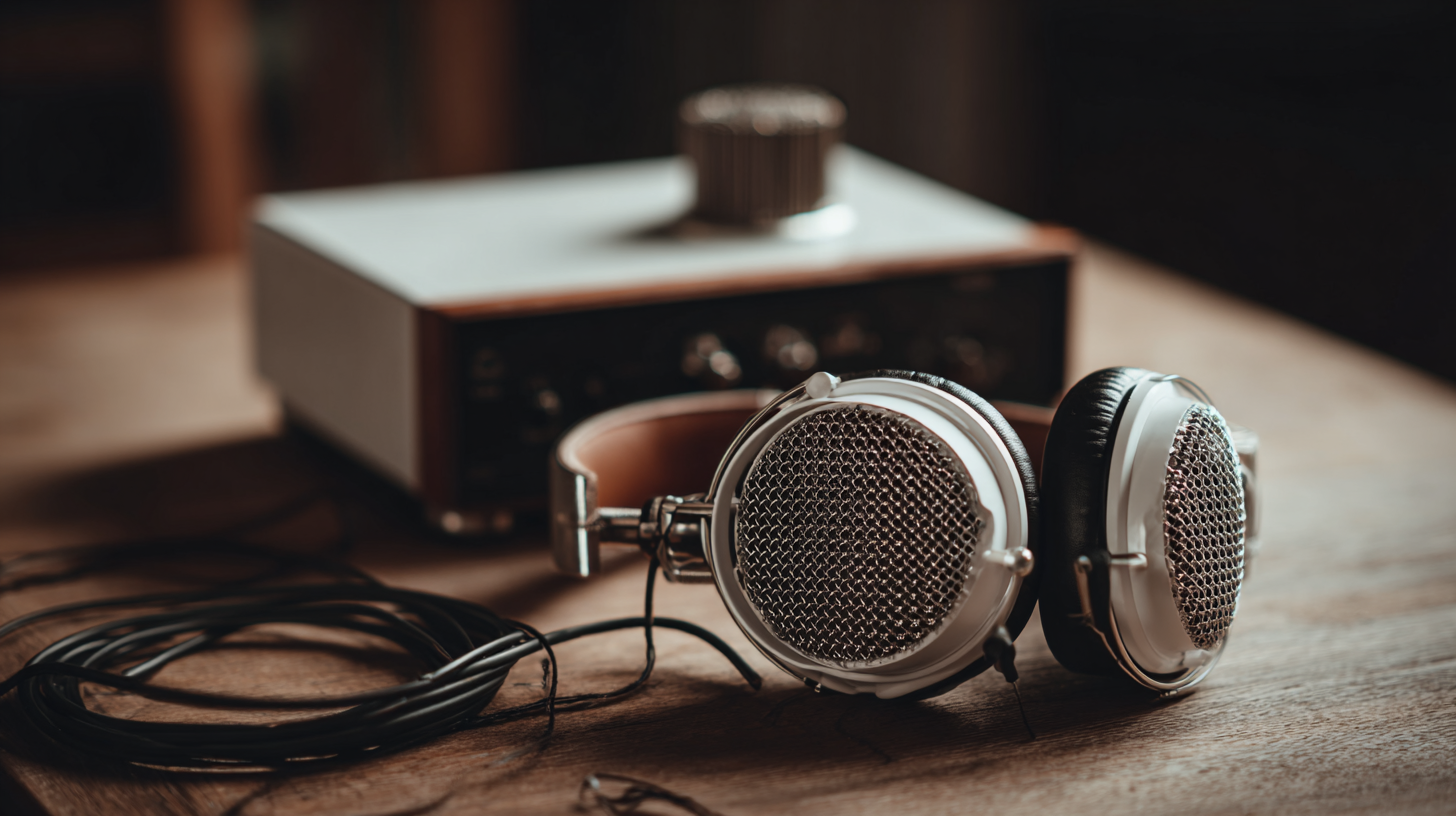
Open headphones let air pass freely through the ear cups, creating a natural, spacious sound.
Closed-back headphones seal around your ears, trapping sound in and blocking noise out. Both have a clear place; the wrong choice just depends on where and how you listen.
| Feature | Open Back | Closed Back |
| Soundstage | Wider, more natural | Narrower, more intimate |
| Noise Isolation | Low- you hear your surroundings | High -blocks external sound |
| Gaming | Better positional accuracy | Better immersive feel |
| Mixing Accuracy | Excellent – more honest sound | Good – can color the mix |
| Public Use | Poor -sound leaks both ways | Better -suited for commutes and offices |
Features That Actually Matter When Buying Open-Back Headphones
These six features actually determine whether a headphone is worth buying.
1. Soundstage and Imaging; Soundstage determines how wide and spatial the music sounds. Open-back designs let sound breathe outward, creating realistic instrument placement and depth that closed-back headphones simply can’t replicate at any price.
2. Impedance and Amplifier Requirements: Low impedance (under 32 ohms) works with any device. High-impedance (150–300 ohms) requires a dedicated amp. Buying a 300-ohm headphone without an amp means paying full price for half the performance.
3. Comfort for Long Listening Sessions; Velour pads breathe better than leather. Light clamping force prevents fatigue. Balanced weight distribution avoids pressure points. If you’re listening for two-plus hours, comfort specs matter as much as sound specs.
4. Build Quality and Durability; Metal headbands, reinforced hinges, and replaceable components separate long-term investments from short-term purchases. A repairable $300 headphone used for 20 years costs significantly less than replacing a cheaper pair every few years.
5. Wired vs Wireless Open Back Headphones; Wireless compression introduces audio artifacts that quality drivers easily reveal. Bluetooth adds latency that disrupts gaming and mixing. Wireless open-back options exist, but none currently match wired performance at an equivalent price.
6. Detachable Cables and Repairability: Fixed cables fail eventually, detachable ones are replaceable in minutes. Before buying, confirm cable detachability, pad availability, and access to spare parts. Repairability directly reflects how long a headphone is built to last.
Best Open-Back Headphones by Category
Find the best open-back headphones for your needs below. Picks fit music fans, gamers, and producers at different prices.
1. Sennheiser HD 600
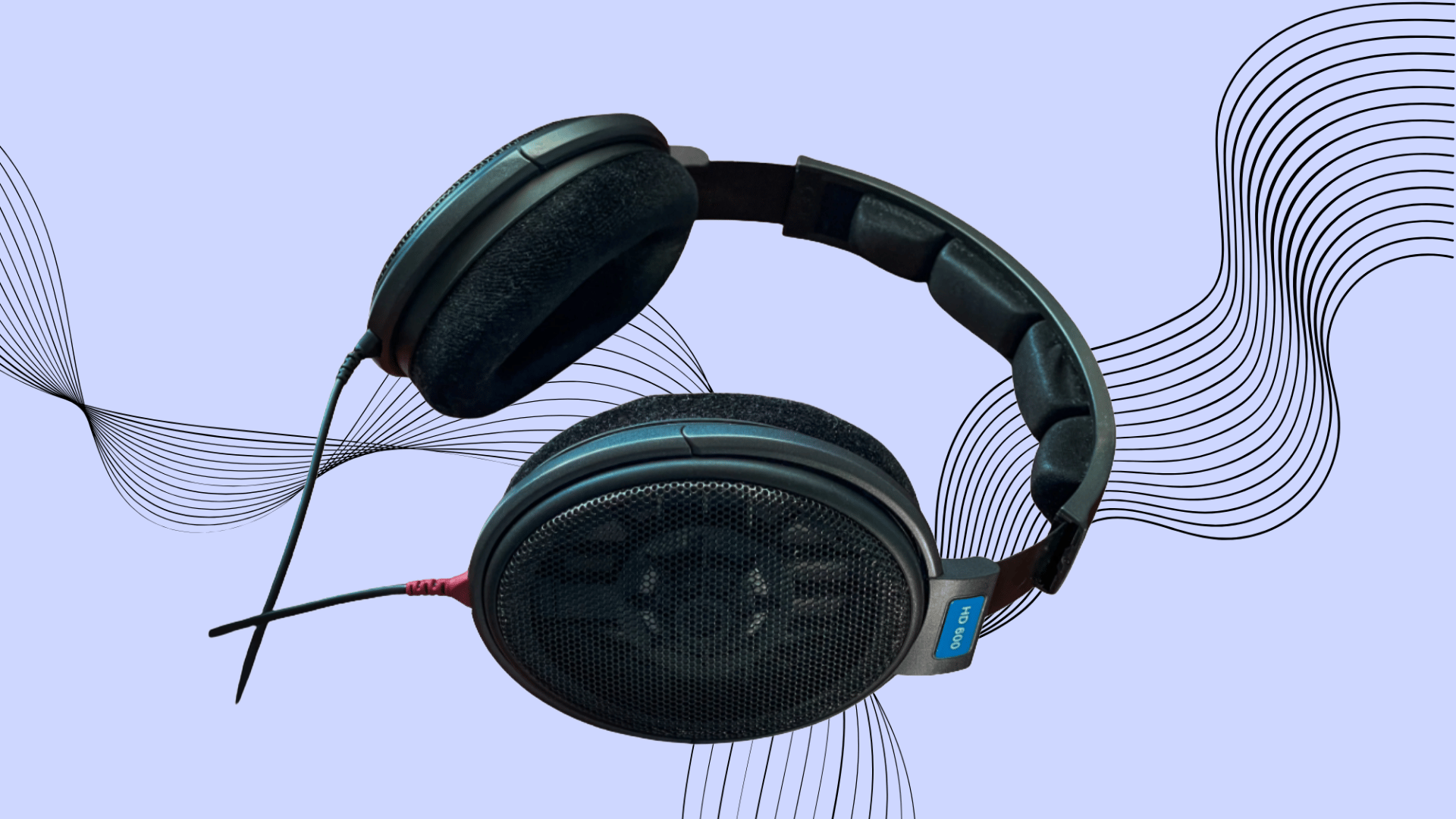
You get true neutral sound from this classic pair. Open-back lets notes flow freely for mixing or jazz.
Key Features:
- 300-ohm impedance requires an amp
- Detachable cable, replaceable parts
- Velour ear pads, lightweight build
Sound Quality: Neutral, balanced sound signature with exceptional midrange clarity. Vocals and acoustic instruments sound strikingly natural.
Comfort: Light clamping force with soft velour pads makes these wearable for hours. One of the most comfortable headphones at any price point.
Pros:
- Reference-level sound accuracy
- Every component is replaceable -built to last decades
- Ideal entry point into serious audiophile listening
Price Range: $250–$330
Best For: Music lovers, beginner audiophiles
2. Audio-Technical ATH-AD700X
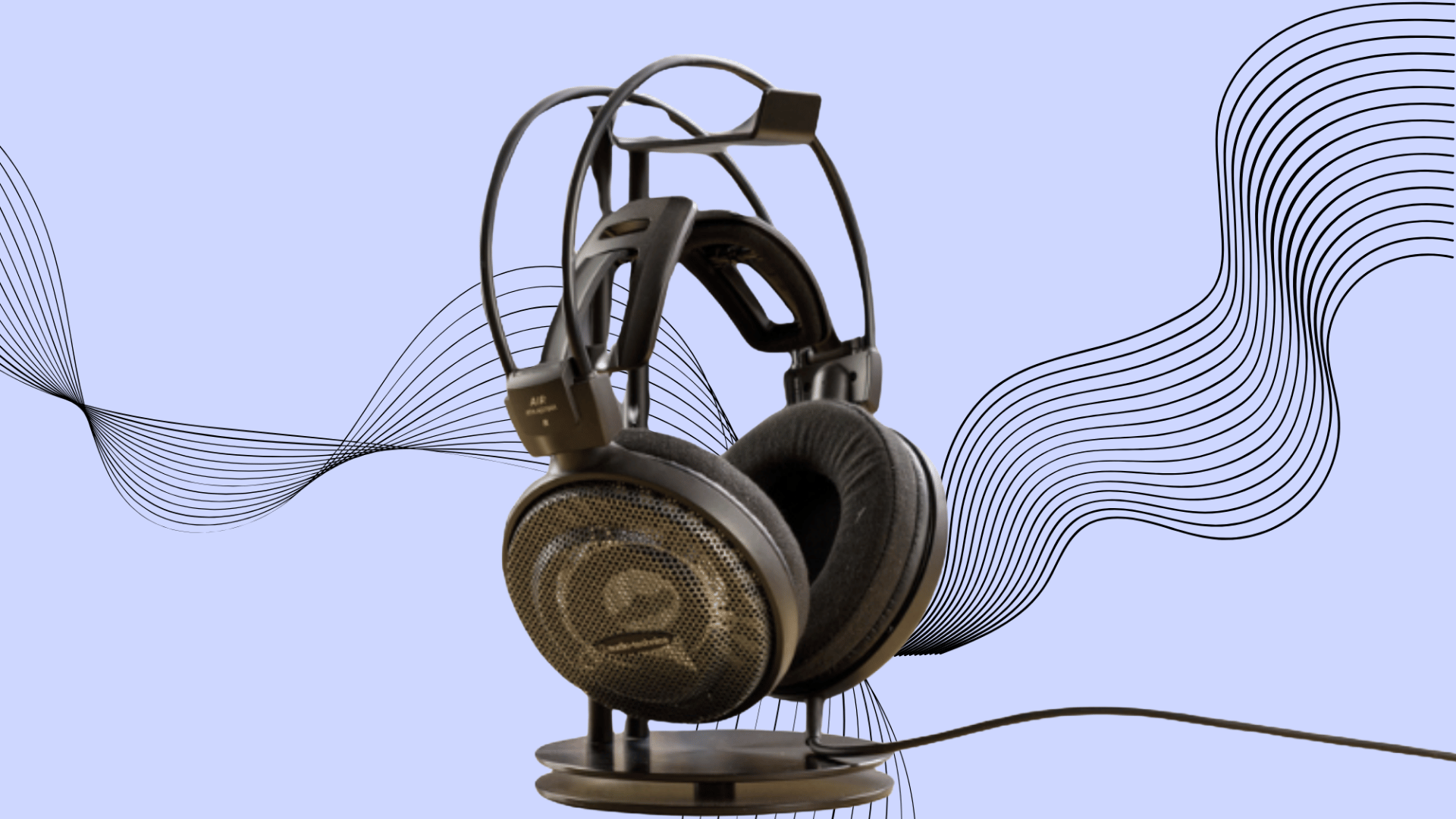
The lightweight build provides a wide sound field for games or fast tracks. Honeycomb cups make details stand out.
Key Features:
- 38-ohm impedance -works without an amp
- 3D Wing Support suspension system
- Large 53mm drivers
Sound Quality: Wide, airy soundstage -one of the broadest in this price range. Excellent positional audio makes footsteps and environmental sounds in games precise and accurate.
Comfort: The self-adjusting wing system eliminates headband pressure entirely. Exceptionally light, most users forget they’re wearing them.
Pros:
- Outstanding soundstage for gaming
- No amp required – plug and play
- Very lightweight and fatigue-free
Price Range: $99–$130
Best For: Gamers, casual listeners
3. Beyerdynamic DT 990 Pro
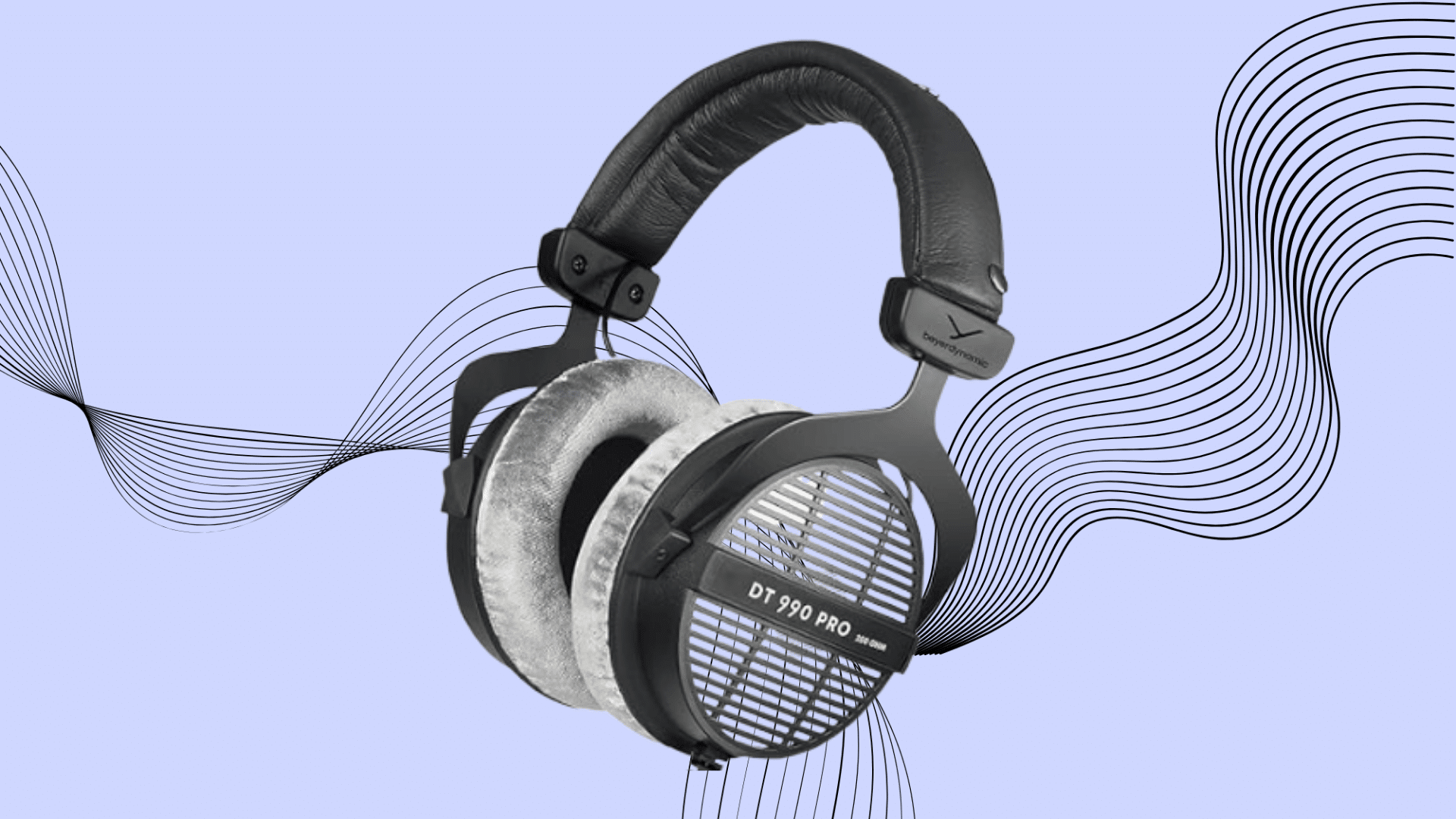
Bright sound pops clear for rock or electronic music. An open-back setup meets the needs of studio pros.
Key Features:
- The 250-ohm version is the most popular (also available in 80-ohm)
- Single-sided coiled cable
- Velour ear pads, robust build quality
Sound Quality: V-shaped sound signature with elevated bass and crisp, detailed treble. Excellent for identifying mixed issues and hearing fine sonic detail.
Comfort: Firm clamp initially, but softens over time. Velour pads stay cool during long sessions. Built for studio use, designed to be worn for hours.
Pros:
- Exceptional detail retrieval
- Strong bass presence for an open-back
- Industry standard in many home studios
Price Range: $130–$180
Best For: Mixing, music production, detail-focused listening
4. Sennheiser HD 560S
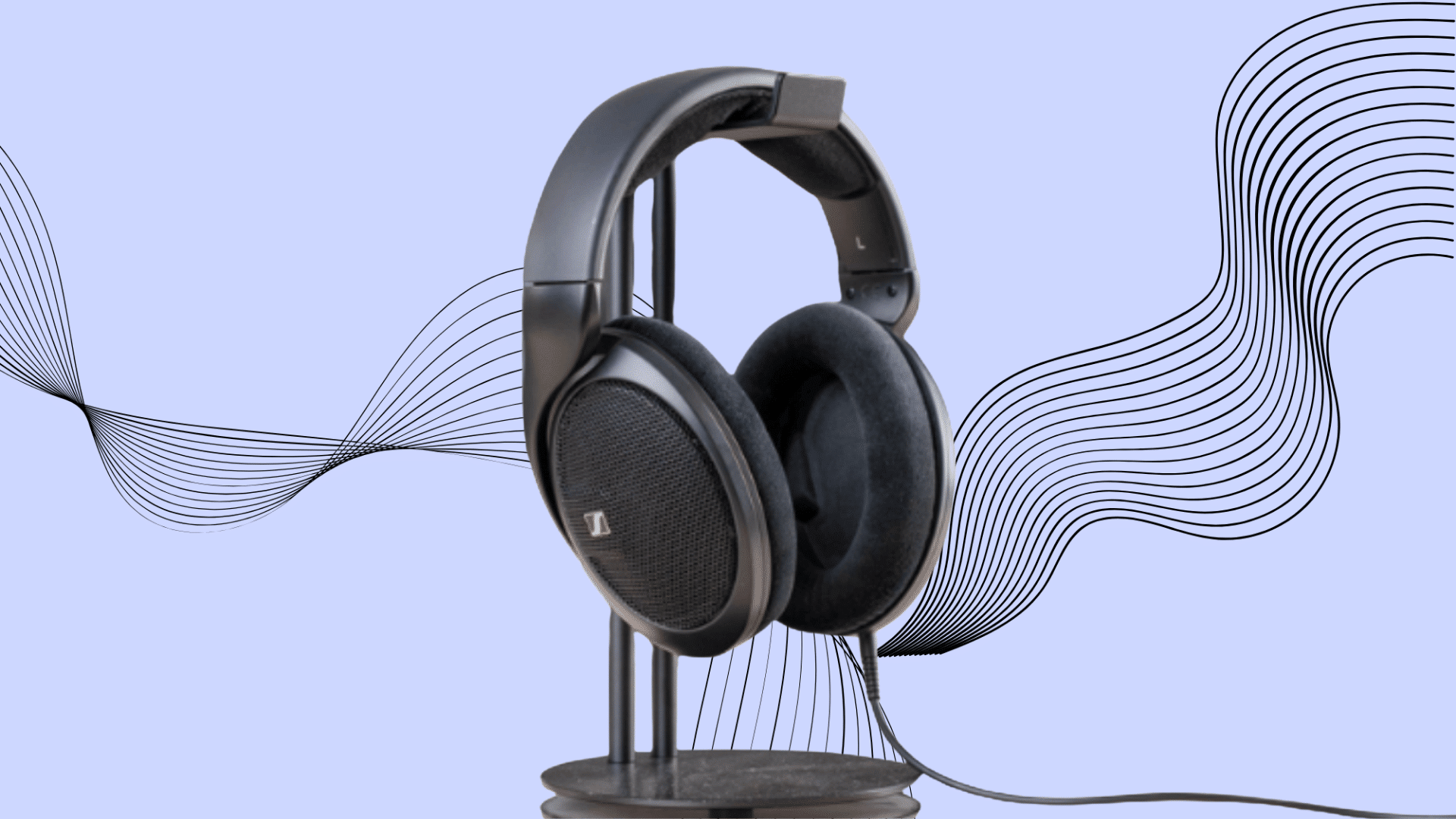
Clear audio fills the space around each note at a low cost. Check vocals or instruments up close with it.
Key Features:
- 120-ohm impedance – amp-friendly but not required
- Angled 38mm drivers for natural soundstage
- Lightweight plastic build
Sound Quality: Slightly analytical, with excellent clarity across all frequencies. Strong imaging, accurate stereo separation, and a natural tonal balance.
Comfort: Lightweight with soft ear pads and minimal clamping force. Comfortable for extended listening sessions without adjustment.
Pros:
- Works reasonably well without an amp
- Excellent value for the price
- Versatile across music, gaming, and casual use
Price Range: $150–$200
Best For: Beginner audiophiles, all-around listening
5. Hifiman HE400SE
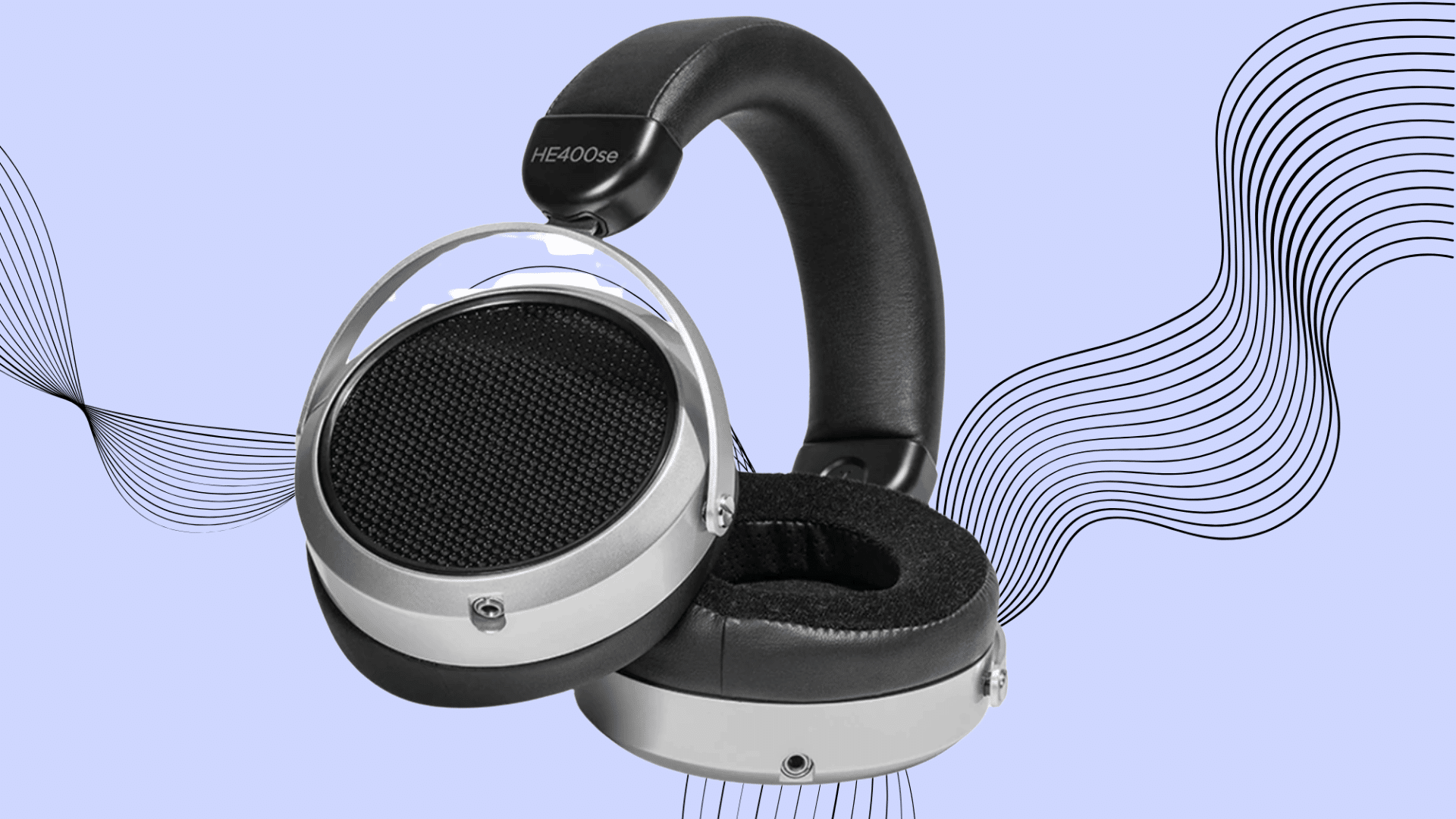
Planar bass hits quickly and fills the room for movies or songs. Open design feels alive and free.
Key Features
- Planar magnetic driver technology
- 25-ohm impedance, easier to drive than most planar
- Stealth magnet array for reduced distortion
Sound Quality: Planar magnetic drivers deliver faster transient response and lower distortion than dynamic drivers.
Bass is tight and controlled, mids are clear, and treble extends smoothly without harshness.
Comfort: Larger earcups accommodate most ear sizes. Headband padding is adequate but not exceptional.
Slightly heavier than dynamic driver alternatives.
Pros:
- Planar magnetic performance at a dynamic driver price
- Low distortion, fast, and accurate bass
- Excellent technical performance under $150
Price Range: $100–$150
Best For: Audiophiles wanting planar magnetic sound on a budget
6. AKG K702
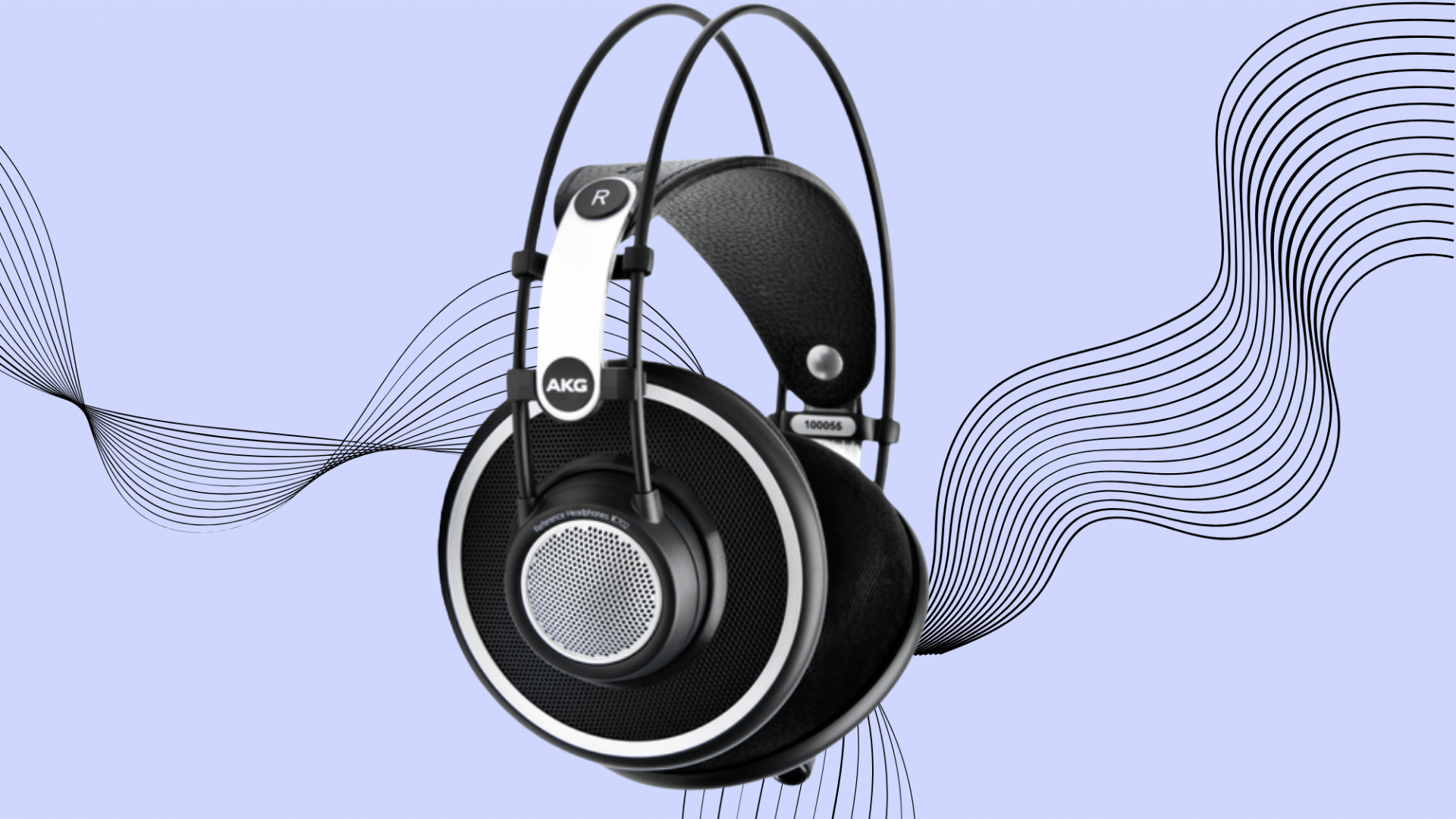
The big stage puts the orchestra right in your room. Neutral tone shows every layer plainly.
Key Features:
- 62-ohm impedance, amp recommended
- Flat-wire voice coil, varimotion diaphragm
- Detachable cable, replaceable ear pads
Sound Quality: Highly analytical and accurate. Wide, precise soundstage with strong imaging. Slightly cool, neutral tonal character that reveals every detail in a recording.
Comfort: Large circumaural design fits generously around ears. The headband bump is polarizing; some users find it uncomfortable over long sessions.
Pros:
- Studio-accurate sound imaging
- Wide soundstage ideal for classical and orchestral music
- Long-term industry reputation in mixing environments
Price Range: $150–$220
Best For: Mixing engineers, classical and jazz listeners
7. Hifiman Arya Organic
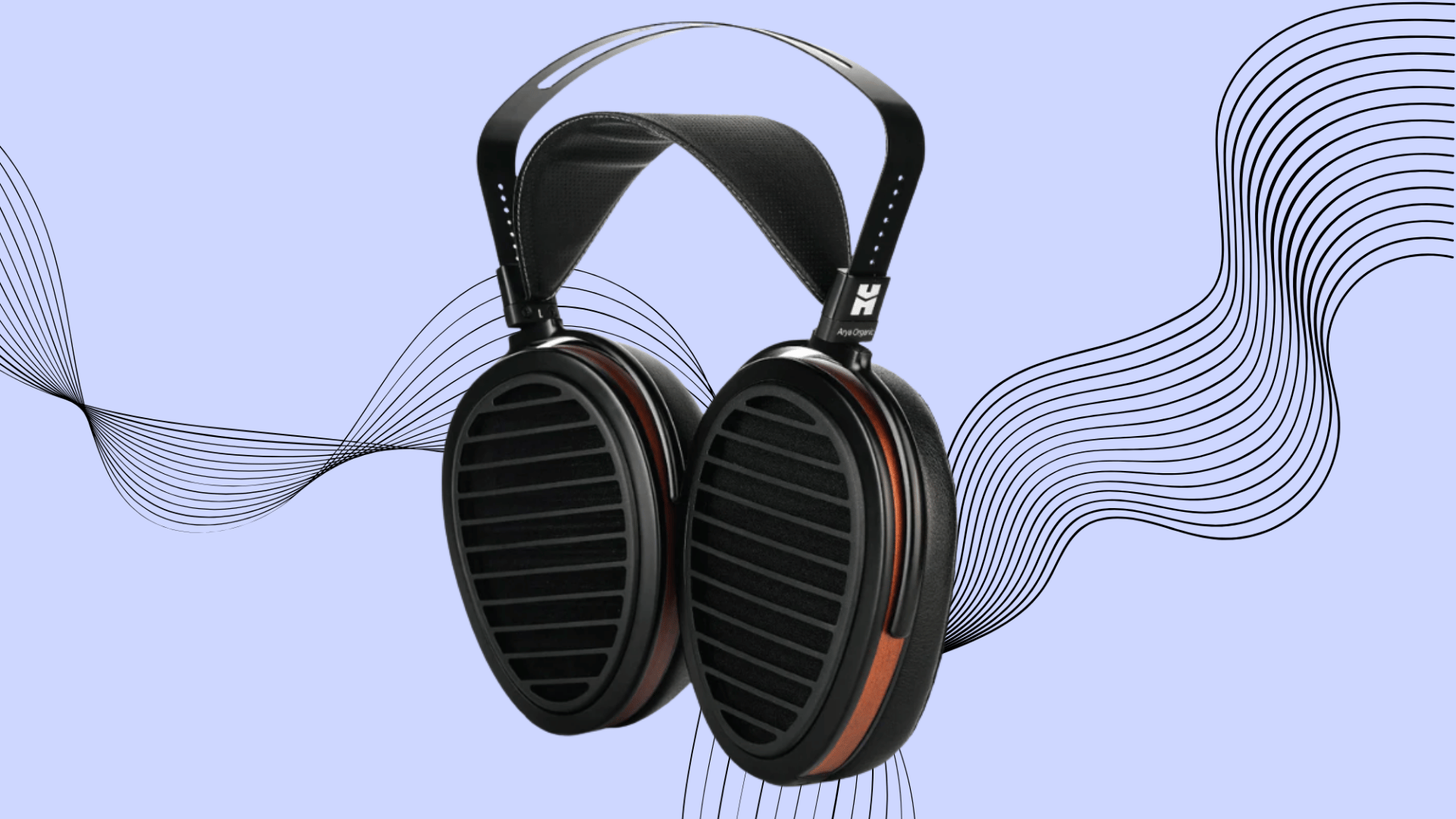
Planar tech makes space feel real for games or albums. Notes stay clean from low to high.
Key Features:
- Planar magnetic drivers for quick sound
- Stealth magnets reduce distortion
- Large ear cups with a thin diaphragm
Sound Quality: Fast and detailed with a huge stage. Strong bass hits hard, crisp highs shine, clear mids stay natural. Perfect for immersive listening.
Comfort: Lightweight keeps pressure low. Soft pads fit most heads for hours. Adjustable slide adds a custom feel.
Pros:
- Wide open sound pulls you in
- Quick response tracks fast beats
- Fun bass punch without mud
Price Range: $1,200–$1,400.
Best For: Audiophiles, gamers who want big sound space.
8. Audeze LCD-X
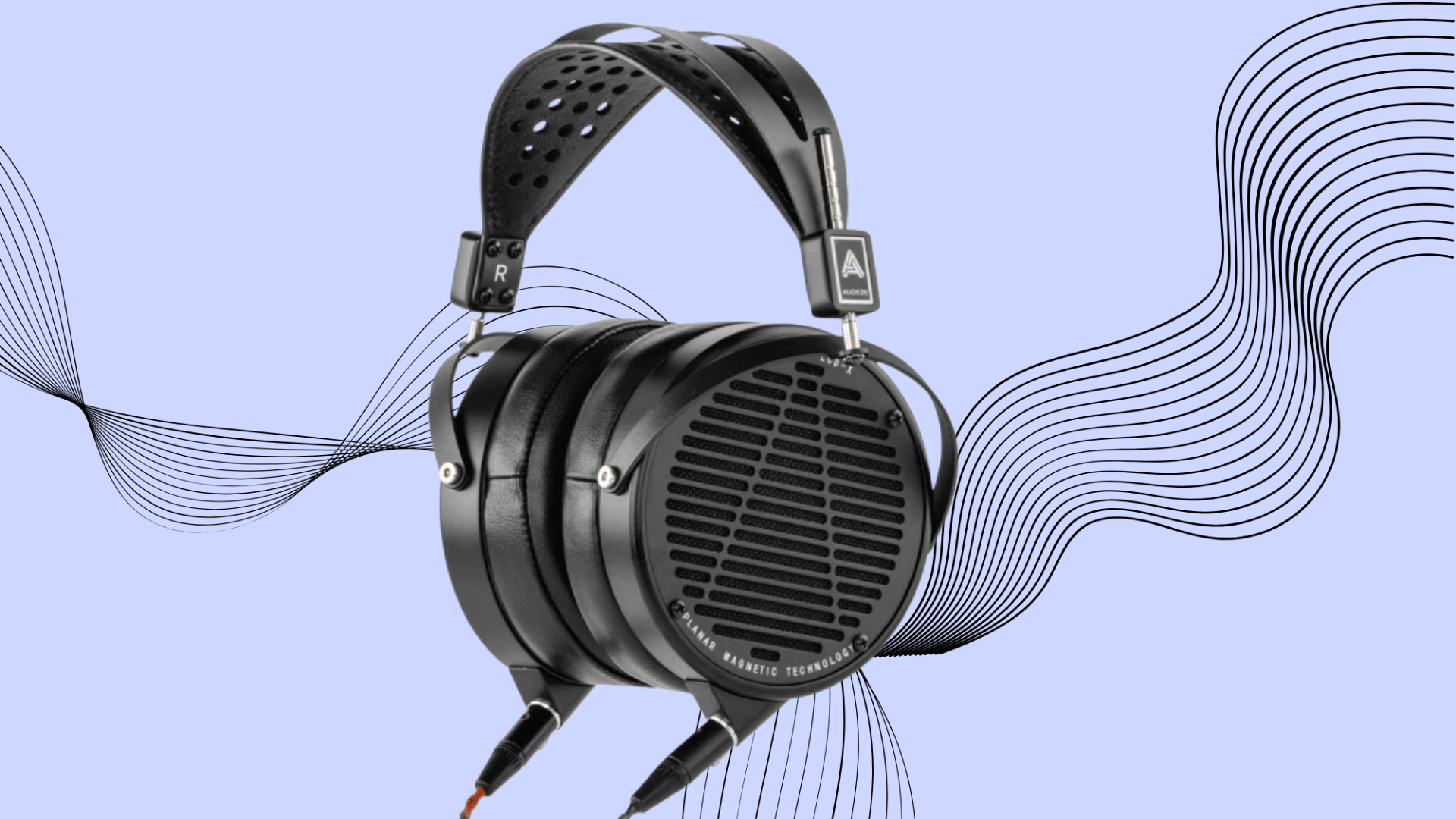
Tight bass works for pro mixing all day. Strong frame takes studio wear.
Key Features:
- Planar drivers for even response
- Swappable cables for easy swaps
- Metal frame holds up to daily use
Sound Quality: Tight bass locks in the low end. Even tone across all notes gives pro accuracy. Reveals small details in tracks.
Comfort: Thick pads seal well but add weight. Stable fit stays put during long sits. Yoke design flexes for bigger heads.
Pros:
Reliable detail for mixing work
Easy to adjust sound with EQ
Built tough for studio life
Price: $1,100–$1,300
Best For: Producers, pros who need a flat sound.
9. Sennheiser HD 800S
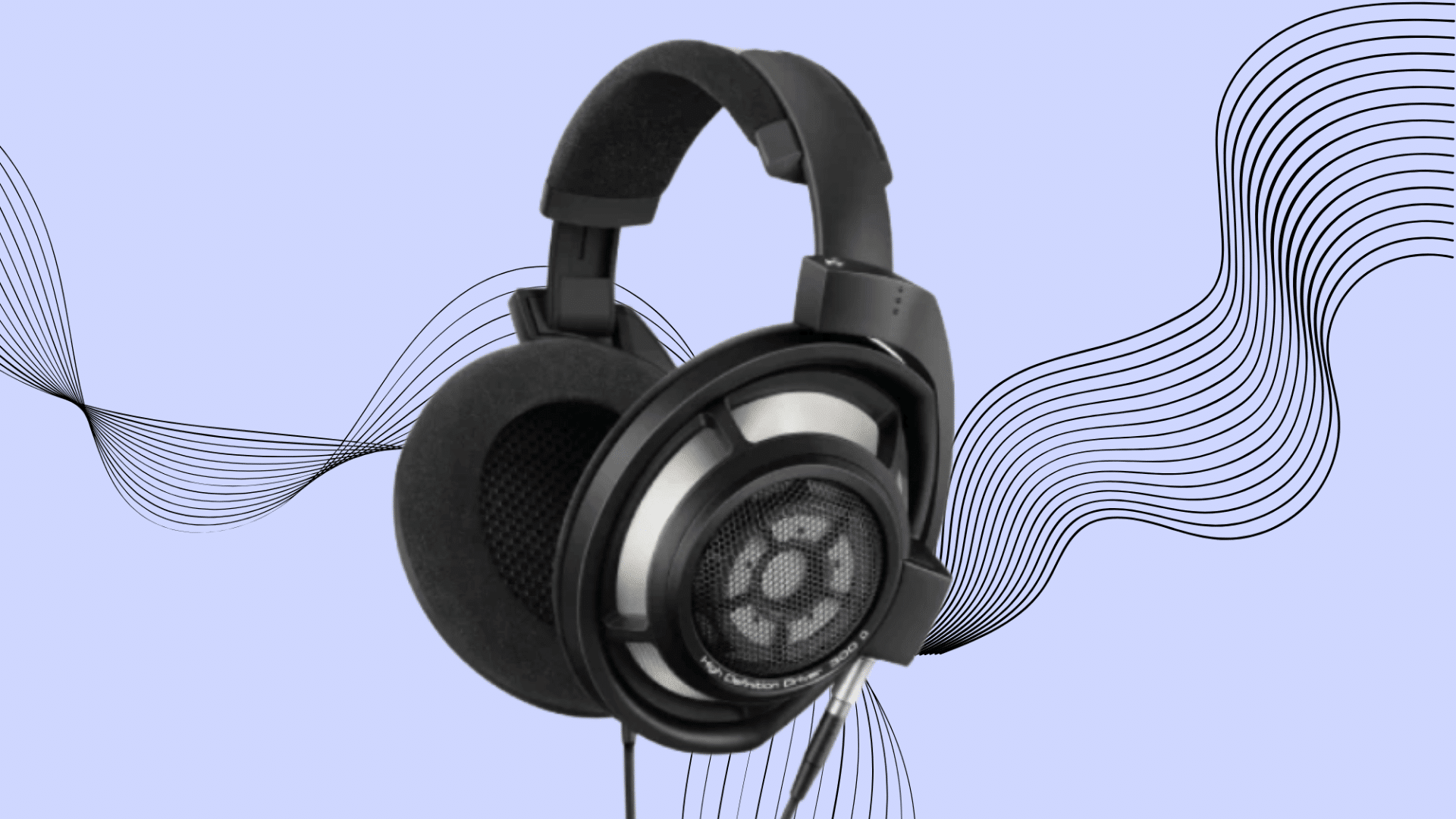
Sound spreads wide past your head for classical. Detail grabs small bits in tracks.
Key Features:
- 300-ohm impedance requires a quality amp and DAC
- 56mm ring radiator transducer, the largest driver in consumer headphones
- Absorber technology reduces distortion at 6kHz
Sound Quality: The widest soundstage of any headphone on this list. Extraordinary detail, air, and spatial separation.
Sound feels genuinely three-dimensional.
Comfort: Large, deep earcups with memory foam pads. Excellent weight distribution.
Pros:
- Best-in-class soundstage and imaging
- Reference-level detail and resolution
- Premium build quality throughout
Price Range: $1,500–$1,800
Best For: Serious audiophiles, high-end home listening
Budget vs Premium Open Back Headphones
Spending more gets you better drivers, finer tuning, and higher-quality materials, but the jump from $0 to $100 is bigger than the jump from $300 to $600.
| Budget Range | What You Get |
| Under $100 | Entry-level audiophile sound, a genuine upgrade over any consumer headphone, ideal for first-time buyers testing open-back listening |
| $100–$300 | Better driver quality, improved detail retrieval, superior comfort, and more accurate sound staging, the sweet spot for most serious listeners |
| $300+ | Premium drivers, refined tuning, high-end materials, and incremental but noticeable improvements that reward experienced, trained ears |
Common Mistakes First-Time Buyers Make
Skip these common buyer mistakes to get the right pair on your first try.
1. Buying High-Impedance Headphones Without an Amp: A 250 or 300 ohm headphone plugged into a laptop sounds thin, quiet, and underwhelming.
2. Choosing Gaming Branding Over Sound Quality: Headphones marketed as “gaming” charge a premium for RGB lighting, mic attachments, and branding, not drivers.
3. Ignoring Comfort and Clamp Force: A headphone that sounds incredible but clamps too hard becomes unwearable within an hour.
4. Expecting Noise Isolation From Open Back Headphones: Open-back headphones leak sound in both directions, that’s the design, not a defect.
Conclusion
Open-back headphones change how you experience music, gaming, and mixing entirely.
You don’t need to spend a lot to hear the difference. Solid options are available from $100 onward; the gap between entry-level and premium is smaller than most first-time buyers expect.
Confirm your impedance requirements, match the headphone to your use case, and don’t compromise on comfort.
Which category are you shopping for: music, gaming, or mixing? Browse the list above and order the pair that fits your setup today.
Frequently Asked Questions
Do Open-Back Headphones Leak Sound?
Yes, sound leaks in both directions by design. They’re unsuitable for offices, commutes, or any shared space where audio privacy matters.
Do Open-Back Headphones Need an Amp?
It depends on impedance. Under 80 ohms works fine without one. Anything 150 ohms and above needs a dedicated amp to perform properly.
What are the Best Sennheiser Open-Back Headphones?
The HD 600 is the gold standard for most listeners. The HD 560S offers similar accuracy at a lower price, making it the better choice for beginners.
What are the Best Open-Back Headphones for Competitive Gaming?
The Audio-Technica ATH-AD700X delivers the widest soundstage under $150, making footsteps and positional audio noticeably more accurate than any gaming-branded headset at the same price.
Do You Need a DAC or Amp for Open-Back Headphones?
A DAC improves source quality; an amp powers high-impedance drivers properly. If your headphones are 150 ohms or higher, both are worth the investment.