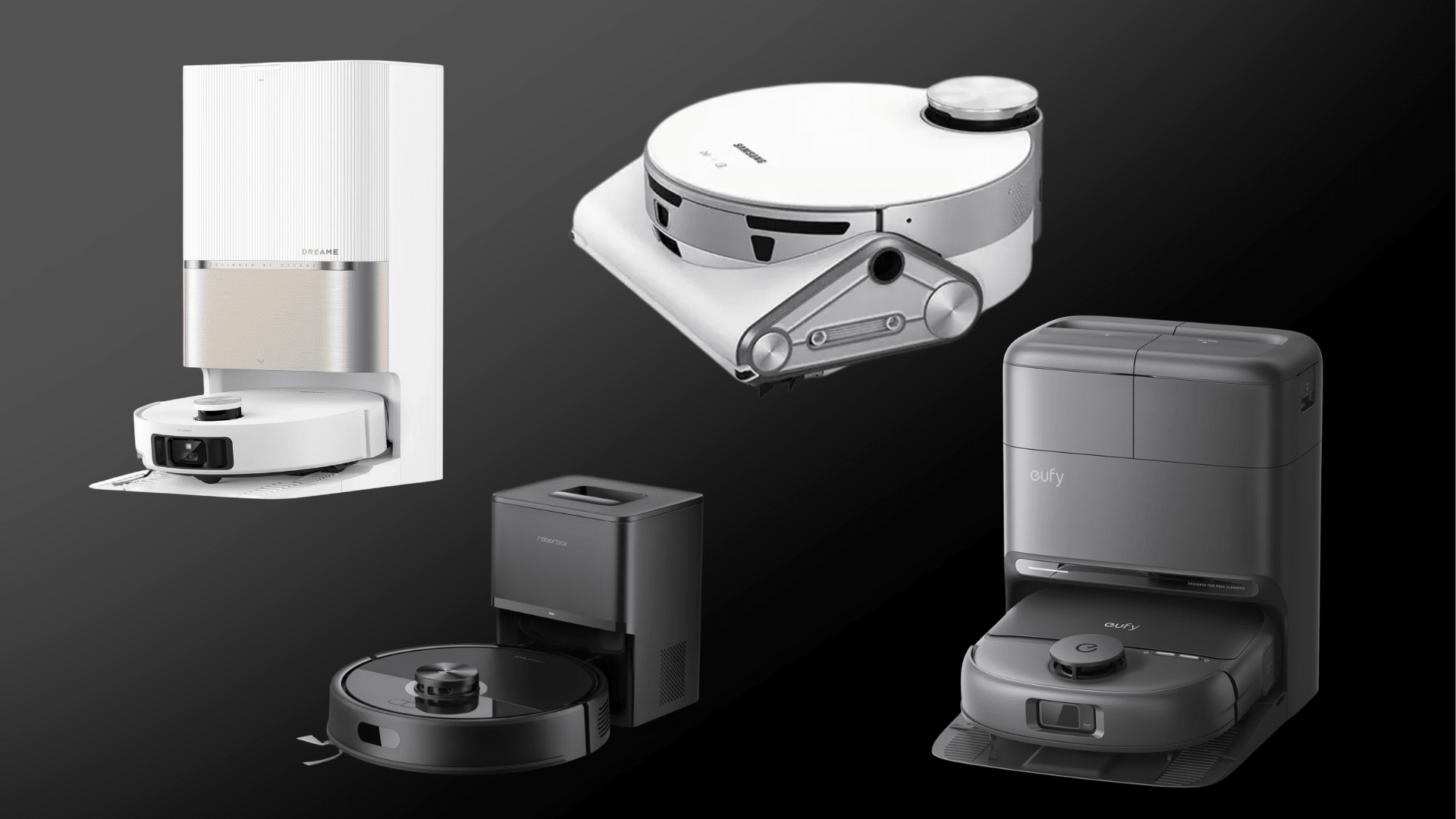



Robot vacuums promise less time spent pushing a cleaner across the floor, but not every model delivers consistent results.
The market is crowded, and many options look similar at first glance. Small differences in navigation, suction, and build quality can change how well a robot handles daily mess. That is why direct comparison matters.
This list looks at models that perform reliably in real homes, based on hands-on testing and verified user feedback.
What to Look for Before Buying a Robot Vacuum
Choosing the right robot vacuum depends on how it fits your home and cleaning routine. Focus on these practical factors:
- Floor Type: Choose a model that matches your flooring, as some handle carpets better while others perform best on hard surfaces.
- Cleaning Needs: Homes with pets or frequent messes need stronger suction and better brushes compared to lighter, everyday dust cleaning tasks.
- Home Layout: Larger or cluttered homes benefit from smart navigation, while simple layouts can work fine with basic movement patterns.
- Maintenance: Look for models with easy-to-clean parts, larger bins, or self-emptying features to reduce the effort and upkeep required.
- Ease of Use: Simple controls, a reliable app, and easy setup make daily use smoother and reduce frustration.
Best Robot Vacuums That Actually Work
Robot vacuums may look similar on paper, but real-world use shows clear differences in cleaning, navigation, and reliability. The models below are ranked based on testing, everyday use, and expert reviews, with a focus on consistent performance.
1. Roborock Saros 20 – Best Overall
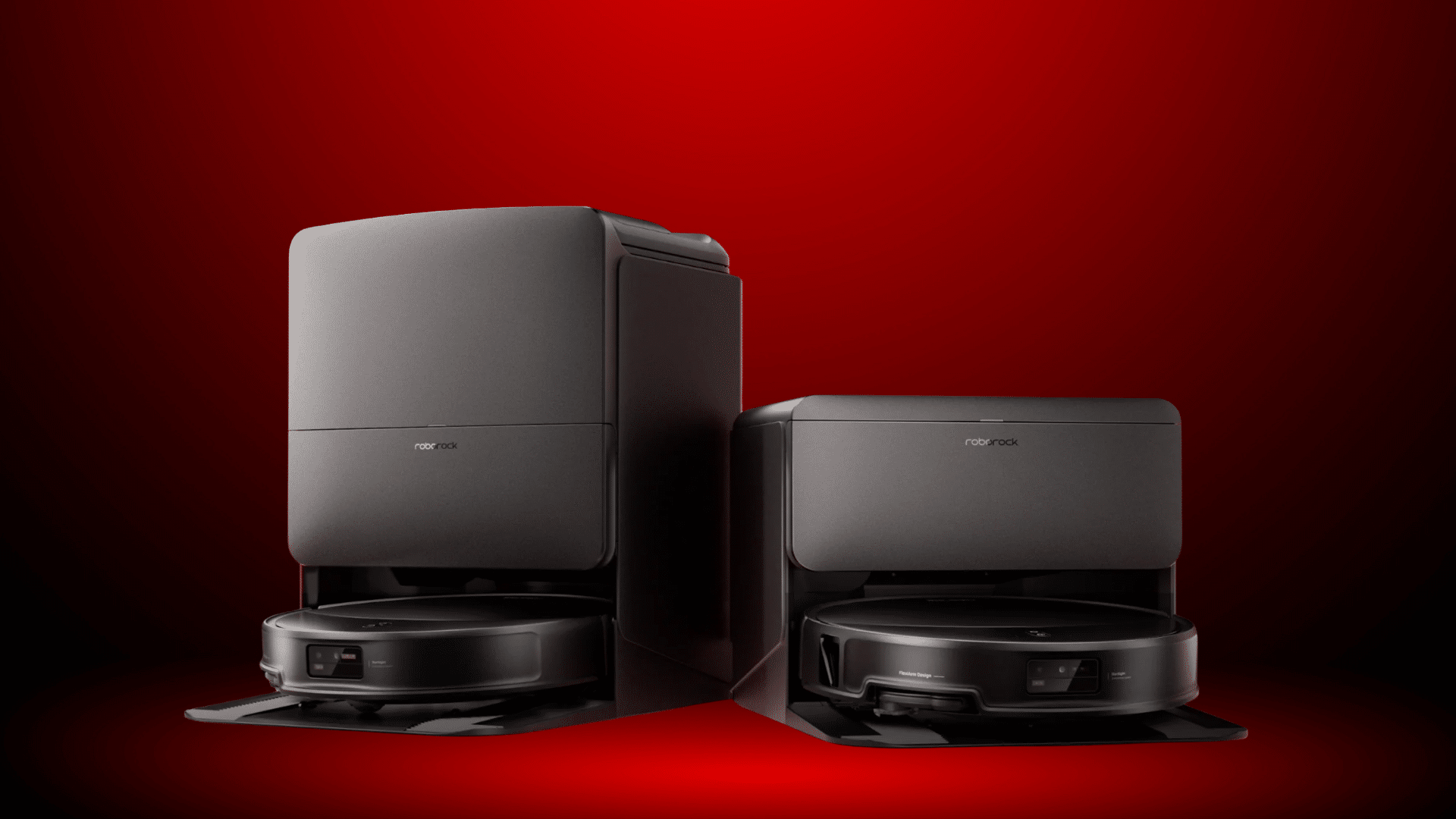
This model leads in overall performance, especially for pet hair and mixed flooring. It combines very high suction with accurate obstacle avoidance, reducing missed spots.
- Price: ~$1,200–$1,500
- Suction: Up to 36,000Pa
- Battery: ~180 minutes
- Best For: Large homes, pets, full automation
Pros: Excellent suction, advanced AI navigation, low manual effort
Cons: Expensive
Evaluation: One of the strongest performers in testing, especially for pet hair and debris pickup.
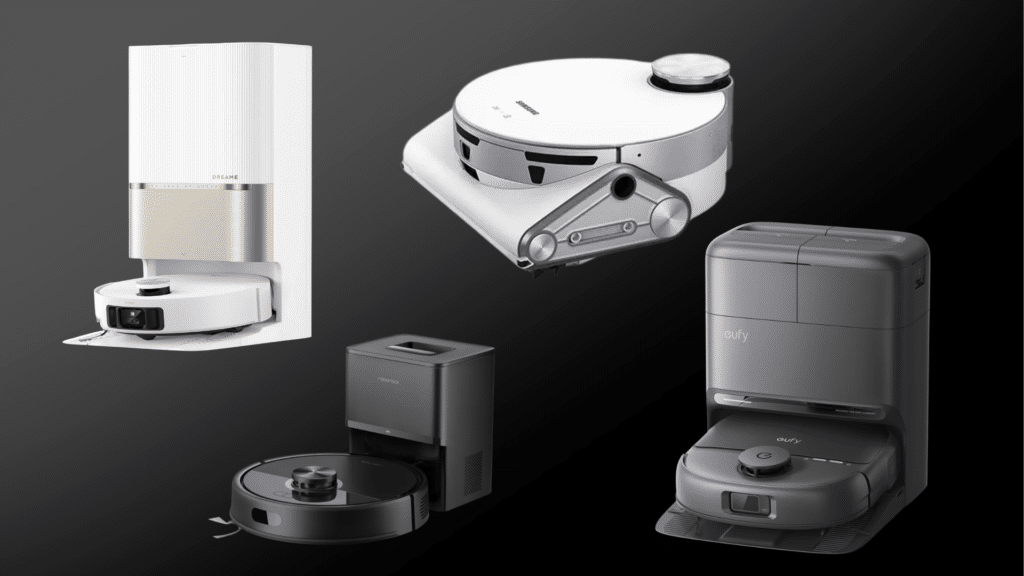
2. Eufy Omni E25 – Best for Low Maintenance
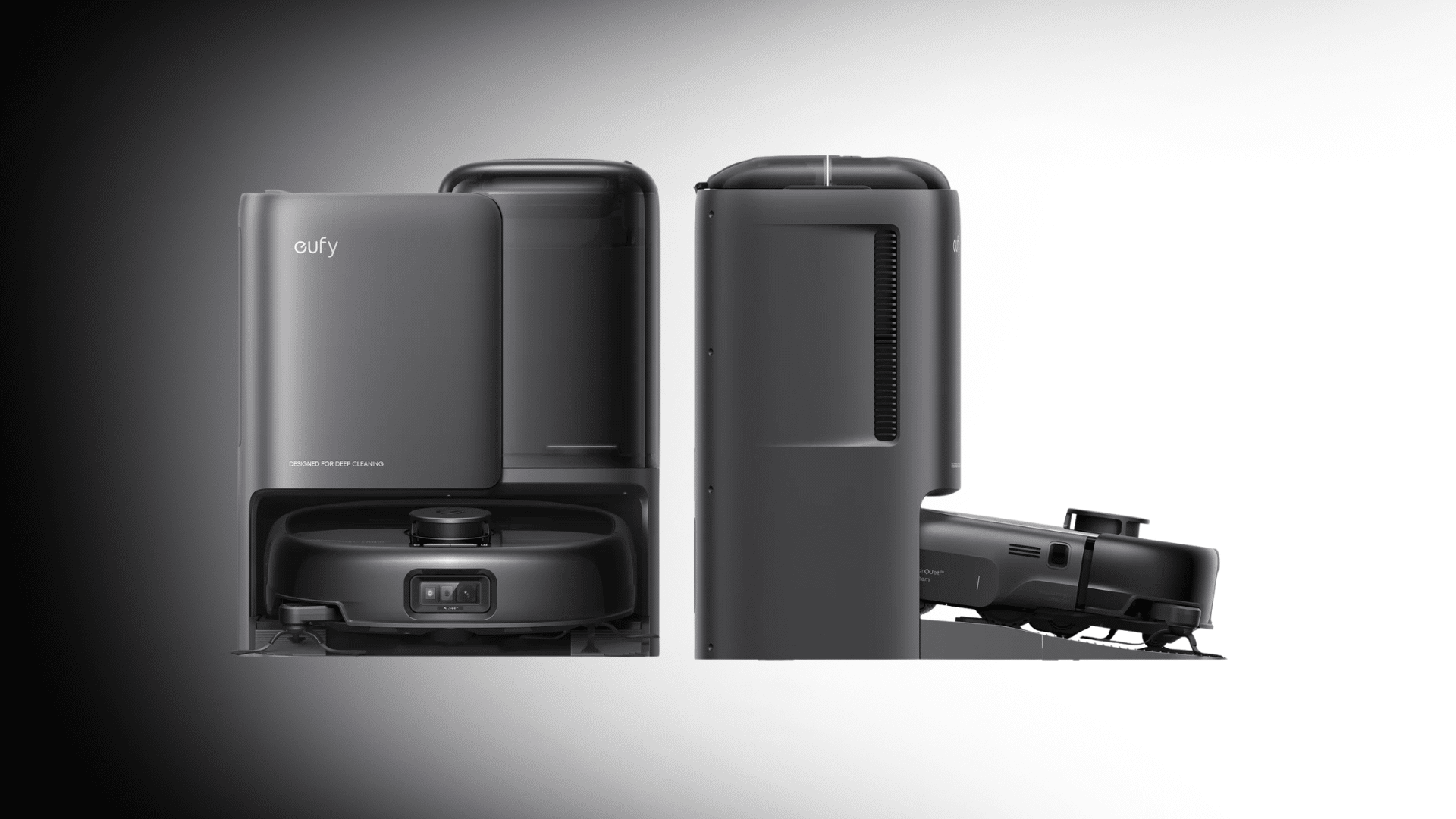
Built for convenience, this model focuses on reducing manual work with a fully automated dock system.
- Price: ~$900–$1,200
- Suction: ~20,000Pa
- Battery: ~150 minutes
- Best For: Hands-off cleaning
Pros: Self-cleaning dock, strong mopping, simple setup
Cons: Limited advanced controls
Evaluation: A top pick for users who want minimal upkeep and consistent daily cleaning.
3. Dreame L60 Pro Ultra – Best Premium Features
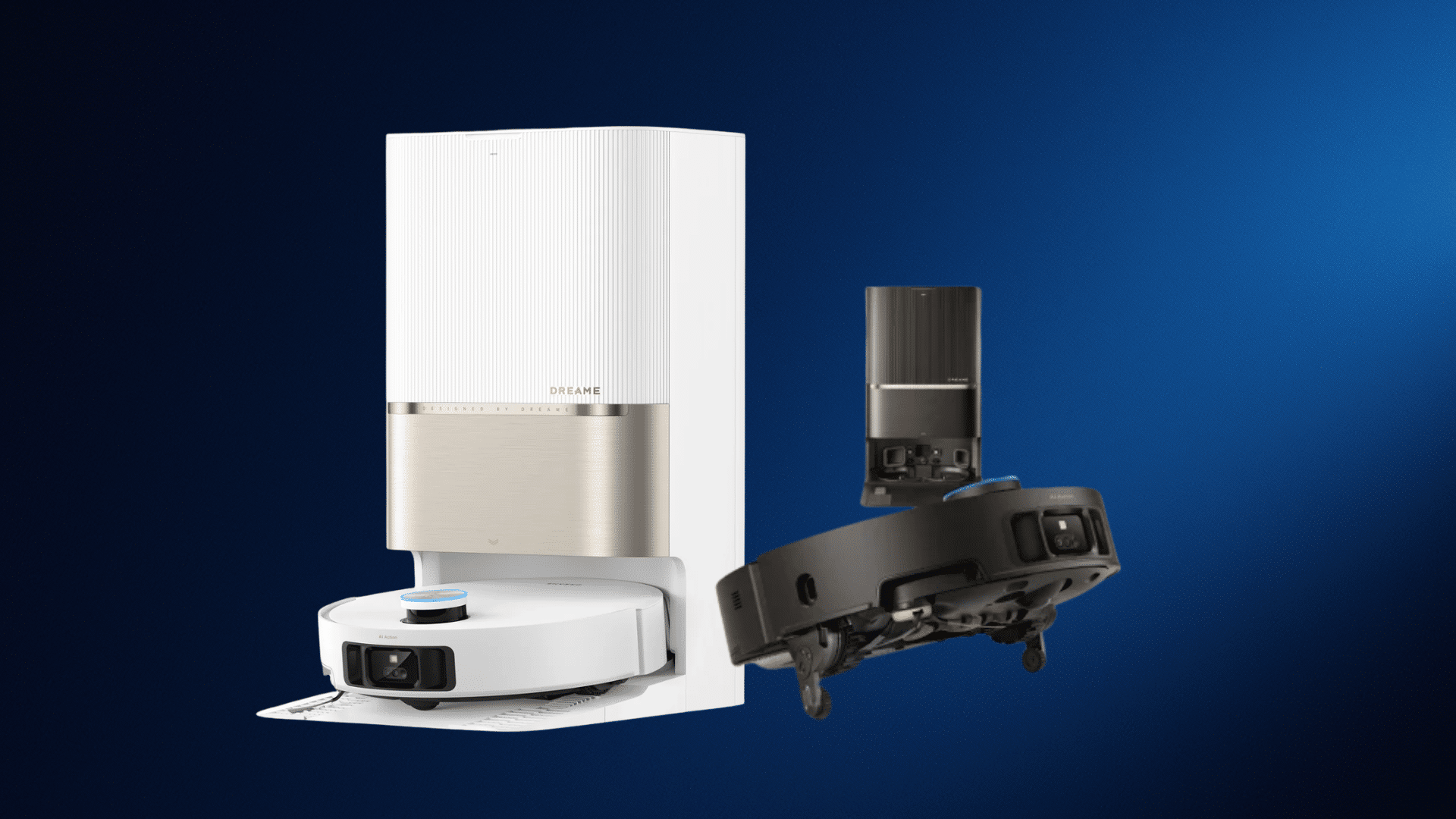
A high-end model designed for advanced automation and strong cleaning performance.
- Price: ~$1,399
- Suction: ~35,000Pa
- Battery: ~180 minutes
- Best For: Tech-heavy smart homes
Pros: Extremely powerful suction, advanced obstacle handling, full dock system
Cons: High cost
Evaluation: One of the most feature-rich robot vacuums currently available, with strong real-world cleaning ability.
4. Roborock Q7 M5+ – Best Value Overall
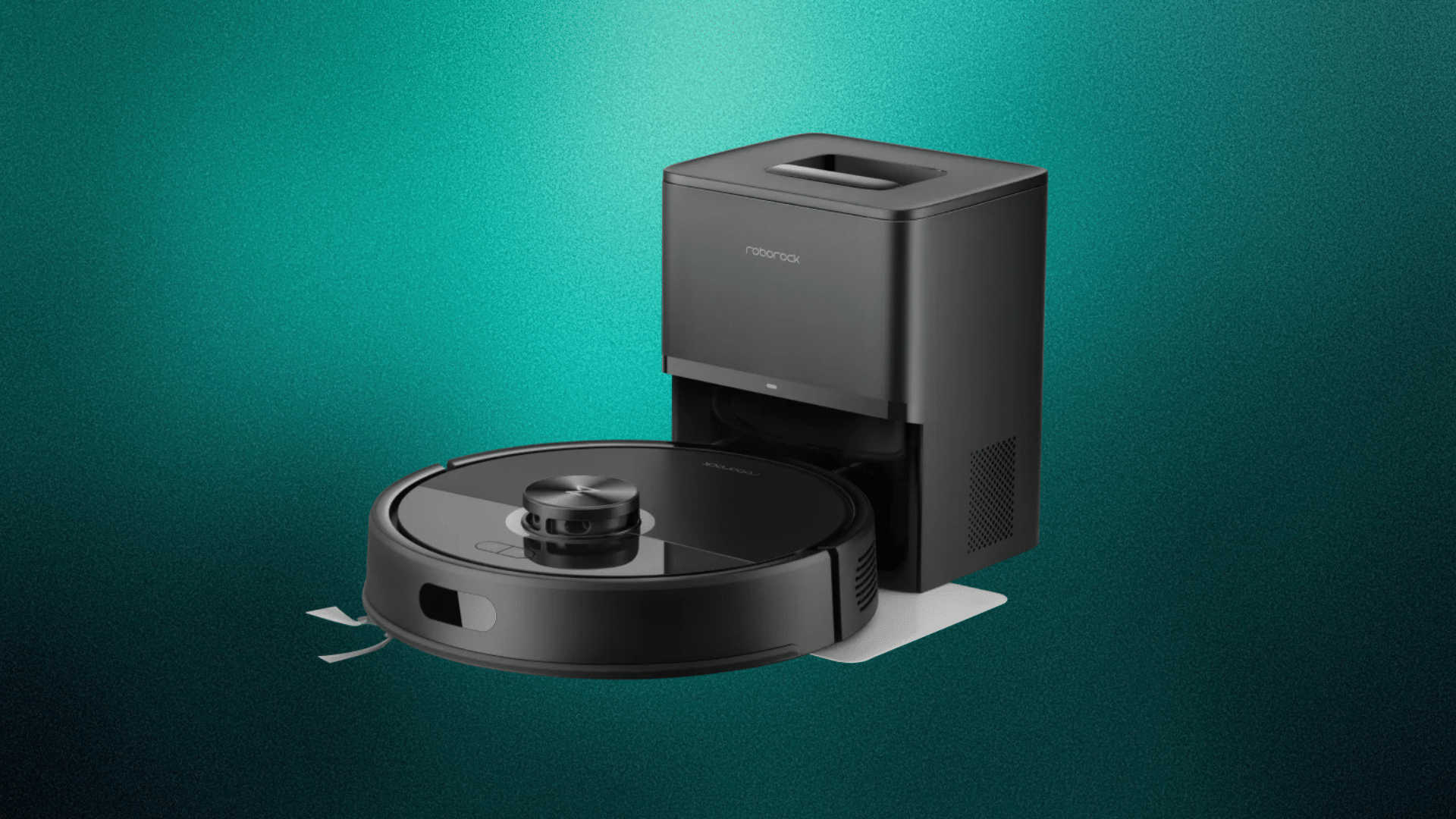
A balanced option that delivers reliable cleaning without the high price of flagship models.
- Price: ~$500–$800
- Suction: ~4,200Pa
- Battery: ~180 minutes
- Best For: Medium homes, everyday cleaning
Pros: Good value, smart mapping, self-emptying
Cons: Limited obstacle detection
Evaluation: Frequently ranked as one of the best value robot vacuums for consistent daily cleaning.
5. Dreame L10S Ultra – Best Vacuum and Mop Combo
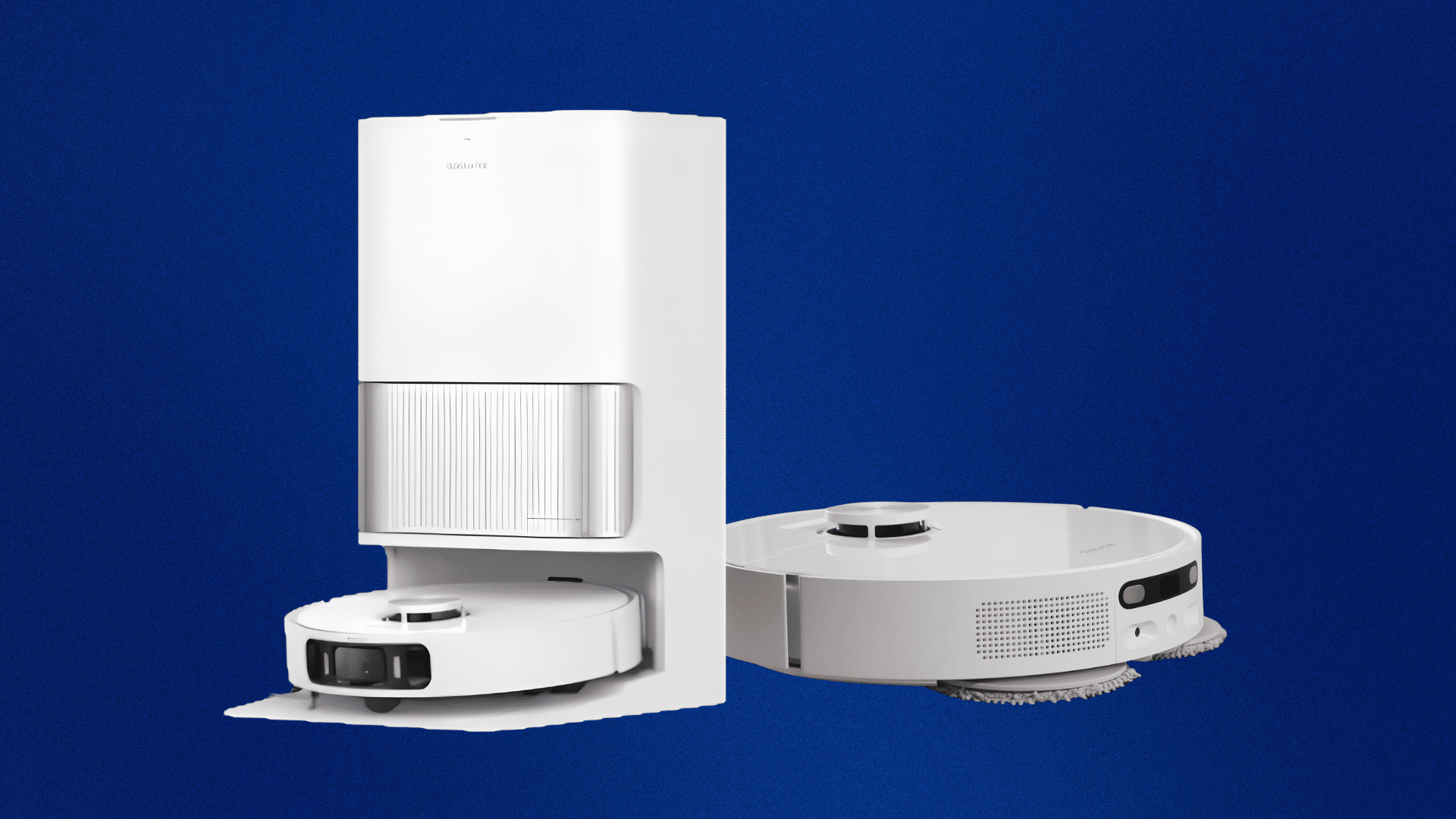
A strong hybrid option that handles both vacuuming and mopping efficiently.
- Price: ~$800–$1,000
- Suction: ~5,300Pa
- Battery: ~150 minutes
- Best For: Hard floors and mixed surfaces
Pros: Effective mopping, strong suction, automated dock
Cons: Slightly bulky dock
Evaluation: A reliable combo model that balances cleaning power and automation.
6. Eufy Omni C28 – Best Budget Option
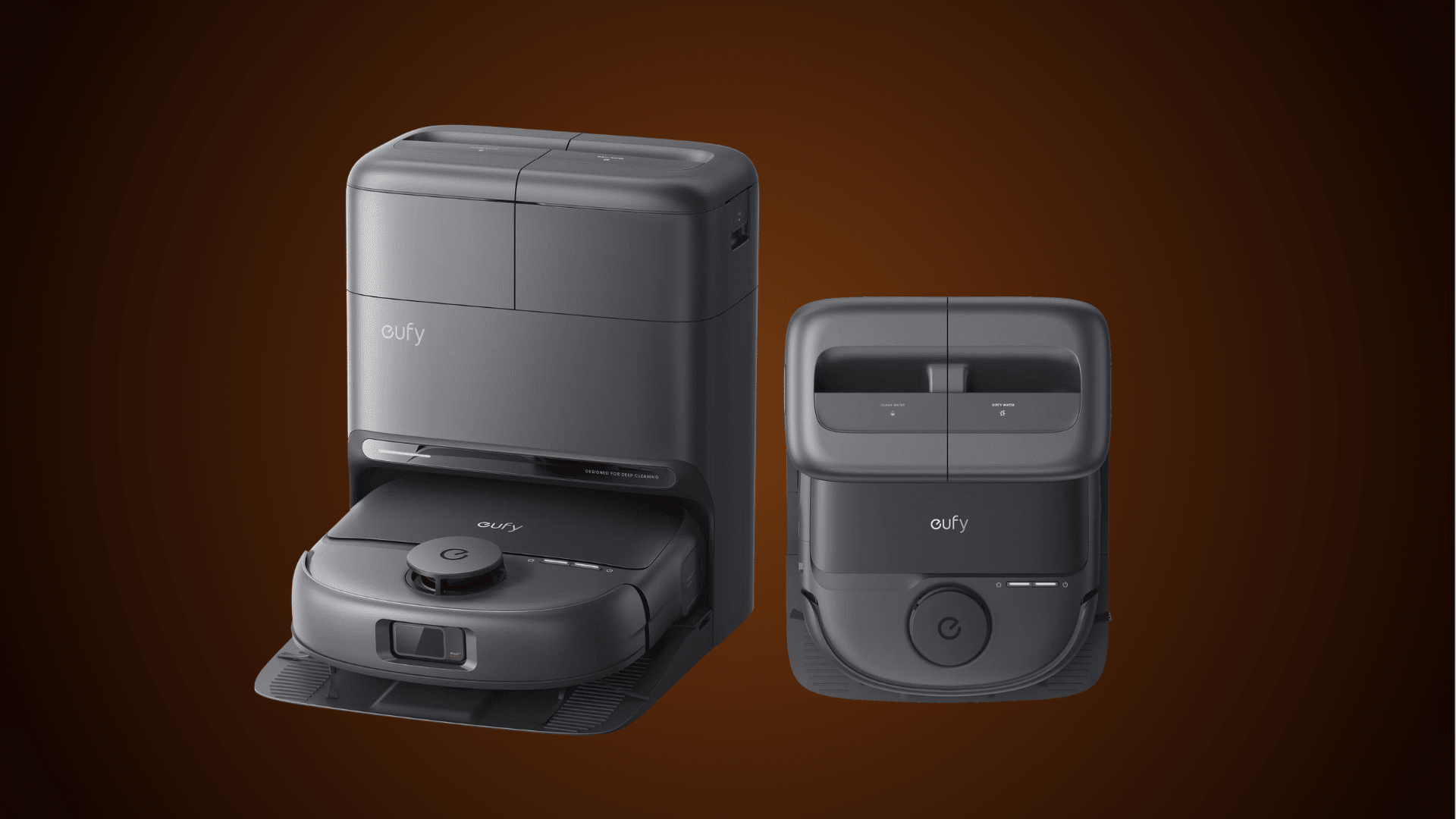
An affordable robot vacuum that still delivers strong cleaning performance for its price.
- Price: ~$400–$600
- Suction: ~15,000Pa
- Battery: ~120 minutes
- Best For: Small homes, basic cleaning
Pros: Good suction for the price, simple setup
Cons: Basic navigation
Evaluation: A strong entry-level choice that performs well for everyday cleaning tasks.
7. Roborock Qrevo Curv – Best for Carpets
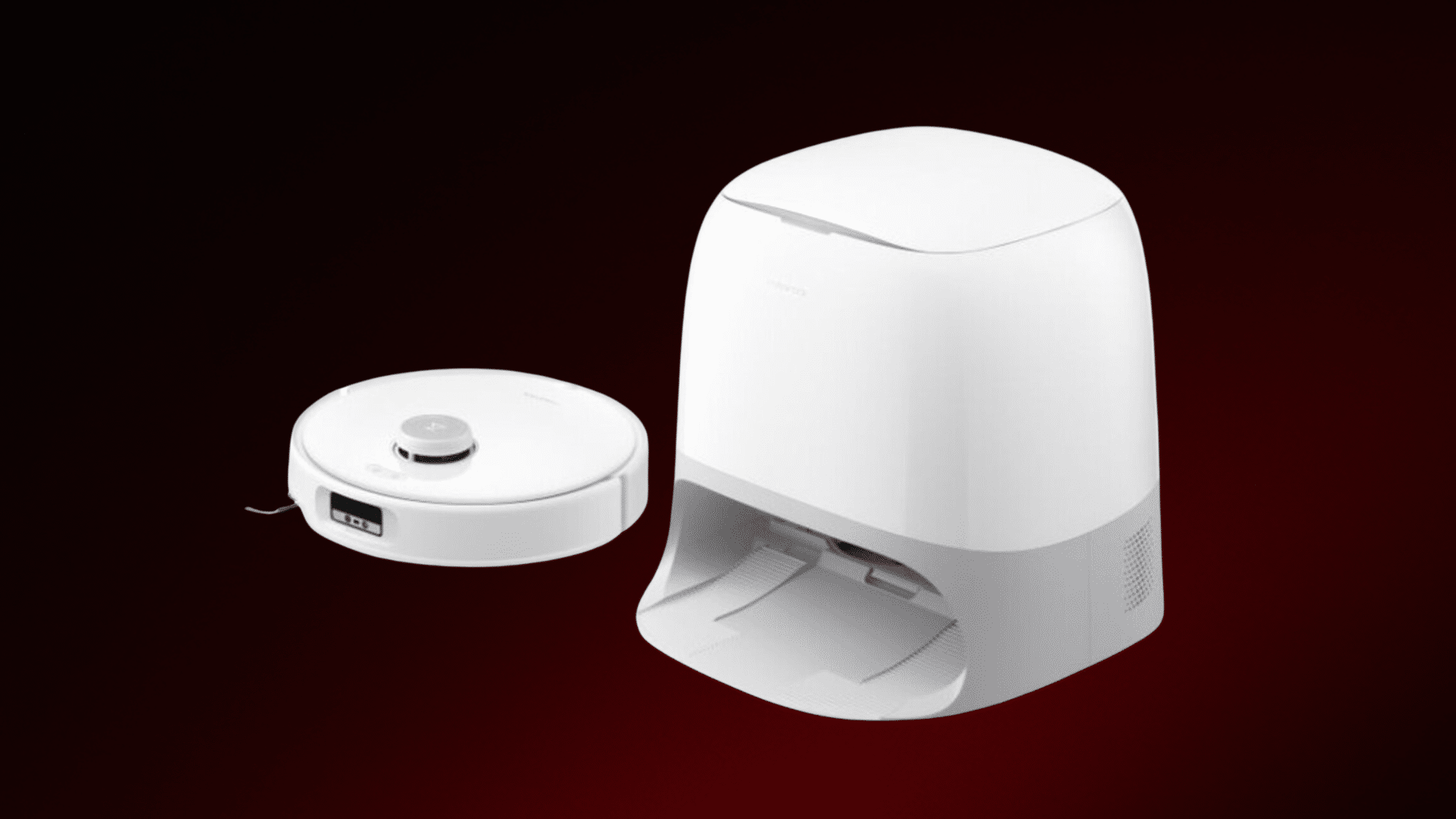
Designed for deeper cleaning, especially on carpets where many robot vacuums struggle.
- Price: ~$700–$900
- Suction: ~20,000Pa
- Battery: ~180 minutes
- Best For: Carpet-heavy homes
Pros: Strong carpet performance, good suction
Cons: Edge cleaning could be better
Evaluation: Performs better than most competitors on carpeted surfaces.
8. Dyson Spot + Scrub AI – Best for Hard Floors
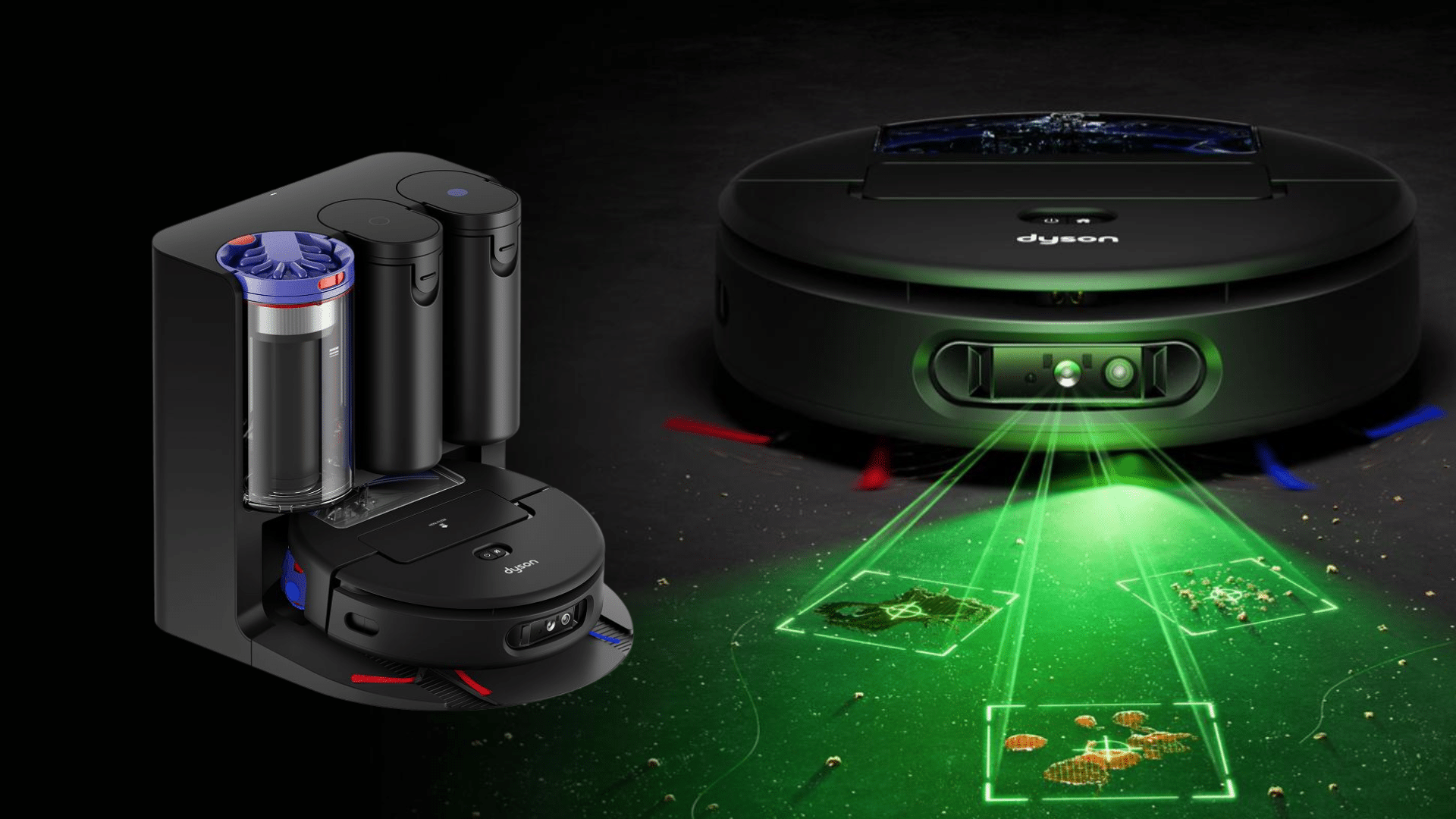
Focused on precision cleaning and mopping, especially on hard floors.
- Price: ~$1,200
- Suction: Moderate
- Battery: ~120 minutes
- Best For: Hard floors, spot cleaning
Pros: Strong mopping, advanced navigation
Cons: Weak carpet cleaning
Evaluation: Excellent on hard floors, but not the best choice for carpet-heavy homes.
9. Samsung Bespoke Jet Bot AI+ – Best Navigation
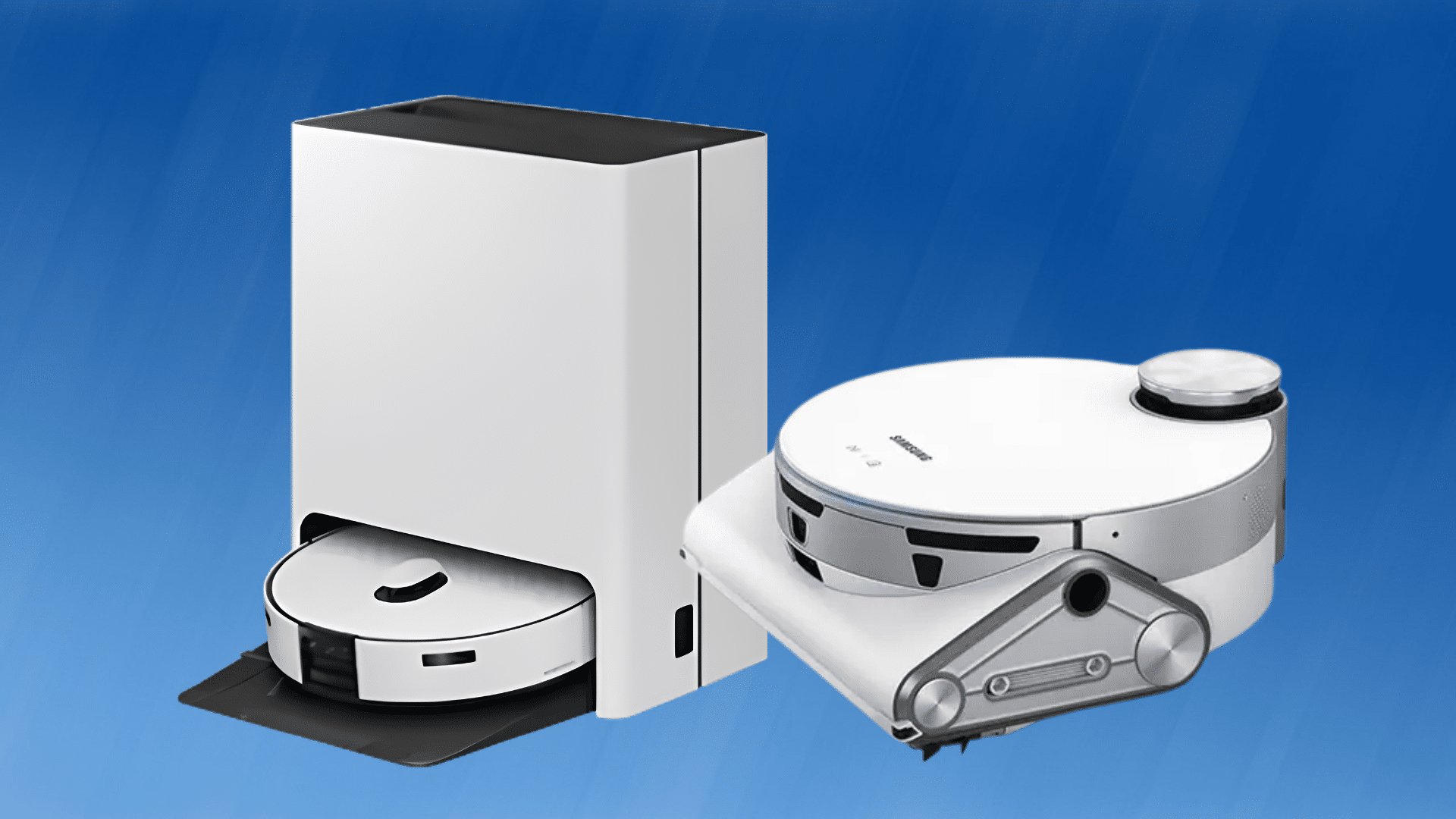
Known for its AI-powered navigation and obstacle detection.
- Price: ~$900–$1,200
- Suction: Moderate–High
- Battery: ~120 minutes
- Best For: Complex layouts
Pros: Excellent obstacle avoidance, smart features
Cons: Cleaning power is not class-leading
Evaluation: One of the best options for homes with furniture and obstacles.
10. Mova P10 Pro Ultra – Best Mid-Range Pick
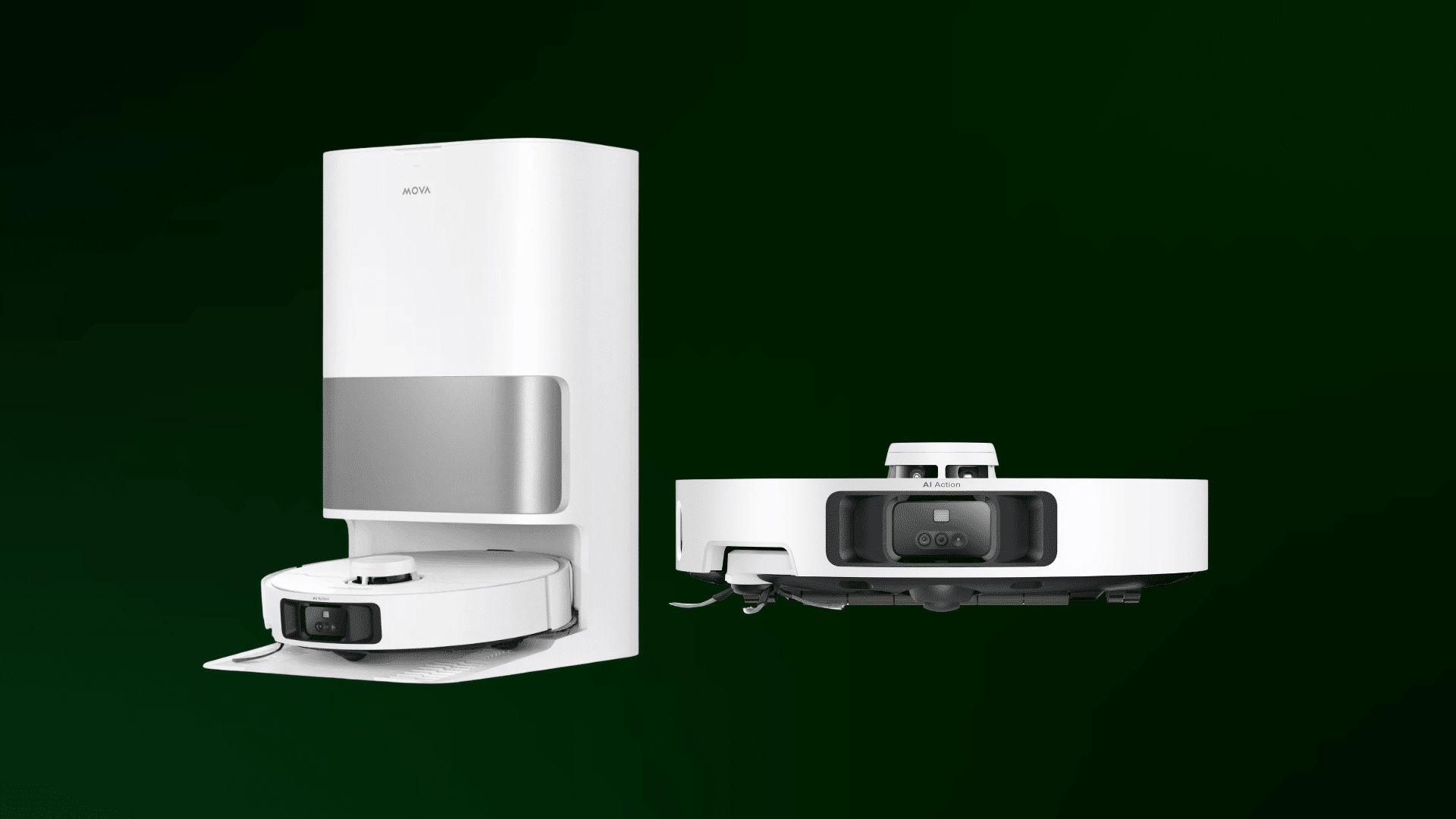
A well-rounded model that offers near-premium performance at a lower price.
- Price: ~$700–$1,000
- Suction: High
- Battery: ~180 minutes
- Best For: Balanced performance
Pros: Strong cleaning, good value
Cons: Fewer premium refinements
Evaluation: Delivers performance close to flagship models without the highest cost.
Product Comparison Table
| Feature | Roborock Saros 20 | Eufy Omni E25 | Dreame L60 Pro Ultra | Roborock Q7 M5+ | Dreame L10s Ultra |
|---|---|---|---|---|---|
| Price | $1,200–$1,500 | $900–$1,200 | $1,399 | $500–$800 | $800–$1,000 |
| Suction | Very High | High | Very High | Medium | Medium–High |
| Navigation | Advanced AI | Smart Mapping | AI + 3D Sensors | Smart Mapping | Smart Mapping |
| Mopping | Advanced | Strong | Advanced | Basic | Strong |
| Maintenance | Fully automated | Fully automated | Fully automated | Moderate | Automated |
| Best For | Overall | Low effort | Premium | Value | Combo cleaning |
Features That Make a Robot Vacuum Worth Buying
A long feature list does not always translate to better cleaning. In real use, only a few features consistently improve performance and reduce effort. The models that stand out tend to focus on reliability rather than extra features.
Consistent Suction Power
Strong suction helps, but consistency matters more. A robot that maintains steady pickup across different surfaces will clean better than one with high peak numbers but uneven results.
Accurate Navigation and Mapping
Efficient movement is just as important as suction. Robots with LiDAR or camera-based mapping clean in planned paths, avoid obstacles, and cover more area without repeating the same spots.
Reliable Obstacle Avoidance
Daily cleaning involves cables, furniture legs, and small objects. A good robot vacuum detects and avoids these without getting stuck or needing constant help.
Low-Maintenance Design
Features like self-emptying docks, washable filters, and tangle-resistant brushes reduce manual work. Over time, this makes a noticeable difference in how often the robot needs attention.
Battery Efficiency and Auto-Resume
A longer runtime helps cover larger areas, but auto-resume is equally important. Robots that recharge and continue cleaning prevent incomplete cycles.
Useful App Control
A stable app with clear controls adds real value. Features like scheduling, room selection, and no-go zones make the robot easier to manage in daily use.
Robot Vacuum vs Traditional Vacuum
Both options serve different purposes in daily cleaning. One focuses on convenience and automation, while the other delivers more control and deeper cleaning when needed.
| Feature | Robot Vacuum | Traditional Vacuum |
|---|---|---|
| Cleaning Method | Automated cleaning with minimal input | Manual cleaning requires effort |
| Ease of Use | Runs on schedule with app control | Needs to be operated on each time |
| Cleaning Power | Moderate to strong, varies by model | Generally stronger and deeper cleaning |
| Best For | Daily maintenance and light cleaning | Deep cleaning and heavy debris |
| Navigation | Uses sensors and mapping to move | Controlled manually by the user |
| Time Required | Saves time, works in the background | Requires dedicated cleaning time |
| Maintenance | Needs regular bin emptying and upkeep | Less frequent maintenance overall |
| Flexibility | Limited in tight spaces and on stairs | Works on all surfaces and areas |
| Cost | Higher upfront cost for advanced models | Wide range, often more affordable |
| Noise Level | Usually quieter during operation | Often louder, especially powerful models |
Quick Take: Robot vacuums are best for daily upkeep and convenience, while traditional vacuums are better for deep cleaning and full control. Many homes benefit from using both together.
Are Robot Vacuums Worth It?
Robot vacuums are worth it for many households, especially where daily cleaning is needed. They save time by handling routine dust and debris without manual effort.
In homes with pets or frequent foot traffic, they help keep floors cleaner between deep cleaning sessions. However, they do not fully replace traditional vacuums, particularly for carpets and heavy mess.
The value depends on expectations. For convenience and regular upkeep, they perform well. For deep cleaning alone, they may fall short.
Most users find the best results by using a robot vacuum alongside a standard vacuum for complete cleaning coverage.
Common Mistakes to Avoid When Buying
It is easy to focus solely on features or price, but a few common mistakes can lead to poor performance and frustration after purchase.
- Choosing Based Only on Price: Lower-cost models may lack reliable suction and navigation, which can affect cleaning results over time.
- Ignoring Floor Type: Some robots struggle on carpets while others are designed mainly for hard floors.
- Overlooking Navigation Quality: Poor navigation can lead to missed areas, repeated cleaning, or the robot getting stuck.
- Expecting Full Replacement: Robot vacuums are best for maintenance, not deep cleaning, heavy dirt, or debris.
- Not Considering Maintenance Needs: Frequent emptying, brush cleaning, and filter care can add to daily effort.
- Paying for Unused Features: Advanced features may sound useful, but they are often unnecessary for simple cleaning needs.
- Ignoring App Experience: A weak or confusing app can make scheduling and control more difficult.
Final Thoughts
Robot vacuums have improved enough to handle daily cleaning with less effort. The key is choosing a model that fits the layout of the home and the type of mess it deals with most often.
Small differences in performance can change how useful the machine feels over time. A well-matched option runs smoothly, needs less attention, and becomes part of a regular routine.
Taking a closer look at the top picks can help narrow the decision.
Compare the models listed above and choose the one that fits your needs, budget, and level of convenience.
Frequently Asked Questions
How Long Does a Robot Vacuum Last?
Most robot vacuums last between 3 and 5 years with regular use. Battery performance may drop over time, but replacements are usually available.
Can Robot Vacuums Work without Wi-Fi?
Yes, most models can clean without Wi-Fi using manual controls. However, app features like scheduling and mapping will not be available.
How Often Should a Robot Vacuum Be Run?
Running it 3–5 times a week works well for most homes. Homes with pets or heavy foot traffic may benefit from daily cleaning.