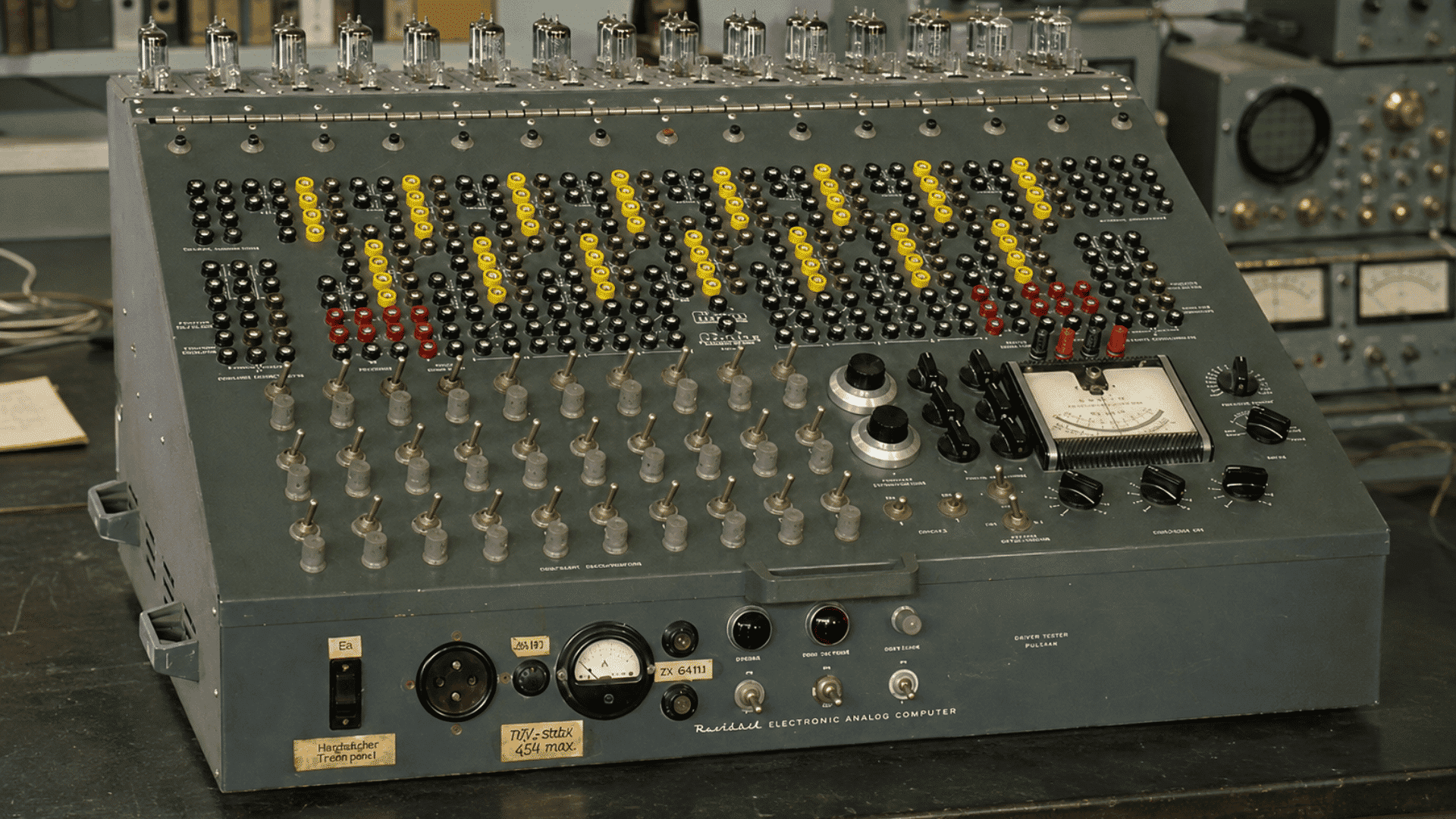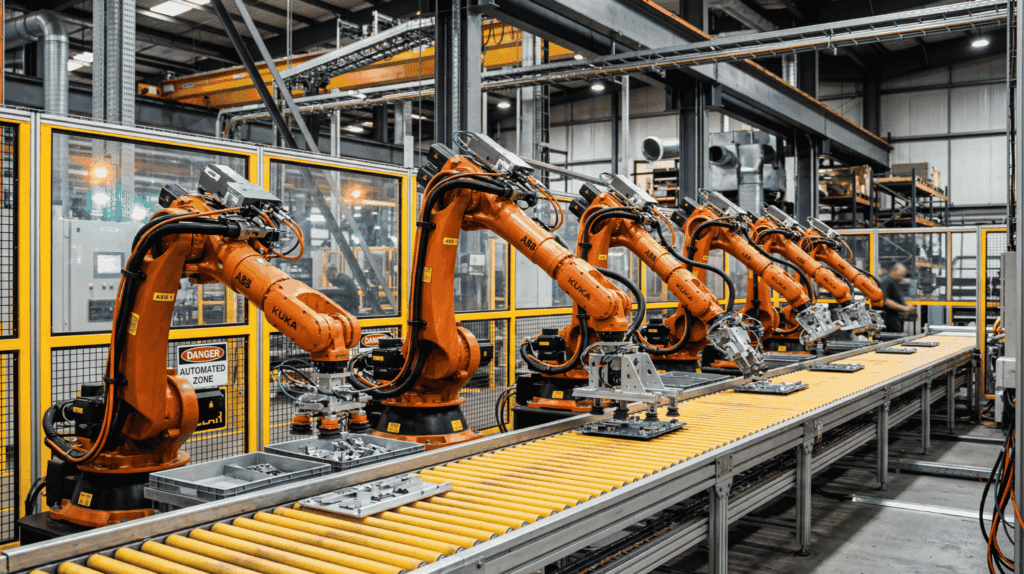
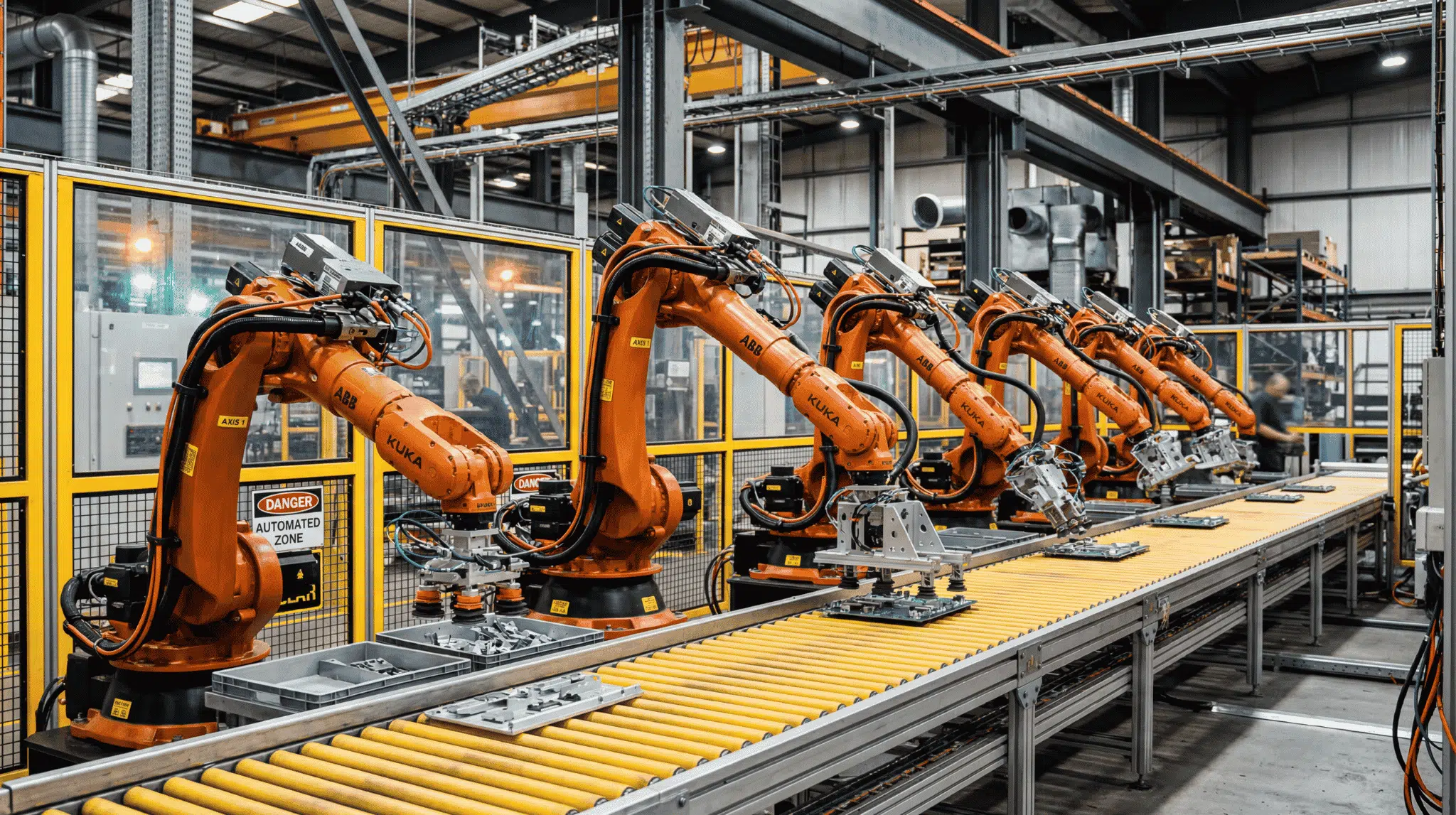



Robotics in manufacturing can sound technical at first, yet the idea is simple.
It refers to the use of programmed machines to handle production tasks with speed, precision, and repeatability.
For many manufacturers, the real question is not just what robots do. It is how they fit into daily factory work, from assembly and packaging to quality checks and safer task handling.
This blog explains the role of robotics in plain language, with a look at where it started, how it is used today, and what it may mean for future production.
What is Robotics in Manufacturing?
Robotics in manufacturing means using robots to help make products in factories. These robots are machines that can be programmed to perform specific production tasks with speed, accuracy, and consistency.
Industrial robots are often used for work that requires the same action to be repeated. They can lift parts, join materials, check product quality, pack items, paint surfaces, and move goods across the factory floor.
For example, robots can weld car parts, assemble electronic components, inspect finished products, package goods, spray-paint, and handle heavy materials.
This helps manufacturers save time, reduce errors, and keep workers away from risky or tiring tasks.
Robotics in Manufacturing: Uses and Impact
Robotics in manufacturing helps factories complete work more quickly, safely, and with greater control. Here are the main uses and impacts:
1. Welding
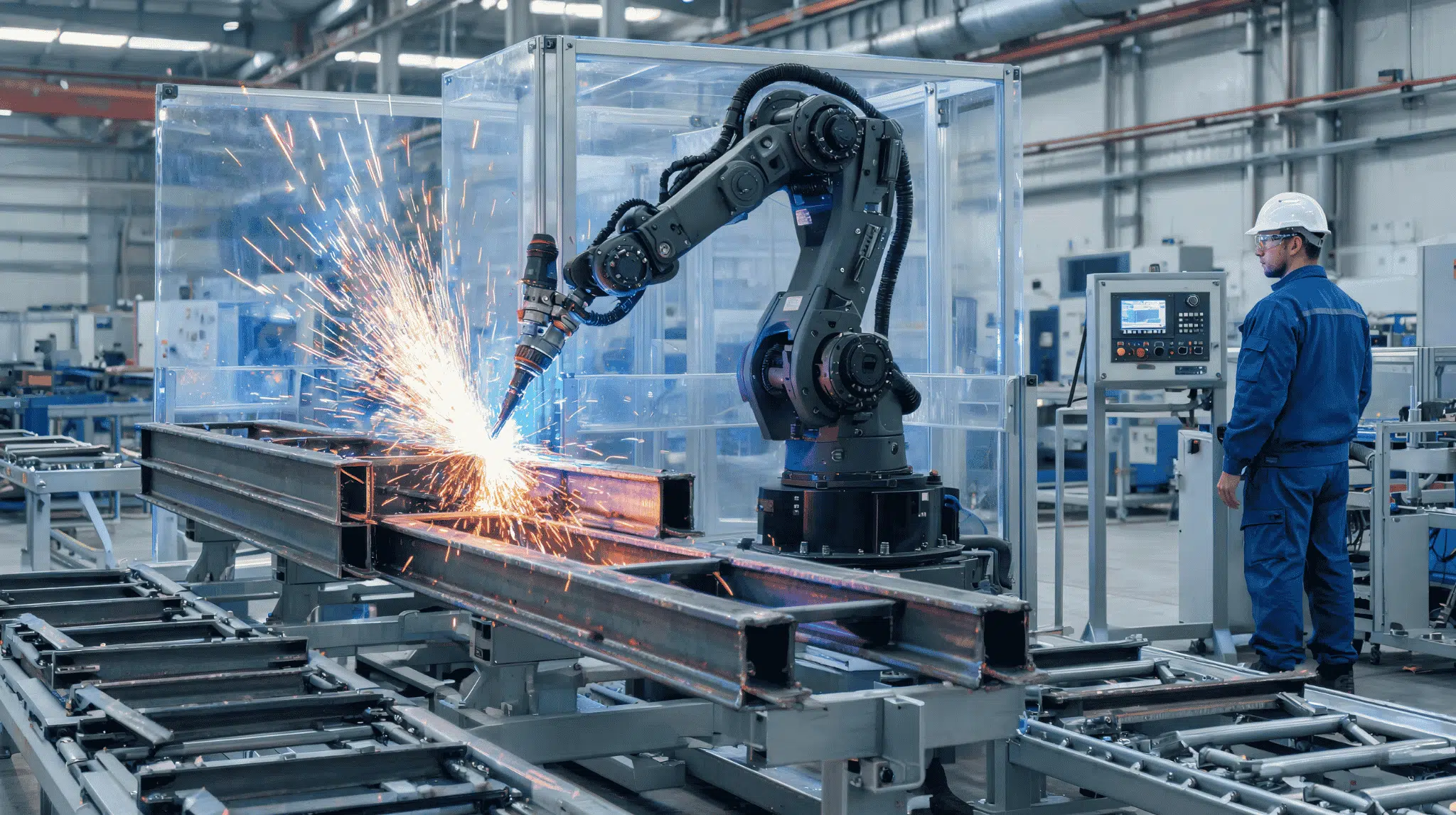
Robots perform welding tasks with a high level of accuracy and consistency. They can follow the same welding path repeatedly, which helps produce strong, uniform welds across large production runs.
This reduces the chances of defects, weak joints, and material waste. Robotic welding is widely used in automotive, aerospace, shipbuilding, and metal fabrication industries, where precision and reliability are critical.
It also helps improve workplace safety by limiting worker exposure to heat, sparks, and fumes.
2. Assembly
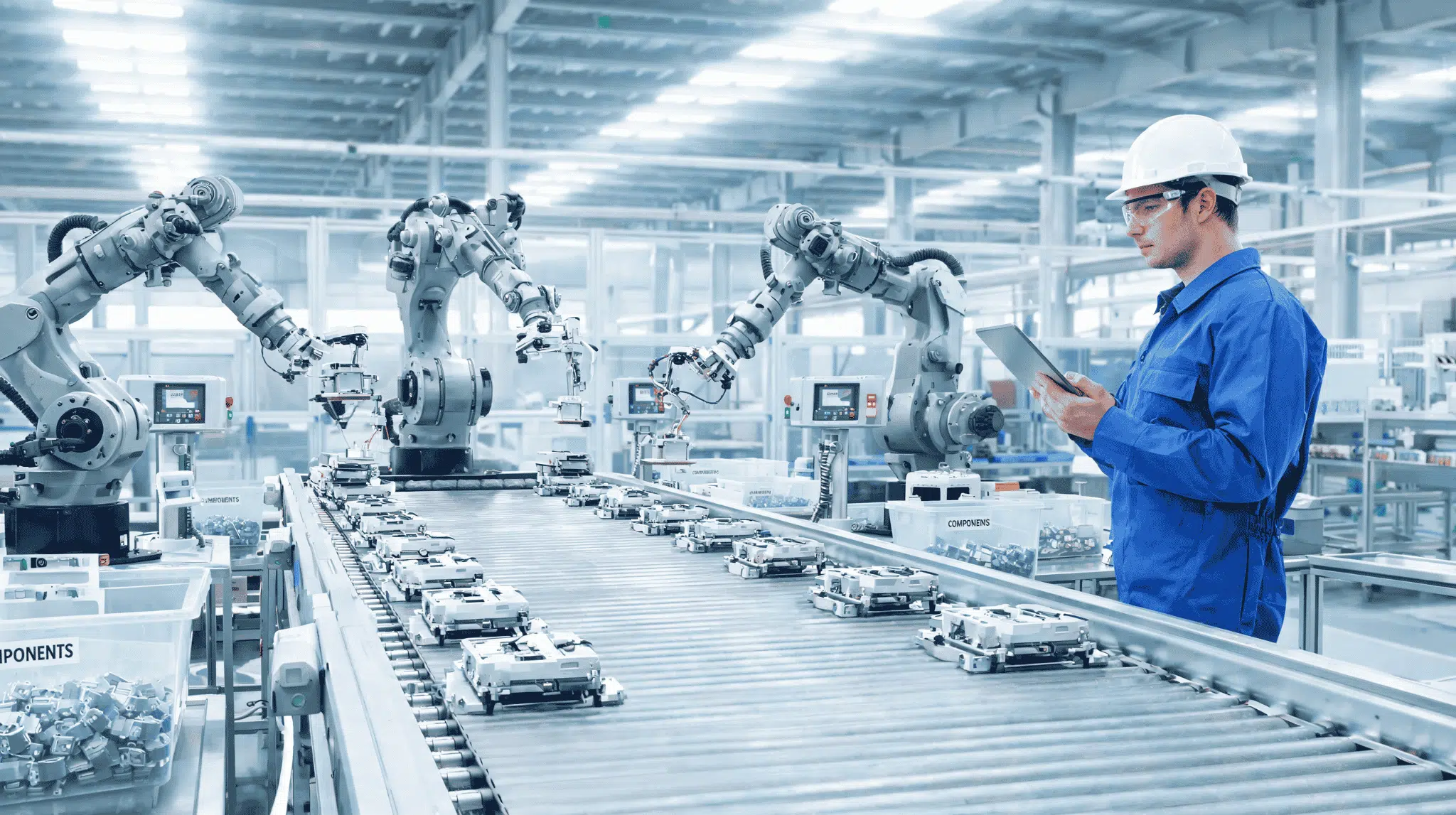
Robots assist with assembling products by placing, fitting, fastening, and connecting components.
They can handle both small and complex parts with great precision, making them useful in industries such as electronics, automotive, and consumer goods manufacturing.
Robotic assembly helps reduce production errors, improve efficiency, and maintain consistent quality. Since robots can work continuously, they also support higher production output and shorter manufacturing cycles.
3. Inspection
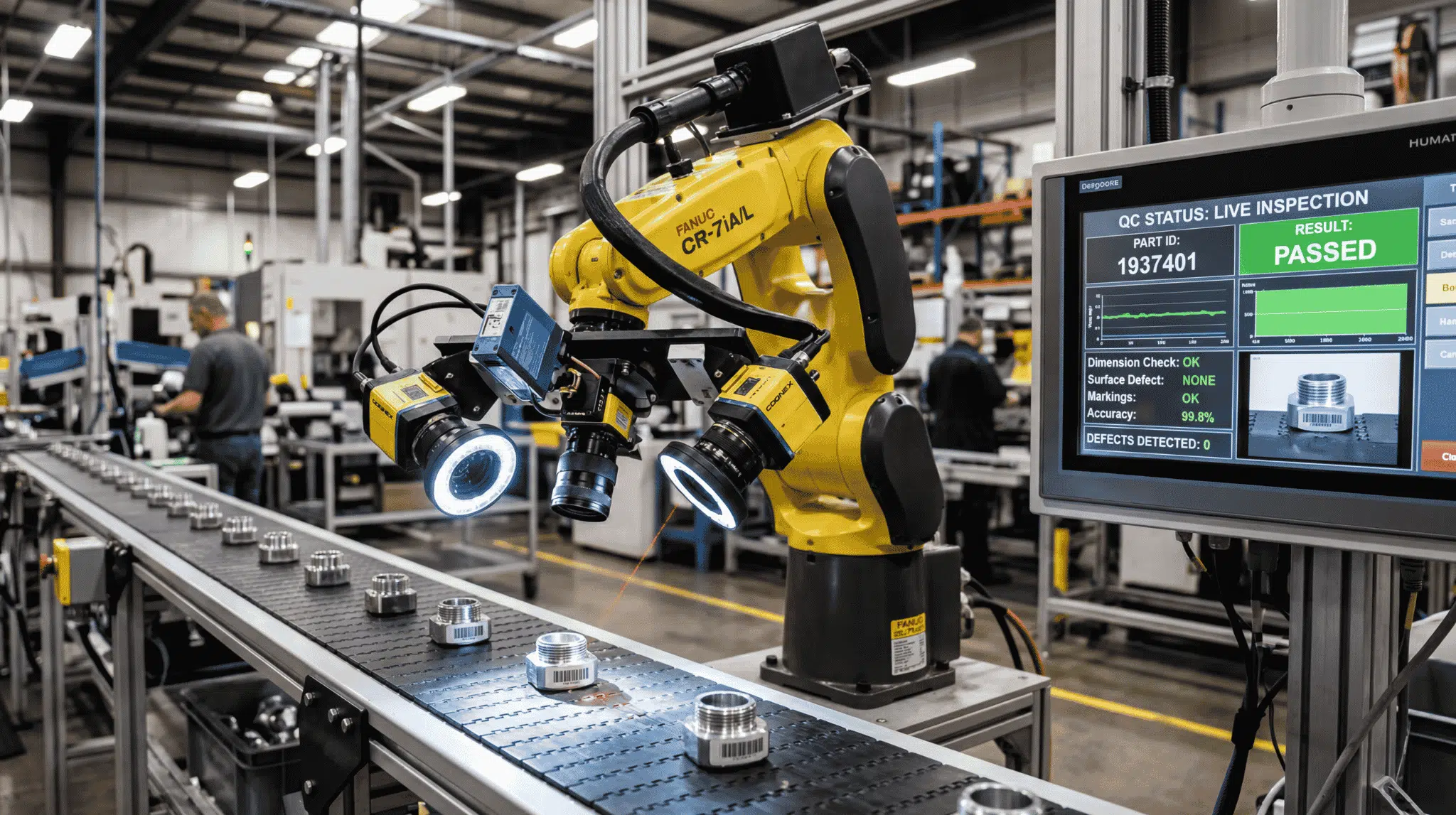
Equipped with cameras, sensors, and machine vision systems, robots can inspect products for defects, damage, missing parts, or measurement issues.
They can perform detailed checks much faster than manual inspection methods while maintaining consistent standards. Early defect detection helps manufacturers reduce waste, lower rework costs, and improve overall product quality.
Robotic inspection is commonly used in electronics, automotive, pharmaceutical, and food manufacturing.
4. Packaging
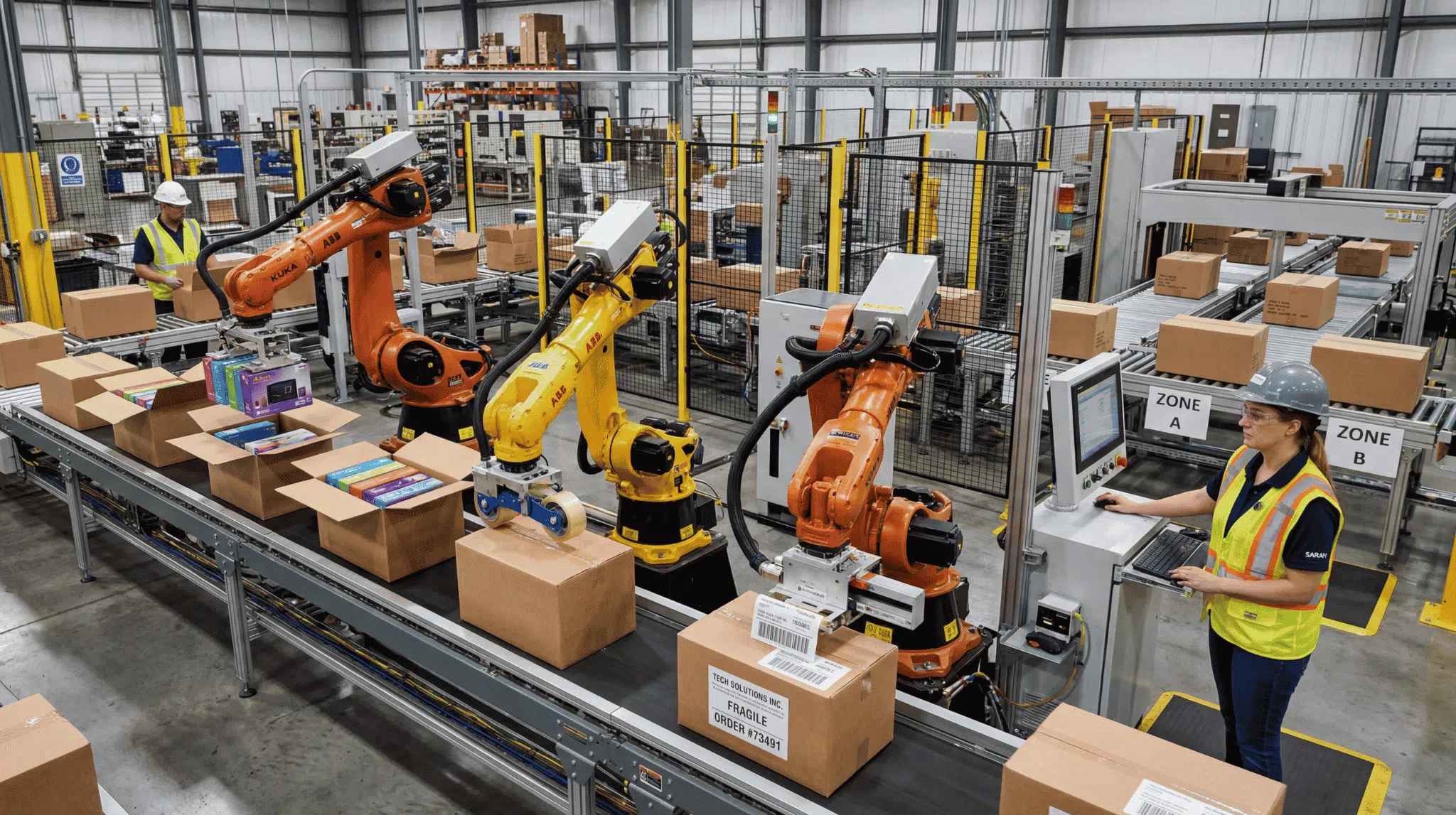
Robots can pack, seal, label, sort, and prepare products for shipment with speed and accuracy. They are especially useful in high-volume production environments where large numbers of products must be processed quickly.
Robotic packaging helps reduce handling errors, improve consistency, and keep production lines moving smoothly. Manufacturers in the food and beverage, pharmaceutical, and consumer goods sectors often rely on robots to support packaging operations.
5. Painting
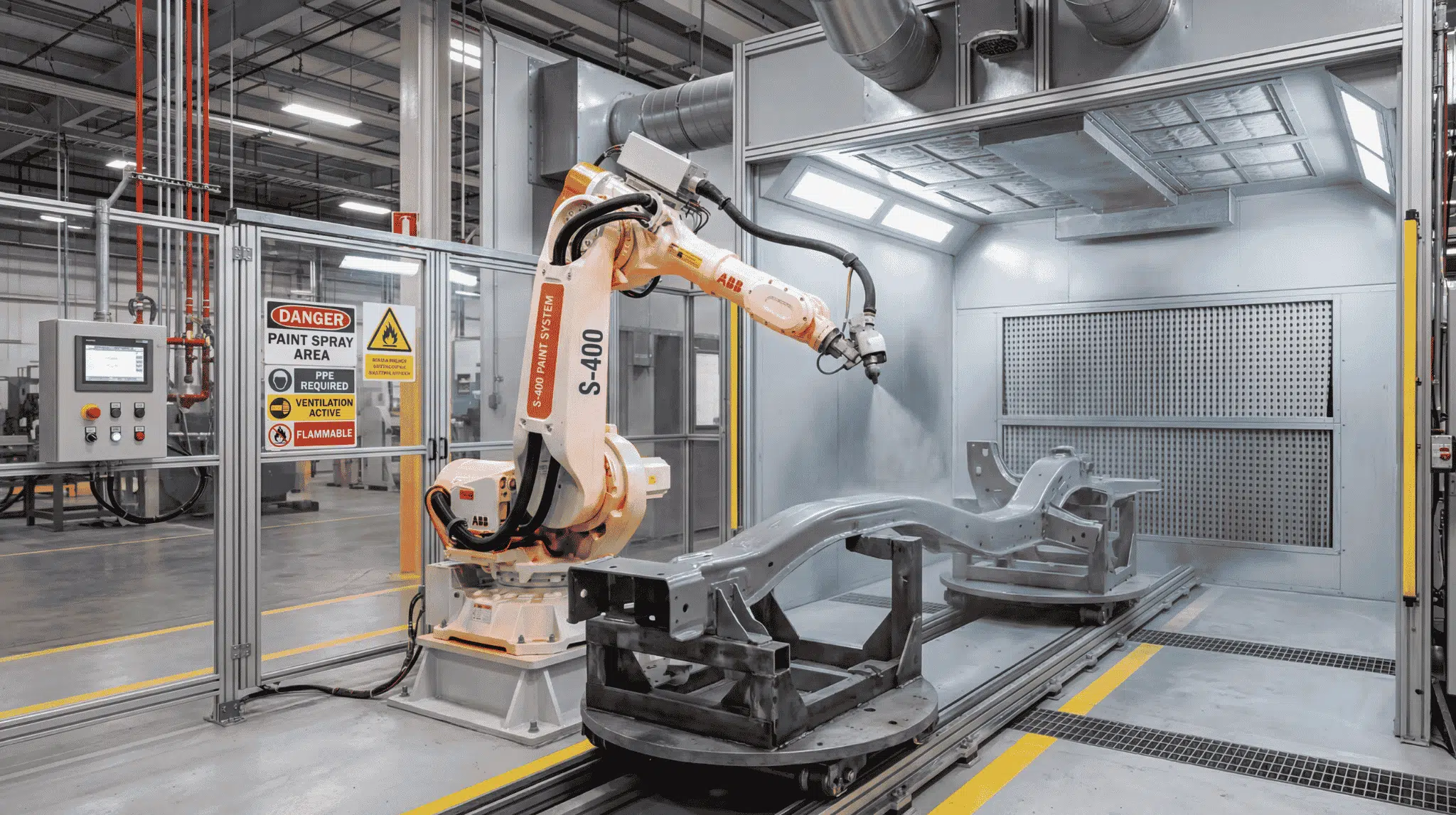
Robots apply paint and protective coatings evenly across surfaces, helping manufacturers achieve a consistent finish. Their precise movements reduce overspray and material waste while improving product appearance.
Robotic painting is commonly used in automotive, appliance, and industrial equipment manufacturing. It also helps create a safer workplace by reducing worker exposure to paint fumes, chemicals, and other hazardous substances.
6. Material Handling
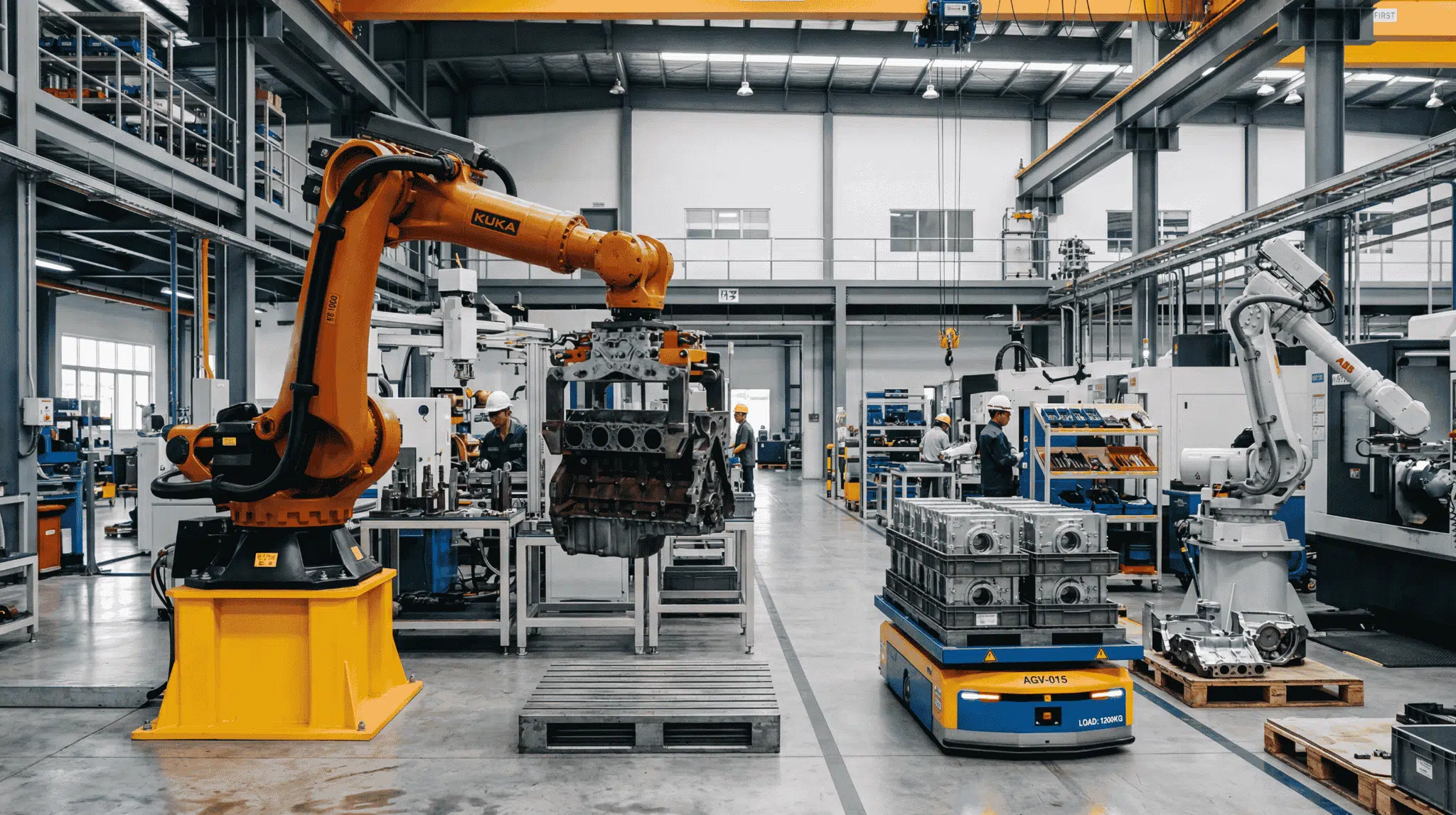
Robots move raw materials, components, and finished products throughout the factory. They can lift, transport, sort, and position items with speed and accuracy, helping improve workflow between production stages.
Material-handling robots reduce the physical strain associated with repetitive lifting and carrying tasks.
They are widely used in warehouses, distribution centers, and manufacturing facilities to support the efficient movement of goods.
7. Worker Safety
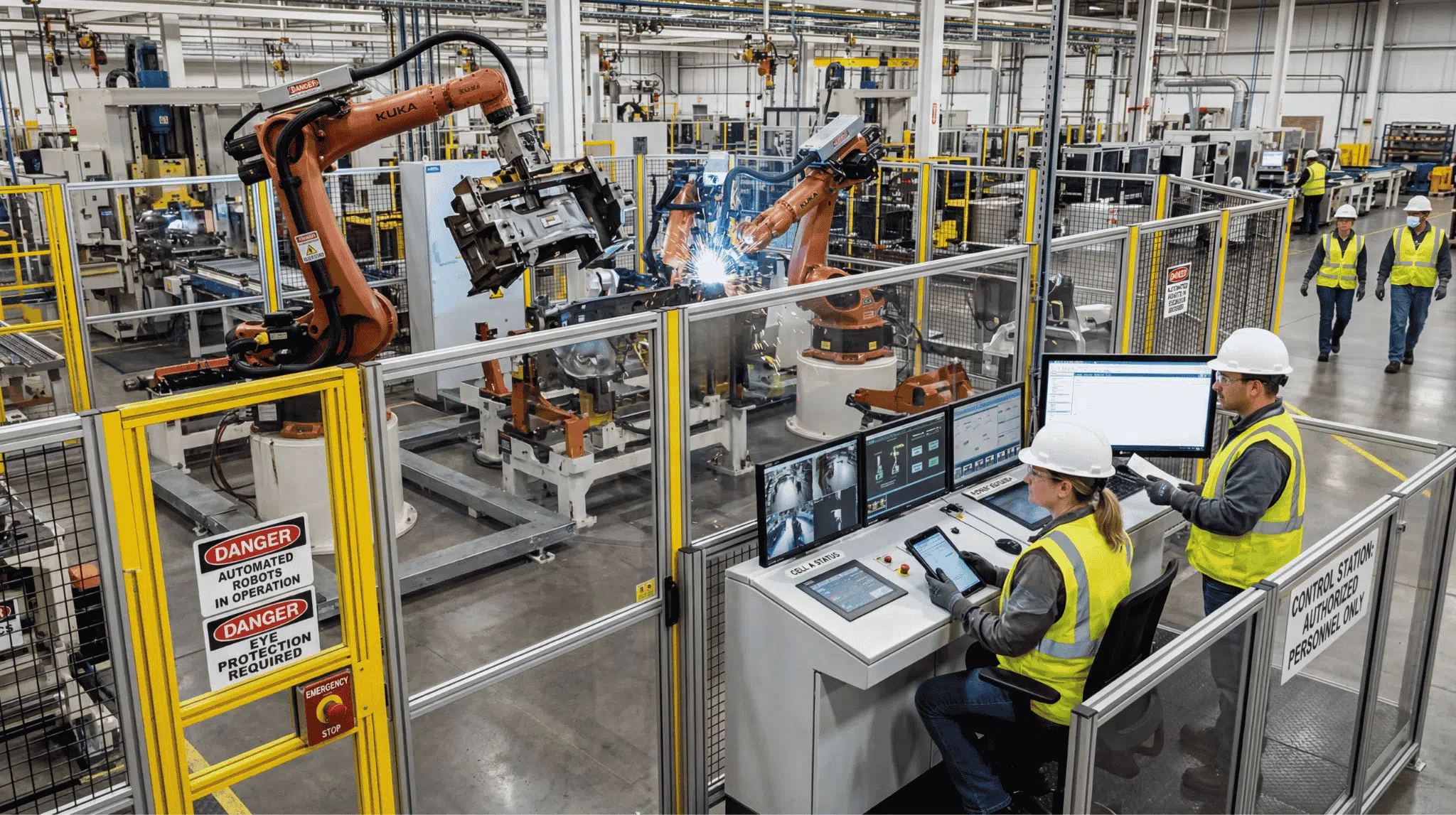
Robots can take over dangerous, repetitive, or physically demanding tasks that may increase the risk of workplace injuries.
They are often used in environments that involve heavy lifting, extreme temperatures, hazardous materials, or repetitive motions.
By handling these tasks, robots help create safer working conditions and allow employees to focus on supervision, maintenance, quality checks, and other skilled responsibilities.
8. Product Quality
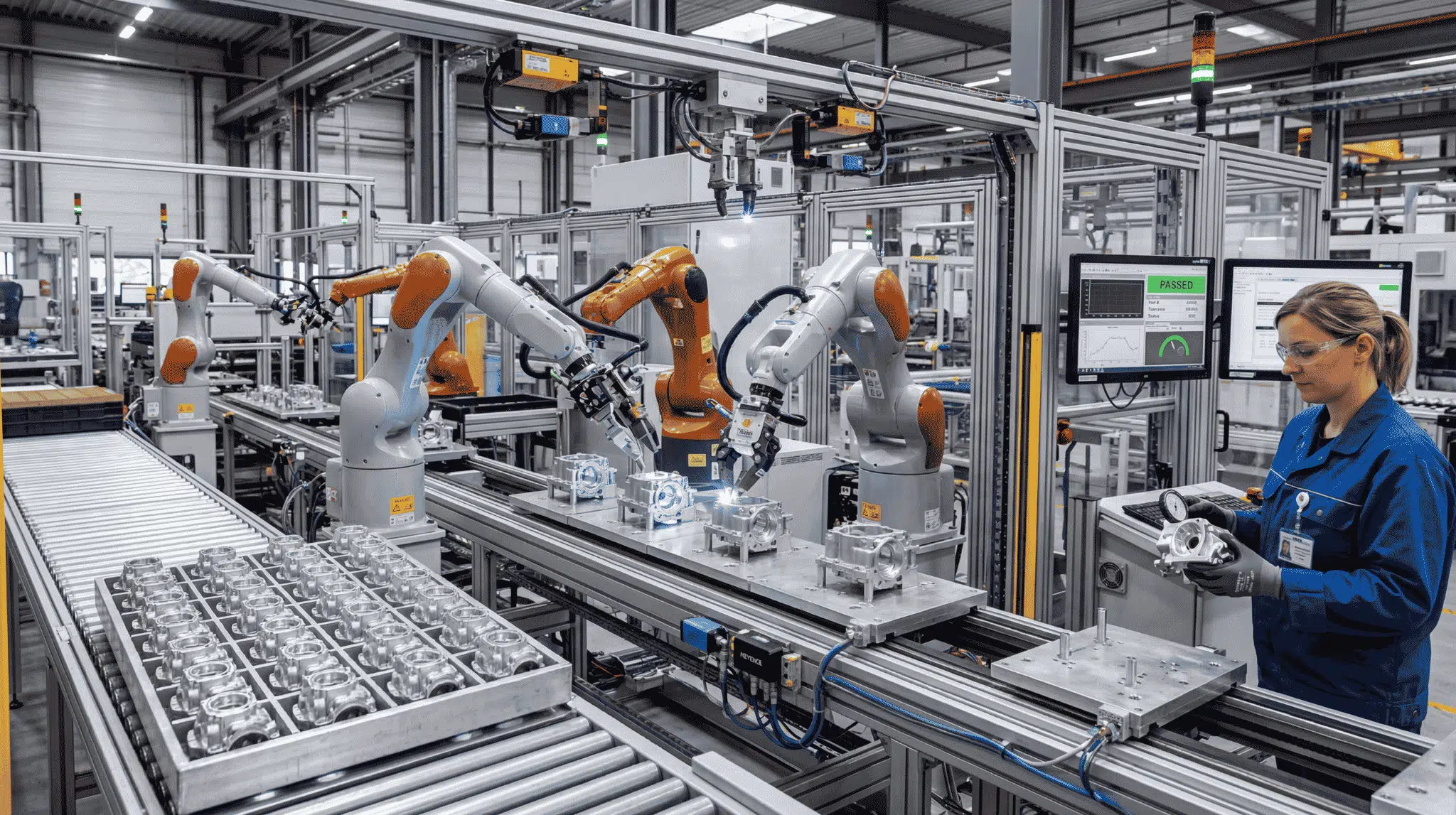
By following programmed instructions with precision, robots help maintain consistent product standards throughout the manufacturing process.
They perform tasks the same way each time, which reduces variation and lowers the risk of defects. This consistency helps manufacturers meet quality requirements, improve customer satisfaction, and reduce costs related to rework and product returns.
Robotic systems also support better process control, making it easier to maintain reliable production results.
A Brief History of Robotics in Manufacturing
Robotics in manufacturing began as a way to handle repeated, heavy, and risky factory tasks. Early industrial robots were used for jobs like welding, lifting, painting, and moving parts.
They followed fixed instructions and worked best in controlled production areas.
Over time, factories moved from manual assembly lines to automated production. Robots became easier to program, and computer-controlled machines helped improve speed, accuracy, and product quality.
Later, sensors, cameras, and connected systems made robots more useful for inspection, material handling, and process control.
This shift is now associated with Industry 4.0, in which robots, data, software, and smart machines work together on the factory floor.
Why Robotics in Manufacturing Matters Today
Robotics in manufacturing matters today because factories are under pressure to produce products faster, more safely, and with fewer errors.
Many manufacturers are increasingly using robots to meet rising demand, address labor shortages, and control production costs.
Robots can perform tasks that are repetitive, tiring, or difficult to do by hand for long hours. They help with assembly, welding, inspection, packaging, painting, and material handling.
This makes production more stable and helps teams maintain higher quality across batches.
Recent industry data shows that more than 500,000 industrial robots were installed worldwide in 2024.
This shows how strongly manufacturers are turning to automation to improve factory output and stay competitive.
Types of Robots Used in Manufacturing
Different robots serve different factory needs. Some are built for speed, while others are made for strength, accuracy, or safe work near people.
Articulated Robots
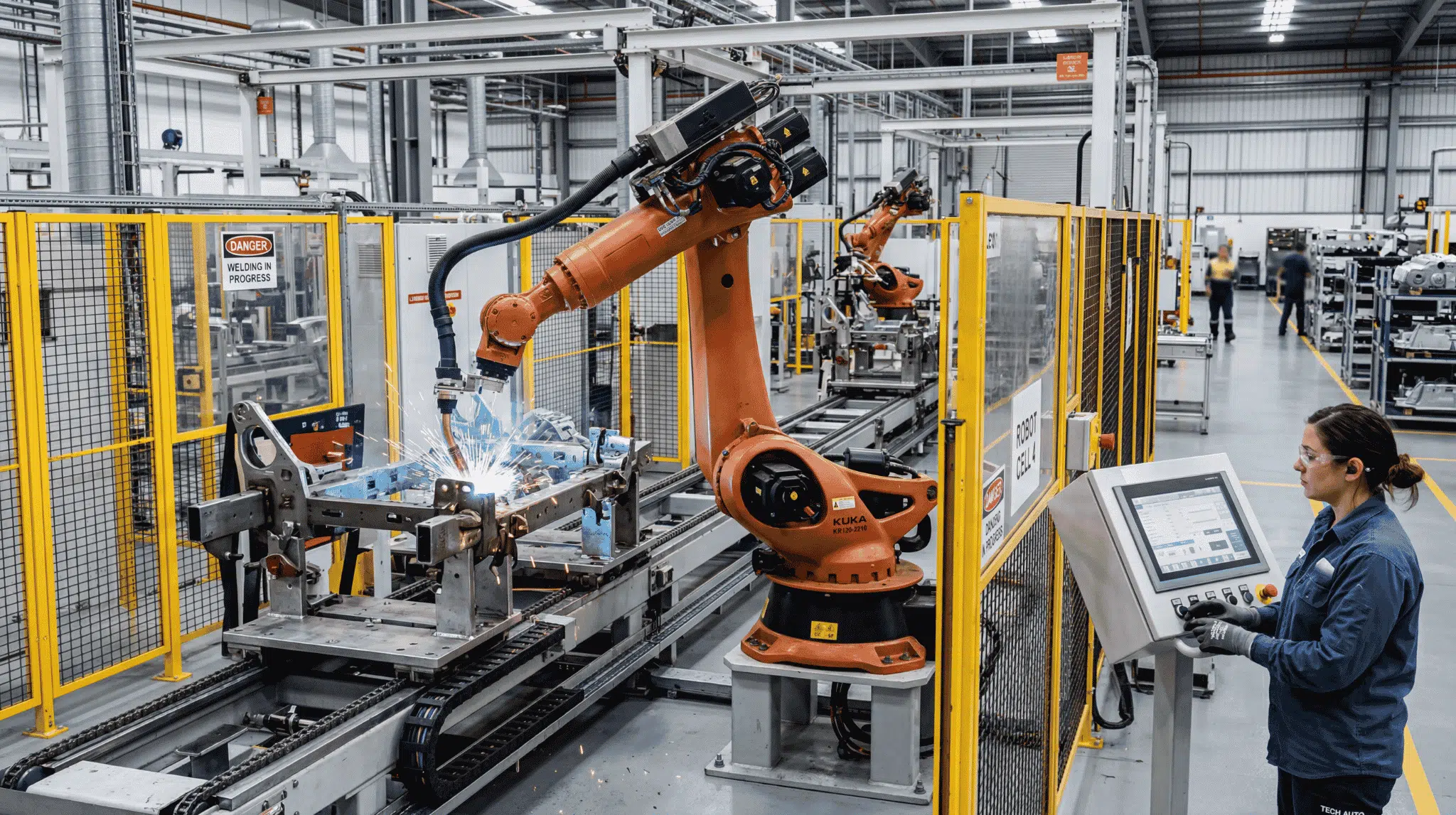
Articulated robots are the robotic arms many people picture when thinking about factory automation. They have multiple joints that allow them to move in different directions and reach difficult angles.
This flexibility makes them suitable for welding, assembly, painting, machine tending, and material handling. They can perform the same task with high accuracy, thereby improving product quality and reducing production errors.
Articulated robots are widely used in automotive, metal fabrication, and electronics manufacturing, where precision and consistent performance are important.
SCARA Robots
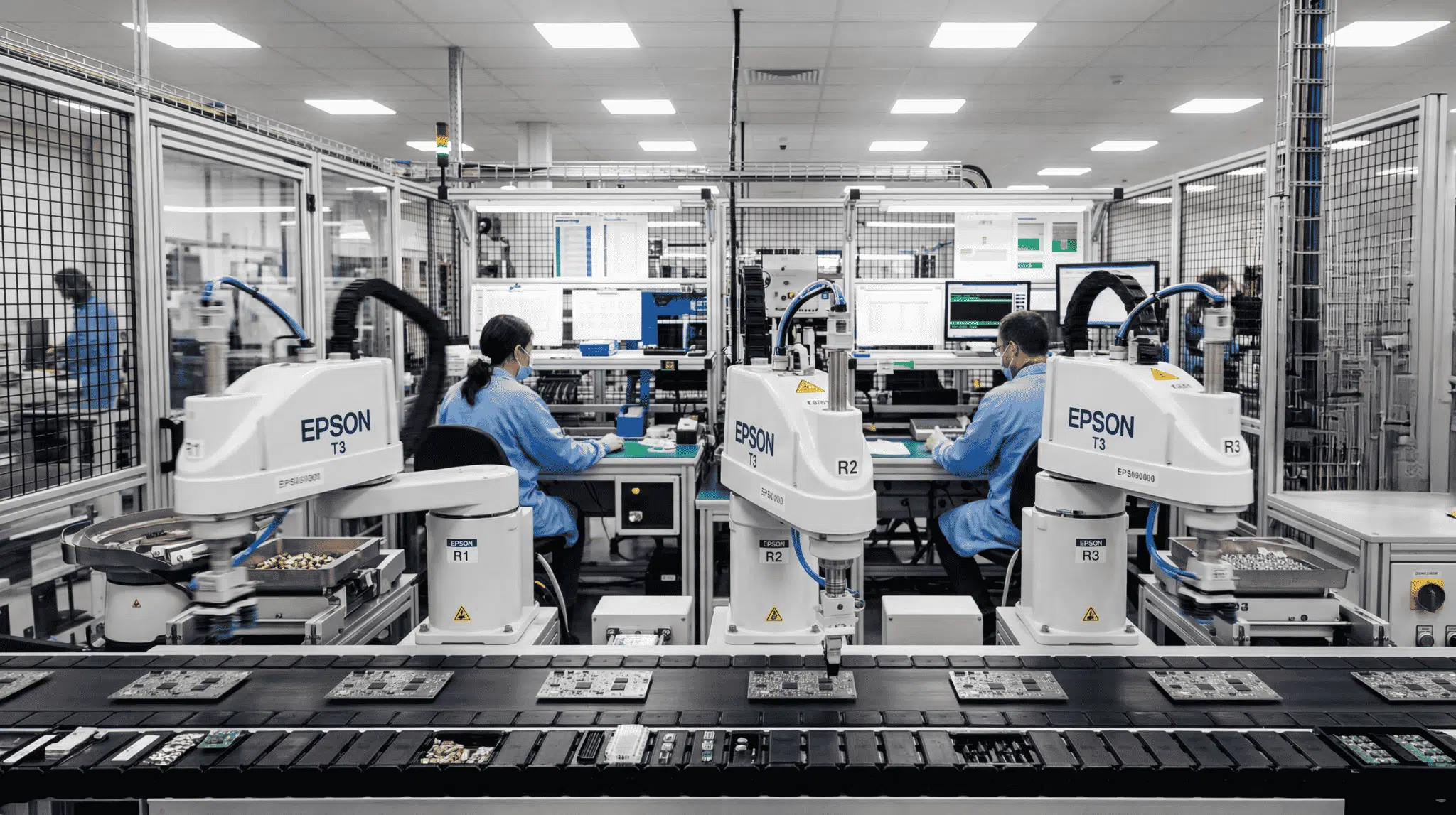
SCARA robots are known for their fast and precise side-to-side movement. They are commonly used for pick-and-place operations, small-part assembly, packaging, and sorting tasks.
Their design allows them to move quickly while maintaining accuracy, making them ideal for high-speed production environments.
SCARA robots are often found in electronics, medical devices, and consumer goods manufacturing, where small components need to be handled carefully and efficiently.
Cartesian Robots
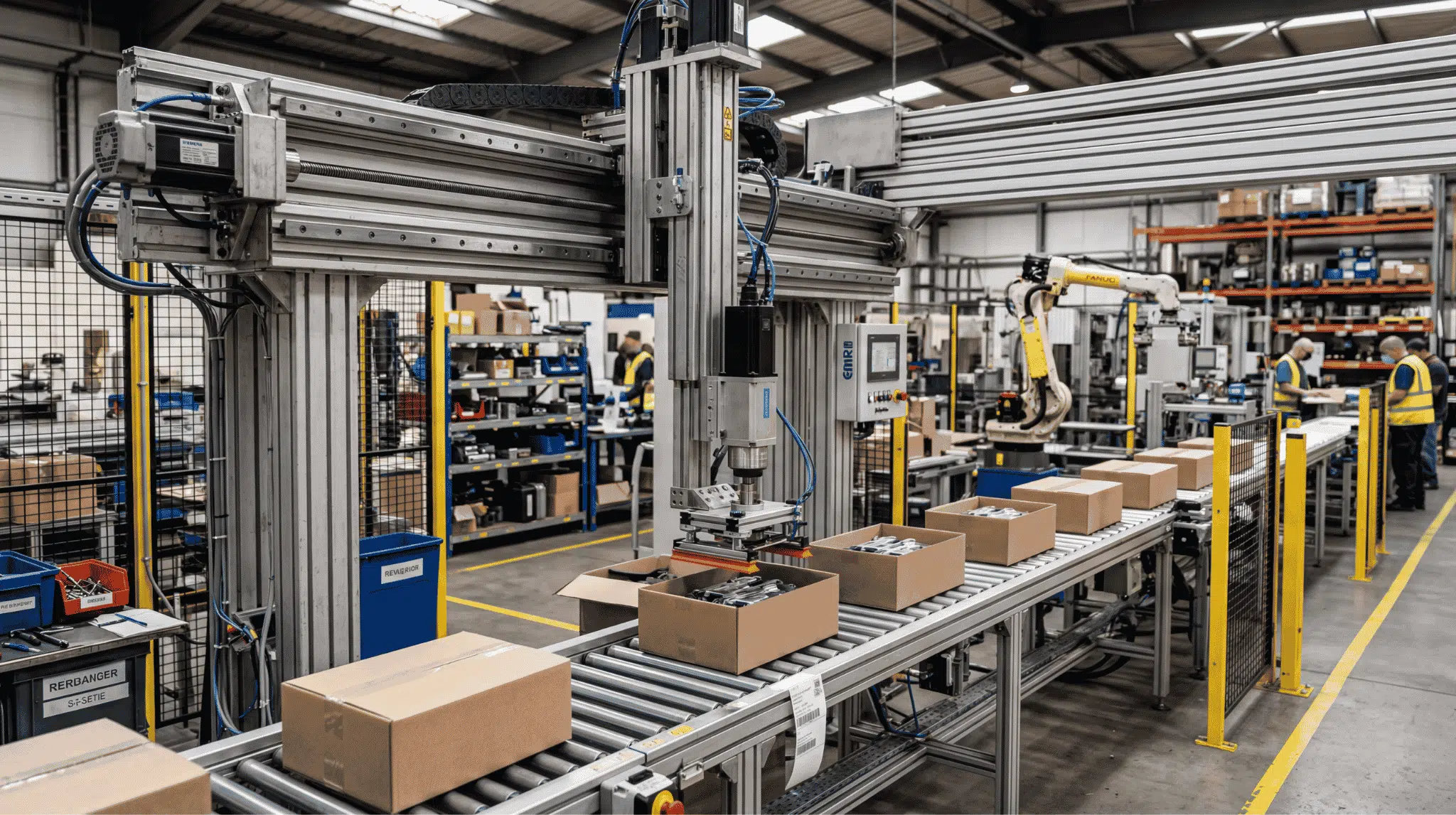
Cartesian robots move along straight lines using fixed X, Y, and Z axes. Their simple structure makes them easy to program, operate, and maintain.
These robots are often used for CNC machine loading, 3D printing, cutting, material handling, and assembly applications.
Because they provide accurate, repeatable motion, Cartesian robots are a practical choice for tasks that require consistent positioning and controlled motion within a defined work area.
Collaborative Robots
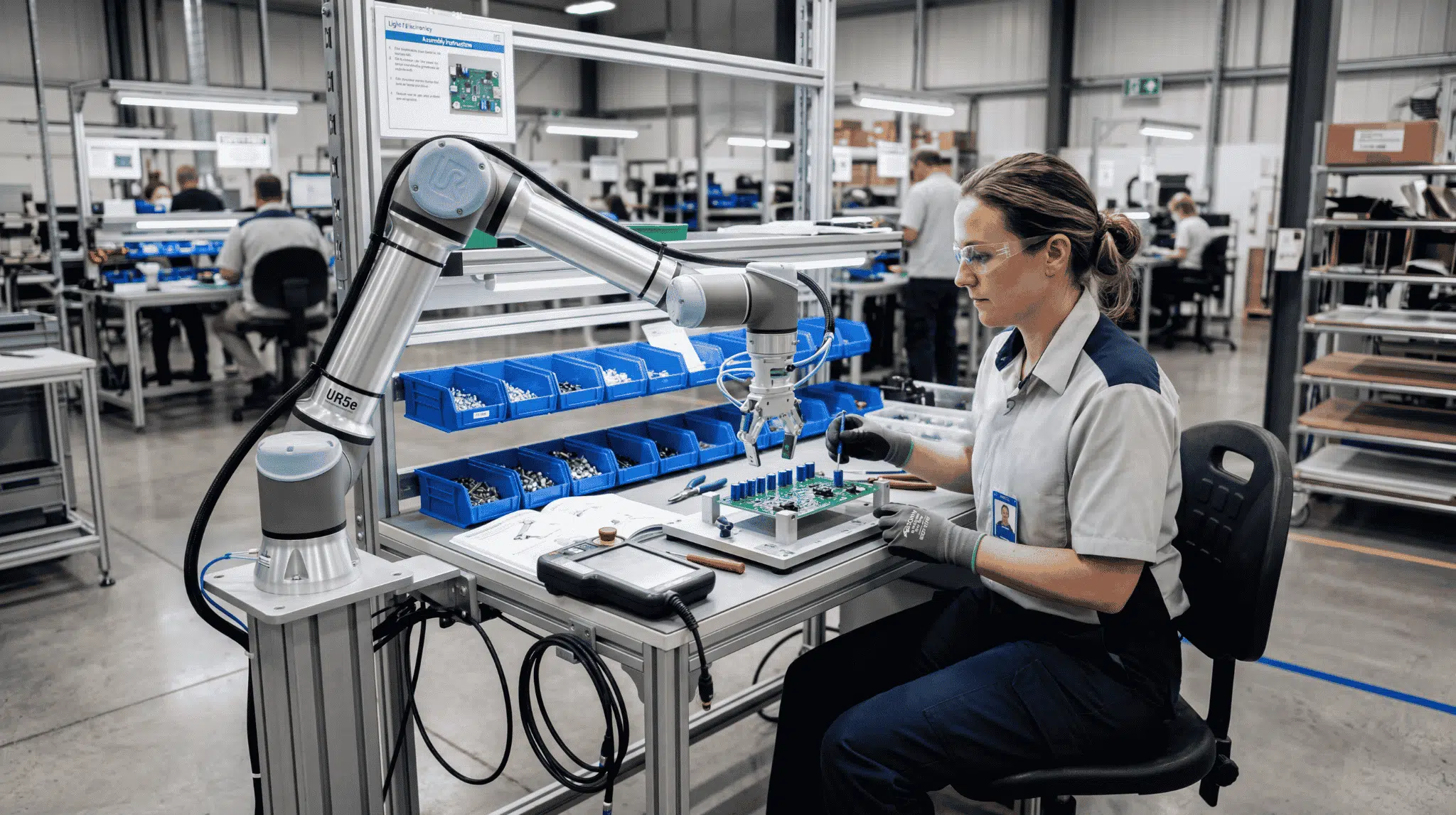
Collaborative robots, also called cobots, are designed to work safely near human workers.
Unlike traditional industrial robots that often operate behind safety barriers, cobots can share workspaces with people when proper safety measures are in place.
They are commonly used for inspection, testing, packaging, machine loading, and small-batch production. Cobots help manufacturers add automation without major changes to existing operations.
They also support workers by taking over repetitive tasks, allowing employees to focus on more skilled responsibilities.
Autonomous Mobile Robots
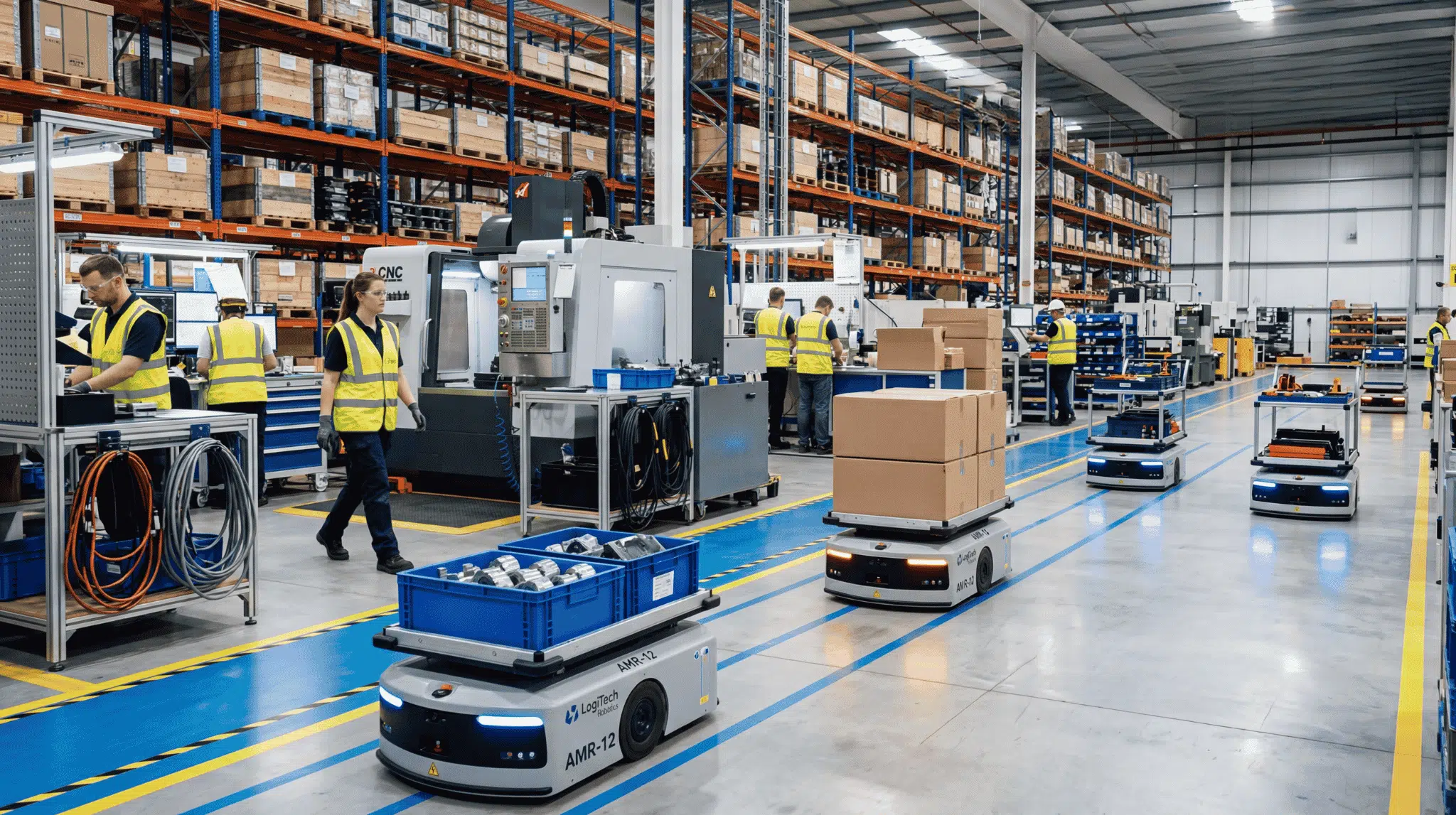
Autonomous mobile robots move materials throughout factories without the need for fixed tracks or guided paths.
Using sensors and navigation systems, they can travel between workstations while avoiding obstacles along the way.
These robots are commonly used for transporting raw materials, tools, components, and finished products. They play an important role in internal logistics and smart warehouse operations by improving material flow and reducing delays.
As a result, factories can keep production moving more smoothly and use labor resources more effectively.
Challenges of Robotics in Manufacturing
It offers many benefits, but it also comes with some challenges. Manufacturers need to plan carefully before adding robots to the factory floor.
1. High Initial Investment: Robots, setup, software, safety systems, worker training, and maintenance can be costly at the start. This can be harder for small and mid-sized manufacturers.
2. Skill Gaps in the Workforce: Workers may need training in robot programming, repair, monitoring, and basic troubleshooting. Without the right skills, robots may not deliver full value.
3. Integration With Existing Systems: Older factories may need upgrades before robots can work well with current machines, software, and production lines.
4. Maintenance and Downtime Risks: Robots need regular checks and skilled support. Poor maintenance can stop production and lead to costly delays.
5. Worker Concerns About Job Changes: Robotics can change job roles. Some manual tasks may be reduced, while new roles in supervision, safety, and maintenance may grow. Reskilling and safer human-robot collaboration can help workers adjust.
Future of Robotics in Manufacturing
The future of robotics is moving toward smarter, safer, and more flexible factory work. Manufacturers may use robots that can handle more tasks, adjust more quickly, and maintain steady production.
Collaborative robots may become more common because they can work near people and help with assembly, packing, and inspection.
AI-powered robots may also support better quality checks, problem detection, and process control.
Autonomous mobile robots can help move parts, tools, and finished goods across factory floors. This can improve material flow and reduce delays.
Wrapping Up
Robotics in manufacturing now helps factories improve speed, safety, quality, and control. Robots support key tasks like welding, assembly, inspection, packaging, and material handling with steady, accurate performance.
This matters because manufacturers need to reduce errors, save time, and use resources wisely. Still, success depends on careful planning, worker training, and regular maintenance.
For any business considering robotics, the next step is to review current factory tasks and find where automation can add real value.
Frequently Asked Questions
What Robot is Most Commonly Used in Manufacturing?
Articulated robots are most common in manufacturing. They handle welding, assembly, painting, and material handling with flexible movement.
Who are the Big 4 in Robotics?
The Big 4 in robotics are ABB, FANUC, KUKA, and Yaskawa.
Will AI Replace Robotics Engineers?
AI will not fully replace robotics engineers. It may automate some tasks, but engineers will still design, test, maintain, and improve robotic systems.