


Hotel WiFi rarely works the way it should. The login screen pops up on every device, the connection lags during a video call, and a public network often leaves personal data exposed to nearby strangers.
That frustration is common among travelers who just want a stable, private connection without the hassle. A travel router solves this problem simply.
It takes an existing internet source, such as hotel WiFi or an Ethernet cable, and turns it into a private, secure network built just for personal devices.
This blog breaks down what a travel router actually is, how it works, and how to get wifi anywhere, whether at a hotel, an airport, or a rental property.
What is a Travel Router?
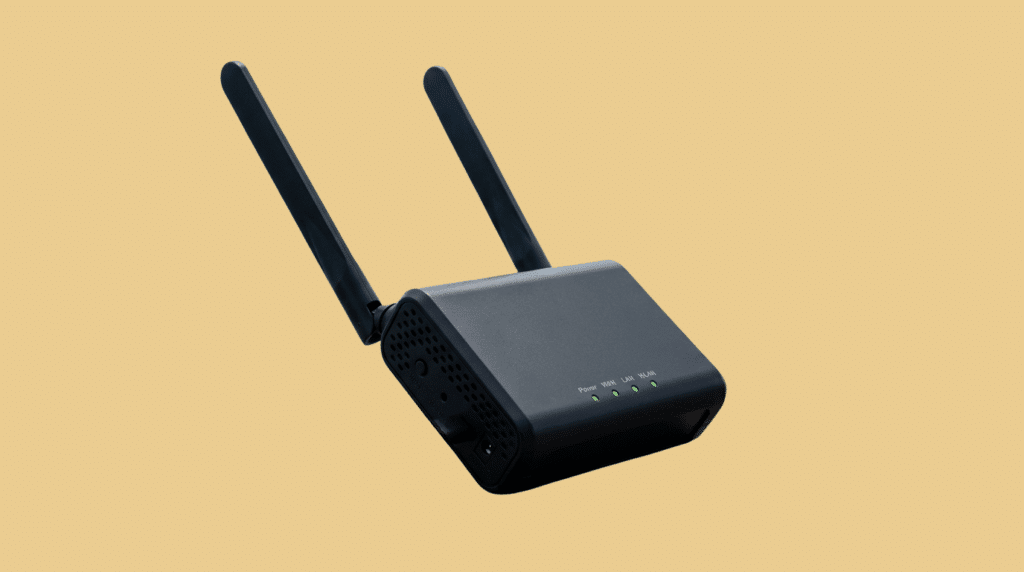
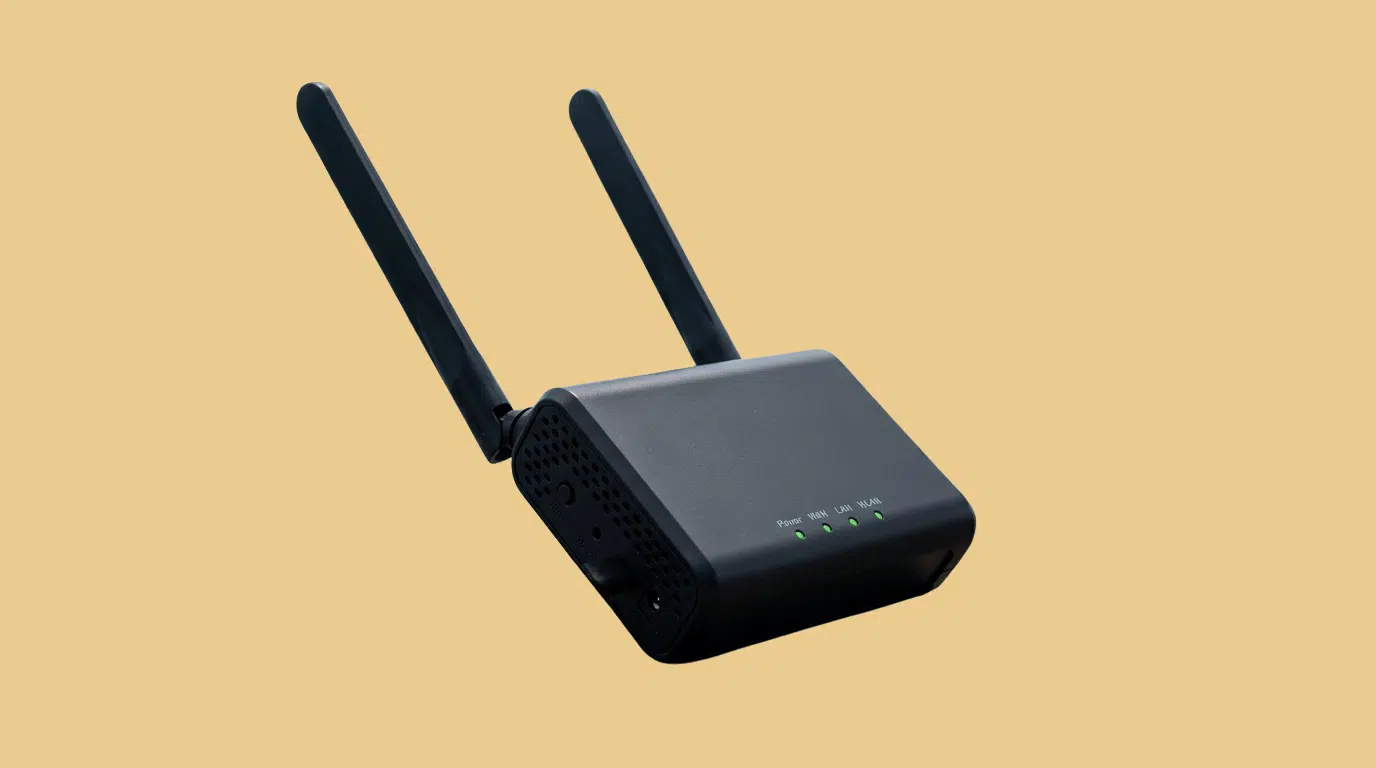
A travel router is a small, portable device that creates a personal WiFi network using an existing nearby internet connection.
Instead of relying on a hotel’s shared network or a crowded airport hotspot, the device pulls that signal in and turns it into a private one for personal use.
It looks nothing like a bulky home router. Most models fit in a jacket pocket and weigh less than a smartphone. A travel router also differs from a pocket WiFi or MiFi device.
Those gadgets generate internet access on their own through a cellular plan, while a travel router connects to networks that already exist, whether that’s hotel WiFi, an Ethernet jack, or a phone’s hotspot.
How Does a Travel Router Work?
A travel router works in three straightforward steps. Each one builds on the last, starting with a signal and ending with a secure connection.
- It connects to an Existing Network: The device connects to the nearest available internet source. That could be hotel WiFi, an Airbnb router, an Ethernet port behind the TV, or even a mobile hotspot from a phone.
- It creates a Private Network: Once connected, the router broadcasts its own network name and password. Every device joins this single network instead of handling separate logins over a shared, public connection.
- It Secures the Connection: Many travel routers come with built-in VPN support, a firewall, and encryption. Public networks rarely offer any of that protection on their own, so this step matters more than it might seem at first glance.
When Should You Use a Travel Router?
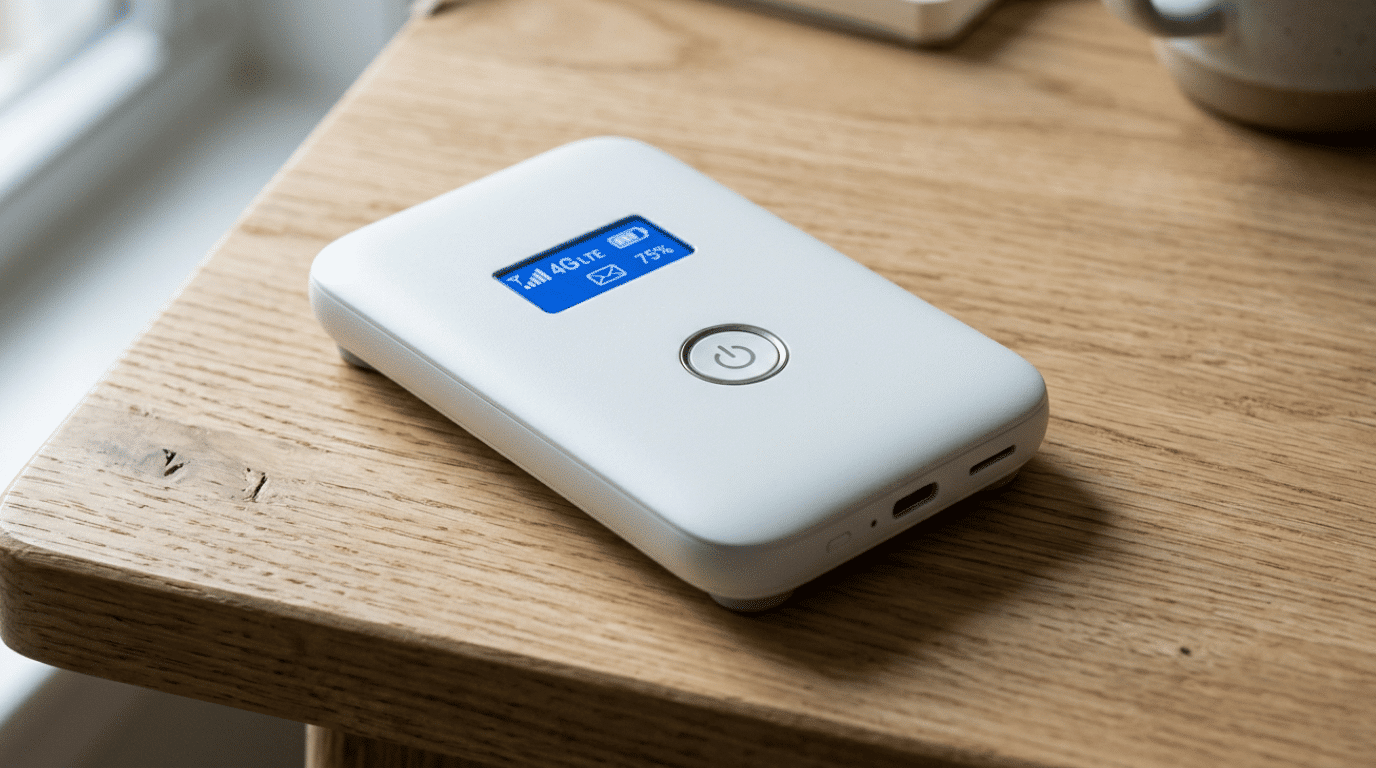
A travel router makes the most sense in places where the WiFi is shared, unreliable, or hard to trust.
Hotel Stays
Hotel stays remain the most common reason travelers carry a travel router. Properties often require a separate login for every device, and the shared network slows down once dozens of guests connect at the same time.
A travel router solves both problems by creating a single private network for the entire room. This works especially well on trips lasting more than a night or two, where the convenience adds up fast.
Airbnb Rentals
Many Airbnb hosts rely on basic, outdated routers that struggle once several guests connect their phones, laptops, and streaming devices at once.
A travel router replaces that weak signal with a private network built for the duration of the stay. It also removes any guesswork about how secure the host’s setup actually is, which matters for guests handling work tasks or personal accounts during a longer rental period.
Airport Layovers
Long layovers between flights often mean hours spent on public airport WiFi, which rarely offers strong security. A travel router gives travelers a private connection during that downtime, useful for catching up on emails or streaming a show while waiting.
It also avoids the repeated login screens that many airport networks require, saving time during a stretch that already feels long enough.
Coworking Spaces and Coffee Shops
Shared workspaces and coffee shops attract a steady stream of strangers who use the same public network, which increases the risk for anyone handling sensitive files or client information.
A travel router adds a layer of separation between personal devices and everyone else on that connection. This matters most for remote workers and freelancers who spend hours logged in while traveling for work or leisure.
Cruise Ships and Extended Business Trips
Cruise ships often charge high rates for spotty onboard WiFi, and extended business trips involving several devices can quickly get complicated without a private setup.
A travel router helps manage multiple devices over a single connection instead of requiring separate logins for each. It also keeps things consistent across ports of call or city-to-city stops during a longer business itinerary.
Travel Router vs. Mobile Hotspot vs. Regular Router
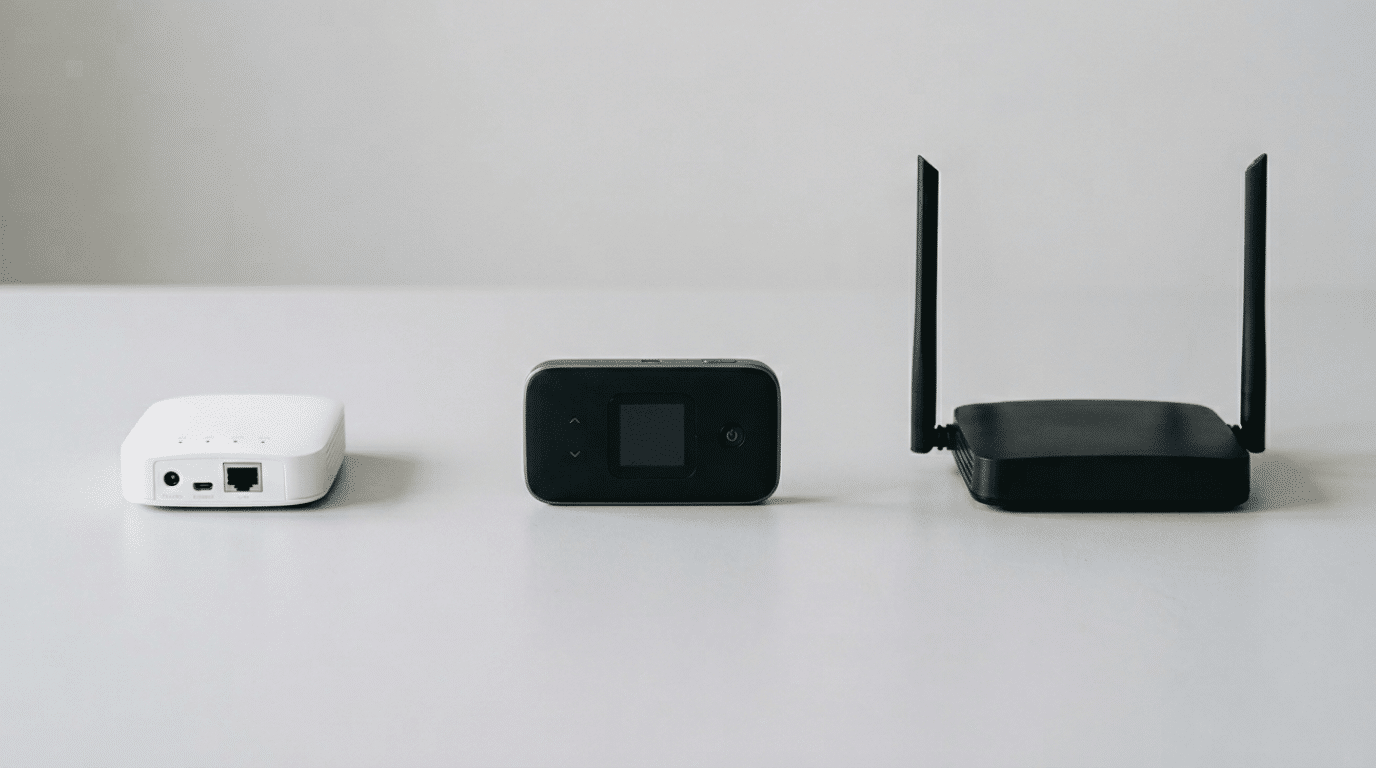
Each option fits a different travel need, with trade-offs in portability, security, and cost.
| Feature | Travel Router | Mobile Hotspot | Regular Router |
|---|---|---|---|
| Portability | High | High | Low |
| Internet Source | Existing network or cable | Cellular data | Home internet line |
| Security | Strong, with VPN support | Moderate | Strong, fixed location |
| Cost | Moderate | Ongoing data cost | One-time, higher price |
| Best Fit | Hotel or public WiFi use | Areas without WiFi access | Permanent home setup |
What is a Ubiquiti Travel Router?
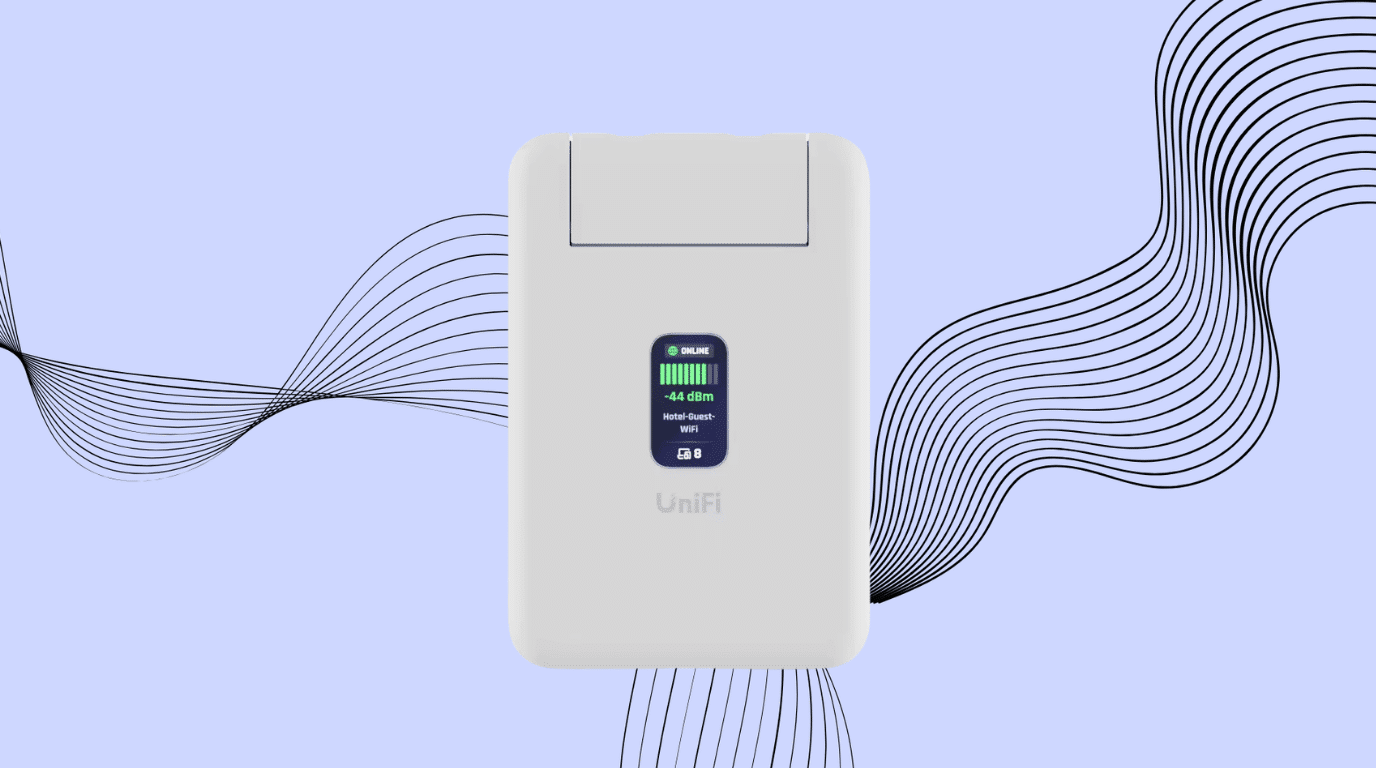
Ubiquiti makes a line of travel routers aimed at people who want more control and stronger performance than typical consumer models provide.
These devices combine compact hardware with app-based management, so travelers can check and adjust network settings right from a phone.
Build quality sets a Ubiquiti travel router apart from cheaper alternatives on the market. So does the firmware, which tends to stay reliable over long trips and frequent use.
Remote workers, IT professionals, and frequent flyers often lean toward this brand when a dependable connection matters more than saving a few dollars.
Who Actually Needs a Travel Router?
A travel router fits a range of travel styles, not just one type of trip.
- Business Travelers: Those who switch hotels every few days benefit most from a consistent network name and password instead of new logins each time.
- Remote Workers: To gain a more stable connection for video calls and large file transfers, which matters when deadlines don’t pause for spotty Wi-Fi.
- Families: Those Who Are Traveling with Several Streaming Devices Can Skip the Hassle of Juggling Multiple Browser Logins.
- RV and Van Life Travelers: to get a steady way to stay online while moving between campsites and parking spots.
- Privacy-Conscious Travelers: Those who worry about the safety of open wi fi gain a real layer of protection that wasn’t there before.
Benefits of a Travel Router
A travel router simplifies hotel and airport logins, connects browser-free devices, and adds a layer of privacy on public networks.
- Cuts down repeated logins to just one, covering every device on the network at once.
- Let devices without a browser, like smart TVs or game consoles, connect without extra steps.
- Adds a layer of privacy on shared public networks where many strangers connect at once.
- Helps protect banking apps, work documents, and personal messages while traveling.
Things to Consider Before Buying a Travel Router
A few practical factors decide whether a travel router actually earns its space in a suitcase.
1. Speed: Depends entirely on the source network, so a sluggish hotel connection stays sluggish no matter how good the router is.
2. Battery Life: Matters for portable models used away from outlets for hours at a time.
3. Device Limit: Some routers cap the number of devices that can connect at once, which matters for families or shared travel setups.
4. Compatibility: Not every router works smoothly with every hotel or rental network, so checking reviews ahead of time helps avoid surprises.
5. VPN support: Built-in VPN options add an extra layer of privacy on shared networks, which matters most for anyone working or banking on the go.
Wrapping up
Spotty connections and shared networks tend to follow travelers wherever they go, and a travel router changes that experience for good.
It turns a borrowed signal into something a traveler can actually trust and call their own.
For anyone wondering how to get WiFi anywhere, this small device handles the job quietly in the background, no matter the destination.
Picking the right one comes down to matching a model to real habits on the road, not chasing the flashiest option on the shelf. A little research before the next departure date makes that decision much easier.
Frequently Asked Questions
Do You Have to Pay Monthly for a Portable Wi Fi Router?
Not always. A travel router itself has no monthly fee. Costs apply only if the device uses a cellular SIM card that requires a data plan.
How Does a Travel Router Get Wi-Fi?
A travel router connects to an existing internet connection, such as hotel wi-fi, an Ethernet cable, or a phone hotspot, then rebroadcasts it as a private network.
What Material Can Block Wi-Fi?
Concrete, brick, metal, and thick glass weaken or block wi fi signals. Mirrors, water-filled objects, and dense walls also interfere with signal strength indoors.
Can You Get Wi-Fi without an Internet Provider?
Yes, options like mobile hotspots, public Wi-Fi, satellite internet, or a SIM-based travel router provide internet access without a traditional home internet provider or a fixed contract.