


Most households pay for internet speeds they never fully use, and upgrading to a 1 Gig plan can feel like a gamble.
You should not have to wonder if your monthly bill matches what you actually need.
A 1 Gig connection handles a lot, but it is not the right fit for every home.
This is a clear look at how fast 1 Gig really is in daily use, who benefits most from it, how it compares to lower-speed plans, and when the extra cost actually makes sense for your household.
What is 1 Gig Internet?
A 1 Gig plan delivers up to 1,000 Mbps of download speed to your home. That is enough to stream 4K on multiple TVs, run video calls, browse on several devices, and download apps without any noticeable delay.
For a household of three to five people, it handles everyday online activity with room to spare.
Game installs that once took hours finish in minutes. Upload speeds vary depending on the provider and connection type.
Fiber plans usually offer faster upload speeds than cable plans. For most homes, this tier comfortably covers daily needs without paying extra for unused bandwidth every month.
How Fast is 1 Gig Internet for Real-World Tasks?
Raw speed numbers only mean something when compared against what people actually do online. Here is how 1 gig internet holds up across common household activities:
| Activity | Typical Speed Needed | Can 1 Gig Handle It? |
|---|---|---|
| 4K streaming | 25 Mbps | Yes, multiple streams |
| Video calls | 3–5 Mbps | Easily |
| Gaming | 3–25 Mbps | Yes |
| Large downloads | Uses available bandwidth | Very fast |
| Smart home | 1–5 Mbps/device | Easily |
| Smart home devices (cameras, speakers) | 1–5 Mbps each | Easily handles 20+ devices simultaneously |
How Much is 1 Gig of Internet in Daily Use?
The phrase how much is 1 gig of internet can mean two things. Some people mean the speed amount, while others mean the monthly cost.
For speed, 1 gig means around 1,000 Mbps. That is far more than one stream, one game, or one video call needs. The value comes from having enough room for many users and tasks at the same time.
Costs vary by provider, area, contract, and connection type. Fiber may cost more in some places, but it often offers higher upload speeds. Cable can be cheaper, but upload speed may be much lower.
Before picking a plan, compare:
- Monthly price after discounts end
- Equipment rental fees
- Installation fees
- Upload speed
- Data caps
- Contract terms
- Price difference between 500 Mbps and 1 gig
What is 1 Gig Internet Good For?
A gigabit plan is well-suited to homes that place steady pressure on the network. It is not only about one person doing one big task. It is about several people using the connection at once.
Gaming

For active gameplay, 1 gig of internet is more than any gamer needs. Online gaming uses between 3 and 25 Mbps, depending on the game, so even a 100 Mbps plan handles it without issue.
What actually determines gaming performance is latency (ping), not download speed. Where 1 Gig genuinely helps is downloads.
A 100 GB AAA game on a 100 Mbps connection takes over two hours to download. On a 1 Gig connection, the same download finishes in under 15 minutes.
Streaming

Streaming is one of the lower-bandwidth activities on this list. A single 4K stream on Netflix uses about 25 Mbps, and a three-screen household needs roughly 75 Mbps total.
For streaming alone, 1 gig internet is overkill. It starts making sense when streaming combines with gaming, video calls, and smart home devices, or when future-proofing for 8K content matters.
Working from Home
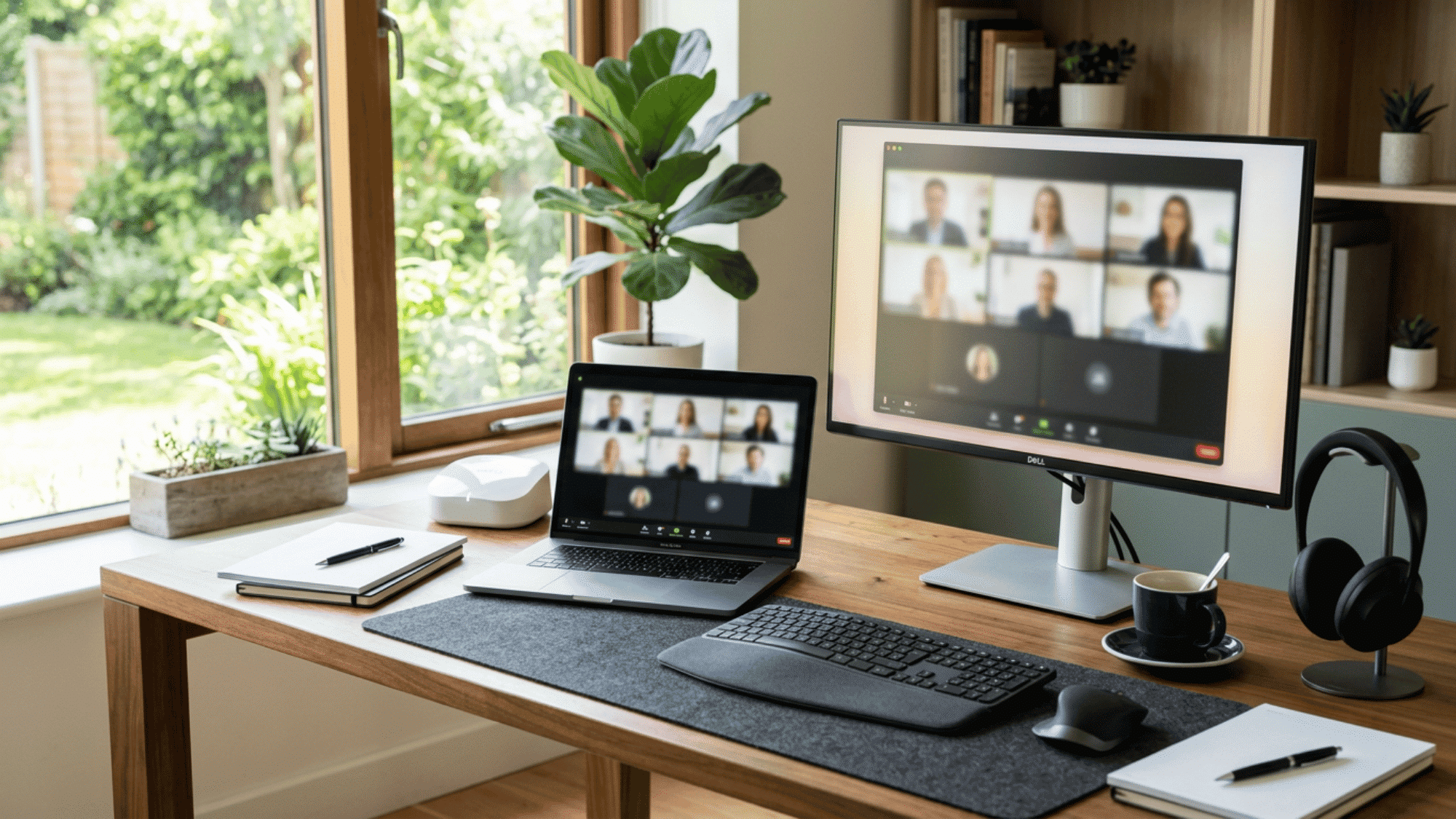
Video calls on Zoom or Microsoft Teams use 3 to 5 Mbps of upload speed per participant. A single remote worker on a cable-based 1 Gig plan handles that fine.
The real gap shows up for households with two people on calls simultaneously, uploading large files, and running a VPN. For that setup, a fiber-based 1 Gig plan with symmetric upload speeds is the stronger choice.
Large Households
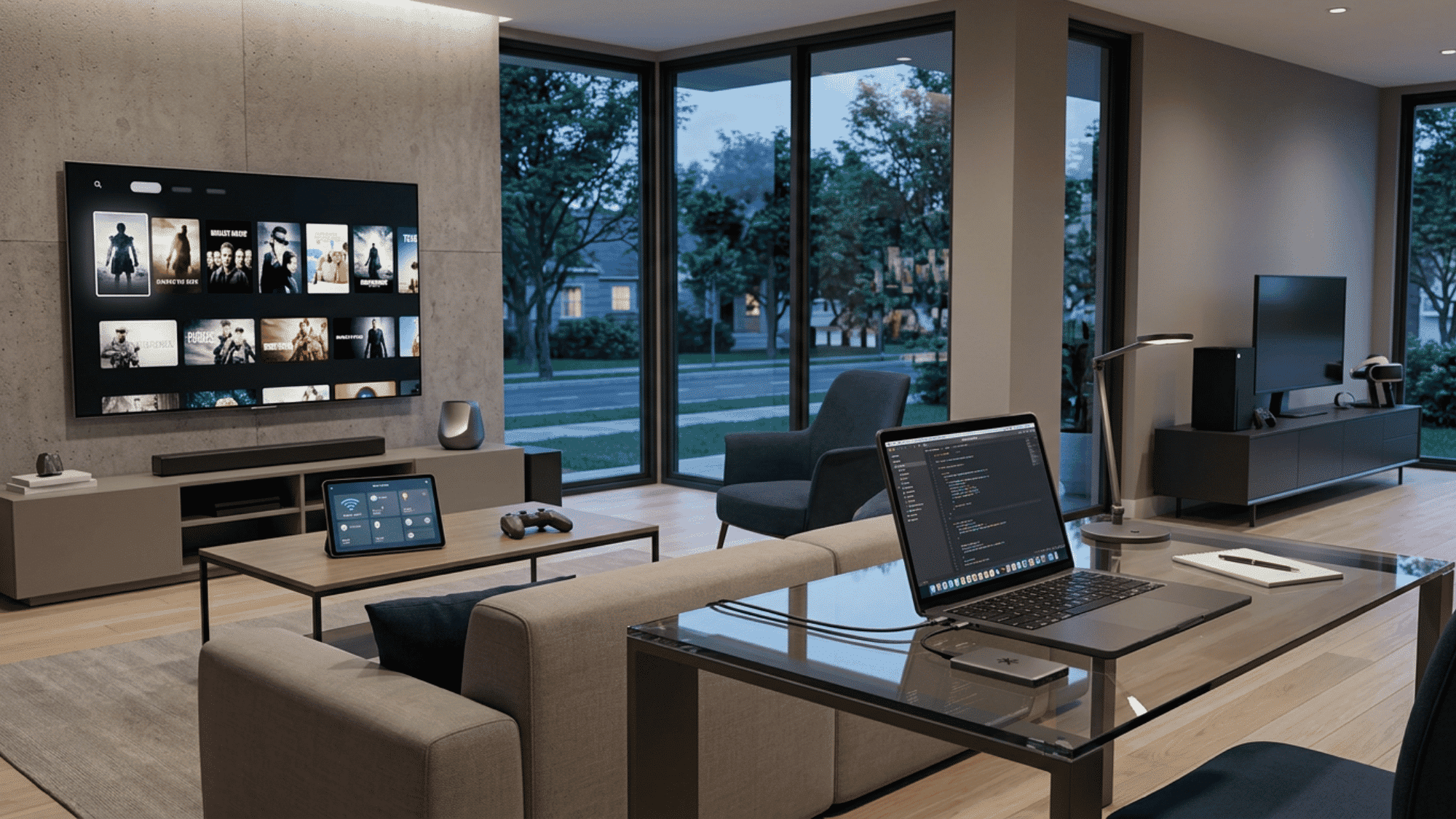
Homes with multiple people online at the same time often gain the most from a 1-gig connection.
While one person attends virtual meetings, another may play online games, others might stream ultra-high-definition content, and connected devices continue operating throughout the day.
This added capacity helps maintain smooth performance and reduce slowdowns during peak internet activity.
Smart Homes
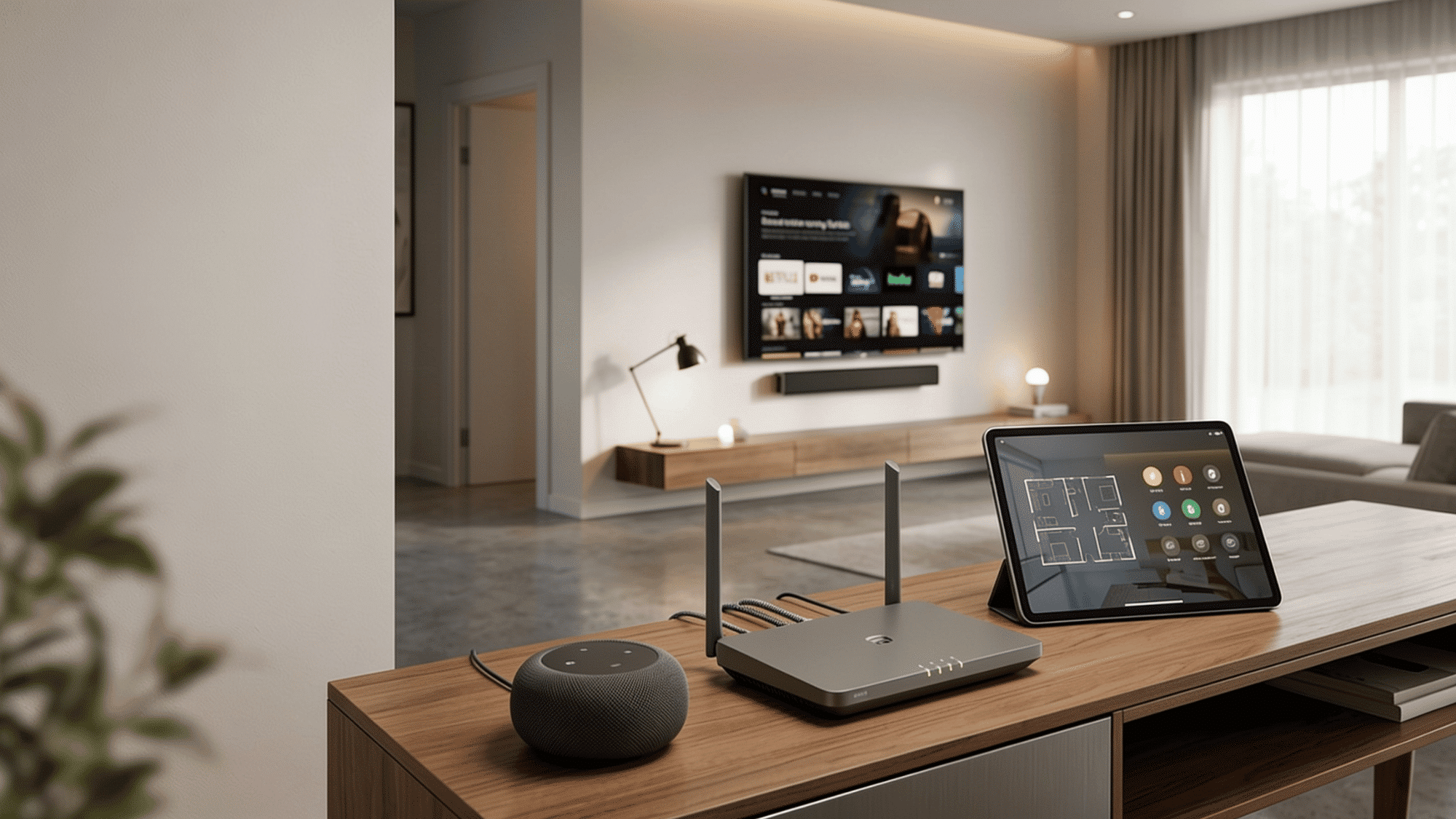
Smart bulbs, speakers, and similar gadgets consume minimal bandwidth.
However, devices such as security cameras, smart televisions, video doorbells, and tablets can place greater demands on a network, particularly when they transmit or stream video content.
While having numerous connected devices does not automatically require a gigabit plan, higher speeds can be beneficial when combined with activities like streaming, remote work, online gaming, and other data-heavy tasks occurring simultaneously.
The Wi-Fi Problem That Limits Most Gigabit Plans
Most homes cannot actually pull 1 Gig speeds over Wi-Fi. A Wi-Fi 6 router tops out at 500 to 800 Mbps in real conditions, and older hardware, thick walls, or interference from nearby networks bring that down further.
The only way to get close to full gigabit speeds on a single device is a wired Ethernet connection. Phones, tablets, and laptops on Wi-Fi will consistently land below that ceiling regardless of the plan.
The practical takeaway: if upgrading to a 1 Gig plan, a Wi-Fi 6 or Wi-Fi 6E router is a worthwhile investment.
Without it, the plan’s ceiling does not translate to real-world performance for wireless devices in the home.
Is the Price Justified?
Gigabit internet plans in the United States typically run between $50 and $90 per month. Fiber-based options from AT&T Fiber, Google Fiber, and Verizon Fios often sit at the lower end of that range.
| Speed Tier | Best For | Typical Monthly Cost (US) |
|---|---|---|
| 100–300 Mbps | 1–2-person households; light streaming and browsing | $30–$50 |
| 500 Mbps | Small families; moderate gaming; HD/4K streaming | $45–$65 |
| 1 Gig (1,000 Mbps) | Large households; WFH + gaming + streaming combined | $50–$90 |
| 2 Gig+ | Content creators, home servers, and multi-person remote work | $80–$150+ |
1 Gig vs. 500 Mbps: Which One Makes More Sense?
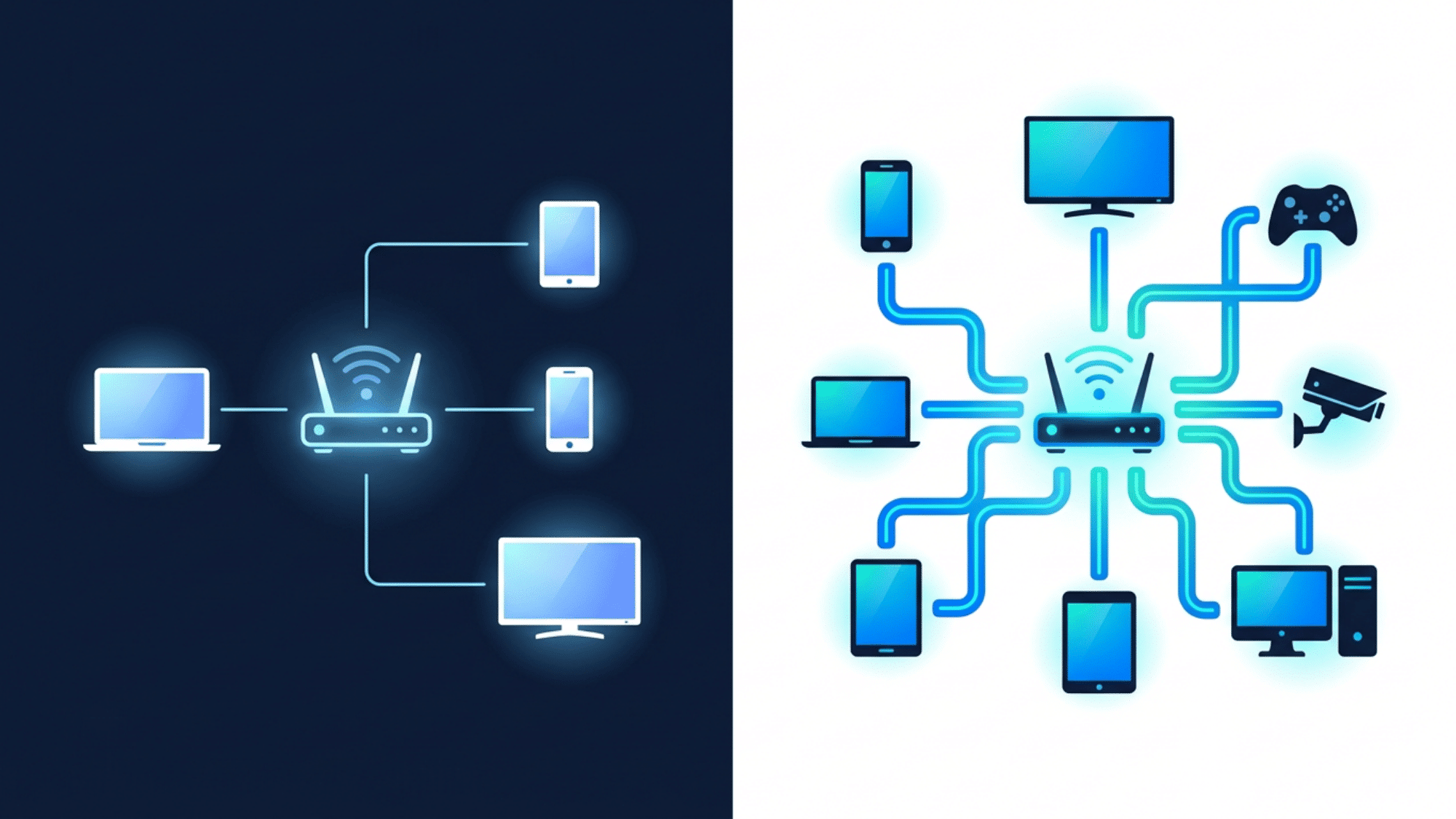
For most households, 500 Mbps is the more cost-effective choice. It supports four to five simultaneous users across streaming, gaming, and browsing without any noticeable slowdown.
The real-world performance gap between 500 Mbps and 1 Gig is negligible for everyday tasks. A webpage loads just as fast, and a video call is just as clear.
The case for upgrading to 1 Gig comes down to two situations: either five or more people are all online at the same time doing bandwidth-heavy tasks, or someone in the household regularly downloads very large files.
Outside of those two scenarios, 500 Mbps is the smarter spend for most homes.
5G Home Internet vs. 1 Gig Fiber: Not the Same Thing
Both options can hit gigabit speeds on paper, but the day-to-day experience between them differs significantly.
| Factor | 5G Home Internet | 1 Gig Fiber |
|---|---|---|
| Speed consistency | Varies based on tower proximity and congestion | Consistent, close to advertised speeds at all times |
| Real-world speeds | Often 100 to 500 Mbps in practice | Reliably near 1,000 Mbps |
| Affected by interference | Yes, building materials and network congestion impact performance | No, light signals are not affected by distance or interference |
| Infrastructure type | Wireless signal from nearby towers | Fiber-optic cables carrying data as light |
| Best for | Areas without fiber access | Households that prioritize reliability and full speeds |
Who Should Get 1 Gig Internet and Who Should Not?
Here is a clear breakdown based on household type and usage:
Get 1 Gig Internet If:
- Five or more people in the household are regularly online at the same time
- One or more people work from home and upload large files, or are frequently on video calls
- The household has active gamers who download large titles regularly
- There are 15 or more smart home devices connected to the network
- A fiber-based 1 Gig plan is available at a similar price to a 500 Mbps plan
- Future-proofing the connection for three or more years is a priority
Skip 1 Gig Internet If:
- The household has one or two people who mostly stream, browse, and check email
- A 300 to 500 Mbps plan is meaningfully cheaper from the same ISP
- The building or home’s Wi-Fi infrastructure is outdated and will not support gigabit speeds wirelessly
- The ISP offers cable-based 1 Gig with very low upload speeds, and the household is upload-dependent
Final Verdict
Is 1 gig internet good for your home? For many households, the answer is yes.
A gigabit connection provides ample bandwidth for activities such as streaming, online gaming, video meetings, smart home technology, and large file transfers.
If you are wondering how fast 1 gig internet is, it offers speeds of up to 1,000 Mbps under ideal conditions.
However, the value of 1 gig of internet depends on your budget and usage habits. Lighter users may find a lower-tier plan sufficient, while larger households can benefit from the added capacity.
Have you experienced a gigabit plan? Share your thoughts or questions in the comments below.
Frequently Asked Questions
Does 1 Gig Internet Improve Video Call Quality?
Video calls require 3 to 5 Mbps of upload bandwidth per person. A 1 Gig fiber plan helps, but cable-based gigabit upload speeds often limit call quality.
Does 1 Gig Internet Reduce Buffering on Smart T Vs?
Buffering is usually caused by server load or Wi-Fi signal issues, not plan speed. Upgrading to 1 Gig rarely fixes buffering on its own.
Can a Standard Modem Handle 1-Gigabit Internet Speeds?
Most ISP-provided modems support gigabit speeds, but older personal modems may bottleneck performance. Checking modem compatibility before upgrading saves unnecessary troubleshooting later.