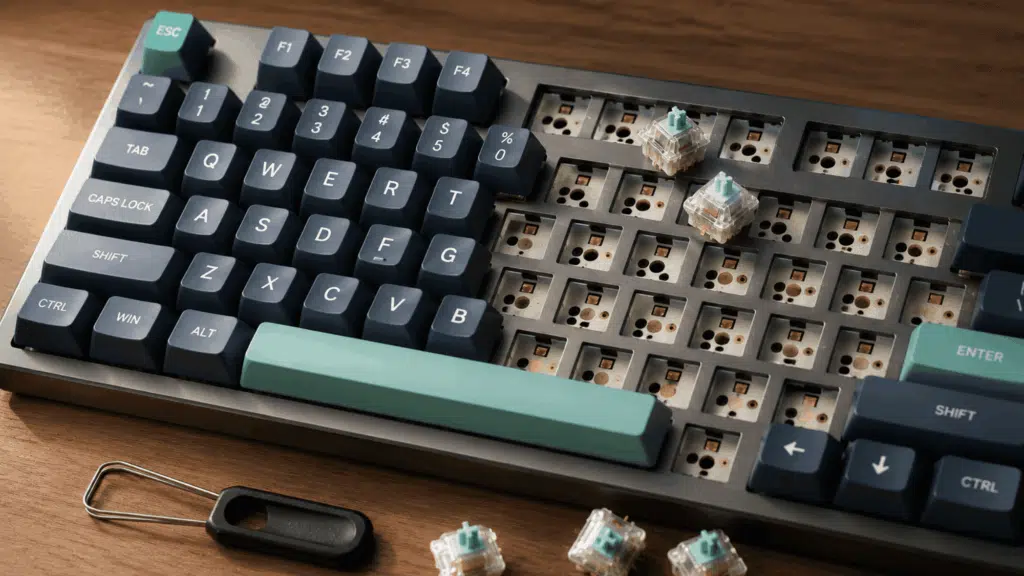
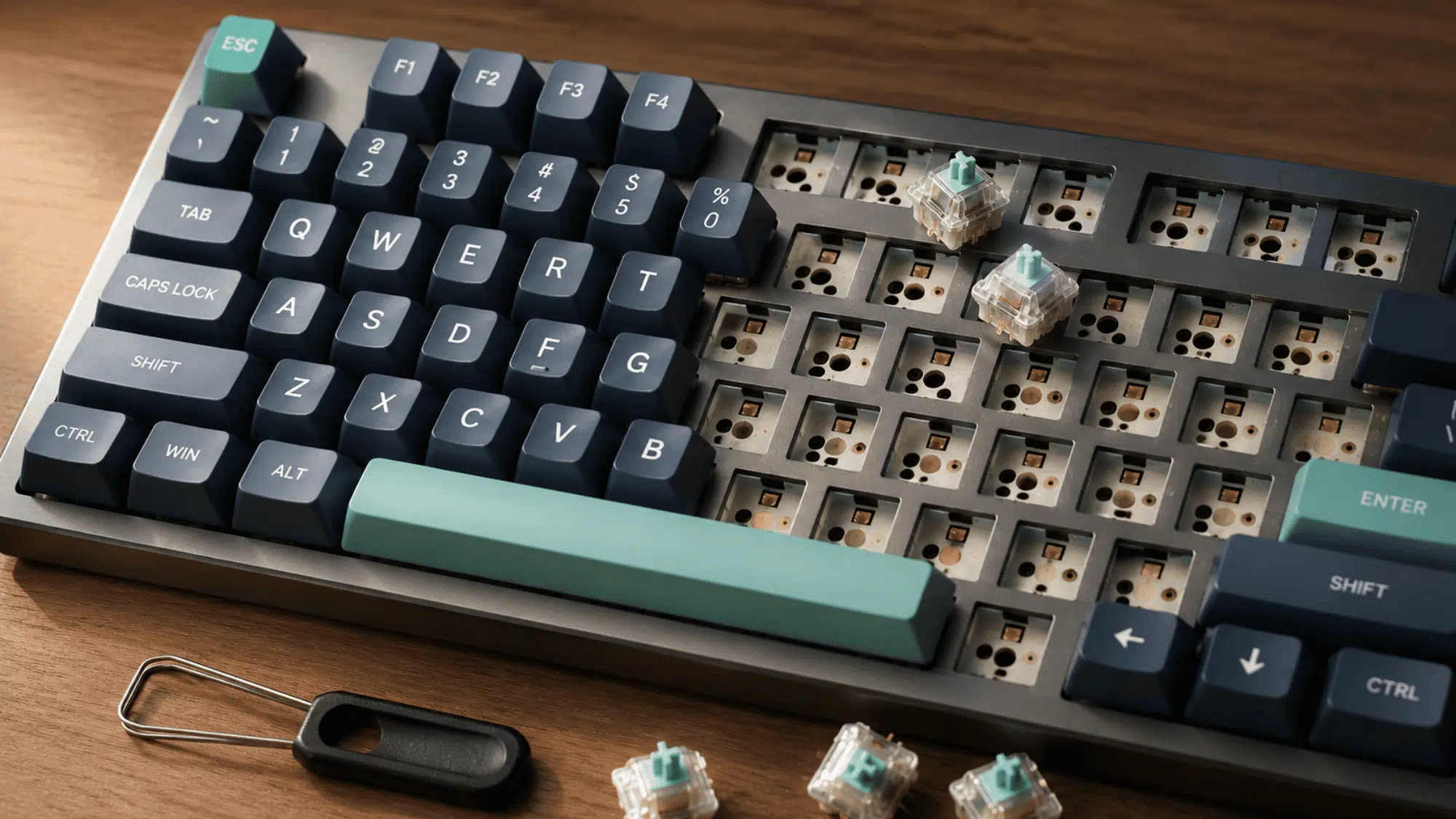



Hot-swappable keyboards have become the go-to pick for beginners and longtime typing fans alike. Switches snap in and out without solder, so anyone can test new feels in minutes instead of hours.
That single feature changes how a keyboard sounds, feels, and performs during long work sessions or fast gaming rounds.
Gamers want speed, programmers want comfort, office users want quiet typing, and hobbyists want full control.
This blog covers all four groups and breaks down what matters before buying. Browse the picks below by budget and use case to find the right board for daily use.
Why Choose a Hot-Swappable Keyboard?
Hot-swappable keyboards offer real, lasting benefits beyond a passing trend in the hobby.
Switch replacement takes minutes with no soldering iron required, keeping the process accessible for casual users.
Boards last longer since damaged switches can be swapped instead of forcing a full replacement, and repairs stay simple even without electronics experience.
Customization remains nearly endless, with thousands of switch types available to match any feel or budget.
For beginners stepping into the mechanical keyboard hobby, a hot-swappable board removes the biggest barrier to entry, opening the door to years of easy experimentation and growth.
What to Look for in a Hot-Swappable Keyboard
Eight technical factors decide comfort, sound, durability, and satisfaction long after purchase, so skipping any one often leads to regret.
1. Keyboard Layout: Choose a layout (60%, 75%, TKL, or full-size) that matches your workflow, gaming style, and desk space.
2. Switch Type: Pick linear, tactile, or clicky switches based on your preferred typing feel and sound.
3. Build Quality: Aluminum cases offer better durability and acoustics, while plastic models are lighter and more budget-friendly.
4. Connectivity: Decide between wired, Bluetooth, or 2.4 GHz wireless depending on whether you prioritize low latency or portability.
5. Customization Support: Look for QMK/VIA compatibility and hot-swap support if you plan to remap keys, swap switches, or customize your keyboard over time.
Best Hot Swappable Keyboards by Category
Finding the right hot-swappable keyboard depends on budget, use case, and personal feel across gaming, work, and customization.
1. KeychronQ1 HE
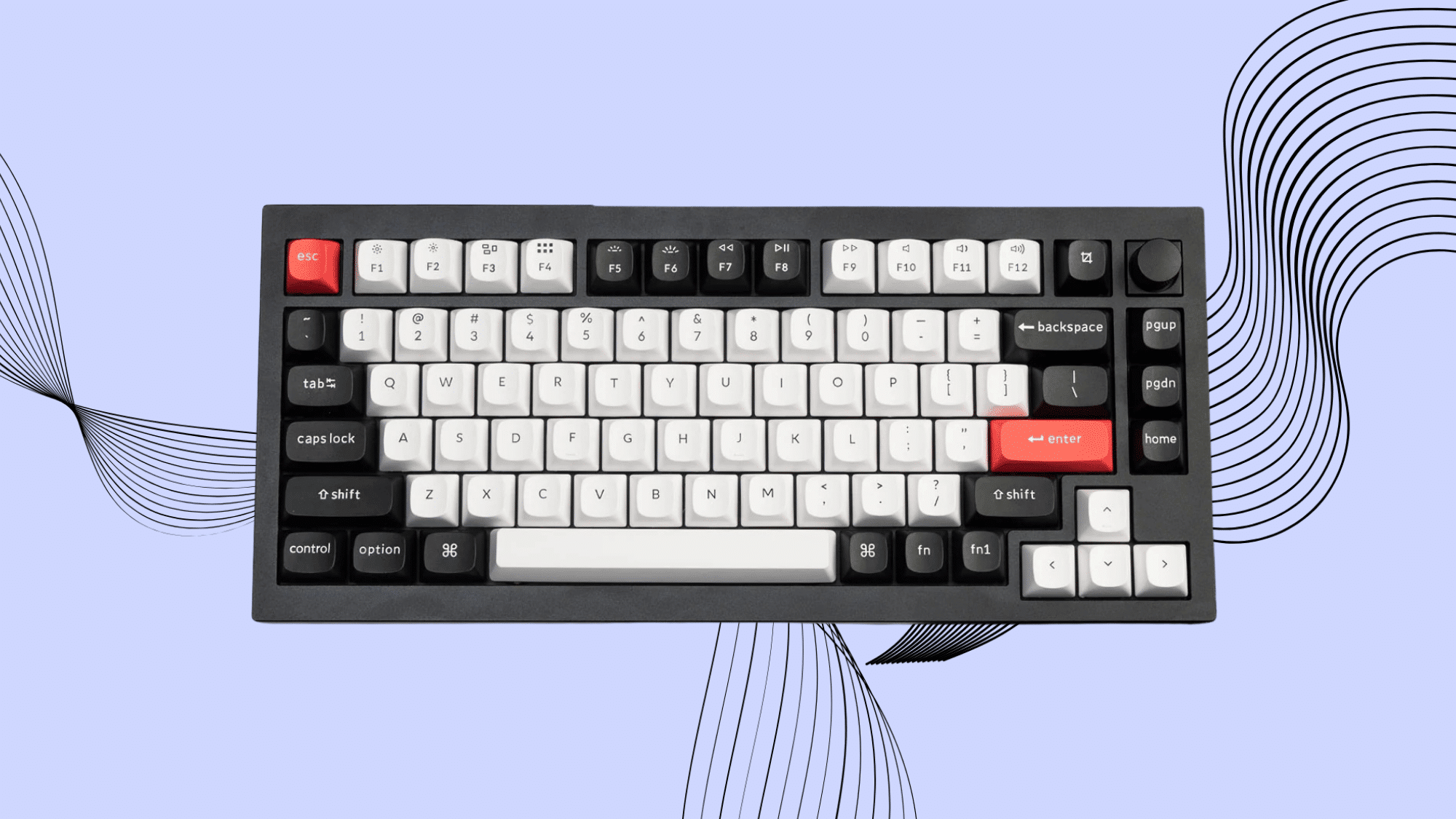
The Q1 HE pairs a sturdy aluminum frame with Hall-effect switch support, giving buyers durability and adjustable actuation in one board.
- Layout: 75%
- Switch Support: 3-pin and 5-pin, Hall Effect compatible
- Build Material: Full aluminum CNC case
- Wireless/Wired: Wired only
- Typing Experience: Dense, gasket-mounted feel with minimal flex
- Pros: Excellent build quality, adjustable actuation points, strong stock stabilizers
- Cons: No wireless option, heavier than most competitors, higher price than plastic alternatives
- Price Range: $150–200
2. Keychron V1
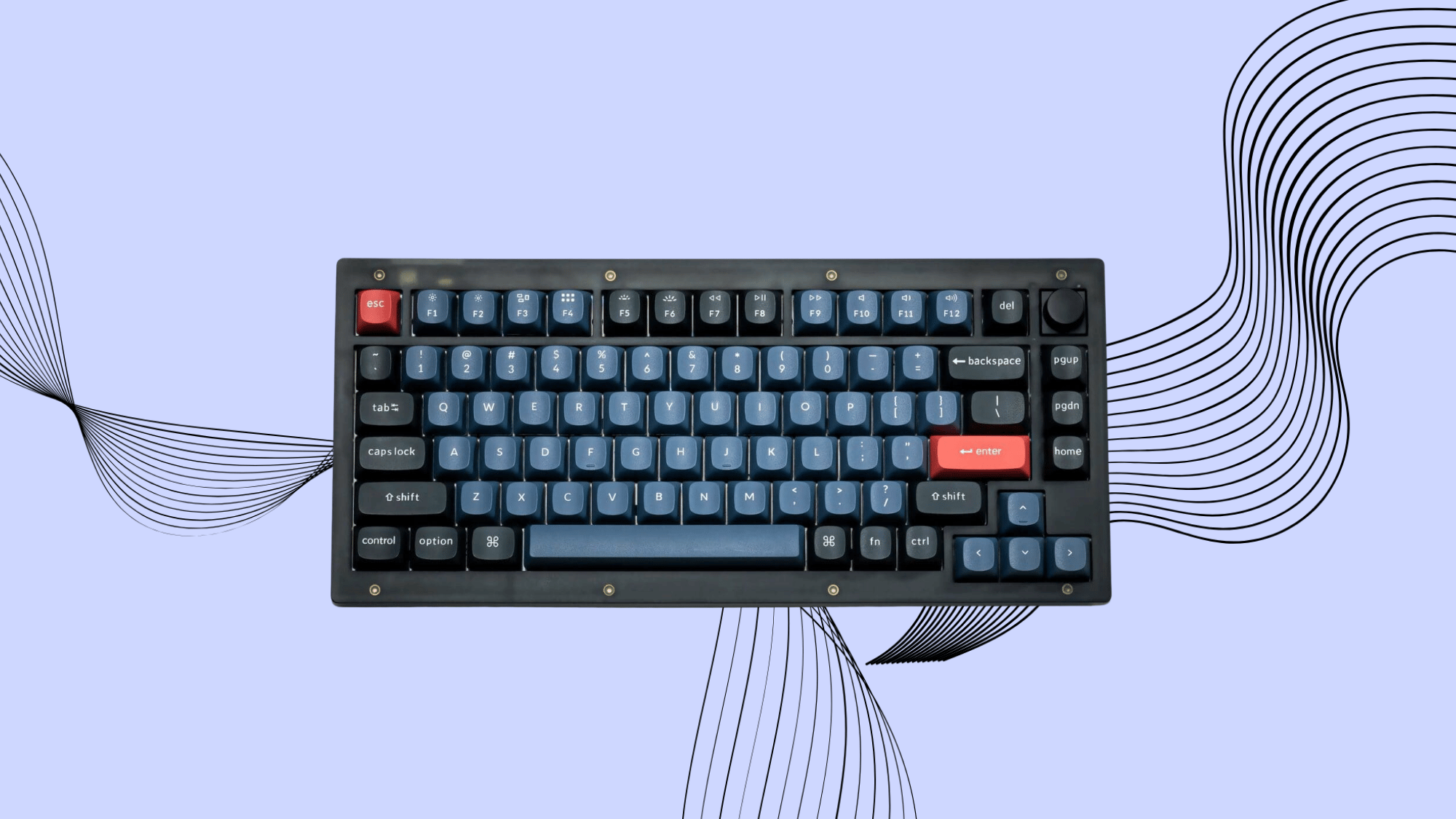
The V1 delivers gasket-mounted comfort and solid build quality at a price friendly to first-time buyers entering the hobby.
- Layout: 75%
- Switch Support: 3-pin and 5-pin
- Build Material: Plastic case with steel plate
- Wireless/Wired: Wired only
- Typing Experience: Soft, cushioned feel with light flex
- Pros: Affordable entry price, great stock stabilizers, beginner-friendly gasket mount
- Cons: Wired only, plastic case lacks a premium feel, no Hall Effect support
Price Range: $70–90
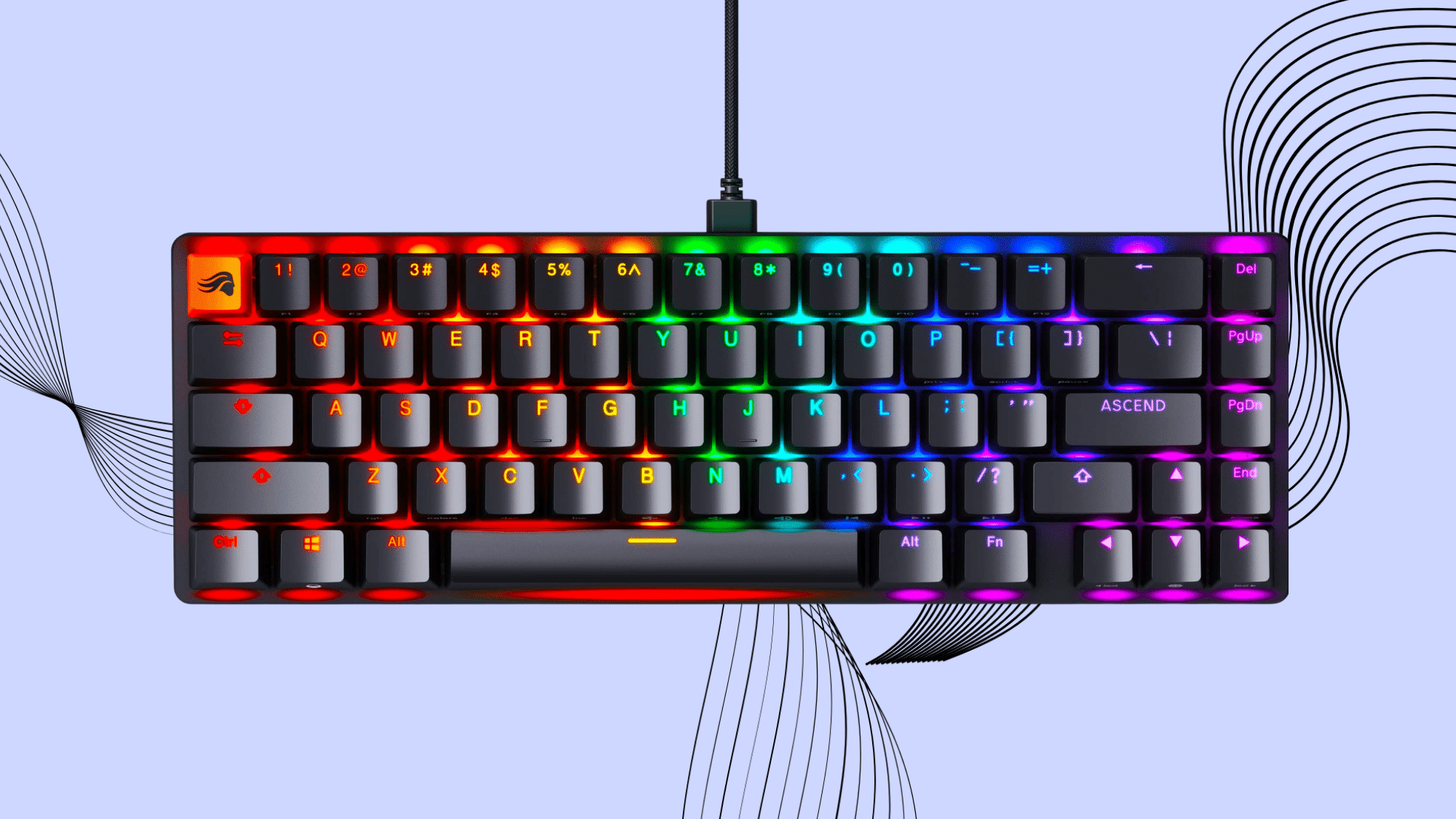
The GMMK 2 offers broad switch compatibility and a simple hot swap process, making it an easy entry point for new users.
- Layout: 75% and full-size options
- Switch Support: 3-pin and 5-pin
- Build Material: Plastic case, optional aluminum top
- Wireless/Wired: Wired only
- Typing Experience: Firm, stable with minor pre-lubed flex
- Pros: Wide switch compatibility, easy swap process, multiple layout options
- Cons: Stock stabilizers need improvement, software feels limited, and there is no wireless support
- Price Range: $80–120
4. ASUS ROG Azoth
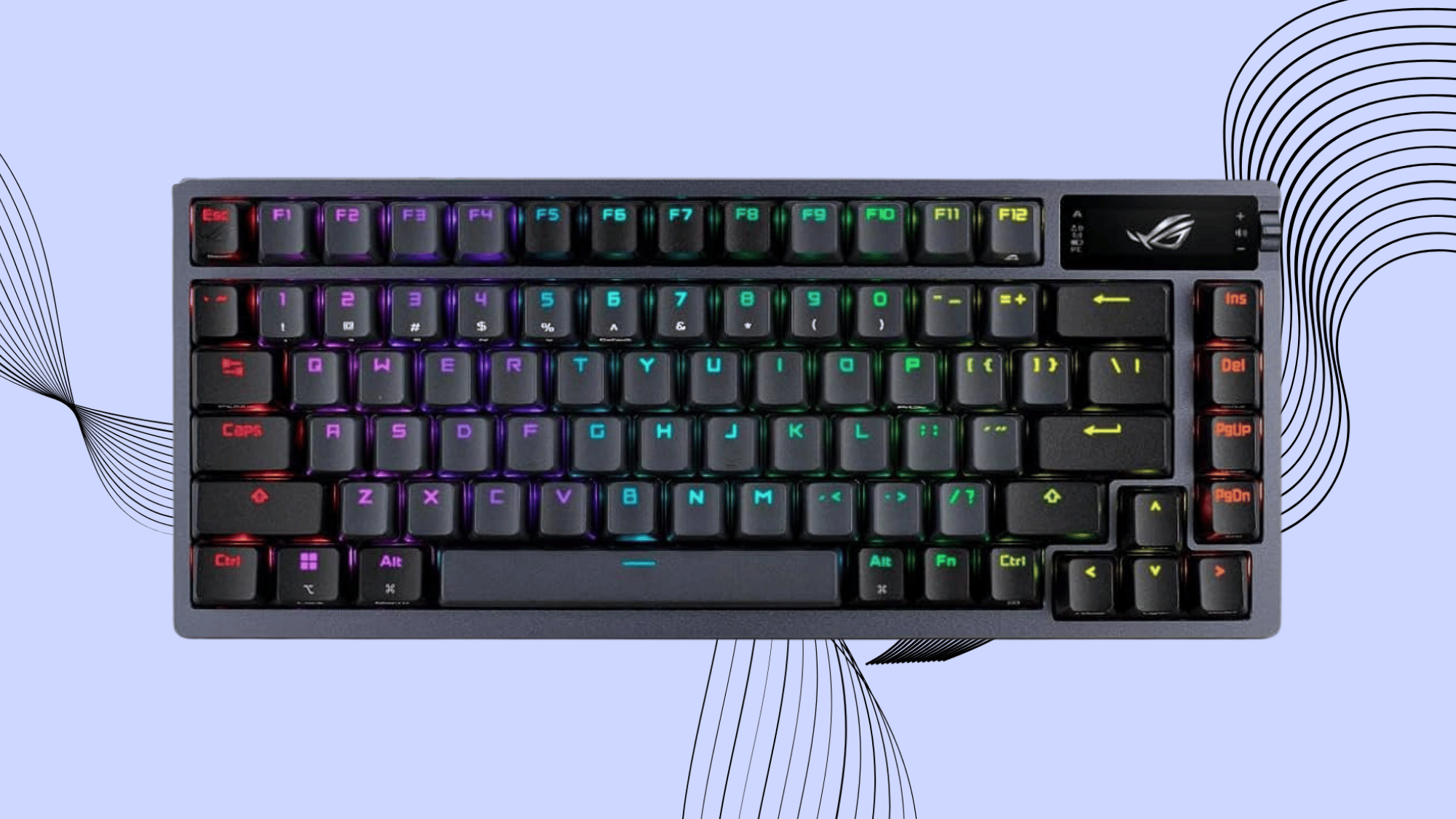
The ROG Azoth combines a gasket-mounted design with a built-in OLED screen and strong factory sound dampening for competitive players.
- Layout: 75%
- Switch Support: 3-pin and 5-pin
- Build Material: Aluminum top, plastic bottom case
- Wireless/Wired: Wired, Bluetooth, and 2.4GHz
- Typing Experience: Smooth, cushioned with dense, muted sound
- Pros: Tri-mode connectivity, built-in OLED display, strong factory sound tuning
- Cons: High price point, requires ROG Armory Crate software, plastic bottom reduces build consistency
- Price Range: $200–250
5. Epomaker TH80 Pro
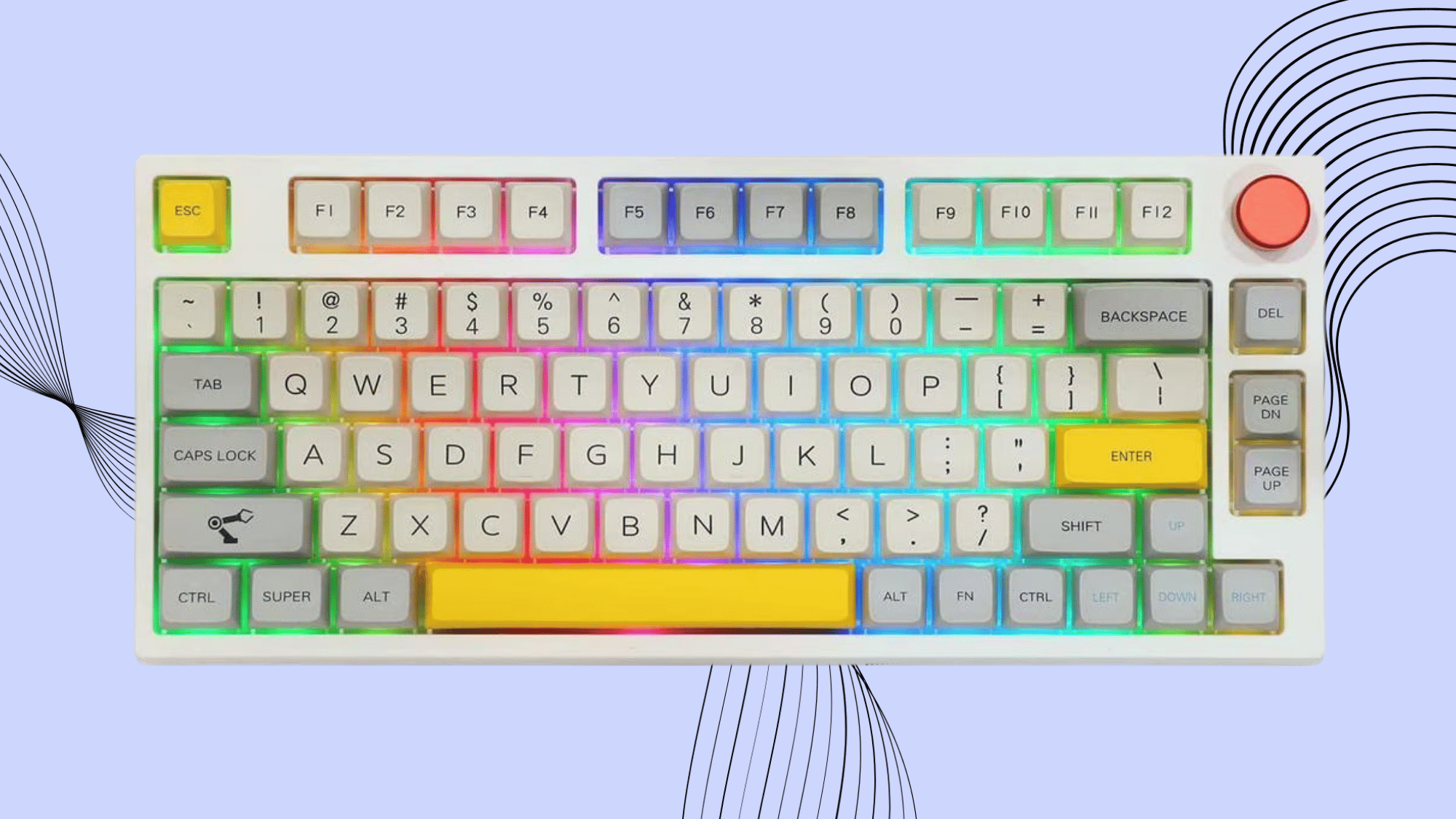
The TH80 Pro offers reliable Bluetooth and 2.4GHz connections, along with a gasket mount, giving wireless users a smooth typing experience.
- Layout: TKL
- Switch Support: 3-pin and 5-pin
- Build Material: Plastic case with foam dampening
- Wireless/Wired: Wired, Bluetooth, and 2.4GHz
- Typing Experience: Soft, bouncy feel with light flex
- Pros: Strong wireless performance, gasket mount at this price, good battery life
- Cons: Plastic build feels less premium, limited software customization, TKL layout not for everyone
- Price Range: $90–120
6. Akko 5075B Plus
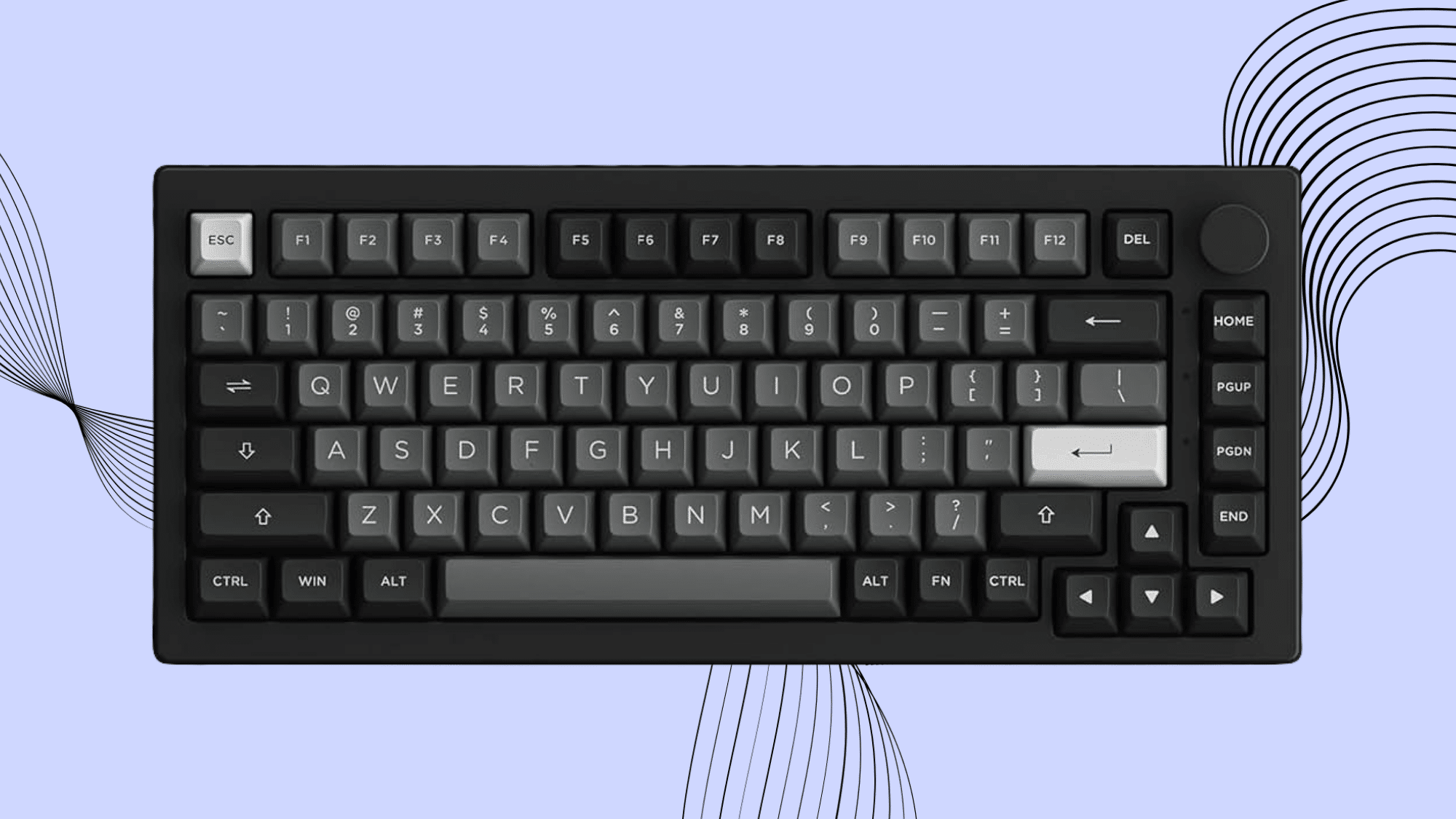
The Akko 5075B Plus packs tri-mode connectivity and a comfortable typing feel into a low price for budget-focused buyers.
- Layout: 75%
- Switch Support: 3-pin and 5-pin
- Build Material: Plastic case with foam padding
- Wireless/Wired: Wired, Bluetooth, and 2.4GHz
- Typing Experience: Light, comfortable with moderate flex and bounce
- Pros: Tri-mode connectivity under $80, foam dampening included, solid switch options
- Cons: Build quality reflects the price, stabilizers need lubing out of the box, softer typing sound
- Price Range: $60–80
7. NuPhy Halo75 V2
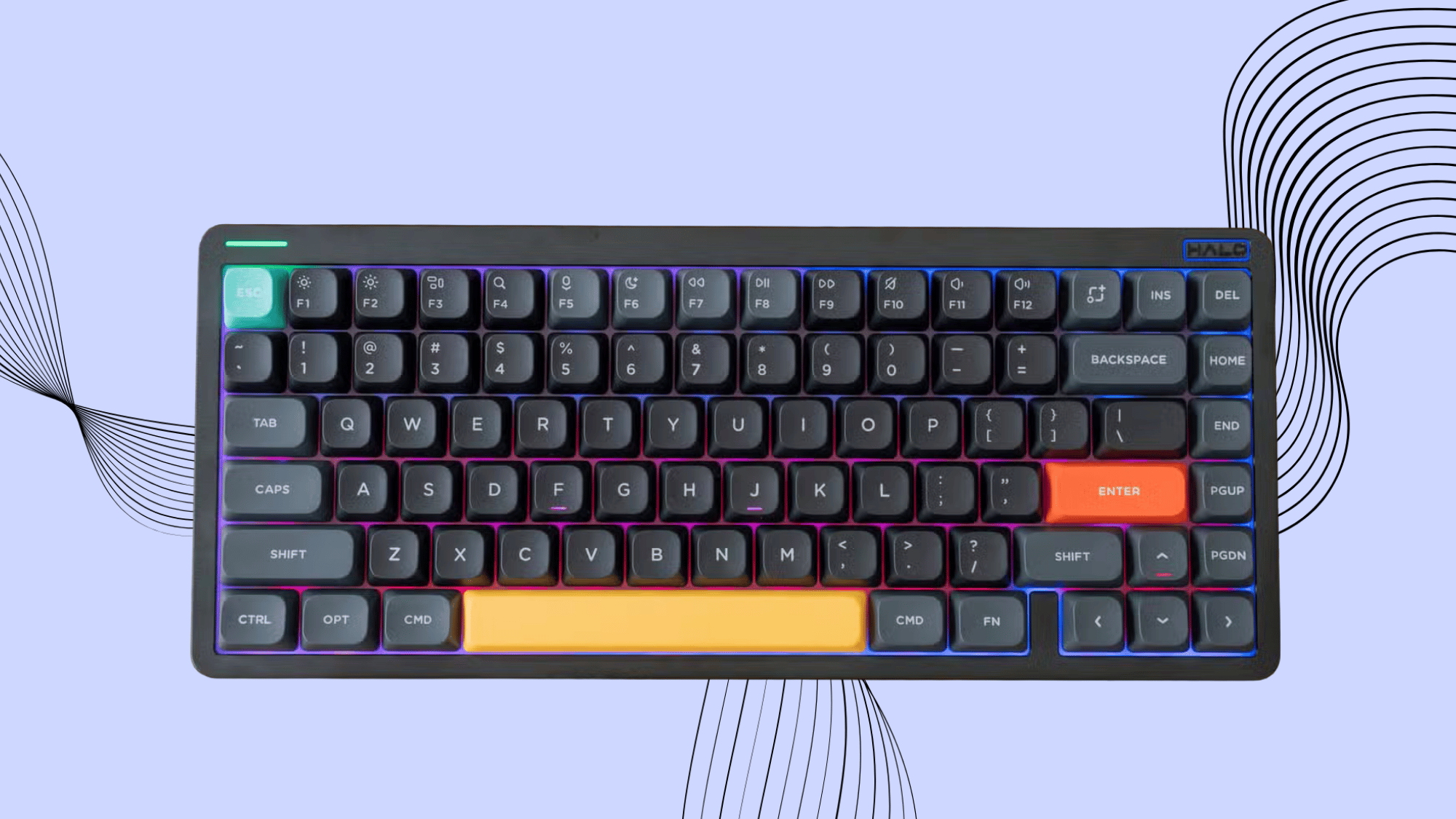
The Halo75 V2 focuses on acoustic tuning and a refined gasket mount, producing a deep, satisfying sound on every keystroke.
- Layout: 75%
- Switch Support: 3-pin and 5-pin
- Build Material: Aluminum frame with foam dampening layers
- Wireless/Wired: Wired, Bluetooth, and 2.4GHz
- Typing Experience: Deep, cushioned with rich, muted acoustics, ideal for typists
- Pros: Excellent out-of-box sound, aluminum build, wireless flexibility
- Cons: Not optimized for gaming, actuation feel leans toward typing preference, pricier than plastic alternatives
- Price Range: $150–180
8. Wooting 80HE
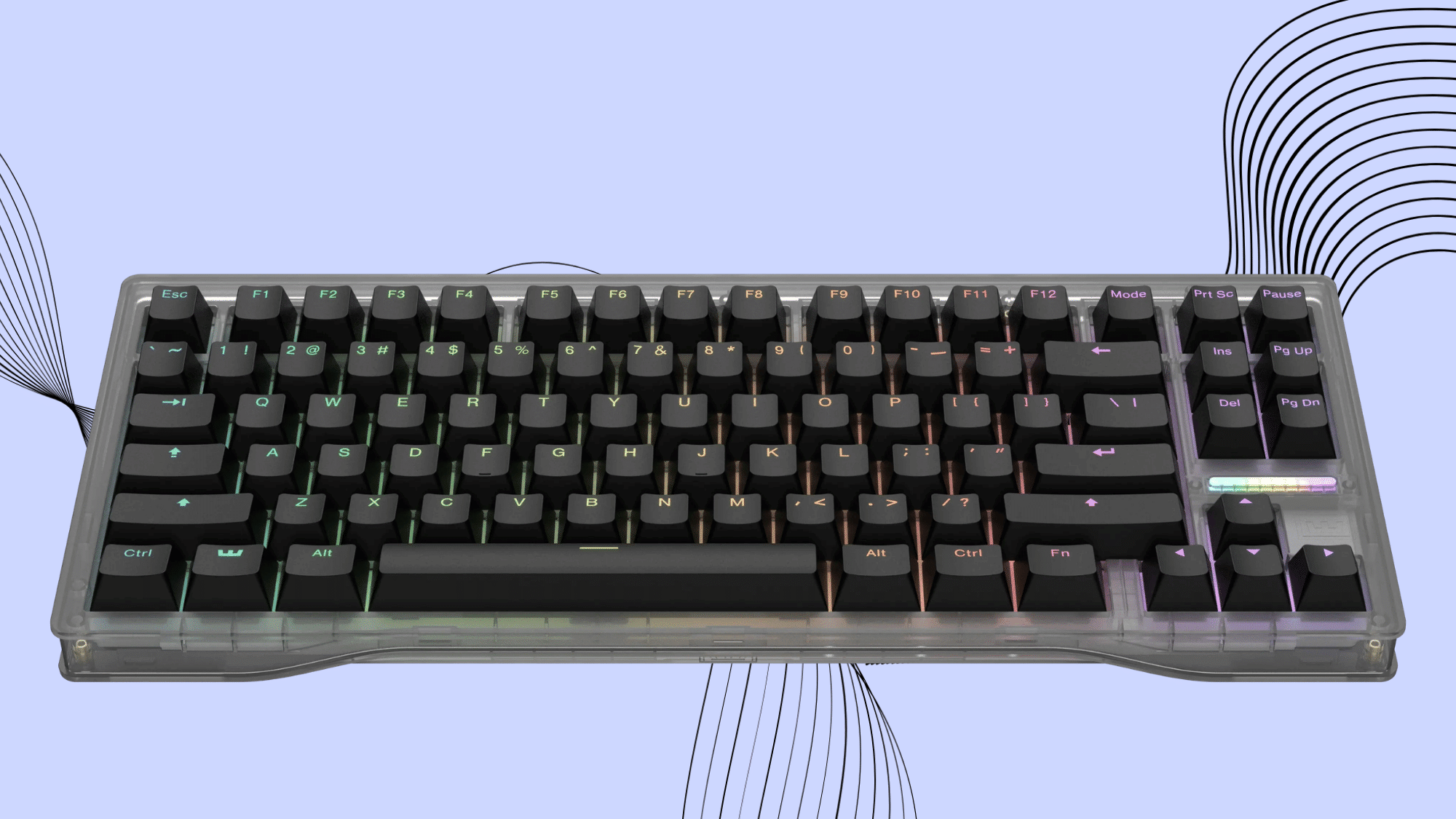
The Wooting 80HE uses magnetic Hall Effect switches with adjustable actuation distance, a major advantage for fast-paced gaming.
- Layout: TKL
- Switch Support: Hall Effect only, 5-pin sockets
- Build Material: Plastic case with steel plate
- Wireless/Wired: Wired only
- Typing Experience: Firm, responsive with adjustable actuation feel
- Pros: Adjustable actuation, no debounce delay, long switch lifespan
- Cons: Wired only, Hall Effect exclusivity limits switch swapping, higher cost for plastic build
- Price Range: $170–200
Hot Swappable Keyboard vs Traditional Mechanical Keyboard
The biggest difference comes down to how switches attach to the board, and that one detail affects nearly everything else about ownership.
Traditional mechanical keyboards require a soldering iron to remove or replace a switch, which scares off most beginners and adds risk of damage.
Hot-swappable boards use sockets instead, letting users pop a switch out with a small tool and snap a new one in.
That single design choice opens up easier repairs, faster customization, and a board that grows with the user’s preferences over time.
| Feature | Hot Swappable Keyboard | Traditional Mechanical Keyboard |
|---|---|---|
| Switch Replacement | Tool-free | Requires soldering |
| Customization | Excellent | Limited |
| Beginner Friendly | Yes | No |
| Repairability | Easy | Difficult |
| Long-Term Value | Higher | Moderate |
Best Mechanical Keyboard Switches by Use Case
Different mechanical keyboard switches suit different needs, from fast competitive gaming to quiet typing and long hours of office work.
Best Switches by Use Case:
- Competitive Gaming: Gateron Yellow, Cherry MX Speed Silver, or Gateron Magnetic Jade for fast, precise input.
- Office Work: Cherry MX Brown or Gateron Brown for a soft, tactile feel without much noise.
- Programming: Boba U4T or Holy Panda for satisfying, controlled keystrokes during long sessions.
- Quiet Typing: Silent Red or Silent Black to keep noise down in shared spaces.
- Fast FPS Games: Magnetic Hall Effect switches for near-instant response times.
- Heavy Typing: Cherry MX Blue or Kailh Box White for a firm, clicky feel that holds up over time.
How to Choose a Hot-Swappable Keyboard for Your Budget
Budget shapes which materials, switches, and features a keyboard includes, from basic plastic builds to enthusiast-grade aluminum boards.
Under $70, buyers get plastic builds, basic RGB lighting, and beginner-grade switches, which cover the basics without extras.
The $70–150 range adds better stabilizers, wireless options, and premium switches for a noticeable step up in quality.
Spending $150–250 unlocks aluminum cases, gasket mounts, and QMK/VIA support for full control over customization.
Above $250, enthusiast-grade boards offer Hall-effect switches and premium acoustics, making them the top choice for serious hobbyists seeking the best possible typing setup.
Common Mistakes First-Time Buyers Make
First-time buyers often overlook small but important details that lead to frustration, wasted money, or a board that never feels quite right. Common mistakes include:
- Switch Compatibility: Make sure the keyboard supports your preferred switch type and pin configuration.
- Keyboard Layout: Choose a layout that fits your workflow, desk space, and daily typing needs.
- Stabilizer Quality: Look for quality stabilizers to reduce rattling and improve the feel of larger keys.
- RGB Over Function: Prioritize build quality, typing feel, and features before focusing on lighting effects.
Conclusion
Hot-swappable keyboards offer better long-term value than soldered boards by removing the biggest barrier to customization and repair.
Anyone shopping for a new board should match the choice to typing style, budget, and preferred switch feel rather than picking based on looks alone.
The right combination turns a simple keyboard into a tool built around daily habits and comfort.
Consider the recommended keyboards above and choose the one that best fits your setup, then start testing switches to find the perfect feel.
Frequently Asked Questions
Are There Keyboards for Carpal Tunnel?
Yes. Ergonomic, split, low-profile, and tented keyboards reduce wrist strain, promote natural hand positioning, and improve long-term typing comfort.
How to Know if a Keyboard is Hotswap?
Check the product specifications for “hot-swappable” support or removable switches. Hotswap keyboards let you replace switches without soldering.
What is a 96% Keyboard Missing?
A 96% keyboard keeps the numpad but trims spacing and removes some navigation gaps, creating a more compact layout overall.