

One wrong click. One unpatched application. One reused password. That is all malicious code needs to get inside a system, and the damage it causes from that point can take weeks to undo.
The hard truth is that most infections were avoidable. Attackers do not always rely on complex methods. They rely on gaps that basic security habits would have closed.
This blog walks through how you can prevent viruses and malicious code from reaching your devices and networks in the first place.
Every method is practical, clearly explained, and applicable, securing a single laptop or an entire business network. Read it once, apply the steps, and you cut the risk of an attack succeeding.
Why Do Viruses and Malicious Code Keep Getting Through?
Most people assume their computer is protected because they installed antivirus software. That assumption is the gap attackers count on.
Today, malicious code does not always arrive as an obvious threat. It hides inside legitimate-looking emails, rides along with software updates, embeds itself in browser scripts, and sometimes operates entirely in system memory without ever writing a file to disk.
Traditional virus defenses catch only a portion of these threats. The other weak point is time. The longer it goes undetected inside a system or network, the more damage it does.
Files get encrypted, credentials get exfiltrated, and backdoors get established for future attacks.
Effective protection means reducing both the chance of infection and the window between infection and detection.
Viruses and Malicious Code: Key Differences
Understanding the distinction helps you choose the right protection for each threat type.
| Criteria | Computer Virus | Malicious Code (Broader Category) |
|---|---|---|
| Definition | A program that attaches to legitimate files and replicates when executed | Any harmful program or script designed to damage, steal, or disrupt, including viruses |
| Spread method | Requires a human action (opening a file, clicking an attachment) | Can spread automatically without user interaction (e.g., worms) |
| Examples | File infectors, boot sector viruses, macro viruses | Worms, Trojans, ransomware, spyware, rootkits, adware, fileless malware |
| Target | Files and programs on a single system | Files, networks, browsers, memory, system processes |
| Detection difficulty | Moderate: leaves traces in files | Can be high, fileless malware leaves no files on disk |
| Primary damage | File corruption, performance degradation, data theft | Data theft, encryption, remote access, financial loss, system takeover |
| User action needed | Yes, to trigger the initial infection | Not always, some variants self-propagate across networks |
How Can You Prevent Viruses and Malicious Code: Proven Methods
These are the core protection practices that security professionals apply across devices, networks, and organizations of every size.
- Install and Update Antivirus and Anti-Malware Software Daily: Reliable antivirus software is the first line of defense against malicious code.
- Keep Operating Systems and Software Fully Patched: Attackers routinely reverse-engineer patches to find the vulnerability they fix, then target every unpatched system they can reach.
- Enable Multi-Factor Authentication Across All Accounts: MFA blocks access even when login credentials are stolen. Prioritize administrator accounts, VPNs, cloud platforms, and email first.
- Practice Strict Email and Browsing Habits: Always verify sender addresses before opening attachments, hover over links to check destinations, and report suspicious emails immediately.
- Configure and Maintain a Firewall: A firewall inspects all incoming and outgoing traffic and blocks unauthorized connections. Add a Web Application Firewall (WAF) for web-facing systems, and review rules regularly to remove outdated entries.
How to Tell If Your System Already Has Malicious Code
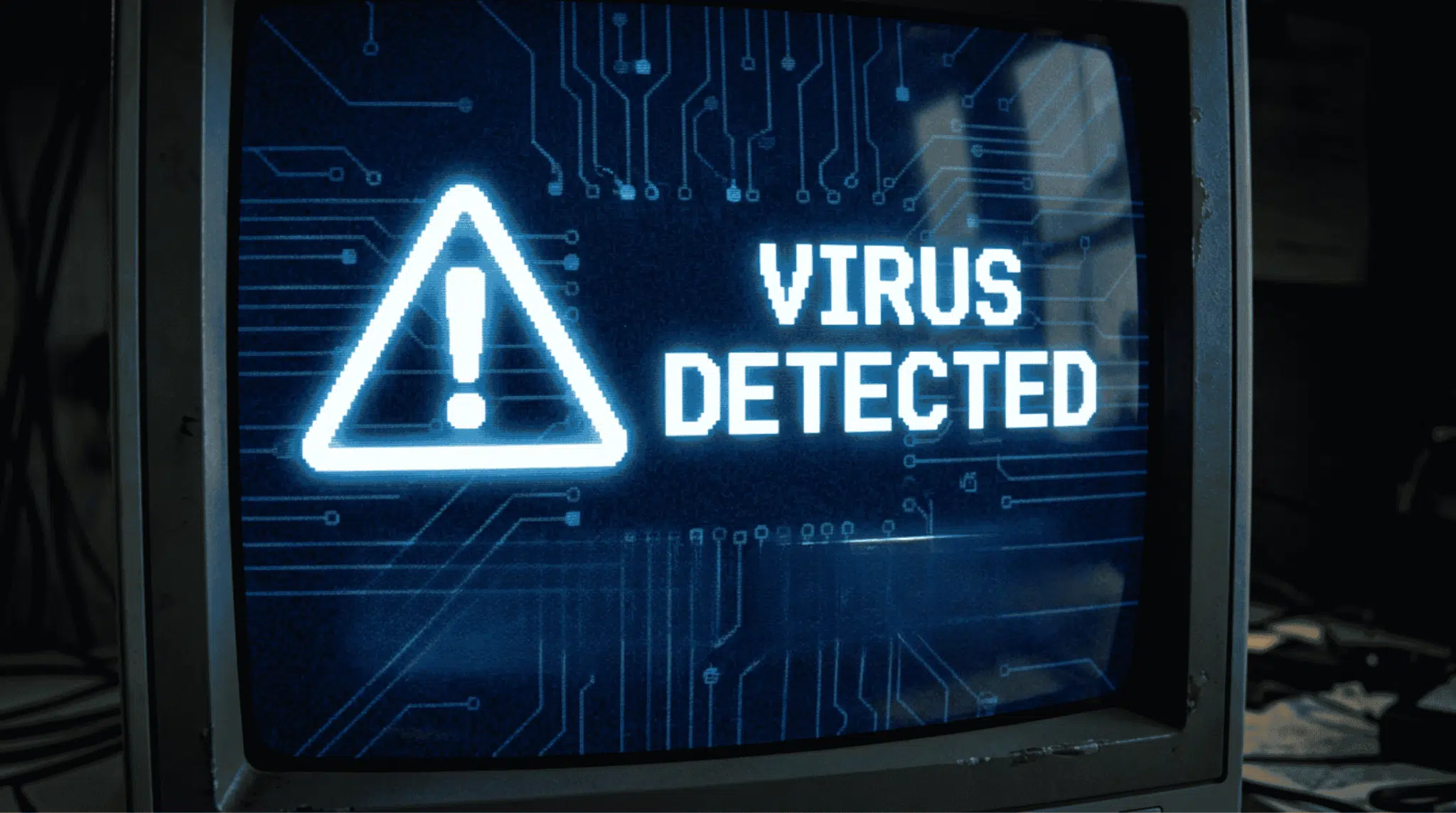
Knowing what to look for shortens the window between infection and response.
The most common indicators include unexplained drops in system performance, new browser extensions or applications that nobody installed, and redirects to unfamiliar websites.
At the file level, documents with changed extensions or that cannot be opened often point to ransomware.
Security software that has been silently disabled is a serious warning sign; many variants of malicious code specifically target antivirus tools to avoid detection.
Unusual account login activity and large outbound data transfers during off-hours are also reliable indicators that something is running inside the system without authorization.
When several of these appear together, treat the system as compromised and move to a response immediately.
Step-by-Step Response When Malicious Code is Suspected
Acting fast and in the right order limits damage. This is exactly what to do from the moment a threat is detected.
1. Isolate the Device: Disconnect from the network by unplugging the Ethernet cable and disabling Wi-Fi. Do not shut the device down; some of its most damaging actions occur on reboot, and volatile memory may contain evidence needed for analysis.
2. Assess the Scope: Determine whether the infection is limited to one device or has spread. Check other devices on the same network for the same indicators. Review network logs for unusual traffic in the period leading up to discovery.
3. Run a Verified Scan: Use an up-to-date endpoint security tool or a bootable offline rescue scanner. Offline scanners are particularly effective against malicious code that disables or hides from installed antivirus software.
4. Remove or Restore: If the scanner identifies and removes the code, verify the system is clean with a second tool before reconnecting. If files have been encrypted or the infection is deep, restore from the most recent clean backup rather than attempting manual removal.
5. Change All Credentials: Assume any password stored or entered on the infected device has been compromised. Change them from a separate, clean device before reconnecting the infected one.
6. Document and Report: Record what was found, how it got in, what it affected, and what steps resolved it. This information improves future defenses and, in some jurisdictions, may be required for regulatory reporting.
Wrapping Up
Effective malicious code protection is never a single purchase or a one-time configuration. It is a layered system of device security, network controls, user habits, and supply chain oversight working together.
Knowing how you can prevent viruses and code gives you the foundation; applying it consistently is what keeps systems safe as threats continue to shift.
The individuals and organizations that fare best are not the ones with the biggest budgets. They are the ones who closed the basic gaps, trained their people, and had a response plan ready before it was needed.
Take the next step: run a quick audit using this blog, identify your weakest layer, and fix it today.
Frequently Asked Questions
What does CPCON 3 Mean?
CPCON 3 means a medium cybersecurity threat level: standard protective measures are in place, with heightened awareness of potential attacks on critical infrastructure.
What’s the History Behind CPCON?
Cyberspace Protection Conditions were established by U.S. Cyber Command to standardize cybersecurity readiness postures across Department of Defense networks, similar to DEFCON for military threats.
What is a “Zero-Day” Virus?
Code that exploits an unknown software vulnerability before the developer has released a fix, giving defenders zero days to patch it.