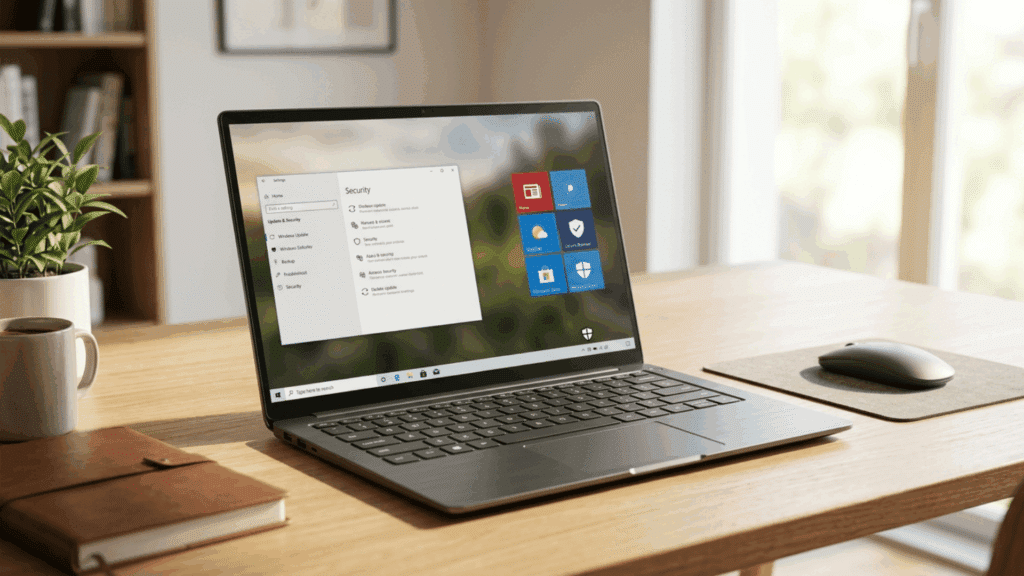
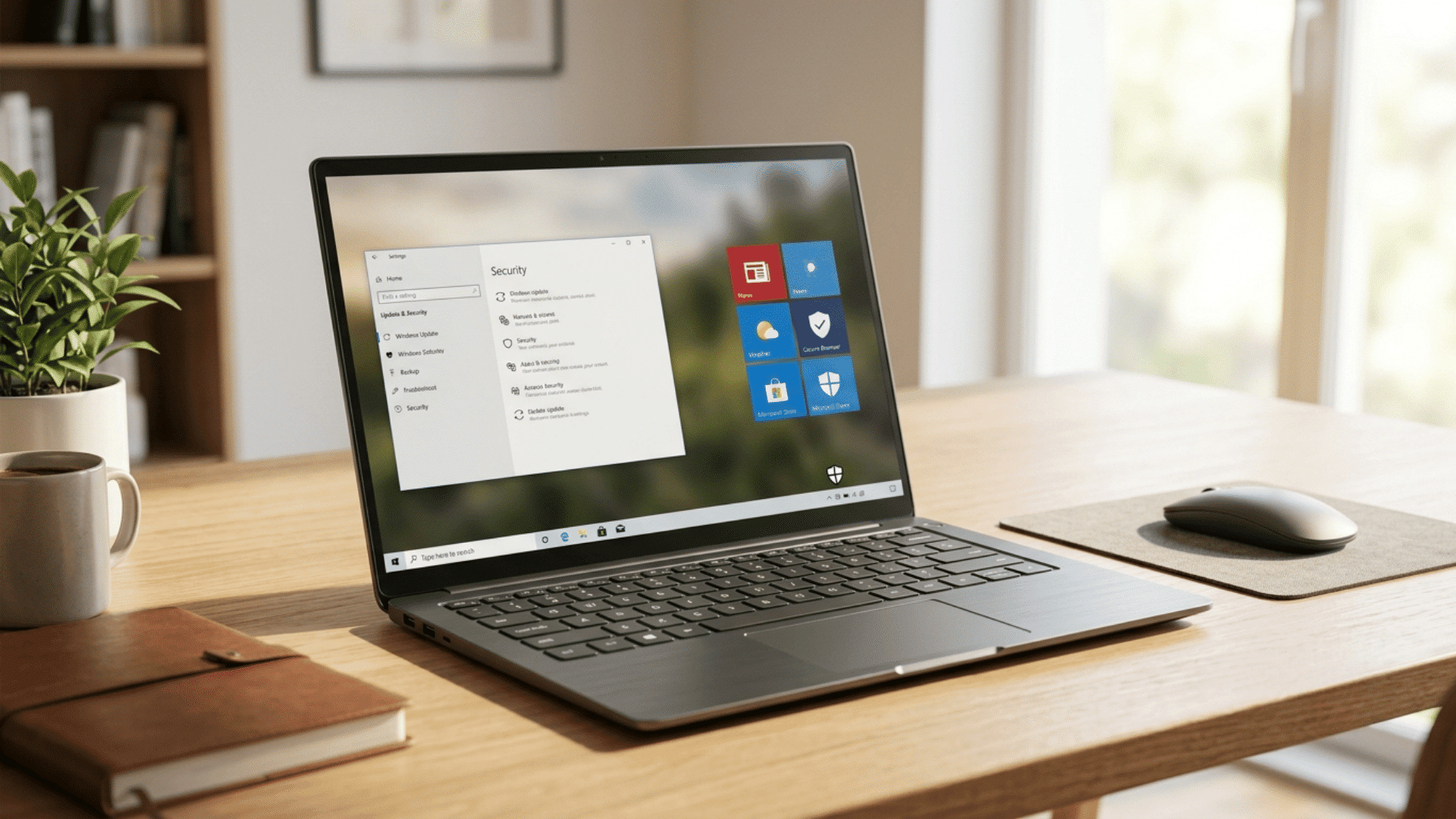



Windows 10 S Mode may appear on older laptops designed for basic work, education, and everyday computer use.
Its software restrictions can reduce certain security risks, but they also limit which apps and system tools remain available.
Standard support for Windows 10 ended on October 14, 2025, making the device’s upgrade options an important consideration.
Understanding how S Mode works can help existing users decide whether to keep its restrictions or switch permanently.
Keep reading to learn about its purpose, features, limitations, switching process, and current support status.
What is Windows 10 S Mode?
Windows 10 S Mode is a security-focused configuration that permits software installation only through the Microsoft Store.
This controlled approach reduces exposure to unverified programs and simplifies device management for schools, businesses, and everyday users.
Microsoft Edge remains the default browser, while certain desktop applications, scripts, and advanced system tools remain unavailable.
Leaving S Mode provides broader software access, but the free change is permanent and cannot be reversed.
The familiar Windows interface remains available, so users can complete basic tasks without learning a different operating system.
What is The Purpose of S Mode?
S Mode was created to provide a controlled Windows environment focused on security, performance, and simpler device management.
The limited environment can also help schools and organizations manage devices without dealing with as many unsupported applications.
However, S Mode does not provide complete protection against phishing, unsafe websites, stolen passwords, or other online threats.
Understanding malicious code protection can also help users recognize why restricting untrusted software is only one part of computer security.
Its main purpose is to control software installation, not to replace safe browsing practices and proper account security.
How Does Windows 10 S Mode Work?
Windows 10 S Mode uses system policies that block applications not approved for distribution through the Microsoft Store.
Microsoft Edge remains the default browser, and Bing stays as the default search engine. Compatible browsers offered through the Store may still be available, but users cannot make them the system default.
Several command-line tools, scripts, installers, and advanced utilities are also restricted. Compatible drivers generally come through Windows Update instead of separate installer programs.
Users must permanently leave S Mode when required software is unavailable through the Microsoft Store.
Key Features of Windows 10 S Mode
Windows 10 S Mode includes several features that focus on a controlled and simple user experience. These features make it suitable for users who prefer basic tasks, improved security, and easier device management.
1. Microsoft Store App Support: Users can install applications only from the Microsoft Store, helping maintain a safer software environment.
2. Microsoft Edge as Default Browser: Edge remains the default browser, although compatible browsers from the Microsoft Store may also be available.
3. Improved Security: Restrictions on app installation help reduce exposure to potentially harmful software.
4. Simplified Device Management: App restrictions can make devices easier for schools and organizations to configure, monitor, and maintain.
Benefits and Limitations of Windows 10 S Mode
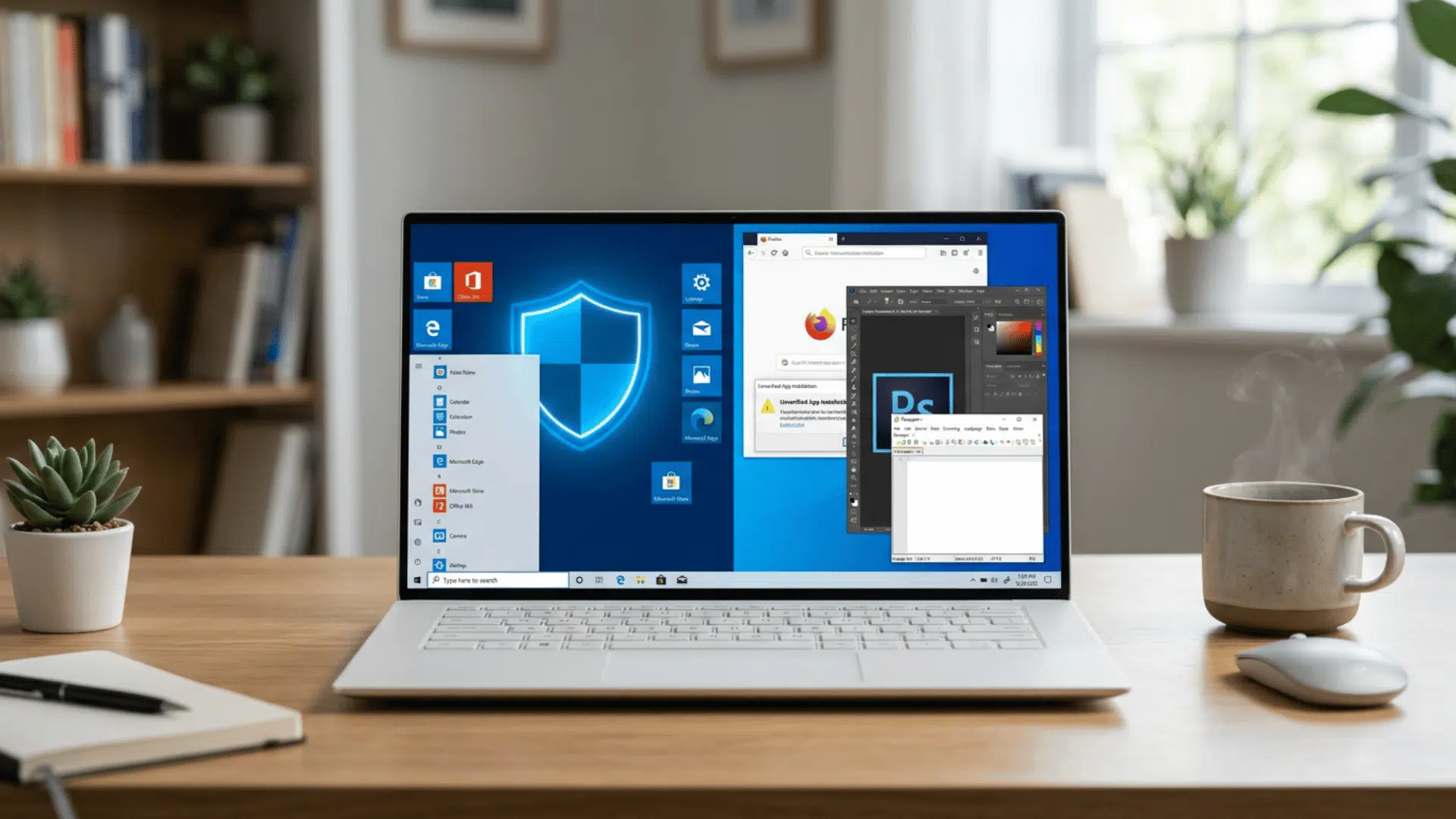
Windows 10 S Mode offers a more controlled way to use a Windows device, but it also comes with certain restrictions. Knowing its advantages and drawbacks can help users decide if it matches their daily computing needs.
Benefits of Windows 10 S Mode
Windows 10 S Mode offers features focused on security, simplicity, and easier device management. These benefits make it suitable for users who need a controlled and reliable Windows experience.
- Improved Security: Limited app installation helps reduce risks from unverified software and keeps the system more controlled.
- Potentially Consistent Performance: Limiting installations may reduce unwanted background programs and help some lower-powered devices remain responsive.
- Easy Management: Simple settings and app controls make it easier for schools and organizations to manage devices.
- Reduced Software Clutter: Blocking outside installers can prevent unnecessary applications and background programs from accumulating on the device.
Limitations of Windows 10 S Mode
While Windows 10 S Mode offers a controlled environment, it may not suit users who need wider software access. These limitations can affect flexibility for advanced tasks and specific application requirements.
- Limited App Choices: Users can only install apps available through the Microsoft Store.
- Restricted Software Support: Some desktop programs cannot run unless users switch out of S Mode.
- Default Browser Restriction: Microsoft Edge remains the default browser, although another compatible Store browser may be available.
- Restricted System Tools: Command Prompt, PowerShell, scripts, and several advanced development tools cannot run normally in S Mode.
- Possible Accessory Limitations: Some printers, scanners, and other accessories may have limited functionality if their required software is unavailable through the Store.
Windows 10 S Mode vs Standard Windows 10
Windows 10 S Mode and regular Windows 10 offer the same basic Windows experience but differ in flexibility and app access.
| Feature | Windows 10 S Mode | Standard Windows 10 |
|---|---|---|
| App installation | Limited to compatible Microsoft Store apps | Supports Store apps and outside software |
| Default browser | Microsoft Edge remains the default | Users can select another supported browser |
| Software risk | Reduces exposure to unverified installers | Depends partly on downloads and user settings |
| Desktop programs | Many traditional programs are unavailable | Supports a wider range of desktop software |
| System tools | Scripts and several advanced tools are restricted | Provides broader access to system tools |
| Accessories | Some devices may provide limited functionality | Supports more manufacturer software and drivers |
| User control | Offers fewer software and system options | Provides greater control and flexibility |
| Best suited for | Basic tasks and controlled environments | Specialized software and advanced tasks |
Should You Stay in S Mode or Switch Out?
Existing users may keep S Mode when every required application is available through the Microsoft Store.
Older devices may also develop common computer issues and hardware problems, so hardware condition should be considered before upgrading or replacing the operating system.
It can support browsing, online learning, document work, video streaming, and other basic activities without outside desktop programs.
Leaving S Mode may be practical when a user needs specialized software, another default browser, advanced system tools, external game launchers, or unsupported accessory software.
The decision does not change Windows 10’s support status. Switching only removes S Mode’s restrictions and does not provide new security updates.
Users should check Windows 11 compatibility before making a permanent decision.
How to Switch Out of Windows 10 S Mode
Switching out of Windows 10 S Mode allows users to install apps from outside the Microsoft Store and use more software options.
- Open Activation Settings: Go to Start, Settings, Update & Security, and then Activation.
- Find the Switching Section: Locate “Switch to Windows 10 Home” or “Switch to Windows 10 Pro.”
- Open Microsoft Store: Select “Go to the Store” under the switching section.
- Avoid the Upgrade Link: Do not select “Upgrade your edition of Windows,” since that is a different process.
- Confirm the Change: Select “Get” on the “Switch out of S mode” page and wait for confirmation.
Windows 10 Support Status
Microsoft ended standard support for Windows 10 on October 14, 2025, although existing computers can still continue running the operating system.
Without regular free security updates, however, these devices may become more exposed to security risks over time. Microsoft recommends moving compatible devices to Windows 11 for continued support.
Eligible users can receive critical protections through the Extended Security Updates program, but it does not introduce new Windows features.
Switching out of S Mode does not change these deadlines because it only removes software restrictions, so users should consider their upgrade or replacement options carefully.
Users planning an upgrade can also compare Windows 11 Pro vs Home to see which edition better matches their security, management, and everyday computing needs.
Wrapping Up
Windows 10 S Mode limits app installation and advanced system tools, creating a controlled environment for basic computing tasks.
It may suit existing users who rely on Microsoft Store apps and prefer fewer software changes on their devices.
Switching out allows broader program access, but the decision is free, permanent, and separate from the operating system’s support status.
Since standard Windows 10 support ended in 2025, users should check Windows 11 compatibility or Extended Security Updates eligibility before continuing.
Reviewing hardware, required applications, and security needs can help each user choose a safer, more practical long-term option for their computer.
Frequently Asked Questions
Can Windows 10 S Mode Run Antivirus Software?
Microsoft Defender Antivirus provides built-in protection. Most third-party antivirus programs cannot operate in S Mode because their required software and drivers are restricted.
Does Windows 10 S Mode Affect Gaming?
Microsoft Store games may work in S Mode, but titles requiring external launchers, unsupported drivers, or anti-cheat software may not run.
Can Windows 10 S Mode Be Reinstalled After Switching Out?
No. Microsoft treats switching out of S Mode as permanent, so users cannot turn the mode back on afterward.