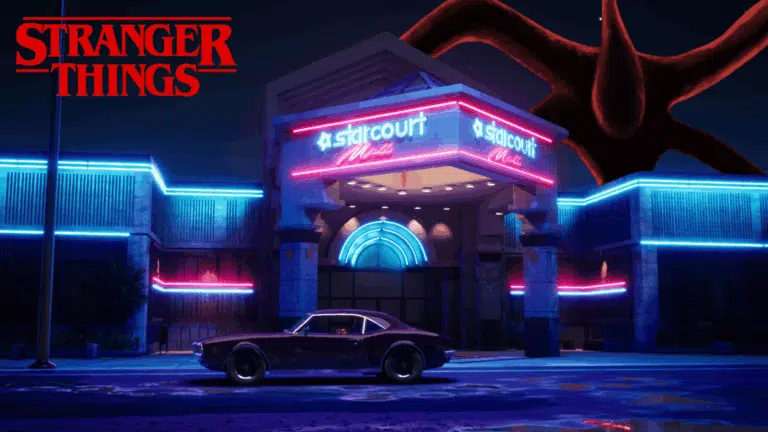

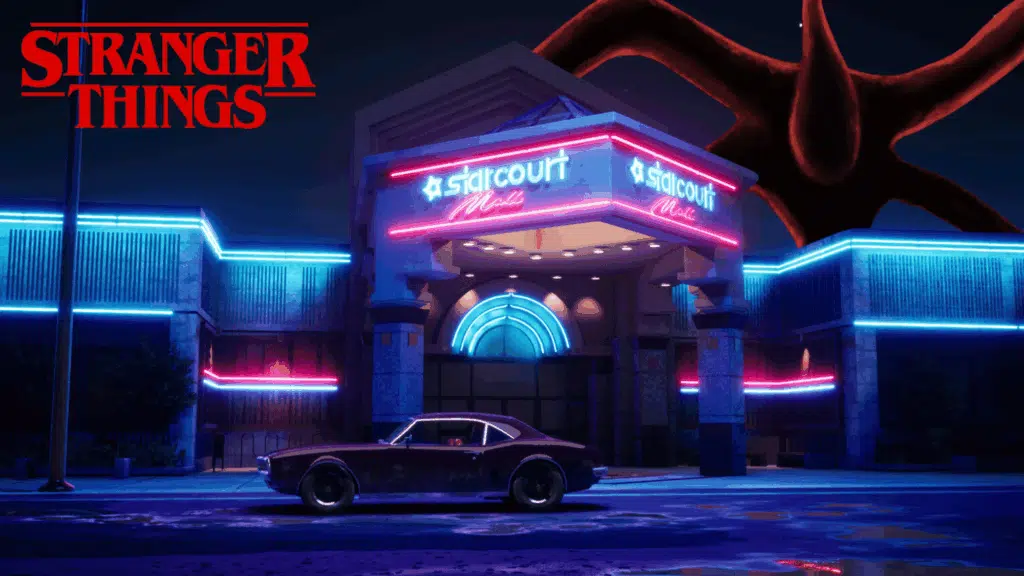
The summer of 1985 brought more than just sunshine to Hawkins, Indiana. Starcourt Mall burst onto the scene like a neon dream, transforming the sleepy town overnight. But what made this shopping center the heartbeat of Season 3?
Behind its colorful storefronts and catchy jingles lurked secrets darker than the Upside Down itself.
From Scoops Ahoy’s nautical nonsense to the shadowy Russian base beneath its floors, this mall became ground zero for the strangest summer yet.
Fans remember it as more than just a set. It captured the essence of ’80s mall culture while hiding sinister truths. Ready to find out what made Starcourt Mall unforgettable? Let’s step inside.
The Role of Starcourt Mall in Stranger Things
Starcourt Mall wasn’t just a backdrop. It was a character in its own right.
The massive shopping center represented change sweeping through Hawkins, threatening mom-and-pop shops and altering the town’s identity forever.
For the kids, it meant summer jobs, first crushes, and hangout spots. But beneath the surface, something sinister was brewing.
The mall served as the perfect cover for a Russian operation, its construction masking underground tunnels and secret labs.
This duality made Starcourt brilliant. By day, it was all ice cream and movie theaters. By night, it became a battlefield where our heroes faced the Mind Flayer’s latest threat.
Significance and Symbolism of Starcourt Mall
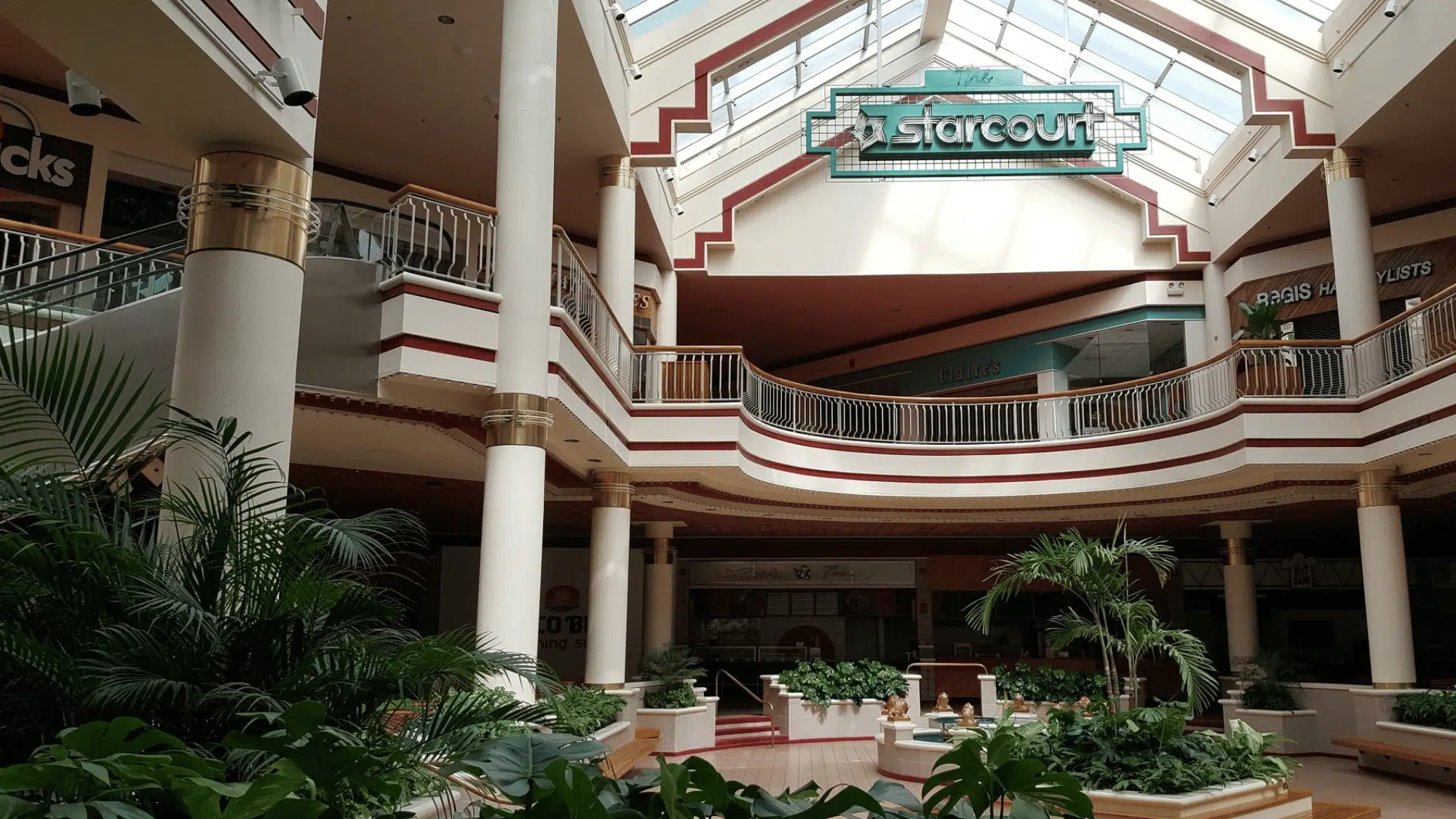
Starcourt Mall meant different things to different people. Beyond its flashy exterior, the shopping center carried layers of meaning that reflected both the show’s themes and 1980s America itself.
1. The End of Small-Town Innocence
Starcourt’s arrival marked Hawkins’ loss of simplicity. Local businesses couldn’t compete with big corporate retail. The mall symbolized how progress sometimes destroys community character, forcing towns to choose between growth and tradition.
2. American Consumerism at Its Peak
The mall captured ’80s excess perfectly. Bright lights, endless shops, and the promise that happiness could be bought. It represented the decade’s obsession with material culture and the “bigger is better” mentality that defined the era.
3. A Facade Hiding Darkness
Just like Hawkins itself, Starcourt looked perfect on the surface. But underneath lurked danger and conspiracy. This mirrored the show’s central theme: nothing is quite what it seems, and evil hides in plain sight.
4. Coming of Age
For the kids, the mall represented growing up. Summer jobs meant responsibility. New relationships blossomed. They were caught between childhood and adulthood, just as Hawkins was caught between old and new.
Behind the Scenes: Building the Starcourt Mall
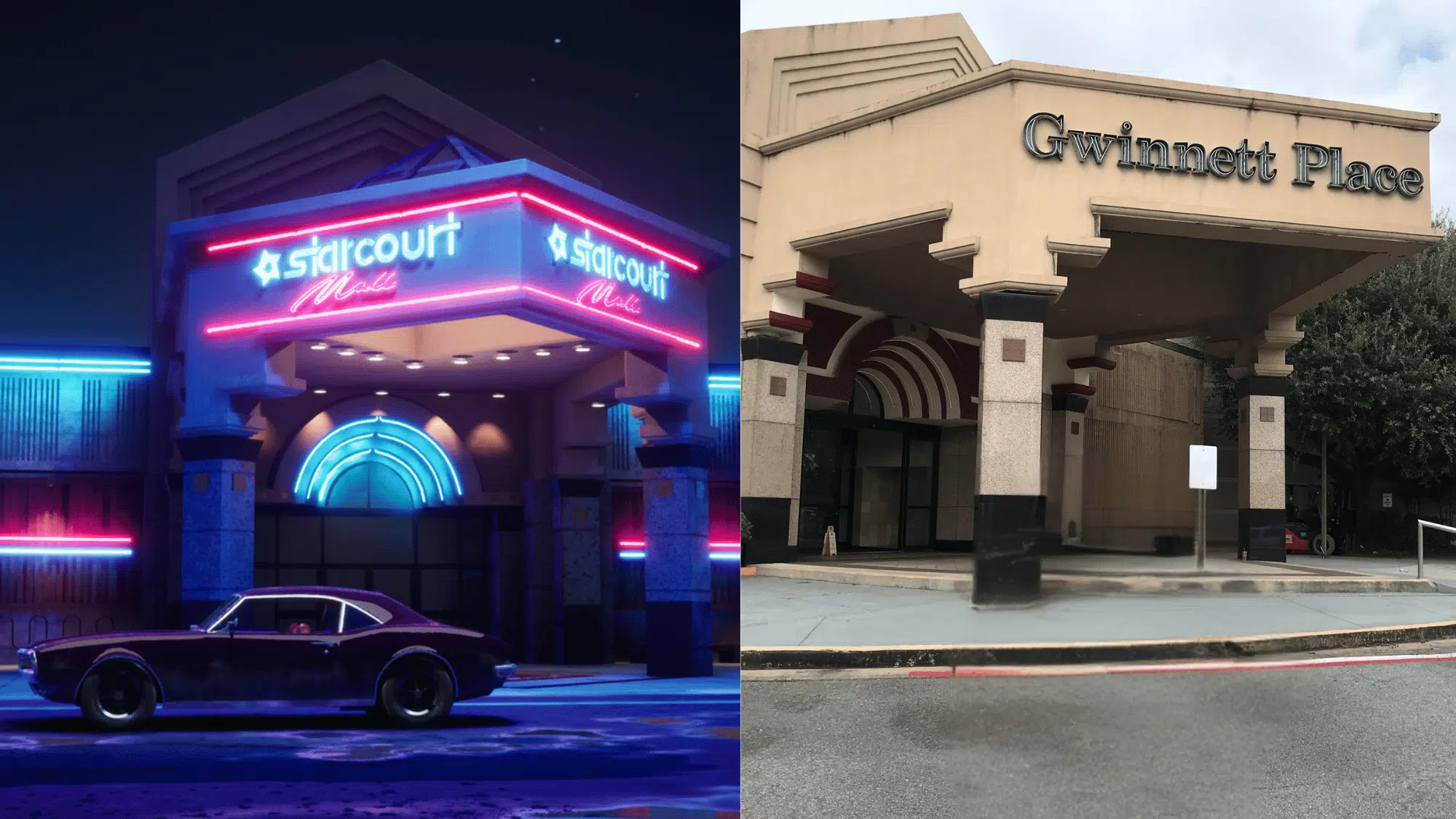
Creating Starcourt Mall wasn’t simple movie magic.
Chris Trujillo and his team discovered Gwinnett Place Mall in Duluth, Georgia, a real shopping center with perfect ’80s bones but years of neglect. They saw potential where others saw decay.
Over 50 carpenters and painters spent more than 10 weeks transforming the space. They built roughly 40 distinct businesses, from Time Out Arcade to Star Cinemas.
Every storefront got the full treatment, even ones barely visible on screen. Period-specific signage, merchandise, and details filled each shop.
Scoops Ahoy became the crown jewel. Built entirely from scratch, Steve and Robin’s workplace needed to feel authentic since it anchored major plot points.
The crew’s obsessive attention to detail paid off, creating an immersive world that felt genuinely alive and unmistakably mid-’80s.
Fan Theories and Easter Eggs Hidden in Starcourt Mall
Starcourt Mall sparked countless theories before Season 3 even dropped. Fans dissected every frame of every trailer, searching for clues.
And once the season aired, eagle-eyed viewers discovered layers of references hiding in plain sight.
- “The Hunt for Red October” displays – Bookstores prominently featured Tom Clancy’s Russian submarine thriller, foreshadowing the Soviet plot months before the big reveal.
- The Limited Express fashion – Neon clothes and black rubber bracelets perfectly captured Madonna and Cyndi Lauper’s influence on ’80s teen style.
- Authentic anchor stores – Macy’s and Sears weren’t random choices. They mirrored actual 1980s mall staples, grounding Starcourt in reality.
- The missing Mrs. Fields – Sharp-eyed fans noticed the food court lacked this iconic cookie chain, sparking nostalgic debates about which stores belonged.
- Episode title hints – “The Battle of Starcourt” telegraphed the mall’s importance as a climactic battleground long before viewers reached the finale.
- Strategic layout design – The mall’s architecture allowed multiple character storylines to intersect naturally during the final showdown, making the space feel lived-in and functional.
Starcourt Mall’s Impact on Fans and Pop Culture
Starcourt Mall became an instant cultural phenomenon. Fans didn’t just watch it, they wanted to experience it. The set sparked nostalgia for millennials who grew up in similar shopping centers during the ’80s and ’90s.
Social media exploded with Scoops Ahoy uniforms becoming popular Halloween costumes. The nautical ice cream shop inspired real-world pop-ups and themed events.
Fans recreated the mall’s aesthetic in artwork, cosplay, and even Minecraft builds.
The mall also reignited conversations about ’80s consumer culture and how shopping centers shaped American teenage life. It reminded viewers of simpler times when malls were social hubs, not dying relics.
Starcourt proved that great production design transcends the screen. It became a character fans mourned when the season ended with the mall’s destruction.
To Conclude
Starcourt Mall proved that settings can steal the show. It became a time capsule, a symbol, and a battleground all at once.
The Duffer Brothers understood something crucial: places shape stories just as much as characters do.
Starcourt’s gleaming facade and dark underbelly perfectly mirrored Stranger Things’ core identity; nostalgia wrapped around horror.
Though the mall met a fiery end in Season 3’s finale, its legacy endures. It reminds us why we fell in love with the show: the perfect blend of heart, danger, and ’80s authenticity.