The space race was full of triumph and hope. But not every mission reached the stars.
On January 27, 1967, a routine pre-launch test turned deadly. Three astronauts lost their lives in a fire that shocked the nation. The tragedy exposed flaws no one wanted to see.
It forced NASA to aask hard questions about safety, design, and the true cost of reaching the moon.
What happened that day? And how did it reshape America’s space program forever? This story reveals the men behind Apollo 1 and the lessons learned from heartbreak.
What was the Apollo 1 Mission?
Apollo 1 was supposed to be NASA’s first crewed Apollo flight. Scheduled for February 1967, it aimed to test the command module in Earth’s orbit.
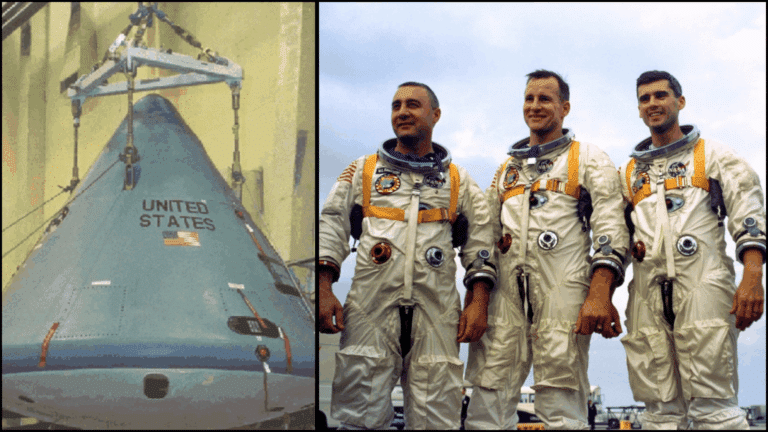
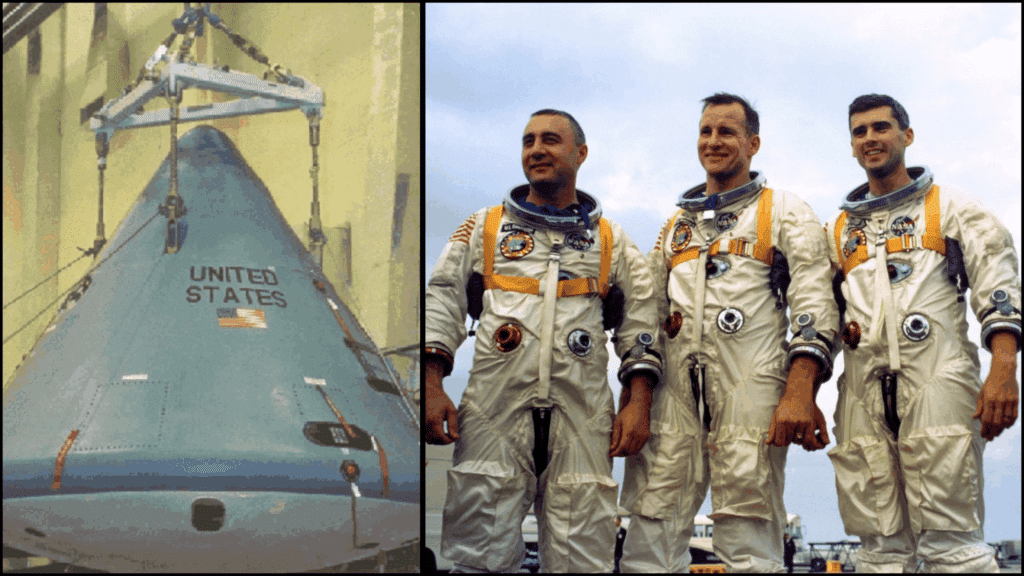
The mission would last about 14 days. Three astronauts were selected for this critical flight. Grissom was a veteran who’d flown on Mercury and Gemini missions. White made history as the first American to walk in space. Chaffee was a rookie, eager to prove himself.
Their goal seemed straightforward: orbit Earth, run tests, and return safely. The mission was a stepping stone toward landing on the moon.
NASA had big plans, and Apollo 1 was just the beginning. But the spacecraft had problems. Design flaws lurked beneath the surface, waiting to reveal themselves in the worst possible way.
Who were the Apollo 1 Astronauts?
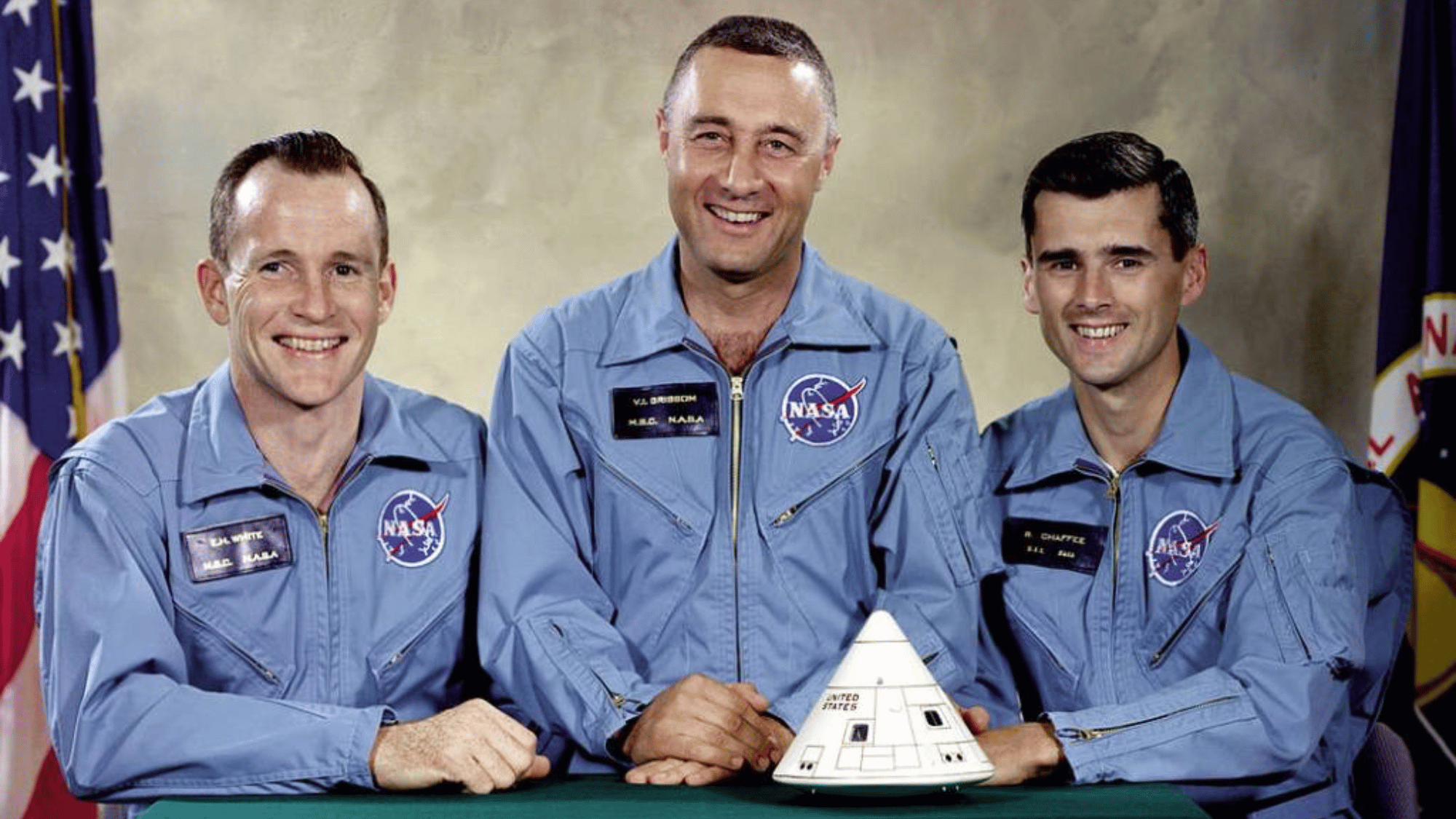
Image Source: NASA
Three men climbed into Apollo 1 that day. Each brought unique skills and dreams. They were pioneers, heroes, and fathers who never came home.
1. Gus Grissom
Virgil “Gus” Grissom was a seasoned astronaut and Air Force pilot. He flew on Mercury-Redstone 4 and commanded Gemini 3.
Known for his technical expertise, Grissom was tough and no-nonsense. He’d survived a close call when his Mercury capsule sank after splashdown.
Many saw him as a future moonwalker. At 40, he was the mission commander and a respected leader among astronauts.
2. Ed White
Edward White made history during Gemini 4 as the first American to walk in space.
He was an Air Force lieutenant colonel with a bright smile and athletic build. White was deeply religious and devoted to his family. He brought calm confidence to the crew.
At 36, he was the senior pilot, responsible for critical systems during the flight.
3. Roger Chaffee
Roger Chaffee was the rookie of the crew. A Navy lieutenant commander, he’d never flown in space before. But his engineering background and sharp mind impressed NASA.
Chaffee was methodical and eager, working harder than most to earn his spot. At just 31, he had everything ahead of him. Apollo 1 was supposed to be his big moment.
What Happened During the Apollo 1 Launch Pad Test
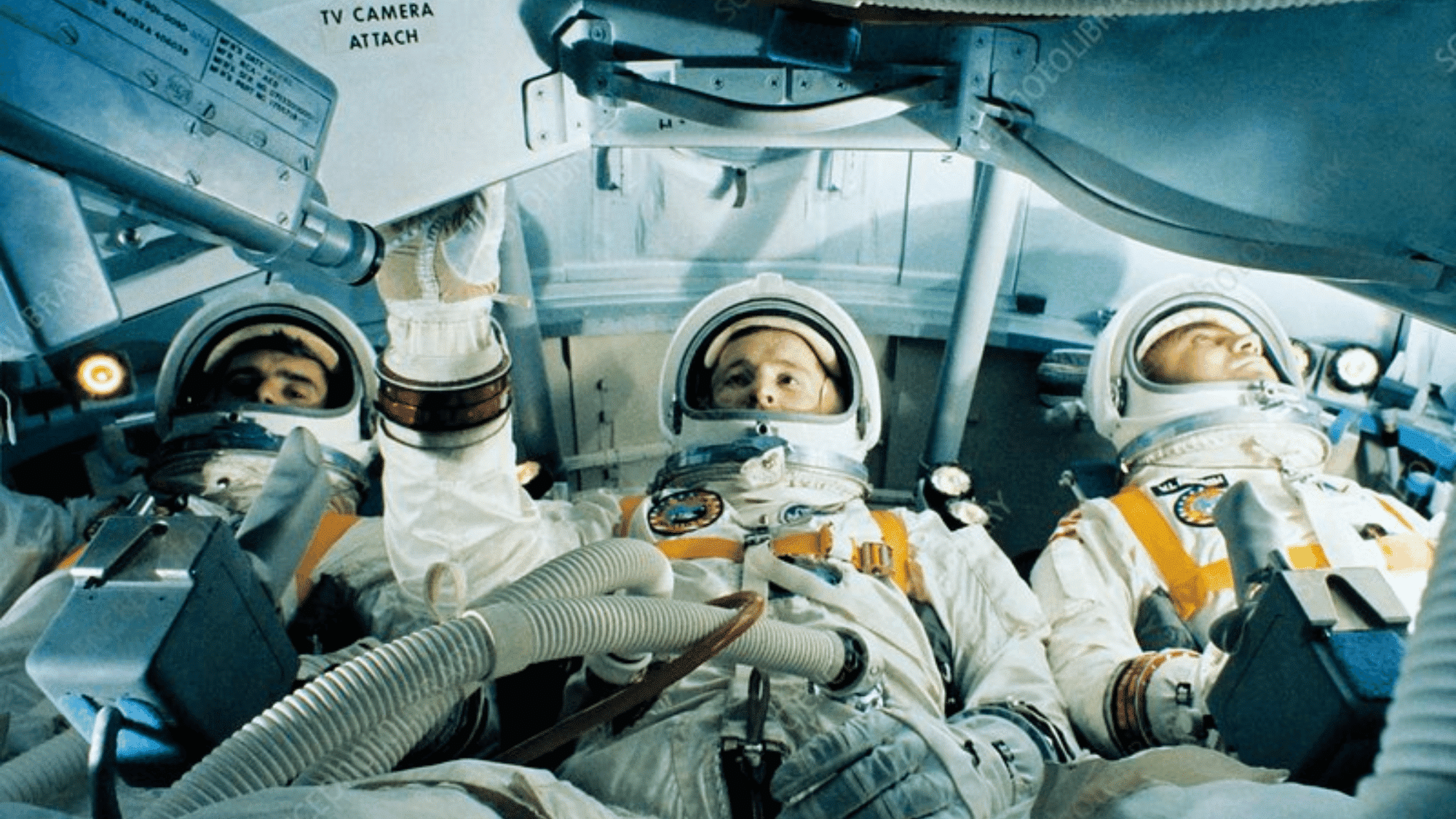
January 27, 1967, started as a routine day at Cape Kennedy. The crew arrived for a “plugs-out” test, simulating launch conditions without fuel. They sealed themselves inside the command module around 1 p.m.
Problems cropped up immediately. Communication systems failed repeatedly. Grissom complained he couldn’t hear ground control. Hours dragged on as technicians tried fixing the issues. Then, at 6:31 p.m., disaster struck.
A spark ignited in the pure-oxygen atmosphere. Fire exploded through the cabin in seconds. The astronauts struggled to open the hatch, but it was designed to open inward.
Pressure from the fire made escape impossible. Their screams echoed through the communication system. Within minutes, all three men were gone. The test that seemed so safe had turned into NASA’s worst nightmare.
Why Did the Apollo 1 Tragedy Happen?
The fire wasn’t just bad luck. Multiple design flaws and risky decisions created a deadly combination that investigators couldn’t ignore afterward.
- The cabin was filled with pure oxygen at a pressure higher than atmospheric, turning everything inside into potential fuel.
- Flammable materials, such as nylon netting, Velcro, and foam padding, lined the cabin interior.
- Faulty wiring created sparks, and investigators found over 1,400 issues with the electrical system alone.
- The inward-opening hatch design required nearly 90 seconds to open under normal conditions, making quick escape impossible.
- Poor quality control allowed damaged equipment and shortcuts to slip through NASA’s inspection process.
- Communication problems on the day of the test delayed recognition of the emergency and a quick enough response.
Memorials and Lasting Legacy of the Apollo 1 Astronauts
NASA never forgot Grissom, White, and Chaffee. Their names appear on the Space Mirror Memorial at Kennedy Space Center, honoring astronauts who died in service.
Launch Complex 34, where the tragedy occurred, stands as a historic site with a memorial plaque. The Apollo 1 mission patch flies on every crewed NASA mission as a reminder of the mission. Their widows received the Congressional Space Medal of Honor on behalf of their husbands.
Buildings, scholarships, and streets across America bear their names. But the biggest legacy isn’t carved in stone.
It’s embedded in NASA’s DNA; a commitment to safety that transformed how humans explore space. Every successful Apollo mission that followed carried lessons learned from that terrible day.
How Apollo 1 Shaped Modern Spacecraft Safety Standards
Apollo 1’s lessons didn’t stop with NASA. The tragedy influenced spacecraft design worldwide, creating safety protocols that protect astronauts even today.
- Fire-Resistant Materials: Spacecraft interiors now use flame-retardant fabrics, metals, and coatings that won’t ignite easily or spread fire quickly.
- Breathable Atmosphere Mix: Ground operations use nitrogen-oxygen blends instead of pure oxygen to reduce fire risk during testing and preparation.
- Quick-Release Hatches: All modern spacecraft feature hatches that open outward in seconds, allowing crew members to escape rapidly during emergencies.
- Redundant Systems: Critical equipment includes backup systems and multiple fail-safes to prevent single-point failures from becoming catastrophic.
- Enhanced Quality Control: Every component undergoes rigorous testing and inspection, with multiple checkpoints before installation and strict documentation requirements throughout construction.
Conclusion
The Apollo 1 fire remains one of NASA’s darkest moments. Yet from that tragedy came transformation.
The safety standards born from their loss protect astronauts on the International Space Station today and on future Mars missions. Their story teaches a hard truth: progress sometimes demands sacrifice.
NASA learned to value caution alongside courage. So next time someone mentions the moon landing, remember the three men who never got there. Their names deserve recognition.
Their sacrifice made the impossible possible. That’s how heroes change history, even in death.