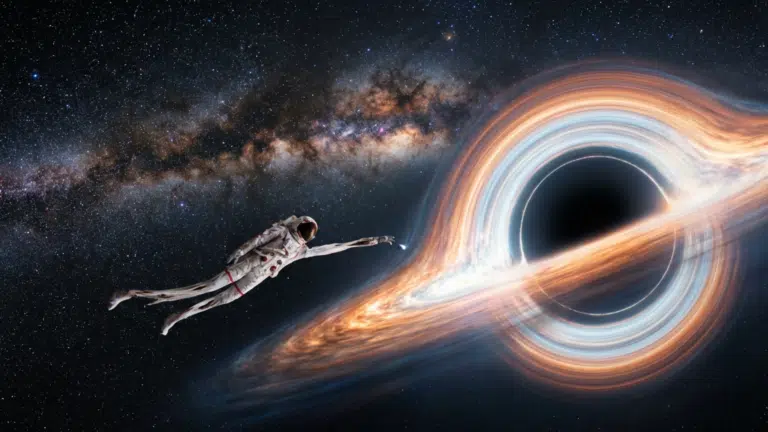
Space movies love showing astronauts drifting off into the black void, never to return. It’s terrifying and makes for great cinema.
But how much of this is actually real? Have astronauts really been lost in space, floating forever among the stars? Or is it just Hollywood drama designed to keep us on the edge of our seats?
The answer might surprise you. Space travel is dangerous, no doubt about it. Things can and do go wrong.
But the reality of what happens when they do is more complex than most films suggest. Let’s separate the facts from the fiction.
Has Anyone Ever Been Lost in Space?
The answer is no. No astronaut has ever been permanently lost in space, drifting away from their spacecraft.
But that doesn’t mean space travel is safe or that close calls haven’t happened. There have been scary moments when astronauts faced life-threatening situations during missions.
Some have died during launches or re-entry. Others have dealt with equipment failures while spacewalking.
The idea of floating away is based on real risks, but thanks to safety tethers, backup systems, and strict protocols, it hasn’t actually occurred.
So while space remains incredibly dangerous, the nightmare scenario of being lost forever hasn’t come true yet.
Closest Calls in Space History: Near Permanent Losses
While no one has been lost in space permanently, several missions came terrifyingly close. These incidents remind us just how thin the line is between survival and disaster beyond Earth’s atmosphere.
1. Soyuz 11 Crew Fatality

Image Source: NASA
The 1971 Soyuz 11 mission ended in tragedy when cosmonauts Georgi Dobrovolski, Vladislav Volkov, and Viktor Patsayev died during re-entry.
A faulty cabin depressurization valve opened unexpectedly, causing all three to suffocate in the vacuum.
They were found dead when the capsule landed. This remains the only confirmed deaths to occur in actual space, making it the closest anyone has come to being truly lost beyond Earth.
2. Space Shuttle Challenger Disaster
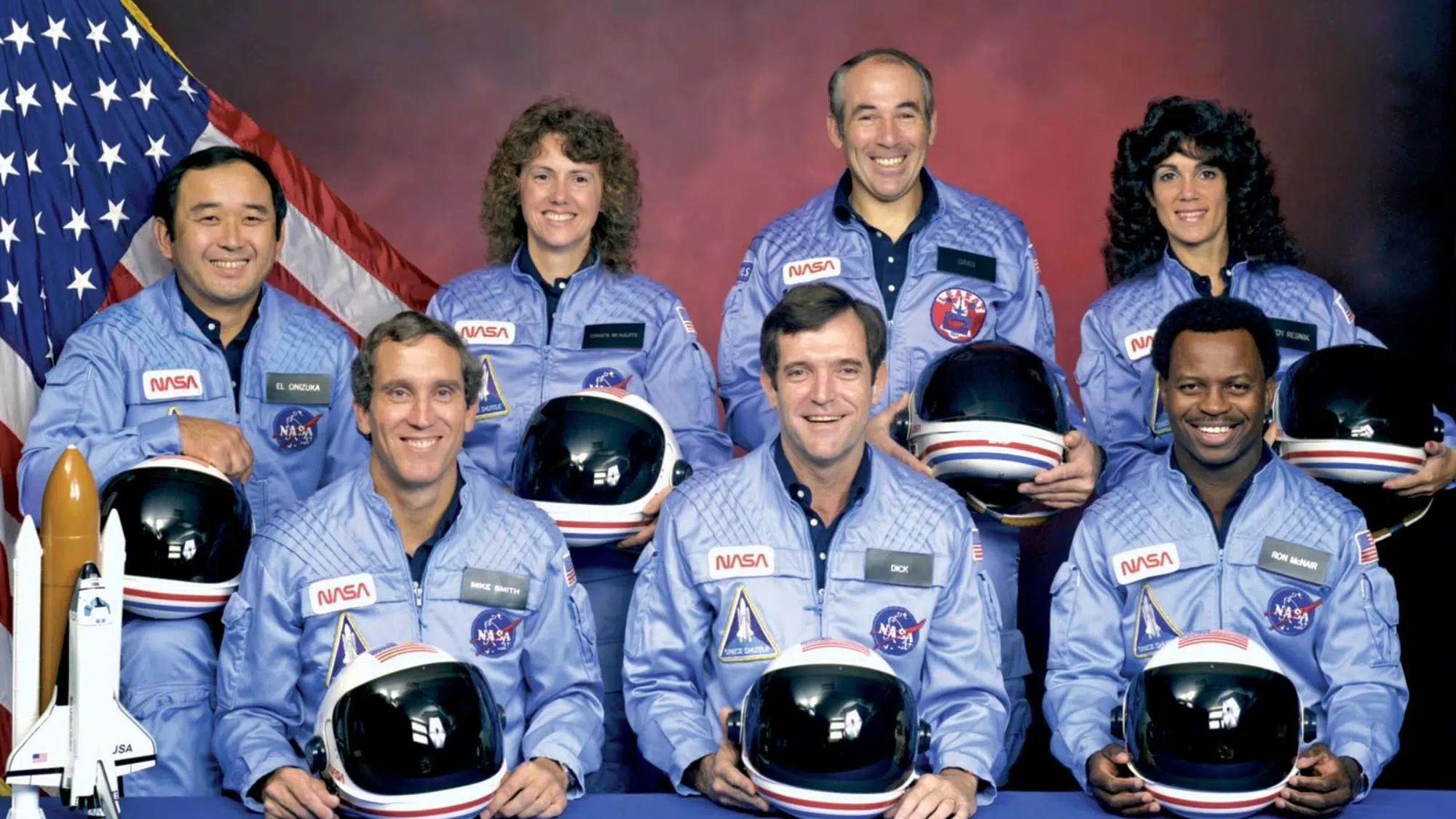
Image Source: Britannica
The Challenger explosion shocked the world in 1986. Just 73 seconds after liftoff, the shuttle broke apart, killing all seven crew members, including teacher Christa McAuliffe.
An O-ring seal failed in the cold Florida weather, allowing hot gases to escape and triggering the catastrophic breakup.
The crew cabin likely remained intact initially, and some may have survived the explosion only to perish in the fall into the Atlantic Ocean.
3. Space Shuttle Columbia Breakup
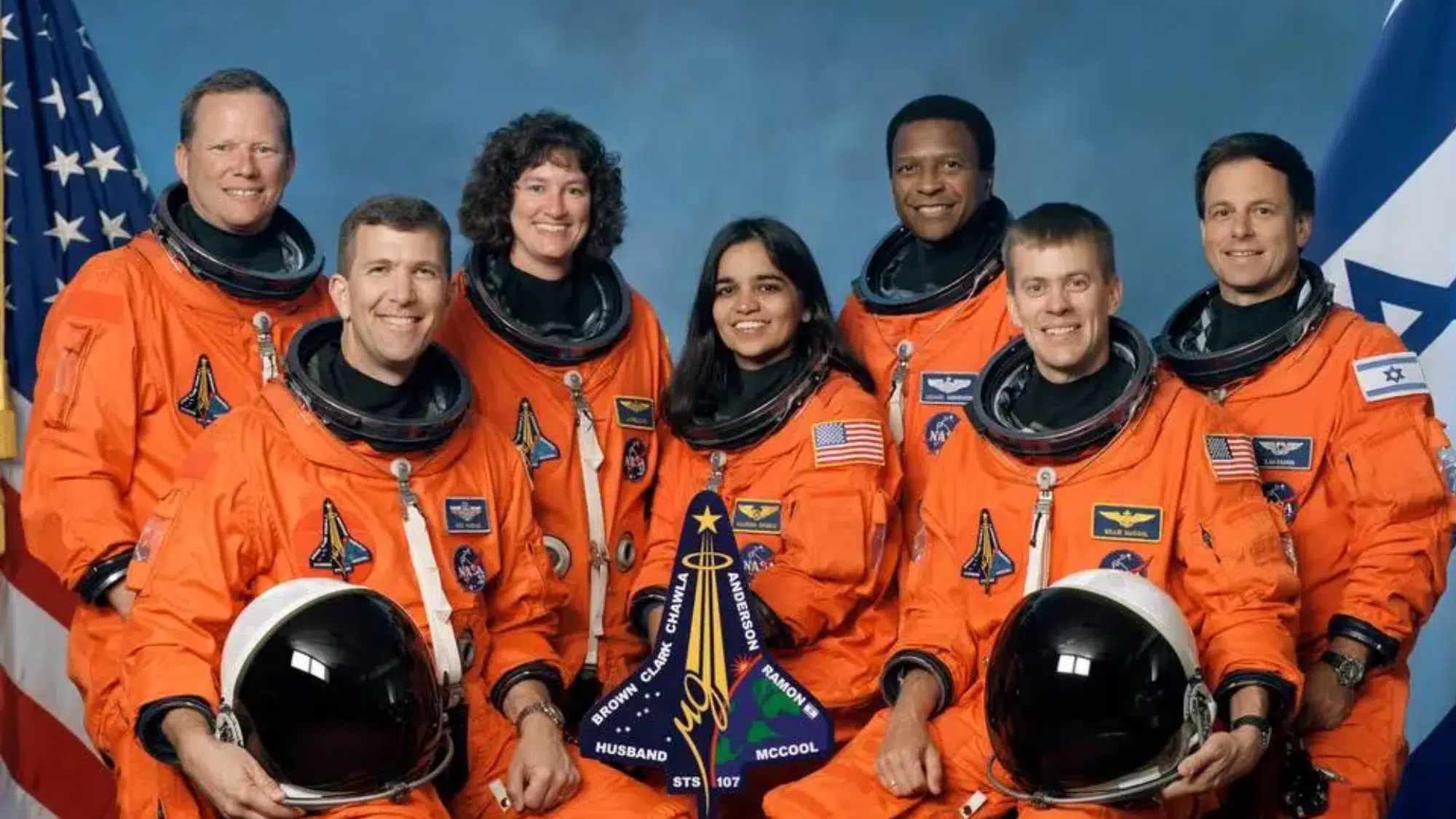
Image Source: NASA
Columbia’s 2003 disaster happened during re-entry over Texas. A piece of foam insulation had struck the wing during launch, damaging the heat shield.
During re-entry, superheated gases entered through the breach and tore the shuttle apart.
All seven astronauts died. The tragedy exposed critical vulnerabilities in the shuttle program and led to its eventual retirement. It proved that dangers exist not just in space, but coming home too.
4. Recent Extended Missions
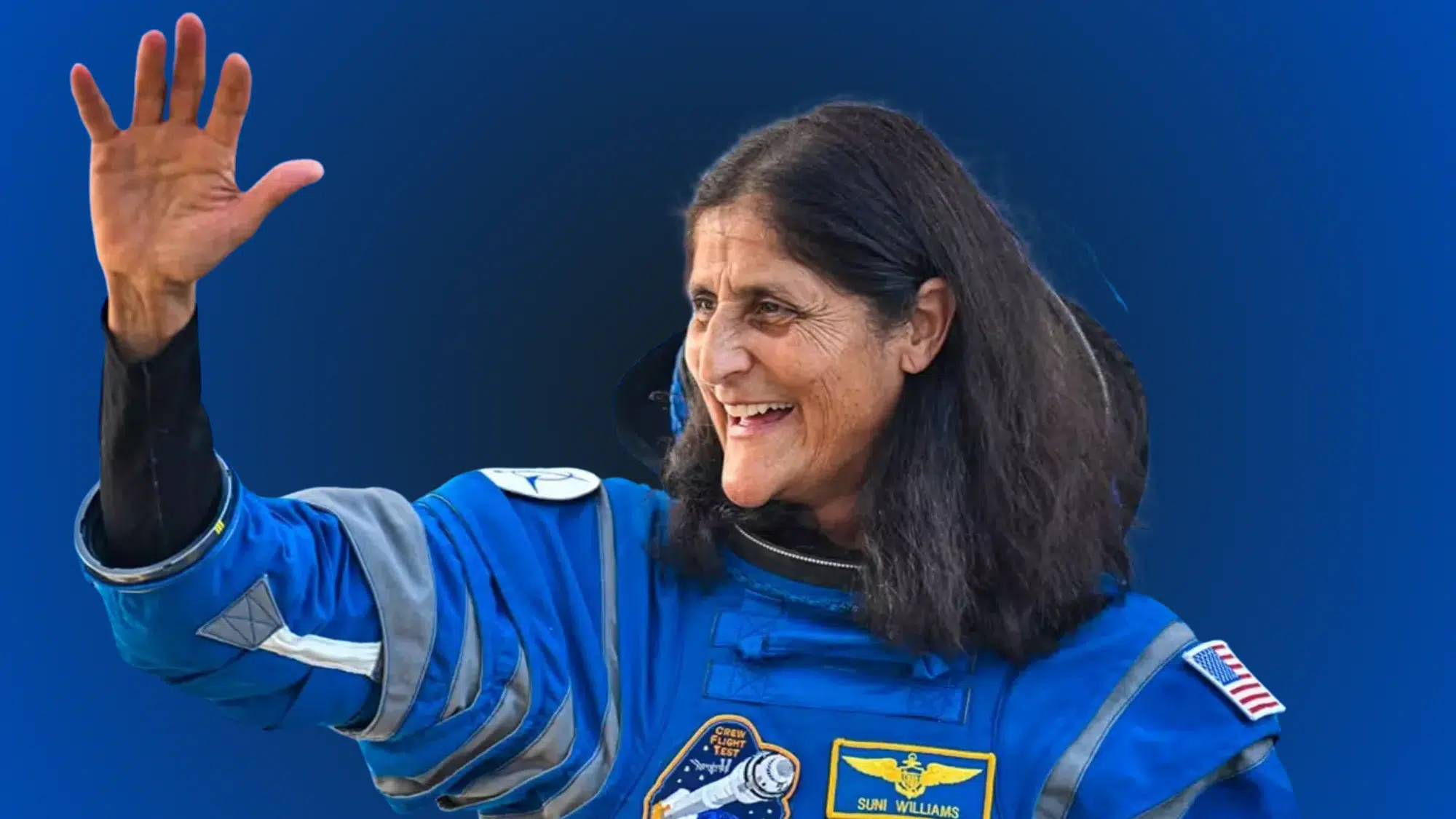
In 2024, astronauts, including Sunita Williams, faced unexpectedly long stays aboard the ISS due to Boeing Starliner technical problems.
What was planned as a short mission stretched for months. While not life-threatening, it showed how quickly plans can change in space. Eventually, SpaceX provided a safe ride home.
These extended missions prove that even with modern technology, space remains unpredictable and astronauts must be ready for anything.
Objects Astronauts Have Lost to Space Permanently
While astronauts themselves haven’t been lost, plenty of equipment has floated away during spacewalks. These items now orbit Earth as expensive space junk, never to be recovered.
1. Tool Bag (STS-126, 2008): Heidemarie Stefanyshyn-Piper’s $100,000 bag drifted away, visible from Earth with binoculars for months until atmospheric burn-up.
2. Thermal Blanket (STS-121, 2006): Detached during a shuttle mission, protecting equipment from temperature extremes before becoming debris.
3. Spatula/Pliers (STS-121/STS-120, 2006-2007): Piers Sellers and Scott Parazynski lost these during heat shield repairs and solar panel work.
4. Gloves (Gemini 4, 1965): Ed White’s glove floated off during America’s first spacewalk; cameras also commonly lost in similar incidents.
Hollywood vs. Reality: Movies That Got It Wrong
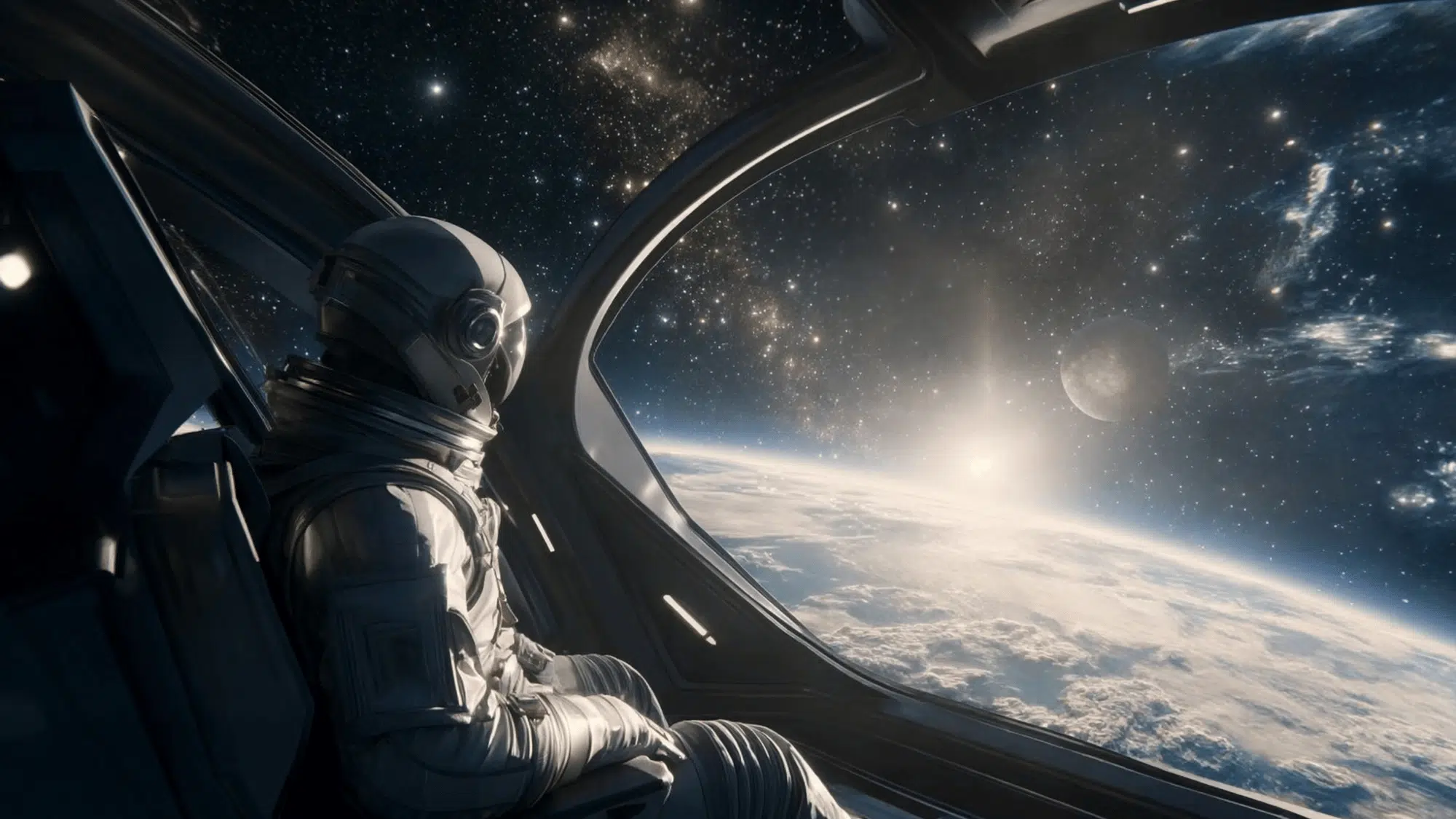
Space movies are thrilling, but they take a lot of creative liberties with the facts.
The image of an astronaut helplessly drifting into the void makes for powerful cinema, but it’s not how space travel actually works.
Directors prioritize drama over accuracy, and honestly, who can blame them? Real space procedures are often slow and methodical, not exactly blockbuster material.
But these films have shaped what millions of people believe about space. They’ve created myths that stick in our minds as truth.
From instant freezing in the vacuum to explosive decompression, Hollywood loves its space clichés. Some movies get closer to reality than others, but most sacrifice science for spectacle.
Future Risks: Artemis Missions and Mars Exploration
As humanity pushes deeper into space with moon bases and Mars missions, new risks emerge. These future ventures will test the limits of our technology and safety protocols.
- Longer distances mean rescue missions become nearly impossible: A Mars mission could take months to reach, making emergency evacuations unfeasible.
- Radiation exposure increases dramatically beyond Earth’s protective magnetic field: Deep space travel exposes astronauts to dangerous cosmic rays and solar radiation.
- Communication delays of up to 20 minutes with Mars create dangerous decision-making gaps: Astronauts must solve critical problems alone without real-time mission control support.
- Limited resources and no resupply options for years: Unlike the ISS, Mars missions can’t receive emergency supplies or replacement parts quickly.
- Psychological toll of isolation in confined spaces for extended periods: Years-long missions in cramped quarters far from home present unprecedented mental health challenges.
Conclusion
Space remains one of humanity’s greatest challenges, but the fear of being permanently lost out there is more fiction than fact. Yes, tragedies have happened. Lives have been lost during launches and re-entries.
But the specific nightmare of drifting endlessly through the cosmos? That hasn’t occurred, thanks to rigorous safety measures and backup systems.
As missions push toward the Moon and Mars, risks will grow. The next era of space exploration demands even better preparation.
For now, though, the void hasn’t claimed anyone forever. And engineers are working hard to keep it that way.