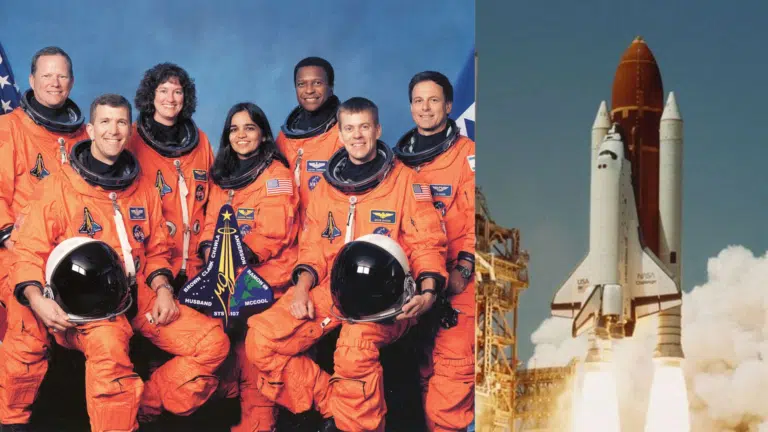
The Columbia space shuttle was part of NASA’s space program. It flew many missions and carried astronauts into space.
In 2003, something went wrong during one of its flights. The shuttle broke apart as it reentered Earth’s atmosphere. All seven crew members on board died.
This event shocked the world and raised many questions. People wanted to know what happened and why. The story of the Columbia crew is both sad and important.
It shows how brave the astronauts were and how space travel can still be risky. This blog looks at the crew’s final mission and shares the facts behind the Columbia shuttle disaster.
What was the Columbia Space Shuttle?
The Columbia space shuttle was the first space shuttle ever built by NASA. It flew for the first time in 1981 and completed many missions before the 2003 accident.
It was part of a program called the Space Shuttle Program. The main goal of this program was to send people and supplies into space and bring them back safely.
Columbia flew more than 20 times and carried many astronauts. It also helped launch satellites, conduct scientific research, and build parts of the International Space Station. Many people saw the shuttle as a symbol of progress and hope.
What Happened to Columbia and Why it Broke Apart
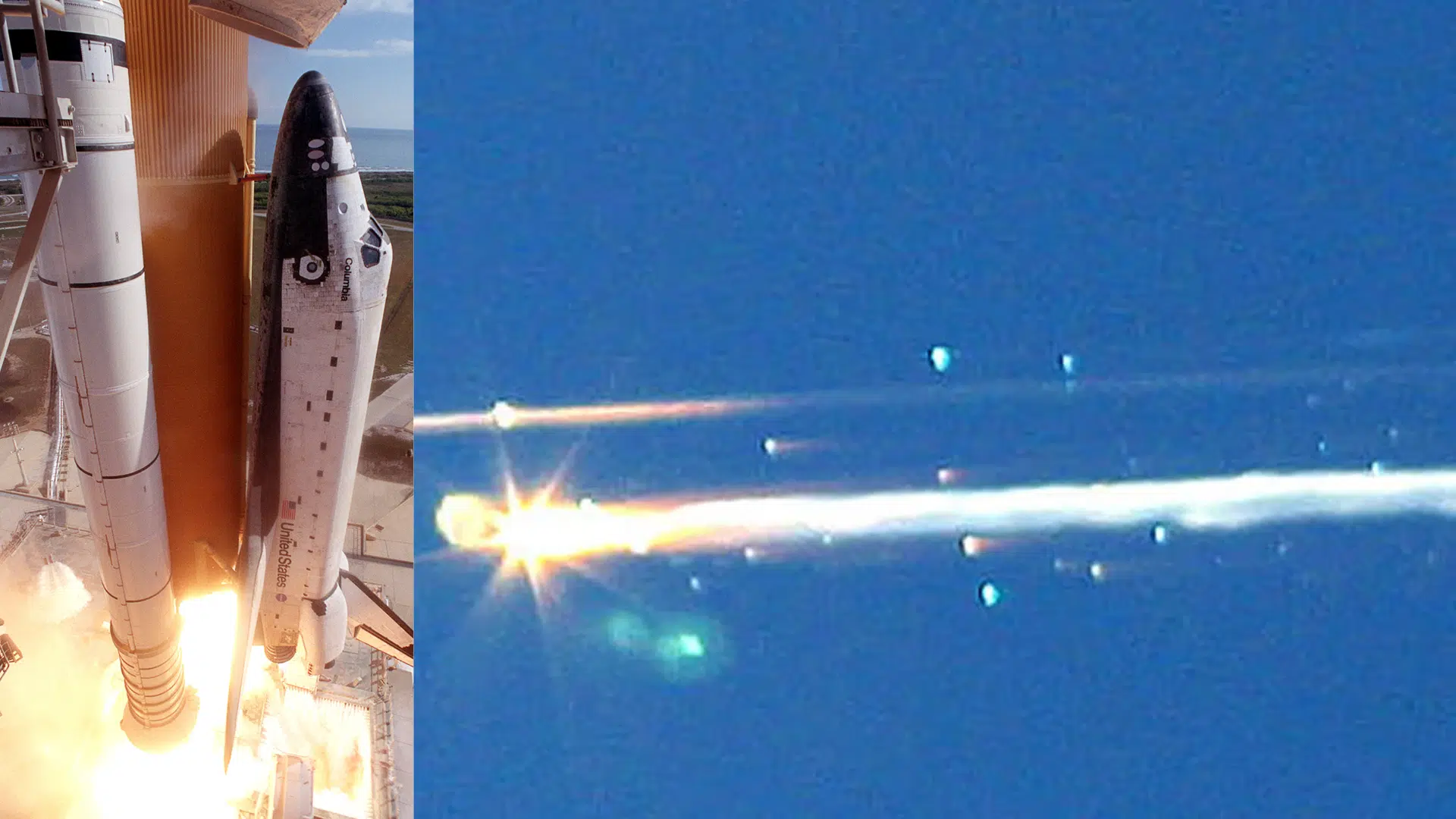
On February 1, 2003, the Columbia space shuttle was returning to Earth after a 16-day mission called STS-107.
Everything seemed normal until just 16 minutes before landing. The shuttle broke apart in the sky over Texas. All seven astronauts on board died.
The cause began during launch. A piece of foam from the external fuel tank broke off and hit the left wing. This damaged the heat shield, which protects the shuttle during re-entry.
NASA did not know how serious the damage was. When Columbia re-entered Earth’s atmosphere, hot gases entered the wing, causing it to fail and the shuttle to break apart.
All seven astronauts on board died. The Columbia shuttle crew never made it home. The disaster shocked people around the world and became one of the saddest days in space history.
Who were the Columbia Shuttle Crew?
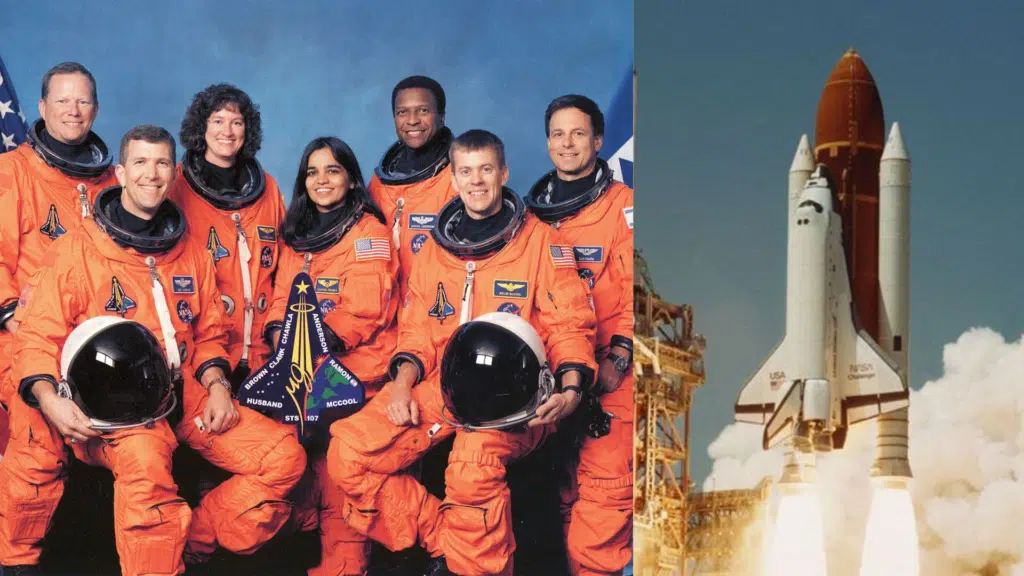
The Columbia shuttle crew had seven astronauts. They came from different backgrounds and countries. Each of them had special skills and important jobs during the mission. Here are the crew members and what they did:
Rick D. Husband – Commander
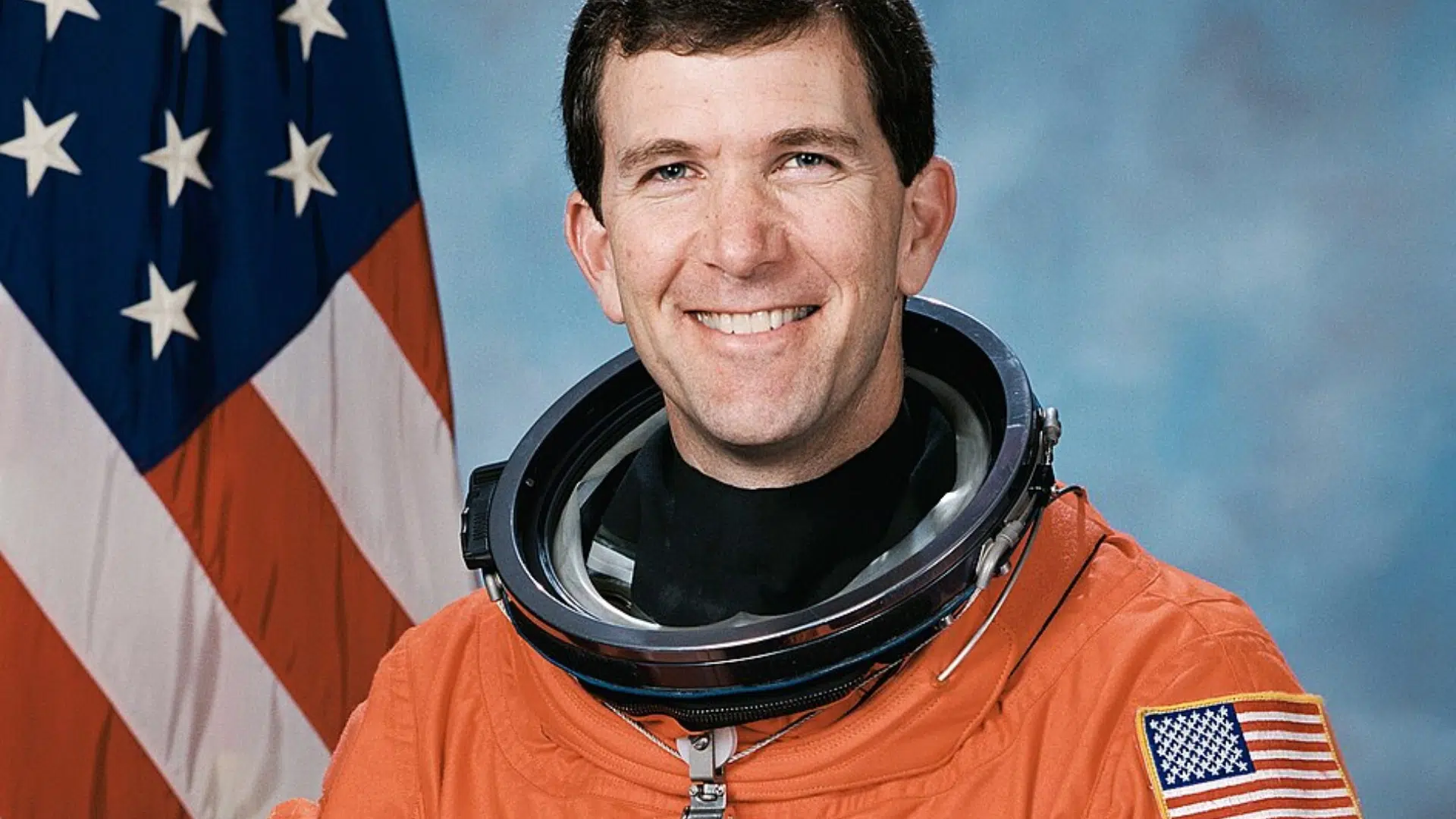
Image Source: Wikipedia
Rick Husband led the mission as commander. A former Air Force pilot, he had flown in space before. He was known for being calm and thoughtful.
Rick oversaw the shuttle’s systems and flight path. He loved spaceflight since childhood and was proud to lead the team. He was married with two children and often shared his strong faith with others.
William C. McCool – Pilot
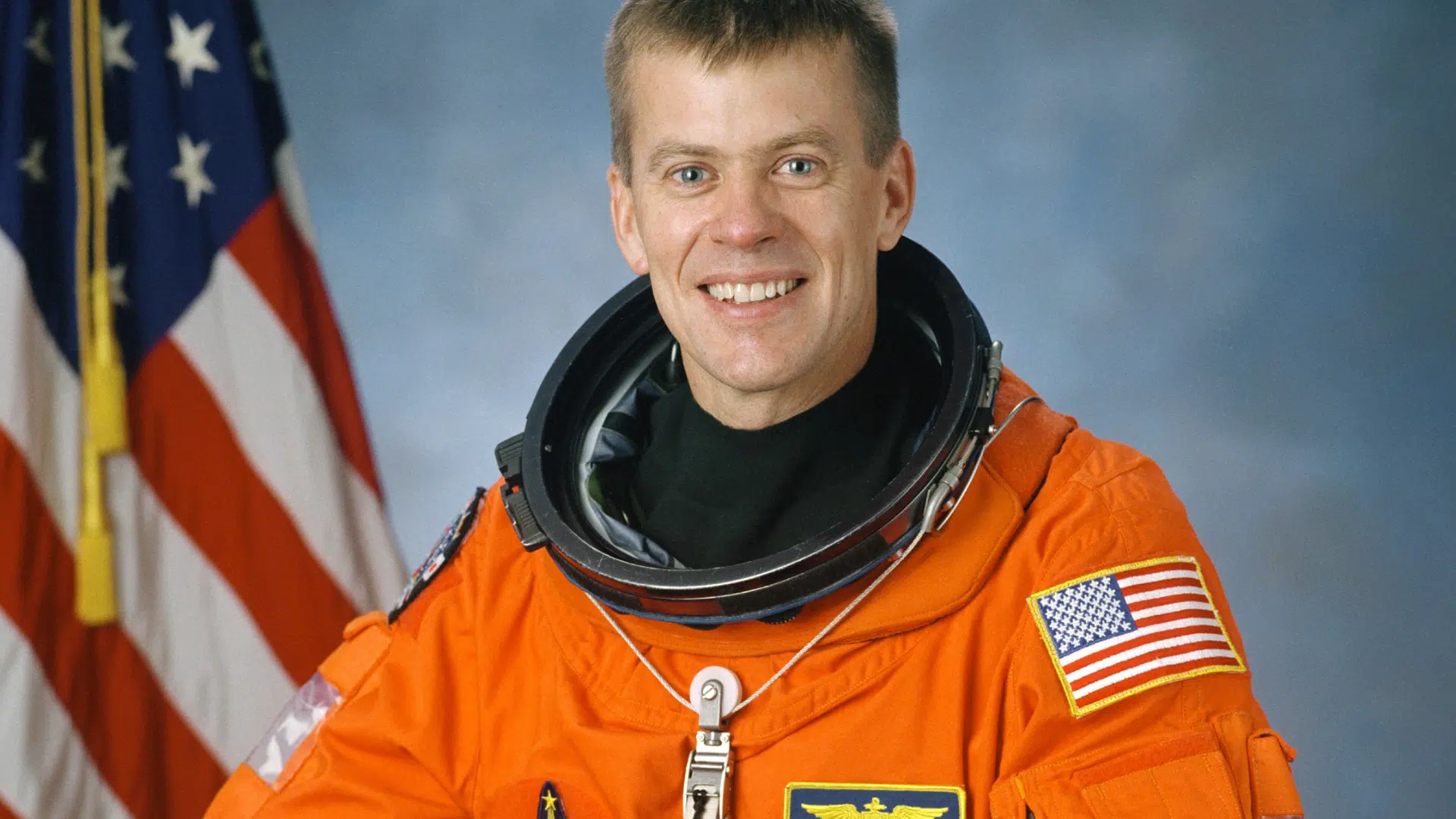
Image Source: Wikipedia
Willie McCool was the shuttle’s pilot. This was his first trip to space. A Navy pilot and test pilot, he worked closely with the commander to fly and manage the shuttle.
He was known for being kind, quiet, and hardworking. Willie loved learning and running. He kept a detailed journal during the mission, filled with thoughts about space, Earth, and his crew.
Michael P. Anderson – Payload Commander
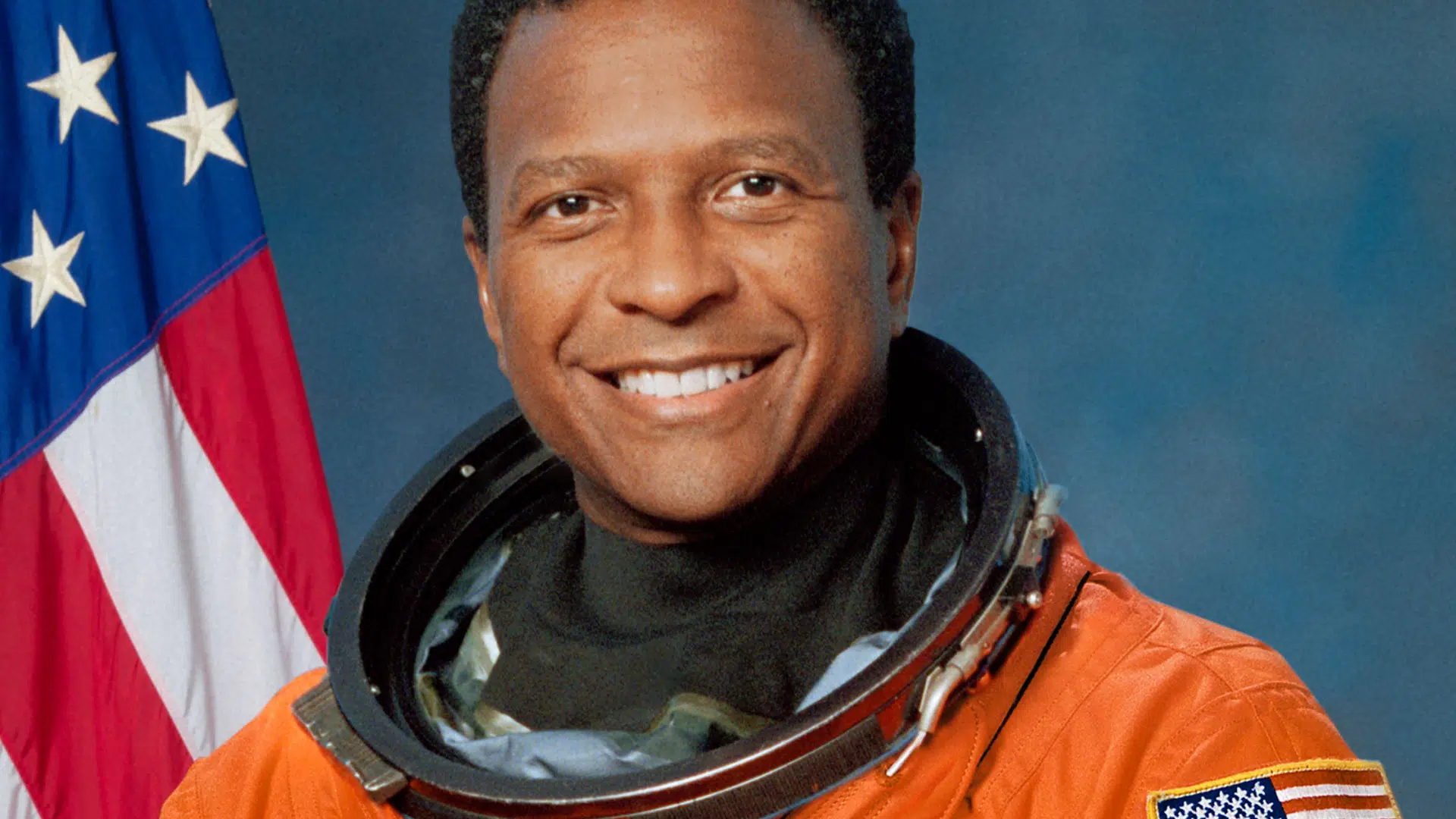
Image Source: Wikipedia
Michael Anderson led all the science work on board. He had flown in space once before. As payload commander, he managed over 80 experiments.
He believed science could help people’s lives. He served in the Air Force and was known for mentoring kids. Michael often spoke to students and hoped to inspire the next generation. He was married and had two daughters.
Ilan Ramon – Payload Specialist
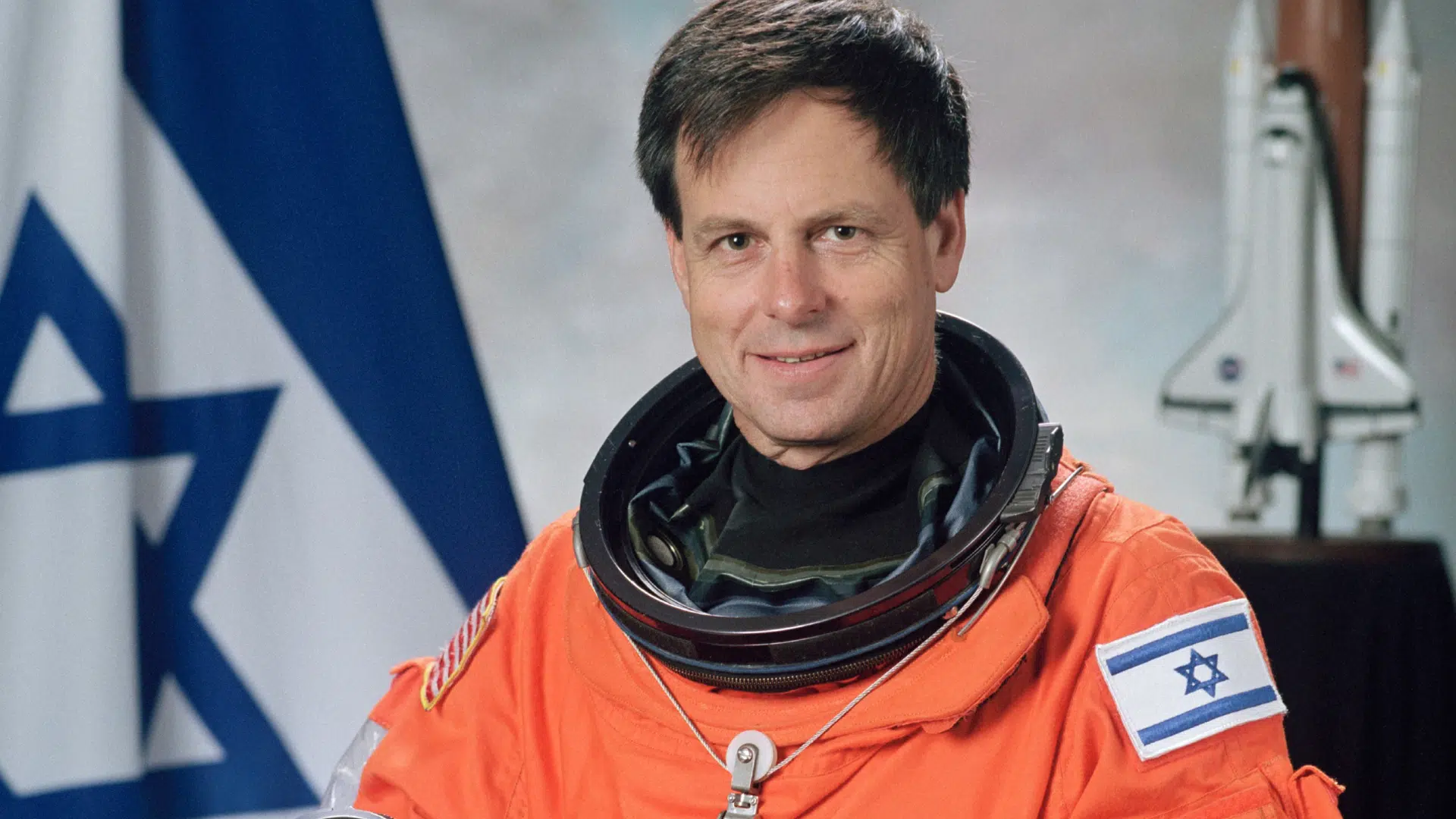
Image Source: Wikipedia
Ilan Ramon was the first Israeli in space. A former fighter pilot, he joined the mission through a partnership between Israel and NASA.
He worked on experiments, including one about desert dust and air pollution. Ilan also carried items with deep meaning, like a Torah scroll from the Holocaust. He became a symbol of peace and unity, loved by many in Israel.
Kalpana Chawla – Mission Specialist
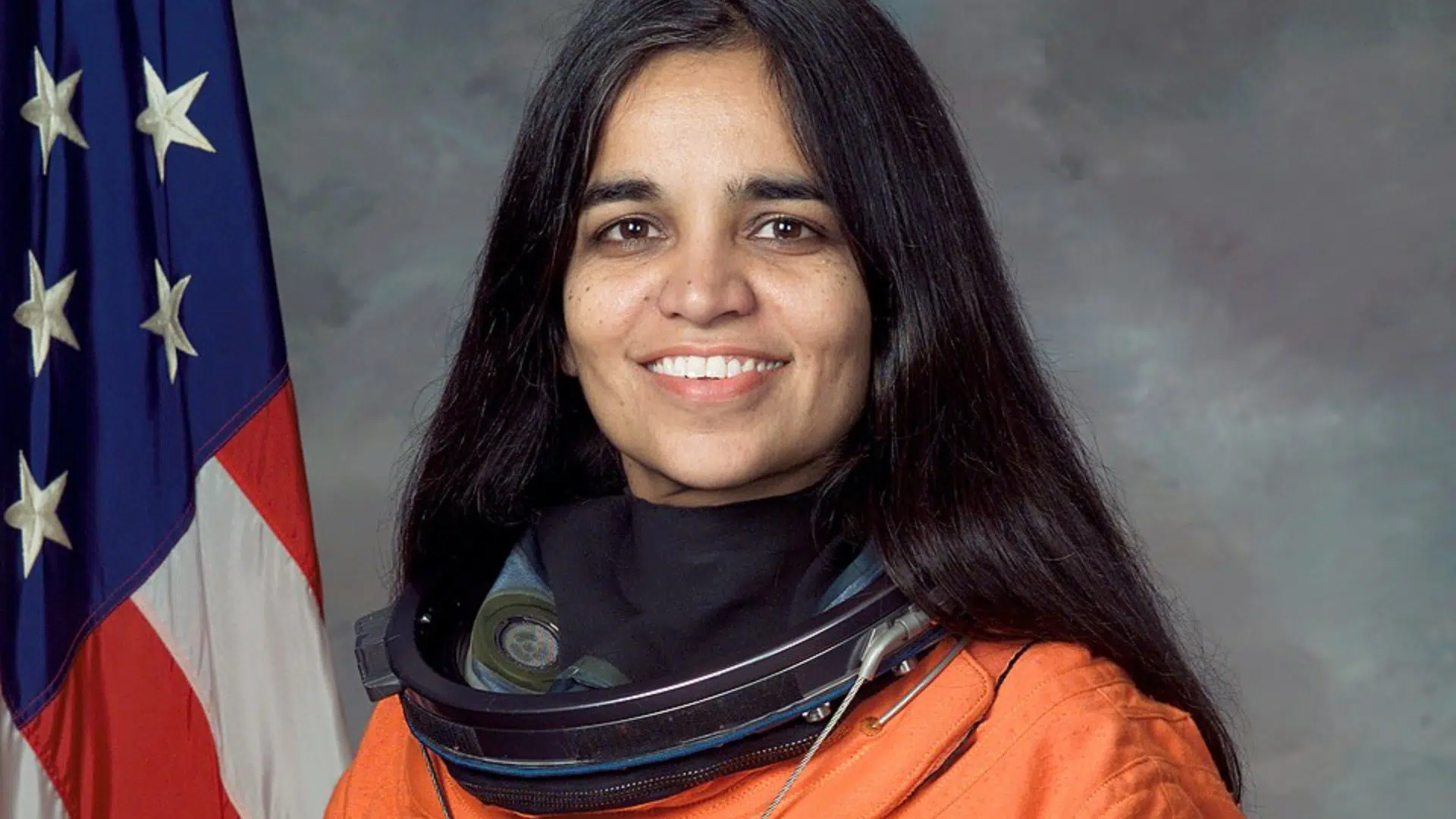
Image Source: Wikipedia
Kalpana Chawla was born in India and became a U.S. citizen. She was an aerospace engineer and flew in space once before. On Columbia, she helped manage experiments and shuttle systems.
Kalpana inspired many young girls in India and beyond. She loved flying and science. Her passion for learning and calm focus made her a role model to millions.
David M. Brown – Mission Specialist
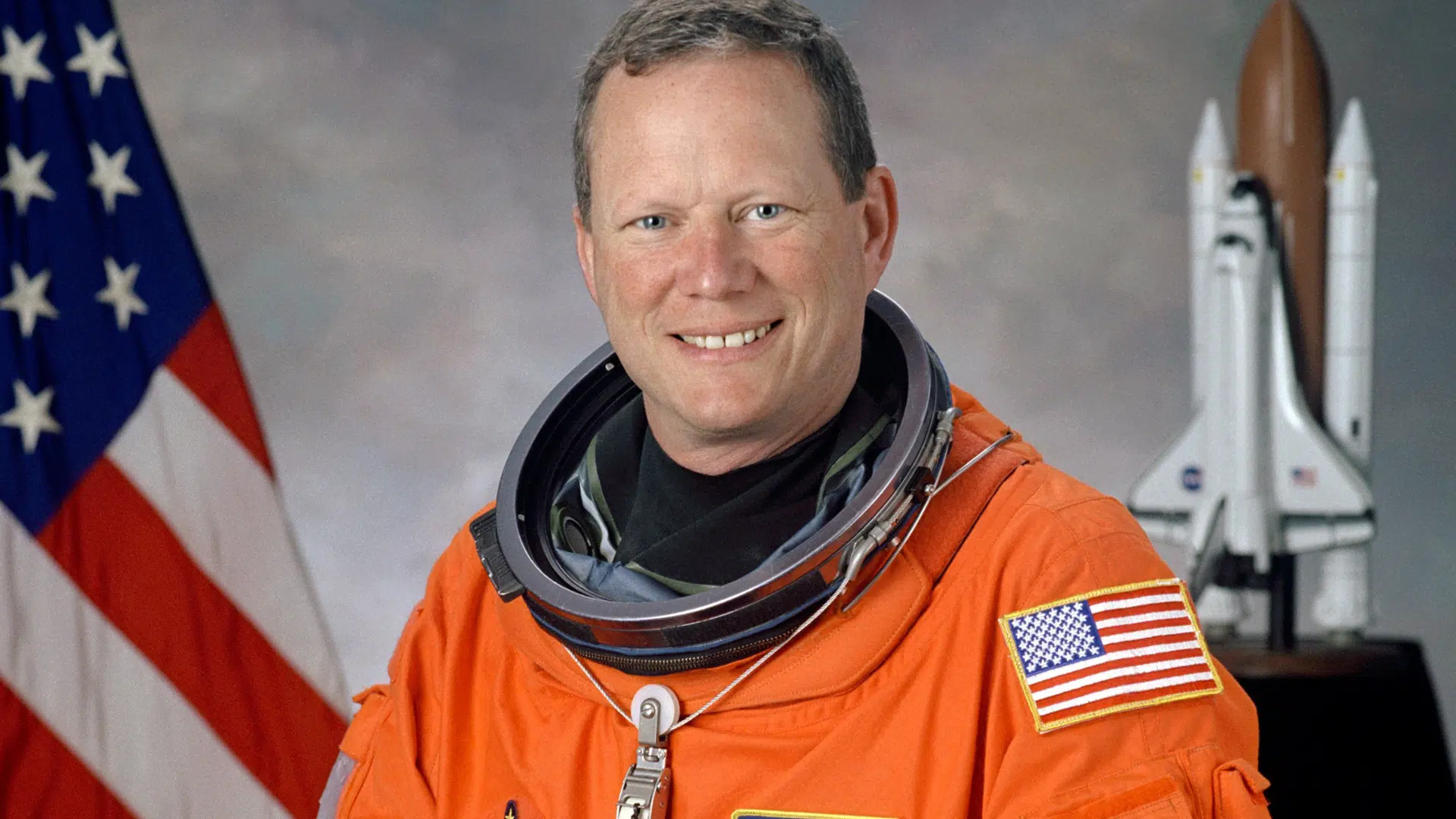
Image Source: Wikipedia
David Brown was a Navy pilot and a medical doctor. He supported science experiments and shuttle equipment. This was his first mission. David had a curious mind and many talents.
He enjoyed theater and music. Friends described him as kind and full of life. He felt honored to be in space and often said he was lucky to be part of the mission.
Laurel B. Clark – Mission Specialist
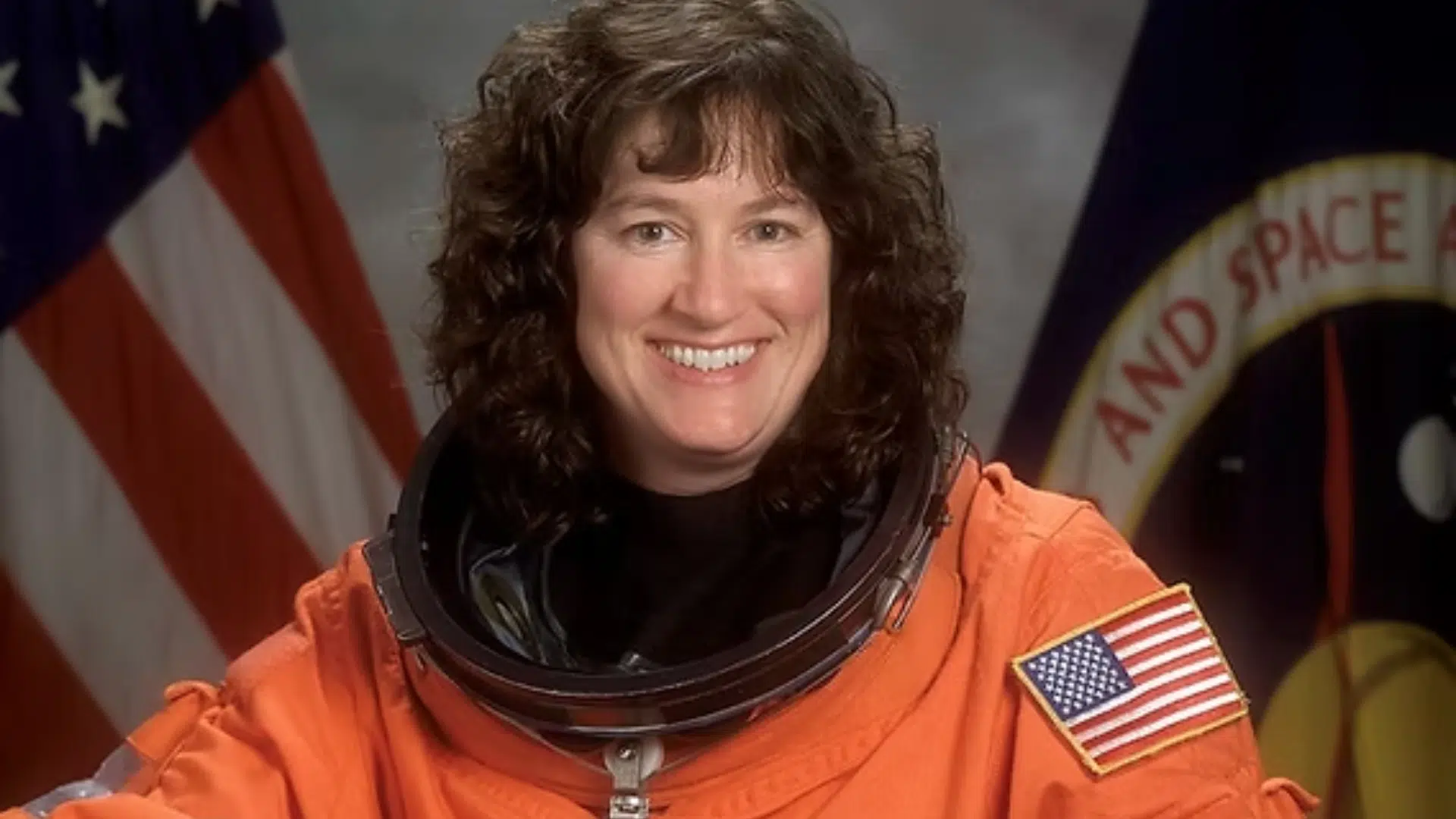
Image Source: Notes on lowa
Laurel Clark was a doctor and a Navy flight surgeon. She worked on life science experiments, studying how living things react in space.
Laurel loved nature and often sent emails from orbit, filled with joy and wonder. She took many photos of Earth. She said space helped her feel more connected to life. She was married and had one son.
What was the STS-107 Mission About?
The STS-107 mission focused on science and research. The crew carried out over 80 experiments while in space.
These included studies in medicine, biology, physics, and Earth science. The astronauts worked in shifts to keep experiments running all day and night.
Some of the research was about how space affects the human body. Other experiments looked at how things burn in low gravity, how dust moves, and how plants grow.
The Columbia shuttle crew worked hard to finish their mission goals.
What Did NASA Do After the Crash?
After the Columbia shuttle disaster, NASA took many steps to improve safety and prevent another tragedy. Here’s what they did:
- Shuttle Flights Were Paused: NASA stopped all space shuttle missions for over two years to focus on the investigation.
- Investigation Team Was Formed: The Columbia Accident Investigation Board (CAIB) was established to determine the cause of the crash.
- Main Cause Was Identified: The board found that a piece of foam hit the left wing during launch. This damaged the heat shield, leading to the disaster.
- Safety Problems Were Noted: The report said that warning signs were missed. Some engineers had concerns but didn’t feel heard.
- New Safety Rules Were Made: NASA made big changes to its safety system. They created better ways for staff to speak up about dangers.
- Changes to the Shuttle: Engineers updated the shuttle to better withstand damage. Tools were added to detect problems in space.
Where Did the Shuttle Break Apart?
The pieces of the Columbia shuttle were spread over many miles. Debris fell across Texas and Louisiana.
Thousands of people helped search for parts. NASA later used these parts to learn more about what happened.
Some parts of the shuttle and crew remains were found and given proper respect. Most of the wreckage was stored in a special room at Kennedy Space Center. It is now used to teach engineers and scientists about safety and design.
How is the Columbia Shuttle Crew Remembered?
Many things have been named in honor of the Columbia shuttle crew:
- Schools and libraries were named after the astronauts.
- Streets and parks carry their names.
- Memorials and plaques were placed in cities and space centers.
- The Space Mirror Memorial at Kennedy Space Center lists their names.
- NASA’s Day of Remembrance honors them each year along with other fallen astronauts.
The families of the crew members have also spoken publicly. They ask people to remember not only how the astronauts died, but how they lived and what they stood for.
Did the Shuttle Program Continue?
Yes, but with changes. The shuttle program restarted in 2005 with better safety checks.
Astronauts used new cameras and tools to inspect the shuttle wings. A second shuttle was kept ready to rescue the crew if needed.
The shuttle program flew for several more years. It helped finish building the International Space Station.
The last shuttle flight was in 2011. After that, NASA started working with private companies to send people into space.
To Conclude
The Columbia shuttle crew demonstrated great courage, skill, and a love of space and science. Their mission ended in tragedy, but their work still matters.
NASA learned many lessons from the disaster and made space travel safer for future crews. The seven astronauts are remembered not just for how they died, but for how they lived.
Their story reminds us to value teamwork, learning, and safety. Their legacy continues to inspire. Let us honor them by supporting space education, science, and those who dream of reaching the stars.
To learn more or share their story, take a moment to read, reflect, or talk about the Columbia shuttle crew today.