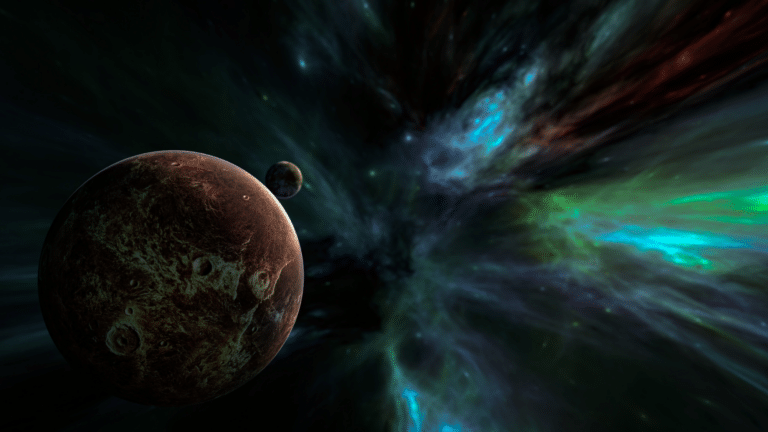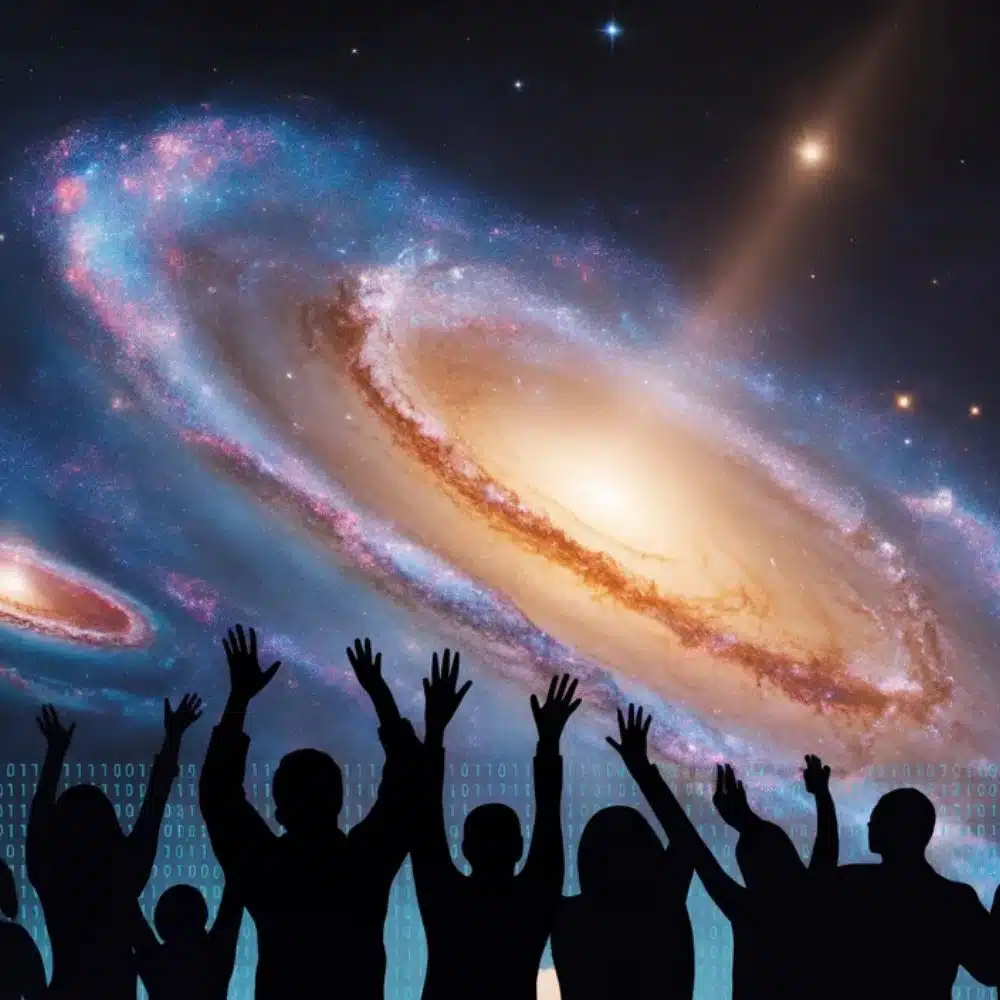

Space contains many objects that challenge human imagination. Vast clouds of gas glow across distant regions of the universe.
Enormous structures form under the steady pull of gravity. Astronomers study these cosmic features to understand how the universe formed and how it continues to change over time.
Many of these objects appear through powerful telescopes, while others remain extremely distant and mysterious.
This article looks at cool things that exist beyond Earth. The list highlights remarkable sights in space and offers a glimpse into the scale and variety that fill the universe.
Why Does Space Contain So Many Different Objects?
Space contains many different objects because the universe is shaped by powerful natural forces and long periods of time.
Gravity pulls gas and dust together, forming stars, planets, and entire galaxies. When stars age and explode, they release new elements into space that later become part of other cosmic structures.
Temperature, pressure, and motion also affect how matter changes and spreads through the universe.
Over billions of years, these processes create a wide variety of astronomical bodies and phenomena.
Common and Unusual Things That Exist in Space
Space contains a wide variety of objects shaped by gravity, energy, and time. The list below highlights several fascinating examples found across the universe.
1. Stars
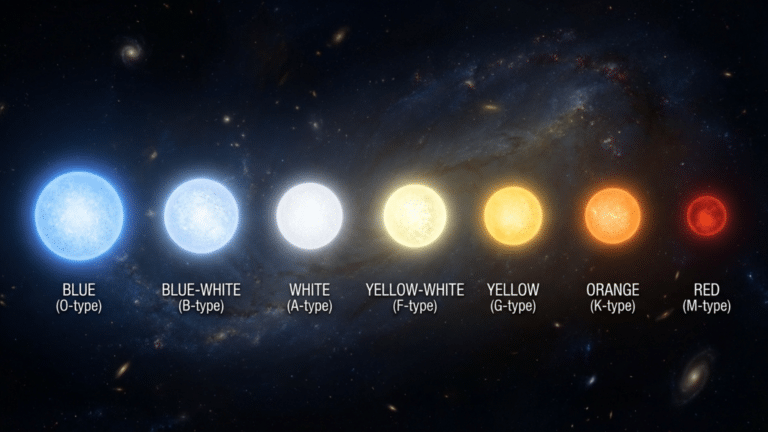
Stars are giant balls of hot gas that produce light and heat through nuclear fusion in their cores. Hydrogen atoms combine to form helium, releasing enormous energy that shines across space.
Stars vary greatly in size, temperature, and brightness. Some are small red dwarfs, while others are huge blue giants. Our Sun is an average star in the Milky Way galaxy.
2. Planets
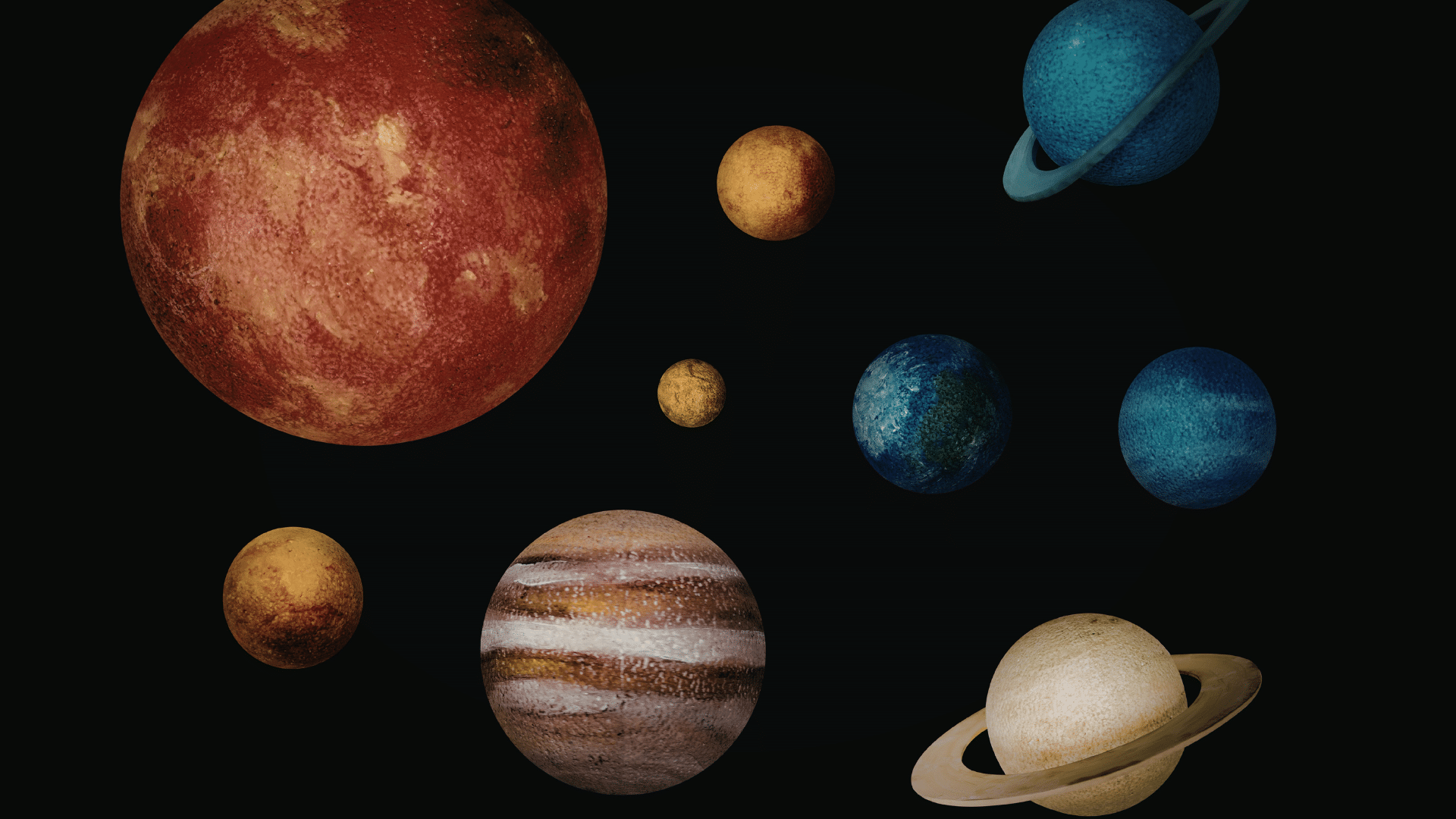
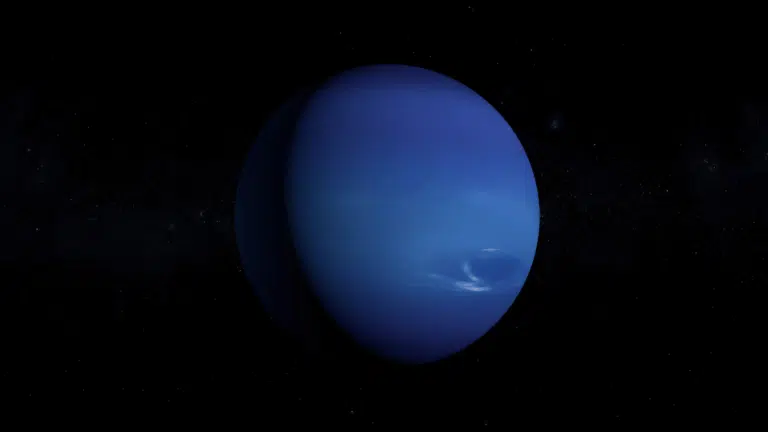
Planets are large objects that orbit a star and do not produce their own light. Instead, they reflect light from the star they orbit. In our solar system, planets range from small rocky worlds like Mercury and Mars to large gas giants like Jupiter and Saturn.
Thousands of planets have also been found orbiting distant stars. These worlds show that planetary systems can form in many different ways.
3. Moons
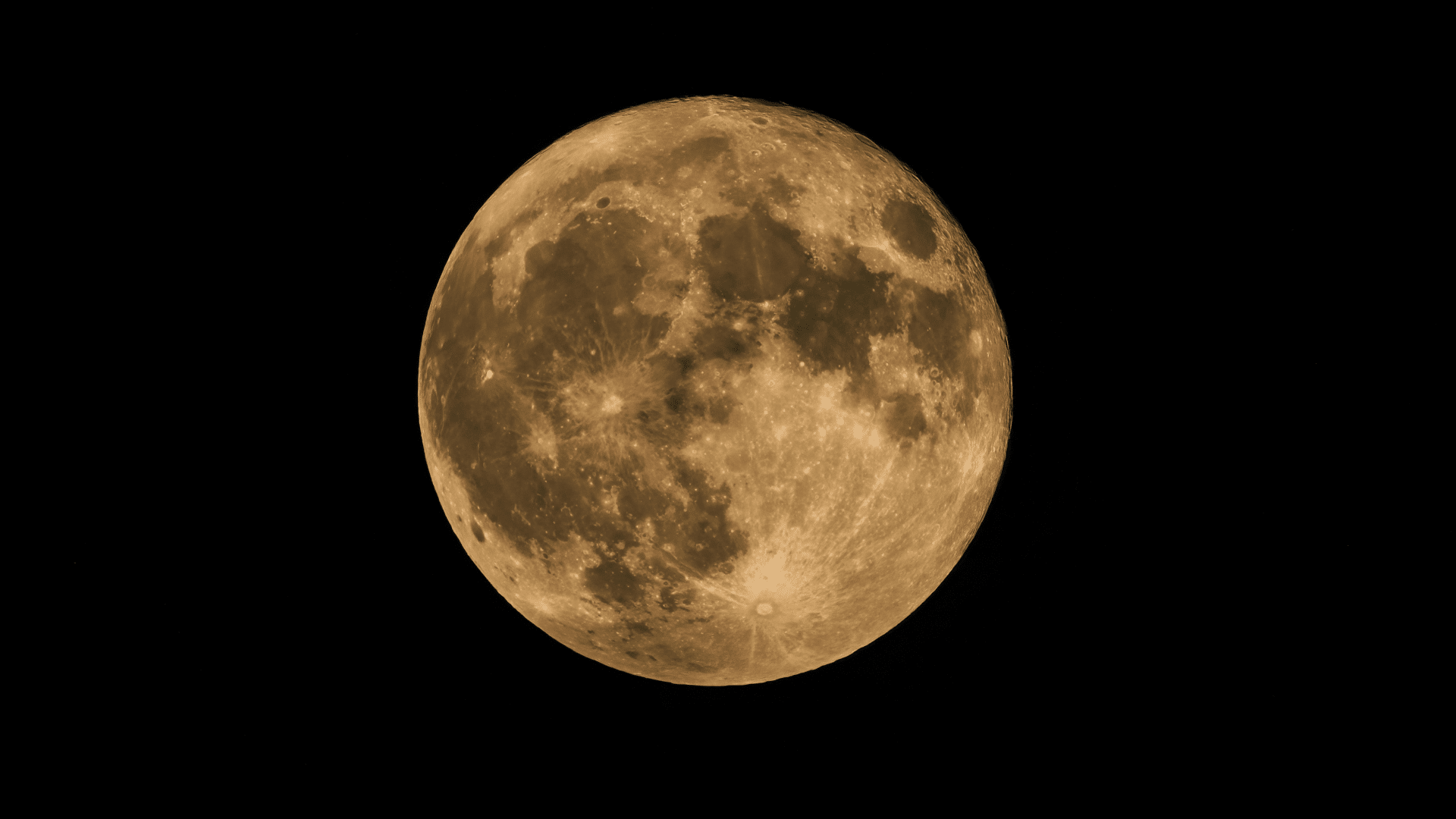
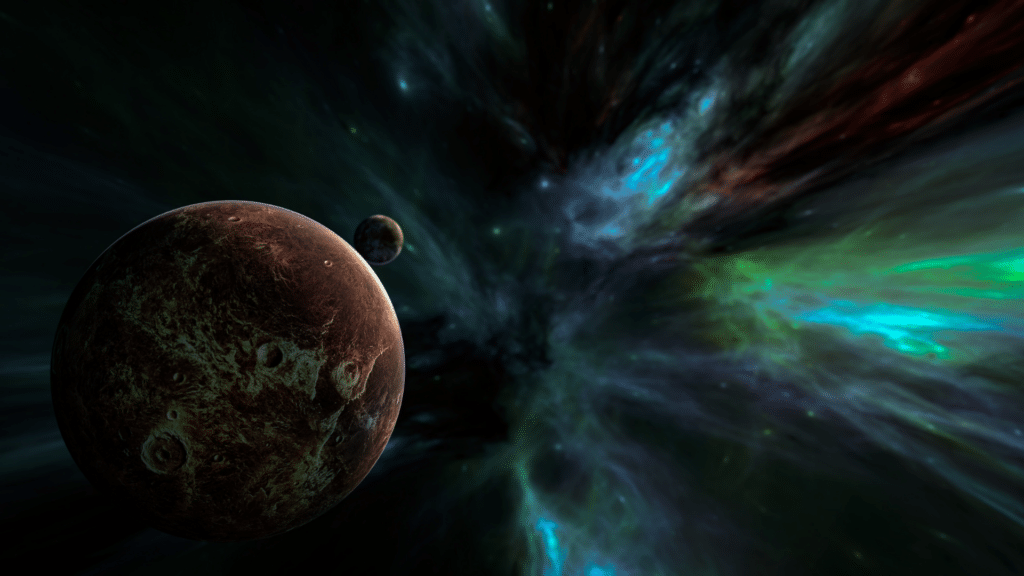
Moons are natural satellites that orbit planets. Our solar system contains more than 200 known moons, and each one has unique features. Some moons are covered in craters and rocky terrain, while others have icy surfaces or underground oceans.
Jupiter’s moon Europa may even contain water beneath its frozen crust. Moons help scientists learn about planetary systems and how they evolve.
4. Asteroids
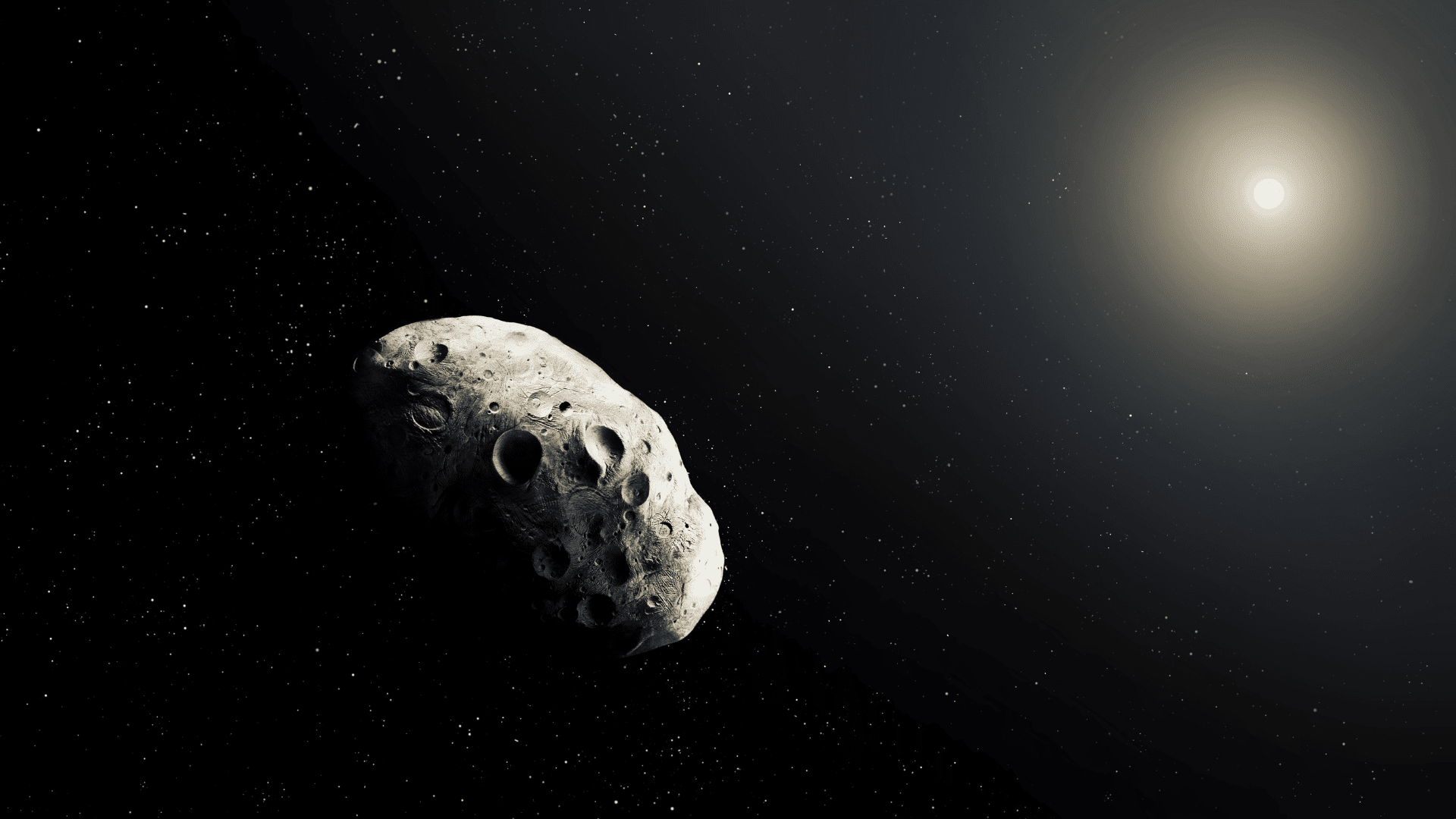
Asteroids are rocky objects that orbit the Sun, mostly located in the asteroid belt between Mars and Jupiter. These objects are leftovers from the early solar system that never formed into planets.
Asteroids vary greatly in size, from small rocks only a few meters across to massive bodies hundreds of kilometers wide. Some asteroids even have small moons of their own.
5. Comets
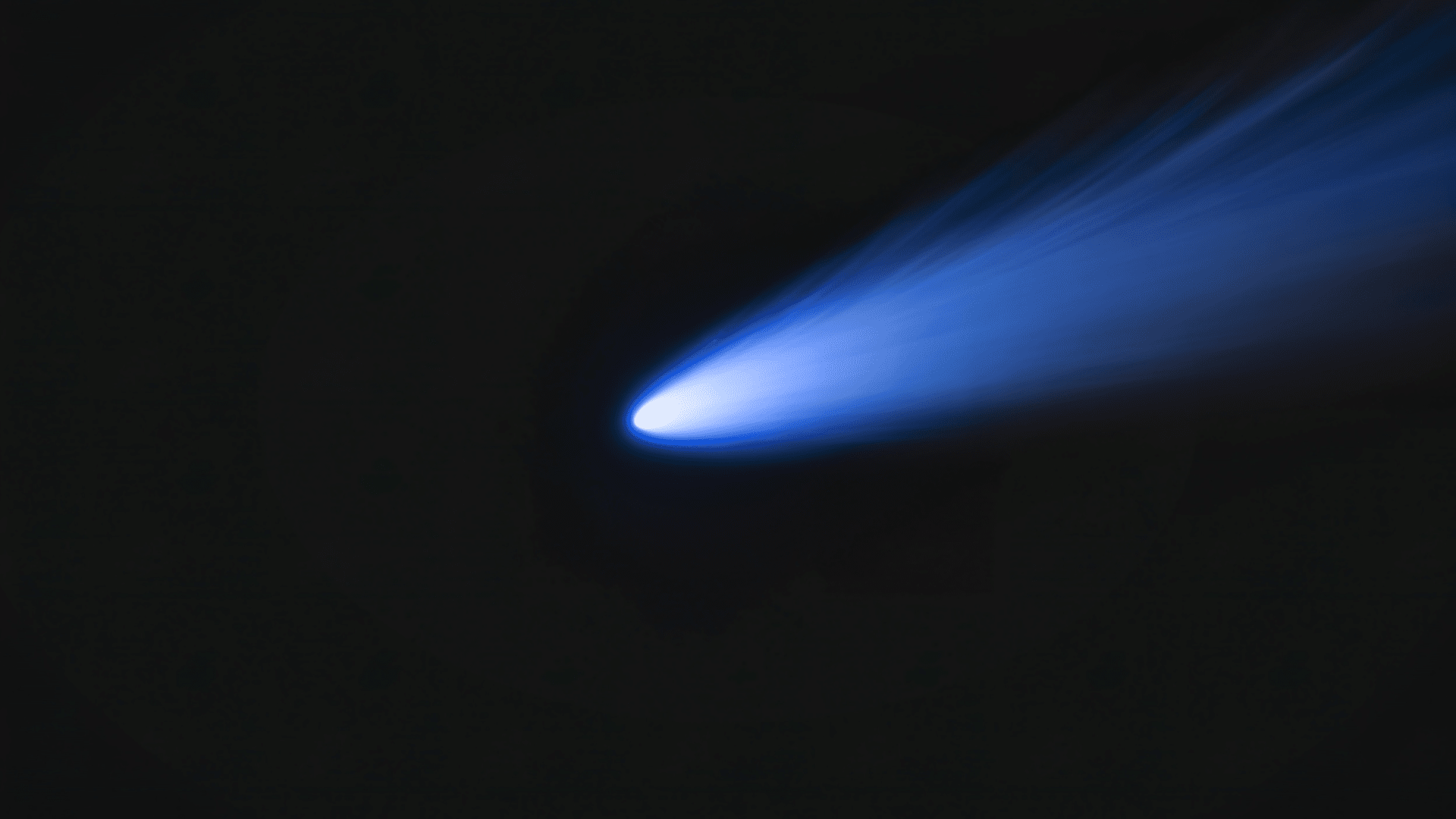
Comets are icy objects that travel through space in long, stretched orbits around the Sun. They contain ice, dust, and rocky material.
When a comet approaches the Sun, heat vaporizes its ice, forming a glowing cloud called a coma and a long tail that can stretch for millions of kilometers. This bright tail always points away from the Sun because of solar wind.
6. Meteoroids
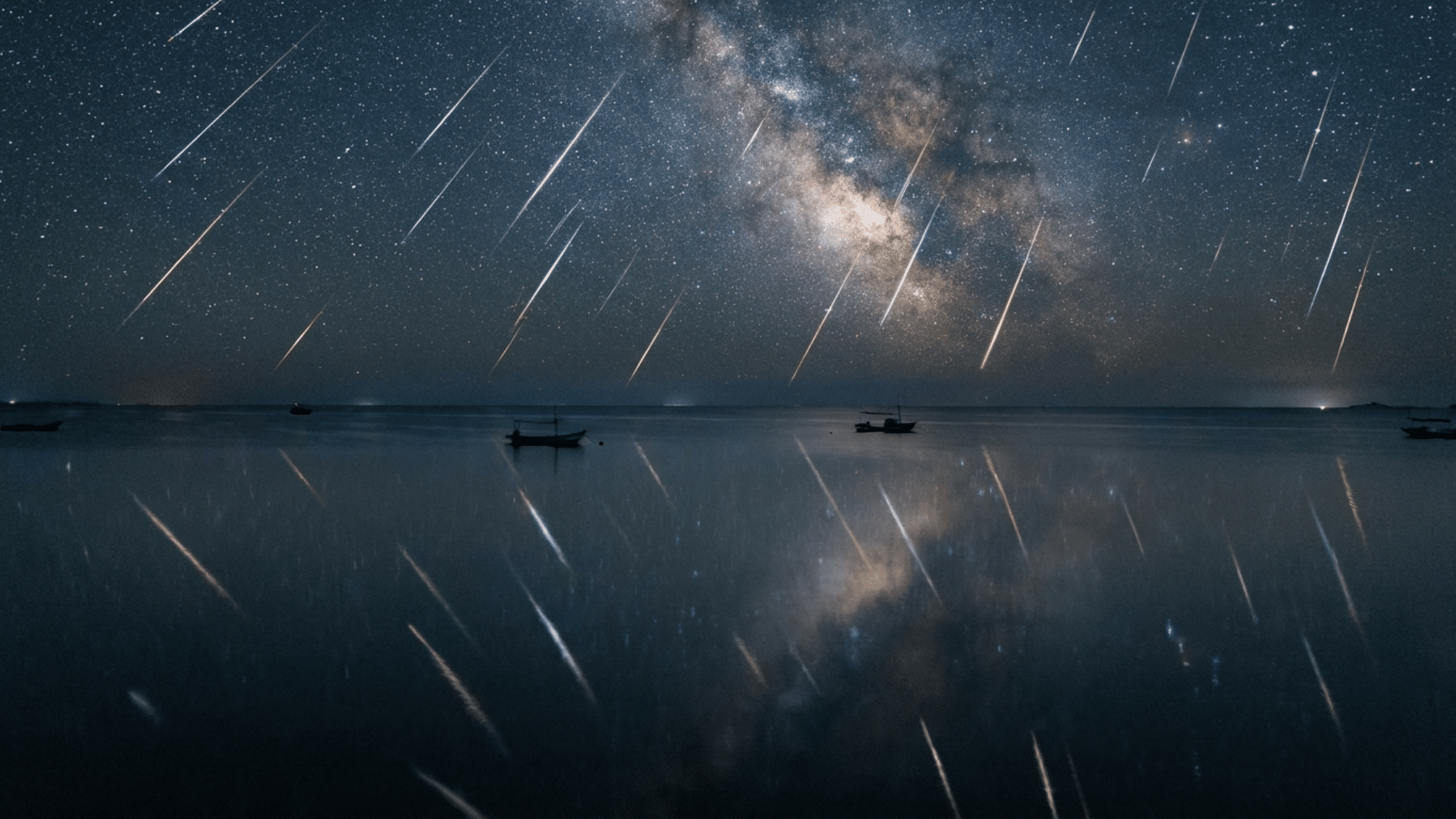
Meteoroids are small pieces of rock or metal traveling through space. Many originate from asteroids or comets that have broken apart over time.
When a meteoroid enters Earth’s atmosphere, it burns up and creates a bright streak of light called a meteor, often known as a shooting star. If part of the object survives and lands on Earth, it becomes a meteorite.
7. Nebulae
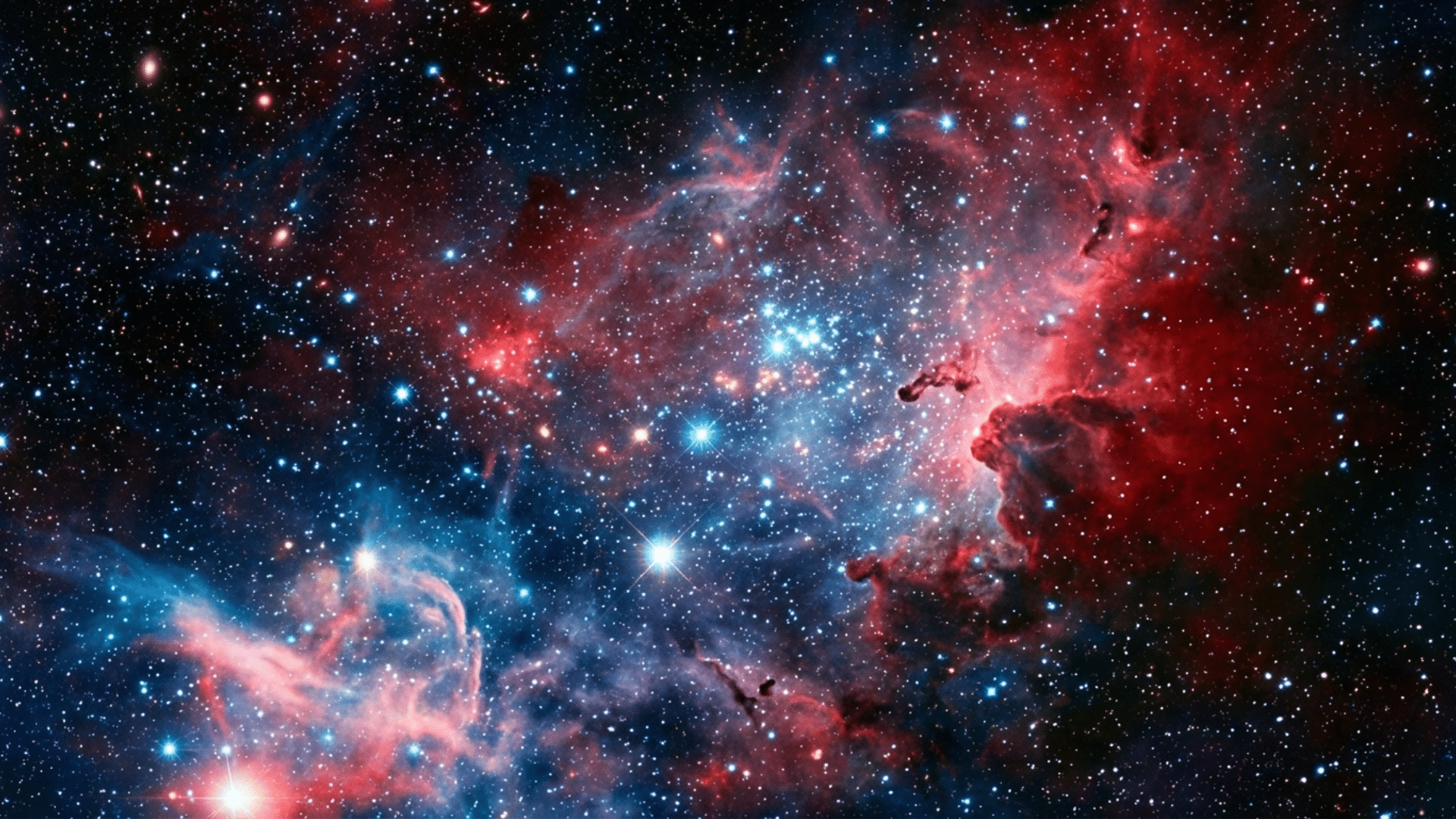
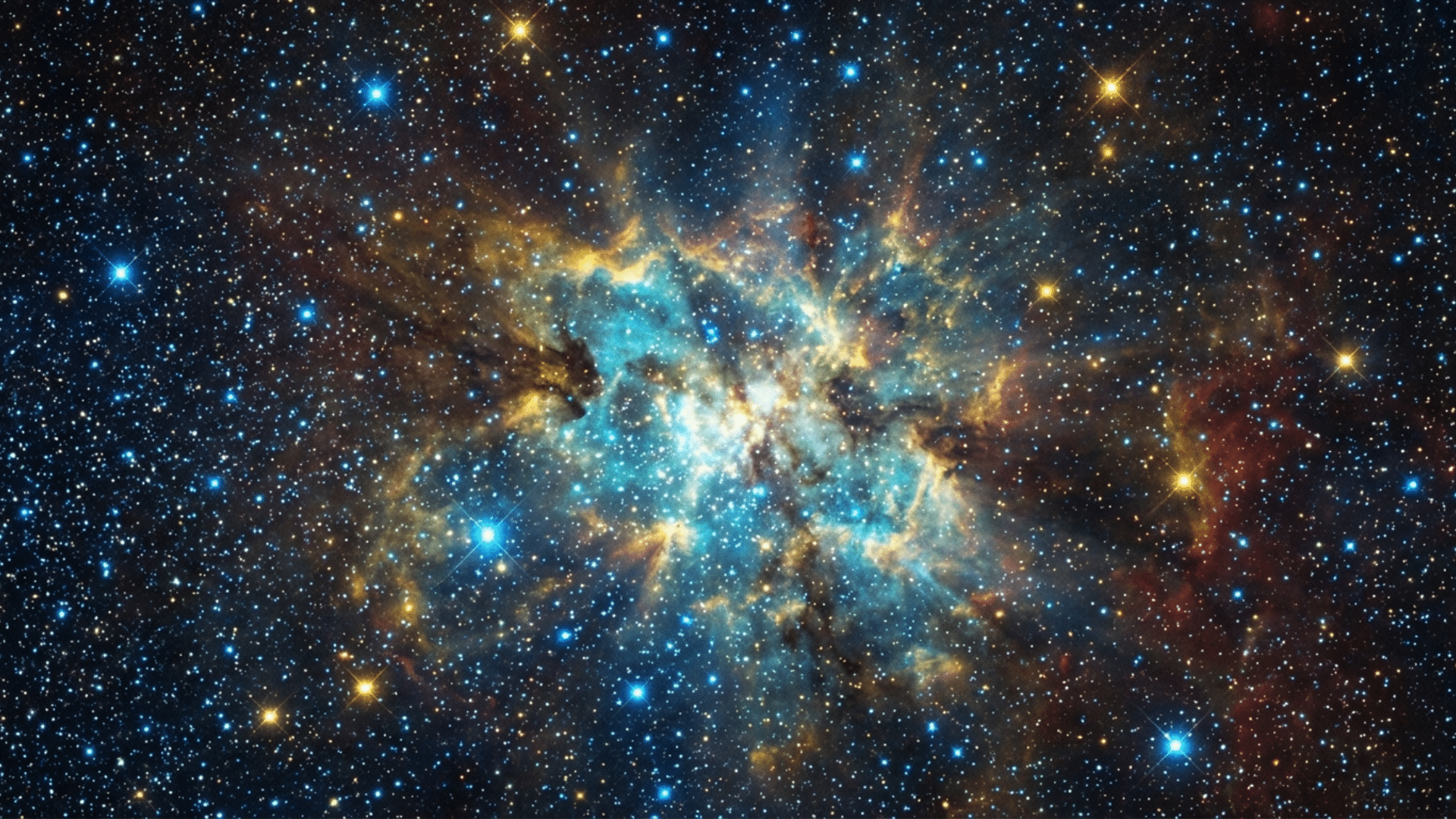
Nebulae are huge clouds of gas and dust floating in space. Many nebulae glow with bright colors because nearby stars illuminate the gases inside them. Some nebulae are regions where new stars are born, while others form after stars explode.
Famous examples include the Orion Nebula and the Eagle Nebula. These clouds can stretch across hundreds of light-years.
8. Galaxies
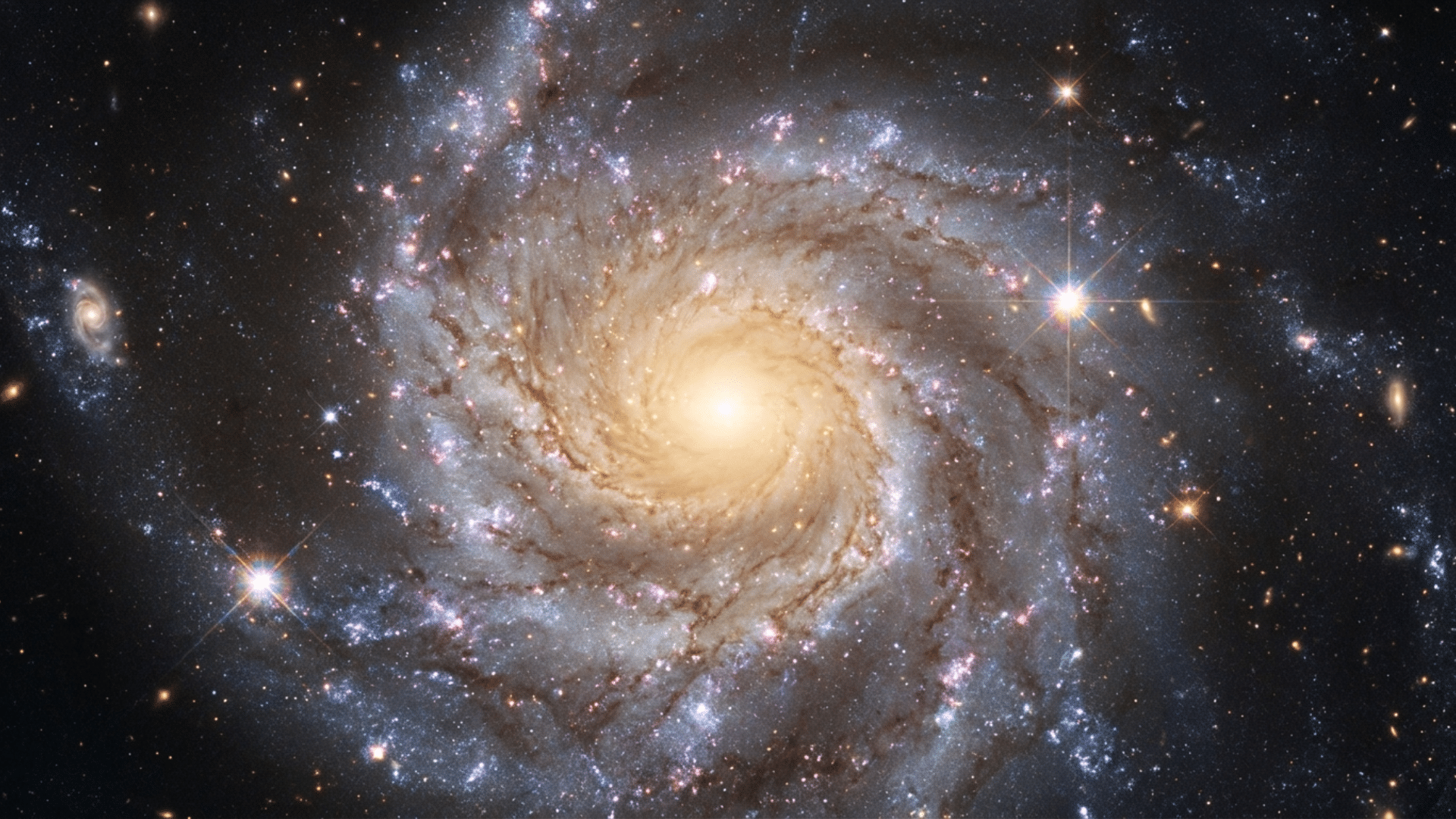
Galaxies are enormous systems that contain billions or even trillions of stars, along with gas, dust, and dark matter. Our galaxy, the Milky Way, is a spiral galaxy containing hundreds of billions of stars.
Galaxies come in different shapes, including spiral, elliptical, and irregular forms. They can collide and merge over time, creating even larger galaxies.
9. Black Holes
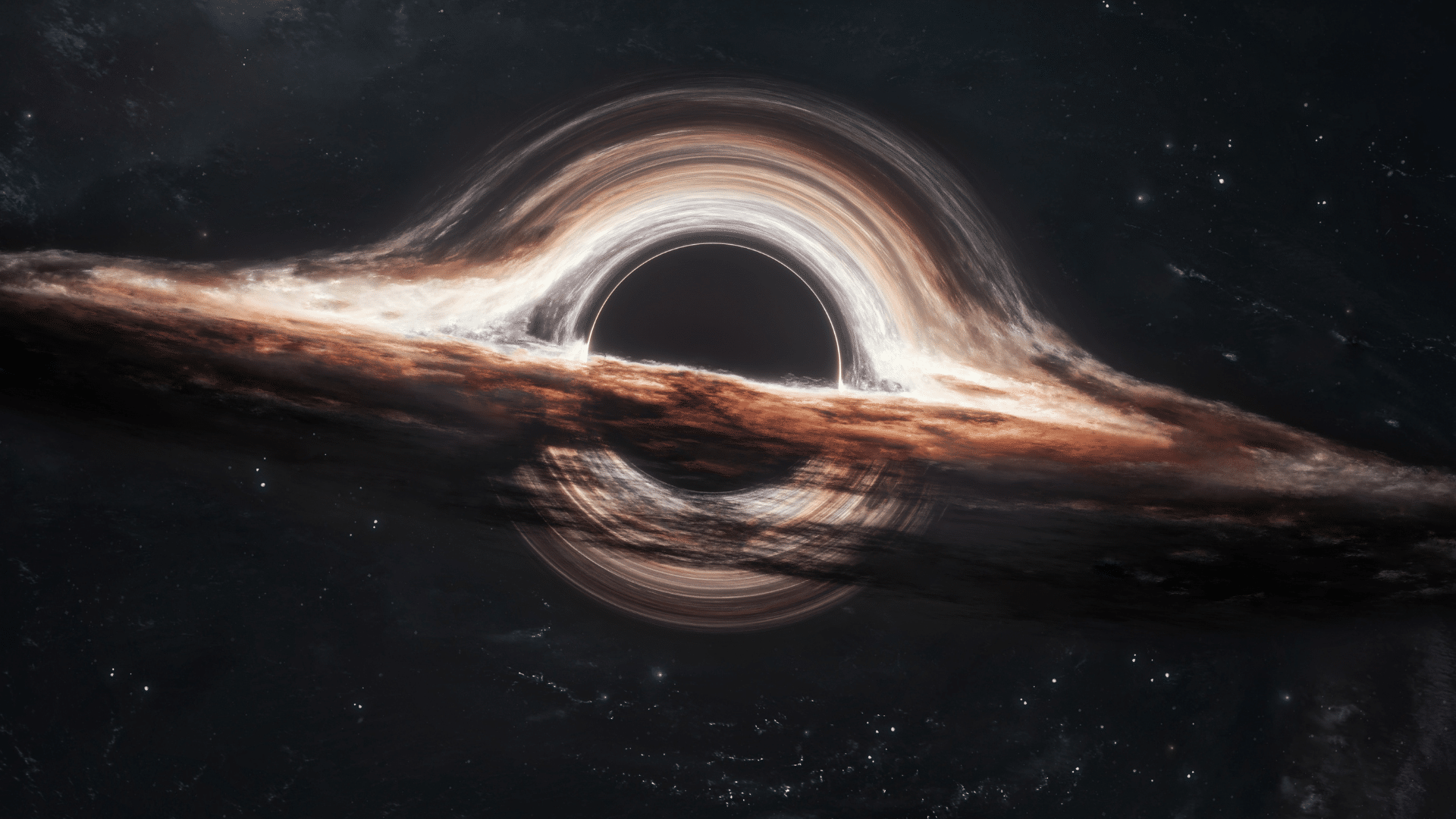
Black holes are regions of space where gravity is so strong that nothing can escape, not even light. They form when very massive stars collapse after running out of fuel.
The boundary surrounding a black hole is called the event horizon. Although black holes cannot be seen directly, scientists detect them by observing how nearby stars and gas behave.
10. Neutron Stars
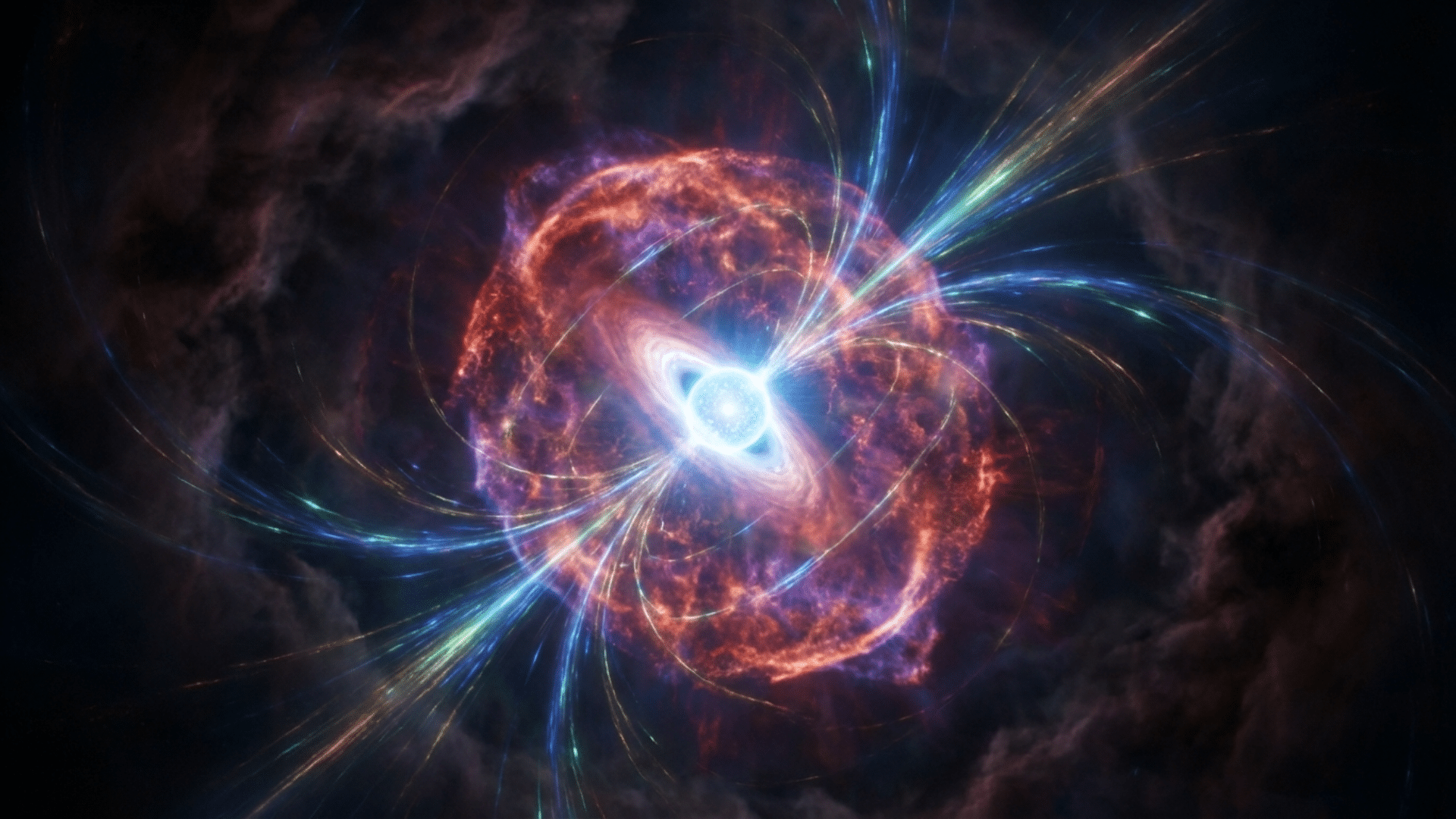
Neutron stars form when massive stars explode in supernova events and collapse into extremely dense objects. These stars are only about 20 kilometers across but contain more mass than the Sun.
A tiny amount of neutron star material would weigh billions of tons on Earth. Many neutron stars spin rapidly and emit radiation beams that sweep through space.
11. Supernovae
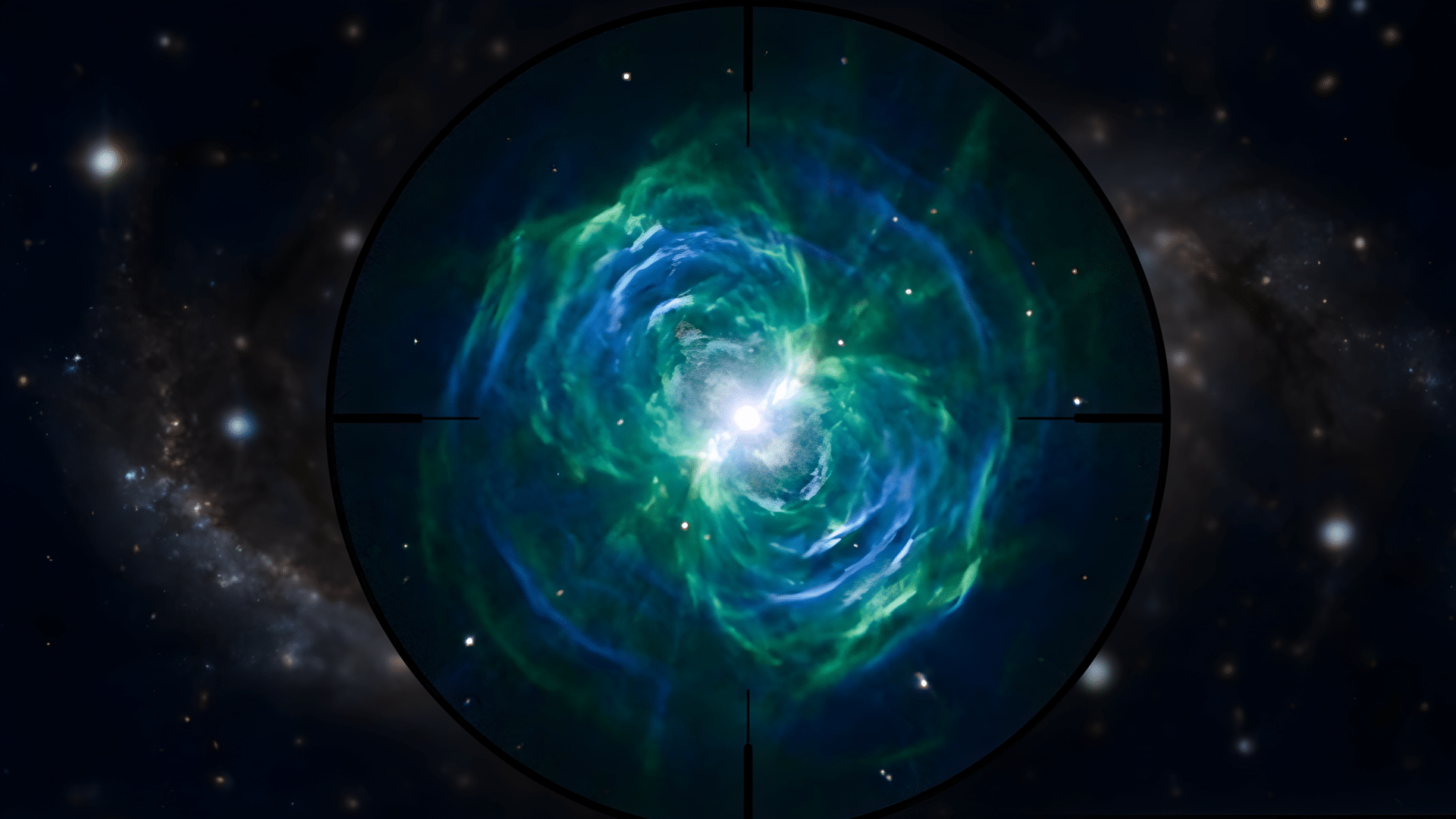
A supernova is a massive explosion that marks the death of a large star. During this event, the star releases an enormous amount of energy and becomes extremely bright for a short time.
Supernovae are important because they scatter heavy elements like iron and gold into space. These elements later become part of new stars and planets. Without supernova explosions, many materials found on Earth would not exist.
12. Quasars
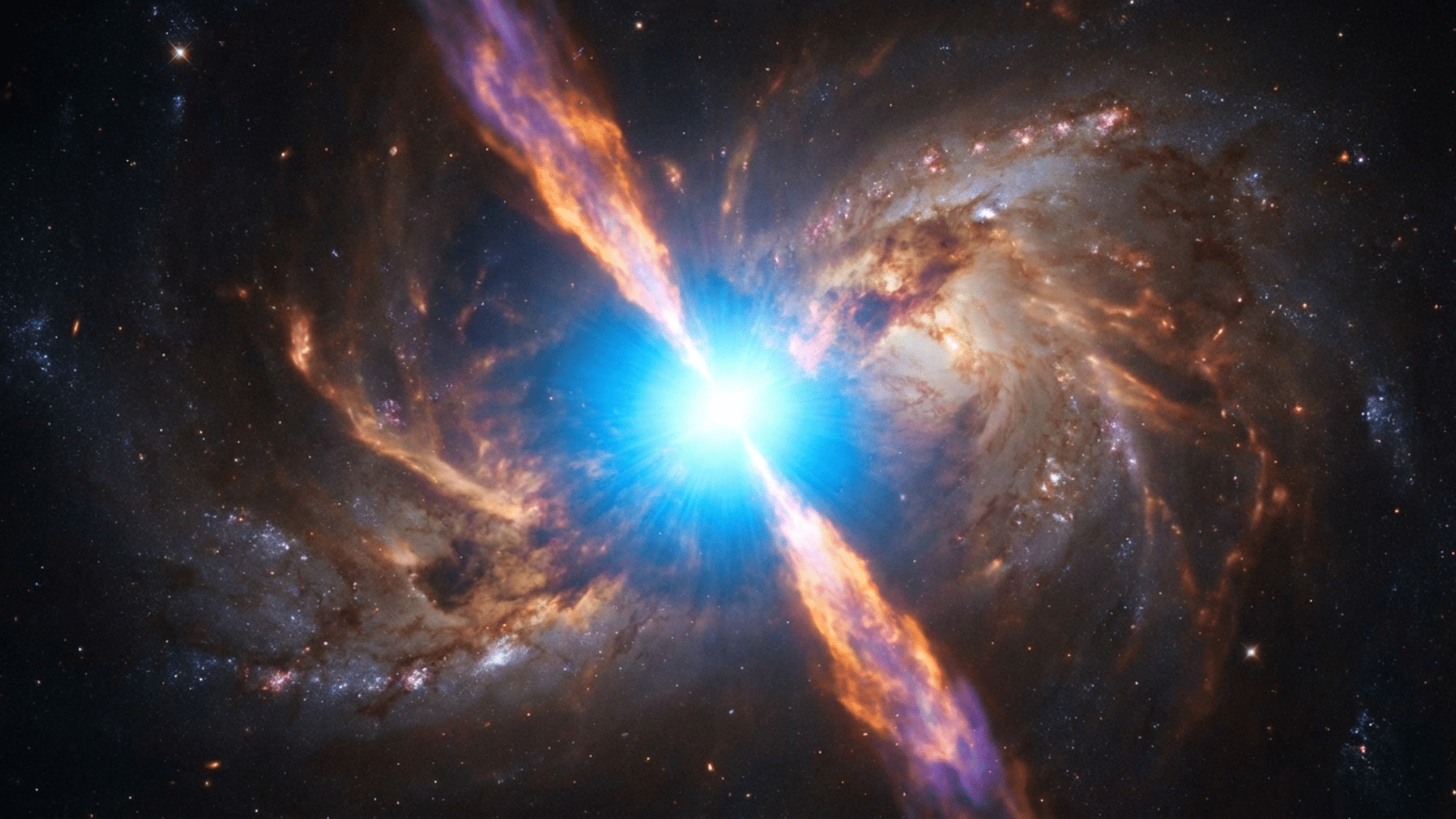
Quasars are extremely bright objects located in distant galaxies. They are powered by supermassive black holes at the centers of those galaxies. As gas and dust fall into the black hole, they heat up and release enormous amounts of energy.
This energy can outshine entire galaxies. Quasars can be seen from billions of light-years away, making them useful for studying the early universe.
13. Pulsars
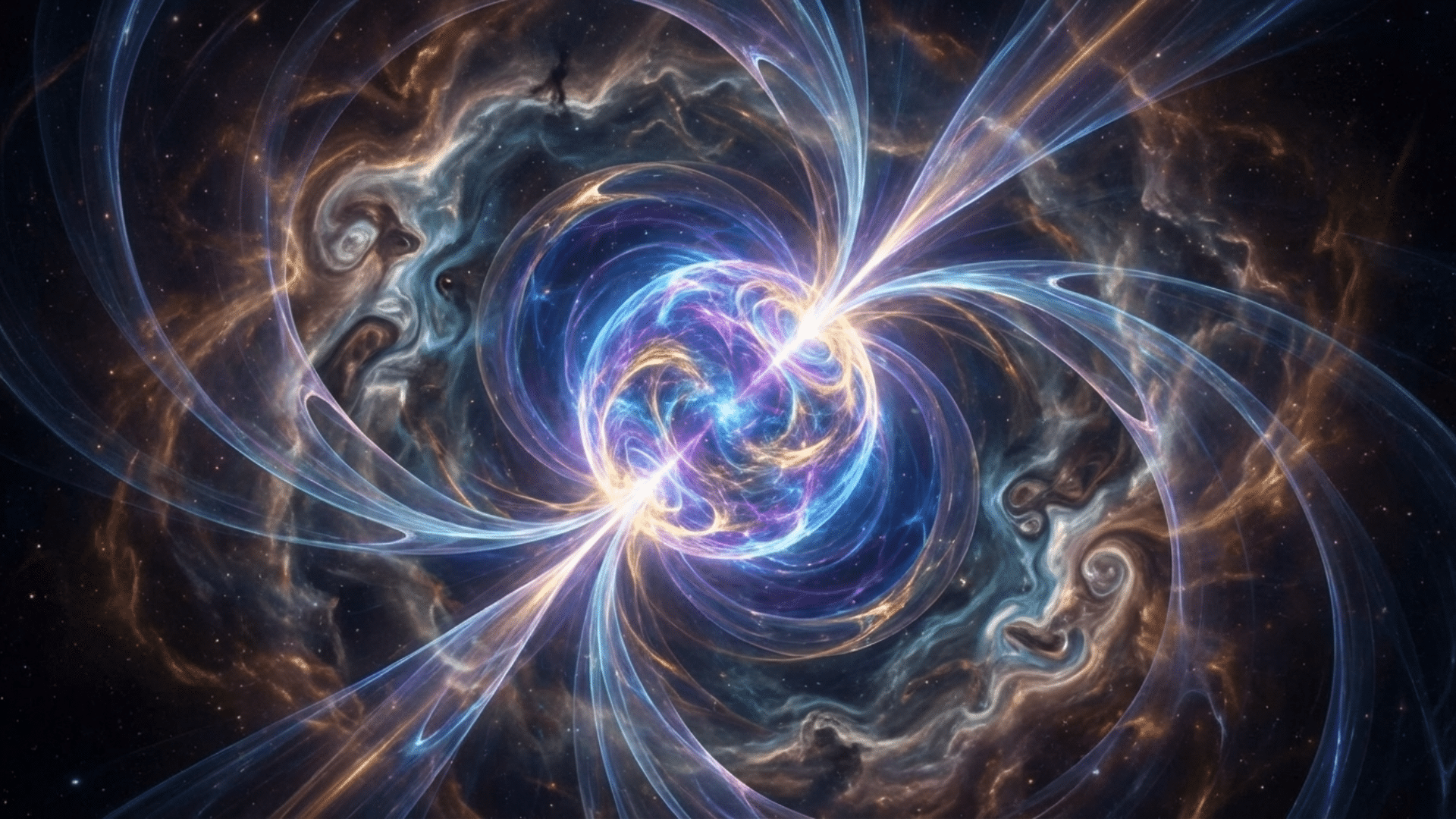
Pulsars are rapidly spinning neutron stars that send beams of radiation into space. These beams sweep across space as the star rotates, similar to a lighthouse beam. When the beam points toward Earth, telescopes detect a pulse of energy.
Some pulsars spin hundreds of times each second. Their steady signals help scientists study extreme physics and measure distances in space.
14. Exoplanets
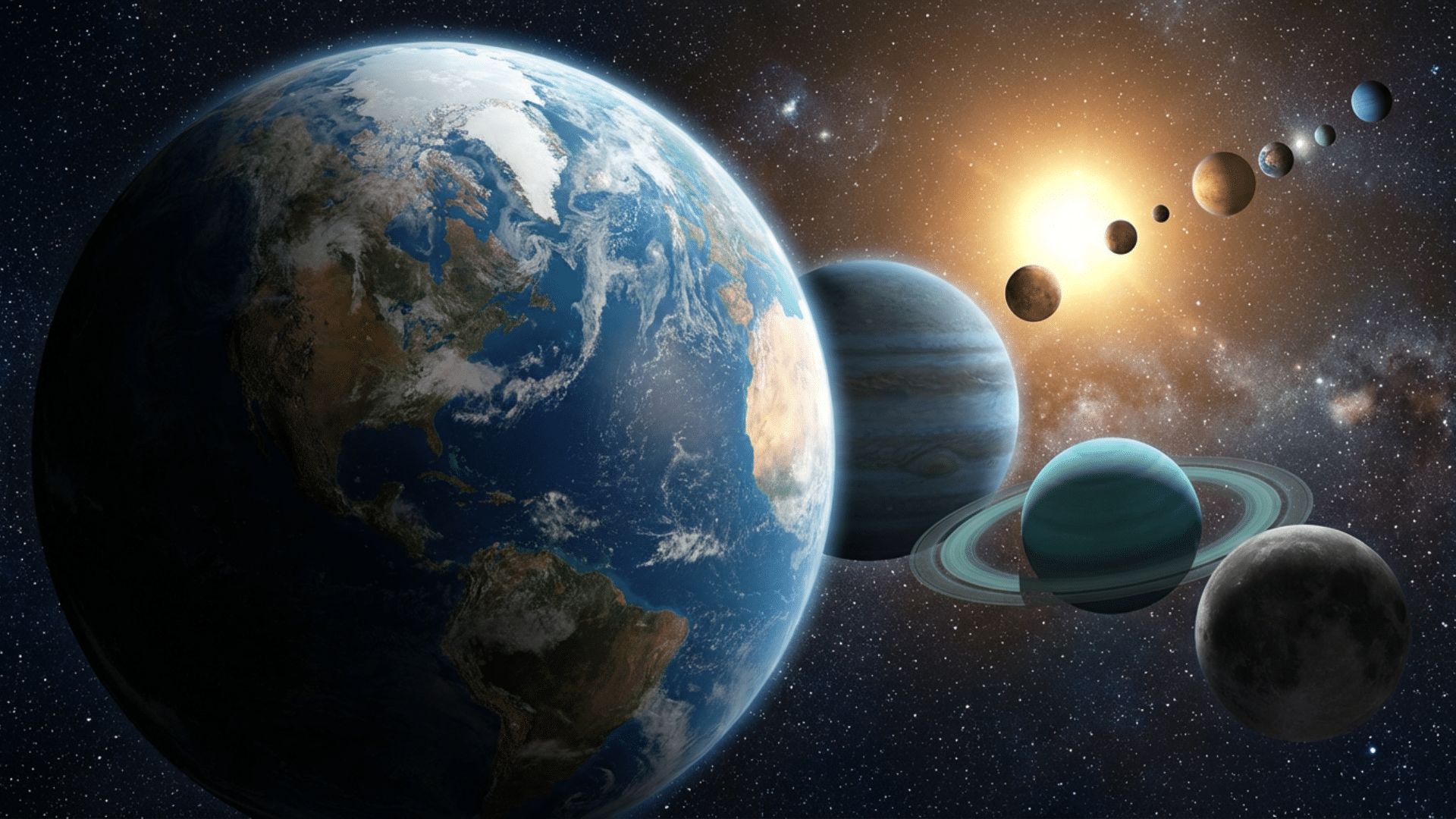
Exoplanets are planets that orbit stars outside our solar system. Astronomers have identified thousands of these distant worlds using powerful telescopes.
Some exoplanets are massive gas giants, while others are rocky planets similar to Earth. Scientists are especially interested in planets located in the habitable zone, where temperatures might allow liquid water to exist.
15. Star Clusters
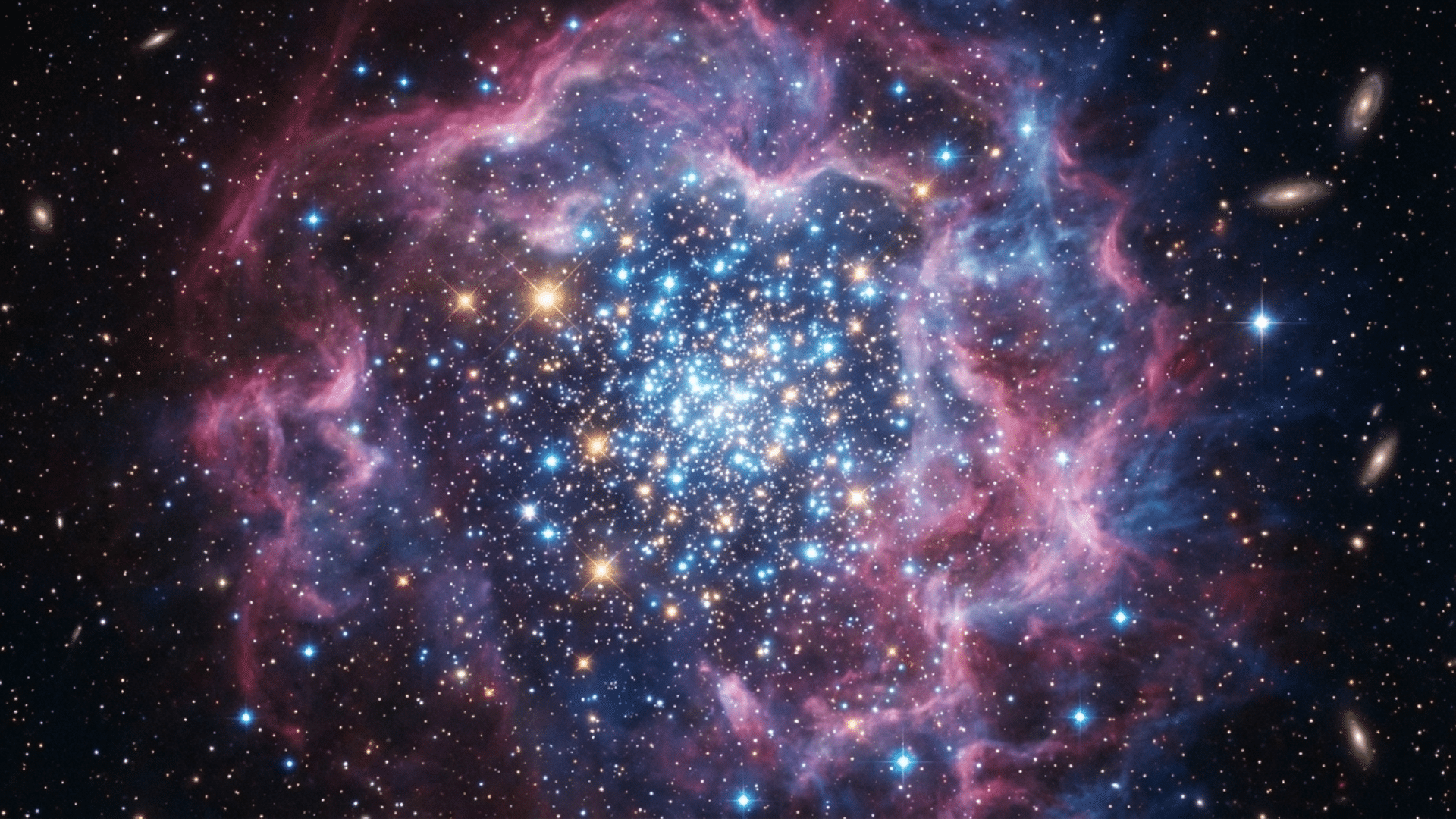
Star clusters are groups of stars that formed from the same cloud of gas and dust. There are two main types: open clusters and globular clusters.
Open clusters contain younger stars that are loosely grouped together, while globular clusters contain older stars packed closely in spherical shapes. These clusters help astronomers study how stars evolve and interact with each other.
16. Dark Matter
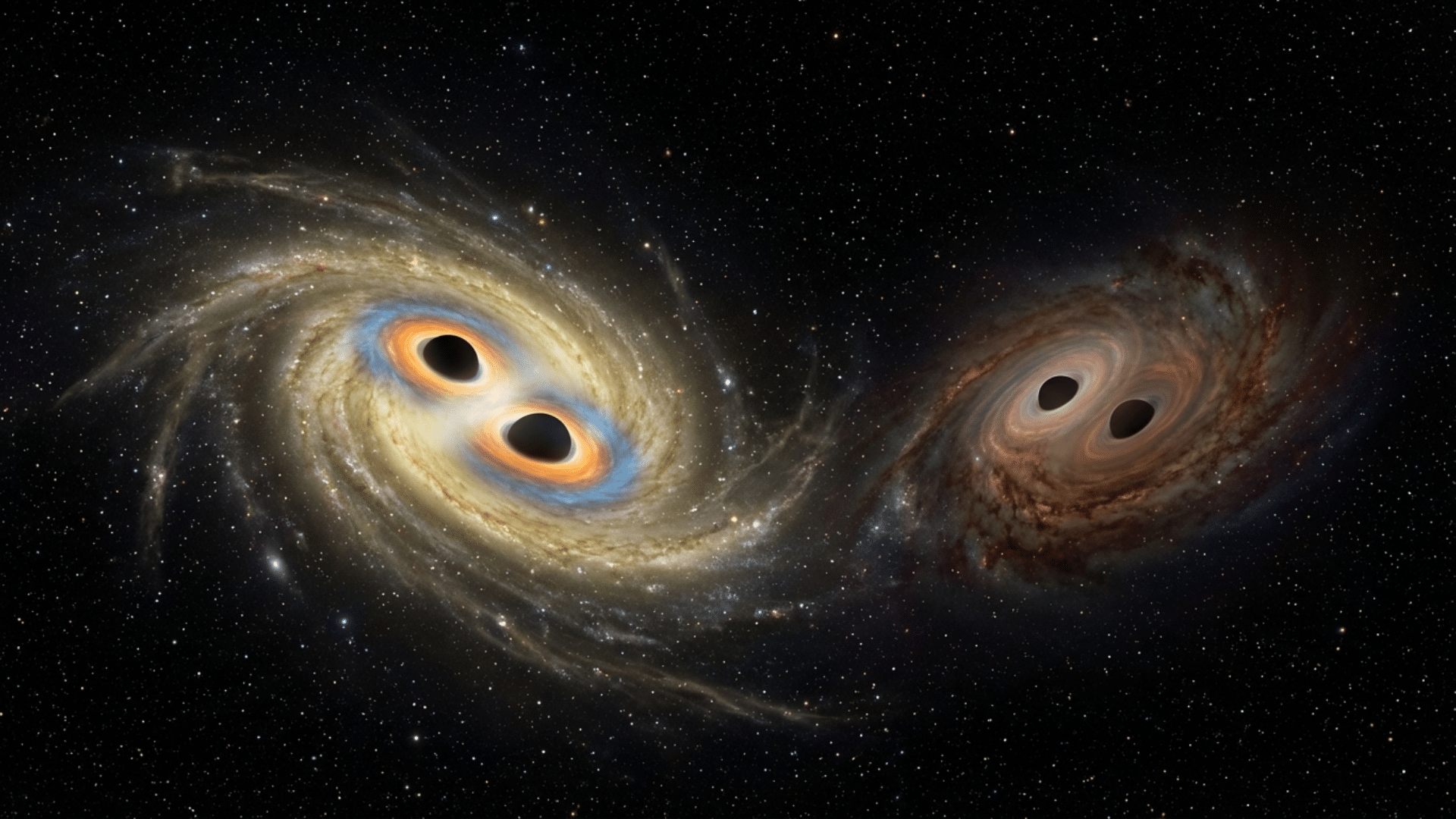
Dark matter is a mysterious substance that cannot be seen directly because it does not emit or reflect light. Scientists know it exists because of its gravitational effects on galaxies and other cosmic structures.
Dark matter helps hold galaxies together and influences how matter moves through the universe. Although its exact nature remains unknown, it likely makes up most of the matter in the cosmos.
17. Cosmic Dust
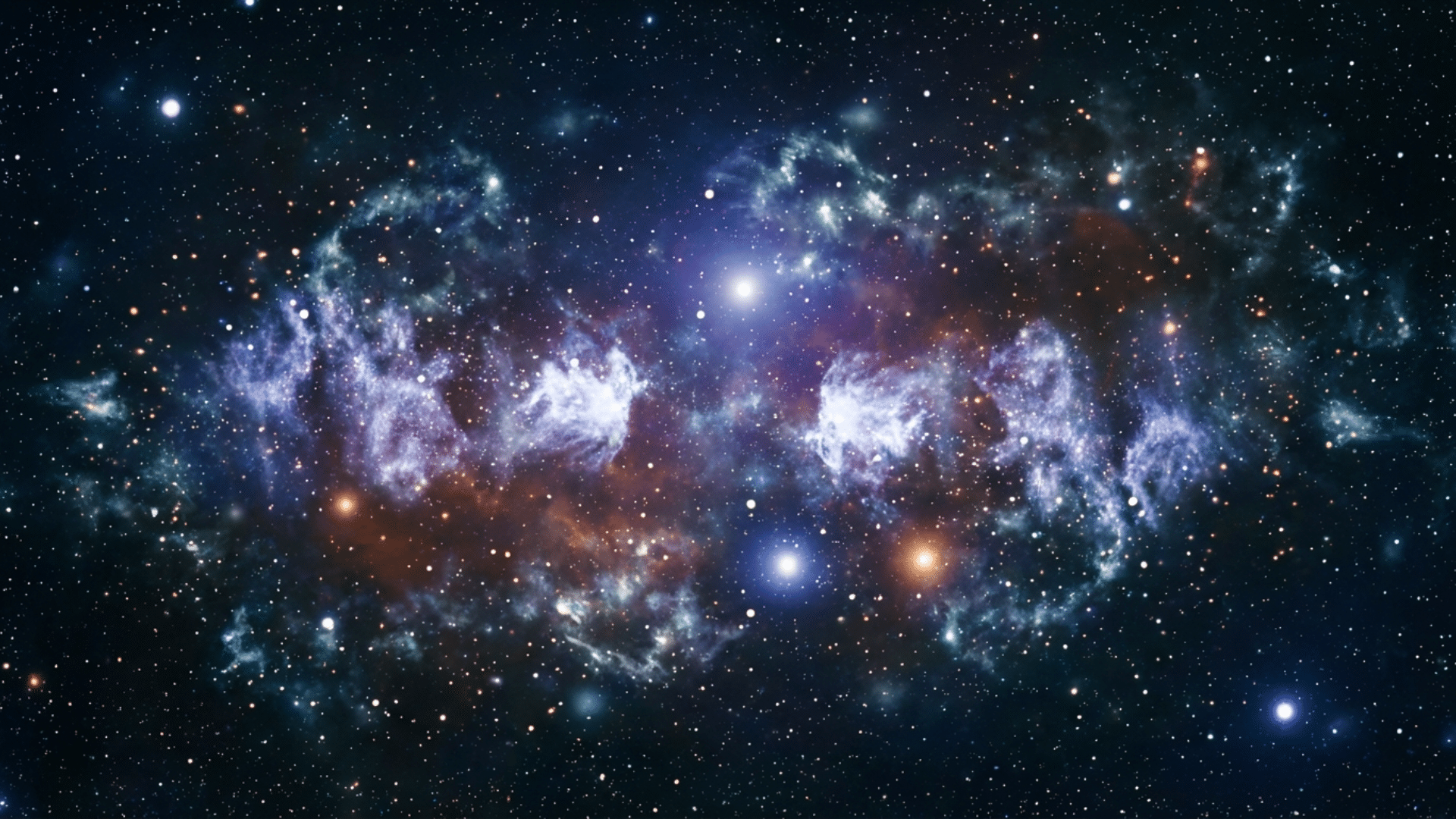
Cosmic dust consists of tiny particles floating between stars and galaxies. These particles are often made of carbon, silicon, and other elements. Although they are extremely small, cosmic dust plays an important role in the formation of stars and planets.
Dust grains can stick together and eventually form larger structures. Cosmic dust also affects how light travels through space, changing the way astronomers observe distant objects.
18. Cosmic Rays
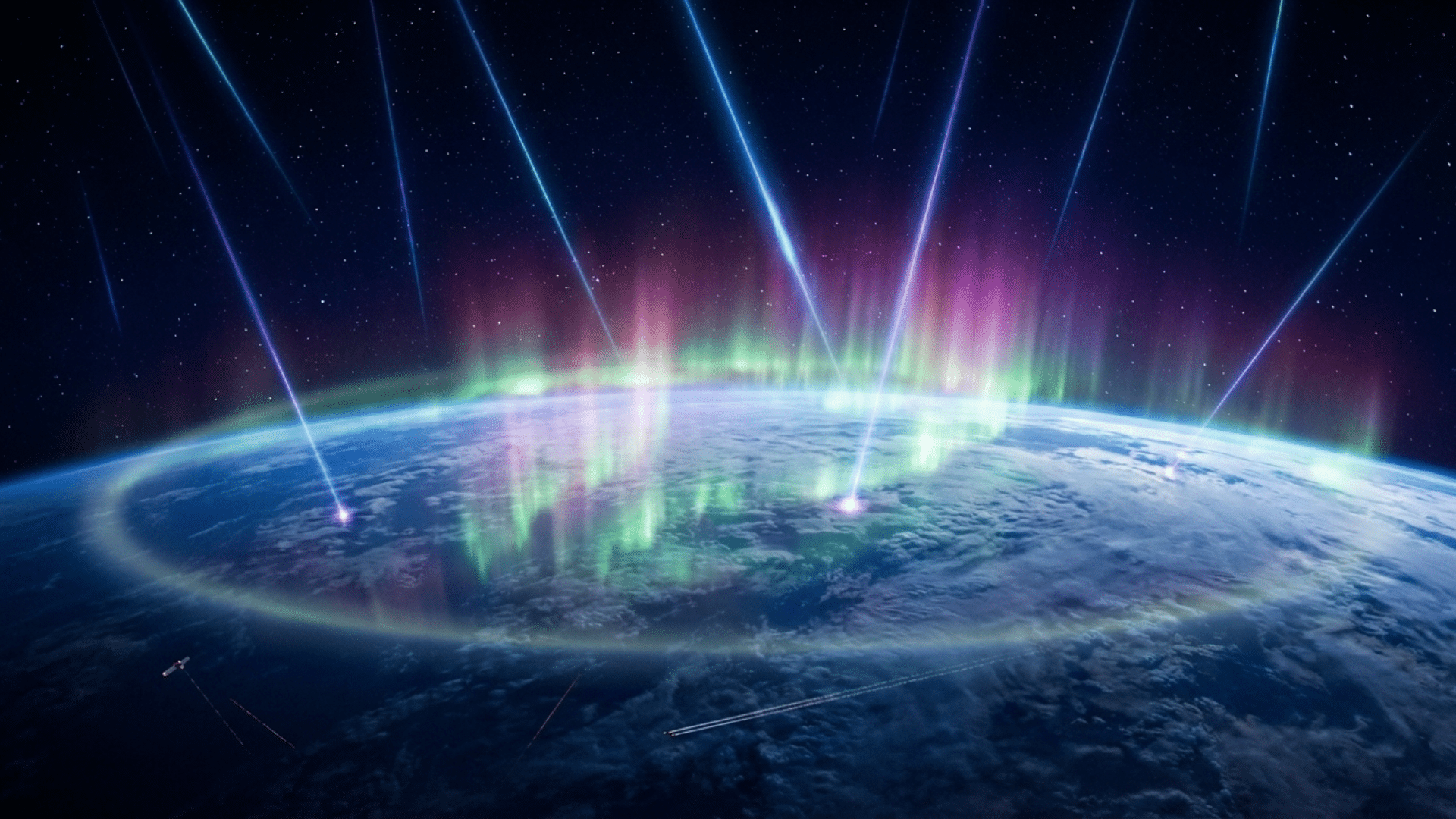
Cosmic rays are high-energy particles that travel through space at extremely fast speeds. Many originate from powerful events such as supernova explosions or active galaxies.
When cosmic rays reach Earth, they collide with atoms in the atmosphere and create showers of secondary particles. Scientists study these particles to understand extreme processes in the universe.
19. Magnetars
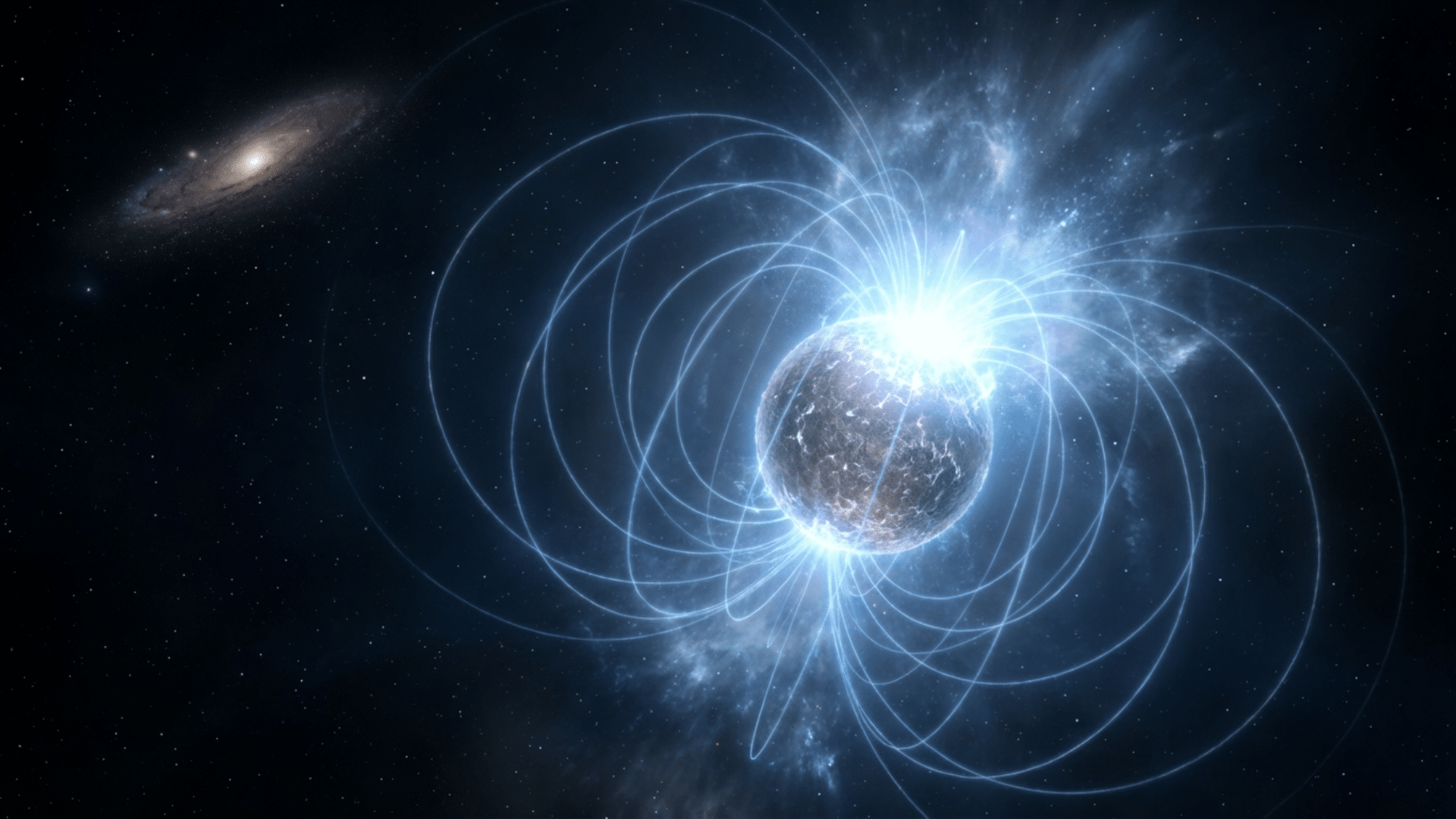
Magnetars are a rare type of neutron star with incredibly strong magnetic fields. Their magnetic strength is trillions of times stronger than Earth’s magnetic field.
These intense fields can cause sudden bursts of high-energy radiation. Magnetars often produce dramatic starquakes on their surfaces due to the extreme forces involved.
20. Interstellar Gas Clouds
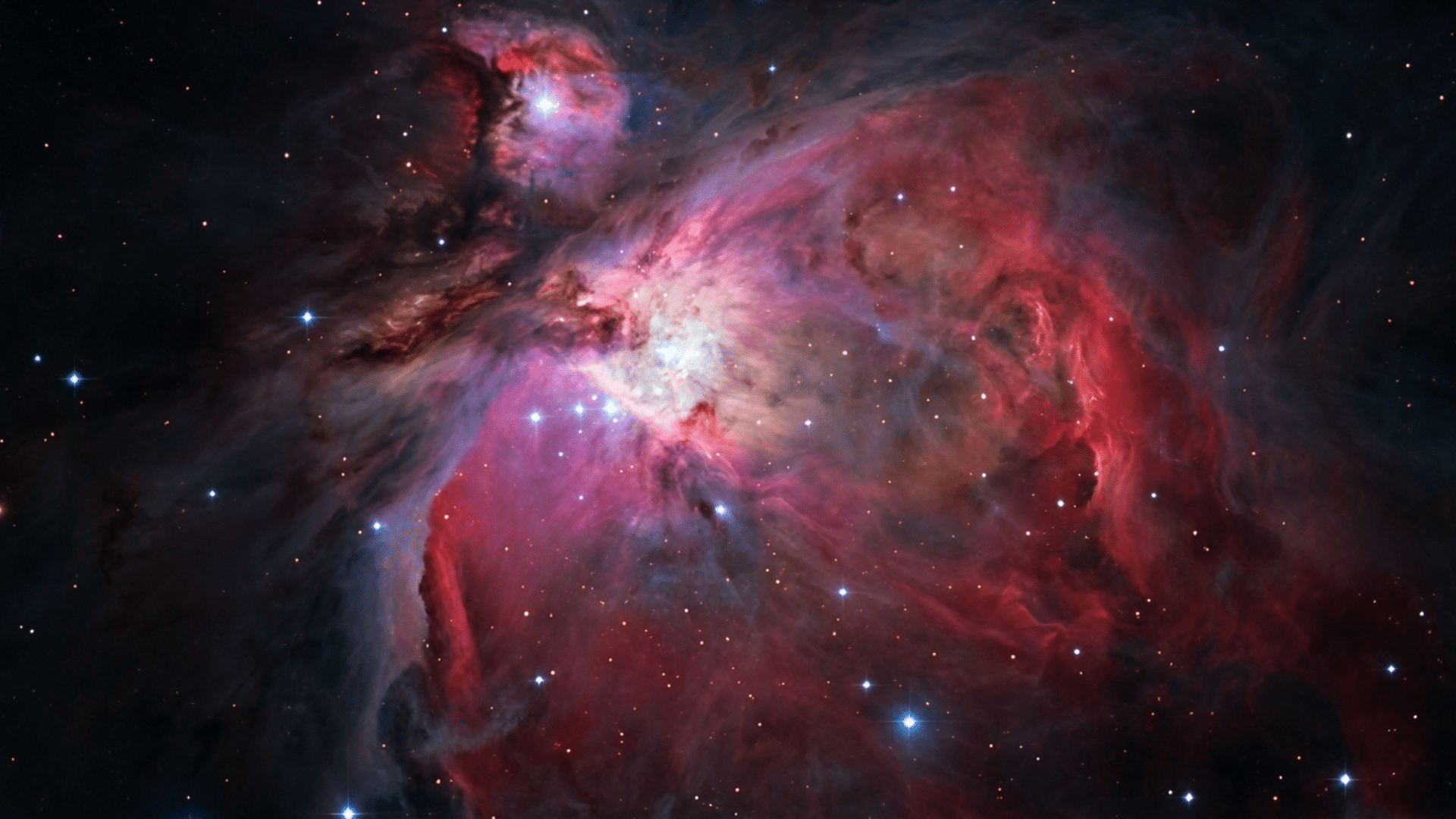
Interstellar gas clouds are large regions of gas located between stars. These clouds are mostly made of hydrogen and helium, the two most common elements in the universe. Over time, gravity can cause parts of these clouds to collapse and form new stars.
Many star-forming regions begin as dense areas within these clouds. Interstellar gas clouds, therefore, act as the raw material for building new stars and planets.
21. Planetary Rings
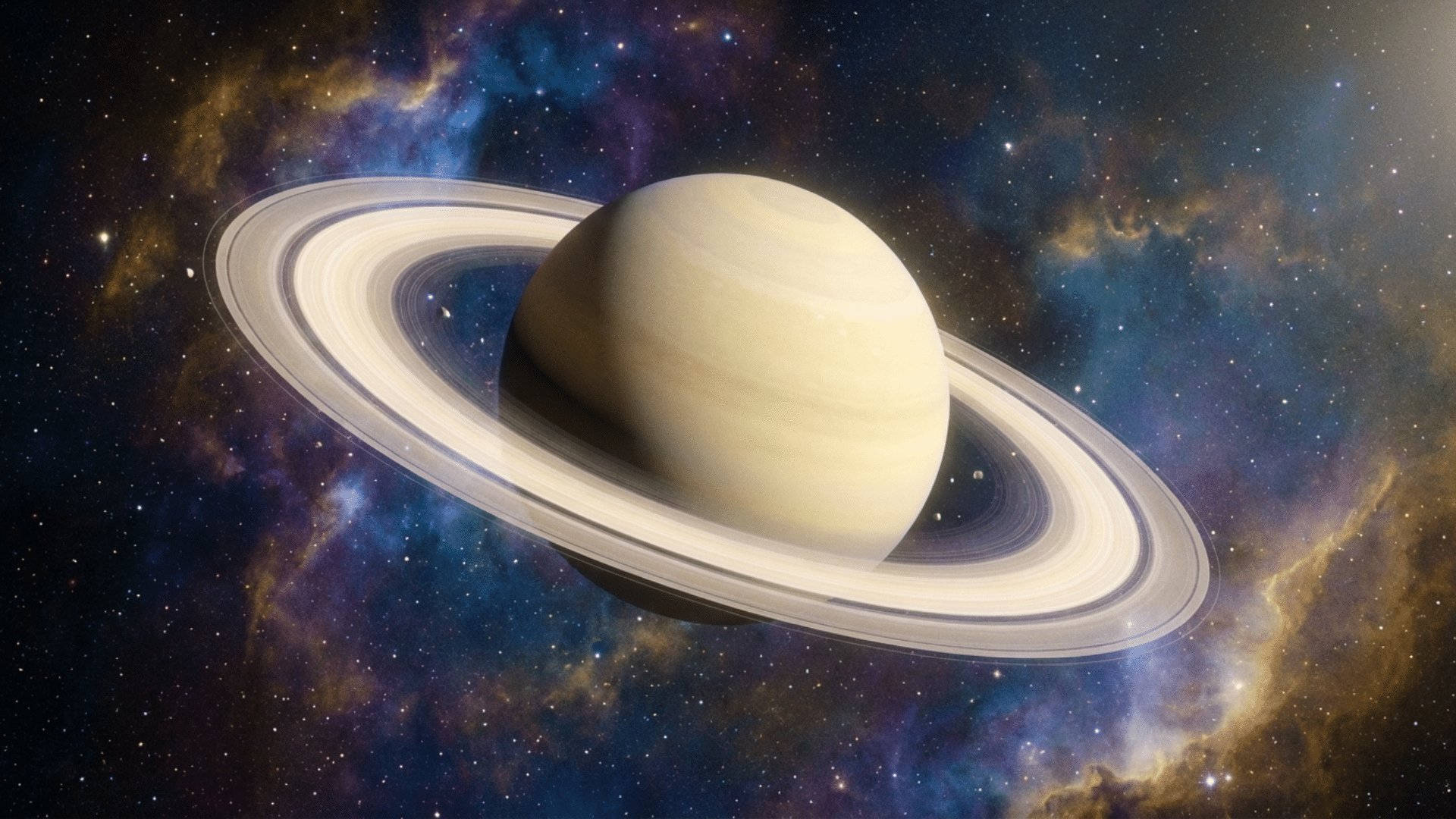
Some planets are surrounded by rings made of ice, rock, and dust. Saturn’s rings are the most famous and can be seen clearly through telescopes.
However, Jupiter, Uranus, and Neptune also have ring systems. These rings likely formed from pieces of moons or leftover material that never combined into larger objects. The particles within the rings orbit their planet in thin, flat layers.
22. Cosmic Voids
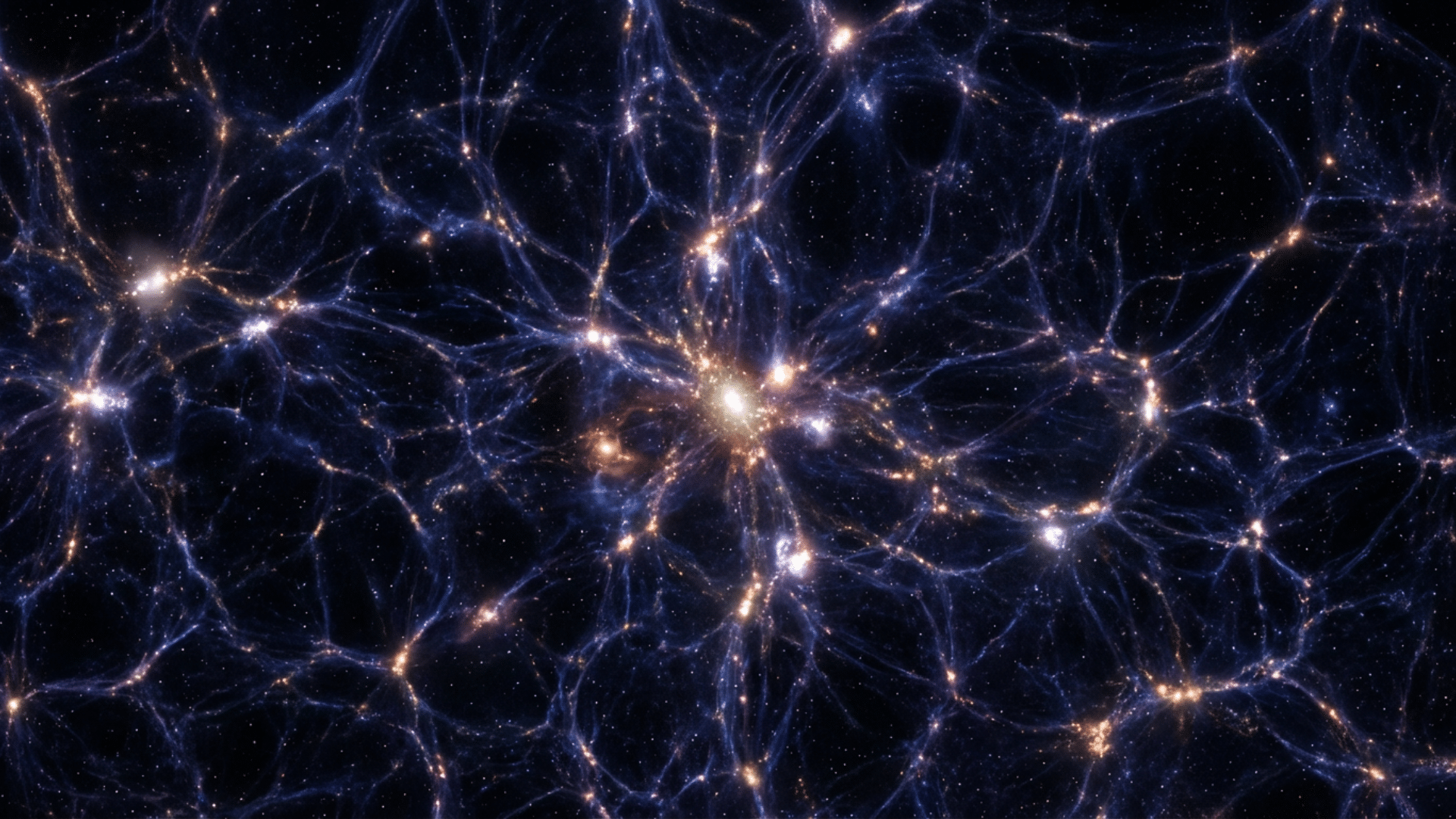
Cosmic voids are enormous regions of space where very few galaxies exist. These empty areas can stretch across hundreds of millions of light-years. Galaxies tend to gather along the edges of these voids, forming a structure known as the cosmic web.
This pattern reveals how matter is distributed across the universe. Although voids appear mostly empty, they help scientists understand the large-scale structure of the cosmos.
23. Cosmic Microwave Background
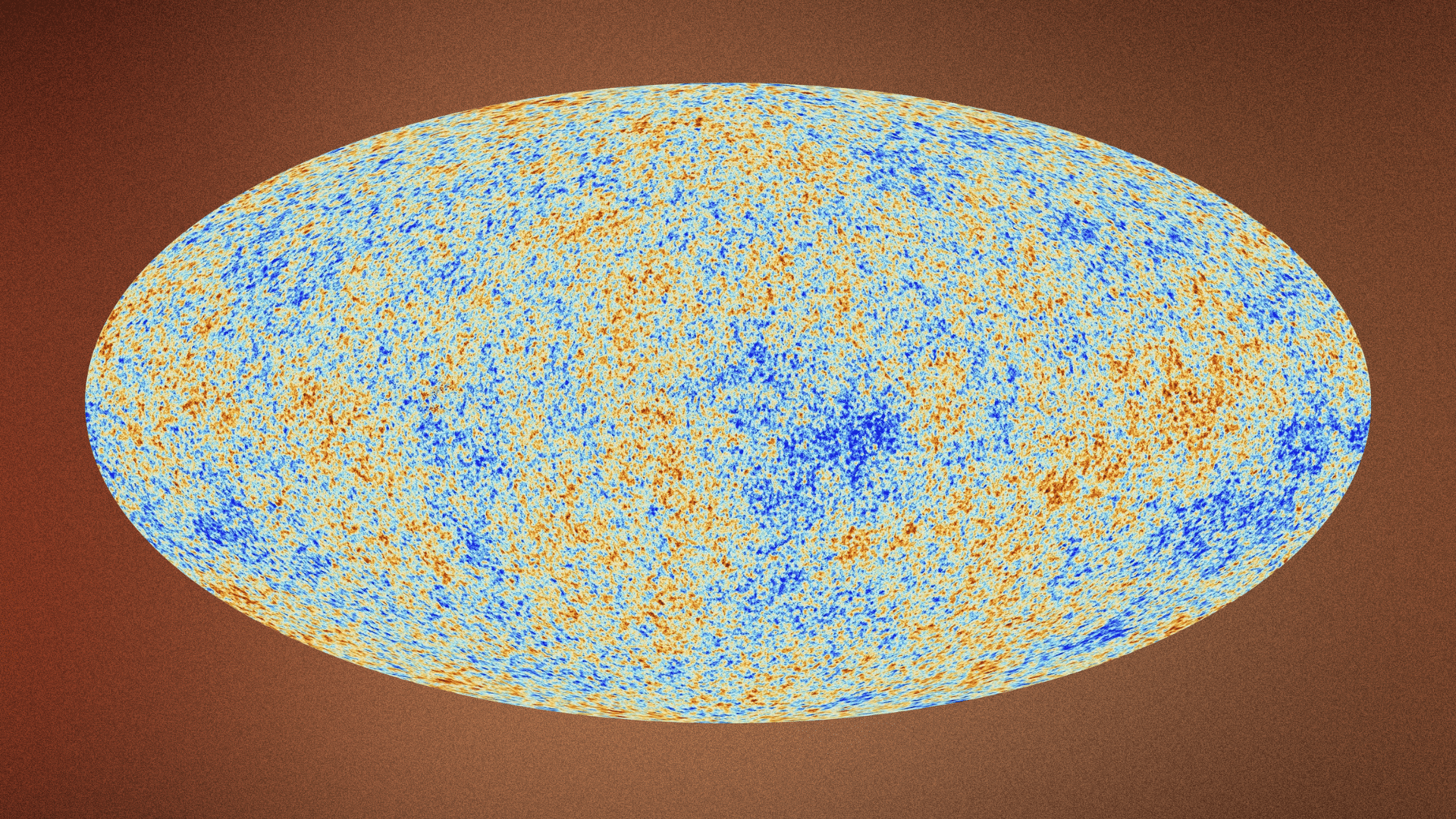
The cosmic microwave background is faint radiation that fills the entire universe. This radiation is a leftover signal from the early universe shortly after the Big Bang.
Scientists study it to learn about the conditions that existed when the universe was only a few hundred thousand years old. Tiny variations in this radiation reveal how galaxies and cosmic structures eventually formed.
How Astronomers Classify Objects Found in Space
Astronomers organize objects in space into groups based on their structure, behavior, and how they form. This classification helps scientists study the universe more clearly and understand the relationships between different cosmic objects.
- Stellar Objects: Objects related to stars and their life cycles. Examples include stars, neutron stars, white dwarfs, pulsars, and black holes that form when massive stars collapse.
- Planetary Objects: These objects orbit stars and include planets, moons, asteroids, comets, and dwarf planets. They are often found within solar systems.
- Galactic Structures: Large systems that contain many stars and interstellar material. Examples include galaxies, star clusters, and large cosmic formations.
- Interstellar Matter: This category includes gas clouds, cosmic dust, and nebulae that exist between stars and help form new stellar systems.
- Cosmic Phenomena: Powerful events or processes in space, such as supernova explosions, cosmic rays, and quasars, that reveal extreme physical conditions in the universe.
Which Space Objects Can Be Seen from Earth?
The visibility of these objects depends on their brightness, distance, and atmospheric conditions. Astronomers and skywatchers often use different tools to study these celestial bodies more closely.
| Space Object | Visibility from Earth | Observation Method | Example |
|---|---|---|---|
| Stars | Easily visible at night | Naked eye or telescope | Sirius, Polaris |
| Planets | Visible as bright points | Naked eye or telescope | Venus, Mars, Jupiter |
| The Moon | Very easy to observe | Naked eye, binoculars, telescope | Earth’s Moon |
| Comets | Occasionally visible | Naked eye or telescope | Halley’s Comet |
| Meteors | Visible during meteor showers | Naked eye | Perseids Meteor Shower |
| Nebulae | Faint but observable | Telescope | Orion Nebula |
| Star Clusters | Visible in dark skies | Binoculars or a telescope | Pleiades Cluster |
| Galaxies | Mostly faint | Telescope | Andromeda Galaxy |
| Planetary Rings | Not visible directly | Telescope | Saturn’s Rings |
Final Thoughts
Space continues to surprise scientists with its scale, complexity, and constant change. Every observation adds another piece to the story of how the universe works.
Telescopes on Earth and in orbit keep revealing new patterns, unusual objects, and unexpected behavior across distant regions of space.
The more astronomers study these systems, the clearer it becomes that the universe is far more dynamic than it first appears.
Want to learn more about the universe? Browse our other astronomy articles to keep expanding your knowledge of space.