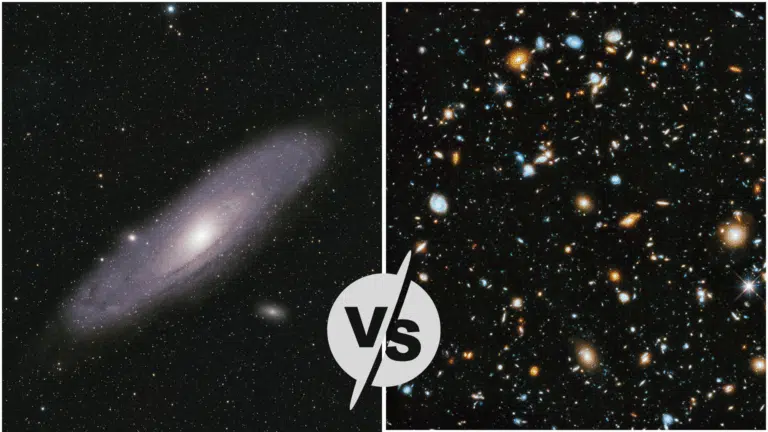


The words cosmology and astronomy are often used interchangeably in everyday conversation. Both fields deal with space, stars, galaxies, and the universe. Yet they are not the same branch of science. Each has its own focus, scale, and set of research goals.
Astronomy has been practiced for thousands of years, beginning with careful observations of the night sky.
Cosmology developed later as scientists began asking larger questions about the universe itself. Over time, both fields grew more advanced, using powerful telescopes, satellites, and mathematical models.
To understand space science clearly, it helps to know how cosmology and astronomy differ. A closer look shows why these two fields, though related, serve distinct roles in modern science.
What is Astronomy?
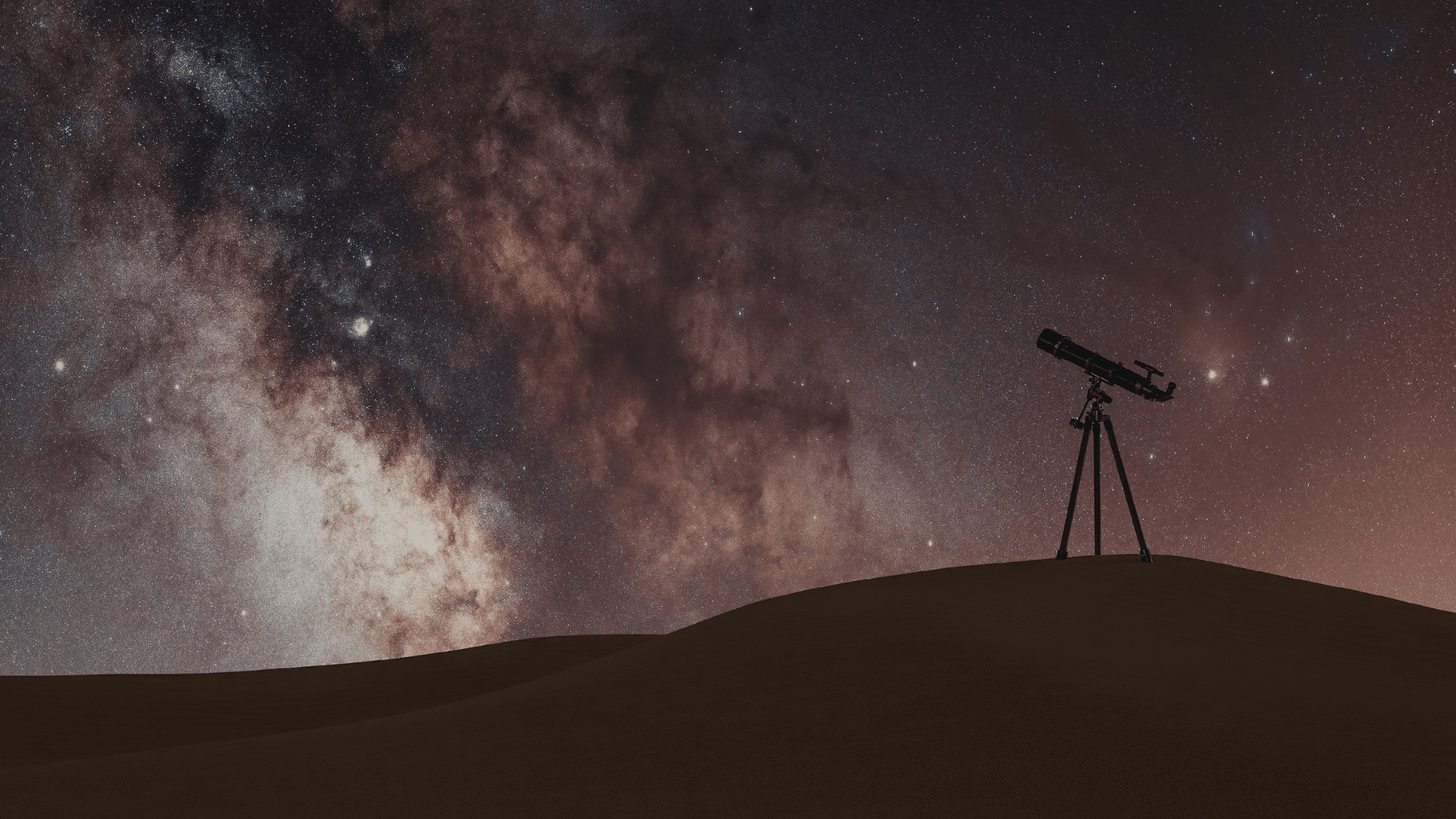
Astronomy is the scientific study of objects and phenomena beyond Earth’s atmosphere. It focuses on physical objects such as planets, moons, stars, galaxies, comets, asteroids, nebulae, and black holes. Astronomers observe these objects, measure their properties, and analyze how they move and interact.
Astronomy deals with measurable and often observable features. It asks questions such as:
- How do stars form and die?
- What are exoplanets made of?
- How do galaxies rotate?
- What causes supernova explosions?
Astronomy is largely observation-based. While it uses theory and mathematics, it depends heavily on data collected through telescopes and space missions.
What is Cosmology?
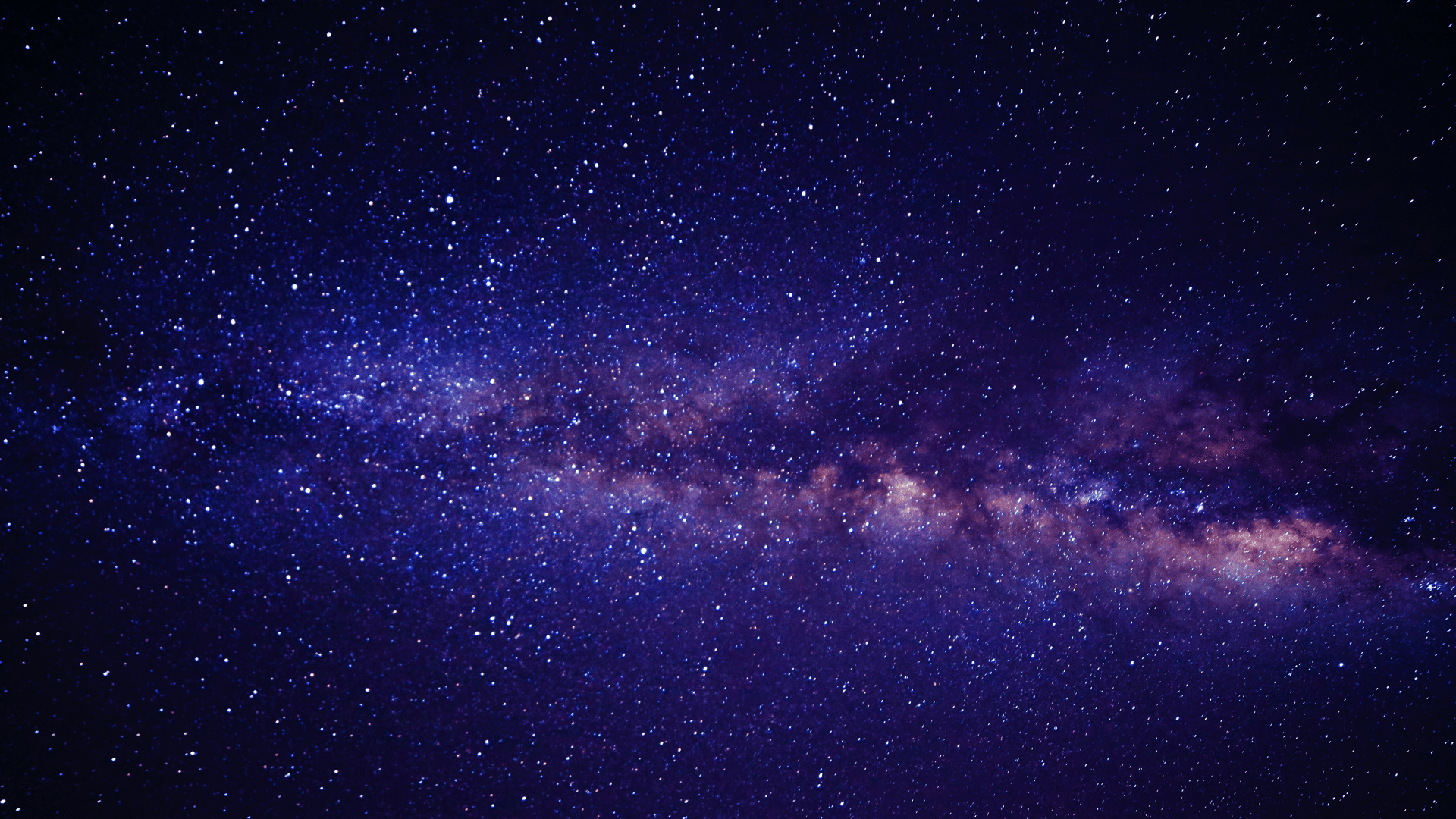
Cosmology is the scientific study of the universe as a whole. Instead of focusing on individual objects, cosmology examines the origin, structure, evolution, and ultimate fate of the entire universe.
Cosmologists ask broader questions, including:
- How did the universe begin?
- How has it expanded over time?
- What is the large-scale structure of the cosmos?
- What role do dark matter and dark energy play?
Cosmology deals with large-scale patterns and fundamental laws that shape the universe. It often relies more on theoretical models and advanced mathematics than traditional astronomy does.
Key Differences Between Cosmology and Astronomy
While both fields study space, they differ in scale, focus, methodology, theoretical depth, and core research questions. The following sections explain those differences in detail:
1. Scope: Parts vs the Whole
Astronomy studies individual objects and systems within the universe.
These include planets, stars, star clusters, galaxies, nebulae, black holes, and other observable structures. The focus remains on understanding how these objects form, behave, and evolve.
Cosmology, in contrast, studies the universe as a single system. It asks how everything fits together at the largest possible scale. Instead of focusing on a single galaxy, cosmology studies how galaxies are distributed over billions of light-years.
Rather than examining one star’s life cycle, it examines how the universe evolved from its earliest moments to its current state.
2. Core Questions
Astronomy focuses on specific, measurable problems. For example, it asks how stars generate energy, how planets orbit their host stars, how galaxies rotate, or what causes supernova explosions.
These questions are object-centered and often localized.
Cosmology asks large, foundational questions. It investigates how the universe began, whether it will expand forever, what its large-scale structure looks like, and what dark matter and dark energy represent.
These questions are not tied to a single object but to the universe itself.
3. Scale of Study
Astronomy operates across a wide range of distances, from nearby asteroids to distant galaxies. However, its unit of study is usually a specific object or system.
Cosmology operates at the largest measurable scale. It examines structures spanning hundreds of millions or billions of light-years.
It studies patterns such as cosmic web structures and background radiation that represent the universe’s overall design. Scale is not simply about distance. It also concerns perspective. Astronomy zooms in. Cosmology zooms out.
4. Research Methods
Astronomy is strongly observation-driven. Astronomers collect light and other forms of electromagnetic radiation using telescopes.
They measure brightness, motion, temperature, and chemical composition. The process involves detailed data gathering followed by analysis.
Cosmology combines observational evidence with deep theoretical modeling. While it depends on astronomical data, it relies more heavily on mathematical equations, simulations, and theoretical physics.
Cosmologists often test large-scale models against observed patterns.
5. Use of Mathematics and Theory
Both fields require mathematics and physics, but cosmology tends to involve more abstract and advanced theoretical work.
Astronomy applies established physical laws, such as gravity and thermodynamics, to explain observable behavior. It often works within well-tested frameworks.
Cosmology, on the other hand, deals with general relativity, quantum theory, and models of space-time curvature. It must address conditions that existed shortly after the universe began, where physics operates under extreme limits.
6. Historical Development
Astronomy is one of the oldest sciences. Humans have observed the sky for thousands of years.
Ancient civilizations mapped stars and tracked planetary motion long before modern instruments existed.
Modern cosmology developed primarily in the 20th century. It emerged after Einstein’s theory of general relativity provided a mathematical basis for understanding the universe as a whole.
Discoveries such as galactic redshift and cosmic background radiation transformed cosmology into a formal scientific discipline. Historically, astronomy came first. Cosmology grew out of it.
7. Data Interpretation
Astronomicaldata often lead directly to conclusions about specific objects. For example, spectral analysis can determine the chemical composition of a star.
Cosmological data are usually interpreted within large theoretical models. For instance, slight temperature variations in cosmic microwave background radiation must be analyzed through complex mathematical frameworks to understand early-universe conditions.
The interpretation process in cosmology often involves fitting observations into large-scale models.
8. Research Goals
Astronomy seeks to understand how celestial bodies form, evolve, and interact. Its goal is to explain physical processes happening in space.
Cosmology seeks to understand the origin, evolution, structure, and fate of the entire universe. Its goal is to describe the universe’s overall behavior across time.
While both fields aim to expand knowledge, their objectives differ in breadth.
9. Conceptual Perspective
Perhaps the clearest way to frame the distinction between cosmology vs astronomy is through perspective.
Astronomy views the universe through individual cases. It studies examples of stars, planets, and galaxies.
Astronomy answers “How does this object work?”
Cosmology views the universe statistically and structurally. It studies distribution patterns and overall properties rather than single instances.
Cosmology answers “How does the universe work?”
Key Areas of Study in Astronomy and Cosmology
To better understand the difference between cosmology vs astronomy, it helps to look at what each field actually studies:
Key Areas of Study in Astronomy
- Planetary Science: Studies planets, moons, asteroids, and comets.
- Stellar Astronomy: Focuses on how stars form, evolve, and die.
- Galactic Astronomy: Examines the structure and motion of galaxies.
- Exoplanet Research: Investigates planets orbiting other stars.
- Solar Astronomy: Studies the Sun and its activity.
- High-Energy Astronomy: Looks at black holes, supernovae, and neutron stars.
- Astrobiology: Explores the possibility of life beyond Earth.
Key Areas of Study in Cosmology
- Big Bang Theory: Studies how the universe began.
- Cosmic Inflation: Examines rapid expansion in the early universe.
- Large-Scale Structure: Studies galaxy distribution across vast distances.
- Dark Matter: Investigates unseen matter that affects gravity.
- Dark Energy: Studies the accelerated expansion of the universe.
- Cosmic Microwave Background: Analyzes radiation from the early universe.
- Cosmological Models: Develops mathematical models of cosmic evolution.
Instruments and Technologies
While both rely on advanced technology, their instruments serve different purposes.
Astronomical Tools
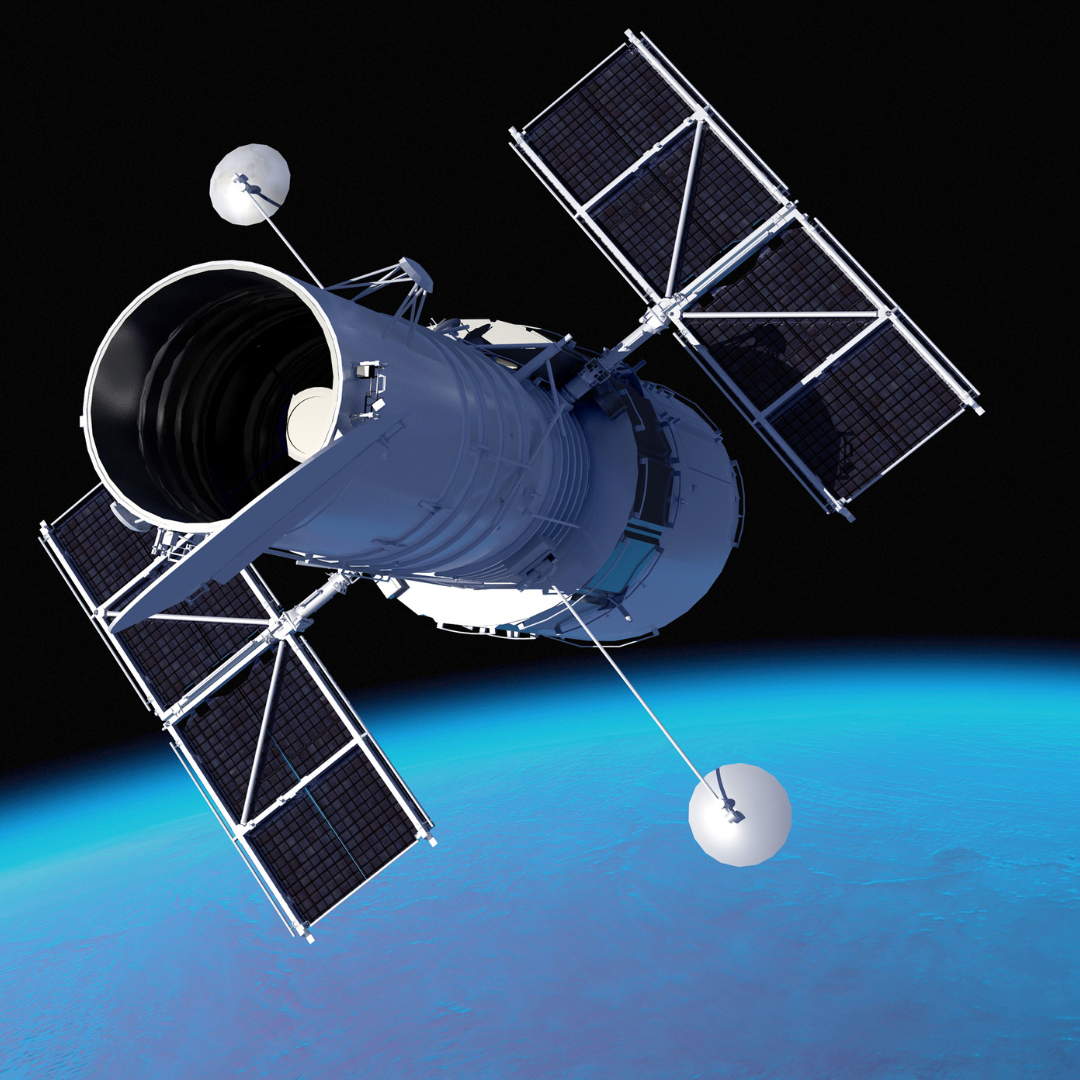
Astronomers use optical, radio, and space telescopes, as well as planetary probes. Instruments such as spectrometers and CCD cameras allow precise measurement.
Examples include:
- Hubble Space Telescope
- James Webb Space Telescope
- Atacama Large Millimeter Array
These tools gather detailed information about specific objects.
Cosmological Tools
Cosmologists rely on large surveys and satellite missions designed to map the universe.
Examples include:
- Cosmic Microwave Background satellites
- Large galaxy surveys
- Particle accelerators for theoretical testing
The tools often collect data that reveals patterns rather than individual objects.
Where Astronomy and Cosmology Overlap
Although the fields differ, they are deeply connected. Astronomical observations often provide the evidence that cosmologists use to test large-scale theories.
For example:
- Measurements of galaxy redshift support the expansion model.
- Observations of supernova brightness inform dark energy research.
- Galaxy mapping helps explain large-scale cosmic structure.
In practice, modern research often blends both disciplines.
Recent Advances in Astronomy and Cosmology
Recent decades have seen rapid growth in both fields. The discovery of thousands of exoplanets has significantly expanded the field of astronomy.
At the same time, precision measurements of cosmic background radiation have refined cosmological models.
Large observatories and global collaborations now collect enormous datasets. Artificial intelligence assists in analyzing patterns.
As technology improves, the boundary between astronomy and cosmology continues to evolve.
Final Thoughts
Cosmology and astronomy represent two ways of thinking about the same universe.
One builds understanding from detailed observation of stars, planets, and galaxies. The other steps back to frame larger questions about time, structure, and cosmic evolution.
Seeing how these approaches differ sharpens scientific awareness and improves the interpretation of space research. Together, they provide a more complete understanding of space and existence itself.
If you found this guide helpful, continue reading our space science articles to deepen your understanding of the universe.