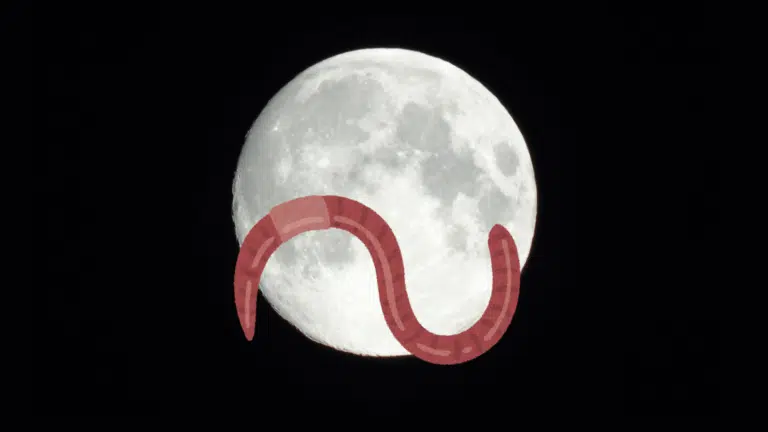

Every March, the sky puts on a show. And most people miss it completely. The full moon rises. It looks bright. It looks big. But there’s a name behind it that not many people stop to question.
A Worm Moon. Strange name, right?
It’s not something out of a sci-fi film. It’s not a rare cosmic event that needs a telescope. It’s something that has been happening every year, long before anyone thought to look up and ask why.
So what exactly is a Worm Moon? Where did that odd name come from? And why does it still matter today? All of that is just ahead.
What is a Worm Moon?
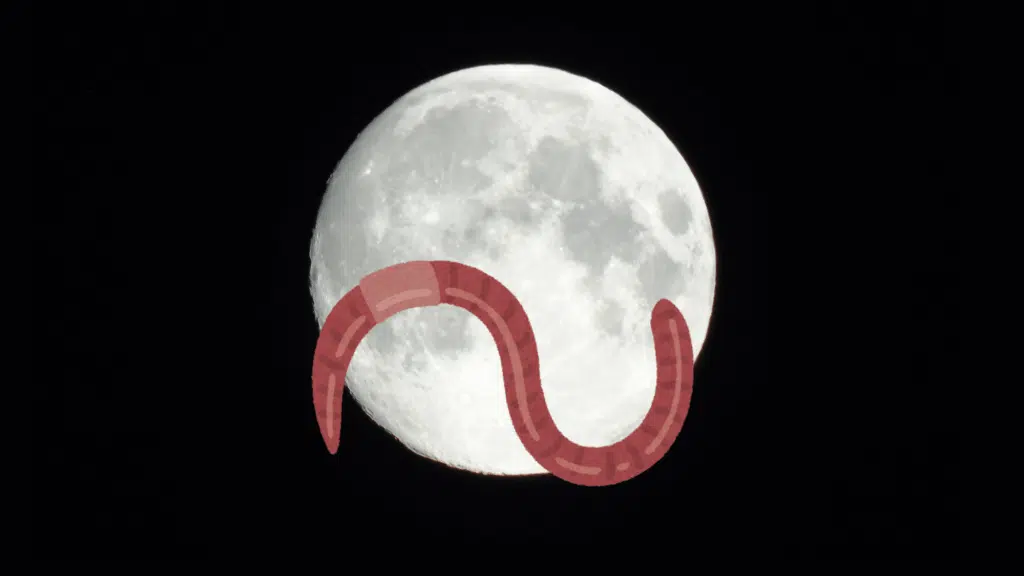
The Worm Moon is the full moon that appears in March each year. It marks the last full moon of winter, or sometimes the first of spring.
Native American tribes gave this moon its name. They noticed that earthworms began to surface from the soil around this time. Birds would follow. It was a clear sign that the ground was warming up.
The Worm Moon is part of a long tradition of naming full moons. Each name ties back to nature, seasons, and life on the ground.
It is simple. It is old. And it tells a bigger story about the changing world around us.
Origins and History of Worm Moon
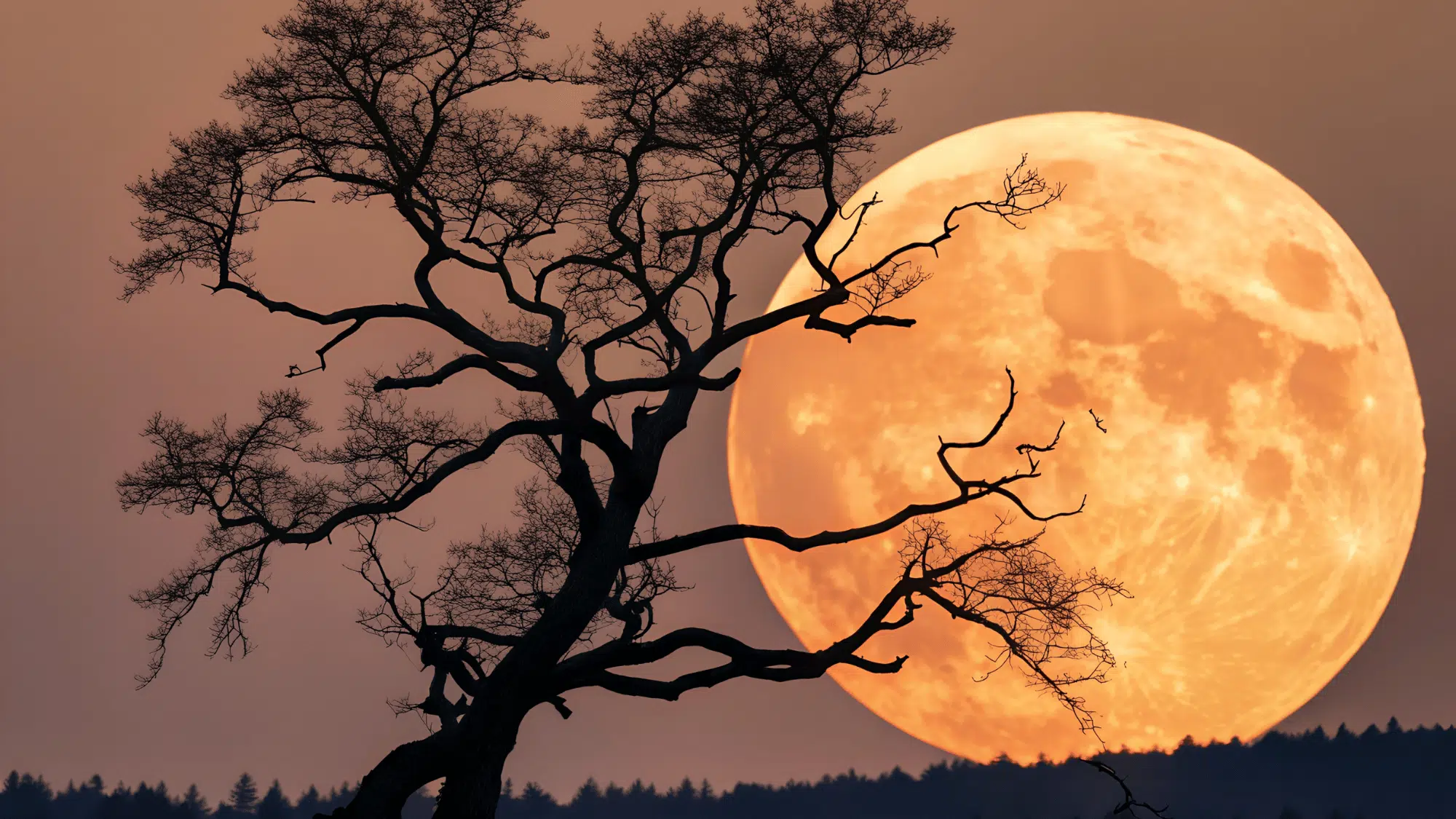
The name “Worm Moon” has deep roots in Native American history.
Tribes like the Algonquin people used full moon names to track seasons and plan their lives. Each name was a practical tool, not just a label.
When March arrived, the frozen ground began to thaw. Earthworms pushed up through the soil. Robin birds came looking for food. For these tribes, that was a clear signal. Spring was coming.
European settlers later picked up this tradition. Over time, these moon names spread across cultures and stuck around.
The Maine Farmer’s Almanac helped make them popular in the 1930s. Since then, the Worm Moon has held its place on the calendar every single March.
When Does the Worm Moon Occur in the Coming Year
The Worm Moon falls on a different date each year. Here is a quick look at the upcoming Worm Moon dates to mark on the calendar.
| Year | Date | Peak Time (EST) | Notes |
|---|---|---|---|
| 2026 | March 3 | 6:38 AM | Total lunar eclipse (Blood Moon) |
| 2027 | March 22 | 6:44 AM | Paschal Moon if post-equinox |
| 2028 | March 10 | ~7:00 AM | Standard spring marker |
| 2029 | March 30 | ~6:30 AM | Late-month full illumination |
| 2030 | March 20 | ~7:15 AM | Near equinox; alternate names possible |
Worm Moon Spiritual Meaning and Symbolism
The Worm Moon carries more than just a name. For many, it holds deep spiritual meaning tied to renewal, change, and fresh starts.
- Renewal and Rebirth: The Worm Moon rises just as winter fades. Many see it as a sign to let go of old habits and start fresh. It signals that change is not only possible; it is already happening.
- Release and Letting Go: This moon is a powerful time to let go of what no longer serves a purpose. Old grudges, bad habits, or heavy feelings, the Worm Moon is thought to bring the strength to move past them.
- Growth and New Beginnings: Just as earthworms stir the soil to help plants grow, this moon is linked to personal growth. It pushes people to take that first step toward something new and better.
- Connection to Nature: The Worm Moon pulls attention back to the natural world. It reminds people that life moves in cycles. Every ending has a beginning waiting just around the corner.
Is the Worm Moon the Same as the Spring Equinox Moon?
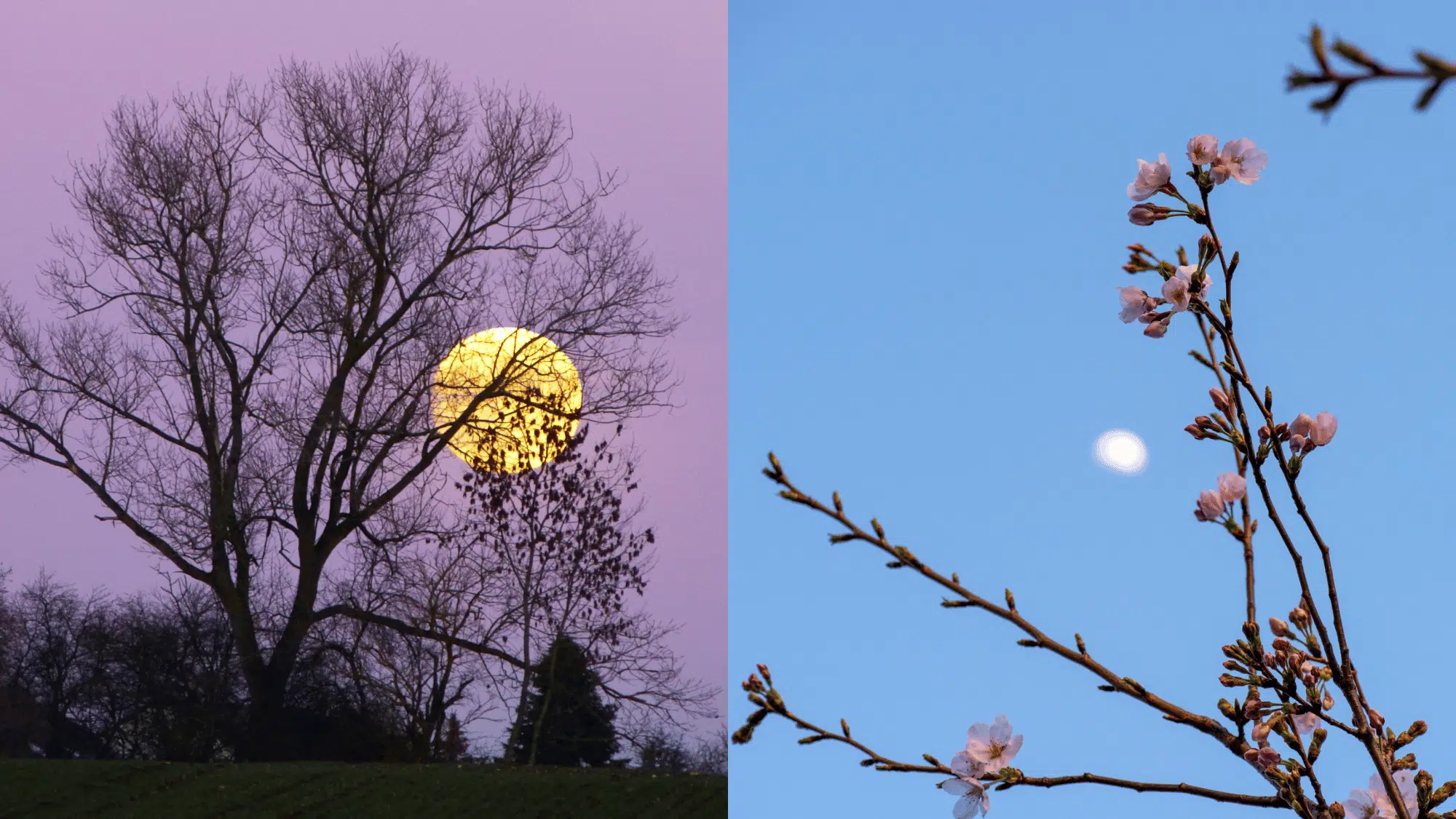
This is a question that comes up every March. The Worm Moon and the Spring Equinox often fall close together, but they are not the same thing.
The Spring Equinox is a fixed astronomical event. It marks the exact moment when day and night are roughly equal in length. This usually happens around March 20 or 21.
The Worm Moon, on the other hand, is simply the full moon of March. Sometimes it lines up near the equinox. Sometimes it does not.
When the two do fall close together, it feels extra special. But they follow completely different cycles; one follows the sun, the other follows the moon.
How to See the Worm Moon Best
Seeing the Worm Moon does not require any special equipment. A little planning and the right timing can make the whole experience much more rewarding and memorable.
- Pick the Right Location: Tall buildings and bright street lights can ruin the view. Head to an open field, a hilltop, or a quiet park. The less light there is around, the better the moon looks.
- Step Out at Moonrise: The moon looks largest and most striking just as it rises above the horizon. Check a moon-rise app or website for the exact time in the local area.
- Let the Eyes Adjust: Stepping out from a bright room makes it hard to see clearly at first. Give the eyes at least 10 to 15 minutes to adjust to the darkness outside.
- Use a Simple Camera or Smartphone: No fancy gear is needed. Switch to night mode or portrait mode on a smartphone. Tap on the moon on the screen to lock the focus before taking the shot.
- Try a Tripod for Sharper Shots: Even a slight hand movement can blur a moon photo. A basic tripod keeps the camera steady. This one small step makes a big difference in the final picture.
To Conclude
The Worm Moon is more than just a pretty sight in the March sky. It carries history, meaning, and a quiet reminder that nature runs on its own perfect schedule.
From its Native American roots to its spiritual symbolism, this full moon has something to offer everyone. Mark the next date. Step outside. Look up.
And the next time someone asks about that big, bright March moon, there will be plenty to say about it.
For those who want to keep learning about nature’s best sky events, check out more moon guides right here on the blog.