
Stars light up our night sky. They seem eternal, don’t they? But nothing lasts forever. Every star has a life cycle. And when that cycle ends, something remarkable happens.
Most people think stars just fade out quietly. That’s not quite right. The truth is far more interesting.
What really occurs depends on the star’s size. Some go out with a whisper. Others? They explode in the most spectacular cosmic fireworks imaginable.
The universe has different endings planned for different stars. Each one tells a unique story. This blog explains exactly what happens when stars reach their final chapter. The answers might surprise you.
Understanding the Death of a Star
Not all stars die the same way. Size matters here. A lot. Small stars fade slowly. Big ones? They go out in a blaze that lights up entire galaxies.
The process isn’t instant either. Stars spend millions, sometimes billions, of years burning through their fuel. Then comes the finale.
Gravity plays the villain in this story. It’s always pulling inward, waiting for the star’s energy to run out. And when it does, dramatic things happen.
The universe recycles these stellar deaths into something new. Nothing goes to waste.
Why do Stars Die in The First Place?
Stars aren’t immortal. They’re essentially giant nuclear reactors floating in space.
Deep inside their cores, hydrogen atoms smash together. This fusion creates helium and releases massive amounts of energy. That energy pushes outward, fighting against gravity’s constant inward squeeze.
It’s a delicate balance. And it works brilliantly for billions of years. But hydrogen doesn’t last forever. Stars eventually burn through their fuel supply. When that happens, the energy stops flowing.
Gravity doesn’t take breaks, though. It keeps pulling. Without fusion pushing back, the star can’t hold itself up anymore. The core starts collapsing under its own weight.
Some stars try fusing heavier elements next. Iron becomes the final roadblock: it absorbs energy rather than releasing it. That’s when things get really interesting.
The Life Cycle of a Star Before Death
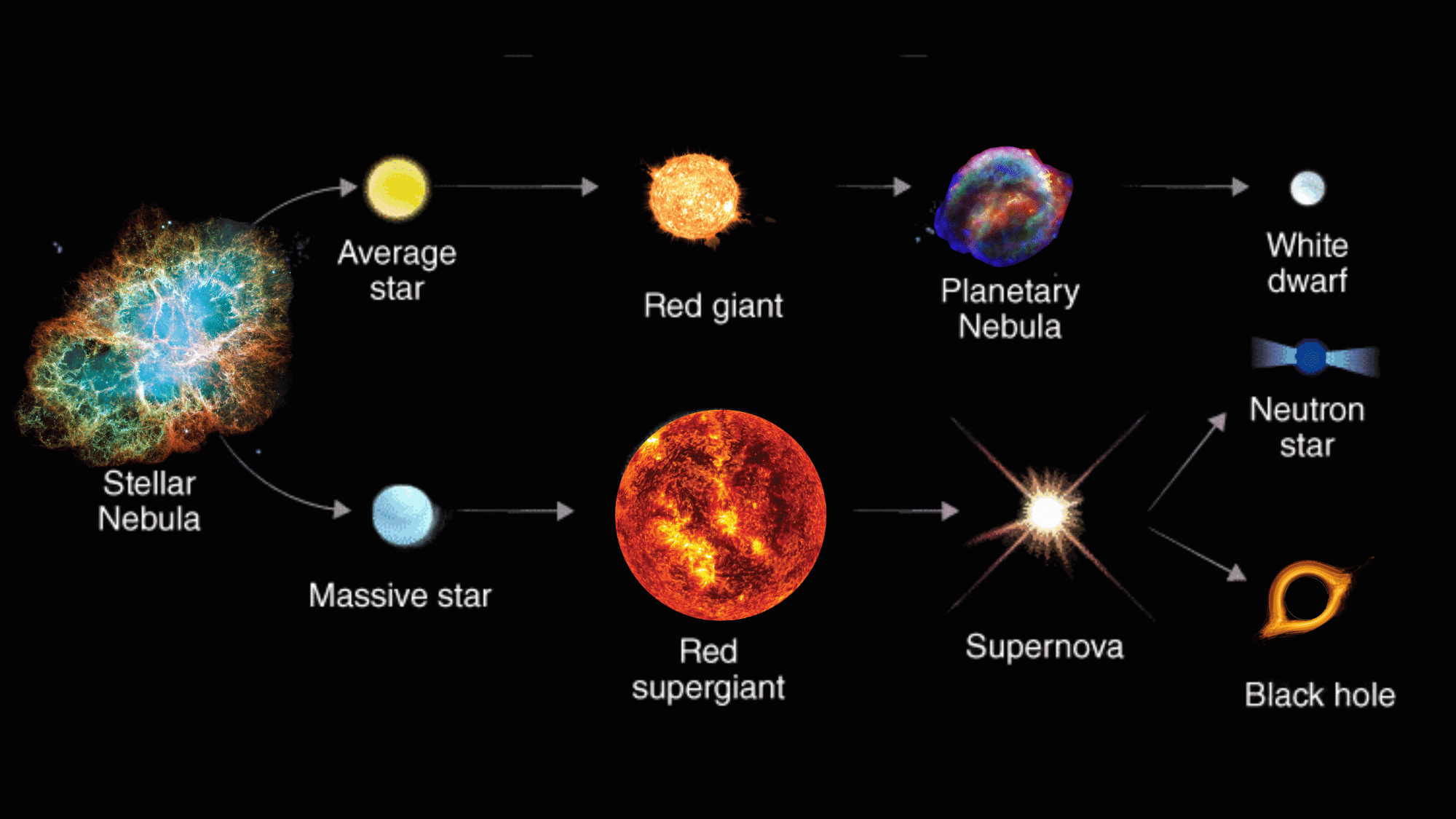
Stars follow a predictable sequence of stages before their end, driven by mass and nuclear fusion. Massive stars like Betelgeuse progress rapidly to dramatic finales, unlike low-mass stars like the Sun.
- Nebula Birth: Stars originate in giant molecular clouds of gas and dust. Gravity collapses regions into protostars, heating cores to ~10 million K for hydrogen fusion ignition—birth as a main-sequence star. Lasts ~10-50 million years for massive stars.
- Main Sequence Phase: Longest stage (~90% of life); hydrogen fuses to helium in the core, balancing gravity via hydrostatic equilibrium. Betelgeuse spent ~10 million years here as a blue supergiant (O/B-type), shining hot and blue.
- Post-Main Sequence Contraction: Core hydrogen depletes; gravity contracts it, heating it to 100 million K. Shell hydrogen fusion continues as the star leaves the main sequence. Brief transition (~thousands of years).
- Red Supergiant Expansion: Helium core ignites (“helium flash” or burn), expanding the star 1,000x in size with cooled outer layers (~3,500K, red hue). Hydrogen shell-fuses; Betelgeuse is here now, ~640 light-years away. Lasts ~100,000-1 million years.
- Heavy Element Fusion: Shells fuse helium → carbon/oxygen → neon/magnesium → silicon → iron in onion layers. Each stage shortens dramatically (e.g., silicon burning: days-weeks). Iron core can’t fuse further—no energy output.
- Core Collapse & Death: Iron core implodes in seconds under gravity, rebounding outer layers in a Type II supernova explosion.
- Remnant: Neutron star (for 8-20 solar masses like Betelgeuse) or black hole (>20). Ejects heavy elements for new stars.
What Happens to Low-Mass Stars After Death
Stars like our Sun take the gentle route. These low-mass stars don’t have enough gravitational punch for the dramatic exits. Instead, they go through a slower, quieter transformation.
First, they swell up into red giants. The core heats up and starts fusing helium into carbon and oxygen. This phase doesn’t last nearly as long as the hydrogen-burning years.
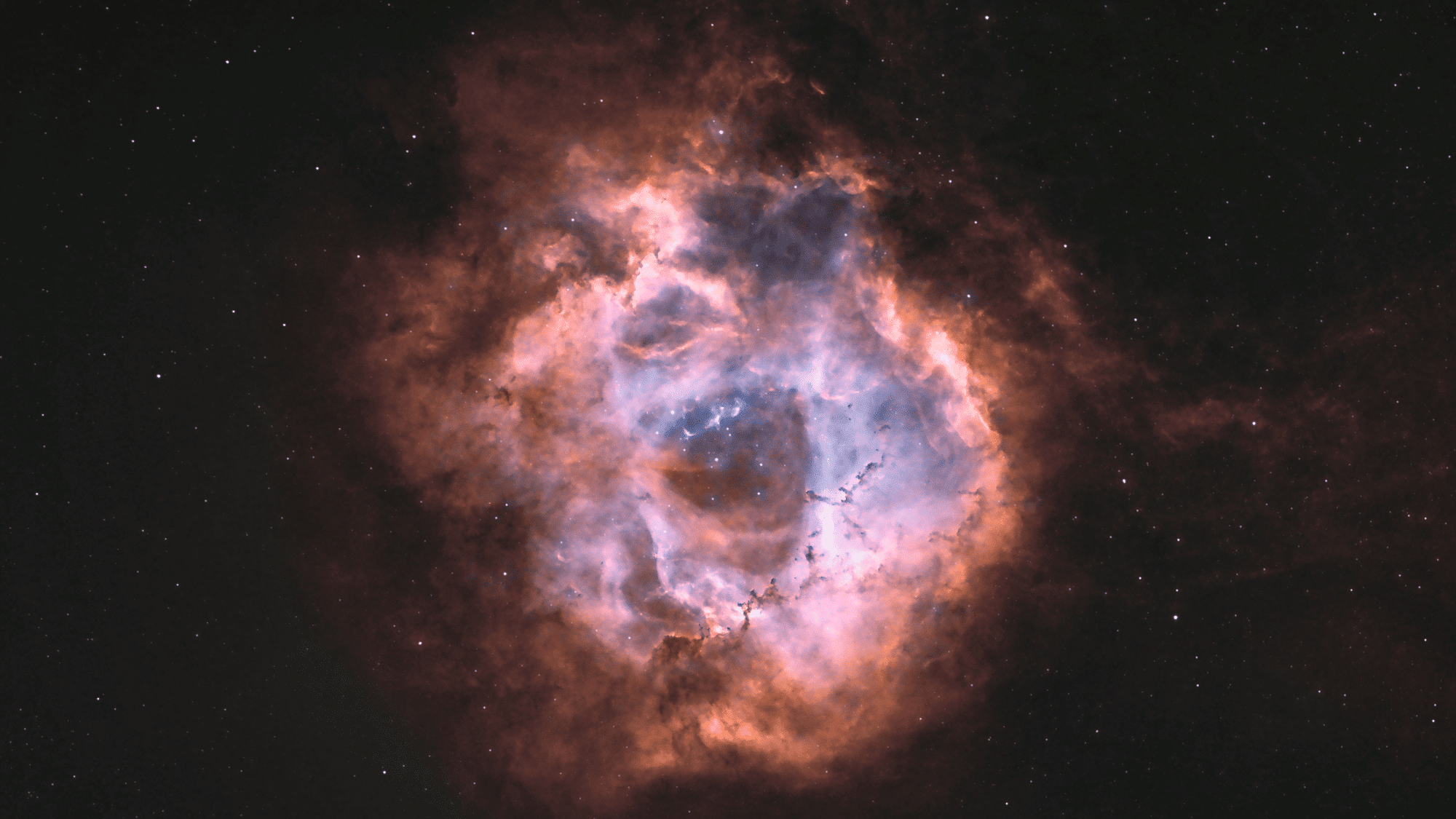
Eventually, the outer layers drift away. They form beautiful shells of gas called planetary nebulae, colorful clouds floating through space.
What’s left behind? A white dwarf.
This stellar corpse is incredibly dense. Imagine cramming the Sun’s mass into something Earth-sized. No more fusion happens here. Just slow cooling over billions of years.
White dwarfs are held up by electron pressure, not energy. They’ll fade to black dwarfs eventually, though the universe isn’t old enough for that yet.
How Do Massive Stars Like Supernova Die?
Massive stars don’t fade quietly. They explode. Stars over eight times the Sun’s mass burn hotter and faster. They burn through their fuel in just millions of years, not billions.
Their cores become fusion factories. Hydrogen to helium, helium to carbon, carbon to neon; they keep going. The core develops layers like an onion, each burning different elements.
Then they hit iron. And iron breaks the rules.
Fusing iron doesn’t release energy. It absorbs it. The core suddenly loses its support system and collapses in seconds.
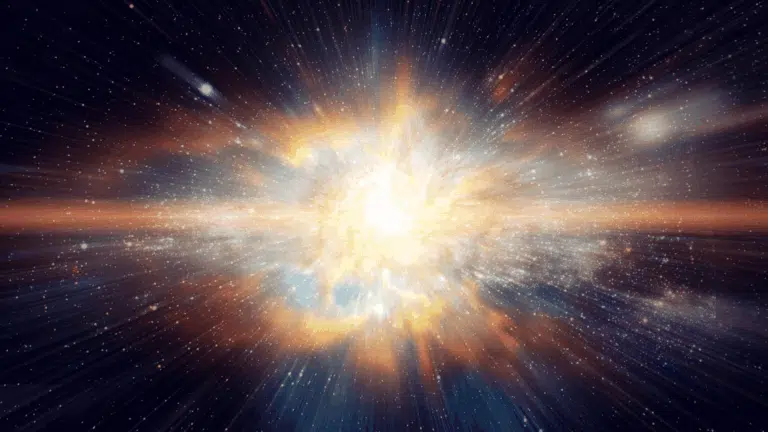
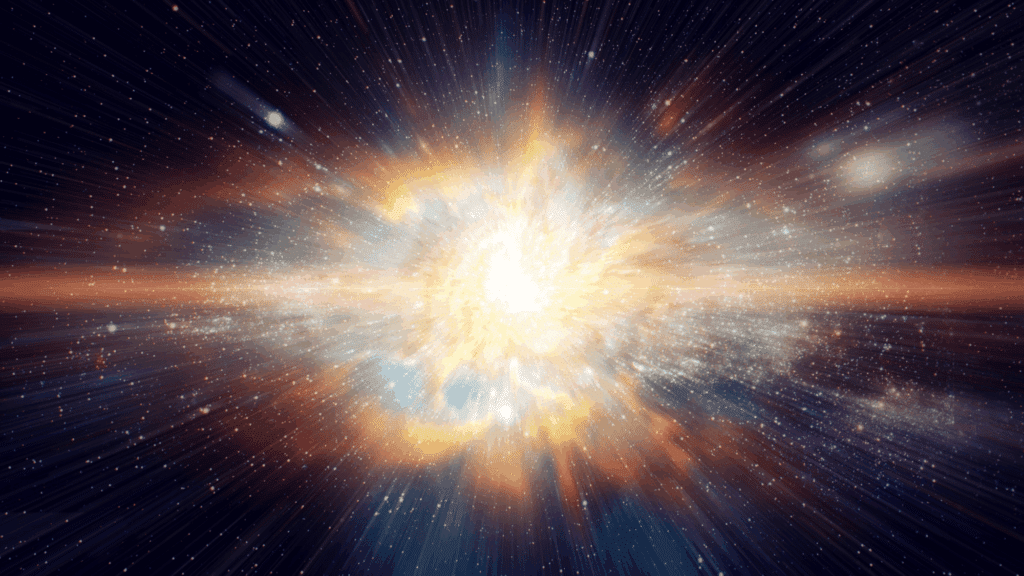
What happens next is violent. The core compresses so fast that it rebounds, sending shockwaves ripping outward. Material explodes at ten percent light speed.
This is a supernova. For a few weeks, it outshines entire galaxies. What’s left depends on the core’s mass.
When Do Stars Become Black Holes?
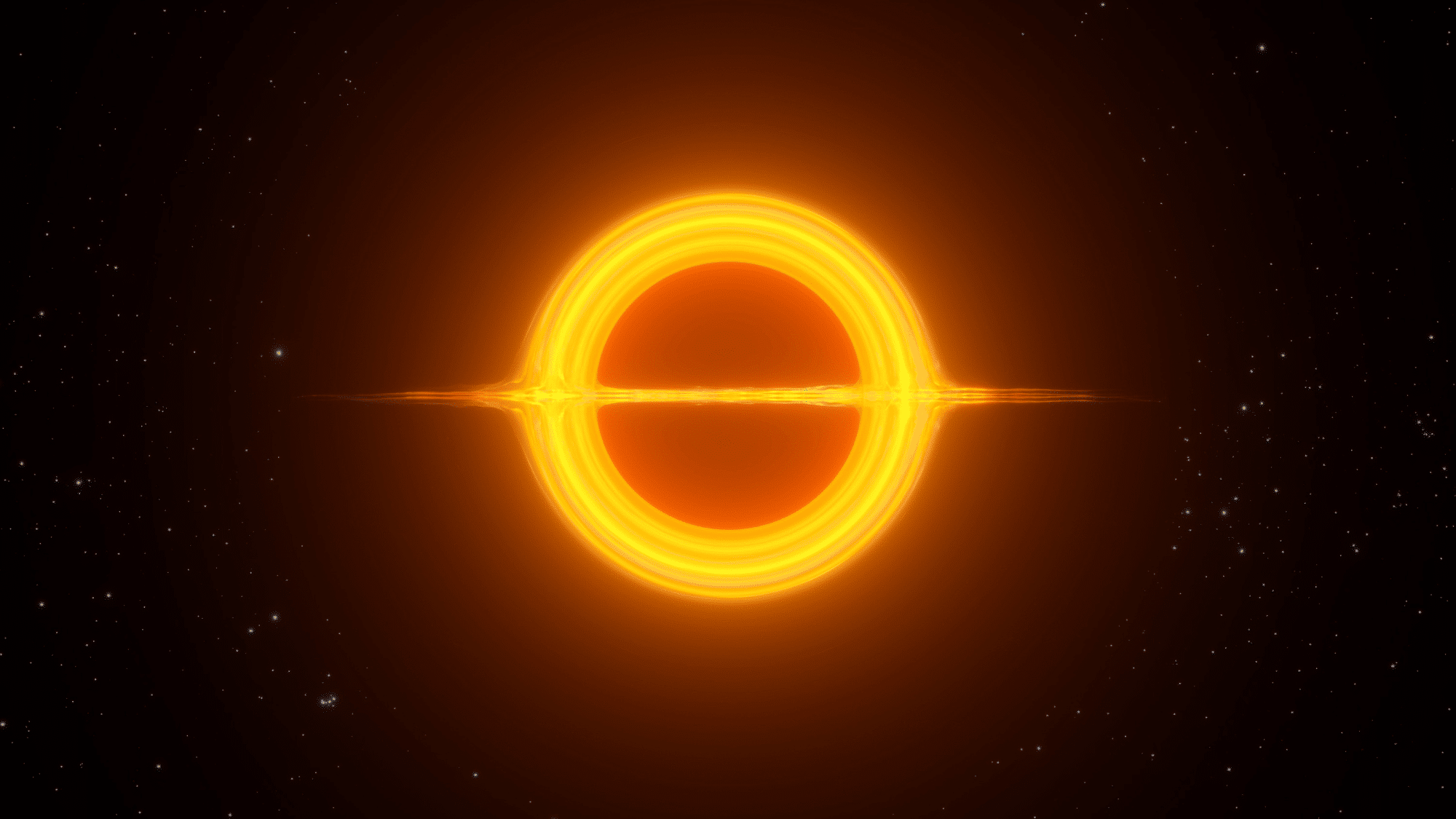
Only the universe’s biggest stars earn this fate.
A star needs to start with at least twenty to twenty-five times the Sun’s mass. Anything smaller becomes a white dwarf or neutron star instead.
The iron core collapses violently during a supernova. If what’s left behind weighs more than about three solar masses, not even neutron pressure can stop gravity.
The core keeps compressing. Smaller and smaller, denser and denser. Eventually, it crosses a point of no return. Space-time curves so severely that nothing escapes, not even light.
An event horizon forms. A black hole is born. The most massive stars skip the explosion entirely and collapse straight into oblivion.
Cosmic Impact of Dying Stars
Dying stars don’t just disappear. They transform the universe in ways that make life possible. Without stellar deaths, planets like Earth wouldn’t exist. Neither would we.
- Heavy Element Creation: Supernovae forge elements heavier than iron: gold, silver, uranium, and platinum. These can’t form in regular stellar fusion. Only the extreme temperatures and pressures of exploding stars can create them.
- Seeding New Worlds: Exploding stars scatter their enriched material across space. This cosmic dust becomes the building blocks for new solar systems. Every atom in your body heavier than hydrogen came from a dying star.
- Triggering Star Birth: Supernova shockwaves compress nearby gas clouds. This compression can trigger gravitational collapse, sparking the formation of new stars. Death literally creates new life in the cosmos.
- Cosmic Recycling: The universe reuses everything. Gas, dust, and heavy elements get redistributed. Nothing goes to waste in this eternal cycle of stellar birth and death.
Wrapping Up
Stars don’t really die. They transform. Each stellar death reshapes the universe. Small stars leave behind glowing embers. Massive ones explode and scatter the elements that build planets and people.
The iron in blood, the calcium in bones, the gold in jewelry, all forged in dying stars. Humanity exists because ancient stars reached their end.
The cycle never stops. Stellar deaths trigger new births. Old material becomes new worlds. What seems like an ending is actually a beginning.
Next time the night sky catches your attention, remember this: those twinkling lights are temporary. But their legacy is eternal.