
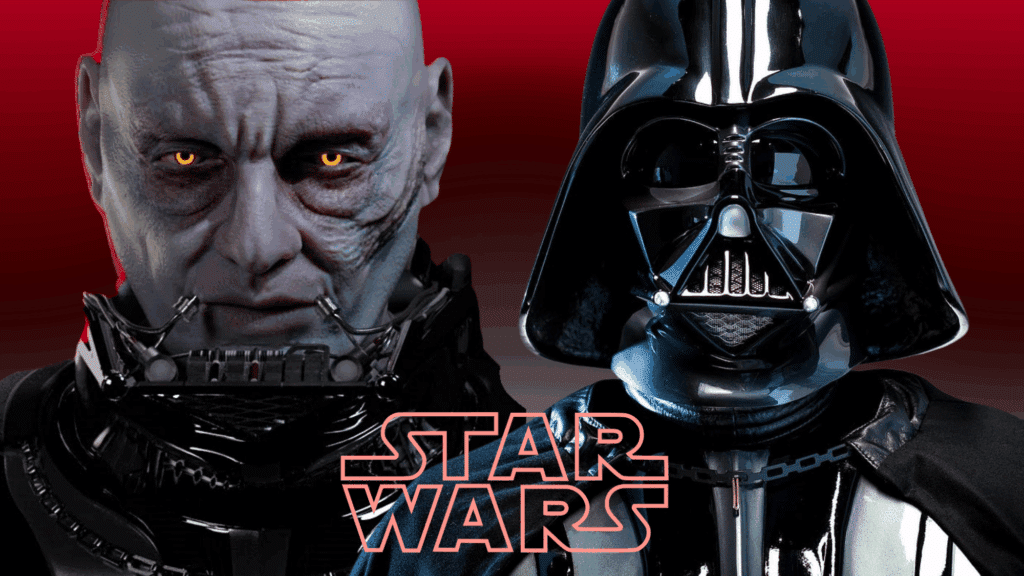
“I find your lack of faith disturbing”.~ Darth Vader
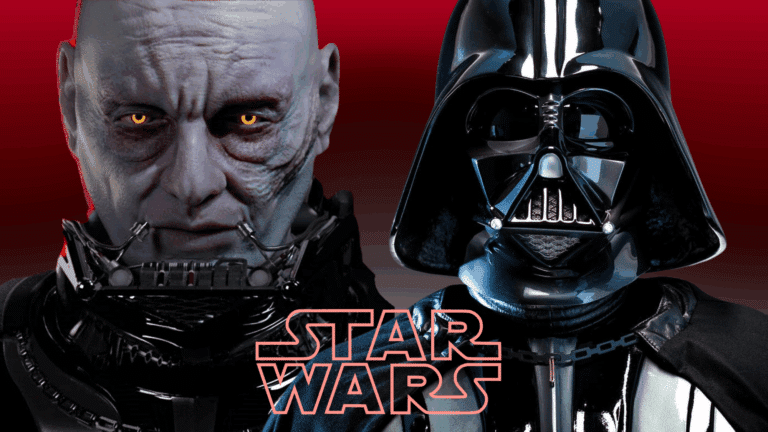
One of the most talked-about moments in Star Wars history is Darth Vader’s death.
Fans have rewatched the scene countless times, but many still wonder about the exact circumstances. Was it the Emperor’s lightning? His injuries? Or something deeper?
Understanding how Vader met his end adds layers to his redemption arc. It’s not just about a villain dying; it’s about Anakin Skywalker finding peace after decades of darkness.
This post breaks down the final moments of Vader’s life, examining what really killed him and why his death remains one of cinema’s most powerful scenes.
How Did Darth Vader Die? The Exact Scene Explained
The scene unfolds on the second Death Star. Emperor Palpatine unleashes brutal Force lightning on Luke Skywalker, and Vader makes his choice.
He grabs Palpatine and hurls him down the reactor shaft, but the consequences are immediate and devastating.
The Emperor’s lightning courses through Vader’s body, frying the delicate circuits in his life-support suit. Sparks fly from his chest panel as the systems fail one by one.
Vader collapses, his breathing ragged and failing. The suit that kept him alive for decades becomes his tomb.
Luke drags him to the shuttle hangar, and Vader asks for one final request: to see his son with his own eyes. Luke removes the mask, revealing Anakin’s scarred, pale face. Moments later, Anakin Skywalker dies, redeemed at last.
Who Killed Darth Vader?
Vader’s death sparked debate among fans. Multiple factors contributed to his demise, making it hard to pinpoint one cause. Was it the Emperor, his suit failure, or something else entirely?
Suspected Killers:
- Emperor Palpatine’s Force Lightning – The direct attack that damaged his systems
- His Cybernetic Suit Malfunction – Life support failed after an electrical overload
- Old Injuries from Mustafar – Pre-existing damage made him vulnerable
The Real Killer:
Ultimately, Vader killed himself through his choice. By stopping Palpatine, he knew the lightning would destroy his suit and end his life. His sacrifice was deliberate.
Anakin accepted death to save Luke, choosing love over survival and completing his redemption arc in those final heroic moments.
The Meaning Behind Darth Vader’s Final Act
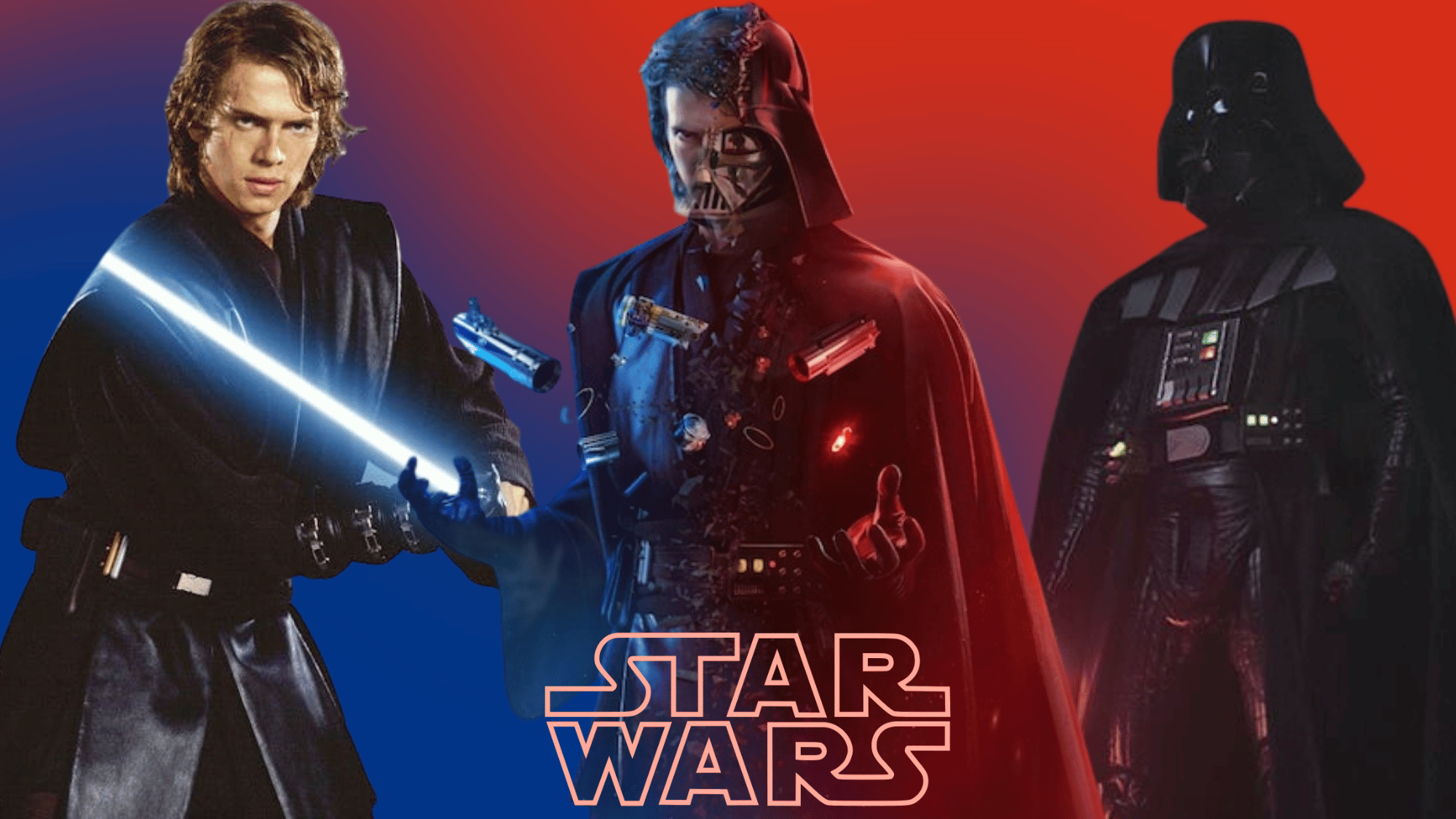
Vader’s sacrifice wasn’t just about stopping the Emperor. It represented the complete return of Anakin Skywalker.
For over two decades, he’d been consumed by hatred, fear, and the dark side. But watching his son suffer broke through that darkness.
His final act fulfilled multiple prophecies and themes. As the Chosen One, Anakin brought balance to the Force by destroying the Sith.
As a father, he chose love over power. The man who once lost everything trying to save Padmé finally succeeded in saving someone he loved, even if it cost him his life.
Luke’s faith never wavered. He believed good still existed in his father, and that belief became Vader’s salvation. The scene proves redemption is possible, no matter how far someone has fallen into darkness.
How Darth Vader’s Death Fits Into Star Wars Canon
Vader’s death is a cornerstone moment in Star Wars lore. It connects multiple storylines, fulfills ancient prophecies, and marks the end of the Galactic Empire’s reign of terror.
1. Fulfillment of the Chosen One Prophecy – Anakin was prophesied to bring balance to the Force. By destroying Palpatine and himself, he eliminated the last two Sith Lords, restoring balance as foretold.
2. End of the Sith Rule of Two – Palpatine and Vader represented the final generation of Sith following Darth Bane’s ancient rule. Their deaths theoretically ended the Sith lineage for good.
3. The Empire’s Collapse – Without Palpatine’s leadership, the Empire fractured. Vader’s death contributed directly to the Rebellion’s victory and the eventual formation of the New Republic.
4. Skywalker Legacy Begins – Anakin’s redemption set the stage for Luke’s Jedi Order and influenced the entire Skywalker saga, including events in the sequel trilogy.
5. Force Ghost Transformation – Anakin’s return to the light allowed him to become a Force ghost, appearing alongside Obi-Wan and Yoda, confirming his redemption was complete.
Fan Misconceptions About How Darth Vader Died
Many fans believe Vader’s old injuries from Mustafar directly killed him, but that’s not accurate. Those wounds weakened him, sure, but didn’t cause his immediate death.
The real culprit was Palpatine’s Force lightning, destroying his suit’s life-support systems.
Some argue,
“Sidious purposely made Vader’s suit especially weak to his force lightning, for when Vader would try to betray him.”
This theory stems from the Sith Rule of Two; masters expect betrayal from apprentices. Palpatine likely engineered this vulnerability as insurance.
Another misconception? That Vader could’ve survived with medical help.
One fan noted,
“Vader didn’t want Luke to think he could save him from death via the Force because that’s what made Anakin turn to the dark side.”
He chose death over risking Luke’s fall. His breathing worked minimally after the attack, but he accepted his fate peacefully.
Vader’s Death in the Movie vs. the Novelization
The film and novelization present Vader’s death similarly but with key differences. The book adds internal thoughts and expands emotional depth that the movie couldn’t fully capture on screen.
| Aspect | Movie Version | Novelization Version |
|---|---|---|
| Vader’s Thoughts | Not revealed, only visual reactions | Internal monologue shows Anakin’s conflict and final peace |
| Physical Description | Focus on suit sparking and breathing failure | More graphic details of burns and system failures |
| Luke’s Emotions | Shown through actions and facial expressions | Deeper exploration of Luke’s grief and desperation |
| Anakin’s Last Words | Brief dialogue about removing the mask | An extended conversation with more reflection on redemption |
| Force Ghost Moment | Shown at the funeral pyre celebration | More detailed explanation of Anakin rejoining the Force |
| Palpatine’s Lightning | Visual effects show the damage | Describes the pain coursing through Vader’s body |
To Conclude
Darth Vader’s death wasn’t just another villain’s end; it was Anakin Skywalker’s redemption.
The Force lightning destroyed his suit, yes, but his choice to save Luke is what truly defined those final moments. He accepted his fate, knowing he couldn’t survive, and prioritized his son’s life over his own.
This scene remains powerful because it proves no one is beyond saving. Anakin spent decades in darkness, committed terrible acts, yet still found his way back to the light.
His death brought balance to the Force and closure to his tragic story. Sometimes the most significant victories require the ultimate sacrifice, and Anakin finally became the hero he was always meant to be.