
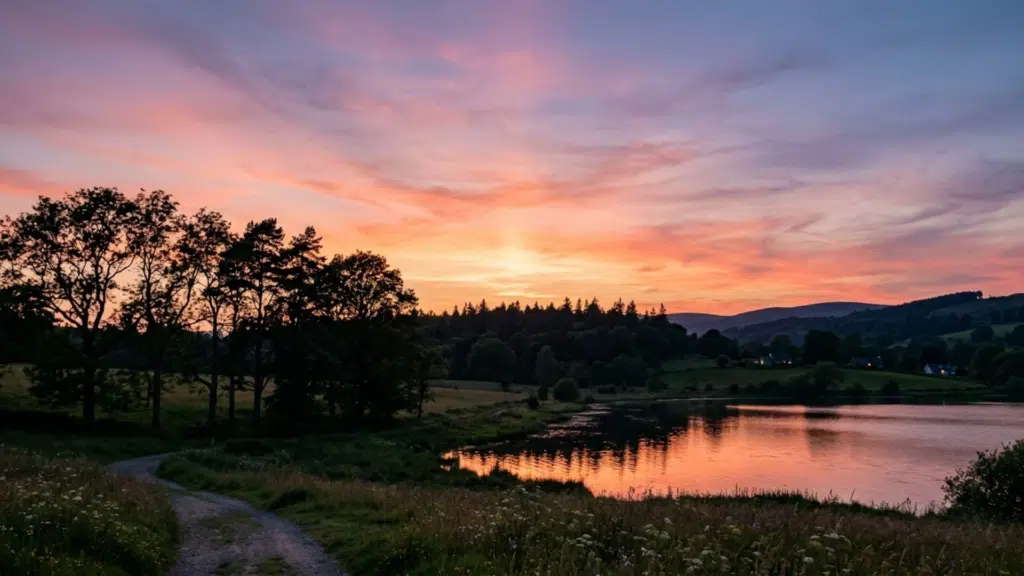
After the sun dips below the horizon, the sky does not turn dark right away.
There is a short period when light still lingers, and the world slowly shifts from day to night. Some people notice this shift but are not sure how long it takes for true darkness to set in.
The timing can feel different depending on the day or place. This often leads to simple but important questions about when night actually begins.
Understanding this transition helps make sense of daily light patterns and evening routines. It also explains why the sky changes color before darkness settles in completely.
Quick Answer: How Long Does It Take to Get Dark?
In most places, it takes about 60 to 90 minutes after sunset for the sky to become fully dark. This is the time it takes for natural light to fade as the sun moves farther below the horizon.
However, this is only a general range. In some areas, darkness can arrive sooner, while in others it may take closer to 100 minutes or more.
The exact timing depends on a person’s location, the time of year, and current atmospheric conditions.
Right after sunset, there is still enough light to see clearly. The sky gradually dims over time until true darkness sets in.
What Happens After Sunset?
Sunset marks the moment when the sun drops below the horizon, but it does not mean instant darkness. Light from the sun still reaches the atmosphere and continues to brighten the sky for a while.
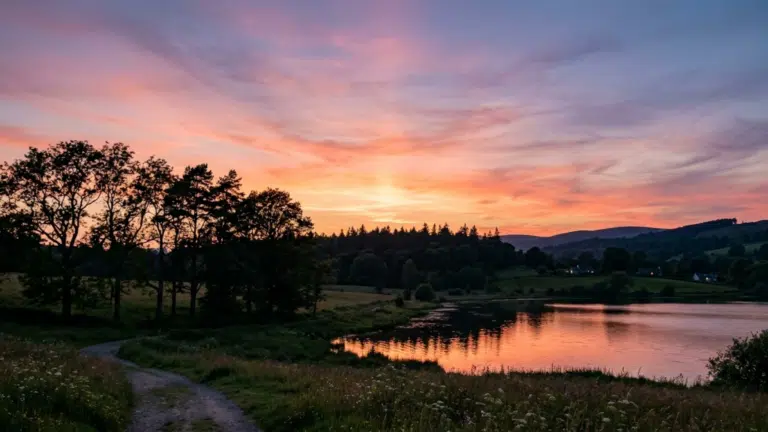
After sunset, the sky slowly dims. The remaining sunlight scatters through the air, creating softer light and fading colors. This is why the sky often shows shades of orange, pink, and blue before turning darker.
Over time, the amount of light decreases gradually. The horizon becomes less visible, and shadows deepen.
Gradually, the sky shifts from dim light to full darkness as the sun moves farther below the horizon.
The Three Stages of Twilight Explained
After sunset, the sky does not become dark right away. It fades gradually through three stages called twilight.
Civil Twilight (First Stage)
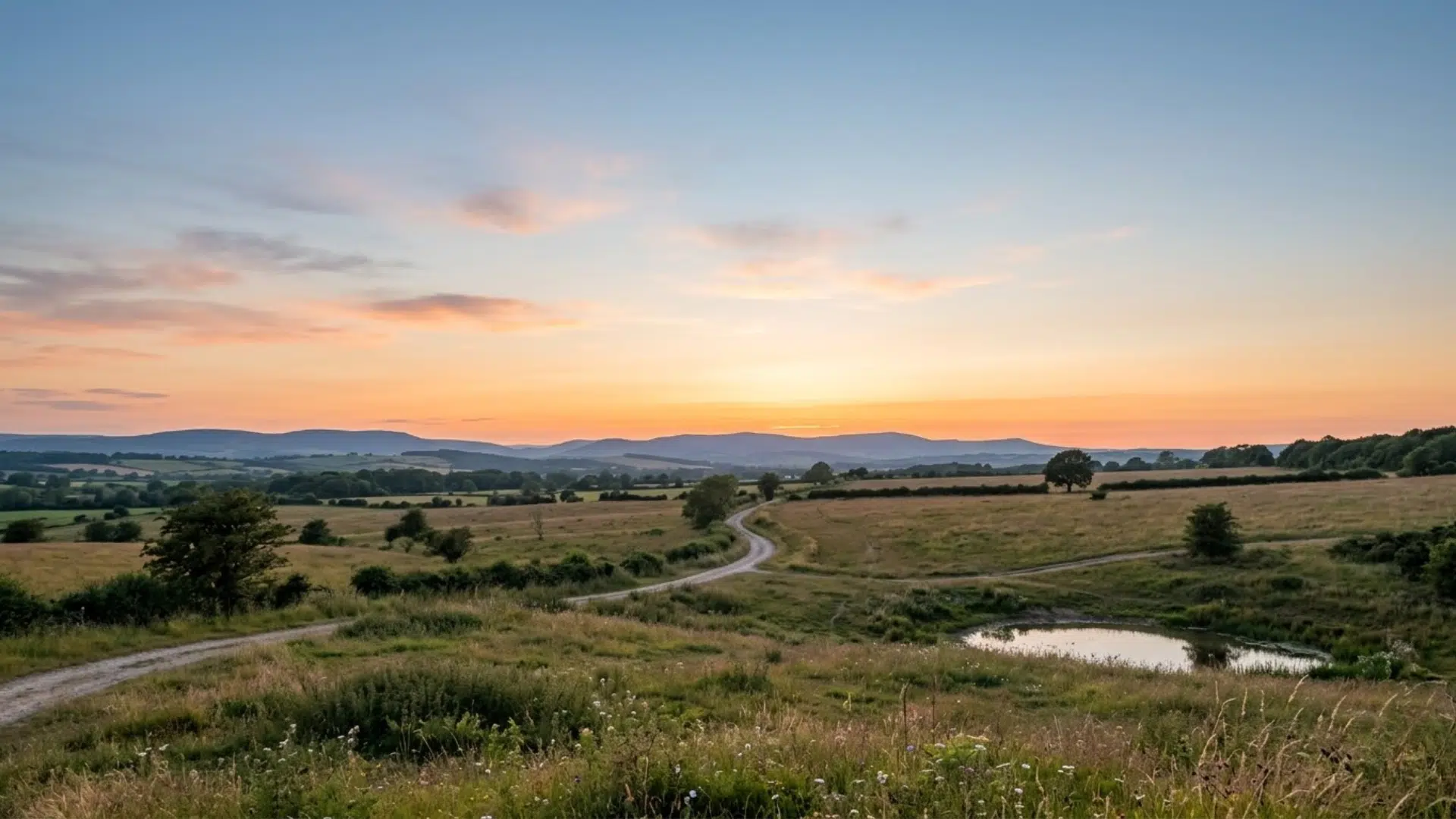
This is the phase right after sunset. There is still enough natural light to see clearly without using lights. People can walk, drive, or do outdoor tasks with ease.
The sky looks soft and bright, often with warm colors fading slowly. This stage usually lasts about 20 to 30 minutes, though it can vary by location and season.
Nautical Twilight (Second Stage)
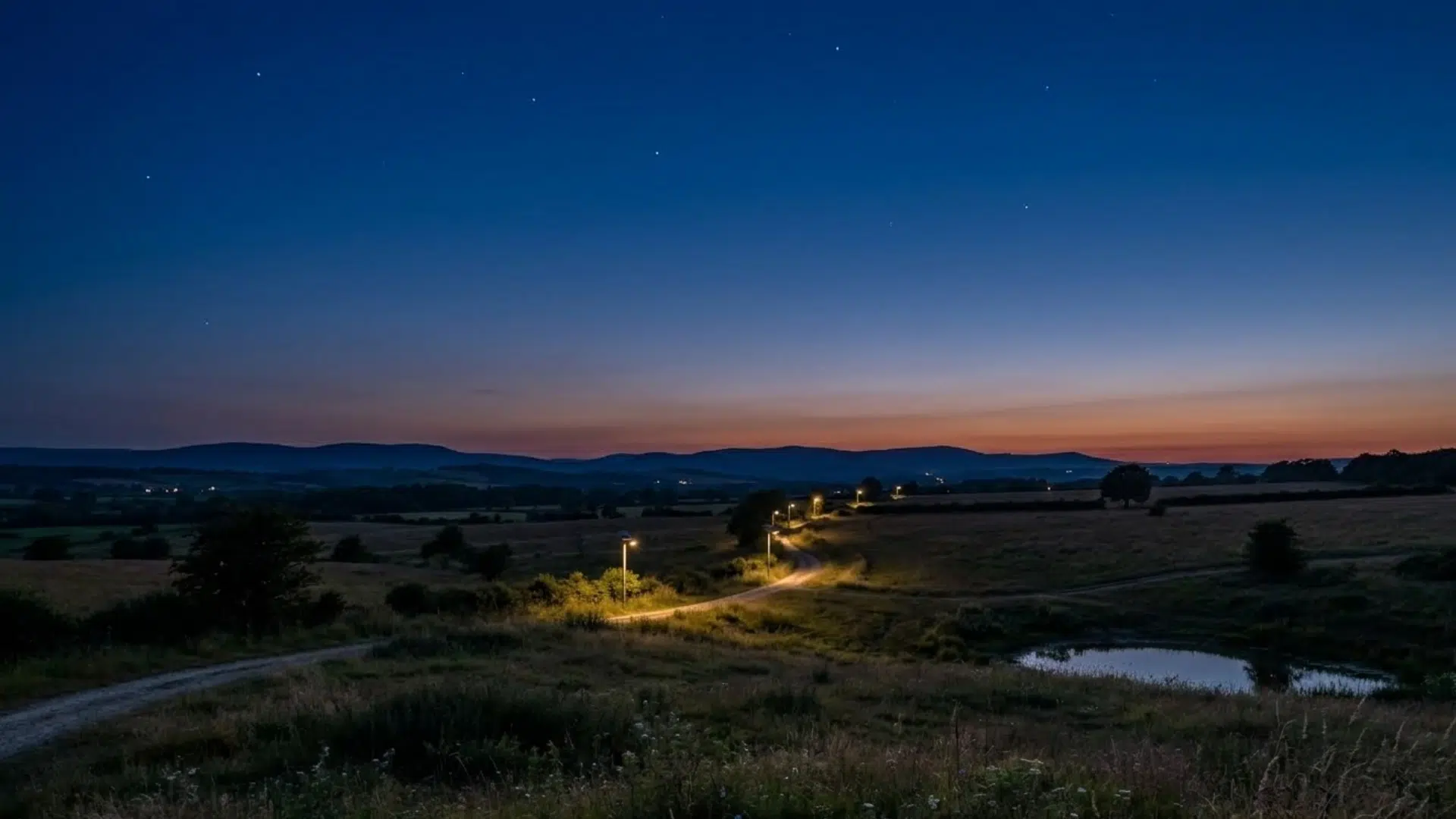
During this stage, the sky grows much dimmer. The horizon becomes harder to see, and outlines of objects begin to blur.
Most outdoor activities now need artificial light. More stars appear, and the sky takes on deeper shades of blue. This stage marks the shift from low light to near darkness.
Astronomical Twilight (Final Stage)
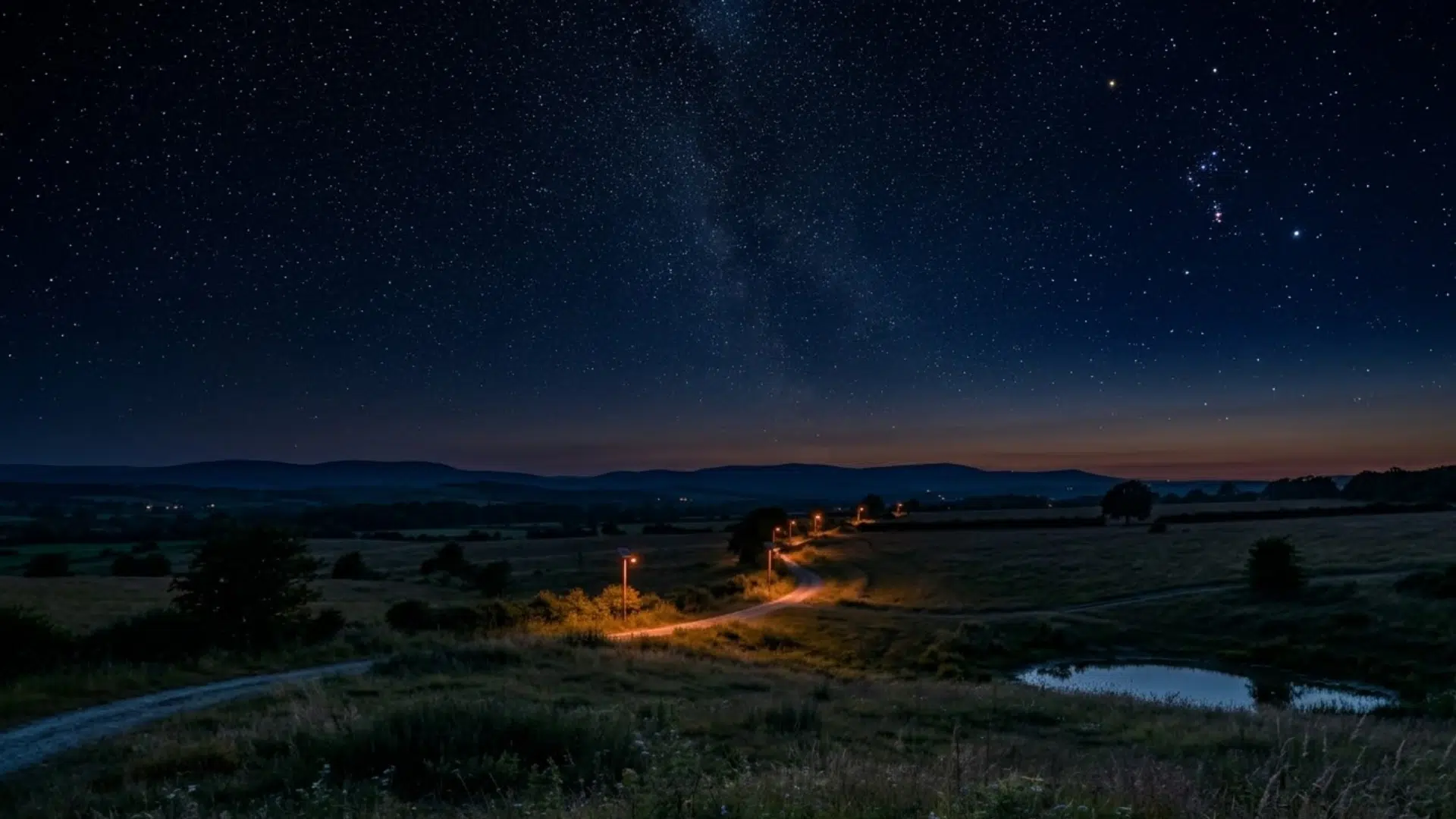
This is the final step before a full night. The sky becomes very dark, and even faint stars are visible. At this point, very little sunlight remains in the atmosphere.
By the end of this stage, the sun is far enough below the horizon that the sky appears fully dark. This is when true nighttime begins.
Total Time From Sunset to Full Darkness
The time it takes to go from sunset to full darkness is not fixed, but it follows a general pattern:
- Average time: 60 to 90 minutes
- Faster transition: Around 40 to 60 minutes in some regions
- Slower transition: Up to 100 minutes or more in certain conditions
This full period includes all stages of twilight, during which the sky gradually loses light rather than going dark instantly.
In simple terms, darkness builds step by step. Right after sunset, there is still visible light. Over time, the sky dims, and by the end of this period, true night has settled in.
Factors That Affect How Fast It Gets Dark
The time it takes to get dark after sunset can change based on several natural factors. These conditions affect how quickly light fades from the sky.
Location (Latitude)
Places closer to the equator tend to get darker faster. At higher latitudes, the sun rises and sets at lower angles, so twilight lasts longer.
Time of Year (Season)
In summer, the sun sets at a shallow angle, keeping the sky bright longer. In winter, the transition to darkness is usually quicker.
Weather and Atmosphere
Clouds, dust, and pollution can scatter light differently. Some conditions may make the sky appear darker sooner, while others can extend the glow after sunset.
Elevation and Surroundings
Higher elevations may experience a slightly longer period of light. Nearby mountains, buildings, or open horizons can also affect how quickly darkness seems to set in.
How Long After Sunset is it Dark in Different Places?
The time it takes to get fully dark after sunset can vary widely depending on where someone is in the world. Here is a simple comparison:
| Location Type | Time to Get Dark | What It Feels Like |
|---|---|---|
| Near the Equator | 20–30 minutes | Darkness comes quickly after sunset |
| Tropical Regions | 30–45 minutes | Short twilight, fast transition |
| Mid-Latitudes | 60–90 minutes | Gradual fading of light |
| Northern/Southern Areas | 90–120 minutes | Long twilight, slow shift to darkness |
| Polar Regions | 2+ hours or more | Very long twilight, sometimes no full dark |
This shows that the closer a place is to the poles, the longer it usually takes for full darkness to set in.
Why It Sometimes Feels Dark Sooner or Later
The time it feels dark does not always match when it is fully dark. Several factors can change how people experience light after sunset.
- Human Vision Adjustment: Eyes take time to adjust to lower light. At first, things may look darker than they actually are, but vision improves after a few minutes.
- Artificial Lighting: Streetlights, house lights, and vehicle headlights can make an area feel brighter or darker depending on their presence.
- Surroundings and Landscape: Open areas with a clear horizon may stay brighter longer. In contrast, places with trees, buildings, or hills can block light, making them feel darker sooner.
- Personal Perception: People experience light differently. What feels dark to one person may still seem like low light to someone else.
Practical Time Guide After Sunset
After sunset, light fades gradually. This table shows how the sky changes over time:
| Time After Sunset | Light Level | What It Feels Like |
|---|---|---|
| 0–20 minutes | Bright | Still easy to see without lights |
| 20–40 minutes | Slightly dim | Colors fade, visibility starts to drop |
| 40–60 minutes | Moderately dark | Artificial lights become necessary |
| 60–90 minutes | Mostly dark | Only a faint glow remains in the sky |
| 90+ minutes | Fully dark | Night has fully set in |
Final Thoughts
Darkness after sunset does not happen instantly. It builds gradually as the sky moves through different stages of fading light.
In most places, this process takes about 1 to 1.5 hours, but it can vary by location, season, and conditions. Understanding this timing helps set better expectations for evening plans and outdoor activities.
It also explains why the sky can still look bright even after the sun is gone. The shift from light to dark follows a clear pattern once it is understood.
For more simple guides like this, keep reading and explore other helpful topics on the site.