
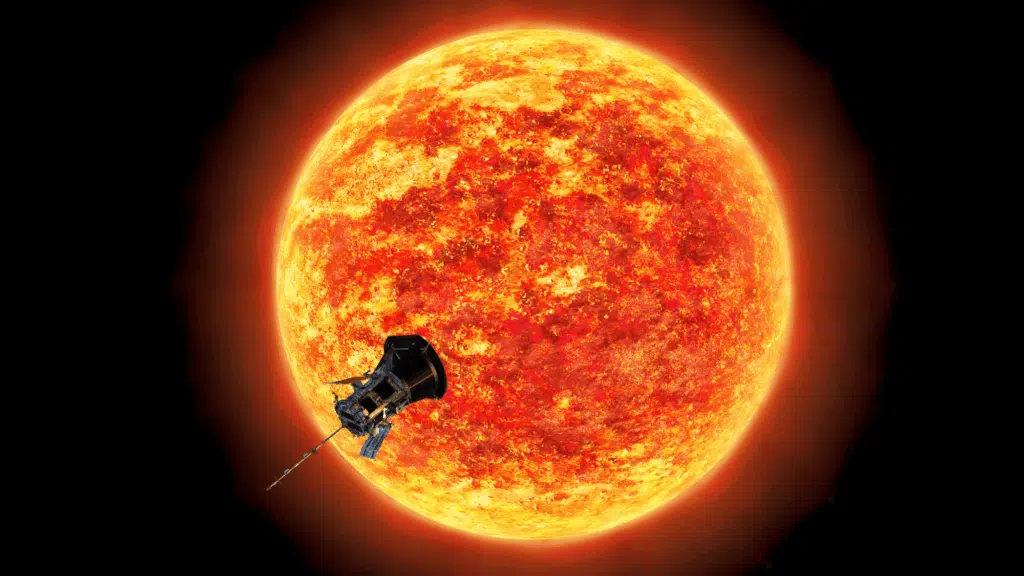
Looking at the sun from Earth, it seems close enough to reach there. But this blazing ball of fire sits about 93 million miles away from us. That’s a distance most people can’t really picture.
So how long would it actually take to get there?
The answer depends on what you’re traveling in. A car? A plane? A spacecraft? Each option paints a wildly different picture. And the results might surprise you.
Some methods would get you there faster than you’d think. Others? Well, you’d better pack a lot of snacks. Let’s break down the numbers and see what it would really take to make this impossible trip.
Earth-Sun Distance Explained
The space between Earth and the sun isn’t fixed. It changes throughout the year as our planet orbits.
Scientists call this distance an Astronomical Unit, or AU for short. On average, it measures about 93 million miles. But Earth’s orbit isn’t a perfect circle. It’s slightly oval-shaped.
In January, we’re closest to the sun at roughly 91.4 million miles. This point is called perihelion. By July, we drift farther away to about 94.5 million miles at aphelion.
That’s a difference of over 3 million miles. Yet we barely notice it. The seasons happen because of Earth’s tilt, not its distance from the sun.
How Long for a Spacecraft to Reach the Sun from Earth?
Spacecraft don’t just point at the sun and hit the gas. Getting there involves complex orbital mechanics and massive speed. Different missions have taken different approaches, and each journey tells its own story.
Parker Solar Probe: Fastest Sun Mission Timeline
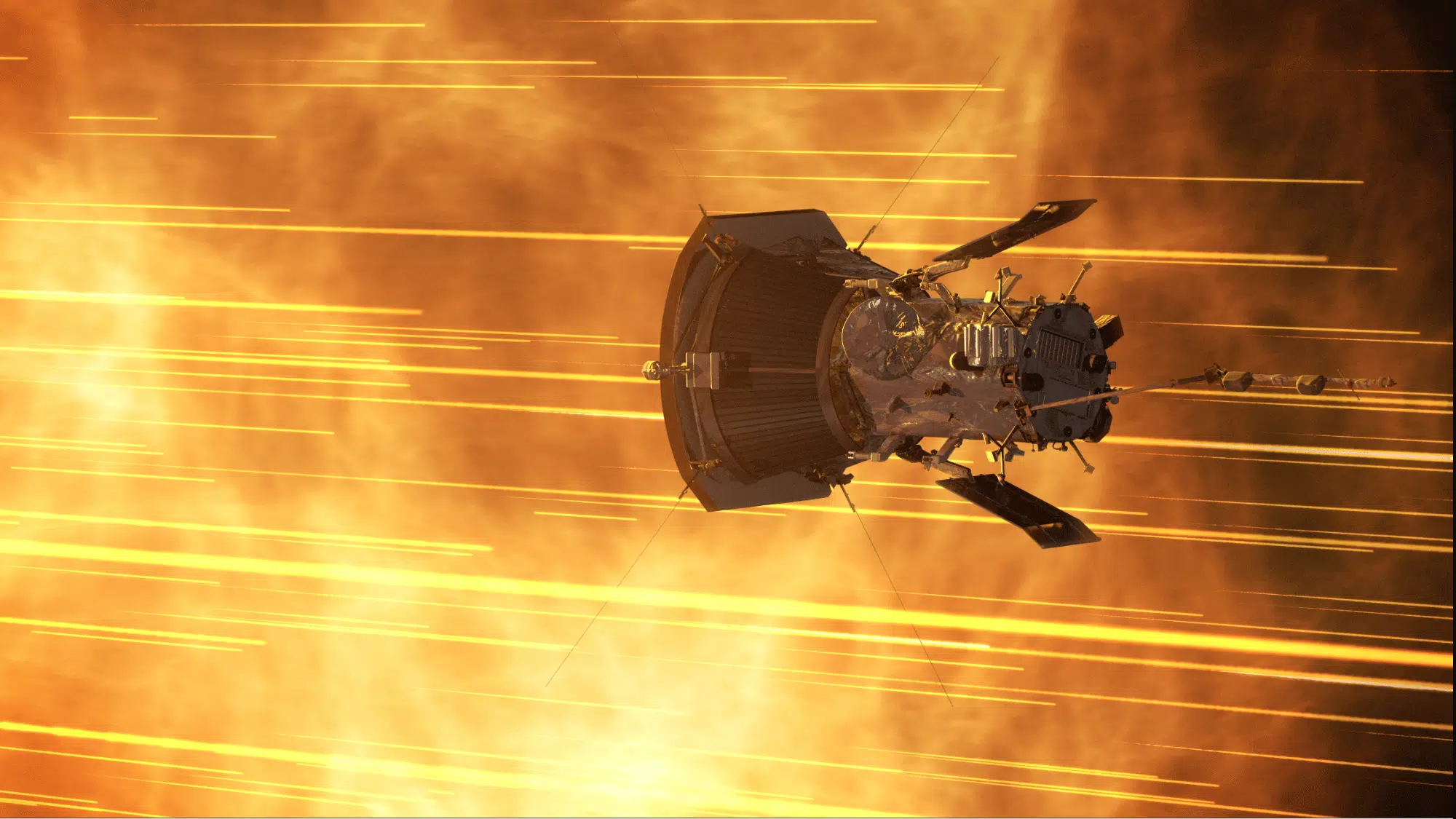
Image Source: NASA Science
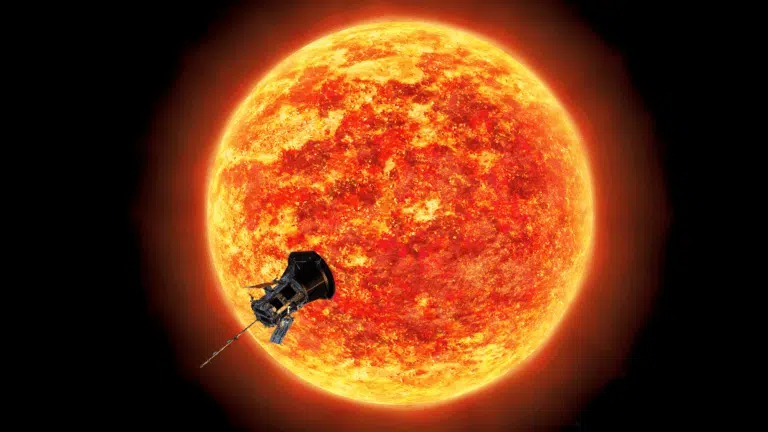
NASA’s Parker Solar Probe launched in 2018 with one goal: to get closer to the sun than any spacecraft before it. It took about three months to reach its first close approach. But the twist is that it didn’t fly straight there.
The probe uses Venus to slow itself down through gravity assists. Each flyby adjusts its path, bringing it closer to the sun.
By 2025, it reached its closest point, just 3.8 million miles from the surface. That’s incredibly close in space terms. The whole mission relies on careful planning and multiple passes, not a single direct route.
Other Sun Missions (Helios, Ulysses Timelines)
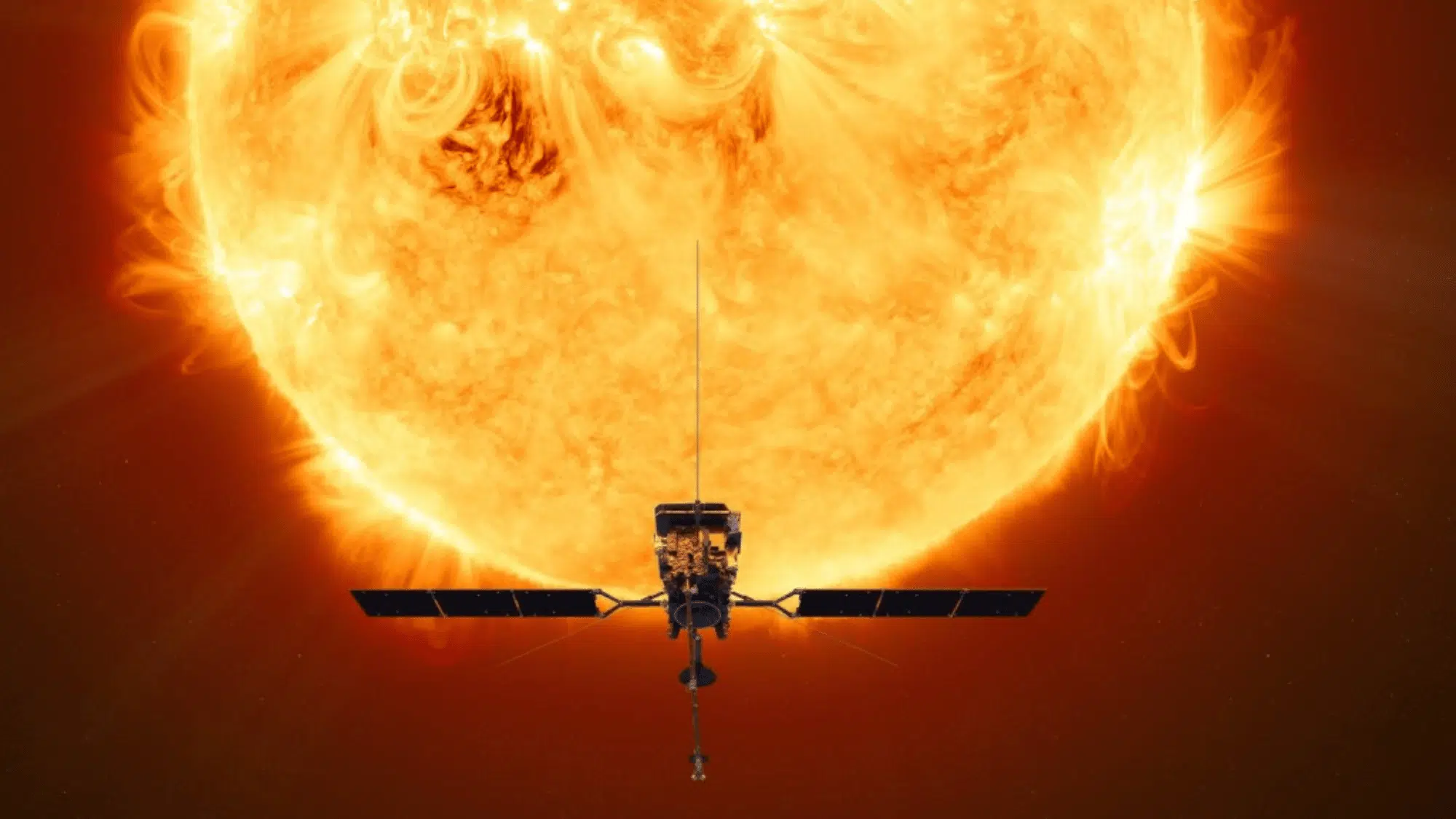
Image Source: NASA
Several other spacecraft have ventured sunward over the decades, each with unique timelines and goals.
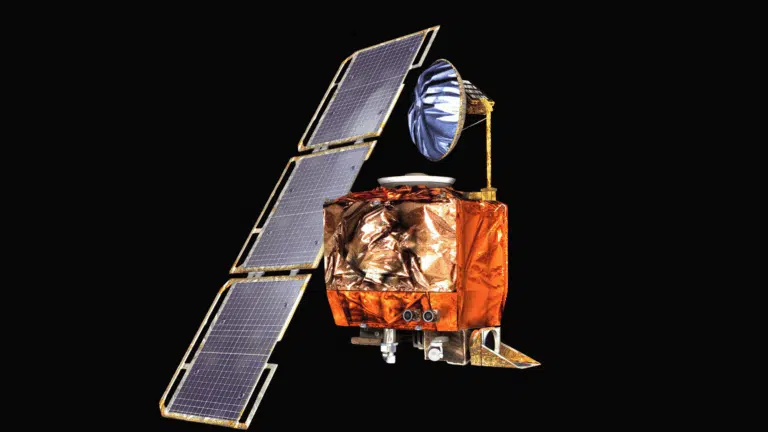
- Helios 1 and 2: Launched in the 1970s by Germany and NASA, these probes reached the sun in about three months. They held the closest approach record for decades at 27 million miles.
- Ulysses: This joint NASA-ESA mission launched in 1990. It took a longer route, swinging by Jupiter first to change its orbit. It reached solar orbit after about a year and a half, studying the sun’s poles.
Why Straight-Line Travel Isn’t Simple
You can’t just aim at the sun and fly there. Earth orbits the sun at 67,000 miles per hour. Any spacecraft leaving Earth carries that speed with it.
To reach the sun, you’d need to cancel out almost all that orbital velocity.
That requires an enormous amount of fuel; far more than any rocket can carry. Instead, missions use gravity assists from planets like Venus.
These flybys act like brakes, gradually slowing the spacecraft down. It’s a longer path, but it’s the only practical way to make the trip work.
Hypothetical Travel Times by Plane or Car to the Sun
What if we tried reaching the sun using everyday vehicles? The numbers get pretty wild. These hypothetical trips show just how vast space really is, even when measured in familiar terms.
By Commercial Airplane
A typical passenger jet cruises at about 575 miles per hour. At that speed, a nonstop flight to the sun would take roughly 18 years. That’s assuming no refueling stops, maintenance breaks, or turbulence. Pack plenty of peanuts.
By Car
Driving to the sun at highway speed (say, 65 miles per hour) would take about 163 years. You’d burn through countless tanks of gas and probably need a few oil changes. Road trips don’t get much longer than this one.
By Rocket
Even the fastest rockets we’ve built would need months to reach the sun. The Parker Solar Probe, our speediest sun-bound craft, travels over 400,000 miles per hour at peak velocity. Still, it takes strategic maneuvering and multiple passes to get close enough.
Challenges of Sun Travel for Spacecraft
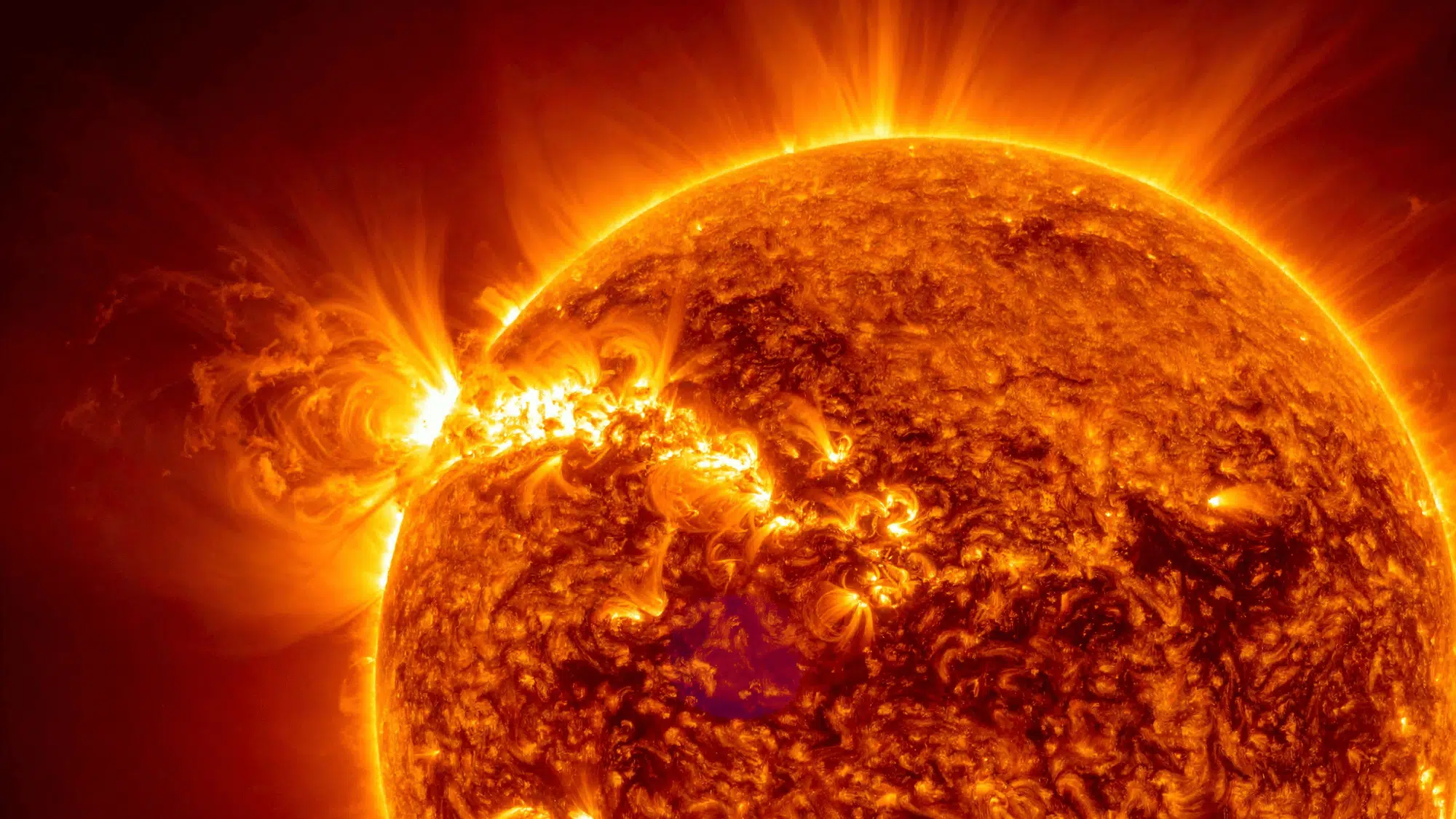
Traveling to the sun isn’t just about distance. It’s one of the most hostile destinations imaginable. Spacecraft face extreme conditions that push engineering limits in ways no other mission does.
Challenges:
- Extreme Heat: Temperatures near the sun reach millions of degrees. Spacecraft need specialized heat shields to survive, like Parker’s 4.5-inch carbon composite shield that withstands 2,500°F.
- Intense Radiation: Solar radiation bombardment can damage electronics and instruments. Missions require heavy shielding and radiation-hardened components to keep systems functioning properly throughout the journey.
- Orbital Mechanics: Earth’s orbital speed around the sun is massive. Slowing down enough to fall sunward requires either impossible fuel loads or clever gravity assists from other planets.
- Communication Delays: As spacecraft approach the sun, signal transmission becomes tricky. Solar interference can disrupt communications, and the distance still creates significant time delays for commands and data.
- Solar Wind: Charged particles streaming from the sun create a harsh environment. This solar wind can erode spacecraft materials and interfere with sensitive measuring equipment over time.
Future Tech: Could We Fly Faster to the Sun?
Scientists are dreaming up ways to cut travel time dramatically. Solar sails could harness light pressure from the sun itself, accelerating spacecraft to incredible speeds without fuel.
Nuclear propulsion is another promising option. These engines could provide constant thrust for months, slashing journey times from years to weeks. NASA’s already testing designs.
Then there’s antimatter propulsion; still theoretical but incredibly powerful. A tiny amount could generate massive energy, potentially reaching the sun in days instead of months.
Ion drives are improving, too. They’re more efficient than chemical rockets and could make solar missions faster and cheaper. The technology exists. We need to scale it up and make it practical for real missions.
The Bottom Line
Getting to the sun isn’t a weekend trip. It’s a monumental challenge that tests every limit of human engineering and ingenuity.
But what’s exciting is that technology keeps advancing.
What seems impossible today might become routine tomorrow. Faster propulsion systems, better heat shields, and smarter orbital strategies are all in development.
The sun will always be many million miles away. But our ability to reach it? That’s only getting better. Who knows what the next decade of space exploration will bring? The journey continues, one mission at a time.