
Most people think meteorites are just space rocks that fall from the sky.
They’re not entirely wrong, but not all meteorites are created equal. Some are incredibly rare, while others are more common than you’d expect.
The universe has been sending us cosmic packages for billions of years. Each one tells a different story about planets, asteroids, and the formation of our solar system.
So, how many rare meteorite rock types actually exist? The answer might surprise anyone who’s ever looked up at a shooting star.
This blog breaks down the different types, from the common ones to the specimens that scientists consider genuine treasures.
What are Meteorite Rock Types?
Think of meteorite rock types as different flavors of space rocks. Scientists don’t just lump all meteorites together because they come from vastly different places and have unique compositions.
These rocks are classified based on what they’re made of. Some contain mostly iron and nickel.
Others are packed with ancient minerals that haven’t changed in billions of years. A few even have organic compounds that make researchers wonder about life beyond Earth.
The classification system helps scientists understand where these meteorites originated. It’s like reading their birth certificates.
Each type reveals clues about asteroids, planets, or even the moon that sent them our way.
Factors Driving Value in Rare Meteorites
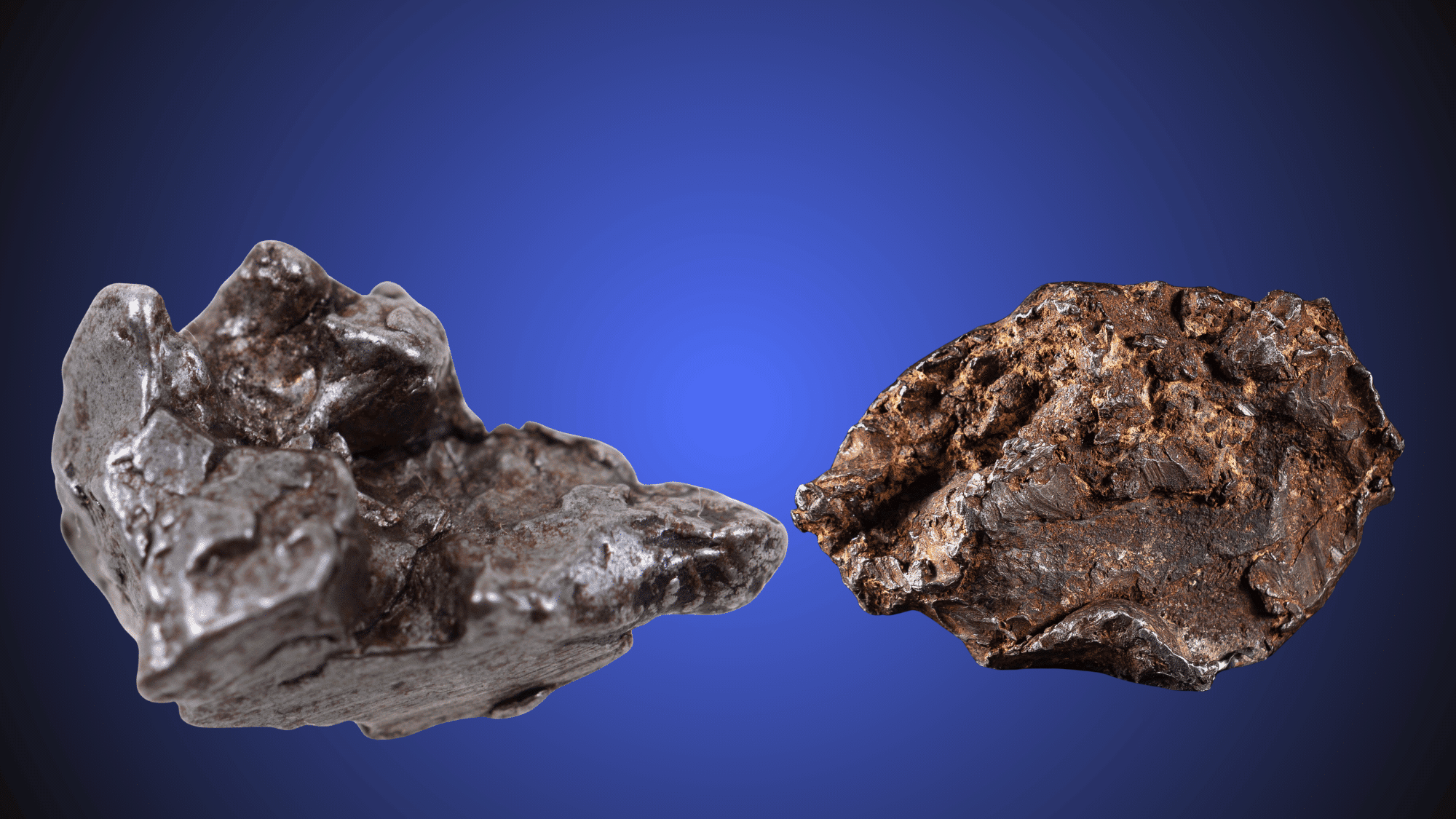
Not all meteorites carry the same price tag. Several key factors determine whether a space rock is worth a few dollars or millions.
Key value drivers include:
- Rarity: How uncommon the meteorite type is among known specimens
- Origin: Meteorites from Mars or the Moon command premium prices
- Size and weight: Larger specimens are naturally more valuable
- Scientific significance: Unique compositions attract researchers and collectors
- Aesthetic appeal: Visual features like regmaglypts and fusion crusts matter
- Provenance: Documented fall events and chain of ownership increase worth
Main Categories of Rare Meteorite Rock Types
Understanding meteorite categories helps collectors and scientists identify what they’re looking at. Here’s a quick breakdown of the three main types and their defining characteristics.
| Category | Composition | Percentage of Falls | Key Features |
|---|---|---|---|
| Stony Meteorites | Silicate minerals | ~94% | Contains chondrites and achondrites; some from Mars/Moon |
| Iron Meteorites | Iron-nickel alloys | ~5% | Heavy, metallic; shows Widmanstätten patterns when etched |
| Stony-Iron Meteorites | Mixed silicates and metal | <1% | Rarest category; includes stunning pallasites and mesosiderites |
Rarest Meteorite Rock Types and Their Unique Traits
Some meteorites stand apart from the rest due to their extraordinary rarity, unique compositions, or incredible stories. These specimens captivate scientists and collectors worldwide with their remarkable features.
1. Pallasites
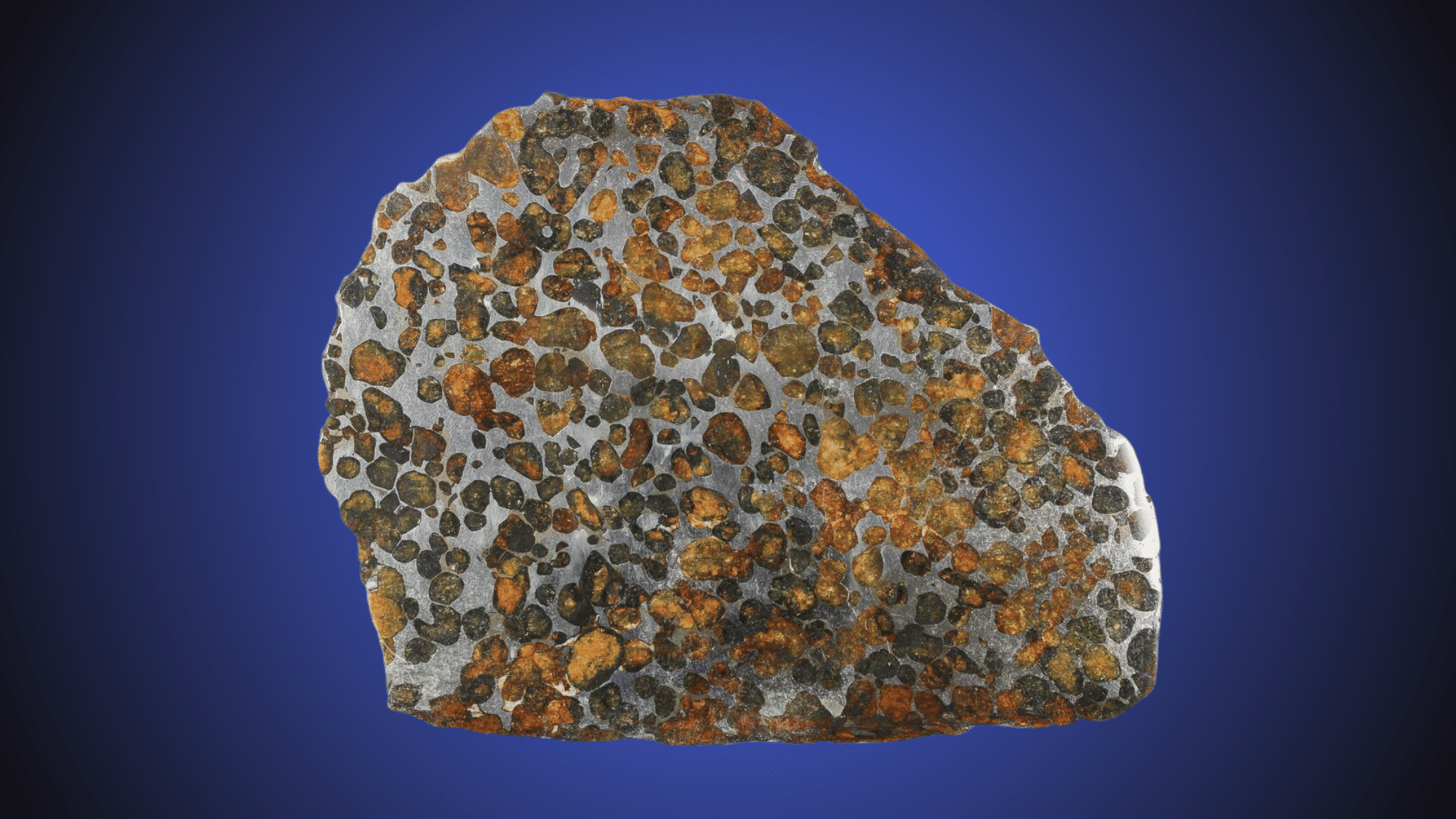
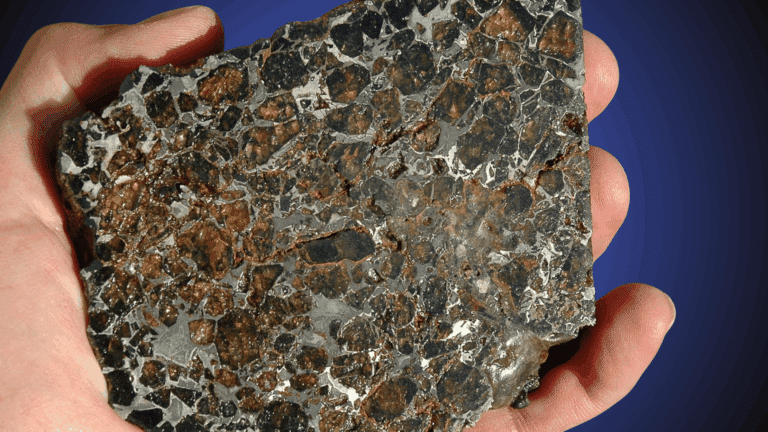
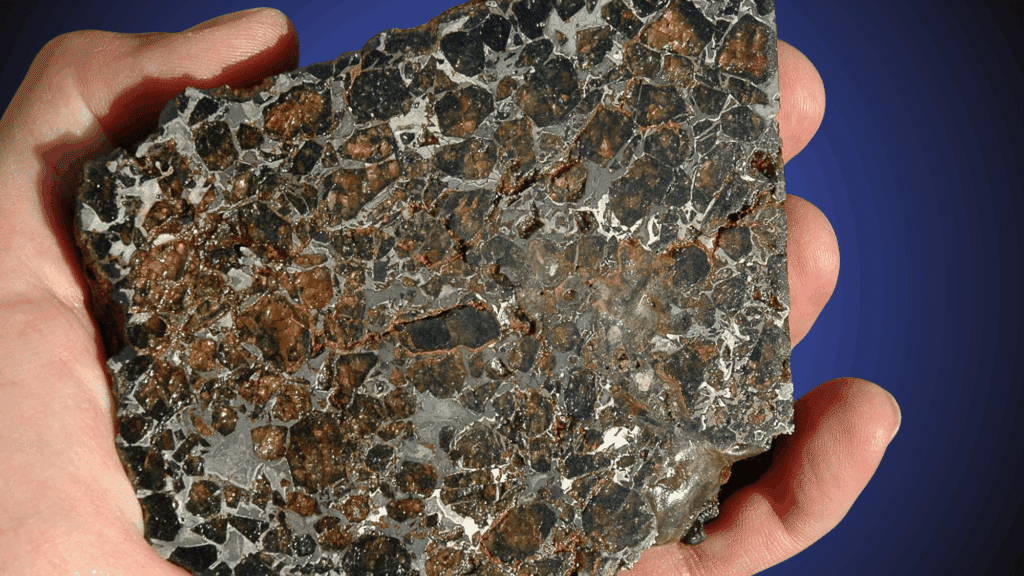
Pallasites showcase nature’s artistry at its finest. These stony-iron meteorites feature translucent olivine crystals suspended in an iron-nickel matrix.
When backlit, they glow like cosmic stained glass windows, creating breathtaking displays that make them highly sought after by museums and private collectors.
- Origin: Core-mantle boundary of ancient asteroids
- Rarity: Less than 1% of all meteorite falls
- Price: $20-$40 per gram, exceptional specimens are much higher
2. Martian Achondrites (e.g., NWA 7034 “Black Beauty”)
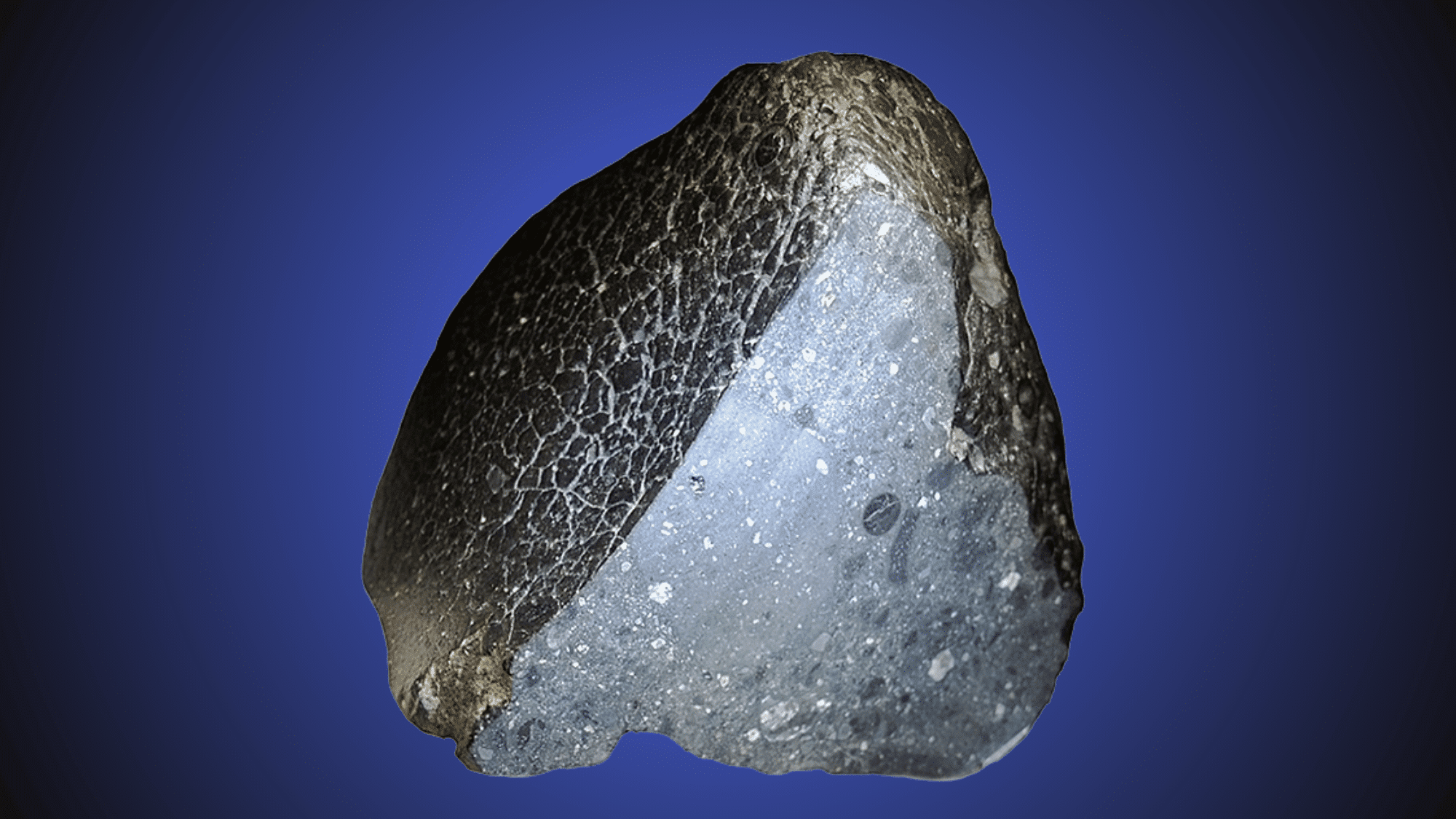
Martian meteorites are literal pieces of the Red Planet. NWA 7034, nicknamed “Black Beauty,” contains ten times more water than other Martian meteorites.
These specimens were blasted off Mars by asteroid impacts and eventually found their way to Earth after millions of years drifting through space.
- Origin: Surface of Mars
- Rarity: Only about 200 confirmed Martian meteorites exist
- Price: $1,000-$10,000+ per gram
3. Lunar Meteorites
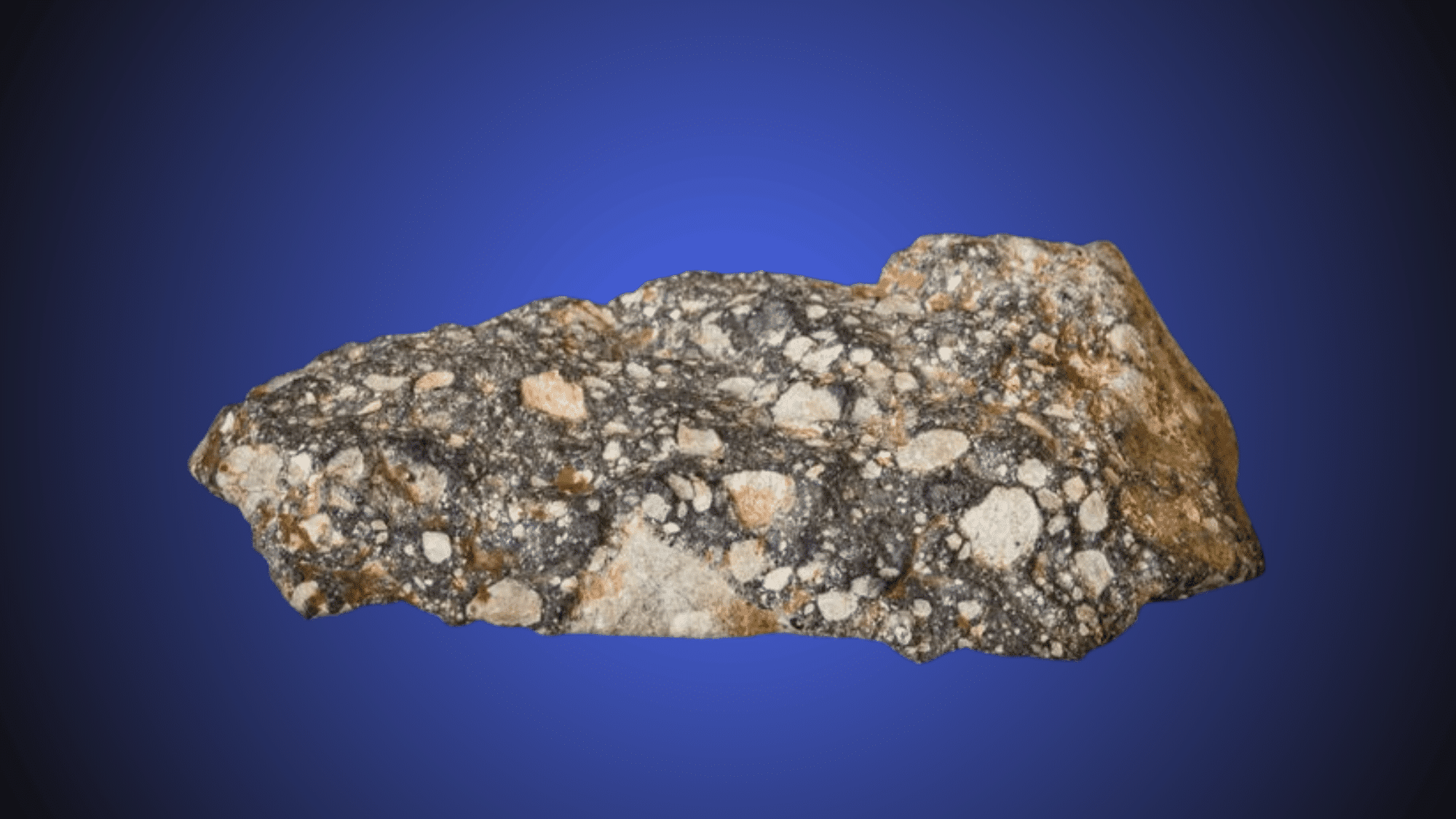
Moon rocks without the NASA price tag. Lunar meteorites are chunks of the Moon ejected by asteroid impacts.
They’re the only legal way private individuals can own genuine lunar material. Each specimen provides scientists with fresh samples to study our closest celestial neighbor.
- Origin: Moon’s surface
- Rarity: Fewer than 400 known specimens
- Price: $1,000-$3,000 per gram
4. Bencubbinites
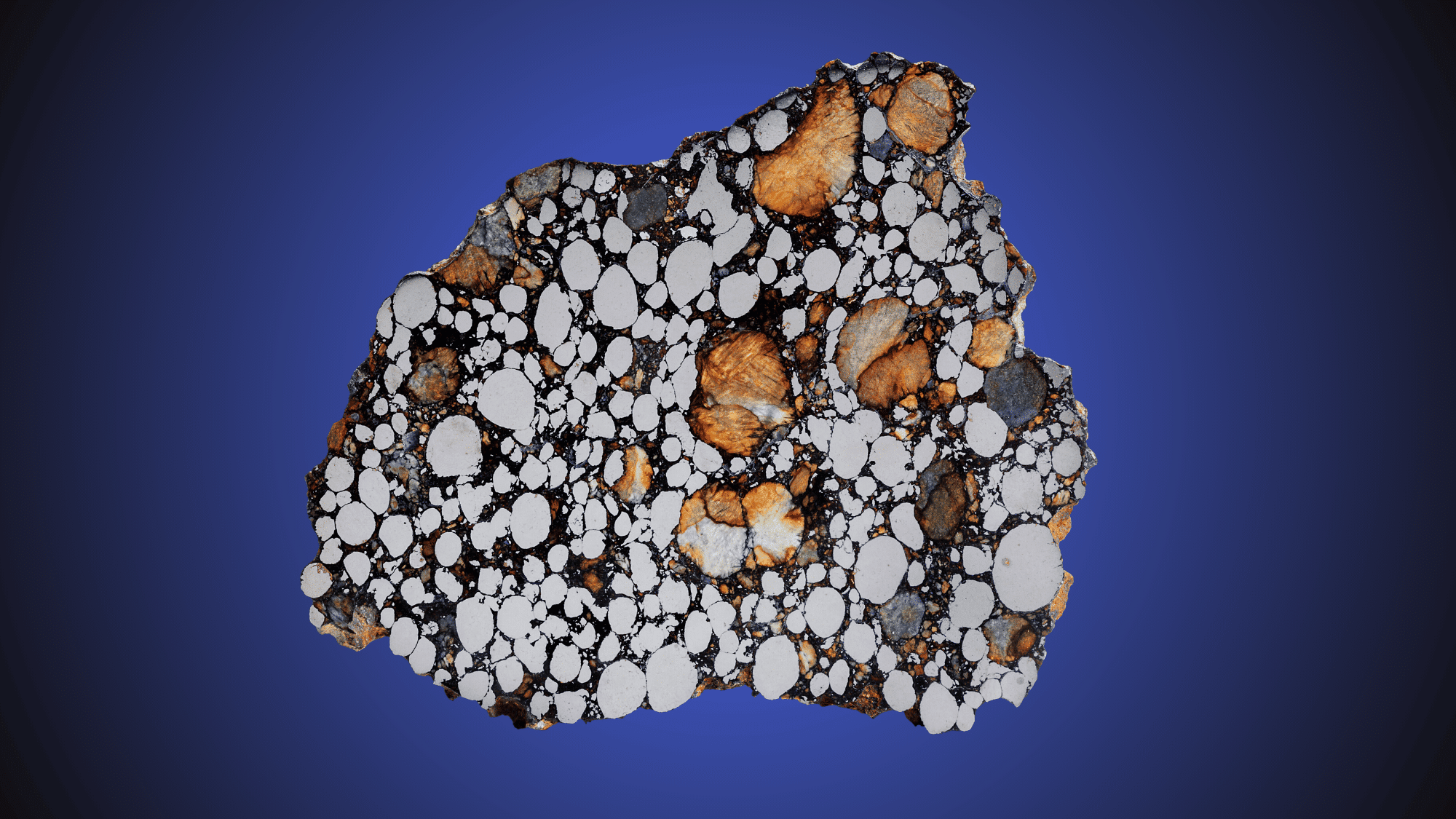
Bencubbinites are oddball meteorites that don’t fit neatly into standard classifications. They contain both chondrules and metal in unusual proportions.
Scientists believe they formed in unique conditions that we still don’t fully understand, making them valuable for understanding early solar system processes.
- Origin: Unknown parent body, possibly the main asteroid belt
- Rarity: Extremely rare, only a handful are known
- Price: $100-$500+ per gram
5. Carbonaceous Chondrites
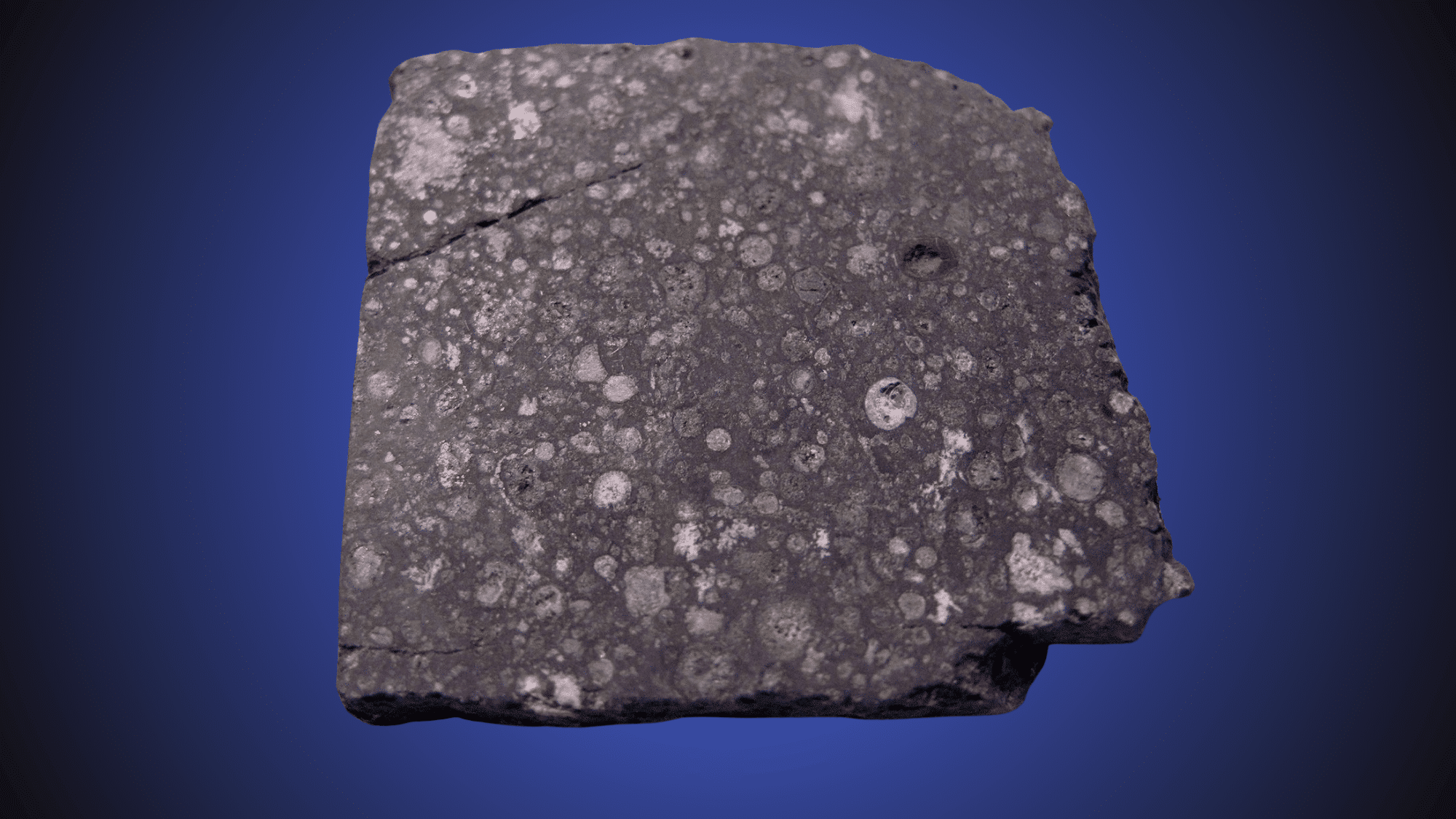
These ancient meteorites are time capsules from the solar system’s birth.
Carbonaceous chondrites contain water, organic compounds, and even amino acids. They’re soft, fragile, and rarely survive atmospheric entry intact.
Some scientists believe similar meteorites delivered the building blocks of life to early Earth.
- Origin: Outer asteroid belt
- Rarity: About 4% of observed falls
- Price: $2-$20 per gram, depending on type
6. Mesosiderites
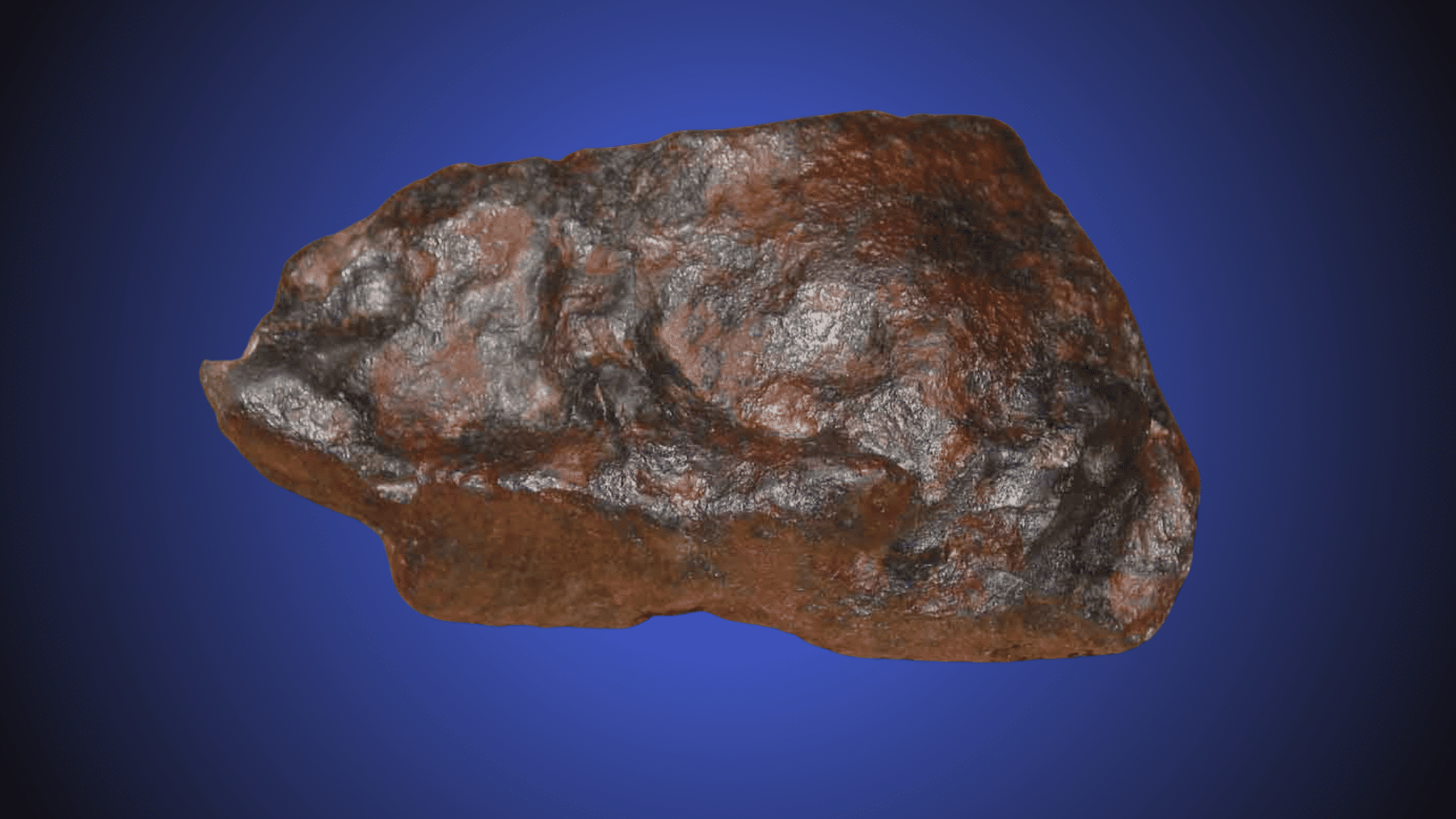
Mesosiderites are cosmic car crashes frozen in time. These stony-iron meteorites formed when two asteroids collided and their materials mixed together.
They contain fragments of different rock types jumbled with metal, creating a geological puzzle that reveals violent events from our solar system’s youth.
- Origin: Collision between differentiated asteroids
- Rarity: Less than 1% of meteorite falls
- Price: $10-$50 per gram
7. Iron Meteorites with Widmanstätten Patterns
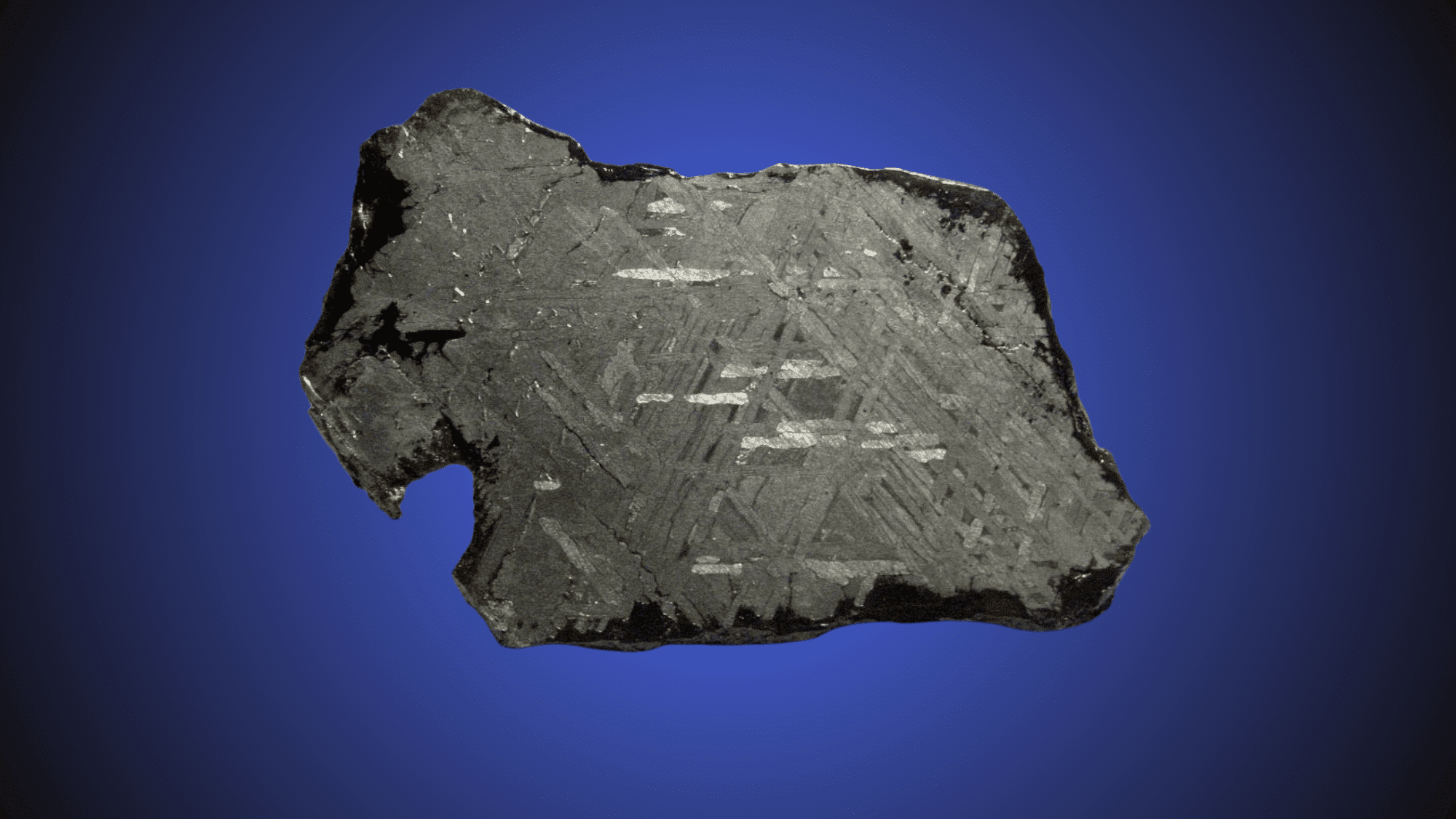
Slice and etch an iron meteorite, and you’ll reveal nature’s artwork. Widmanstätten patterns are interlocking crystal structures that form only through extremely slow cooling over millions of years.
These geometric patterns are impossible to fake and serve as the meteorite’s fingerprint, proving its extraterrestrial origin.
- Origin: Cores of destroyed planetesimals
- Rarity: About 5% of observed falls
- Price: $1-$20 per gram
8. Aubrites
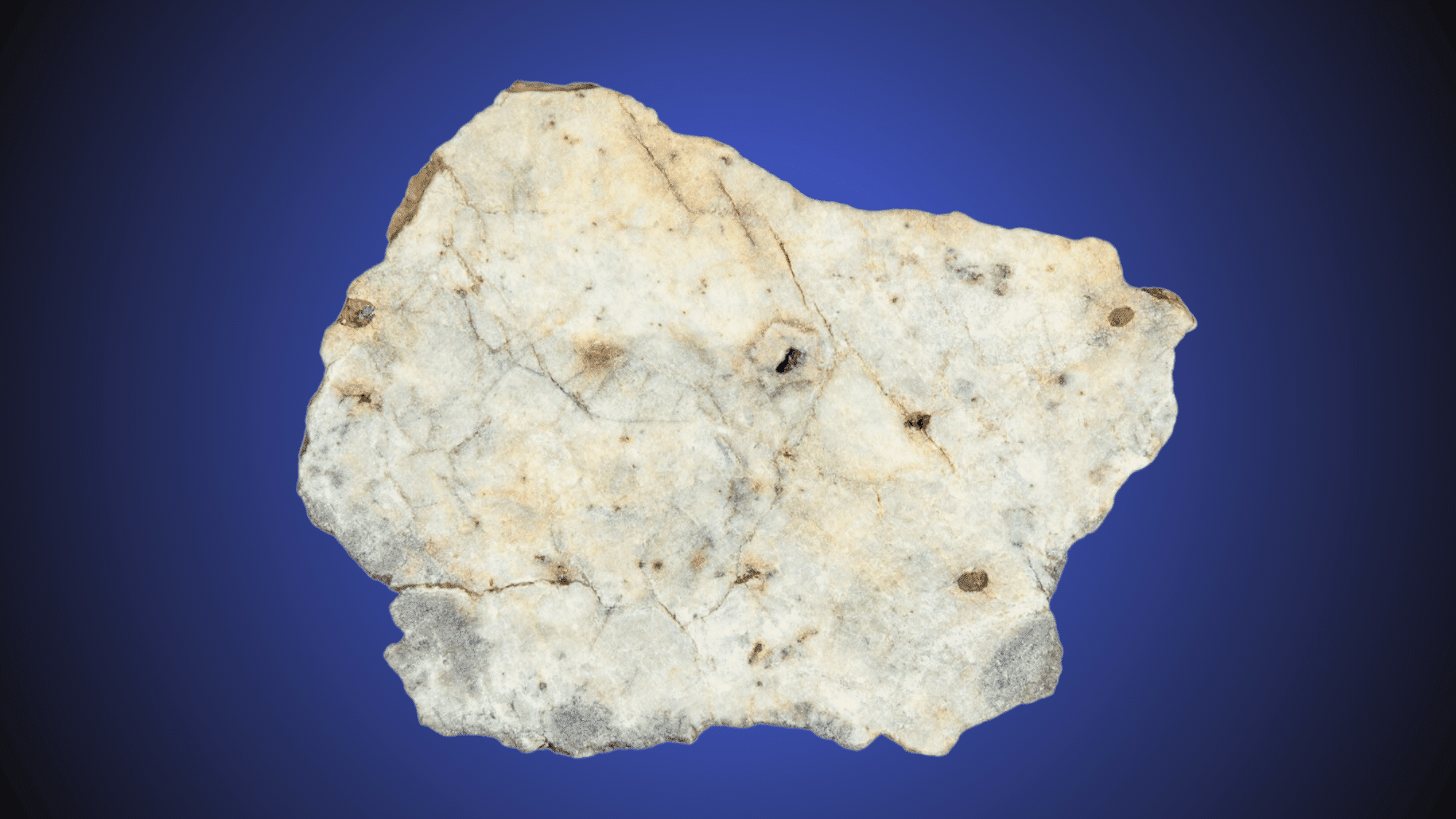
Aubrites are pale, almost white meteorites composed mainly of enstatite. They formed in oxygen-poor environments unlike anything on Earth.
Some contain rare minerals that can’t exist in our planet’s oxygen-rich atmosphere. Their unusual chemistry makes them particularly interesting to scientists studying planet formation.
- Origin: Differentiated asteroids in reducing environments
- Rarity: Less than 1% of all meteorites
- Price: $10-$100 per gram
9. Angrites
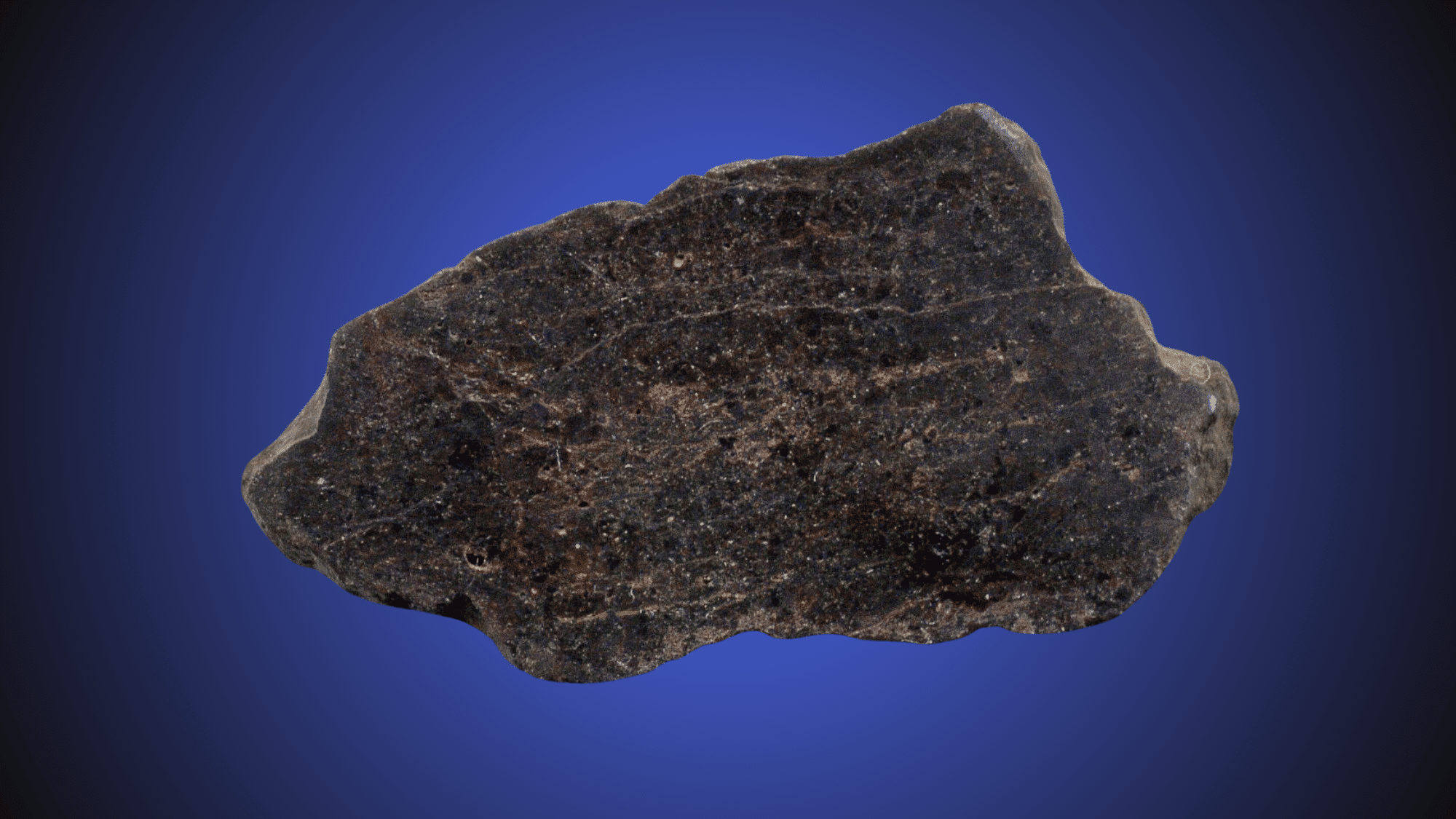
Angrites are among the oldest igneous rocks in the solar system. These calcium-aluminum-rich meteorites formed just a few million years after the solar system itself.
They crystallized from molten magma on their parent body, and their unique mineral composition helps scientists understand early planetary differentiation.
- Origin: Unknown differentiated parent body
- Rarity: Extremely rare, fewer than 30 known
- Price: $500-$2,000+ per gram
10. Brachinites
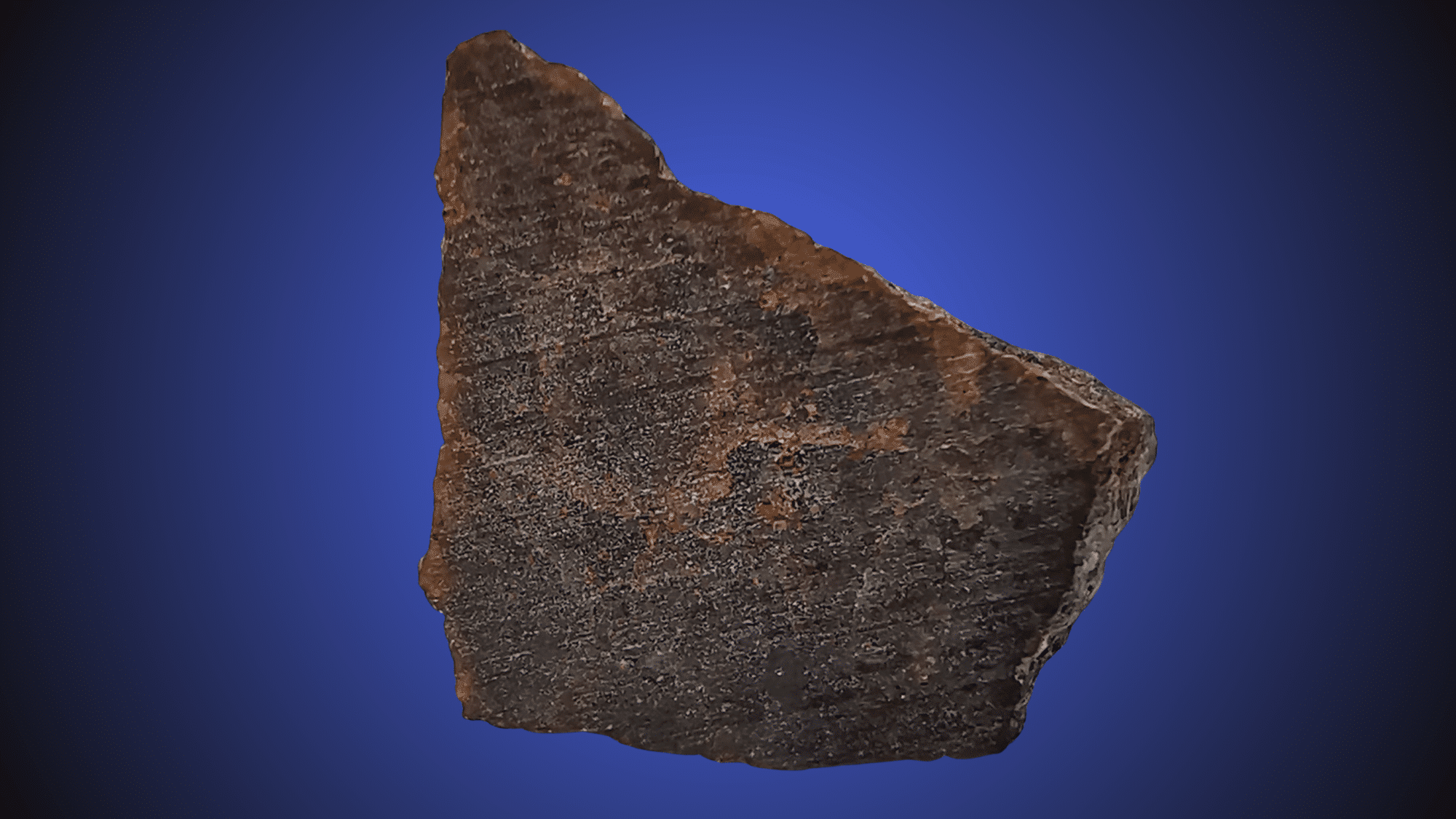
Brachinites are primitive achondrites that occupy a middle ground between chondritic and fully differentiated meteorites.
They contain metal and olivine-rich rock that experienced partial melting. Scientists study them to understand the transition between primitive asteroids and fully formed planetary bodies.
- Origin: Partially differentiated asteroid
- Rarity: Very rare, fewer than 50 specimens
- Price: $100-$500 per gram
11. Ureilites
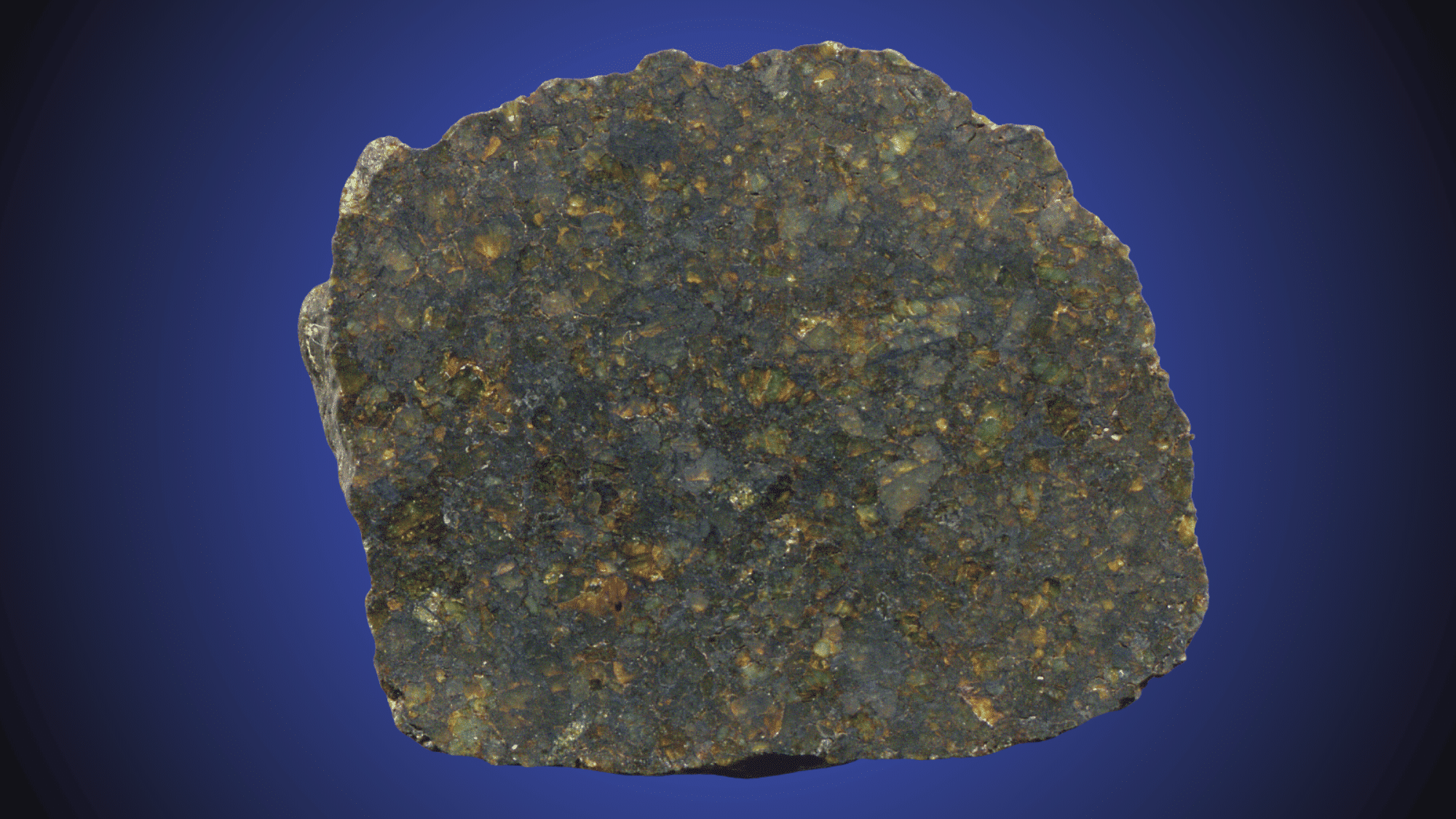
Ureilites are carbon-rich meteorites that contain microscopic diamonds. These diamonds formed during violent impacts on their parent body.
The carbon content and unique mineral assemblages suggest they come from the mantle of a disrupted planet-sized object that broke apart early in solar system history.
- Origin: Mantle of a destroyed dwarf planet
- Rarity: About 1% of meteorite falls
- Price: $20-$100 per gram
12. HED Meteorites: Howardites, Eucrites, Diogenites
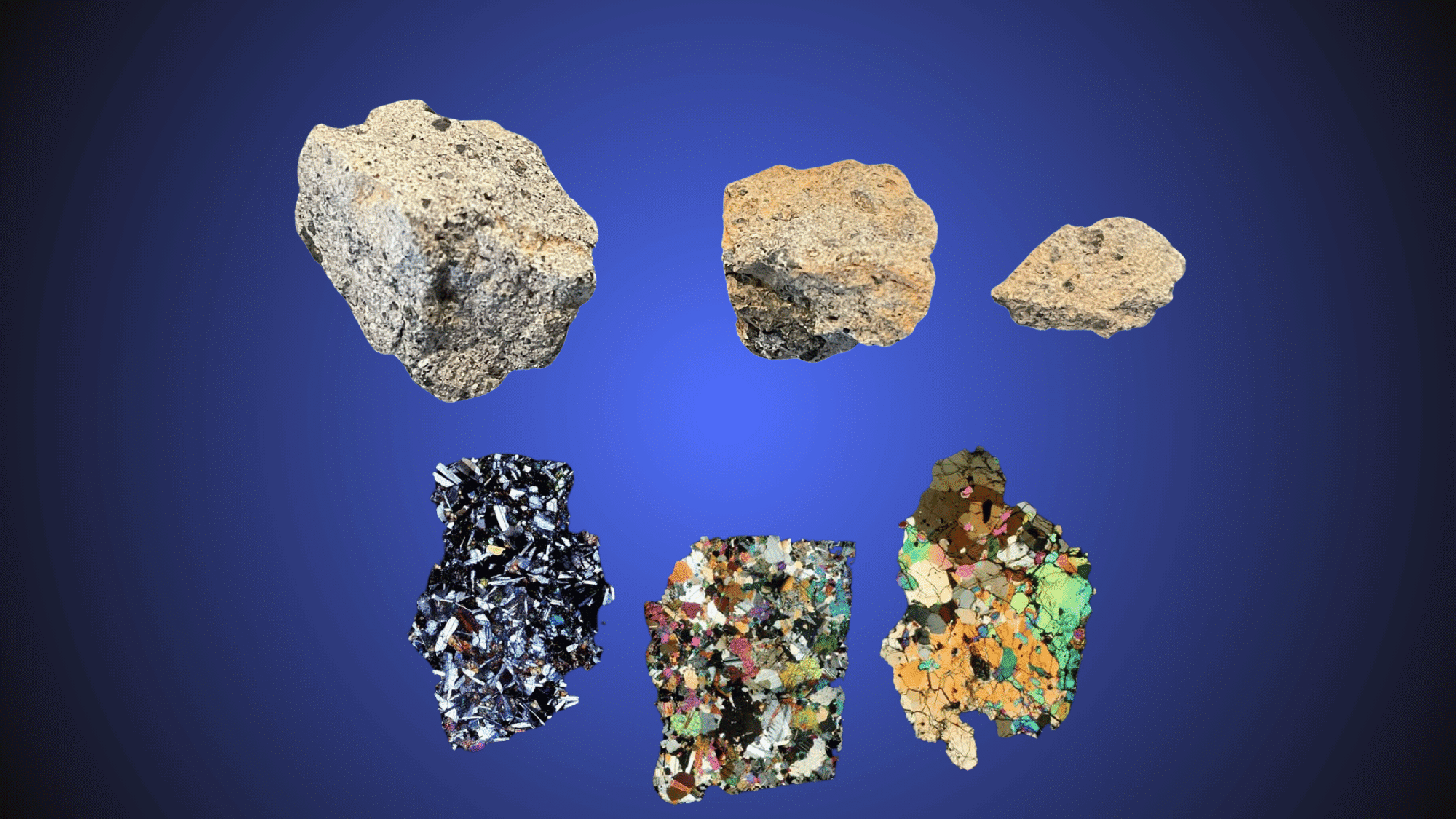
HED meteorites come from Vesta, the second-largest asteroid in the main belt. We know their origin because their composition matches observations from spacecraft.
Howardites are surface regolith, eucrites are basaltic crust, and diogenites are deeper crustal rocks. Together, they tell Vesta’s geological story.
- Origin: Asteroid 4 Vesta
- Rarity: About 6% of meteorite falls
- Price: $1-$10 per gram
13. Rumurutiites (R Chondrites)
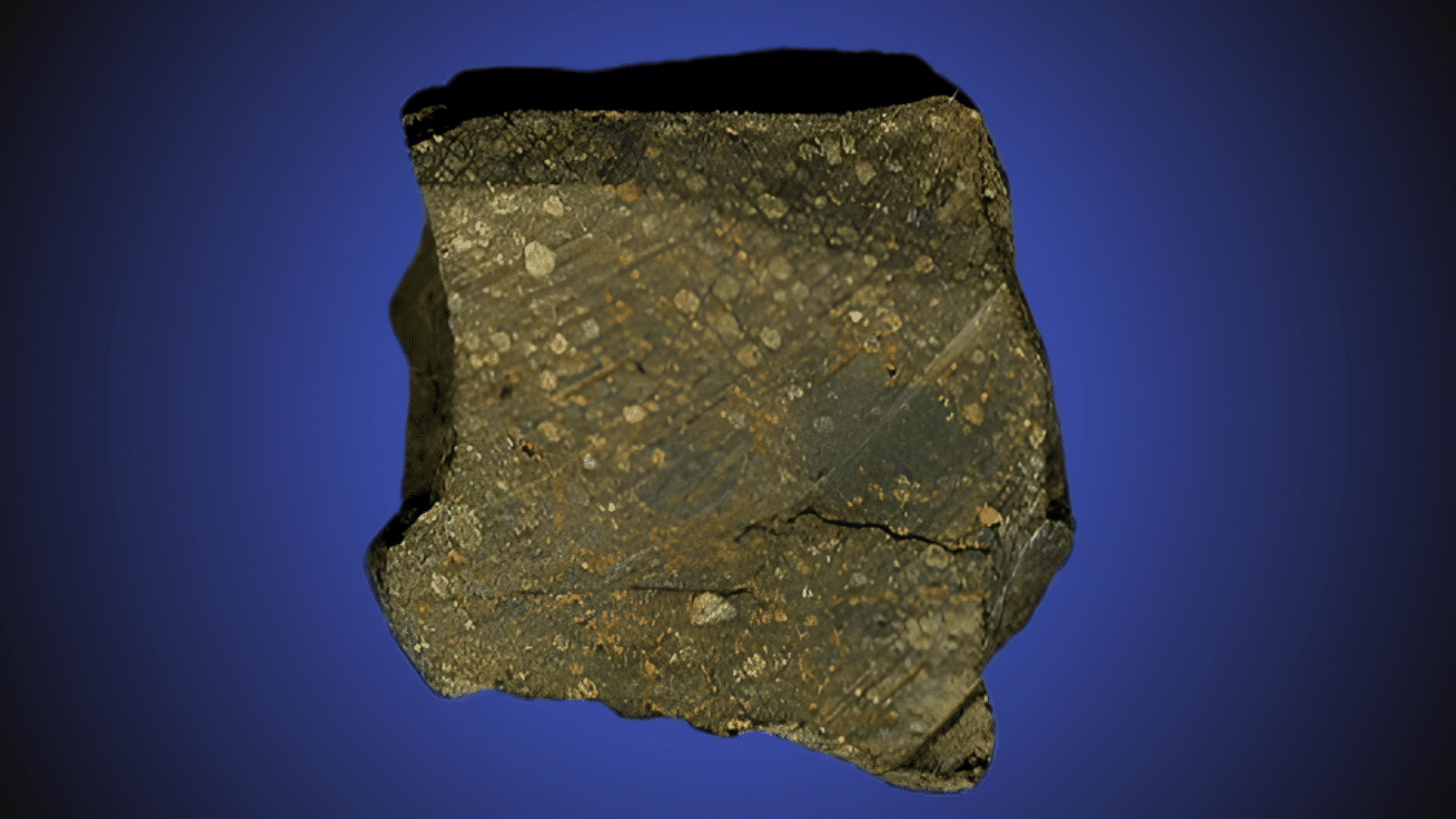
R chondrites are oxidized meteorites with unusually high oxygen content. They’re named after the Rumuruti meteorite that fell in Kenya.
These specimens are so oxygen-rich that their iron exists mostly as rust rather than metal. Scientists aren’t sure which asteroid they come from.
- Origin: Unknown parent body
- Rarity: Less than 1% of chondrites
- Price: $10-$50 per gram
14. Enstatite Chondrites (EH/EL types)
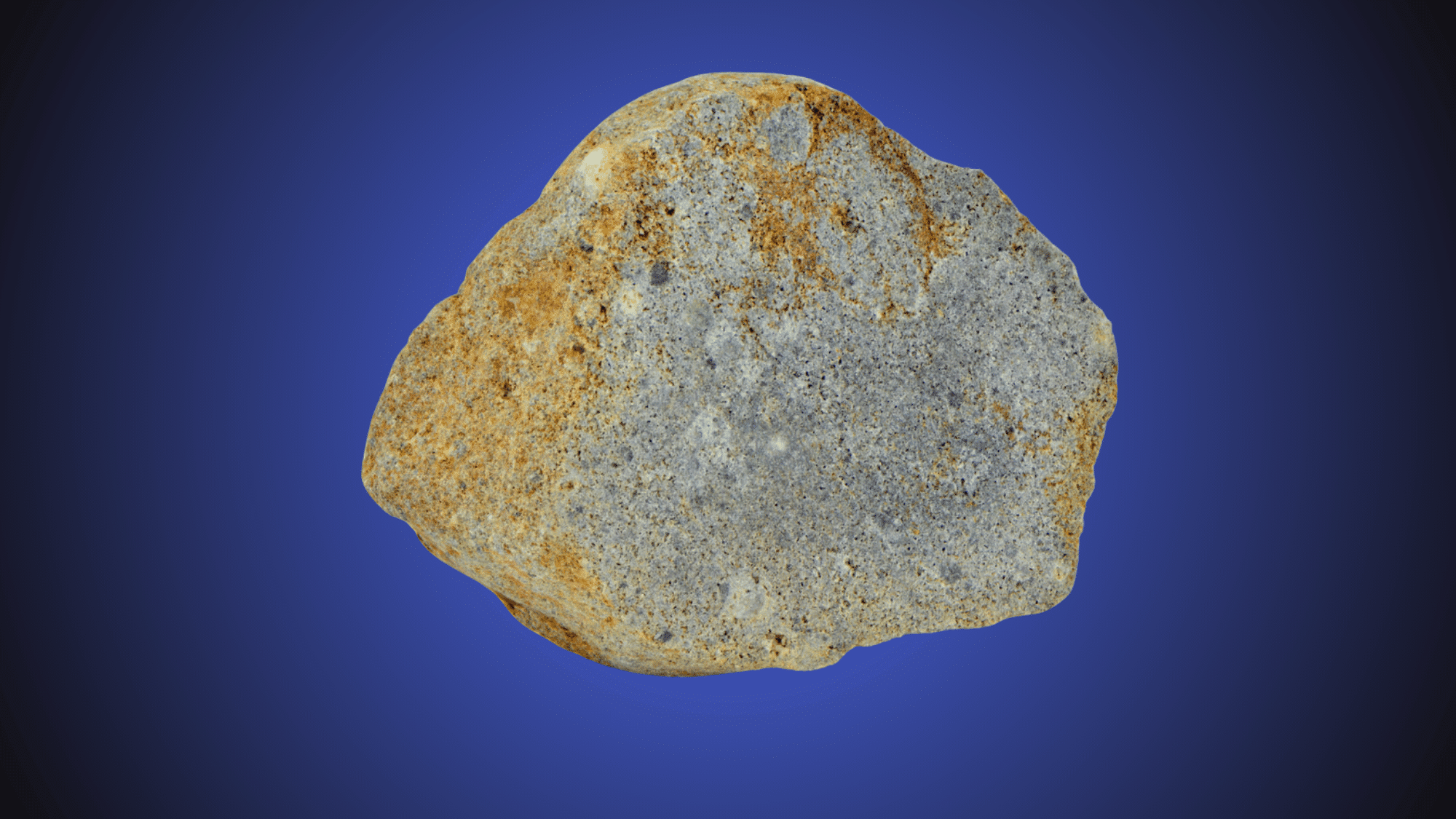
Enstatite chondrites formed in extremely oxygen-poor conditions close to the early Sun. They contain minerals that simply don’t exist on Earth.
Some scientists think Earth might have formed from similar material, making these meteorites important for understanding our planet’s composition and origin.
- Origin: Inner solar system, near the early Sun
- Rarity: About 2% of chondrite falls
- Price: $2-$20 per gram
15. Wedderburn Meteorite
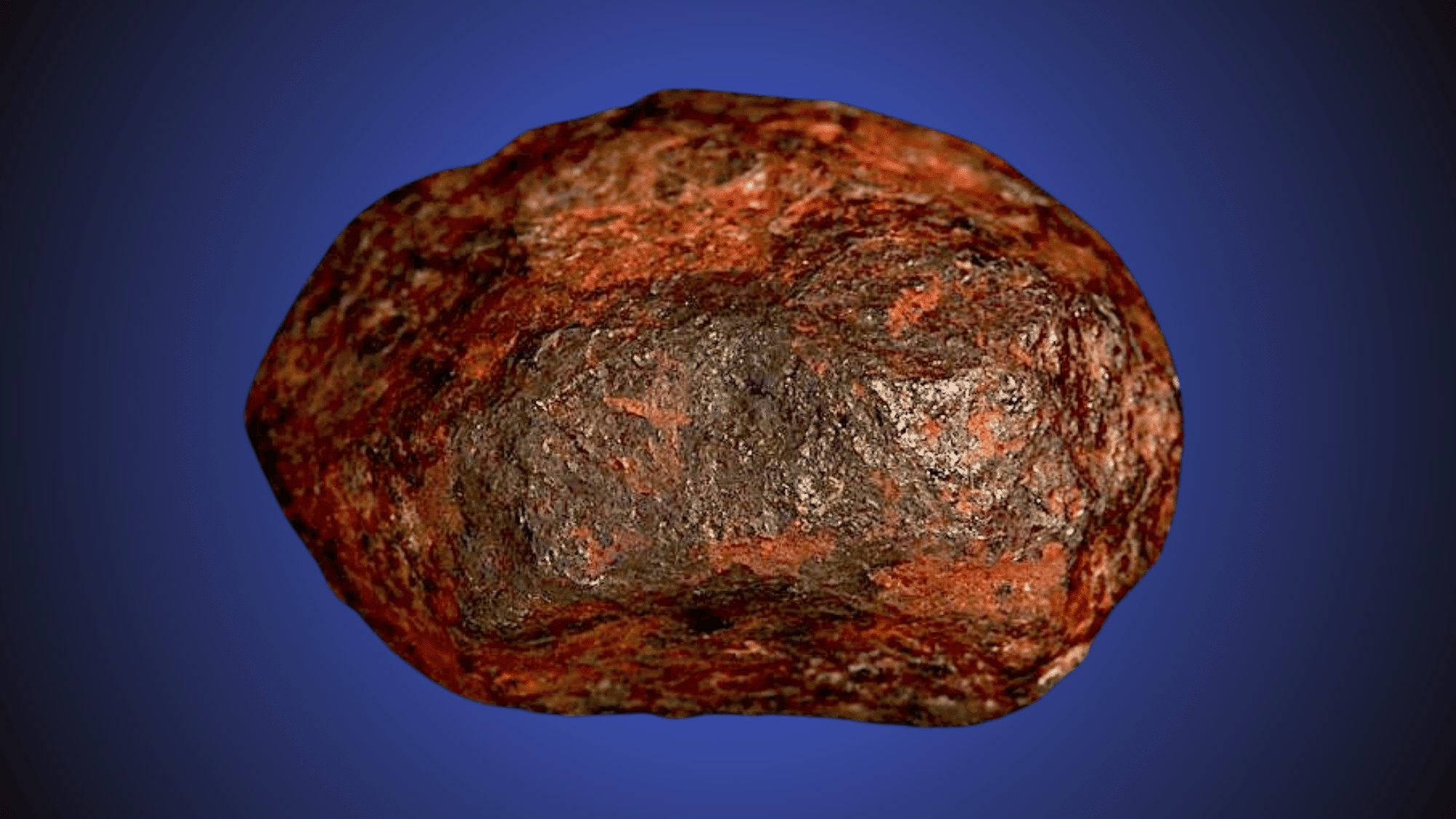
The Wedderburn meteorite made headlines when scientists discovered it contained edscottite, a mineral never before found in nature. This iron-carbon mineral can only form under extreme conditions.
The discovery proved that some minerals exist naturally in space but not on Earth.
- Origin: Core of a destroyed planetesimal
- Rarity: Unique specimen with novel mineral
- Price: Priceless due to scientific significance
16. Esquel Meteorite
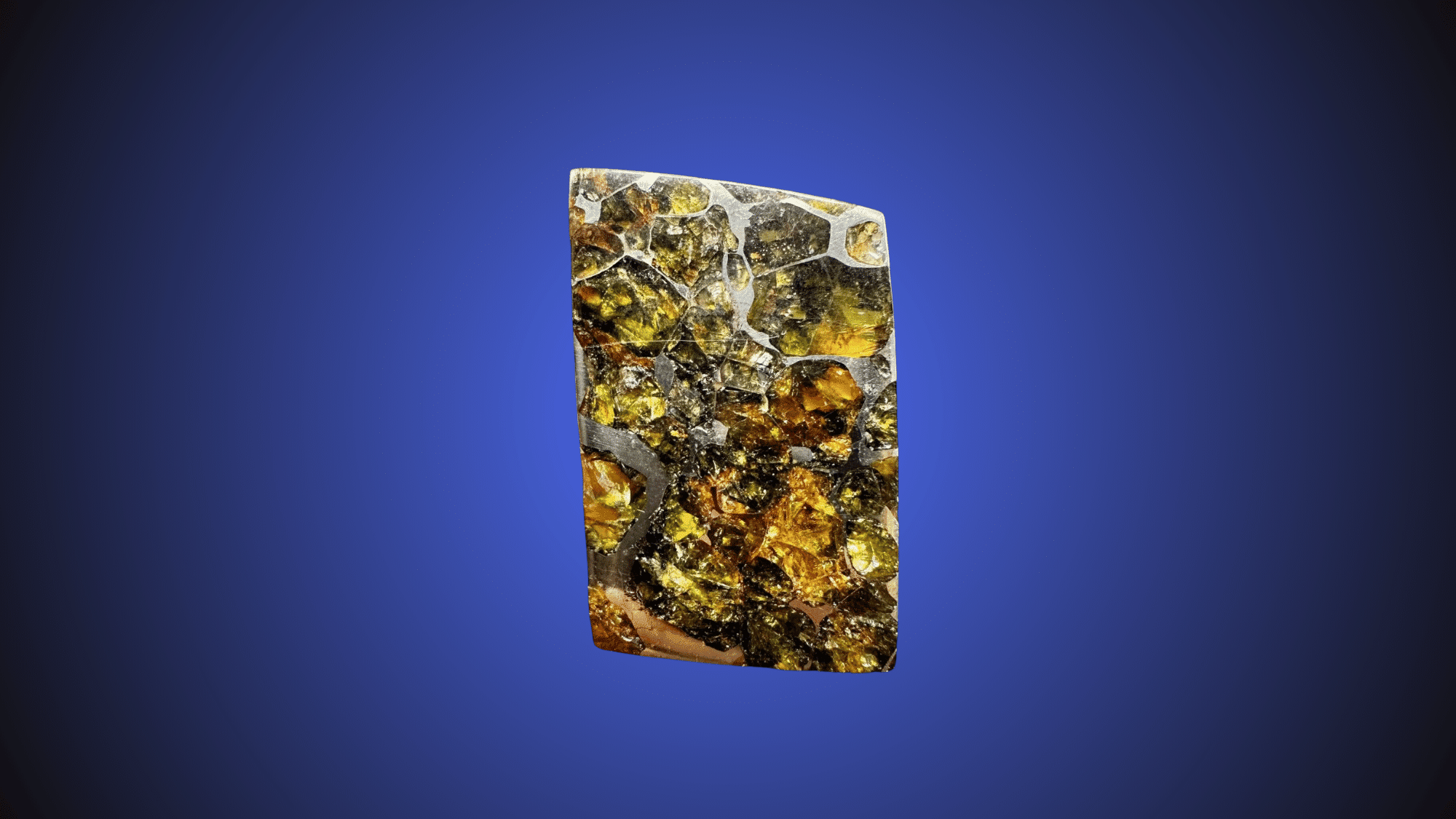
The Esquel is one of the most beautiful pallasites ever discovered. Found in Argentina, it features large, gem-quality olivine crystals in a nickel-iron matrix.
When properly cut and polished, slices of Esquel rival fine jewelry in their visual appeal and command premium prices.
- Origin: Core-mantle boundary of an ancient asteroid
- Rarity: Limited material available
- Price: $40-$80+ per gram for quality pieces
17. Fukang Meteorite
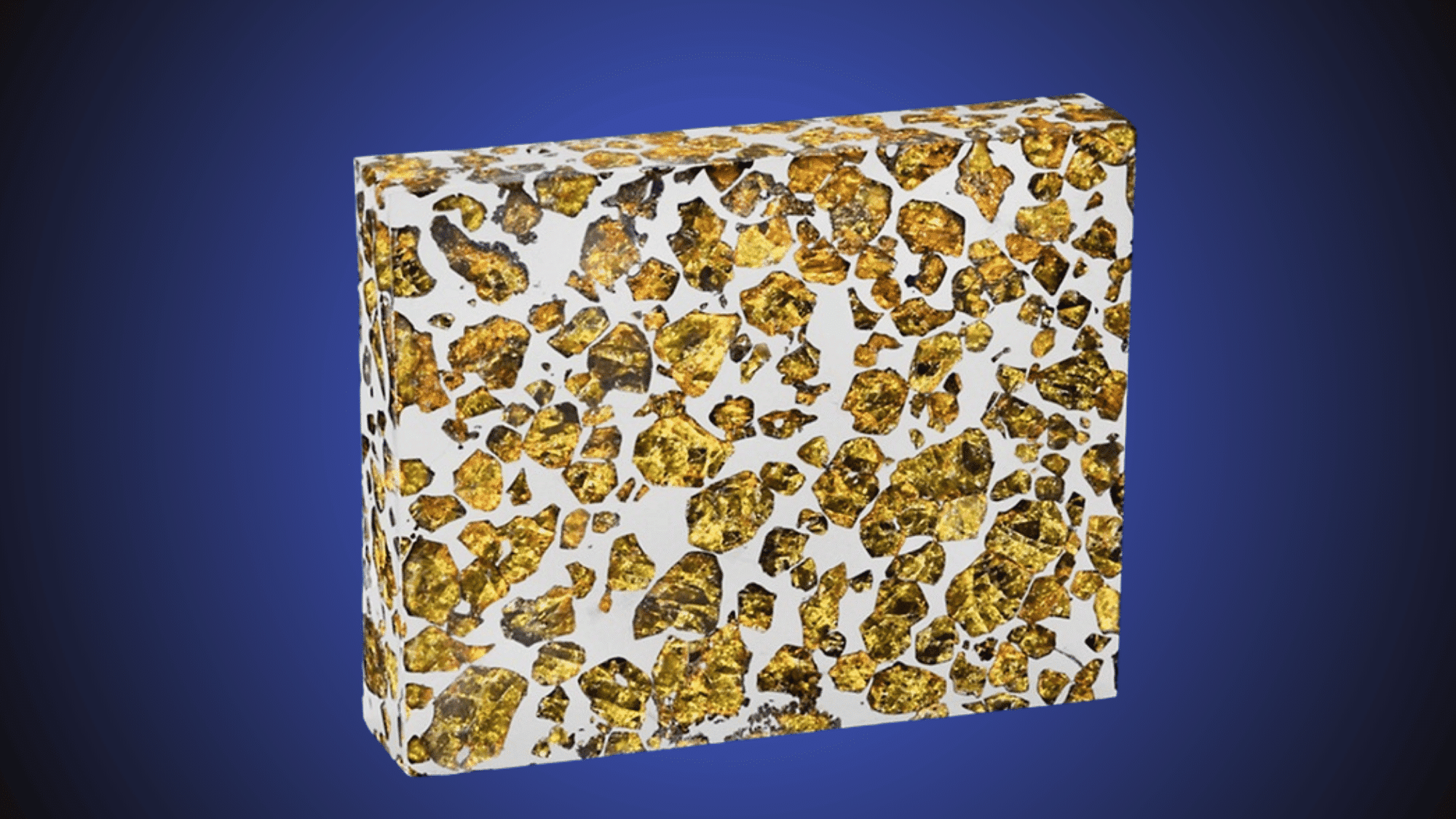
The Fukang meteorite is famous for its massive olivine crystals, some exceeding four inches across.
Discovered in China, this pallasite contains some of the largest and clearest crystals ever found in a meteorite. High-quality slices are among the most visually stunning meteorite specimens available.
- Origin: Core-mantle boundary of an ancient asteroid
- Rarity: Limited material from a single find
- Price: $30-$100+ per gram depending on quality
18. Allende
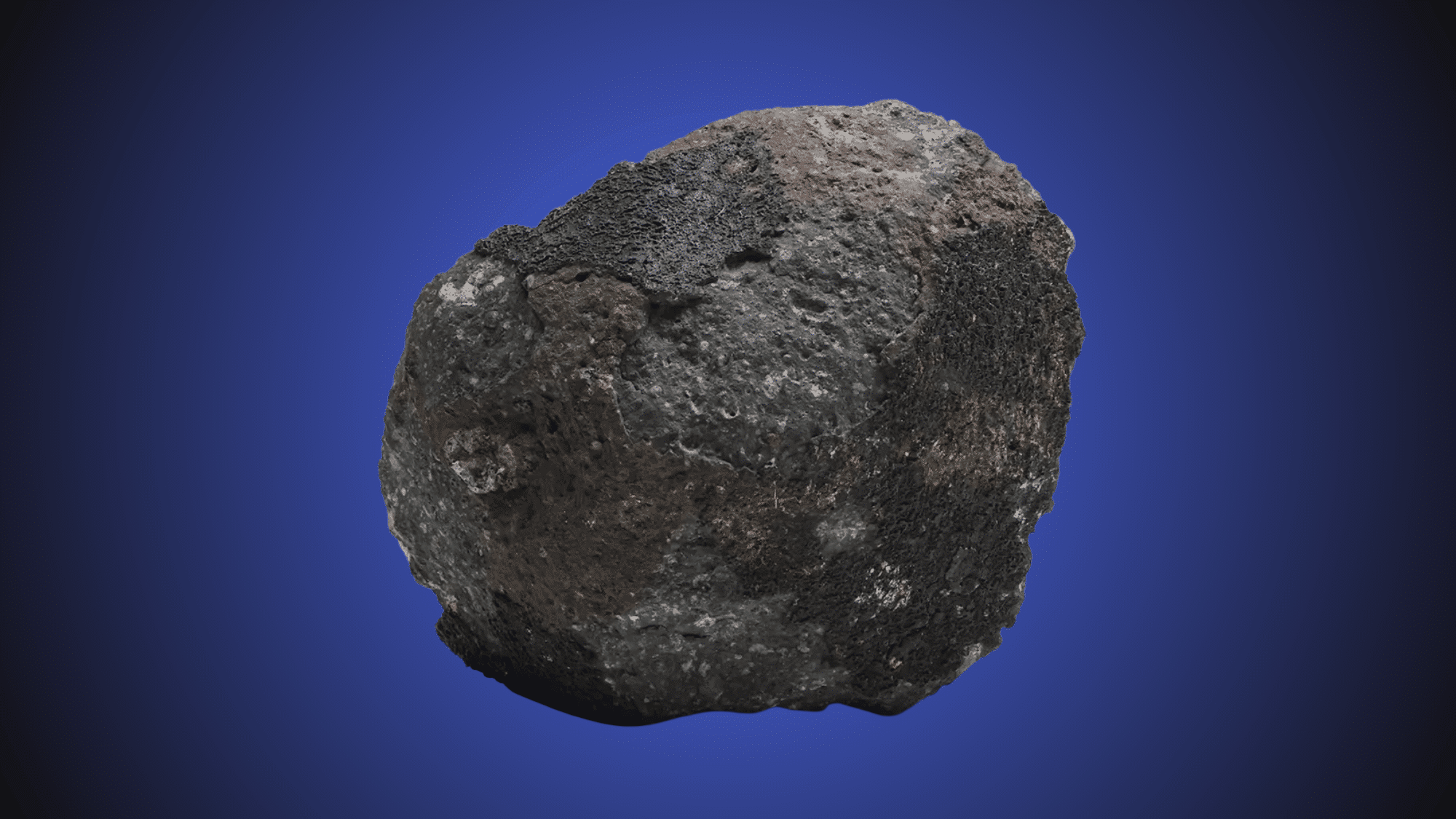
Allende is the largest carbonaceous chondrite ever recovered. It fell in Mexico in 1969 and scattered tons of material across the countryside.
Scientists have studied it more than any other meteorite because it contains calcium-aluminum inclusions that are the oldest solid materials in the solar system.
- Origin: Outer asteroid belt
- Rarity: Plentiful material available from one fall
- Price: $1-$5 per gram due to abundance
19. Allan Hills A81005
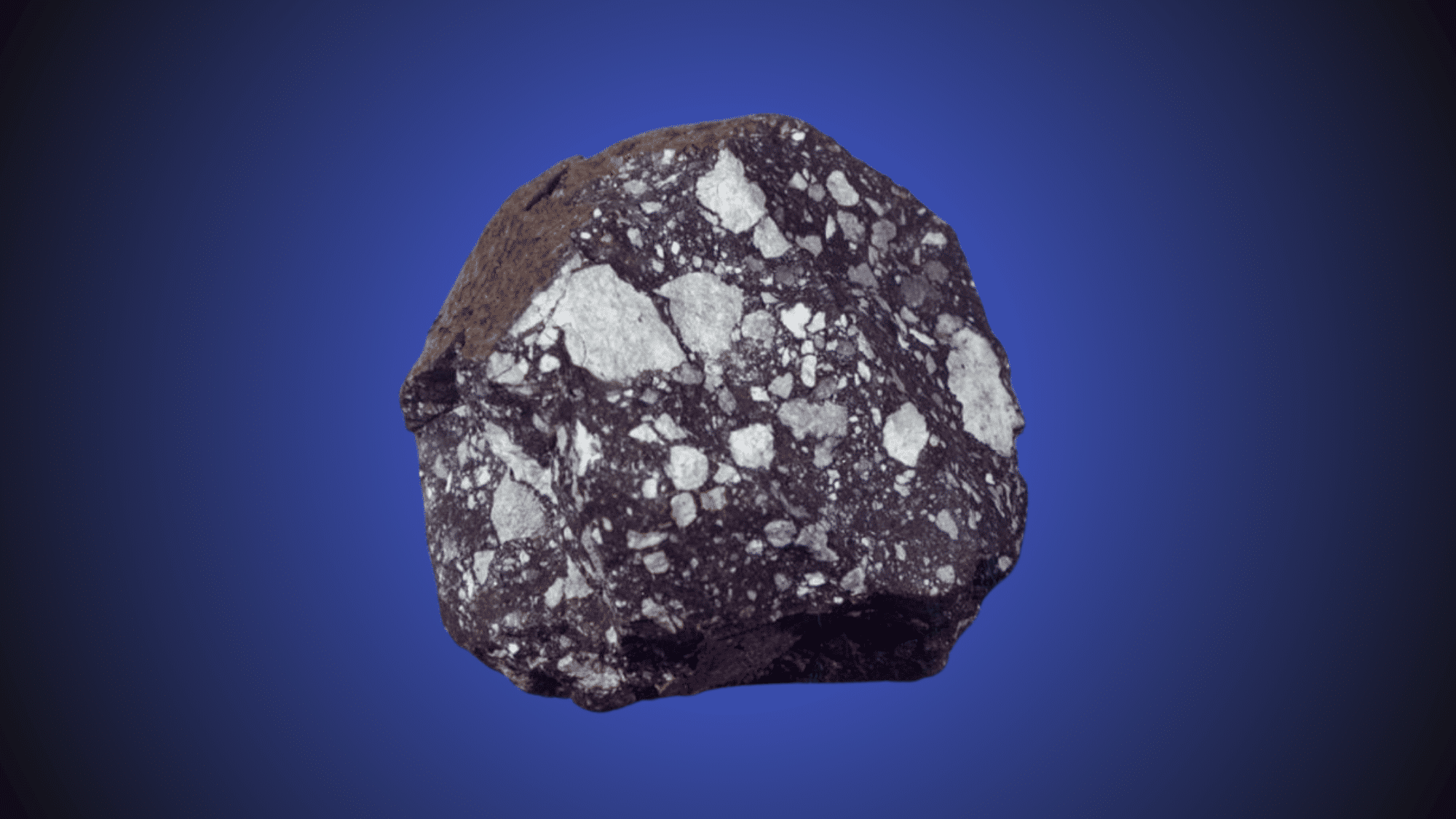
This modest-looking rock was the first meteorite confirmed to come from the Moon.
Discovered in Antarctica, it proved that meteorites from other worlds could reach Earth naturally. Its discovery opened a new chapter in planetary science and inspired the search for Martian meteorites.
- Origin: Moon’s surface
- Rarity: Historically significant first lunar meteorite
- Price: Rarely available, $2,000+ per gram
20. Allan Hills 84001
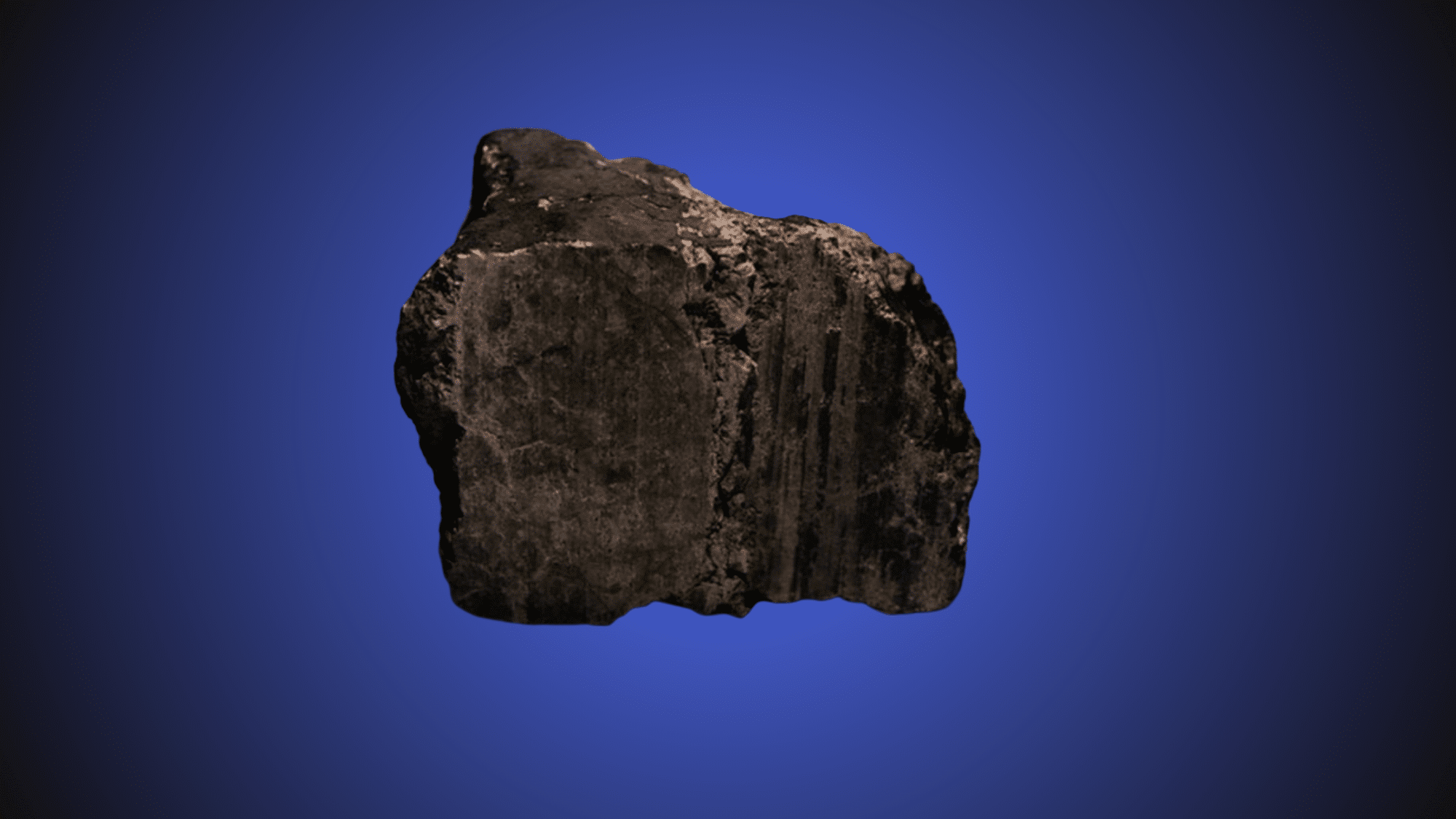
This Martian meteorite sparked worldwide controversy when scientists claimed it contained evidence of ancient Martian life. The debate continues today.
Regardless of the biosignature question, ALH84001 remains one of the oldest Martian meteorites, containing materials that crystallized 4 billion years ago.
- Origin: Mars
- Rarity: Famous Mars meteorite with a unique history
- Price: Extremely rare, $5,000+ per gram
21. Bacubirito Meteorite
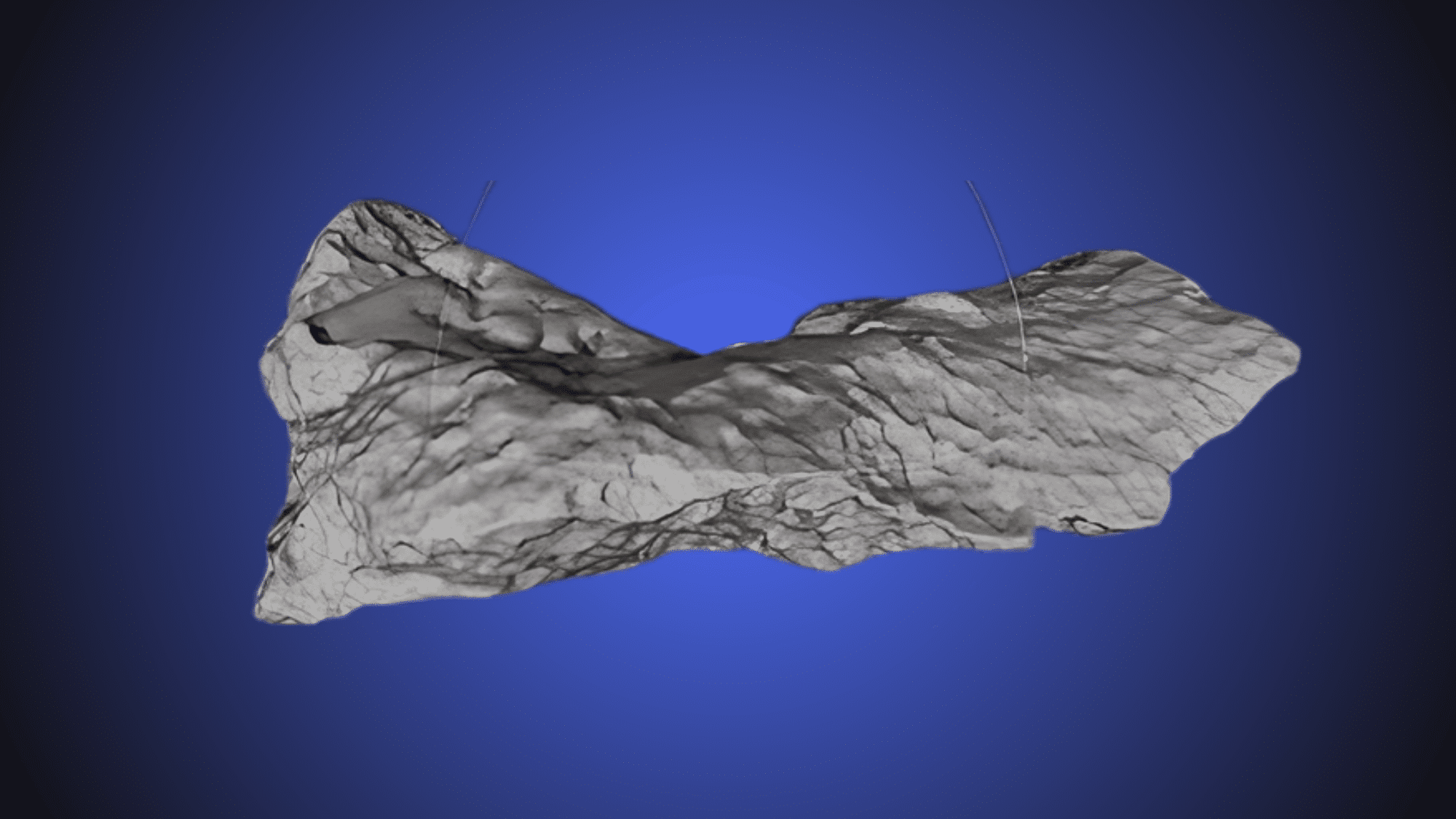
The Bacubirito is one of the largest intact iron meteorites on Earth, weighing over 22 tons. It sits in a museum in Mexico, too large to move easily.
Iron meteorites of this size are extraordinarily rare because most break apart during atmospheric entry.
- Origin: Core of a destroyed planetesimal
- Rarity: One of the world’s largest meteorites
- Price: Priceless, museum specimen
Investing in Rare Meteorites: Is It Worth It?
The meteorite market has grown significantly over the past two decades. Some collectors have seen their specimens appreciate considerably, while others struggle to resell at break-even prices.
Rare meteorites can hold value well, especially Martian and lunar specimens. But this isn’t like buying stocks or real estate. The market is small, specialized, and sometimes unpredictable.
Authentication matters tremendously. Fake meteorites flood online marketplaces, and distinguishing real from fake requires expertise.
Provenance documentation and scientific classification certificates are essential for maintaining value.
Consider meteorites as collectibles first, investments second. Buy what fascinates you personally. That way, even if prices don’t skyrocket, you still own something truly extraterrestrial.
Conclusion
The universe has been generous with its meteorite collection, sending us everything from common chondrites to jaw-dropping Martian specimens. Each type offers a window into different corners of our solar system.
Rarity doesn’t always equal beauty, and beauty doesn’t always mean scientific importance. Some of the most valuable discoveries come in unassuming packages.
For those serious about collecting, start with authenticated specimens and reputable dealers. Build knowledge before building a collection.
These ancient rocks have traveled millions of miles and survived fiery atmospheric entries. Now they’re here, waiting to tell their stories to anyone curious enough to listen.