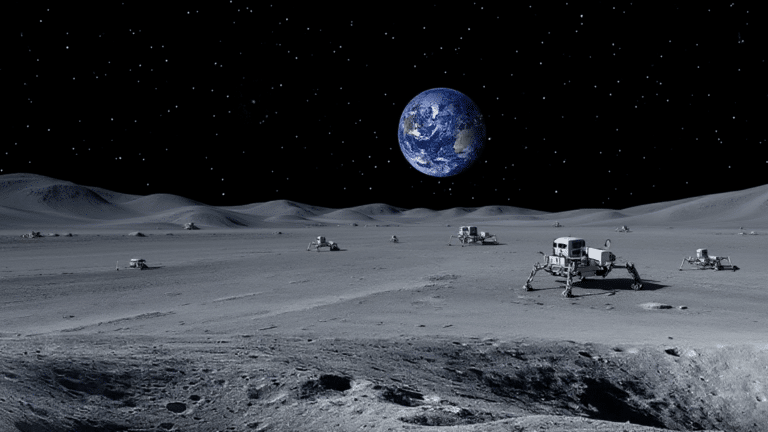

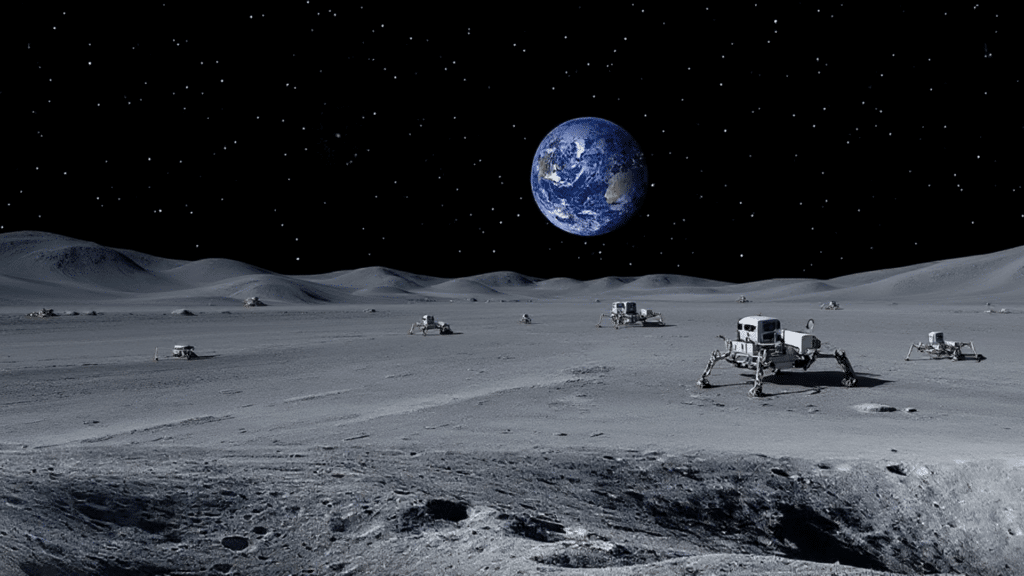
The idea of using the Moon to help solve energy problems on Earth may sound strange, but it is gaining attention. One reason is a rare gas called helium-3.
This gas is found in higher amounts on the Moon than on Earth. Many scientists believe it could be used to make clean energy in the future.
It does not cause pollution like oil or coal. The process is not simple, and there are many steps involved. Still, the interest in helium-3 continues to grow.
This blog looks at why people are talking about helium-3, how it might be used, and what challenges may come with it.
What Makes Moon Helium-3 Special?
Helium-3 is a rare gas that differs from the helium used in balloons. While regular helium has two protons and two neutrons, helium-3 has only one neutron.
This makes it lighter and useful for clean energy. It is not radioactive, which makes it safer than other nuclear fuels.
Scientists believe helium-3 can be used in nuclear fusion, a process that produces a lot of energy with little harmful waste.
There is very little helium-3 on Earth, but the Moon has more. Solar winds from the Sun carried helium-3 to the Moon and trapped it in the top layer of soil, called regolith.
This gas, known as lunar helium-3, is spread across the surface. If collected, it could one day help power homes and cities with clean energy.
Why Helium-3 is Rare on Earth and Valued on the Moon
Helium-3 is very rare on Earth. Most of it came from outer space a long time ago. Today, only small amounts are found.
Some helium-3 is found deep underground or produced in specialized labs, but not enough for energy use. Because of this, scientists are now looking beyond Earth.
The Moon is different. It does not have a thick atmosphere to block solar winds. Over billions of years, these solar winds pushed helium-3 into the Moon’s surface. This makes the Moon a possible source of this rare gas.
Here is why lunar helium-3 is valuable:
- It is clean: Fusion with helium-3 does not create harmful waste.
- It is powerful: A small amount can produce a lot of energy.
- It is safe: It is not radioactive, so it’s easier to handle.
Turning this idea into reality will still take time, money, and new technology.
How Much Helium-3 Does the Moon Have?
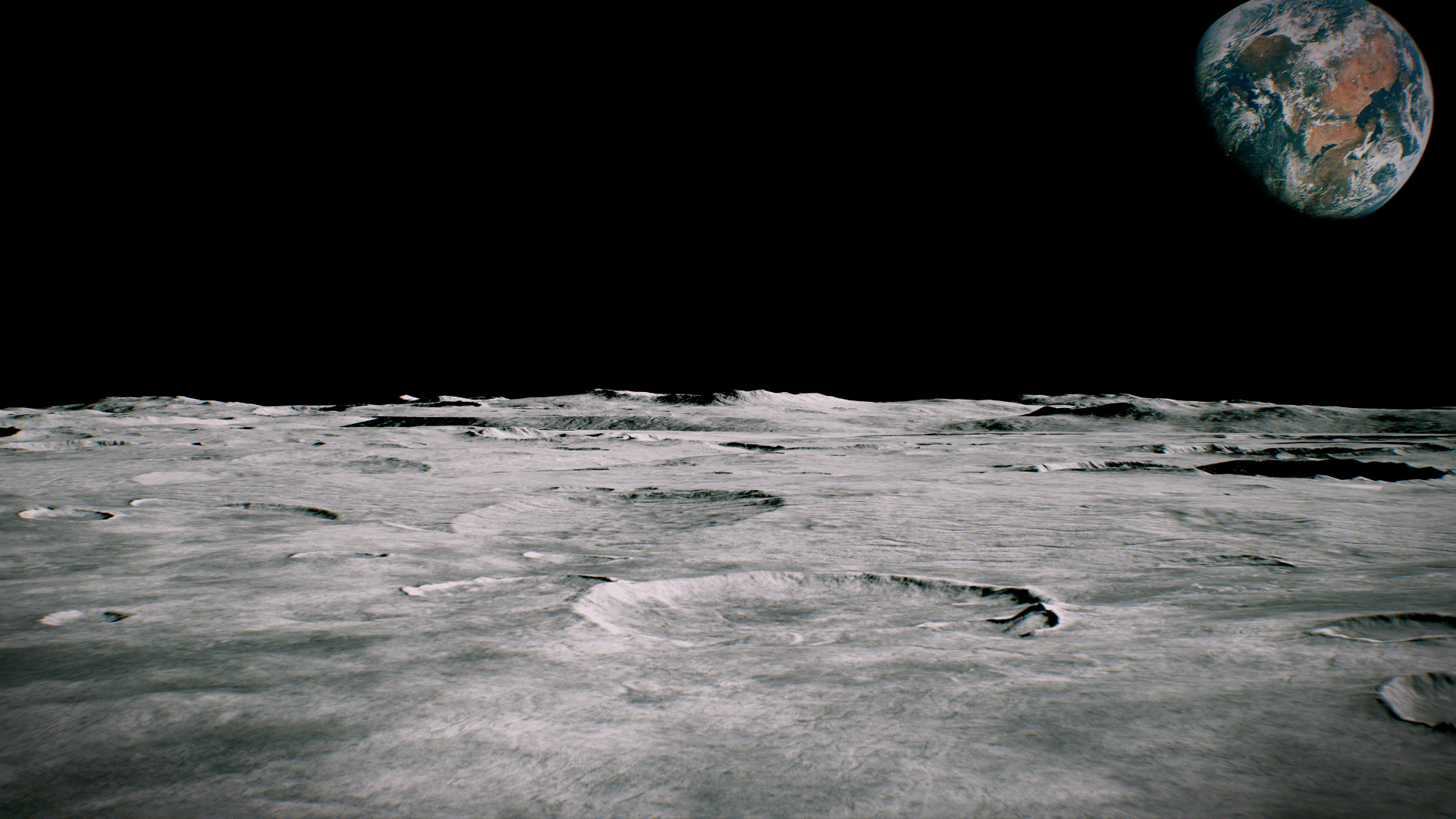
The Moon may have around 1 million metric tons of helium-3 in its surface. That sounds like a lot, but only a small part of it is easy to get.
Experts say that just 25 tons of helium-3 could power the United States for one full year. That means even a little bit can go a long way. Still, the cost and effort required to mine it are significant challenges.
Helium-3 is found in the Moon’s top layer, about 10 feet (3 meters) deep. It is mixed into the dust and rocks. The areas that get the most sunlight, like the equator, have more helium-3.
The far side of the Moon may also have good sources. Some think the lunar poles could have extra resources, too. More missions and tests are needed to be sure.
How Helium-3 Could Be Used for Energy
Helium-3 may be used to generate clean energy through nuclear fusion. Here’s how it works and why it matters:
- Nuclear fusion is a process where two atoms are pushed together to form a new atom. This releases a lot of energy.
- Helium-3 can be fused with another atom, like deuterium (a form of hydrogen), to create helium and energy.
- This type of fusion does not produce harmful radiation, unlike other nuclear fuels.
- It is safer and cleaner, which makes it a strong choice for future energy needs.
- Fusion reactors using helium-3 are still being developed. They are not ready yet.
- If successful, these reactors could use lunar helium-3 to power homes, cars, and even entire cities without polluting the planet.
How Can Helium-3 Be Mined from the Moon?
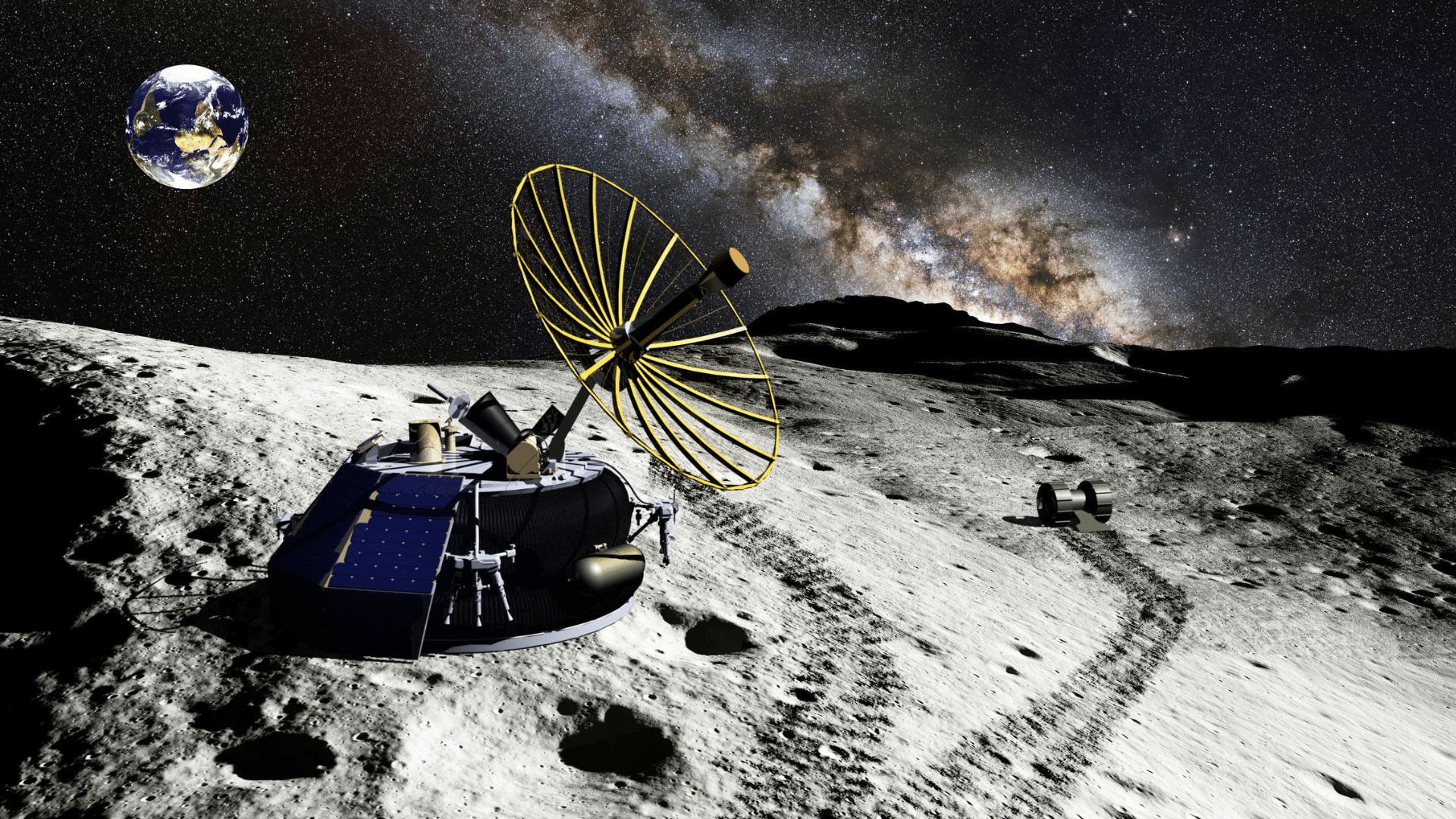
Image Source: CNBC
Getting helium-3 from the Moon is not easy. It isn’t found in big chunks like gold or silver. Instead, it is spread out in tiny amounts in the dust and rocks on the Moon’s surface. To collect it, several steps must happen in a specific order.
1. Lunar Mining Machines
Special machines would need to land on the Moon and dig into the soil. These machines must work in tough conditions. The Moon has low gravity, no atmosphere, and extreme temperatures.
Some places can reach over 100°C in the sun and below –150°C in the shade. The machines must be strong, smart, and able to work without people standing nearby.
2. Heating the Soil
After digging up the soil, it must be heated to very high temperatures, around 600°C (1,112°F). Heating the soil makes the helium-3 gas come out of the tiny grains of dust.
This step needs a lot of power and the right tools. The machines must do this without letting other gases escape or mix in.
3. Collecting the Gas
When the helium-3 gas is released, it must be captured right away. The gas is cooled down and stored in special tanks. These tanks keep the gas clean and safe.
The storage systems must also work in space conditions, where the pressure is very low, and temperatures can change quickly.
4. Transporting to Earth
The final step is getting the helium-3 back to Earth. This means loading the tanks onto a spaceship. Sending cargo from the Moon to Earth takes fuel, time, and careful planning.
It is one of the most expensive parts of the whole process. Still, if the energy made from helium-3 is strong enough, the cost may be worth it.
What Countries are Working on this?
Many space programs have plans or ideas related to lunar helium-3. Here are some examples:
- China: China has spoken openly about mining helium-3. Their Chang’e lunar missions are part of that plan.
- India: India’s space agency has shown interest in lunar resources, including helium-3.
- Russia: Russia has mentioned plans to mine helium-3 as part of future Moon missions.
- United States: NASA and private companies are also exploring how lunar helium-3 could help meet future power needs.
Challenges of Using Helium-3 from the Moon
While lunar helium-3 sounds like a great fuel for the future, there are still many hard problems to solve. The table below explains the main challenges:
| Challenge | Details |
|---|---|
| Cost | Sending people and machines to the Moon costs a lot of money. Mining tools, fuel, and return trips could cost billions of dollars. |
| Technology | We do not yet have working fusion reactors that can use helium-3. Building them is very hard and may take many more years. |
| Mining Limits | Helium-3 is not found everywhere on the Moon. It is spread out in small amounts, so large areas must be mined to collect enough gas. |
| Legal and Safety Issues | It is unclear who owns the Moon’s resources. Different countries may argue about rights. Also, keeping workers and machines safe in space is difficult. |
Other Ideas and Concerns About Helium-3
Some scientists are trying to make helium-3 on Earth, but only small amounts are produced in nuclear reactors. This is not enough to meet energy needs, so lunar helium-3 is still the best option for now.
Robots may help with Moon mining. They can dig, heat the soil, and store the gas without needing food or air. This makes them safer and more efficient than humans in space.
Helium-3 might also power rockets in the future. Fusion rockets could travel far and fast, but this idea is still being tested.
Some worry that mining the Moon could cause damage. That’s why clear rules and safe methods are needed to protect the Moon while using its resources.
Possible Timeline for Helium-3 Energy
The future of lunar helium-3 depends on many things, like science, cost, and global events. Below is a basic idea of what might happen in the coming years:
| Time Period | What Might Happen |
|---|---|
| Now to 2035 | More Moon missions to study soil, map helium-3 areas, and test mining equipment. |
| 2035 to 2050 | First real mining projects may begin if early tests go well. |
| 2050 and beyond | If fusion becomes feasible, helium-3 could serve as a major fuel for clean energy. |
These dates are not exact. Progress may happen sooner or later, depending on funding, new technology, and global needs.
Is Lunar Helium-3 Really the Fuel of the Future?
That is still not clear. Helium-3 could give us clean power, but we are not ready to use it yet. Many things need to happen first:
- Fusion reactors must be finished and tested.
- Better ways to mine and return gas from the Moon must be built.
- The cost must go down for it to be worth it.
Still, many believe the work is worth it. If fusion becomes real, helium-3 may be one of the best fuels we have. It could help replace oil, coal, and gas. It could lower pollution and help the planet.
To Conclude
The idea of using fuel from the Moon may sound like science fiction, but it’s starting to feel more real. Lunar helium-3 is not just a dream for the far future; it’s now part of serious space plans.
Governments, scientists, and companies are all asking the same question: can this rare gas help solve real problems on Earth? No one knows the exact answer yet.
Still, each mission to the Moon brings us one step closer to finding out.
The next few decades will be important. Curious about what happens next in space and energy? Follow our blog for more simple updates on big ideas.