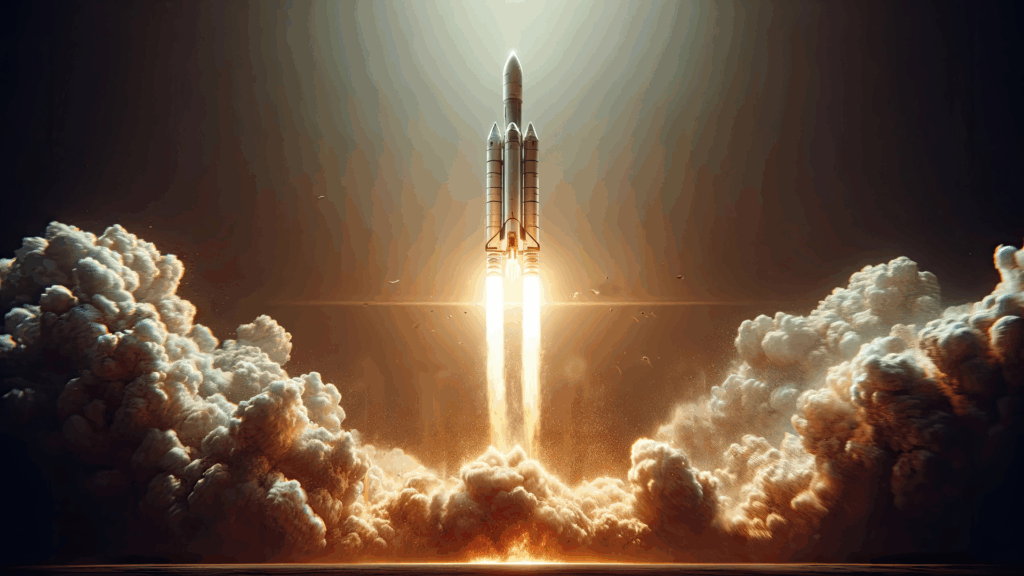
Governments and private companies spend billions each year on space exploration. Satellites orbit Earth, telescopes observe distant galaxies, and robotic missions travel to other planets.
These achievements expand scientific knowledge and drive new technologies, but they also raise an important question: in a world facing climate change, healthcare challenges, and economic inequality, is space exploration the best use of limited public funds?
Supporters argue that space programs generate innovation, economic growth, and critical services like GPS and weather forecasting.
This article examines the costs, benefits, and key arguments on both sides to determine whether space investment is truly worth it.
What Does Space Exploration Mean?
Space exploration means sending machines or people beyond Earth to learn more about space.
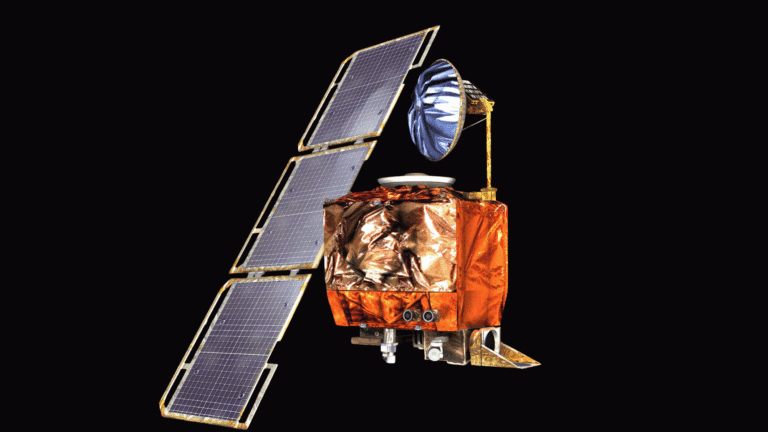
This includes launching satellites, landing robots on other planets, deploying space telescopes, and sending astronauts into orbit.
These missions help us study the Moon, stars, planets, faraway galaxies, track how Earth is changing, and answer big questions like whether life exists on other planets.
Space exploration is done by government space agencies, and private companies also invest in space. They use their own funds but still rely on help from government agencies.
It takes careful planning, special tools, and lots of training. Though it can be costly, many believe it helps us in important ways.
How Much Does Space Exploration Cost?
Space exploration requires long-term investment in infrastructure, research, and highly specialized talent. Costs vary widely depending on mission type; robotic missions are typically cheaper than human spaceflight, while flagship programs can span decades.
Below are key cost benchmarks that illustrate the scale:
- NASA’s fiscal year 2026 budget is about $24.4 billion, which represents roughly 0.35–0.5% of total U.S. federal spending.
- By comparison, the U.S. military budget exceeds $800 billion per year, while Medicare and Medicaid together exceed $1 trillion annually.
- A SpaceX Falcon 9 launch costs approximately $67 million, or about $2,700 per kilogram to low Earth orbit, dramatically lower than historical launch costs.
- The Apollo program cost about $25 billion in the 1960s, which equals roughly $150–$160 billion in today’s dollars.
- The International Space Station has cost over $150 billionacross decades of construction and operation.
U.S. Federal Spending Comparison
| Category | Approximate Annual Spending (U.S.) |
|---|---|
| NASA | ~$24–25B |
| U.S. Military | ~$800B+ |
| Medicare & Medicaid | $1T+ |
| Interest on National Debt | ~$600B+ |
Seen in this context, space exploration represents a relatively small fraction of national spending, though its high visibility often makes it appear larger than it is.
What are the Benefits of Space Exploration?
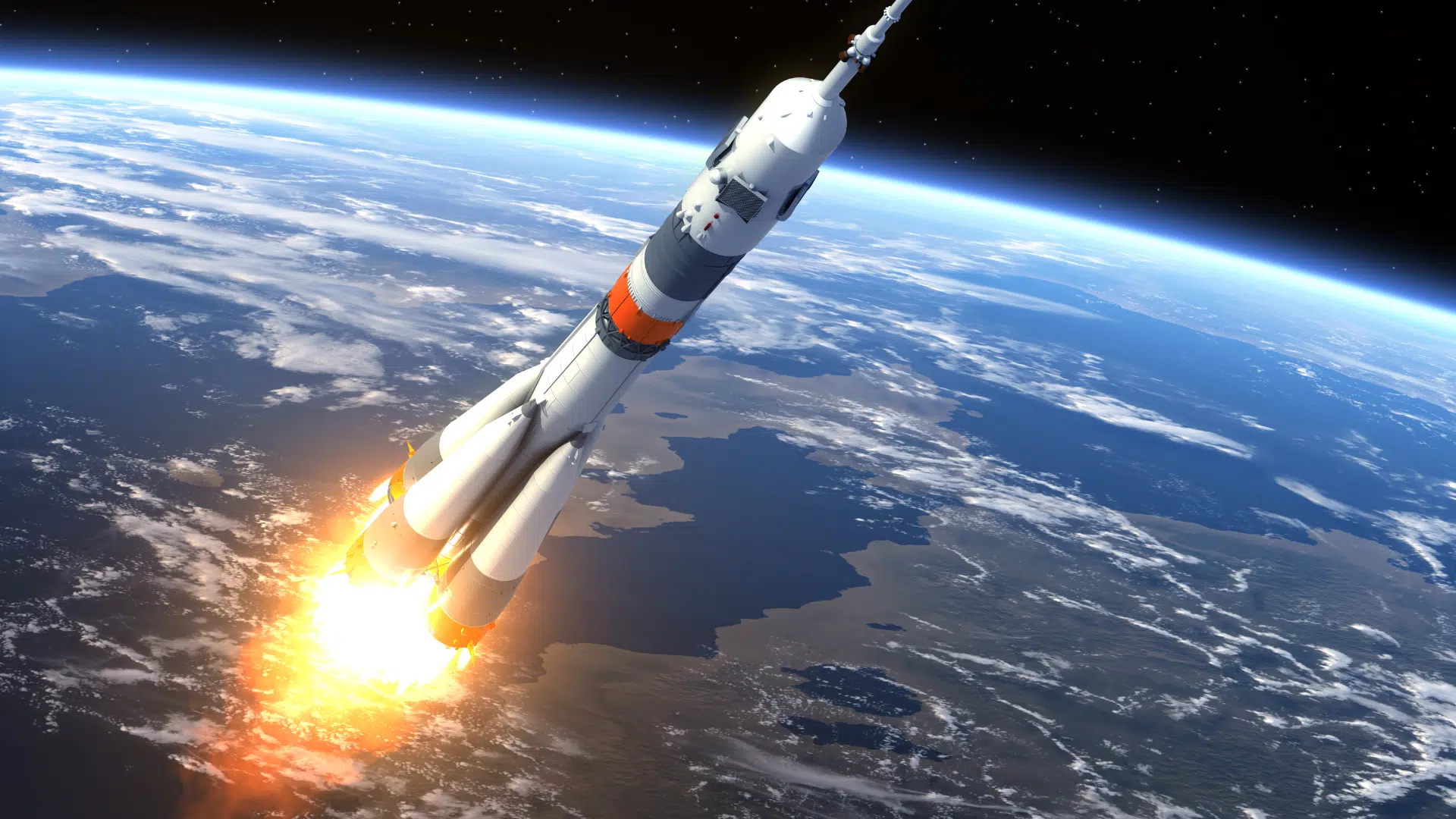
To decide if space work is worth the money, we must look at what we get back. Space programs give us more than just photos of planets or astronauts in space. They bring real tools, jobs, and ideas that help people every day. Below are the key benefits:
1. Better Technology
Space missions often lead to better tools and machines. These tools are not just used in space. They are used in homes, schools, hospitals, and businesses.
Some examples include:
- GPS: The Global Positioning System was made possible through space technology. It helps drivers find the best route, helps delivery trucks, and even helps farmers track crops.
- Weather satellites: These let us see storms before they hit. We can prepare for hurricanes, floods, and other events ahead of time.
- Wireless headsets: First made for astronauts, now used for phone calls, video games, and more.
- Water filters: These were designed for space missions where clean water is limited. Now they are used in places where water is not safe to drink.
Today, GPS contributes over $100 billion annually to the U.S. economy, supporting industries from transportation and agriculture to finance and emergency response.
Historically, the push to miniaturize electronics during the Apollo era also accelerated advances in semiconductor technology, helping lay foundations for the modern computing revolution.
NASA’s official Spinoff database documents over 2,000 commercial technologiesthat originated in or were significantly improved by space research.
2. Medical Tools and Health
Space science has made hospitals better. To keep astronauts safe in space, scientists had to make new health tools. These tools are now used to help people on Earth.
Here are some ways:
- Better scans: MRI and CT scan tools were improved by space-imaging systems.
- Heart monitors: Tools used to check an astronaut’s heart helped improve heart care for people at home.
- Robotic arms: Tools made for space are now used in surgery. These help doctors work with great care, even in tiny spaces.
Body studies: Astronauts stay in space for months. By watching how their muscles and bones change, doctors learn how to treat health problems like muscle loss and weak bones.
Research aboard the International Space Station has also supported studies on protein crystal growth, which may improve drug development.
Microgravity studies of astronauts help scientists better understand osteoporosis, muscle loss, and cardiovascular changes, informing treatments on Earth.
3. Jobs and Economy
Space programs help the economy by giving people jobs. These are not only jobs for astronauts. Many people on Earth are needed to support space missions.
Some job areas include:
- Engineers who design rockets
- Scientists who study planets
- Builders who make parts for spacecraft
- Computer workers who write space software
- Clean energy teams that use space data to build better solar power
According to recent NASA economic impact reports, NASA-supported activities generate over $70 billion in economic output annually and support more than 300,000 jobs across the United States, including both direct and indirect employment.
4. Science and Learning
Space helps us learn more about the universe. It answers big questions and gives us new facts every year.
Space missions help us:
- Understand how planets move
- Learn how stars are born and die
- Study the Sun and its effects on Earth
- Measure climate change by looking at Earth from space
Even small discoveries can change science. For example, by studying Mars, we learn what Earth might have been like long ago.
5. Safety and Natural Disasters
Satellites in space help us stay safe. They keep watch over Earth and warn us of danger.
They can track:
- Hurricanes before they reach land
- Wildfires from the first spark
- Earthquakes and ground shifts
- Flooding from heavy rain or rising seas
This early warning helps save homes and lives. Space data also shows where help is needed most. That way, rescue teams can act faster.
6. Communication
We use space every day, often without even thinking about it.
Thanks to satellites, we have:
- Mobile phones that work across long distances
- Television that sends signals around the world
- Internet in many remote places
- GPS and maps that update in real time
- Radio and emergency signals used by first responders
Without space satellites, much of our modern life would not work. They keep people, cities, and countries connected.
7. Preparing for the Future
Some people believe Earth may not always be safe. Big risks include:
- Climate change: Rising temperatures may harm food and water supplies.
- Asteroids: A large asteroid could strike Earth.
- Overpopulation: Too many people may lead to not enough space or resources.
Space programs are looking for ways to keep people safe. They are studying whether humans can live on the Moon or Mars one day. They also look for water, safe air, and power in space.
8. Farming and Food
Space tools also help farmers. Satellites can look at fields from above and help:
- See which crops are healthy
- Find dry spots that need water
- Check for bugs or crop disease
This helps farmers grow more food with fewer problems. Some of this tech is also used in indoor farms, where plants grow without soil.
9. Clean Energy and Climate Work
Space programs have helped us develop cleaner energy technologies. Solar panels used on spacecraft helped create better solar energy systems on Earth.
Also, satellites study things like:
- Ice melting in the Arctic
- Changes in sea levels
- Air pollution and gas levels
Programs such as the Landsat satellite series (operating since 1972)provide long-term data on deforestation, agriculture, and urban growth.
The European Space Agency’s Sentinel satellitestrack air quality and greenhouse gas levels, while NASA’s ICESat missionsmonitor polar ice melt and sea-level rise.
These long-running datasets are essential for climate models and environmental policy decisions worldwide.
How Do Private Companies Change Space Travel?
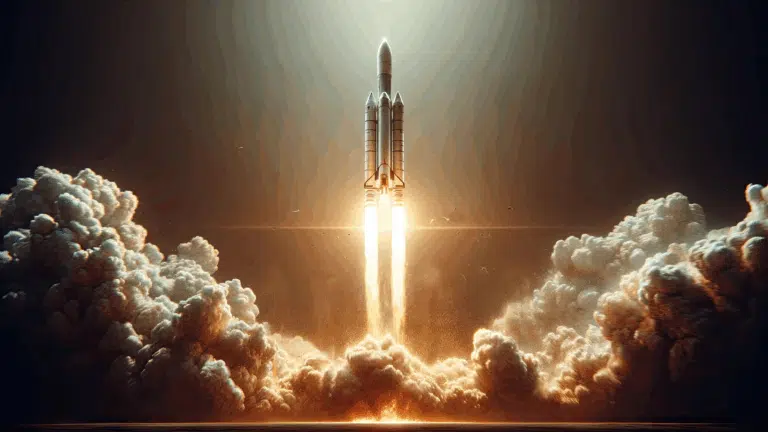
In recent years, companies like SpaceX and Blue Origin have started building their own rockets. This is changing how space work is done.
Benefits of private space work include:
- Lower launch costs
- Faster progress
- More job creation
- Reusable rockets
These companies also aim to make space tourism real. Some people have already taken short trips to space. Still, they need government support and face many of the same problems.
The Main Arguments Against Space Spending
Critics of space exploration raise several important concerns.
1. Opportunity Cost
Every dollar spent on rockets is a dollar not spent on healthcare, education, housing, or climate adaptation. Some argue that urgent problems on Earth should take priority over long-term exploration goals.
2. Private Space Tourism
The rise of billionaire-funded space tourism has drawn criticism, with some viewing it as symbolic of inequality rather than scientific advancement.
3. Military Dual-Use Concerns
Space technology often overlaps with defense applications, raising geopolitical tensions and ethical concerns about weaponization.
4. Risk to Human Life
Tragic events such as the Challenger and Columbia disasters remind us that human spaceflight carries real risks.
5. Environmental Impact of Launches
Rocket launches produce carbon emissions and black carbon particles in the upper atmosphere, though current total emissions remain small compared to global aviation.
Does Space Exploration Pay for Itself?
Several economic analyses suggest that space investment produces measurable returns.
NASA’s economic impact studies estimate billions in annual economic output from agency activities. Some space advocacy groups cite return-on-investment estimates ranging from $7 to $14 for every dollar spent, though methodologies vary.
Beyond direct returns, the global satellite industry, including communications, navigation, and Earth observation, is valued at over $400 billion annually, demonstrating the large commercial ecosystem built on space infrastructure.
However, not all benefits are easily quantifiable. Scientific discovery, national prestige, and long-term technological spillovers are difficult to measure in purely financial terms. [Source: Satellite Industry Association, State of the Satellite Industry Report 2024]
What If We Stop Exploring Space?
Stopping space work might save money today, but it could hurt us in many ways tomorrow. Here are some things that could happen:
- No more new satellites, which means weaker GPS, phone, TV, and internet services.
- Fewer jobs for scientists, engineers, and tech workers.
- Less warning for storms, fires, and disasters due to fewer weather satellites.
- Slower progress in science and medicine, with fewer tools made for health and safety.
- Less knowledge about Earth, including climate change and pollution.
- Fewer dreams for young people who want to work in science or go to space.
- No plan for the future if Earth faces a major threat like an asteroid or resource loss.
Final Thoughts
Space exploration is neither a simple luxury nor a guaranteed solution to Earth’s problems.
It represents a strategic choice: invest in long-term scientific progress and technological leadership, or redirect funds toward immediate domestic needs.
Evidence suggests that space programs generate measurable economic activity, provide essential environmental monitoring, and drive technological innovation. At the same time, they require transparency, responsible budgeting, and careful prioritization.
The real question may not be whether we can afford space exploration, but whether we can afford to ignore its long-term consequences.