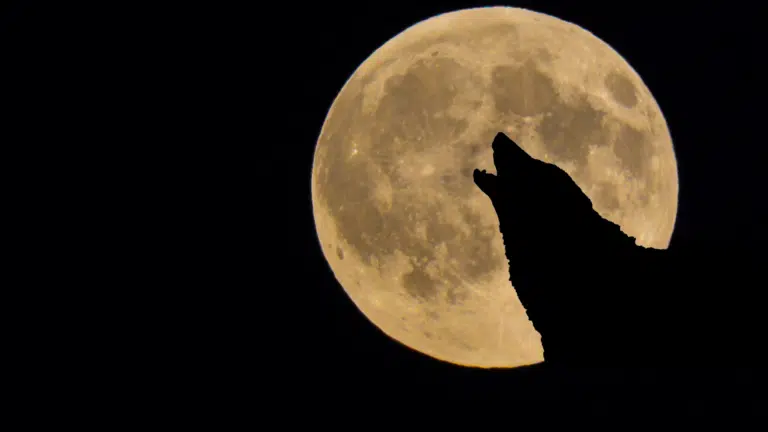

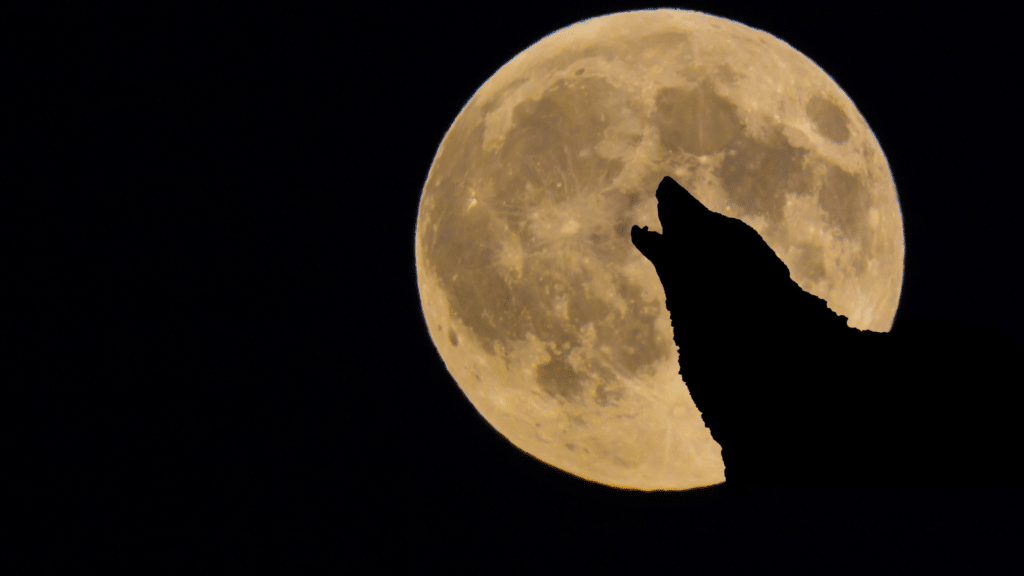
Each January, the first full moon of the year appears in the winter sky. It is known as the Wolf Moon, a name used in traditional lunar calendars for centuries.
While the title may sound symbolic, it began as a practical way to mark time during the coldest part of the year.
Early communities relied on the moon to track months and seasonal change. Over time, this name took on added cultural meaning, shaped by history and environment.
To understand why this full moon still holds attention today, it helps to look closer at its origin and significance.
What is the Wolf Moon?
The Wolf Moon is the traditional name for the first full moon of January. It marks the opening full lunar cycle of the calendar year and appears during the coldest stretch of winter in the Northern Hemisphere.
While the Moon itself does not change physically in January, the name reflects seasonal conditions that shaped early human life.
The term comes from a broader system in which each full moon carried a descriptive name tied to environmental patterns. These names functioned as practical seasonal markers rather than poetic labels.
The name raises a clear question: why were wolves specifically linked to January’s full moon, and what did that association signify?
Why is it Called the Wolf Moon?
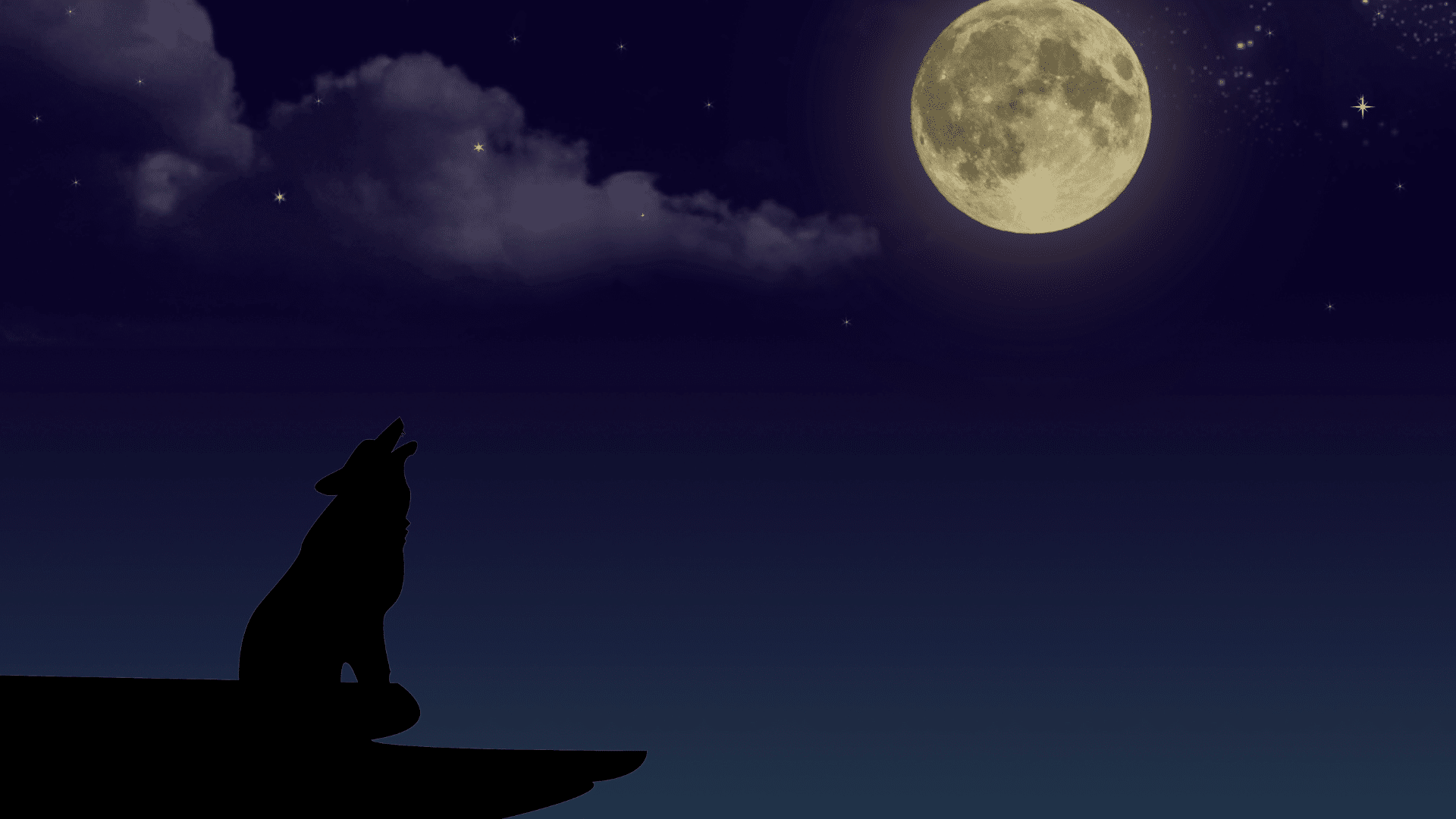
The name did not come solely from mythology. It developed from repeated winter observations.
Winter Conditions in January
January is typically one of the harshest months of the year in northern climates. Snow cover is deep, temperatures remain low, and food becomes harder to find. For both humans and animals, this period required endurance and careful resource management.
During this time, the full moon would rise over frozen landscapes, providing strong illumination against snow-covered ground. The brightness made nighttime activity more visible.
Wolf Behavior in Midwinter
Wolves were more noticeable in winter. As prey became scarce, they traveled farther in search of food. In some regions, they moved closer to human settlements. Their howls carried clearly through cold, dry air, especially on still nights.
It is important to note that wolves do not howl at the moon. They howl to communicate with their pack, mark territory, and coordinate movement. The full moon simply coincided with increased visibility and sound projection during winter nights.
Historical Origins of the Name
Full moon naming traditions were shaped by seasonal awareness and later preserved through written records.
| Period | Influence on the Name | Impact |
|---|---|---|
| Pre-colonial North America | Indigenous lunar naming systems based on seasonal patterns | Established environmental naming traditions |
| 18th–19th Century | Colonial documentation and printed almanacs | Standardized the term “Wolf Moon.” |
| Modern Era | Media and public use | Popularized the name globally |
Early Indigenous communities relied on lunar cycles to track seasonal change. European settlers later recorded many of these names in almanacs, which helped fix “Wolf Moon” into broader usage.
Native American Traditions
Lunar naming systems varied significantly across tribes. There was no single universal naming authority.
Regional Variations
- Northern tribes: Names associated with wolves due to visible winter activity
- Plains and Midwest regions: Climate-based names emphasizing cold and frost
- Other areas: Names reflecting snow depth, hunger, or environmental severity
These variations show that naming was based on lived regional experience rather than symbolic preference.
In areas where wolves were active and audible during winter, the association felt natural. In regions where climate was the dominant hardship, temperature defined the name instead.
Lunar Calendar Role
The lunar cycle lasts approximately 29.5 days. Because of this, full moons recur regularly but do not align perfectly with calendar months. Naming each full moon provided structure.
January’s full moon marked a fixed seasonal checkpoint. It signaled that winter had fully taken hold. This was not early cold weather; it was sustained midwinter.
Lunar naming offered several practical advantages:
- It created a shared time reference without written records
- It linked timekeeping to visible natural events
- It reinforced seasonal planning for food, shelter, and hunting
Cultural Symbolism of Wolves
Wolves hold complex symbolism across cultures. Their traits influenced how January’s moon was perceived.
Positive Associations
- Strength in harsh conditions
- Intelligence and adaptability
- Loyalty to the pack
- Coordinated survival strategies
Negative Associations
- Threat to livestock
- Competition for food
- Presence near settlements during scarcity
This dual symbolism gave the Wolf Moon weight beyond simple observation. January was a month of testing. Survival required cooperation, awareness, and resilience, qualities often associated with wolves.
Common Misconceptions
Several misunderstandings surround the Wolf Moon:
- Wolves howl at the moon: Wolves howl to communicate, not because of lunar phases.
- The Wolf Moon is physically different: It is not larger, colder, or structurally unique compared to other full moons.
- All tribes used the same name: Naming traditions varied widely by region.
- The name is purely mythological: It developed from seasonal observation and practical timekeeping.
Other Names for the January Full Moon
Alternative Names for January’s Full Moon Include:
- Cold Moon
- Frost Moon
- Hard Moon
- Severe Moon
These names emphasize climate rather than wildlife. In regions where extreme cold defined January more clearly than wolf activity, temperature became the dominant reference point.
The existence of multiple names shows that full moon naming was localized. Language reflected what communities experienced directly.
How the Wolf Moon Marked the Winter Season
By the time January’s full moon appeared, winter was no longer new. Snow had settled. Temperatures had stabilized at low levels. Food stores had already been partially used.
This point in the season was often more difficult than early winter. Initial preparations were complete, but months of cold still remained. Hunting required more effort. Travel was limited. Livestock required closer monitoring.
The January full moon served as a checkpoint. It marked the moment when communities evaluated remaining supplies and adjusted plans for the rest of the season.
The wolf moon reflects this position within the winter cycle. It represents not the start of hardship, but the realization that endurance would be required for the weeks ahead.
Final Thoughts
The Wolf Moon remains part of modern language because it carries a record of how earlier societies understood winter.
It reflects a specific point in the seasonal cycle when the cold was steady, resources were measured carefully, and animal movement was more visible. The name survived because it was useful, clear, and tied to lived experience.
Today, it serves as a reminder that time was once tracked by watching the sky rather than checking a device. Knowing the background of this January full moon adds context to something often taken for granted.
Keep learning about lunar naming traditions to better understand how they shaped the yearly calendar.