


Choosing the right internet service has become more important than ever. A reliable connection is now essential for work, streaming, and everyday tasks.
Among the popular options, Viasat and Starlink often come up in the same conversation. Both offer satellite internet, yet they are built on different ideas and systems.
This guide compares these two services in a clear, simple way. It focuses on what matters most to everyday users.
By the end, readers will have a better sense of which option may suit their needs and expectations without feeling overwhelmed by technical details.
Overview of Viasat Internet Service
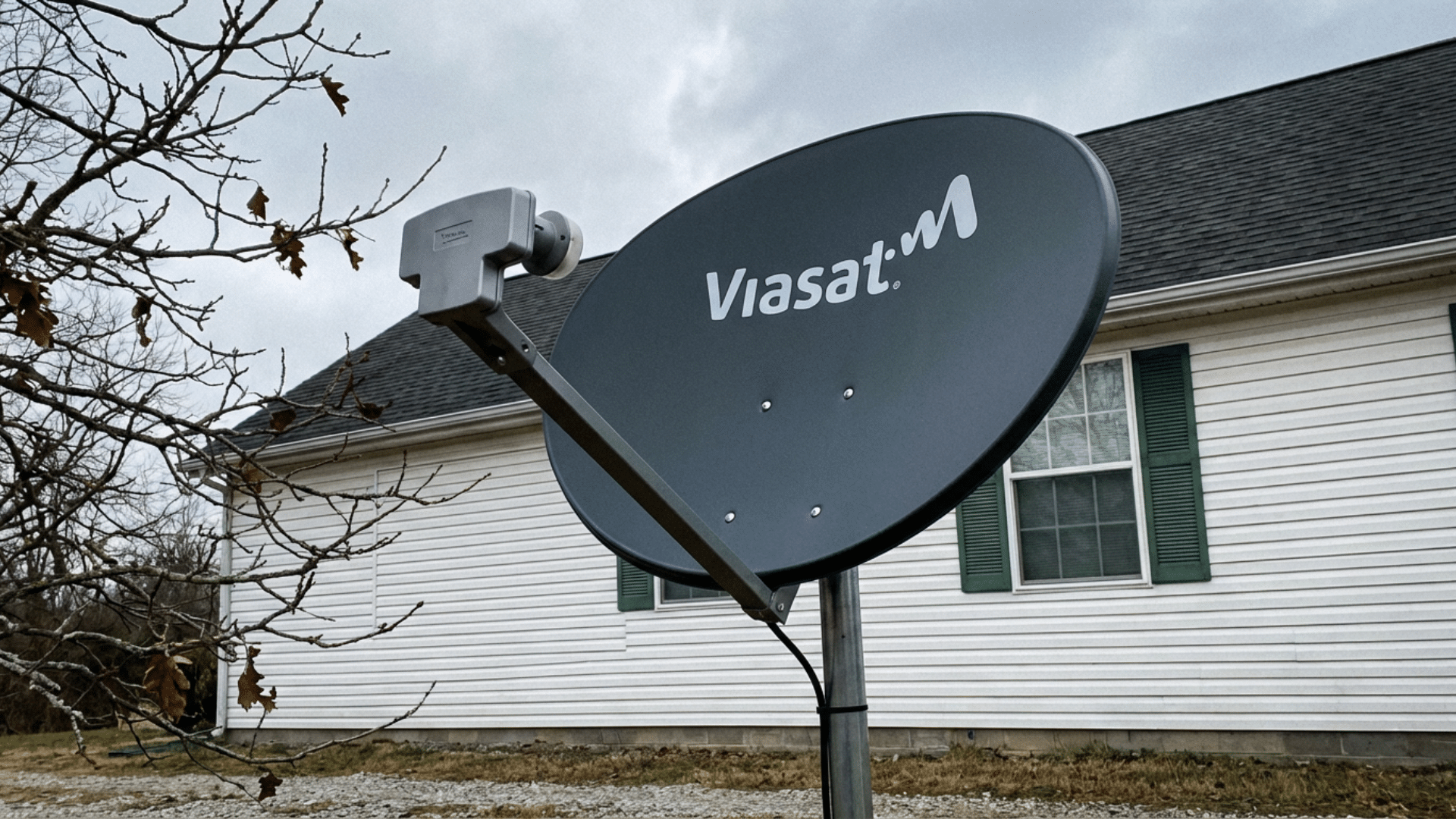
Viasat is a satellite internet provider that delivers broadband service to areas where cable or fiber is not available. It uses satellites placed far above the Earth to send and receive data.
This allows users in rural and remote regions to stay connected without relying on ground-based networks.
The service is widely available across many regions and is often chosen by households that have limited internet options.
Viasat offers different plans based on speed and data needs. While it provides steady access for basic tasks, performance can vary depending on network traffic and plan limits.
Pros and Cons
| Pros | Cons |
|---|---|
| Available in rural areas | High latency (slow response time) |
| No need for cable or fiber | Data limits on most plans |
| Multiple plan options | Slower speeds than newer systems |
| Professional installation included | Long-term contracts may apply |
Overview of Starlink Internet Service

Starlink is a satellite internet service developed by SpaceX. It uses a network of low Earth orbit (LEO) satellites to provide internet access.
These satellites are much closer to Earth than traditional ones, which helps reduce delays and improve performance.
The service is designed to offer faster speeds and lower latency, especially in areas where wired internet is limited or unavailable.
Users install a small dish at home that connects directly to the satellite network. Starlink is often seen as a newer option that focuses on higher performance and modern internet needs.
Pros and Cons
| Pros | Cons |
|---|---|
| Faster speeds than traditional satellite | High upfront equipment cost |
| Lower latency (better for calls and gaming) | Requires a clear sky view |
| No long-term contracts | Service can vary by location |
| Unlimited data in most plans | Higher monthly cost in some areas |
Viasat vs Starlink: Detailed Comparison
Viasat and Starlink both offer satellite internet, but they differ in how they deliver service and how they perform in real-world use. This comparison breaks down the key factors to consider when choosing between them.
Technology Difference
Viasat uses geostationary (GEO) satellites placed about 35,000 km above Earth. This long distance increases the delay in data travel.
Starlink uses low Earth orbit (LEO) satellites that are much closer to the planet. This shorter distance allows faster communication between the user and the network.
Because of this difference, Starlink delivers lower latency and quicker response times, while Viasat offers wider coverage with fewer satellites.
Speed and Performance
Starlink generally delivers faster speeds, often 50-150 Mbps or higher. Viasat speeds are usually lower, often between 25 and 100 Mbps.
Latency is where the biggest gap appears. Starlink operates around 20–60 ms, while Viasat can exceed 600 ms due to the long satellite distance.
This means Starlink performs better for video calls, gaming, and streaming, while Viasat is more suitable for basic browsing and standard streaming.
Pricing and Plans
Viasat often has lower monthly pricing, with plans typically ranging from moderate to affordable levels.
Starlink tends to cost more per month and requires a high upfront equipment fee.
Starlink pricing reflects its newer technology and higher performance. Viasat, on the other hand, may offer more budget-friendly entry options.
Data Limits and Fair Usage
Starlink usually offers unlimited data on most plans, making it suitable for heavy users.
Viasat plans may include data limits or reduced speeds after a certain usage level. This can affect performance during peak usage periods.
Coverage and Availability
Viasat has broad coverage because a single GEO satellite can cover a large area. This makes it widely available in many rural regions.
Starlink is still expanding, but already covers many parts of the world. Its network continues to grow as more satellites are launched.
Installation and Setup
Starlink requires users to install the equipment themselves, including a dish that needs a clear view of the sky.
Viasat usually includes professional installation, which can be easier for users who prefer a guided setup.
Starlink setup is quicker in many cases, while Viasat installation may take longer but requires less user involvement.
Customer Reviews and User Experience
User feedback shows how Viasat and Starlink perform in real-life situations. Below is a clear breakdown based on common user experiences.
Starlink User Experience:
- Speed: Fast and consistent for streaming, browsing, and work
- Latency: Low delay, works well for video calls and gaming
- Reliability: Generally stable, but can slow down during peak hours
- Setup: Easy self-installation for most users
- Support: Mixed reviews, some report slow response times
- Overall Feel: Seen as a major upgrade in rural areas
Viasat User Experience:
- Speed: Works for basic tasks, but slower than newer options
- Latency: High delay, not ideal for gaming or video calls
- Reliability: Stable for light use, may slow after data limits
- Setup: Professional installation makes it easier to start
- Support: Mixed to negative feedback in some cases
- Overall Feel: Suitable for basic internet needs
Overall Comparison
| Factor | Better Option |
|---|---|
| Speed & Performance | Starlink |
| Everyday Browsing | Both (basic use) |
| Gaming & Video Calls | Starlink |
| Ease of Setup | Viasat |
| User Satisfaction | Starlink |
Best For Different Use Cases
Different users have different internet needs. The better choice depends on how the connection will be used day to day.
Best for Rural Areas
- Starlink: Better for faster speeds and modern usage
- Viasat: Good where Starlink is not yet available
Best for Streaming
- Starlink: Handles HD and 4K streaming with fewer interruptions
- Viasat: Works for standard streaming, may buffer at times
Best for Gaming
- Starlink: Clear winner due to low latency
- Viasat: Not suitable because of high delay
Best for Video Calls and Remote Work
- Starlink: Smooth video calls and stable connections
- Viasat: Can lag or freeze during calls
Best for Budget Users
- Starlink: Higher upfront and monthly cost
- Viasat: Lower starting cost, more budget-friendly plans
Best for Easy Setup
- Starlink: Quick self-installation
- Viasat: Professional installation included
Best for Light Internet Use
- Starlink: More than enough for basic needs
- Viasat: Suitable for browsing, email, and light streaming
Which Internet Service is Right for You?
The right choice depends on how the internet will be used each day. Starlink is a better fit for users who need faster speeds, lower delay, and smoother performance for streaming, work, or gaming.
It offers a more modern experience, especially in areas with limited options.
Viasat works well for users with basic needs, such as browsing, email, and light streaming. It can be a practical option when the budget is tight or Starlink is unavailable.
The final decision comes down to performance needs, location, and how much users are willing to spend.
Final Thoughts
Viasat and Starlink both provide internet where traditional options fall short, but they serve different expectations.
Starlink focuses on higher performance and a smoother online experience. Viasat offers a more traditional setup that can still handle everyday tasks.
The key is to match the service with actual usage, not just advertised features. Looking at speed, reliability, and long-term value can make the decision more practical.
Compare the latest plans, check local availability, and choose the option that best fits how you use the internet daily.