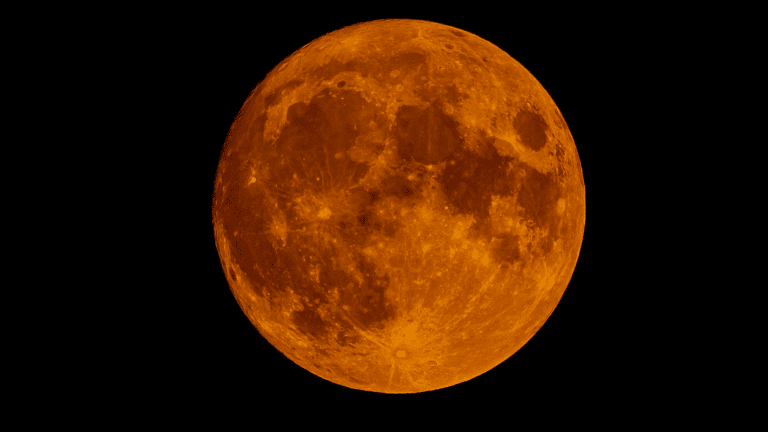

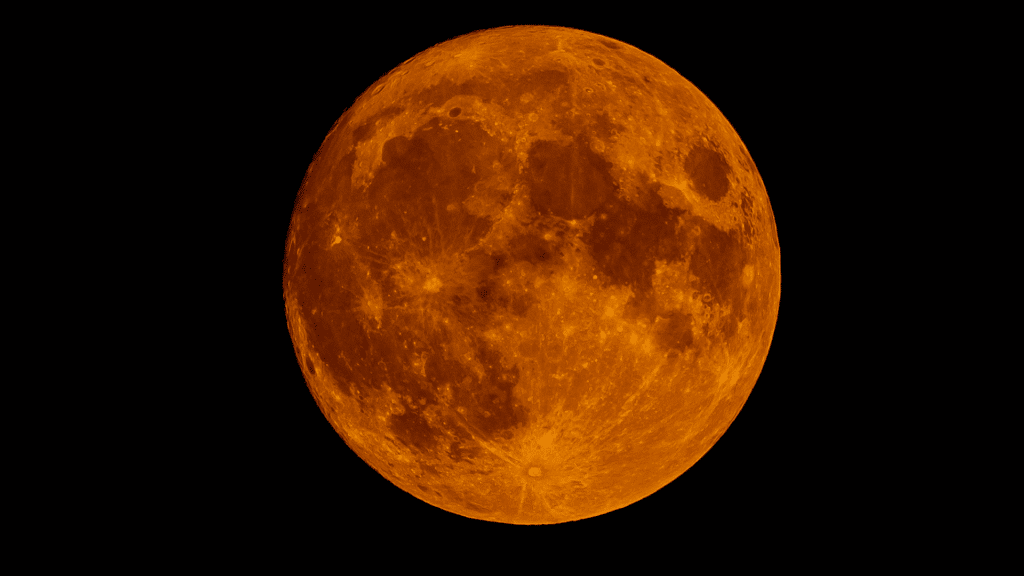
The moon doesn’t always shine the same. On some nights, it takes on a deep orange glow instead of its usual white or gray.
This sudden change often makes people pause and wonder what’s happening. Is it caused by something in space? Or is something wrong with the moon itself?
The real reason is much simpler, and it has more to do with Earth than the moon. Light, air, and natural conditions all play a role in how the moon looks from the ground.
The orange color may seem unusual, but it’s a normal effect of the world around us. This blog explains what causes the moon to turn orange and why.
Why the Moon Appears White Most of the Time?
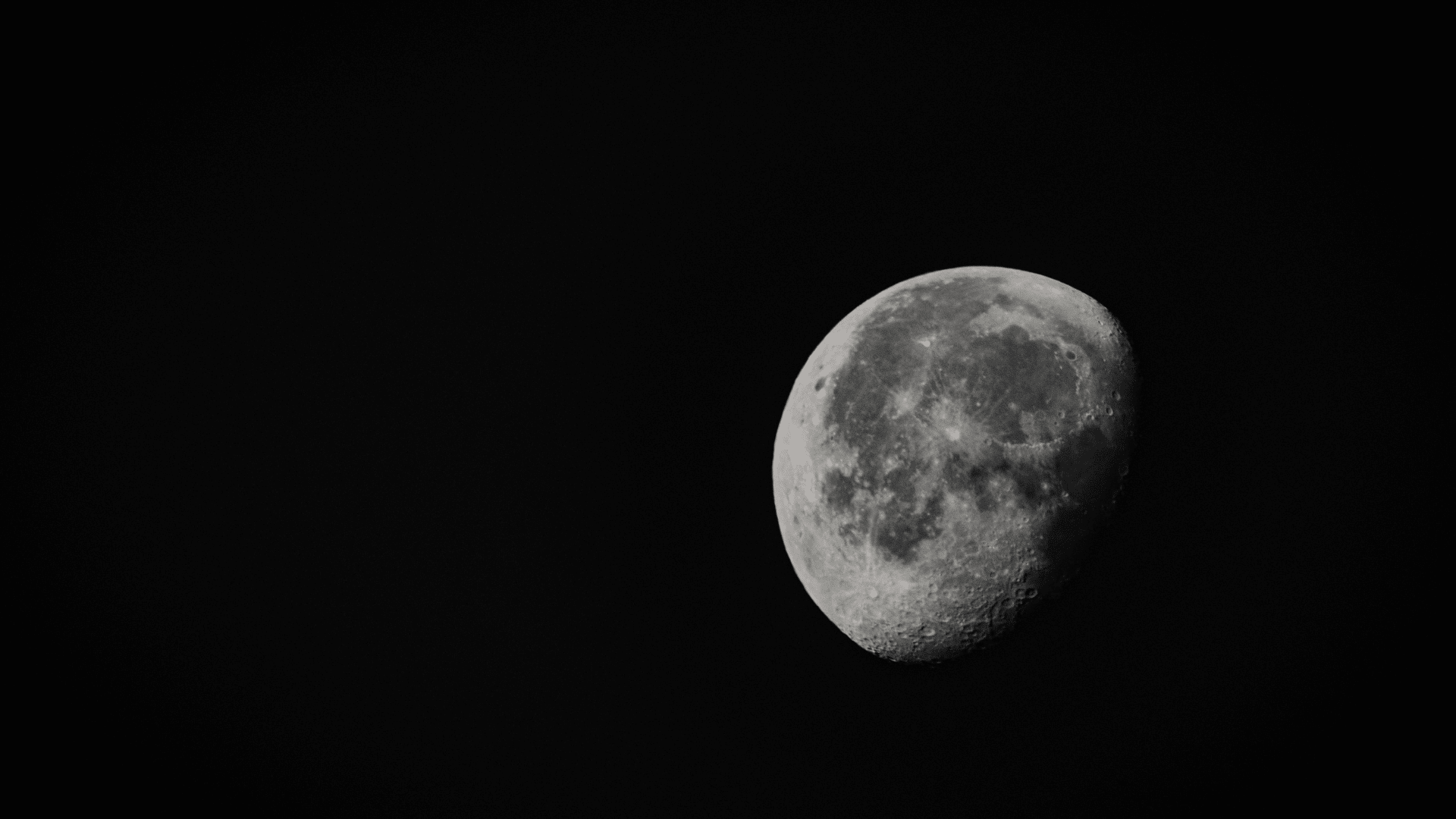
Under clear night skies, the moon usually appears white or pale gray. This is because the moon does not produce its own light.
Instead, it reflects sunlight, acting like a natural mirror in space. Sunlight contains all colors of visible light, and when these colors blend together, they appear white to the human eye.
When the moon is high in the sky, its reflected light has a shorter and clearer path through Earth’s atmosphere.
With less air, dust, and moisture to pass through, the light stays mostly unchanged, so the moon keeps its bright, neutral color.
However, this appearance is not always consistent. As the moon’s light travels through different layers of the atmosphere, its color can shift, leading to effects like the orange moon.
The Science of Light Scattering
The primary reason the moon appears orange is Rayleigh scattering, the same process that makes the sky look blue during the day and red or orange at sunset.
Here’s how it works:
- Sunlight (and moonlight) is composed of different colors of light, each with a different wavelength.
- Shorter wavelengths (blue and violet) scatter more easily when they encounter small particles in the atmosphere.
- Longer wavelengths (red, orange, yellow) pass through more directly.
When the moon is near the horizon, its light must pass through a greater thickness of Earth’s atmosphere.
Along this longer path, more of the shorter wavelengths are scattered out of view, leaving mostly red and orange light to reach the observer’s eyes.
This is why the moon takes on a yellow-orange hue when it’s low in the sky.
Why the Moon Turns Orange at Moonrise or Moonset
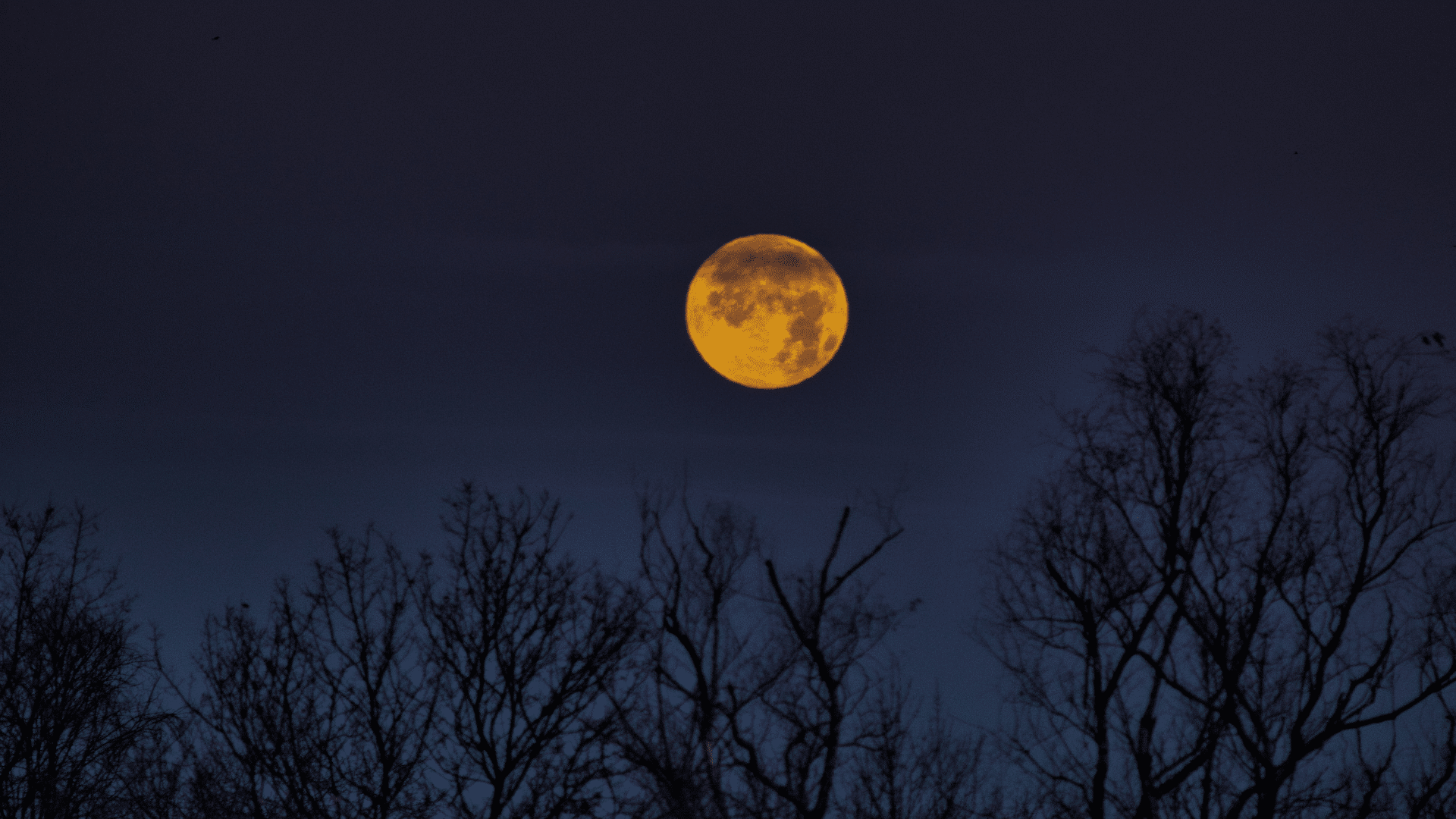
The most common time to see an orange moon is during moonrise or moonset. At these times:
- The moon appears low on the horizon.
- Its light travels diagonally through the atmosphere, covering a longer distance than when it’s overhead.
- The greater atmospheric thickness amplifies light scattering.
Additional atmospheric effects may also come into play:
- Refraction can bend light slightly, altering its path and appearance.
- Distortion near the horizon may make the moon look larger and more dramatic in color.
So, when you see a large orange moon just above the treetops or horizon, you’re witnessing a beautiful mix of light physics and atmospheric filtering.
Weather Conditions That Affect Moon Color
Besides its position in the sky, weather and environmental conditions can strongly influence how moonlight appears. Particles in the air, both natural and human-made, change how light travels before it reaches our eyes.
1. Smoke from Wildfires
Wildfire smoke contains large amounts of fine particles that scatter and absorb light. Even fires hundreds or thousands of miles away can affect how the moon looks.
Smoke in the atmosphere can:
- Increase orange and red tones by filtering out blue light
- Dim the moon’s brightness, making it appear muted or eerie
In recent years, orange and red moons have been widely reported during major wildfire seasons across North America, Australia, and parts of Europe. These events show how far-reaching wildfire smoke can be.
2. Dust and Sand in the Air
Large dust storms, especially in dry or desert regions, can push fine dust high into the atmosphere. Once airborne, these particles can remain suspended for long periods.
Dust particles can:
- Amplify the scattering of short-wavelength light
- Make the moon appear dull yellow, orange, or reddish-brown
- Linger in the air for days or even weeks, extending the effect
Dust from deserts can also travel across continents, meaning its impact on moon color may be seen far from where the storm began.
3. Fog and Water Vapor
Fog and high humidity don’t affect moonlight as strongly as smoke or dust, but they still play a role. Fog is made of tiny water droplets that scatter light in multiple directions.
Heavy fog or moisture in the air can:
- Soften the moon’s edges
- Shift its color slightly toward warmer tones
- Create a glowing halo around the moon, especially near city lights
This often gives the moon a hazy or dreamy appearance.
4. Air Pollution
Air pollution from human activity is another important factor that can change the moon’s color. Vehicle exhaust, factory emissions, and urban smog release tiny particles into the atmosphere. These particles scatter and absorb moonlight as it travels toward Earth.
Pollution affects moonlight by:
- Scattering blue and green wavelengths more easily
- Allowing orange and red light to pass through
- Making the moon appear yellow, orange, or dull
This effect is most noticeable in cities or industrial areas, especially during warm or humid nights when pollution becomes trapped near the ground.
In this way, changes in the moon’s color can quietly reflect the quality of the air we are breathing.
What is a “Harvest Moon” and Why is it Orange?
A Harvest Moon is the name given to the full moon closest to the autumn equinox, which usually falls in September. While the moon itself is not different from any other full moon, it often looks:
- Larger
- Brighter
- More orange or golden in color
Why?
- It rises earlier than other full moons.
- It stays close to the horizon for longer periods, which means we’re seeing it through more atmosphere.
- The visual conditions enhance the warm colors we associate with fall.
Culturally, the Harvest Moon has been associated with agricultural cycles and was historically used by farmers to harvest crops late into the evening.
How a Blood Moon Differs from an Orange Moon
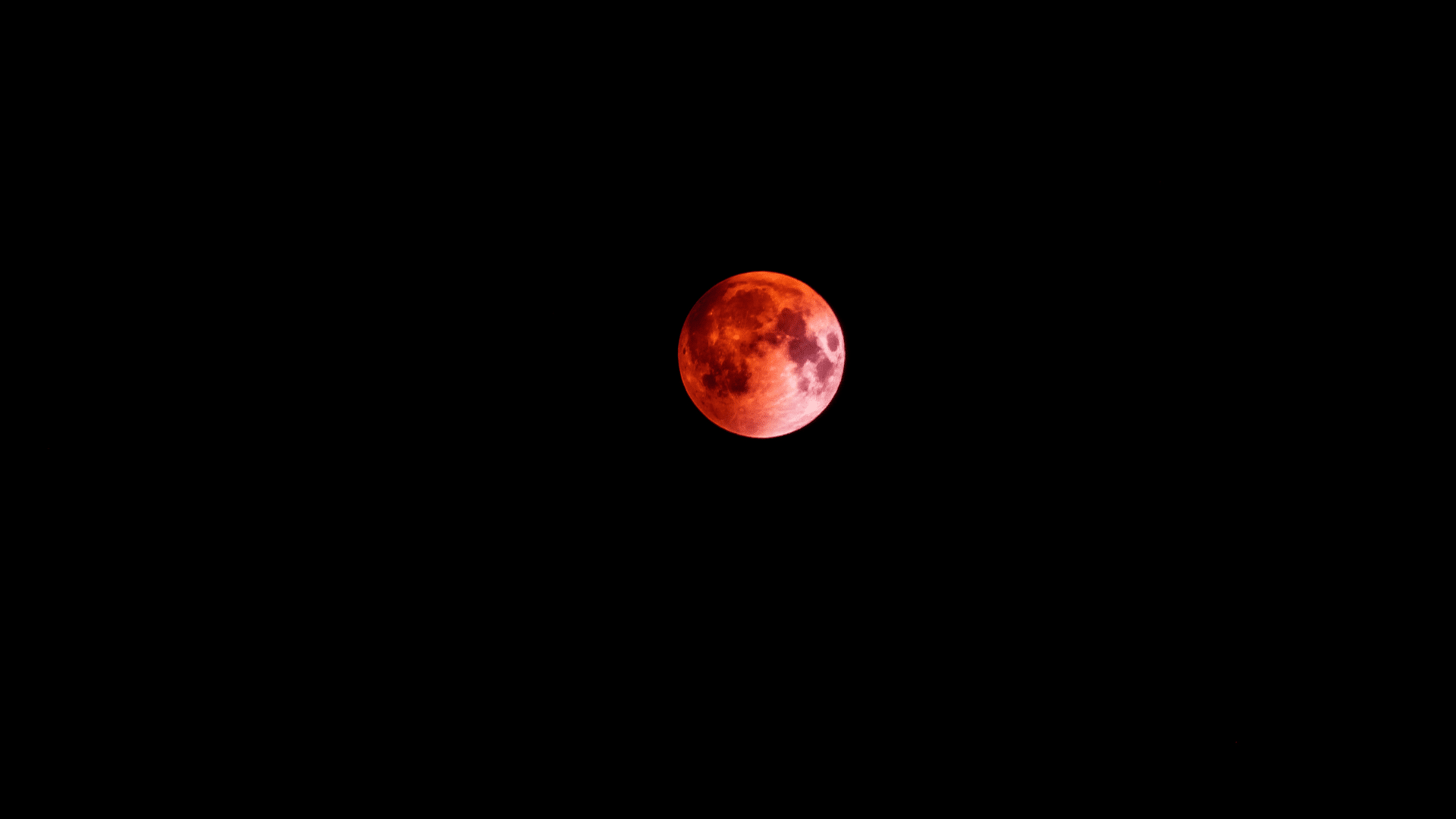
Many people mistake an orange moon for a Blood Moon, but they are not the same. A Blood Moon occurs during a total lunar eclipse, when the Earth moves directly between the sun and the moon.
In this alignment, Earth blocks the sun’s light from hitting the moon directly. However, some sunlight still reaches the moon after passing through Earth’s atmosphere.
As the light filters through, the shorter blue and green wavelengths scatter, leaving only the longer red and orange wavelengths.
This gives the moon a deep red or coppery hue, often referred to as its “bloody” color.
Unlike regular orange moons, which are caused by atmospheric scattering and can occur frequently, Blood Moons are relatively rare and tied to specific eclipse events.
Orange Moon Meaning: Scientific and Cultural Perspectives
While science explains the orange moon as an atmospheric effect, many cultures have attached a deeper symbolic meaning to its appearance. Here’s a comparison of scientific and cultural views:
| Perspective | Meaning or Explanation |
|---|---|
| Scientific View | The orange color is caused by atmospheric scattering and the moon’s low position in the sky. |
| Cultural Belief #1 | Seen as a warning of change, unrest, or chaos, especially during lunar eclipses. |
| Cultural Belief #2 | Associated with seasonal transitions, such as harvest time or the arrival of winter. |
| Cultural Belief #3 | Linked to spiritual cycles of renewal, letting go, or new beginnings. |
Can You Predict When the Moon Will Turn Orange?
You can’t always predict it with complete certainty, but you can look for signs that increase the chances:
- Moonrise and moonset times: The moon is most likely to appear orange when it’s close to the horizon.
- Air quality and weather reports: Look for smoke, haze, or dust in the atmosphere.
- Seasonal timing: During fall or dry seasons, dust and wildfires are more common.
- Special lunar events: Harvest Moons, eclipses, and supermoons can all enhance the orange effect.
There are also smartphone apps and astronomy websites that provide forecasts based on atmospheric conditions and lunar data.
Final Thoughts
The orange moon is a powerful reminder of how interconnected our planet is with the sky above. It’s not a sign of something going wrong. Instead, it’s a natural effect that occurs when atmospheric conditions and light paths align.
Whether it’s caused by wildfires, dust, moonrise, or eclipses, an orange moon is a breathtaking sight, one rooted in science but rich in wonder.
So next time you see the moon glowing orange, you’ll understand the cause. But more than that, you’ll appreciate the moment.
Because in its quiet glow lies the beauty of Earth, sky, and light, working together in perfect harmony.