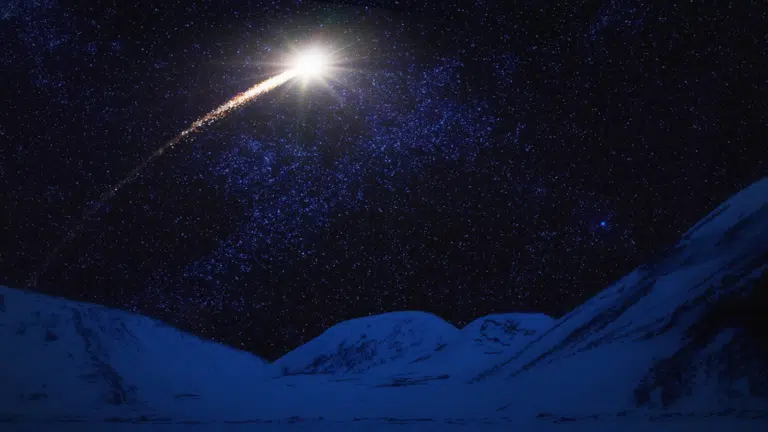

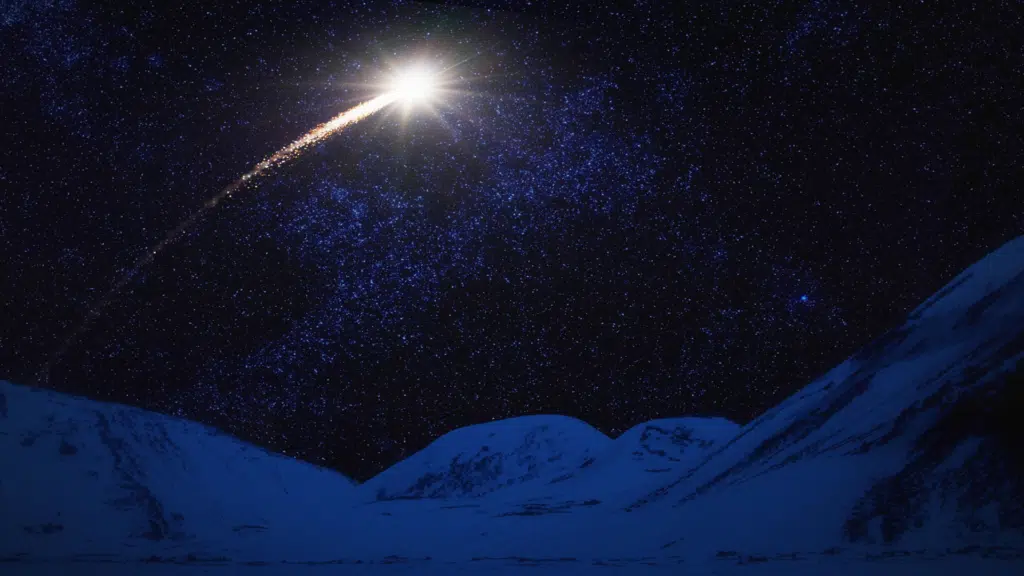
A shooting star is a quick, bright streak of light in the night sky. People often stop and stare when they see one. It feels special, almost like a sign.
Many make a wish in that moment. The sight can bring a sense of peace or wonder. Seeing a shooting star can be a powerful experience.
For a long time, people have asked what it really means. Stories, beliefs, and feelings have grown around it. Some ideas come from science. Many come from culture or tradition.
The meaning of a shooting star can feel both real and magical. This blog looks at what it is and what it has meant through time.
What is a Shooting Star?
A shooting star is not a real star. It is a small piece of rock or dust from space that enters Earth’s atmosphere. These pieces are called meteoroids, and they often come from comets or broken asteroids.
Most meteoroids are tiny; many are just the size of a grain of sand or a raisin. But they travel extremely fast, anywhere from 25,000 to 160,000 miles per hour. That’s faster than a speeding bullet.
When the rock hits Earth’s atmosphere, it rubs against the atmosphere and gets very hot. The heat makes the air around it glow. That glowing light is what we call a shooting star or meteor.
Shooting stars usually appear 60 to 80 miles above Earth and last less than a second. Most meteors burn up completely in the air. But if a piece is large enough to survive the fall and land on the ground, it is called a meteorite.
So next time you see a shooting star, know you’re watching a tiny space rock travel at amazing speed and light up the sky in the process.
What Does a Shooting Star Mean Spiritually?
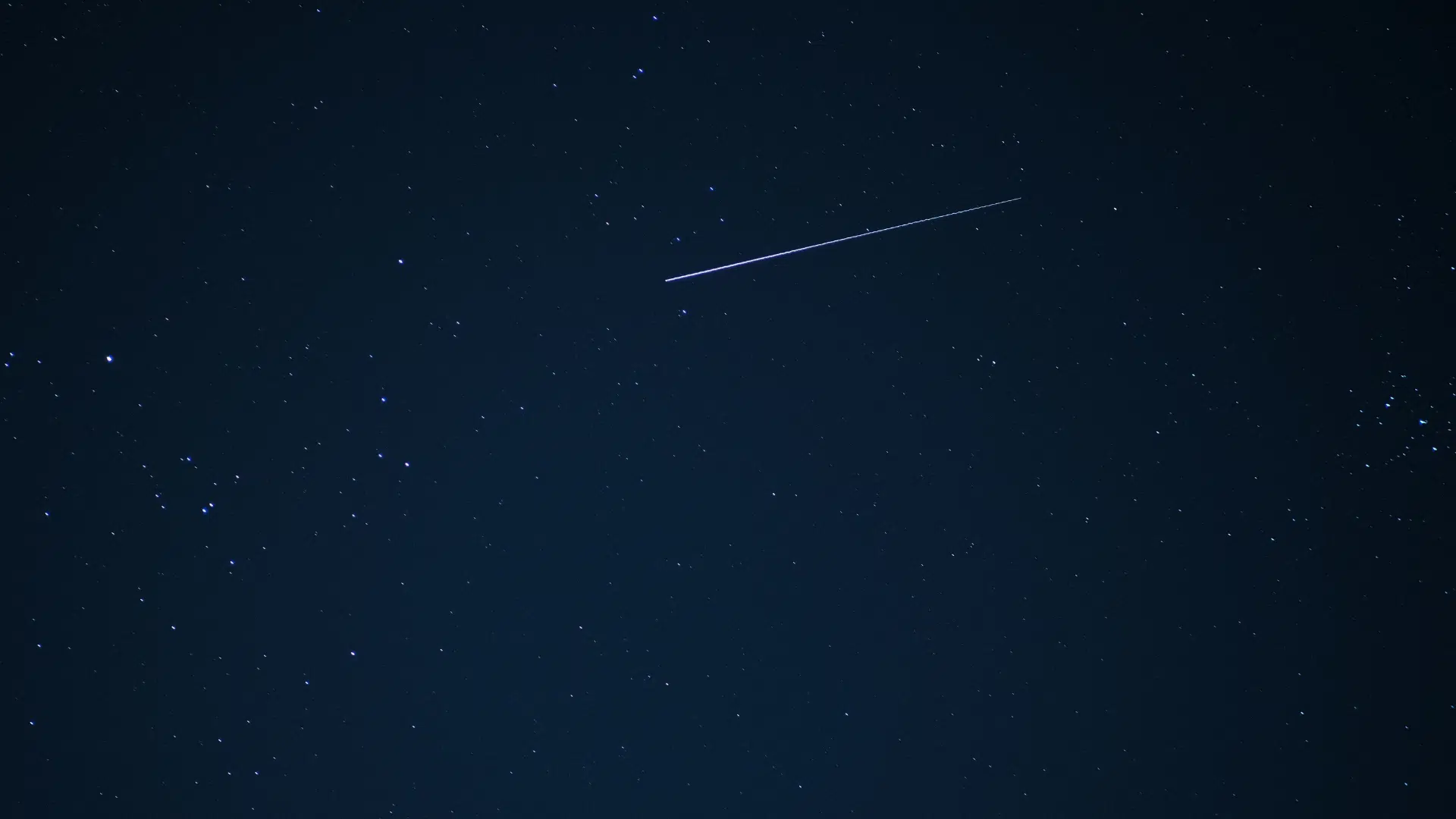
In spiritual beliefs, a shooting star can mean:
- A sign of hope or new beginnings
- A message from a higher power
- A sign that someone is watching over you
- A symbol of change or a turning point in life
Many people feel a deep calm or joy when they see one. Some believe it means the universe is listening or that a prayer has been heard.
In spiritual thought, seeing a shooting star can remind us we are part of something bigger.
Cultural Meanings of Shooting Stars Around the World
People from many parts of the world have special beliefs about shooting stars. These stories often reflect their hopes, fears, and dreams.
Ancient Greece
Greeks believed shooting stars were gods looking down from the sky. Some thought the stars moved when a god opened the heavens to look at Earth.
Native American Beliefs
Some tribes believed shooting stars were spirits moving across the sky. Others saw them as signs of change or messages from ancestors.
Filipino Culture
In the Philippines, a shooting star was seen as a soul moving to the next life. People would say a prayer when they saw one.
European Folklore
In Europe, people believed shooting stars were signs of luck or good news. Some said they meant a baby would be born or that love was near.
African Stories
In some African cultures, shooting stars were thought to be a sign of danger or war. But in other areas, they meant good fortune.
Superstitions About Shooting Stars
Many superstitions have grown around shooting stars. Some are happy and hopeful, while others are more serious. Here are some common ones:
- If you make a wish before the star disappears, your wish will come true.
- A shooting star means someone is thinking of you.
- Seeing a shooting star with someone you love means your bond is strong.
- A shooting star can mark the end of a bad time.
- If you point at a shooting star, you’ll have bad luck (this belief is found in some cultures).
While these are not proven facts, many people enjoy these ideas and find comfort in them.
When and Where to See a Shooting Star
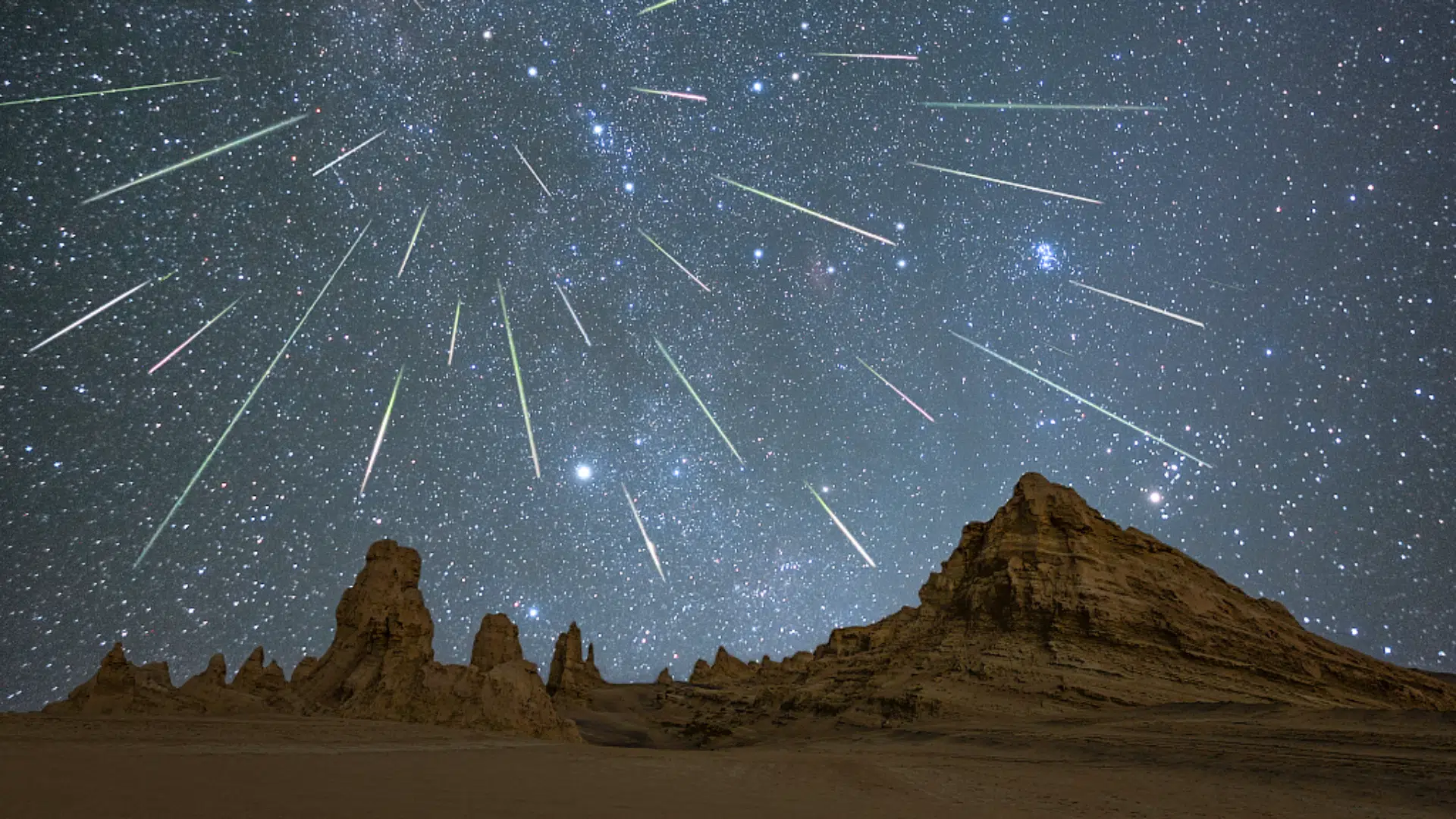
Image Source: Optics Central
Seeing a shooting star can be a magical moment, but timing and location matter. Here’s how to give yourself the best chance of spotting one.
Best Time to Look
The best time to see shooting stars is between midnight and dawn. During these early morning hours, the part of Earth you’re on is facing into space, like being on the front of a moving car. This makes it easier to spot meteors as they enter the sky.
Watching during a meteor shower gives you a much better chance of seeing many shooting stars. On regular nights, you might see just a few. But during a shower, you can see dozens every hour.
Try to watch when there is a new moon. A full moon is very bright and can block out the faint light of many meteors.
Where to Look
- Find a dark place. Stay far away from city lights and street lamps.
- Pick a wide, open area. Choose a spot with a clear view of the sky, no tall trees or buildings blocking your sight.
- Look up and be still. You don’t need to focus on one spot. Just stare at a dark part of the sky. For longer streaks, try looking slightly away from the “radiant,” which is the point in the sky where meteors seem to come from.
Major Meteor Showers to Watch For
Some nights are better than others because of meteor showers. These are regular events when Earth passes through a trail of space dust. Here are a few to remember:
- Perseids: Mid-August (best around August 12–13)
- Geminids: Mid-December (bright and steady meteors)
- Quadrantids: Early January (high rates, short peak)
- Orionids: October (from the Orion constellation)
You can check online calendars each year for the exact peak times.
Tips for Seeing More Shooting Stars
- Be patient. Your eyes need 20 to 30 minutes to get used to the dark.
- Put away your phone. Bright screens can make it hard to see faint meteors.
- Get comfy. Bring a chair, blanket, or sleeping bag so you can lie back and look up without hurting your neck.
Watching shooting stars can be fun and relaxing. It’s a great way to spend time with family or friends, or even enjoy a quiet night alone.
Why Do People Make Wishes on Shooting Stars?
Many people make a wish when they see a shooting star. This idea has been around for hundreds of years.
One reason is that shooting stars are rare. You don’t see them every day, so they feel special. Because they are sudden and bright, people think of them as signs or messages.
The idea of making a wish comes from old beliefs. People thought the stars were linked to the heavens, gods, or other worlds.
When a star “fell,” it was seen as a sign that something might happen. Wishing during that moment was thought to bring good luck.
How Do Scientists Study Shooting Stars?
Scientists use special tools to track meteors:
- Telescopes to see them up close
- Cameras to record them
- Radar systems to follow them as they fall
- Weather balloons are used to measure the sky when a meteor is expected
When a meteorite lands on Earth, scientists collect it and study what it is made of. These rocks can give clues about the early solar system.
Wrapping Up
There is still so much we don’t know about the night sky. A shooting star is just one small part of it, but it reminds us to keep looking up and asking questions.
Kids, adults, scientists, and storytellers all find meaning in that short streak of light. The sky doesn’t have to be complicated to be interesting.
Even simple things, like a flash in the dark, can make us stop and think. If learning about stars, space, and sky signs excites you, there’s more waiting.
Keep reading our blog for more easy-to-follow guides that help make sense of the world above.