An astronomical phenomenon is an event in space that people can sometimes see from Earth. These events have helped scientists understand how the universe works.
For a long time, people have watched the sky to learn more about stars, planets, and other objects.
Astronomical phenomena can change the way the sky looks for a short time. They are important in both science and history.
By studying them, people learn more about Earth’s place in space. This blog will explain what an astronomical phenomenon is, how these events happen, and why they are important.
What Does “Astronomical Phenomenon” Mean?
The word “astronomical” comes from astronomy, which is the study of stars, planets, and space. A “phenomenon” is something that can be seen or noticed.
So, an astronomical phenomenon is a visible event that takes place in space. These events can involve light, motion, shadows, or changes in how objects appear in the sky.
They are real, natural events, not magic or tricks. These events follow the laws of science. They can be predicted, measured, and studied.
Why are Astronomical Phenomena Important?
Astronomical phenomena play a big role in helping people learn about the sky and space. Here are some simple reasons why they matter:
- They teach us how space works: People can see how the sun, moon, planets, and stars move and change.
- They help explain time: These events helped early people understand days, months, and years.
- They show how gravity affects objects: Events like eclipses and orbits help scientists learn how gravity works in space.
- They help measure distances: Astronomers study these events to learn how big space is and how far objects are.
- They guided early travel: Sailors and travelers used stars and planets to find direction.
- They helped create calendars: Many ancient cultures used the moon, sun, and stars to mark seasons and plan the year.
- They shaped stories and beliefs: People added sky events into myths, religion, and traditions.
- They support science today: Modern tools like telescopes and satellites help scientists learn even more from these events.
Common Types of Astronomical Phenomenon
Let’s look at different kinds of astronomical phenomena. Each one is special and teaches us something new.
1. Solar Eclipses
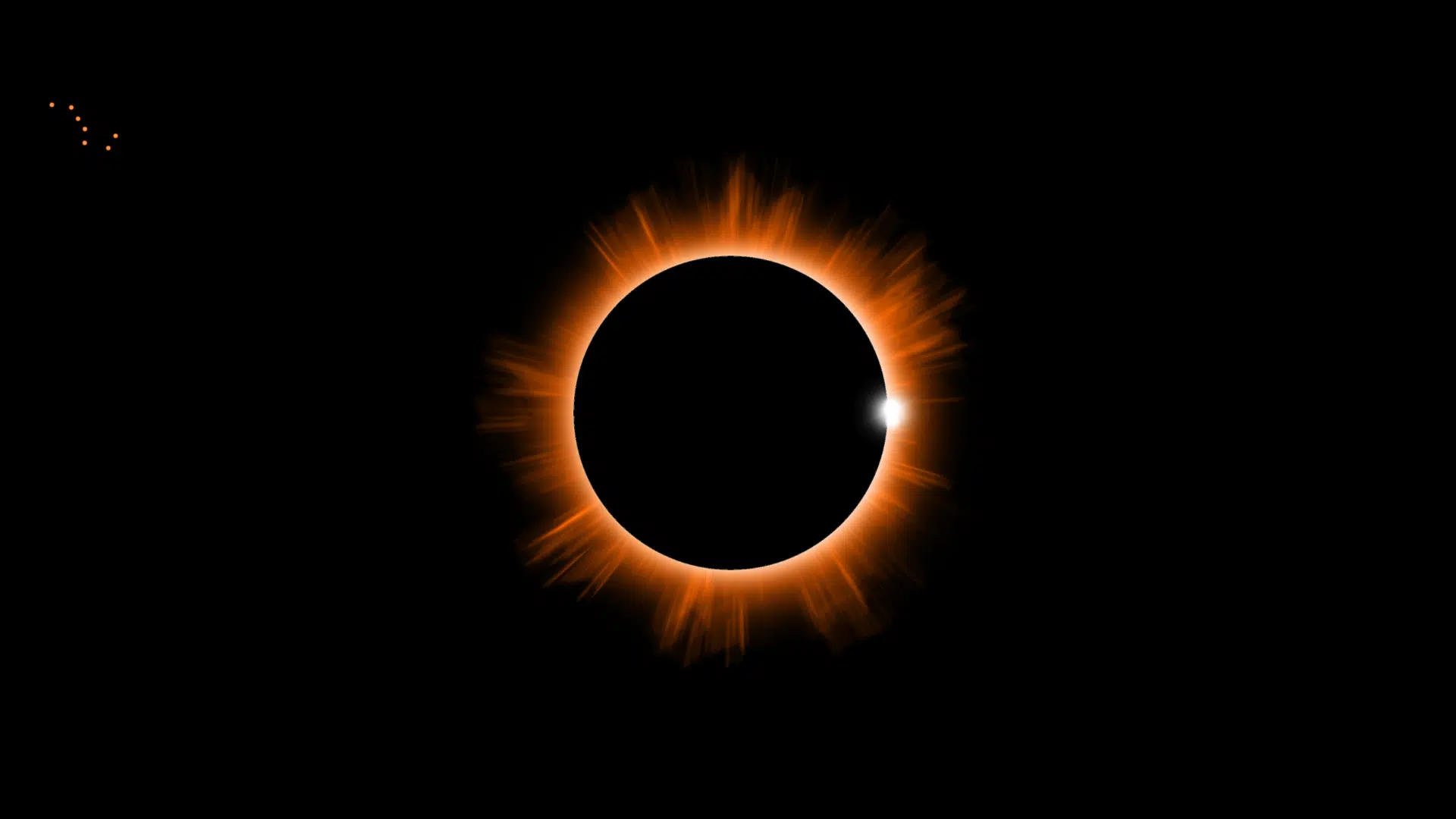
A solar eclipse happens when the moon moves between the Earth and the sun. This blocks the sun’s light. During a total solar eclipse, the day turns dark for a few minutes. This only happens in certain parts of the world.
There are different types of solar eclipses:
- Total solar eclipse: the sun is completely covered.
- Partial solar eclipse: only part of the sun is blocked.
- Annular eclipse: the moon covers the center of the sun, leaving a ring of light.
Solar eclipses do not happen often in the same place. They are exciting to watch and must be viewed with special glasses to protect your eyes.
2. Lunar Eclipses
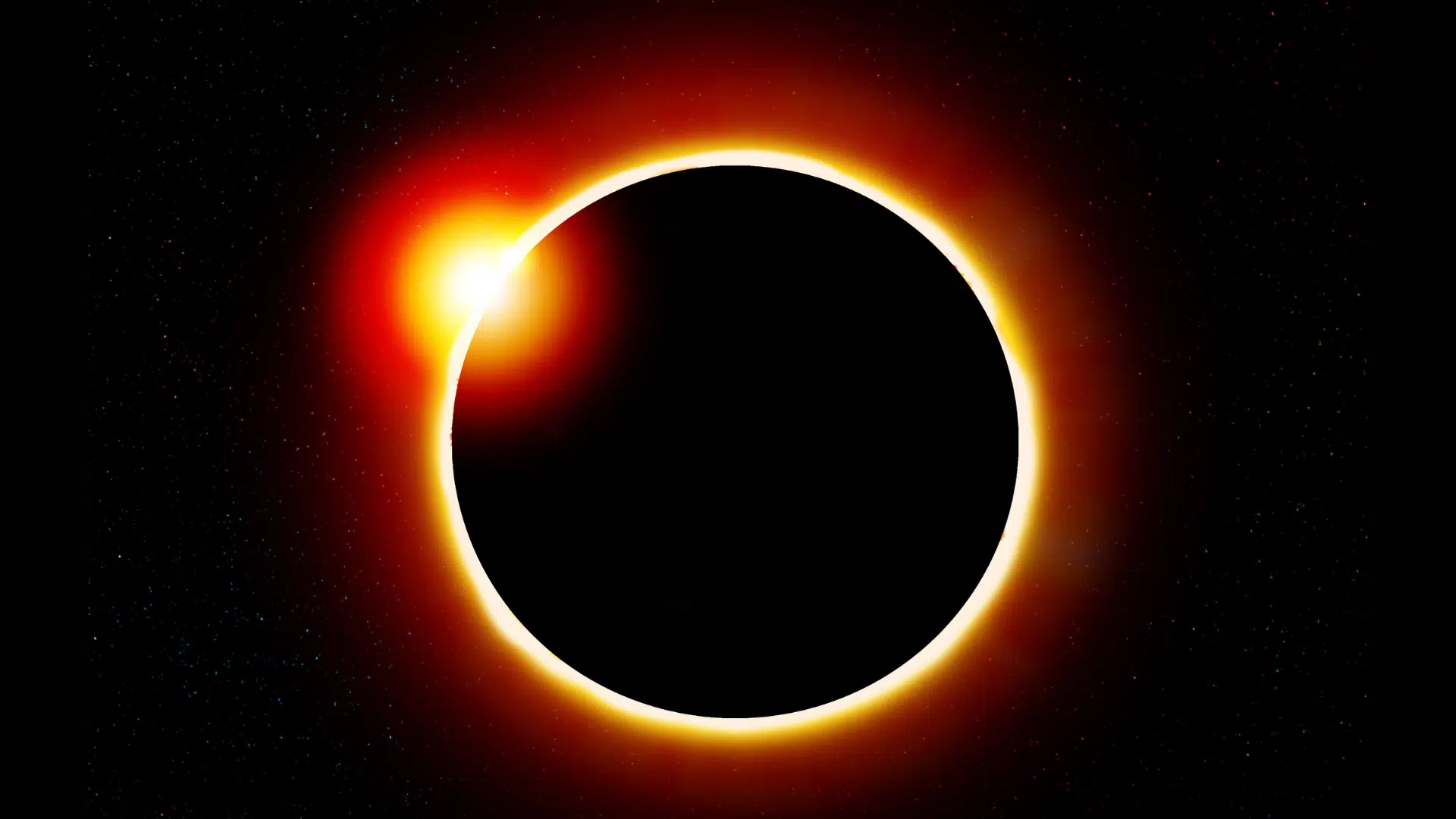
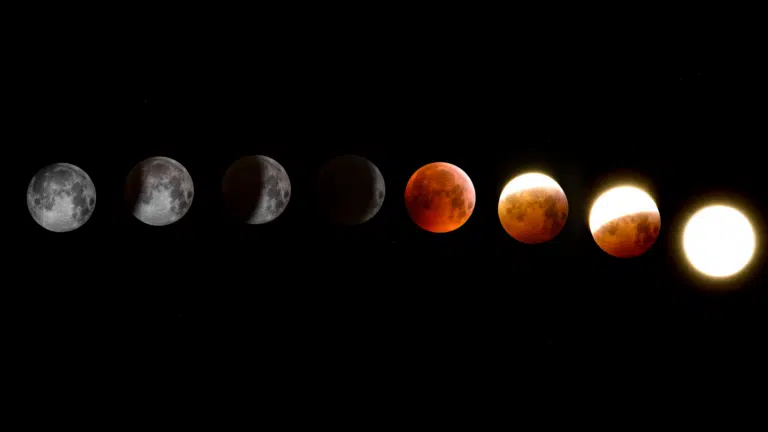
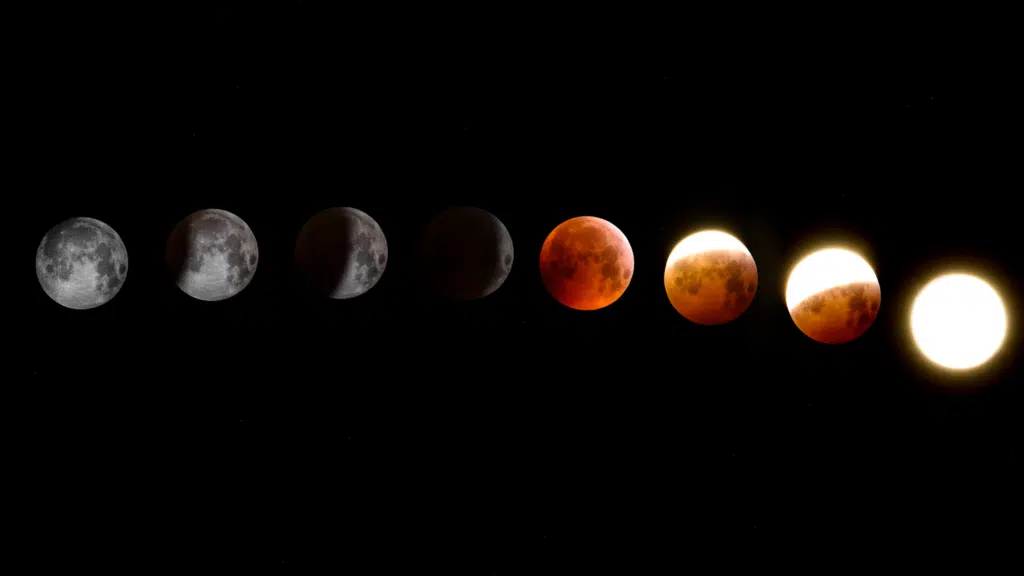
A lunar eclipse happens when the Earth moves between the sun and the moon. This causes Earth’s shadow to fall on the moon. During this time, the moon may turn a reddish color. This is often called a “blood moon.”
There are three types:
- Total lunar eclipse: the moon is fully covered by Earth’s shadow.
- Partial lunar eclipse: only part of the moon is in shadow.
- Penumbral eclipse: the moon moves through the outer part of Earth’s shadow, causing a slight dimming.
Lunar eclipses are safe to watch with the naked eye.
3. Meteor Showers
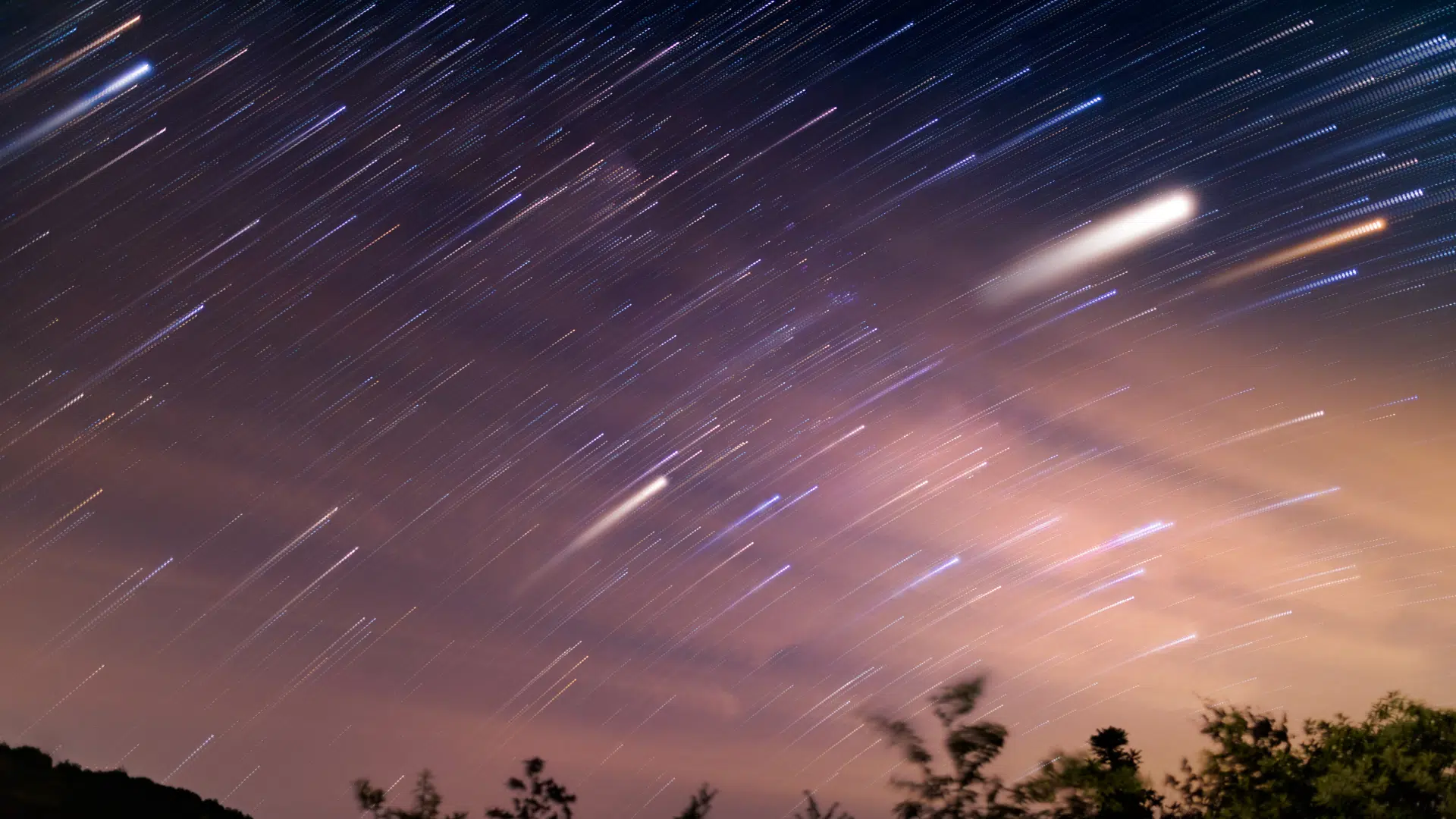
A meteor shower is when many meteors (also called shooting stars) are seen in the sky. These are small rocks or dust burning up in Earth’s atmosphere. Meteor showers happen when Earth passes through debris left by comets.
Famous meteor showers include:
- Perseids in August
- Leonids in November
- Geminids in December
You don’t need a telescope to see them. They are best viewed from dark places away from city lights.
4. Planetary Alignments
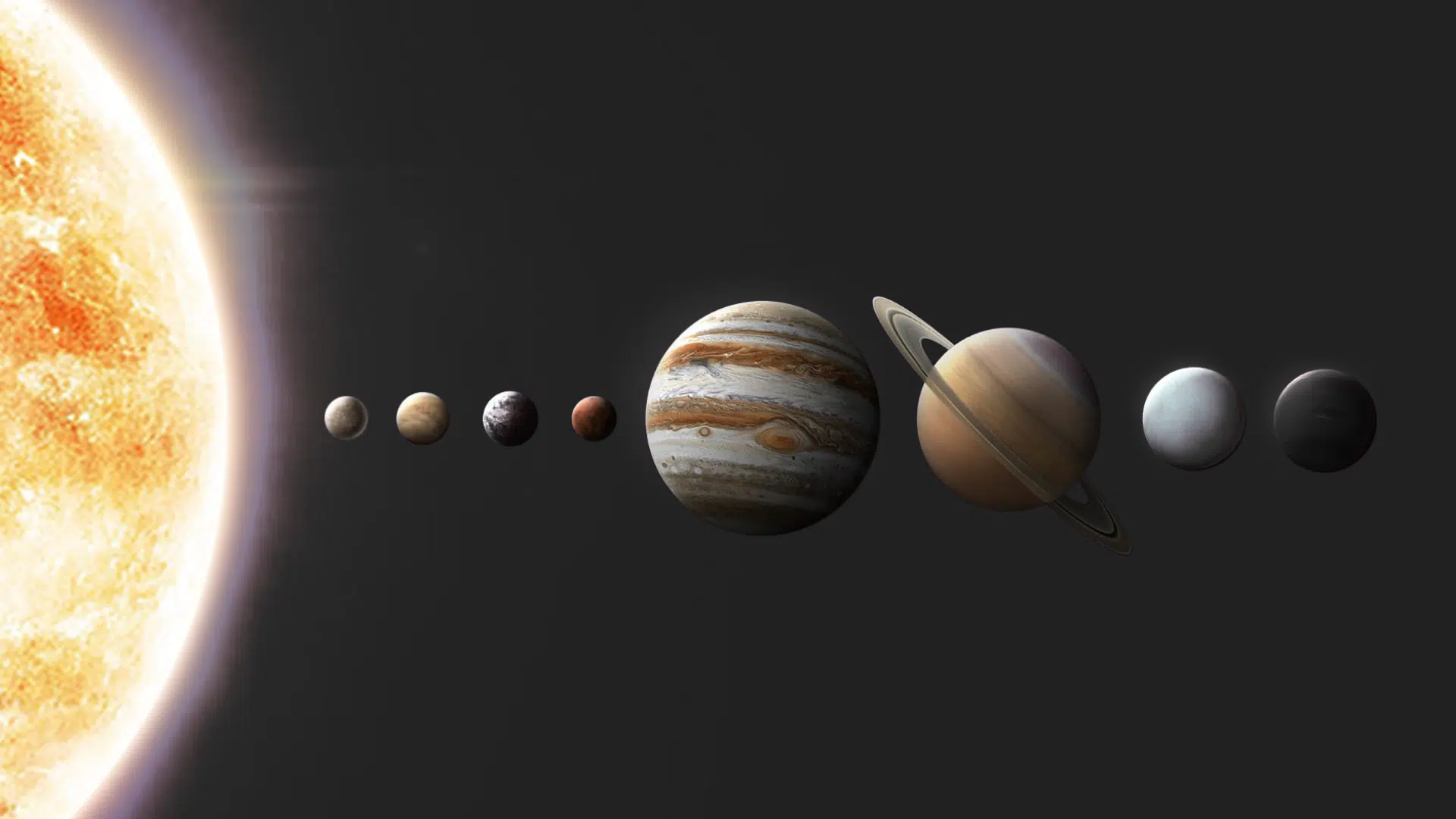
Sometimes, planets line up in the sky. This is called a planetary alignment. It looks like the planets are close together, but they are still far apart in space. These alignments can be seen with the naked eye or a telescope.
In some years, you can see five or more planets in a line. This is rare and exciting for sky watchers.
5. Comets
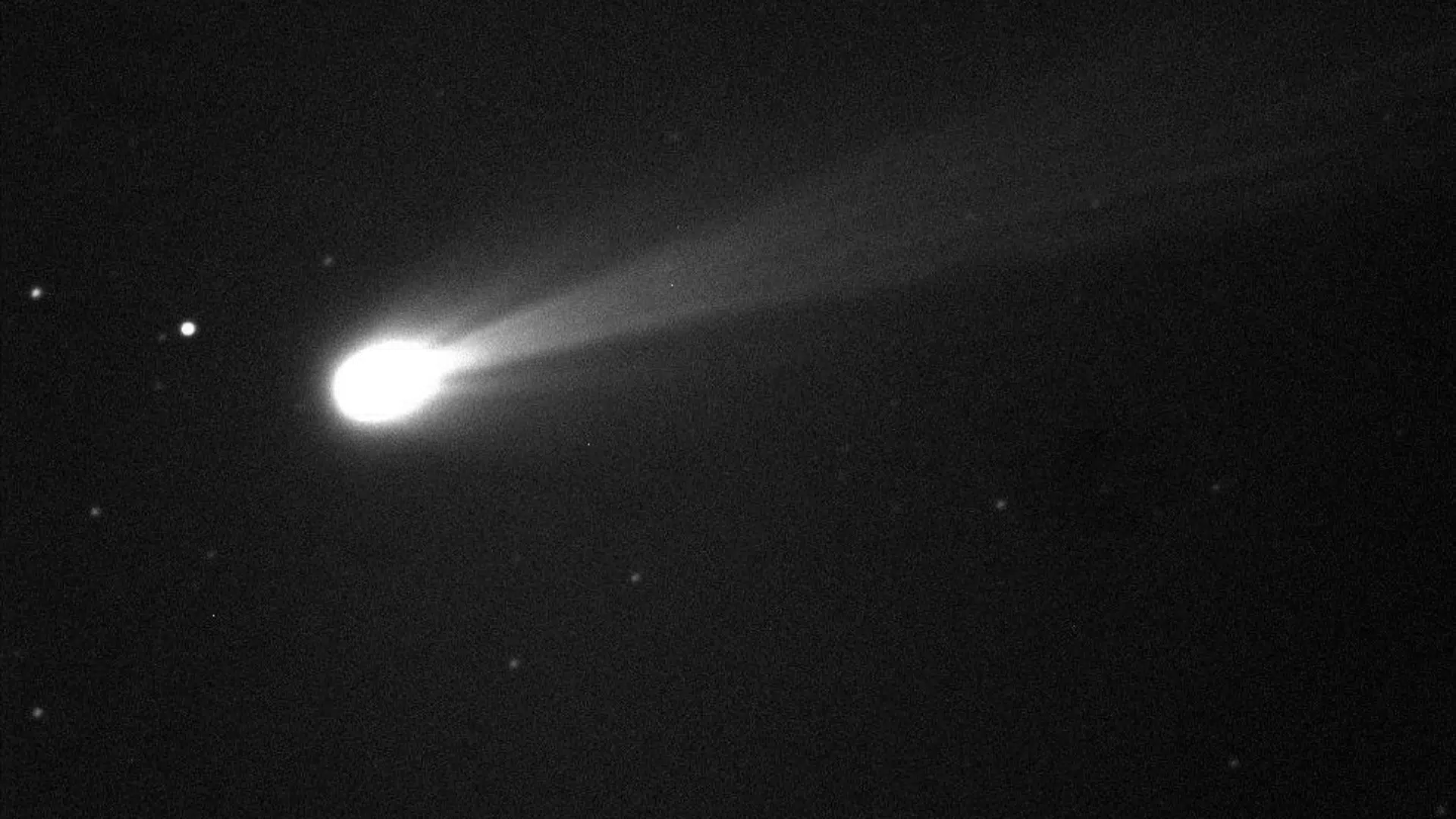
A comet is a ball of ice and dust that travels through space. When a comet comes close to the sun, it heats up and forms a tail. This tail can be seen from Earth if the comet is bright enough.
Some comets come back again and again. Halley’s Comet, for example, appears about every 76 years.
6. Aurora (Northern and Southern Lights)
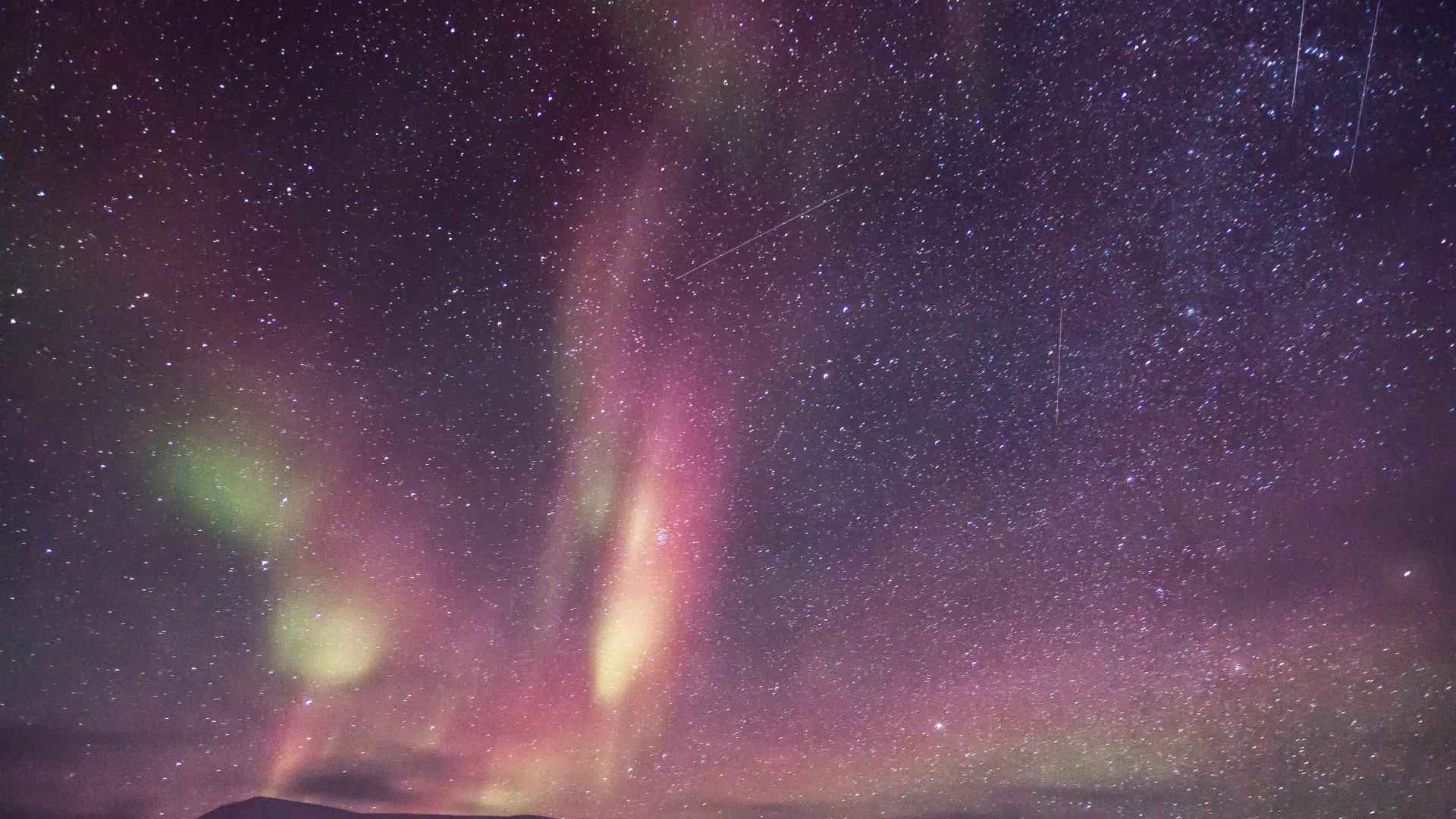
Auroras are lights in the sky that happen near the North and South Poles. They are caused by charged particles from the sun hitting Earth’s atmosphere. These lights move and change shape and color. They can be green, pink, red, or purple.
- Aurora borealis: seen in the north.
- Aurora australis: seen in the south.
They are best seen in winter, in dark and clear skies.
7. Transits
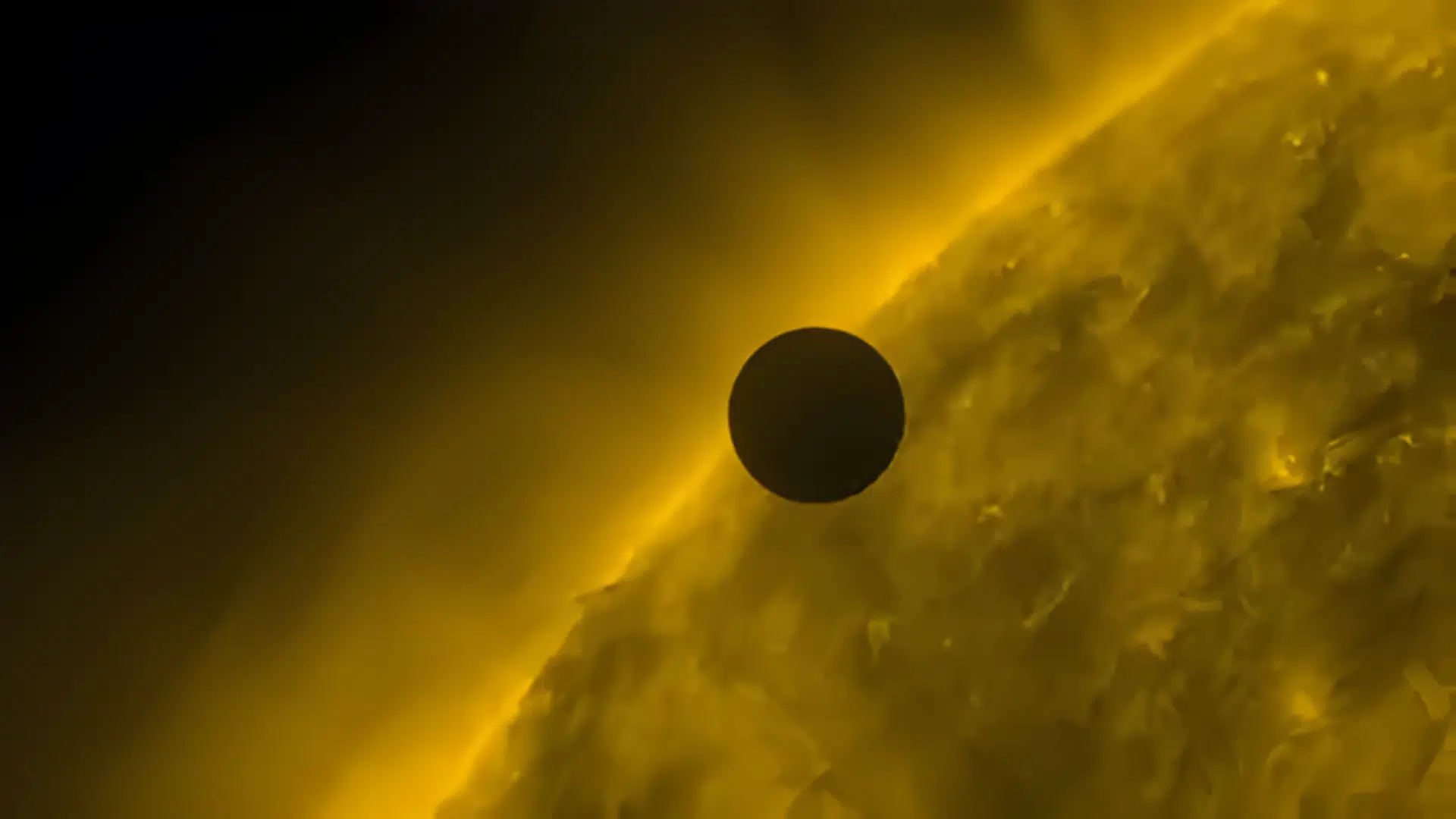
Image Source: Britannica
A transit happens when a smaller object passes in front of a larger one, like when a planet crosses in front of the sun. It looks like a tiny dark spot moving slowly across the bright surface.
A famous example is the Transit of Venus, which is very rare. Transits help scientists learn more about a planet’s size, path, and even its atmosphere.
8. Supermoons
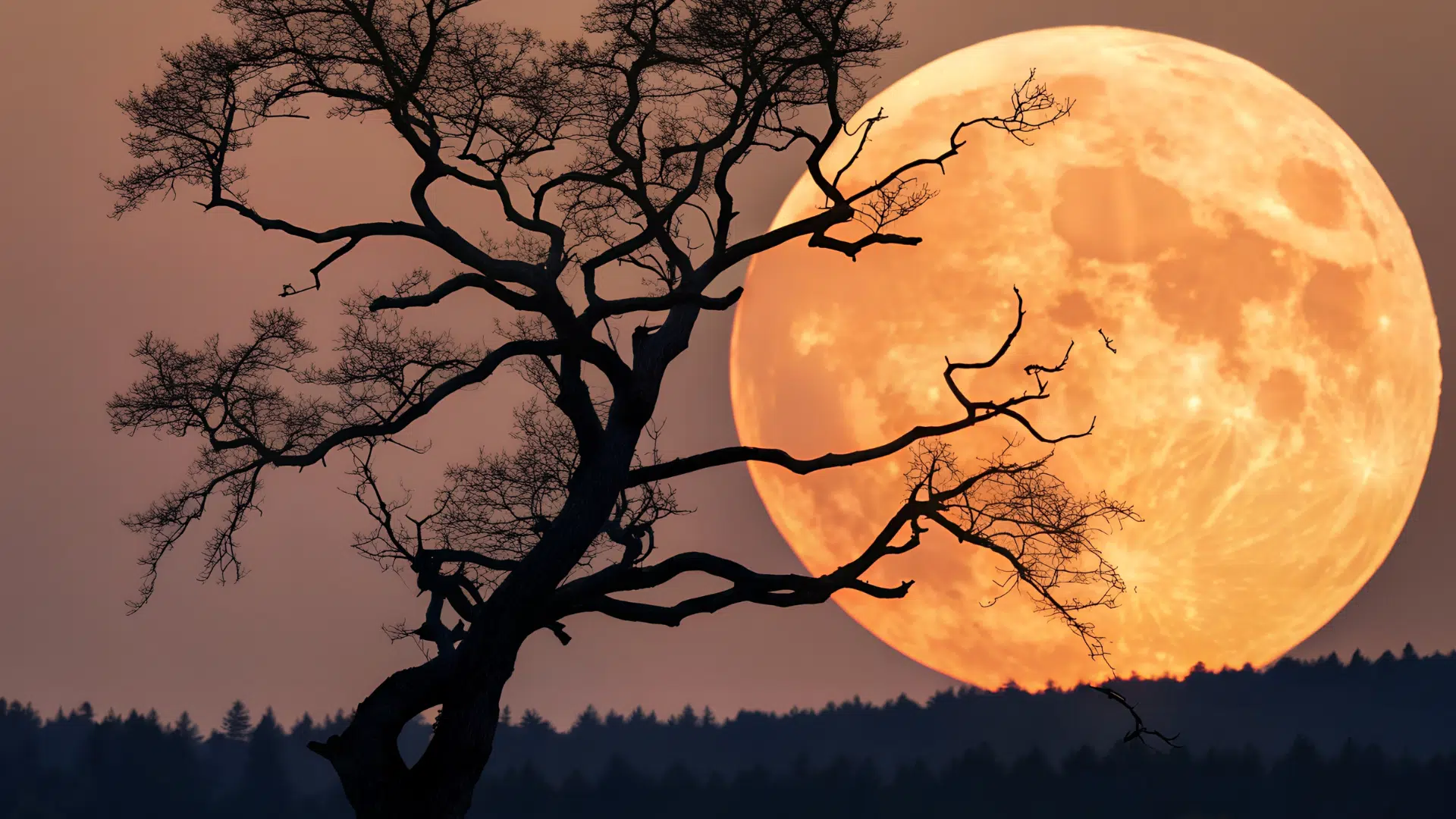
A supermoon happens when a full moon is closer to Earth than usual. This makes the moon look larger and brighter in the sky.
It may seem big when it rises near the horizon. Supermoons happen a few times a year and are easy to spot without any special tools.
9. Blue Moons
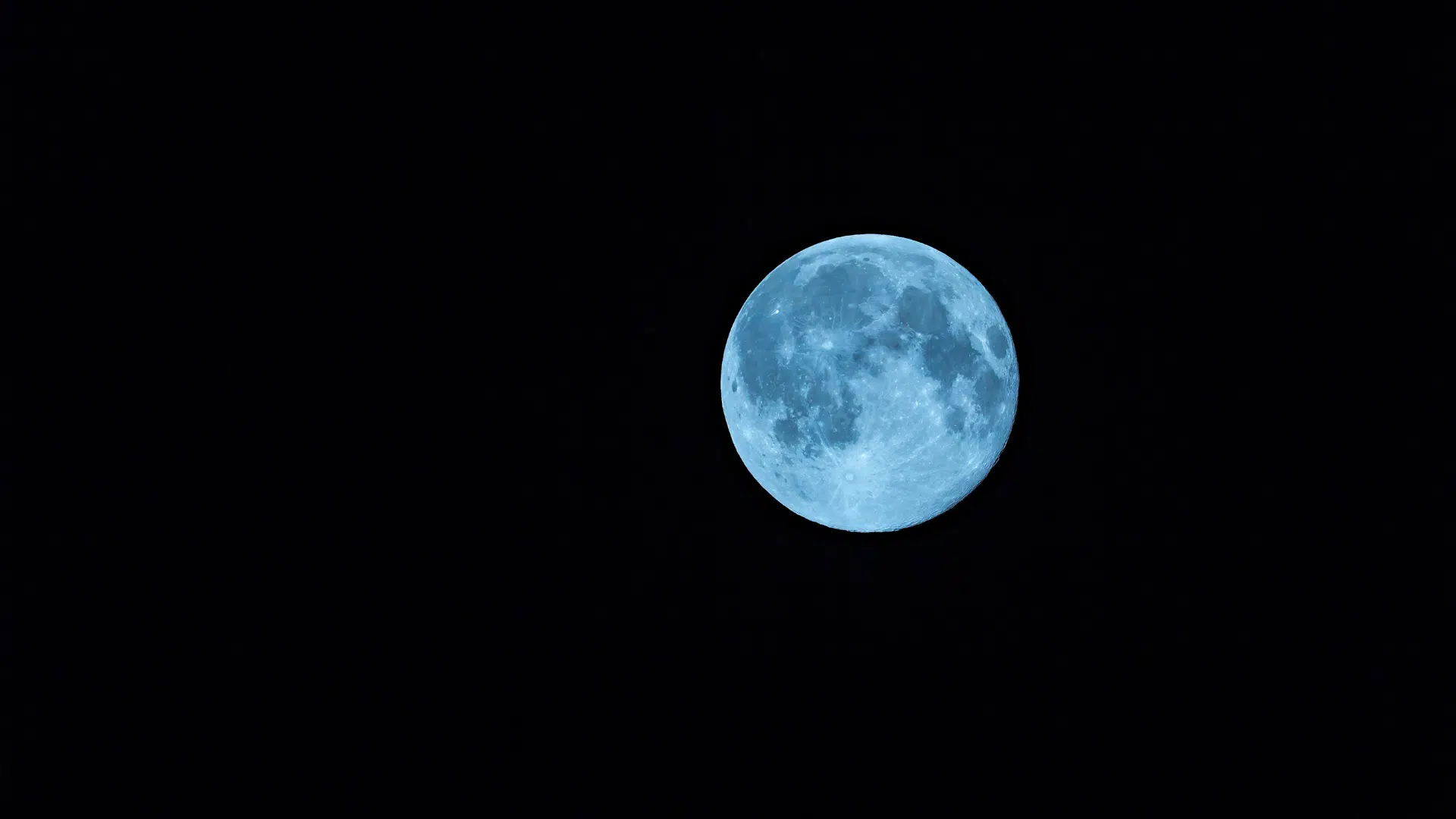
A blue moon is the second full moon in a single calendar month. This doesn’t happen very often, which is why the saying “once in a blue moon” means something rare.
Blue moons can happen every two or three years. They are still regular full moons in terms of brightness and size.
10. Solar and Lunar Halos
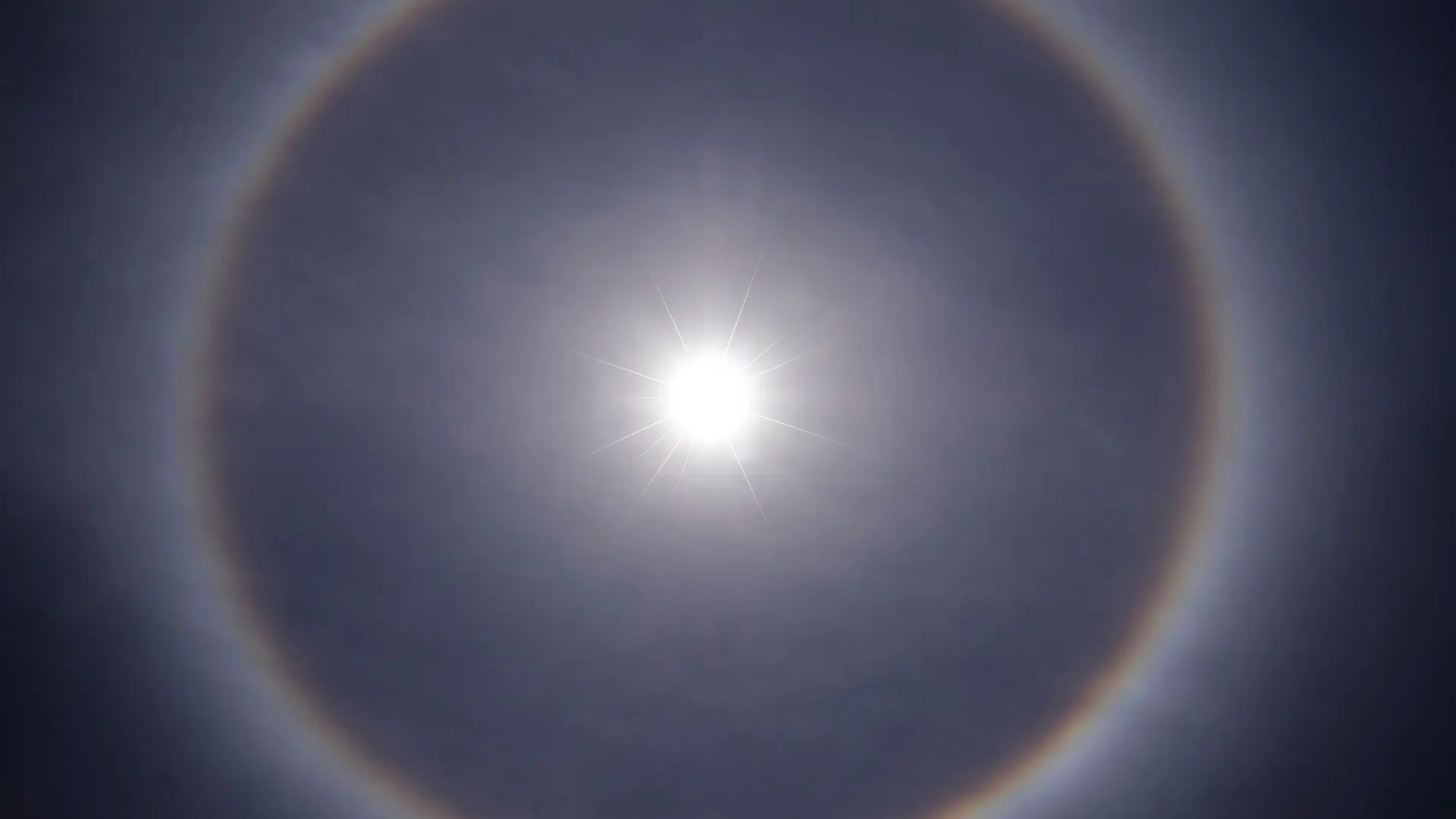
A halo is a bright ring of light that forms around the sun or moon. This happens when sunlight or moonlight passes through tiny ice crystals in thin, high clouds. These crystals bend the light and create a glowing circle.
Halos are usually white but can sometimes show faint rainbow colors. They are most often seen in cold weather and can be a sign that a storm is coming.
11. Star Conjunctions
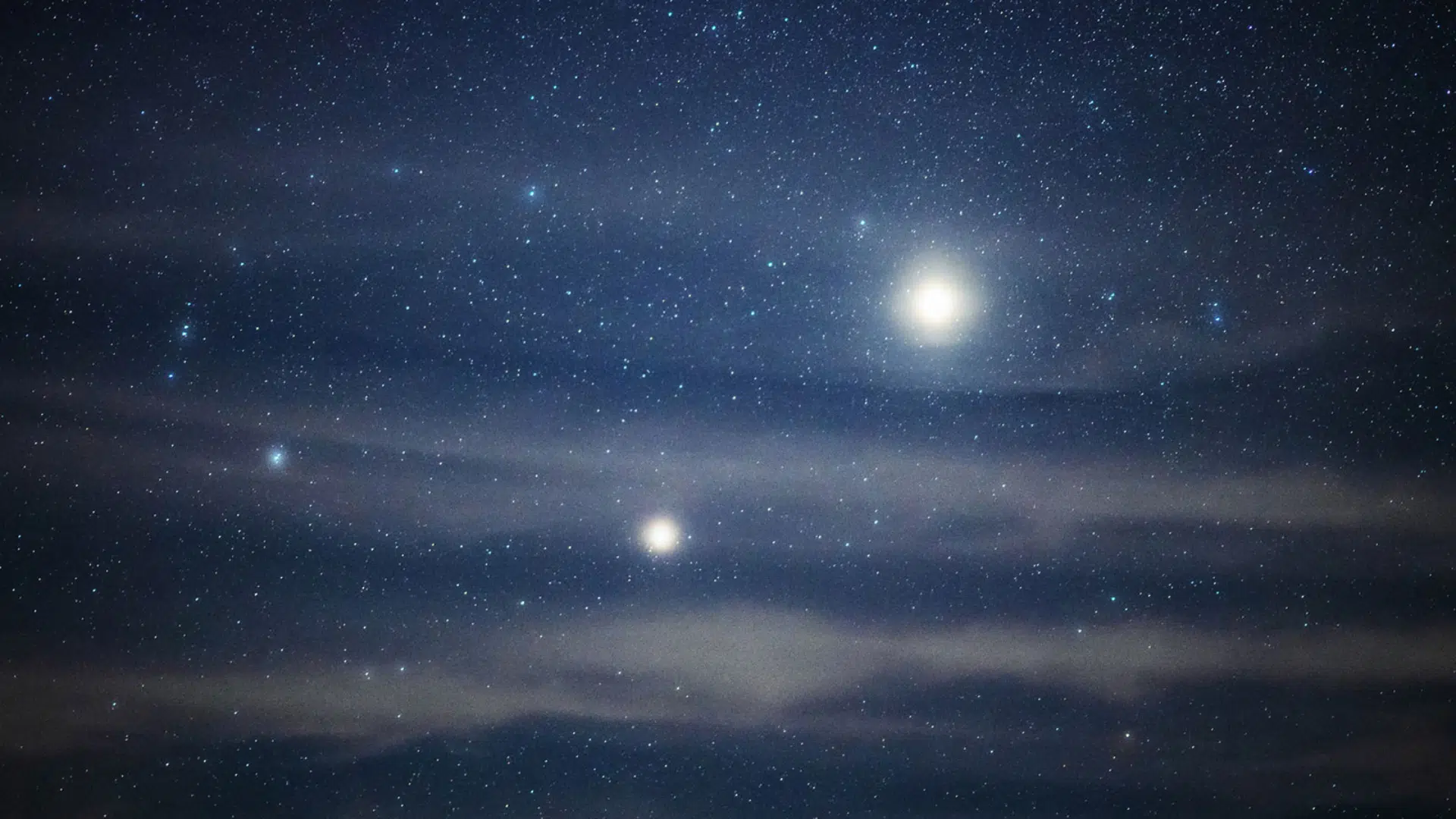
Image Source: Science | HowStuffWorks
A conjunction occurs when two or more bright objects in the sky appear very close together. This can happen between planets, stars, or even the moon. One well-known event is when Jupiter and Saturn came very close in 2020, a rare sight called the “Great Conjunction.”
Even though the objects are still far apart in space, they look side by side from Earth. Conjunctions can often be seen without a telescope and are fun for people of all ages to watch.
How Do Astronomers Study These Events?
Astronomers use many tools to study space events. These include:
- Telescopes: to see faraway stars and planets.
- Satellites: to look at space from above Earth.
- Cameras: to take pictures of rare events.
- Computer models: to predict when events will happen.
Astronomical phenomenon events are often planned for years in advance. Scientists and sky watchers work together to watch and learn from these events.
Fun Facts About Astronomical Phenomena
- The longest total solar eclipse in recent times lasted over 6 minutes.
- The northern lights can sometimes be seen as far south as the United States.
- Halley’s Comet was last seen in 1986 and will return in 2061.
- One of the brightest comets, Comet Hale-Bopp, was visible for 18 months.
- The moon moves away from Earth by about 1.5 inches every year.
Conclusion
Astronomical phenomena remind us that the sky is always changing. These events can be bright, strange, or rare, but they all have meaning.
They help explain how space works and how Earth fits into a much bigger system. Over time, they have shaped ideas, calendars, and even stories across the world.
Today, they continue to inspire learning and wonder. Watching the sky can lead to new questions and a better understanding of our world.
Curious to keep learning? Check out our other posts for more easy guides to science and space.