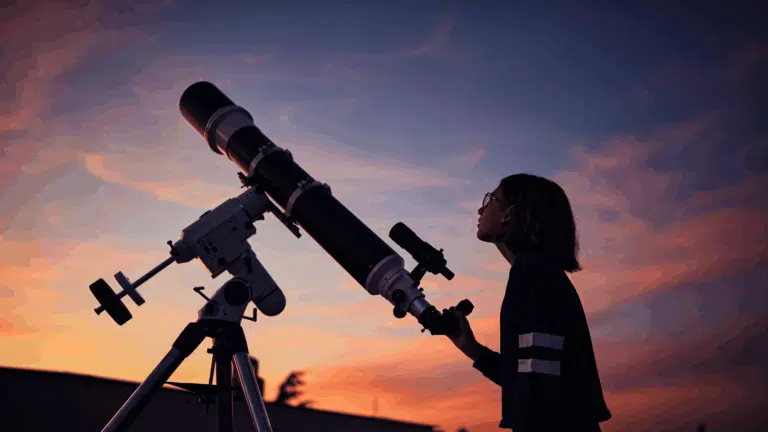

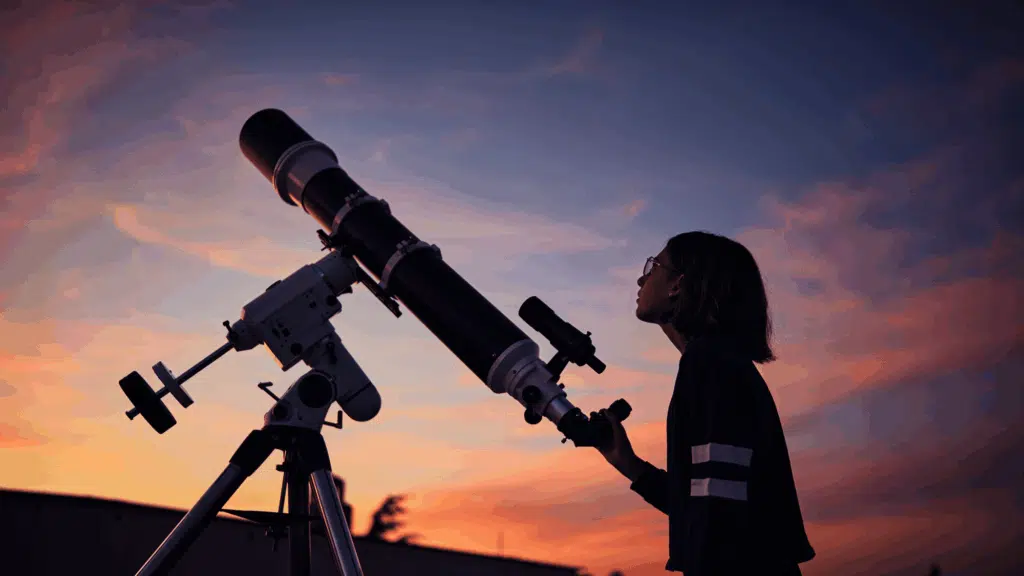
Looking up at the stars can feel like magic for kids. But finding the right telescope? That’s where things get tricky.
Parents want something that won’t break the bank or their child’s enthusiasm. Kids need a telescope that’s easy to use, not a complicated science project. Too many options promise the moon but deliver frustration instead.
There are telescopes designed specifically for young stargazers. These models balance simplicity with real viewing power. They’re sturdy enough to survive curious hands and simple enough to set up without a PhD.
This blog cuts through the confusion. It breaks down what actually matters when choosing a kid’s first telescope and highlights options that deliver real results.
What Makes the Best Telescope for Kids?
The best telescope for kids balances ease of use with real viewing capabilities. It should be durable, simple to set up, and powerful enough to keep young astronomers engaged and excited about exploring the night sky.
- Aperture Size: Larger apertures collect more light, revealing clearer and brighter images of planets, stars, and the moon.
- Magnification Power: Moderate magnification (20x-100x) works best for beginners, avoiding blurry images that frustrate young viewers.
- Mount Type: Alt-azimuth mounts are simpler for kids to operate than equatorial mounts, making tracking objects less complicated.
- Portability: Lightweight designs allow kids to move and set up their telescope independently without adult assistance.
- Durability: Sturdy construction withstands accidental bumps and drops that come with enthusiastic young users.
- Ease of Assembly: Quick setup means less waiting and more time actually observing the night sky.
- Included Accessories: Starter eyepieces, finderscopes, and moon filters enhance the viewing experience right out of the box.
- Focal Length: Shorter focal lengths provide wider fields of view, making it easier to locate and track celestial objects.
Complete List of The Best Telescopes for Kids
This curated list highlights the best telescopes for kids, focusing on ease of use, durability, and learning value. Each option is parent-approved and suitable for beginners under 13.
1. Celestron FirstScope 76
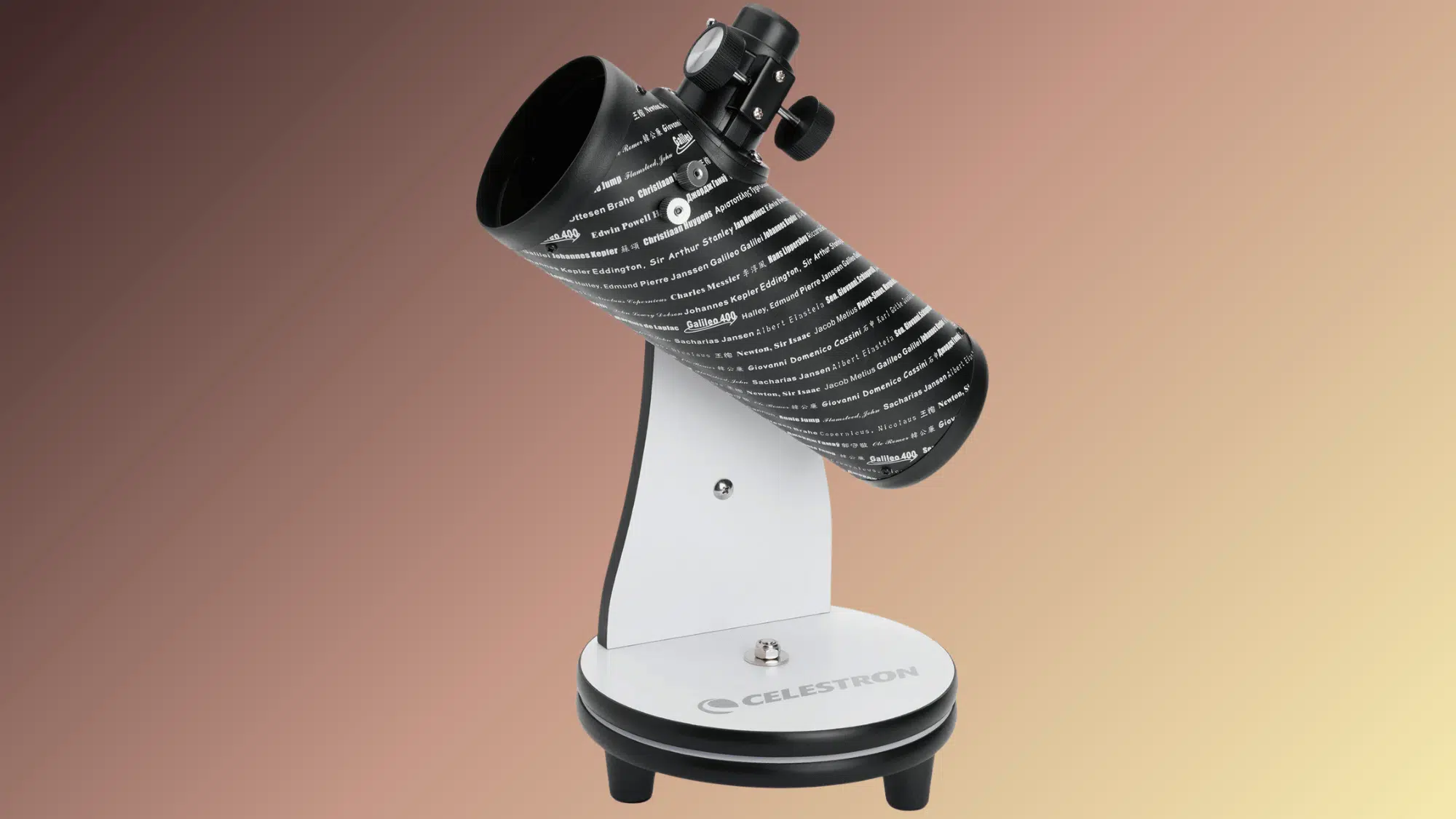
A tabletop Dobsonian telescope designed for simplicity and durability. Parents love it for young kids because it requires no setup, handles rough use well, and delivers impressive lunar and planetary views without complex adjustments.
Specs:
- Optical design: Reflector (Dobsonian)
- Aperture: 76 mm
- Focal length: 300 mm
- Mount type: Tabletop Dobsonian
- Magnification range: Up to 75x
- Best for: Moon, bright planets
- Best for ages:6–10
- Price:~$79–$99
Pros:
- Extremely sturdy tabletop design
- No complicated assembly
- Easy for kids to aim
- Clear lunar views for beginners
Cons:
- Requires a stable table or surface
- Limited deep-sky performance
2. Celestron AstroMaster 70AZ
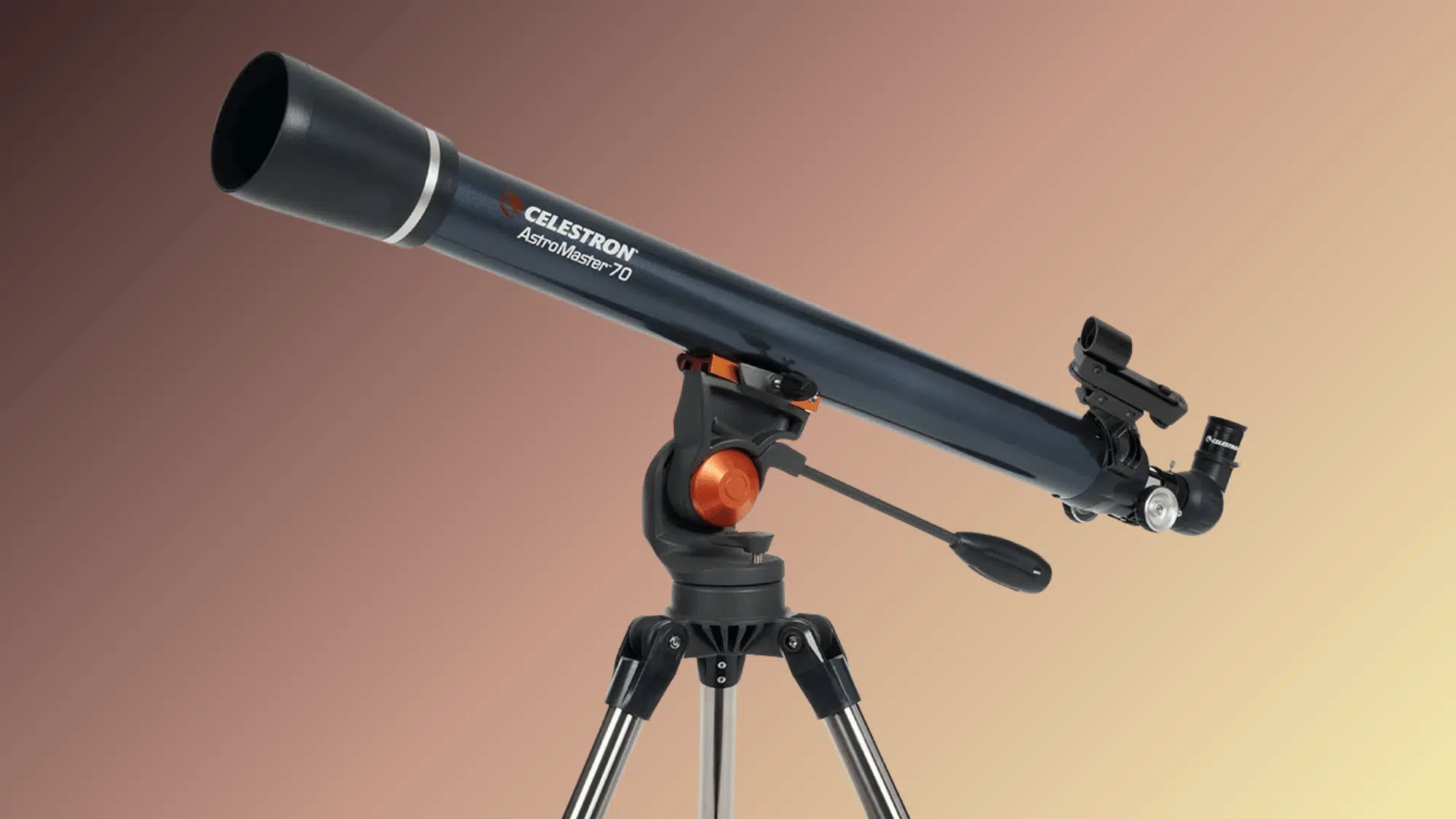
A lightweight refractor telescope that comes mostly pre-assembled, making it ideal for kids and beginners. It provides upright images, which helps children use it for both sky observation and daytime viewing.
Specs:
- Optical design: Refractor
- Aperture: 70 mm
- Focal length: 900 mm
- Mount type: Alt-azimuth tripod
- Magnification range: Up to 165x
- Best for: Moon, planets, landscapes
- Best for ages:8–12
- Price:~$120–$160
Pros:
- Upright image for easier viewing
- Minimal assembly required
- Good planetary detail for size
- Adjustable tripod height
Cons:
- Tripod stability can be average
- Higher magnification may reduce image clarity
3. Celestron Travel Scope 70
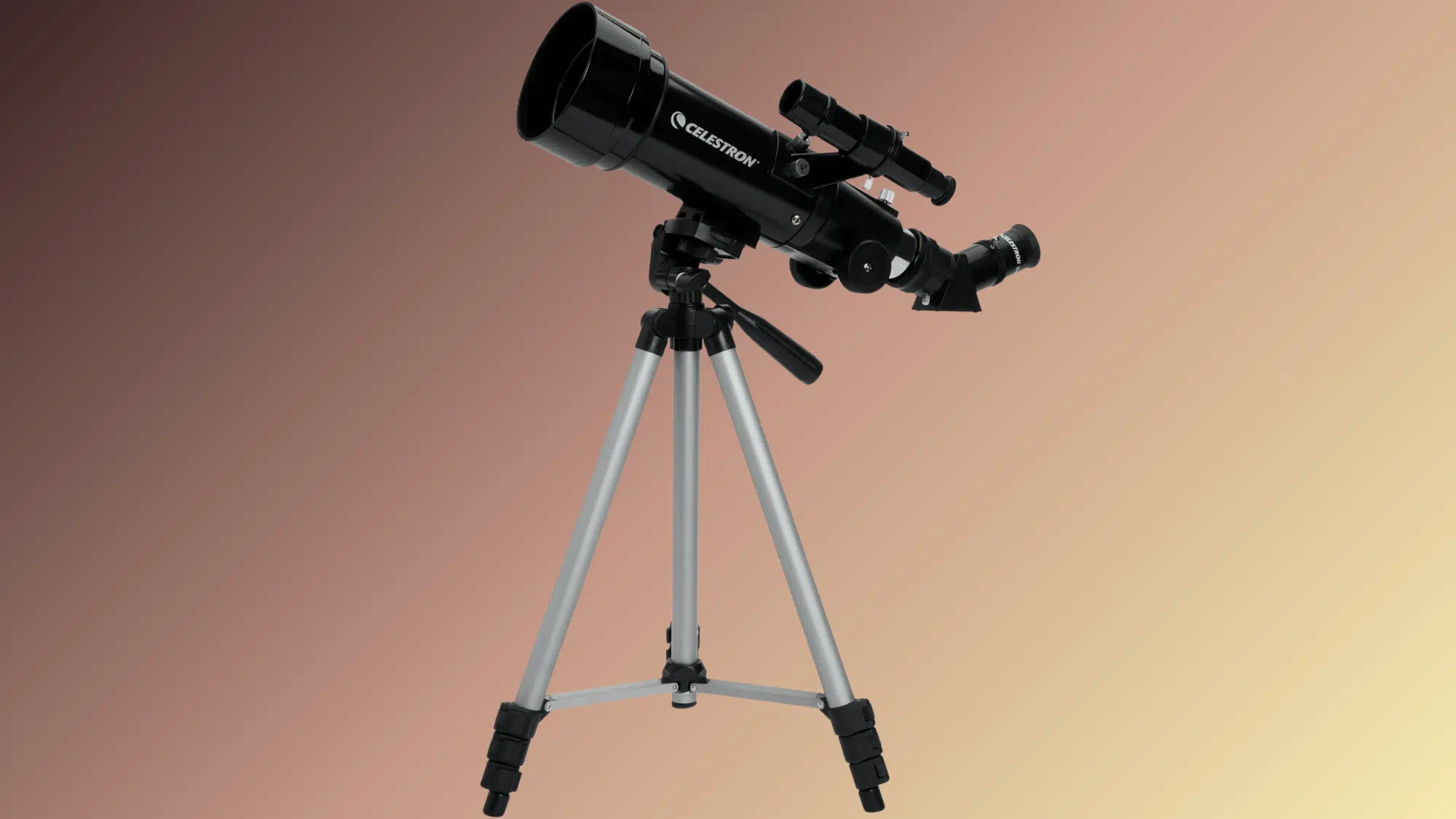
This portable refractor telescope is designed for families on the go. It includes a backpack and simple accessories, making it easy for kids to set up, pack, and use with minimal adult assistance.
Specs:
- Optical design: Refractor
- Aperture: 70 mm
- Focal length: 400 mm
- Mount type: Alt-azimuth tripod
- Magnification range: Up to 168x
- Best for: Moon, planets, travel use
- Best for ages:7–12
- Price:~$100–$140
Pros:
- Highly portable with a carrying case
- Quick setup
- Wide field of view
- Lightweight for kids
Cons:
- A tripod may feel lightweight
- Not ideal for faint deep-sky objects
4. ToyerBee 70mm Portable Refractor
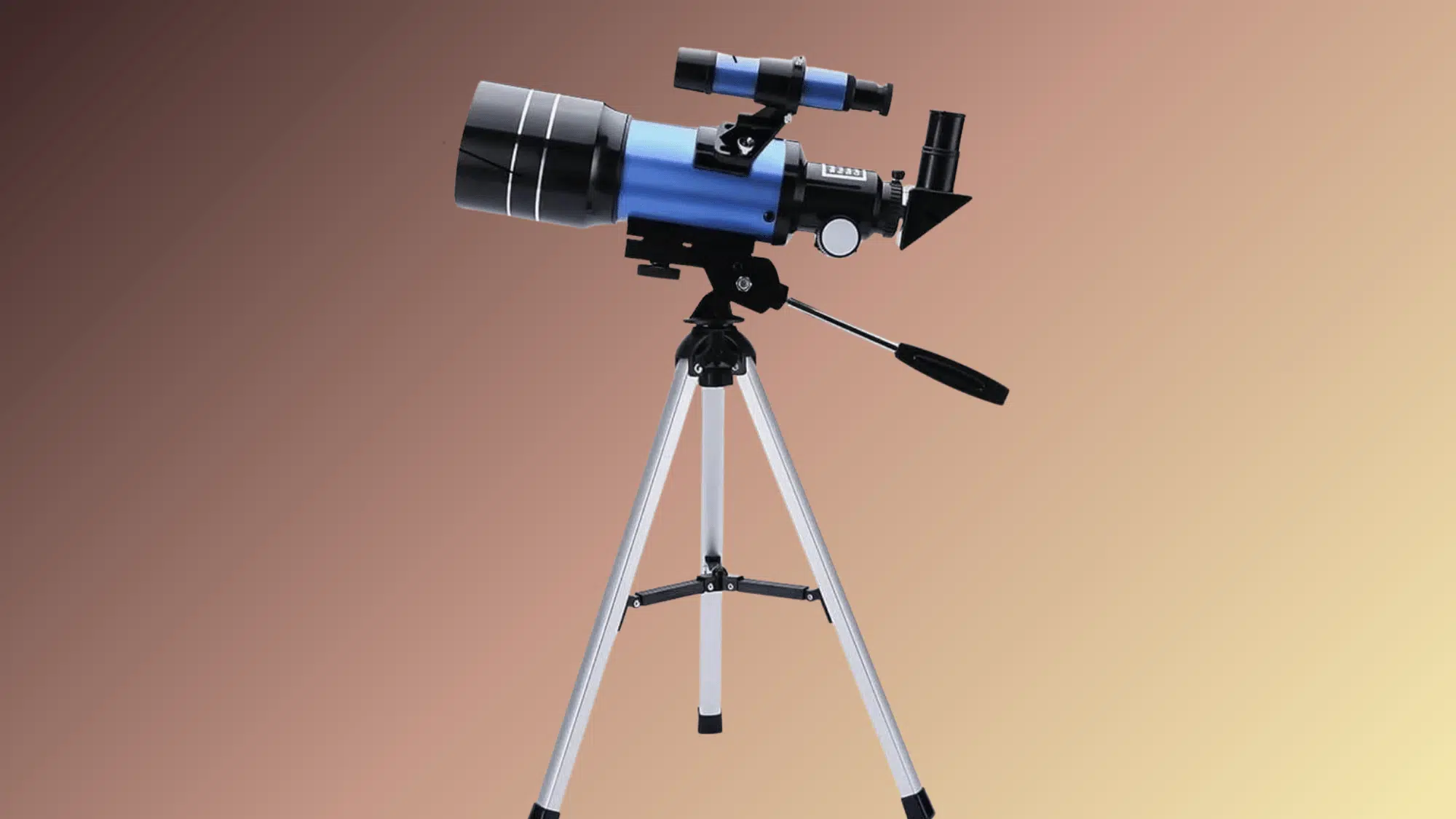
A budget-friendly telescope that appeals to kids thanks to its colorful design and easy setup. Parents appreciate the included phone adapter, which allows children to capture simple photos of the Moon.
Specs:
- Optical design: Refractor
- Aperture: 70 mm
- Focal length: 300 mm
- Mount type: Alt-azimuth tripod
- Magnification range: Up to 150x
- Best for: Moon, beginner astronomy
- Best for ages:7–11
- Price:~$70–$110
Pros:
- Affordable entry price
- Smartphone adapter included
- Simple controls
Cons:
- Optical quality may vary
- Tripod stability is limited
- Considered toy-grade by some astronomy reviewers
Disclaimer: This model is often marketed toward kids, but many astronomy reviewers consider them toy-grade for serious sky viewing.
5. NASA Lunar Telescope for Kids
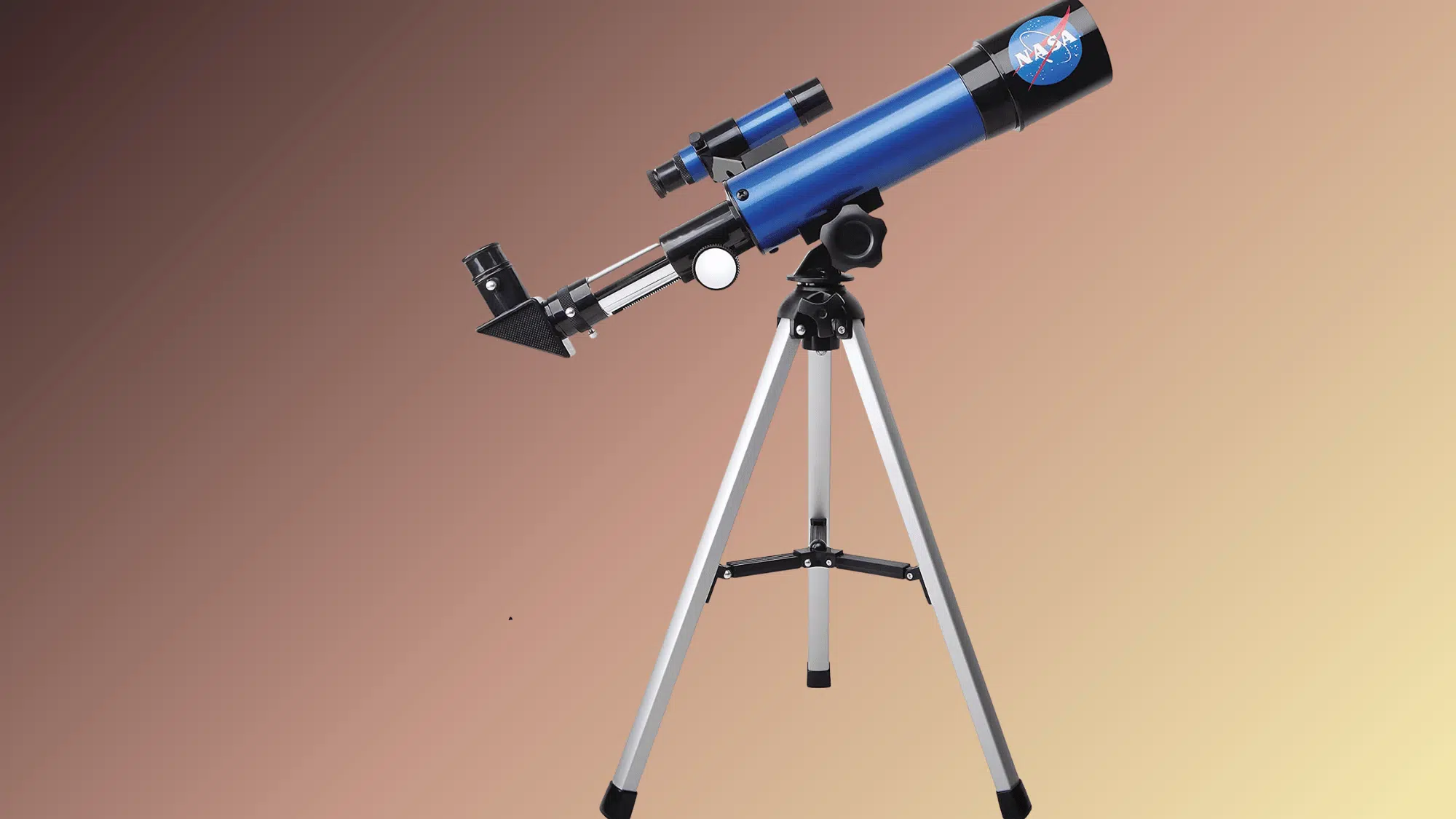
This compact refractor is designed mainly for lunar viewing and young beginners. The themed design attracts children, while the low-power optics ensure safe, comfortable viewing with minimal adjustment.
Specs:
- Optical design: Refractor
- Aperture: 50 mm
- Focal length: 360 mm
- Mount type: Tabletop / small tripod
- Magnification range: Up to 90x
- Best for: Moon observation
- Best for ages:6–9
- Price:~$50–$80
Pros:
- Lightweight and easy to handle
- Themed design appeals to kids
- Simple operation
Cons:
- Limited aperture for detailed viewing
- Basic build quality
- Primarily suited for lunar use only
6. Educational Insights GeoSafari Jr. My First Telescope
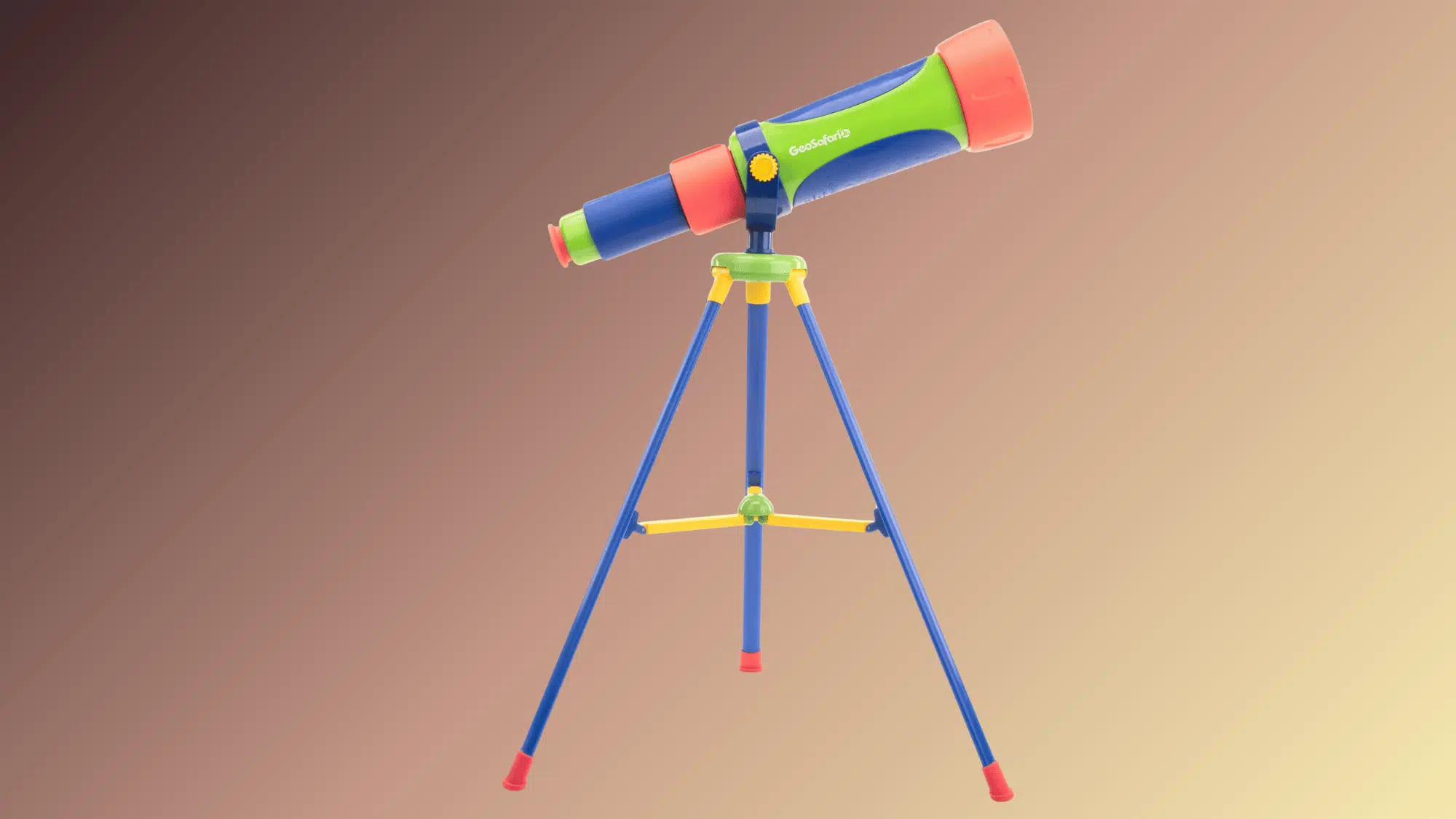
Designed specifically for very young children, this handheld telescope is nearly indestructible. It introduces basic sky viewing concepts in a fun, frustration-free way for ages 3 to 7.
Specs:
- Optical design: Handheld refractor
- Magnification: 20x
- Lens diameter: 50 mm
- Mount type: Handheld
- Material: Child-safe plastic
- Best for: Early learning
- Best for ages:3–7
- Price:~$35–$50
Pros
- Extremely durable
- Very easy for small hands
- No setup required
- Great for introducing astronomy
Cons
- Limited magnification
- Not suitable for detailed planetary viewing
Disclaimer: These models are often marketed toward kids, but many astronomy reviewers consider them toy-grade for serious sky viewing.
7. MaxUSee Kids Telescope 400x40mm
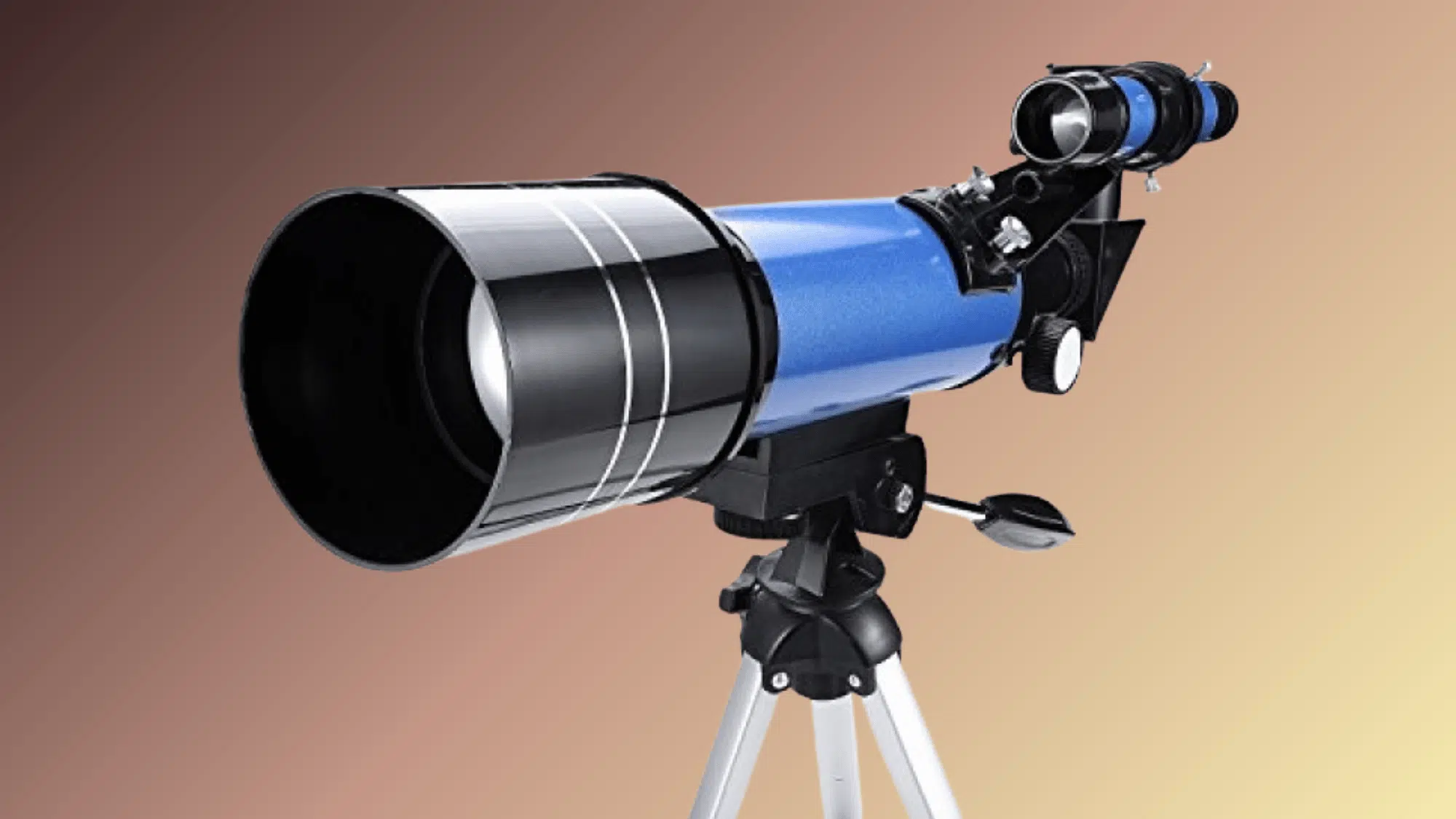
An affordable entry-level telescope with beginner-friendly accessories. It includes an LED finder and moon filter, helping kids locate objects easily while reducing glare during lunar viewing.
Specs:
- Optical design: Refractor
- Aperture: 40 mm
- Focal length: 400 mm
- Mount type: Tripod
- Magnification range: Up to 400x (advertised)
- Best for: Moon, basic astronomy
- Best for ages:7–11
- Price:~$60–$90
Pros
- Low price point
- Includes moon filter
- Simple beginner package
Cons
- Small aperture limits brightness
- Lightweight tripod
8. Celestron Inspire 100AZ
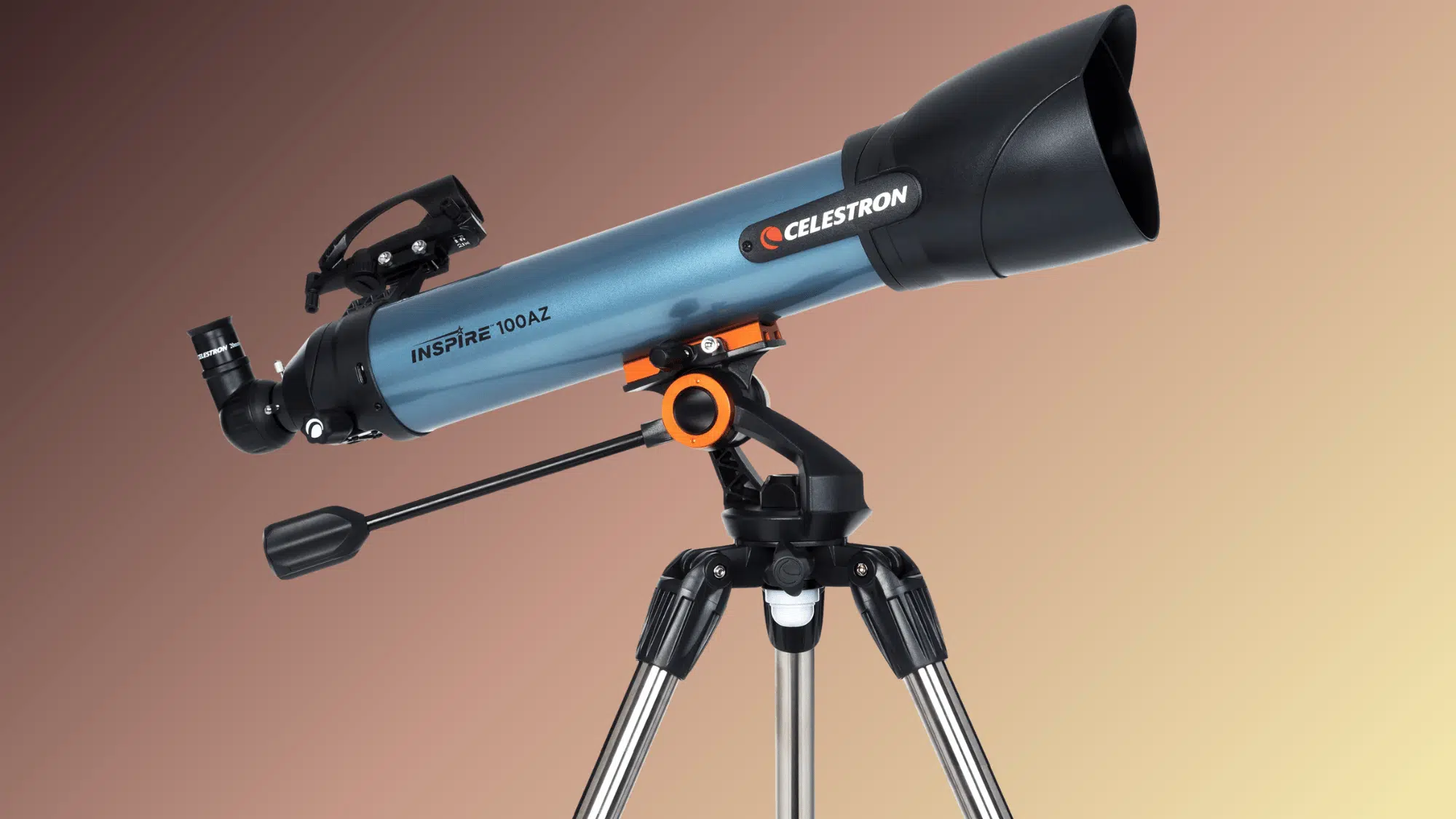
A more advanced refractor telescope suitable for older kids with parental guidance. It features a sturdy build, bright optics, and a smartphone adapter for simple astrophotography attempts.
Specs:
- Optical design: Refractor
- Aperture: 100 mm
- Focal length: 660 mm
- Mount type: Alt-azimuth tripod
- Magnification range: Up to 240x
- Best for: Moon, planets
- Best for ages:10–14
- Price:~$250–$320
Pros:
- Larger aperture for brighter images
- Sturdy build
- Smartphone adapter included
- Long-term growth telescope
Cons:
- Heavier than beginner models
- Higher cost
- Requires some guidance for setup
9. Educational Insights GeoSafari Vega 360
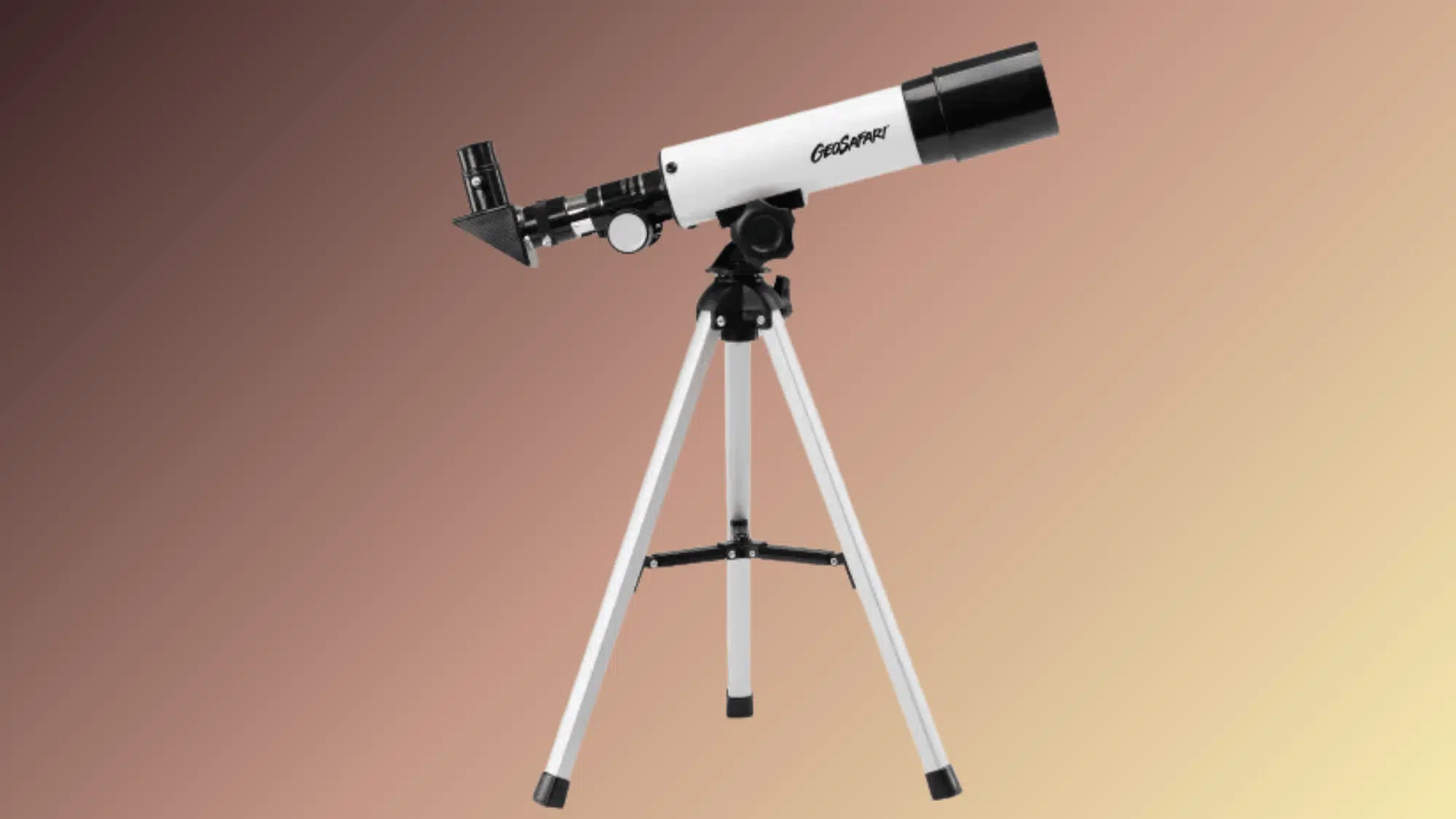
A tabletop telescope with a full 360-degree rotating base, designed for durability and ease of use. It focuses on simple celestial viewing and works well for kids who prefer sturdy, stationary designs.
Specs:
- Optical design: Reflector
- Aperture: 76 mm
- Mount type: Tabletop rotating base
- Magnification range: Up to 100x
- Build: Kid-proof construction
- Best for: Moon, bright stars
- Best for ages:6–10
- Price:~$80–$120
Pros:
- Durable construction
- Smooth 360-degree rotation
- Stable tabletop design
Cons:
- Requires a stable surface
- Limited deep-space capability
Common Mistakes Parents Make When Buying a Telescope for Kids
Many parents make avoidable errors when selecting telescopes. These mistakes often lead to disappointed kids, wasted money, and abandoned equipment gathering dust.
1. Choosing Magnification Over Aperture: Parents focus on high magnification numbers instead of aperture size, resulting in blurry, dim images.
2. Buying Department Store Telescopes: Cheap plastic models from toy sections rarely deliver actual viewing quality despite attractive packaging.
3. Ignoring Age-Appropriate Features: Complex telescopes with advanced features overwhelm younger children and kill their initial enthusiasm quickly.
4. Skipping Refractor Models: Many overlook refractor telescopes, which are often more user-friendly and require less maintenance than reflectors.
5. Not Considering Storage and Portability: Heavy, bulky telescopes stay in garages because kids can’t move or set them up independently.
The Bottom Line
Getting kids started with stargazing doesn’t require breaking the bank or buying professional equipment. The right telescope opens doors to curiosity, learning, and countless nights of wonder.
Remember that simpler often beats fancier for young astronomers. A telescope they can actually use will spark more interest than an expensive model collecting dust.
The night sky isn’t going anywhere, but childhood enthusiasm can fade quickly with the wrong tools.
Start with quality basics that match their age and skill level. Once they’ve caught the astronomy bug, there’s always time to upgrade later.