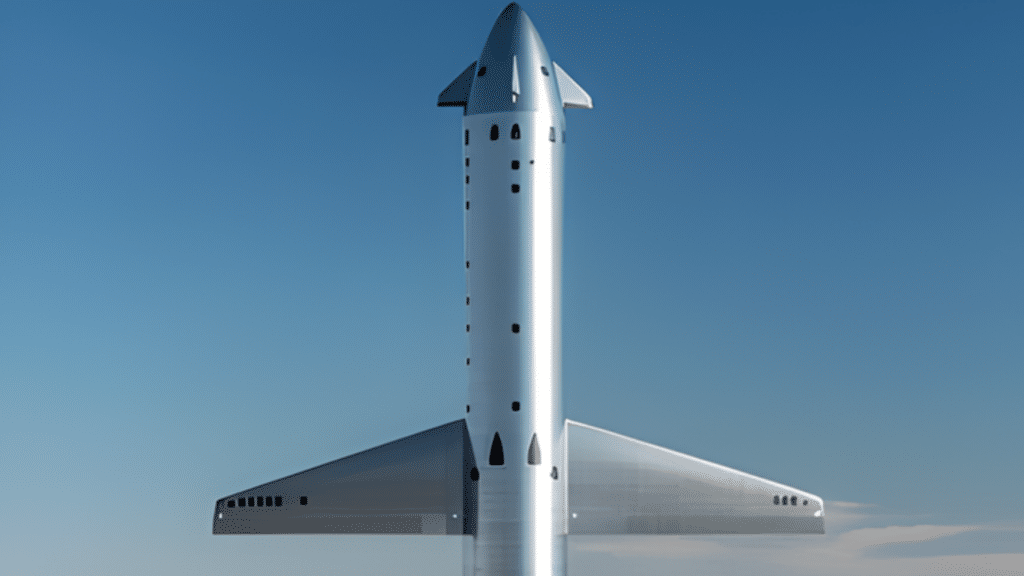
SpaceX continues to push forward with its next-generation rocket system. The upcoming Starship V3 has gained strong attention from space watchers, engineers, and industry analysts.
Many people want clear information about when this new version may launch and what the testing schedule could look like.
Each new Starship version represents another step in the company’s long-term goals for deep space travel. As development moves ahead, interest in the next launch continues to grow.
This guide explains the key things readers should know about the planned Starship V3 launch and the expected timeline ahead.
What is SpaceX Starship V3?
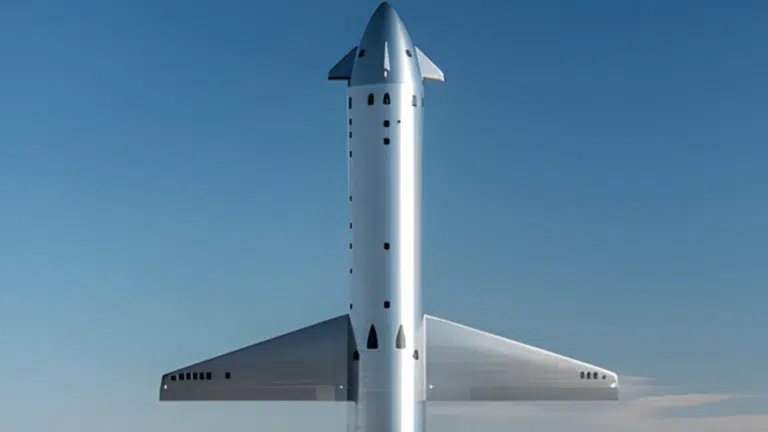
Starship V3 is the next planned version of SpaceX’s fully reusable rocket system. The Starship program is designed to carry large payloads into orbit and support future missions to the Moon and Mars.
The system consists of two main components:
- The Super Heavy booster, which provides the thrust needed for liftoff.
- The Starship spacecraft, which continues the journey once the rocket reaches space.
SpaceX develops Starship through continuous testing and upgrades. Each version of the vehicle incorporates improvements based on lessons from earlier launches and ground tests.
Starship V3 is expected to include engineering refinements that improve performance, reliability, and payload capacity, helping move the program closer to routine heavy-lift space missions.
Starship V3 Launch Date and Expected Timeline
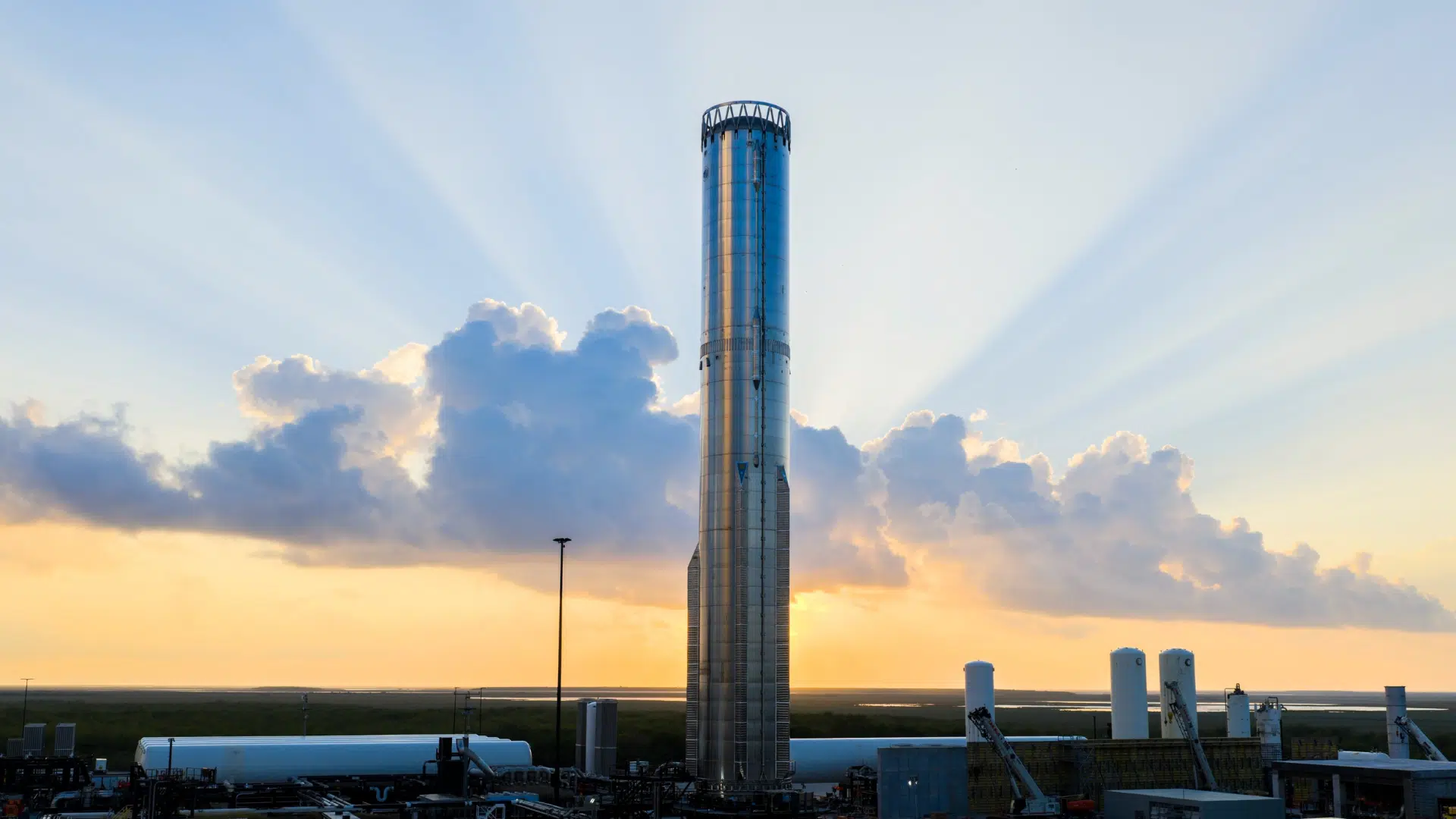
Image Source: Space
Interest in Starship V3 is largely centered on its launch schedule. SpaceX rarely announces fixed dates far in advance because rocket development often requires adjustments after testing.
Recent reports suggest the first Starship V3 flight could occur as early as mid-March 2026, during the next integrated Starship test mission known as Flight Test 12. This launch is expected to debut the upgraded V3 design and its new Raptor 3 engines.
The exact date will depend on vehicle readiness, final testing, and regulatory approval before launch.
Expected Launch Window for Starship V3
The first launch of Starship V3 will likely occur after several important development milestones are completed. These include engine testing, structural verification, and integrated vehicle tests.
A simplified view of the expected timeline may look like this:
| Development Phase | Purpose |
|---|---|
| Prototype construction | Building updated Starship V3 vehicles |
| Engine qualification | Testing Raptor 3 engine performance |
| Ground testing | Pressure tests and static fire tests |
| Integrated launch attempt | First flight test of Starship V3 |
If these steps progress smoothly, the first V3 launch could take place during the next major round of Starship test missions.
Factors That Can Affect the Starship V3 Launch Date
Rocket launches are influenced by many factors. Even a small technical issue can delay a mission until engineers confirm that every system is operating correctly.
Common causes of launch schedule adjustments include:
- Additional engineering tests
- Weather conditions at the launch site
- Launch license approval from regulators
- Hardware modifications discovered during testing
- Safety reviews following earlier flight tests
Because Starship remains under active development, the Starship V3 launch schedule may shift several times before the rocket completes its first flight.
Starship V3 Launch Location
SpaceX conducts Starship launches from Starbase, its launch complex near Boca Chica in South Texas. This facility was developed specifically for Starship testing and large-scale rocket operations.
Starbase includes several major facilities that support the launch system:
- Large assembly buildings where Starship vehicles are constructed
- Engine testing areas used for Raptor engine development
- Launch towers are designed to support the rocket during liftoff
- Propellant storage tanks for liquid methane and liquid oxygen
The launch tower plays a particularly important role. It is designed not only to support launches but also to catch the returning Super Heavy booster, which could allow SpaceX to reuse rockets more quickly between flights.
How Starship V3 Will Be Tested in Flight
SpaceX conducts Starship launches as integrated flight tests, where both the Super Heavy booster and the Starship spacecraft are launched together to evaluate the system under real flight conditions.
Each mission is designed to test specific components, collect engineering data, and guide improvements for future versions of the rocket.
The first appearance of Starship V3 may occur during a future mission, often referred to as Flight Test 12, although the numbering could change as development continues.
This mission is expected to focus on verifying the performance of the upgraded vehicle and its new hardware systems.
During the launch, engineers will closely monitor several critical phases of the mission:
- Engine ignition and liftoff performance
- Booster separation from the Starship spacecraft
- Vehicle stability during ascent through the atmosphere
- Performance of the upgraded Raptor 3 engines
- Telemetry and sensor data collected during flight
Thousands of sensors across the rocket measure factors such as temperature, structural stress, fuel pressure, and aerodynamic forces.
Even if a test flight does not complete every objective, the data collected can help engineers refine the design and improve the next version of the Starship system.
Major Upgrades in Starship V3
Starship V3 is expected to include several upgrades that improve efficiency, reliability, and payload capability. These changes reflect lessons learned during earlier Starship test flights.
Raptor 3 Engines
The most important upgrade involves the Raptor 3 engine, the newest generation of SpaceX’s methane-fueled rocket engine.
Improvements may include:
- Higher thrust output
- Simplified plumbing and engine structure
- Lower manufacturing complexity
- Improved thermal performance
These engines power both the Super Heavy booster and the Starship spacecraft.
Increased Payload Capacity
One of Starship’s defining features is its enormous payload capability. The rocket is expected to carry over 100 metric tons to low Earth orbit, which is significantly more than many existing launch vehicles.
Benefits of this capacity include:
- Launching large spacecraft in a single mission
- Delivering heavy equipment to the Moon
- Deploying large satellite constellations
- Reducing the total number of launches needed for major missions
Structural Improvements
Engineers are constantly refining Starship’s structure to increase efficiency. Even small reductions in mass can significantly improve rocket performance.
Potential improvements include:
- Revised internal structures
- Simplified fuel plumbing
- Updated heat shield tile designs
- More efficient tank construction
These changes can improve reliability while lowering production costs.
Comparison of Starship Versions
The Starship program has evolved through several major design stages.
| Feature | Starship V1 | Starship V2 | Starship V3 |
|---|---|---|---|
| Engine version | Early Raptor engines | Upgraded Raptor engines | Raptor 3 engines |
| Payload capacity | Limited testing stage | Improved performance | Potentially 100+ tons to orbit |
| Structural design | Early prototype structures | Refined structure | Further optimized design |
| Development focus | Basic flight testing | Orbital capability testing | Performance and reliability improvements |
Starship V3 Pre-Launch Testing
Before a Starship vehicle can launch, it must pass several ground tests that verify the rocket’s structure, engines, and onboard systems under realistic conditions.
Engineers first evaluate prototype vehicles to confirm that new hardware upgrades and design changes function correctly.
These vehicles undergo a series of integrated tests to ensure that all major systems operate as expected before flight.
Key testing steps typically include:
- Structural inspections to verify the strength of the rocket’s tanks and frame
- Fuel system testing to confirm proper propellant flow and pressure levels
- Engine integration tests to ensure Raptor engines operate correctly within the vehicle
- Avionics verification to test onboard flight computers and control systems
- Cryogenic tests, where tanks are filled with extremely cold propellant to simulate launch conditions
- Static fire tests, during which engines ignite briefly while the rocket remains secured to the launch pad
If these tests are successful, the vehicle moves closer to final launch readiness.
Importance of the Starship V3 Launch
The Starship V3 launch marks an important step in the development of SpaceX’s next-generation heavy-lift rocket. Key reasons the mission matters include:
- Advancing reusable rocket technology: Starship is designed to be fully reusable, including both the Super Heavy booster and the spacecraft, which could significantly lower launch costs.
- Improving heavy-lift launch capability: Starship V3 is expected to carry extremely large payloads to orbit, supporting major satellite deployments and scientific missions.
- Supporting future Moon missions: NASA plans to use a modified Starship as a lunar lander for the Artemis program.
- Advancing long-term Mars exploration plans: SpaceX intends to use Starship to transport cargo and astronauts to Mars.
- Testing upgraded rocket systems: The V3 version is expected to introduce improvements in engines, structure, and overall performance.
Key Milestones to Watch During the Starship V3 Launch
When the first Starship V3 flight occurs, several important events will determine whether the test is successful.
Important milestones include:
- Successful liftoff from Starbase
- Booster separation from the Starship spacecraft
- Stable ascent trajectory
- Performance of the Raptor 3 engines
- Telemetry data collection during flight
Each milestone helps engineers evaluate the rocket’s performance.
To Conclude
The upcoming Starship V3 launch will provide a clearer look at how SpaceX plans to advance its next-generation rocket system.
With upgraded engines and ongoing testing, the new version is expected to play an important role in future missions and large-scale launches.
As engineers continue refining the vehicle, the timeline will become clearer through upcoming tests and official updates.
If you want to stay informed about the Starship V3 launch date and schedule, keep checking for updates and follow reliable spaceflight sources for the latest news.