
Most people finish watching Arrival and sit in silence for a good five minutes.
The film does something strange to the brain. It asks questions that don’t have easy answers. And right at the center of it all are these towering, ink-cloud creatures that show up without warning.
And yet, somehow, they hold the key to everything in this story. Their name, their design, their purpose; all of it means more than it looks like on the surface.
So, who exactly are the Heptapods? That’s exactly what this blog breaks down.
The Heptapods in Arrival: Origin and Role in the Story
The Heptapods are an alien species from a distant world. They arrive on Earth inside twelve giant spacecraft, landing at different spots across the globe.
Their arrival sends shockwaves through governments and military forces worldwide.
But their purpose is far from hostile. They come to share their language with humanity, a gift that changes the way humans experience time itself.
This act of contact is tied to a future crisis, roughly 3,000 years away, where humans will need to return the favor. Their role in the story is less about invasion and more about preparation.
Physical Characteristics of the Arrival Aliens
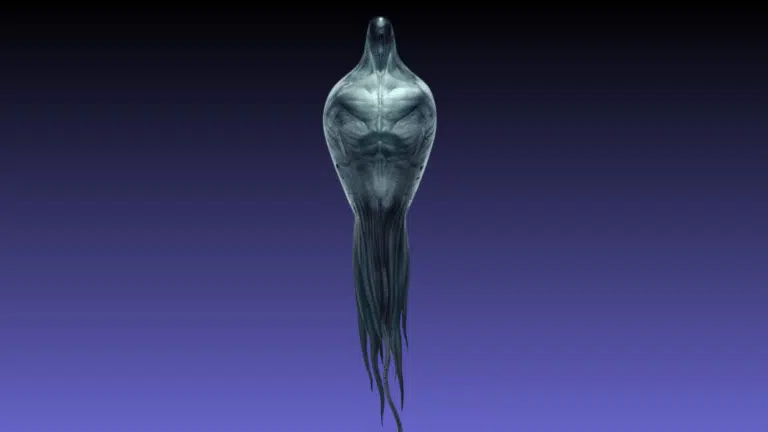
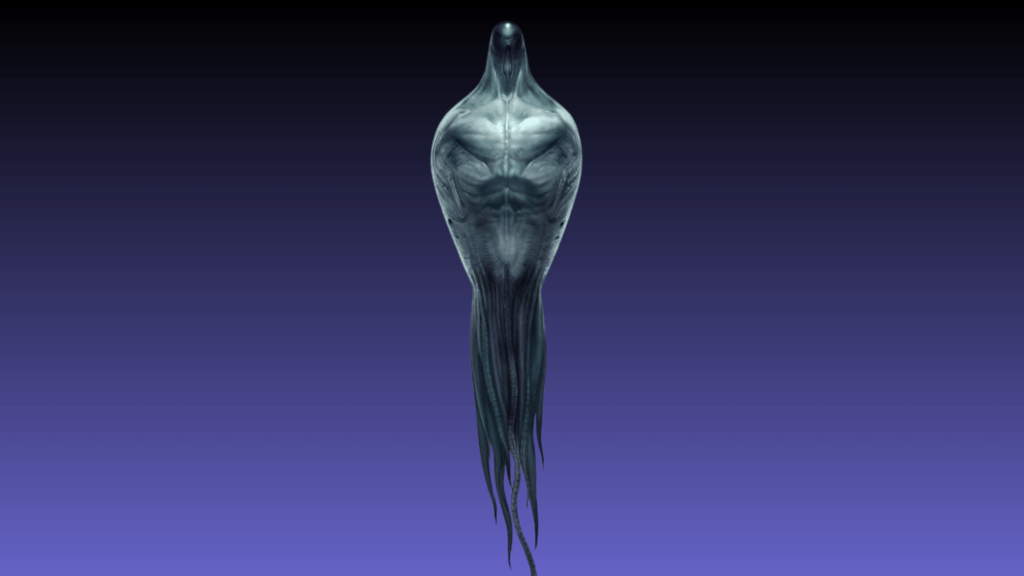
The Heptapods are unlike any alien seen on screen before. Their design is striking, strange, and hard to forget.
- Seven Tentacle-Like Limbs: Each Heptapod has seven muscular limbs extending from a central body. These allow smooth, controlled movement.
- Massive in Size: They stand roughly 10 to 15 feet tall. Their sheer size makes every encounter feel overwhelming and intense.
- Ink-Spraying Appendages: They spray ink to form their circular written language. This is their primary way of communicating with humans.
- No Visible Face: There are no eyes, mouth, or nose as humans know them. Their form feels completely foreign.
- Built for Their Environment: They thrive in misty, high-pressure conditions inside their ships. Earth’s atmosphere is not suited for them at all.
The Unique Language of the Arrival Aliens

The Heptapod language is one of the most talked-about parts of Arrival. It looks nothing like any human writing system.
Instead of letters or words in a line, they use circular symbols called logograms. Each symbol carries a full thought or sentence all at once. There is no beginning or end to how it reads.
Learning this language does something unexpected to the human brain; it shifts the way time feels.
The story ties this idea to a real linguistic theory. And that connection is what makes the Heptapod language so much more than just a cool visual on screen.
How the Arrival Alien Changes Humanity
The Heptapods do not just visit Earth and leave. Their presence shifts humanity in ways that run very deep.
1. A New Way of Seeing Time: Exposure to the Heptapod language breaks the linear way humans process time. The past, present, and future begin to feel connected.
2. A Shift in Global Communication: Their arrival forces nations to put aside differences and share information. It becomes clear that working alone simply does not work.
3. A Deeper Understanding of Language: Humans begin to see language as more than just words. It shapes thought, perception, and even the experience of reality itself.
4. A Challenge to Human Fear: The Heptapods force humanity to confront its instinct to fear the unknown. Choosing curiosity over panic becomes the only real path forward.
5. A Sense of Shared Purpose: Their visit plants the idea that humanity is part of something much larger. It connects people across borders through one common, defining moment.
What do the Arrival Aliens Symbolize?
The Heptapods carry a lot of meaning beneath their ink-spraying limbs. On the surface, they look like a threat. Twelve ships. No warning. No explanation.
But the film flips that idea completely on its head. They are not here to conquer or destroy.
They stand for something much bigger: the idea that communication can break down even the tallest walls between two completely different worlds. They also represent determinism, the belief that life follows a fixed path.
Their circular language mirrors that idea perfectly. And beyond all of that, they challenge the very human habit of fearing what looks different.
The Heptapods push for empathy, patience, and a willingness to truly listen.
How the Arrival Aliens are Different from Other Sci-Fi Aliens
The Heptapods break every rule in the science fiction playbook. They are nothing like the aliens seen before.
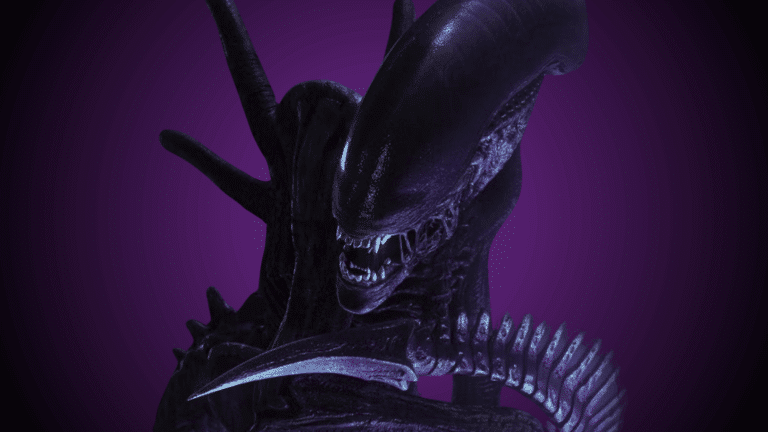
- Xenomorphs from Alien: Xenomorphs exist purely to hunt and survive. They are aggressive, instinct-driven creatures with no interest in communication. The Heptapods, on the other hand, come with a purpose rooted in helping humanity grow.
- The Aliens from Independence Day: These aliens arrive with one goal, total destruction. They attack without dialogue or reason. The Heptapods take the opposite approach, choosing patience and language over weapons and force.
- The Grays from Classic Sci-Fi: Grays are typically shown as cold, experiment-obsessed beings. They interact with humans out of curiosity alone. Heptapods engage with humanity on a far deeper, more meaningful intellectual level.
- The Predator: The Predator hunts for sport and glory. Combat is central to its entire identity. The Heptapods have no interest in conflict; their strength lies in knowledge and the power of shared understanding.
To Conclude
The Heptapods are not just aliens in a sci-fi film. They are a statement. A reminder that the biggest barrier between two worlds is not distance or appearance; it is the refusal to listen.
Their language rewires thinking. Their purpose reframes fear. And their design challenges everything humans assume an extraterrestrial being should look like.
Arrival works so well because the Heptapods feel genuinely unlike anything else. They make the audience think long after the credits roll.
So the next time a story presents something unfamiliar, maybe the better response is curiosity, not fear. That is exactly what the Heptapods came to teach.