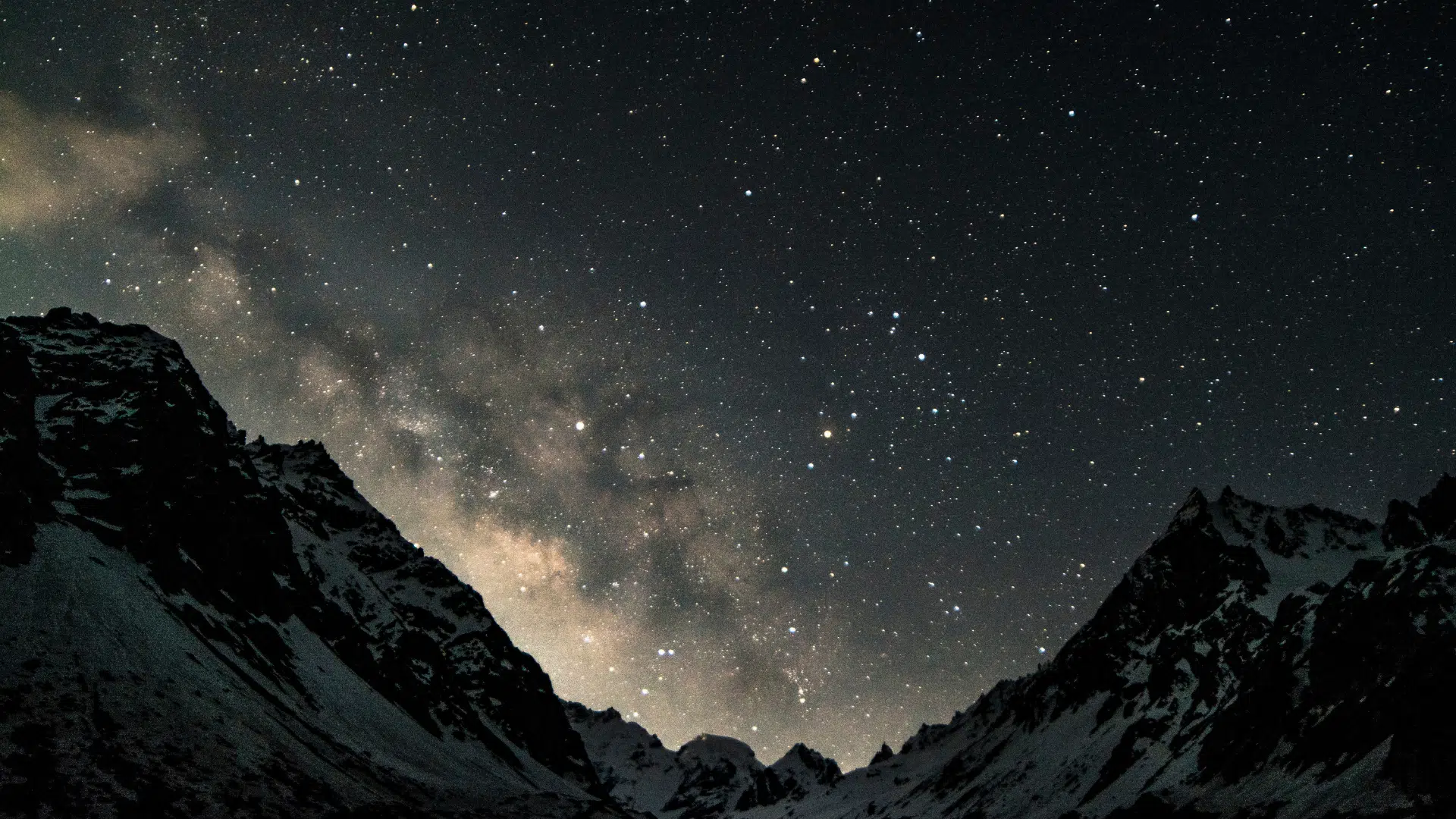



Death Valley is one of the best places in the U.S. to see the night sky. Far from big cities, it has wide open views and very little light.
The sky looks big and full of stars. On clear nights, people can even see the Milky Way with just their eyes.
Many visitors come just for this peaceful and quiet view. It’s a great way to slow down and enjoy something simple. Stargazing here feels calm and special. There are many spots to sit, relax, and watch the sky.
This blog shares the best stargazing places in Death Valley and tips to help make the most of the experience.
Why Death Valley is Great for Stargazing
Death Valley is one of the darkest places in the United States. It is far from big towns and city lights. That means the night sky is very clear.
On a good night, people can see thousands of stars. Some nights, even the Milky Way is easy to spot. This makes Death Valley a top choice for people who enjoy stargazing.
The dry air also helps. Death Valley gets very little rain. Clouds are rare, especially in the cooler months. The clear skies make it easier to see stars. The flat land and wide views add to the beauty. There are few trees or tall buildings to block your view.
In 2013, Death Valley National Park was named a “Gold Tier” International Dark Sky Park. This is the highest rating for dark skies. It means the area is great for watching stars with little light pollution.
Parks like this are rare, which is why stargazers often compare them to places such as Big Bend’s night sky experience, where the lack of artificial light creates equally stunning views.
Best Time to Go Stargazing in Death Valley
Picking the right time is important for a great stargazing trip. In Death Valley, the sky is clearer in cooler months. Moon phases also matter. A dark sky makes it easier to see stars, planets, and the Milky Way.
| Time | Why It’s Good |
|---|---|
| October to April | Cooler nights and clear skies; best months for comfort and views |
| New Moon Nights | The sky is darkest with no moonlight; stars and the Milky Way are easiest to see |
| One Week Before New Moon | Moon sets early, giving you dark skies for most of the night |
| Dry, Clear Weather | Less chance of clouds; more stars visible |
| After Sunset (1–2 hrs) | The sky is dark enough, and stars start to appear clearly |
| Avoid Summer Nights | Too hot, even at night; harder to stay out long for stargazing |
Picking the right time is important for a great stargazing trip. In Death Valley, the sky is clearer in cooler months, and moon phases play a big role in visibility, especially when thinking about the best time for stargazing.
What to Bring for Stargazing in Death Valley
Even though stargazing in Death Valley is simple, a few things can make the experience better:
- Warm clothes: Nights can get very cold, even in the desert.
- Blanket or chair: Sitting on the ground for a long time can be uncomfortable.
- Red flashlight: This helps you see without ruining your night vision. Regular flashlights are too bright.
- Snacks and water: Bring food and water if you’re planning to stay for hours.
- Star map or stargazing app: These help you know what you’re looking at.
- Binoculars or telescope: Not needed, but they can make the stars and planets easier to see.
Top Stargazing Spots in Death Valley
Death Valley has many great places to watch the stars. All of them offer dark skies, wide views, and peaceful settings. Below are some of the best stargazing spots in Death Valley and what makes each one special:
1. Mesquite Flat Sand Dunes
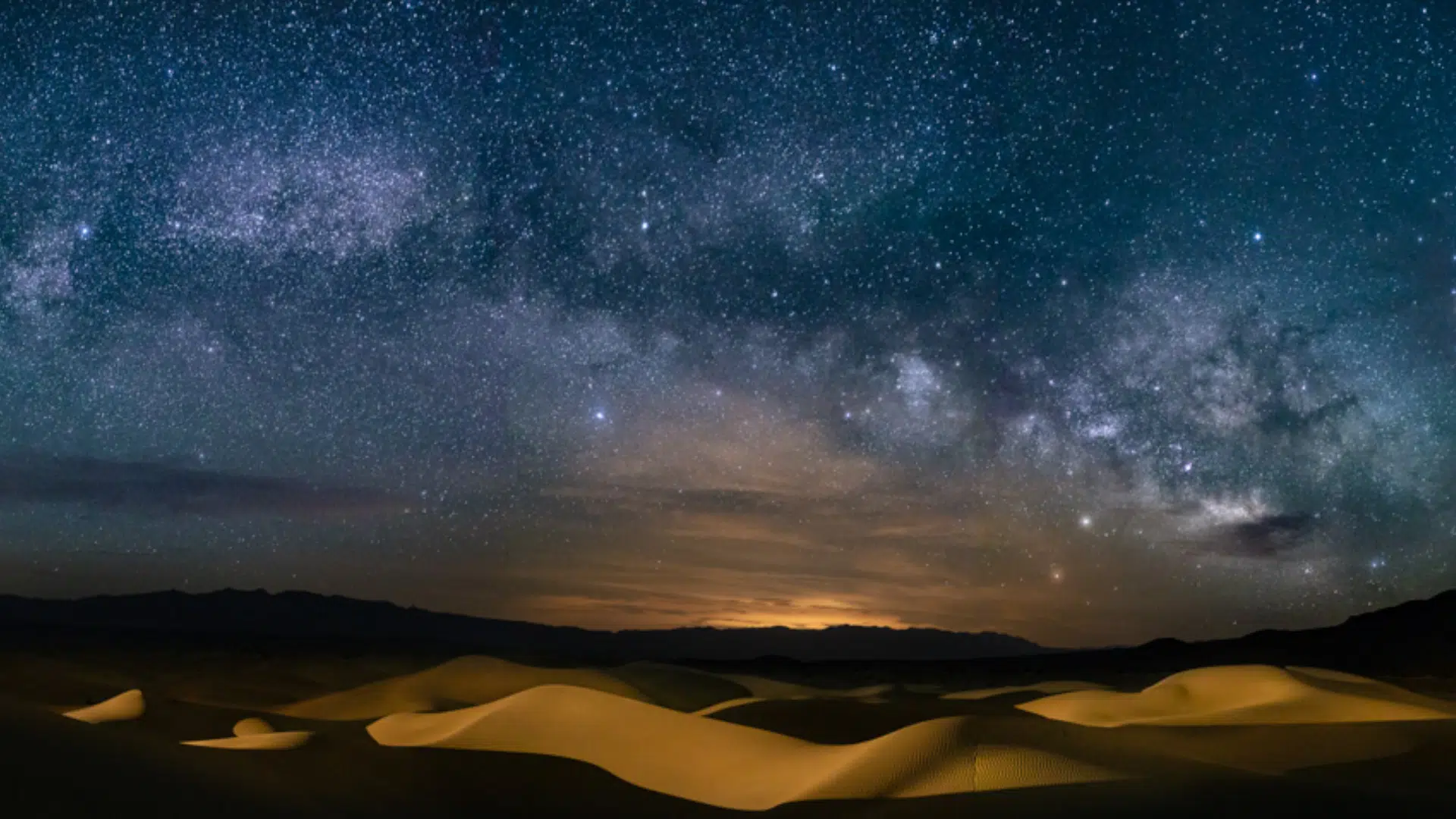
Image Source: Michael Frye Photography
This is one of the most popular stargazing locations in the park. It’s close to the town of Stovepipe Wells and easy to reach by car. The flat sand and wide-open views are perfect for lying back and watching the sky. At night, the sand feels cool and soft. It’s a peaceful place to stargaze.
- Easy access
- Parking available nearby
- Few lights and lots of open sky
Tip: Walk a short distance into the dunes to get away from car lights.
2. Badwater Basin
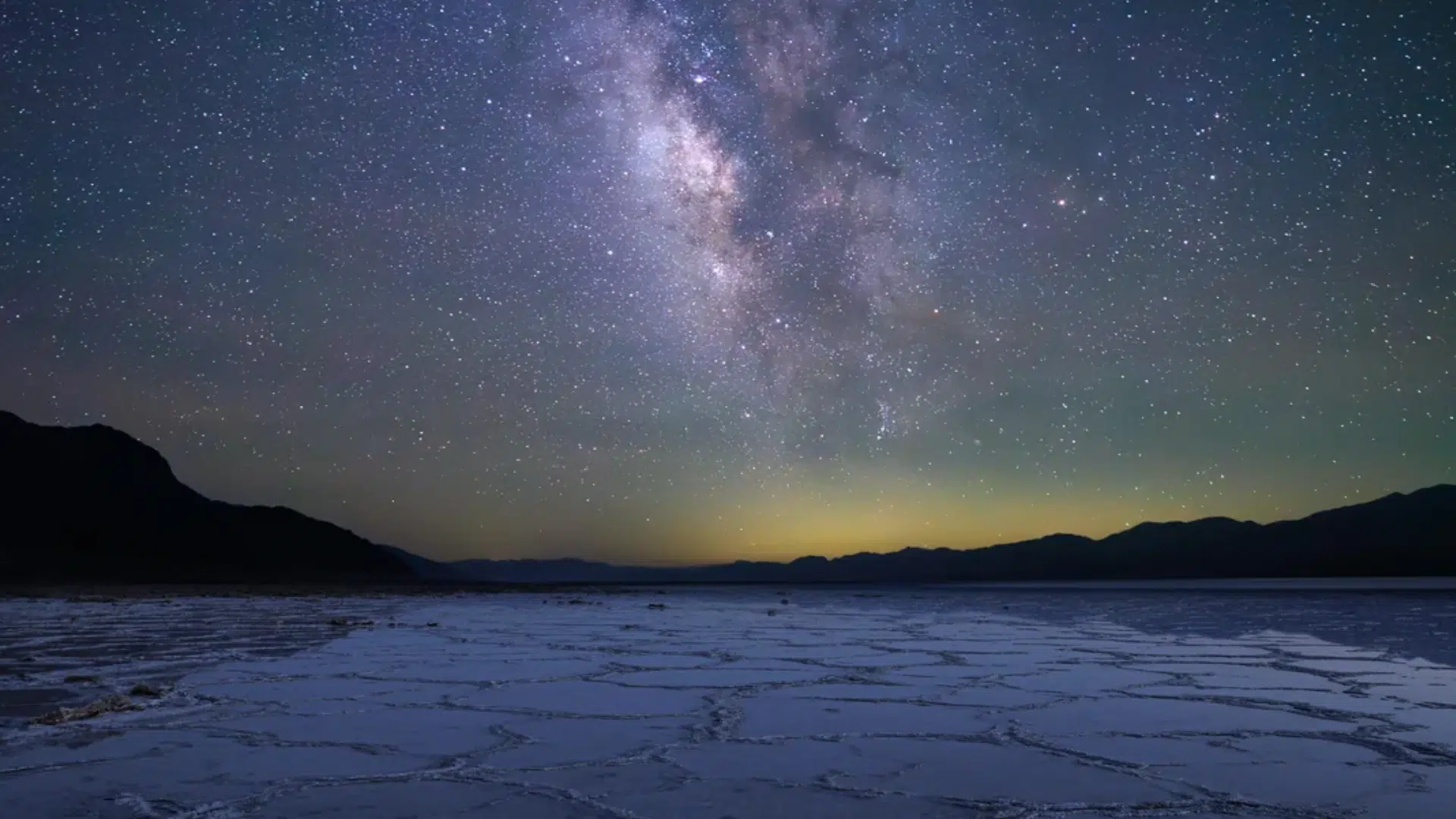
Image Source: Reddit
This is the lowest point in North America, 282 feet below sea level. It’s also one of the darkest spots in the park. The salt flats here shine under starlight, creating a unique view. The ground is flat, and the sky seems endless. Many people say it feels like being on another planet.
- Large flat area with great views
- Very dark skies
- Easy to reach with parking nearby
Tip: Bring a flashlight to find your way around the salt flats at night.
3. Harmony Borax Works
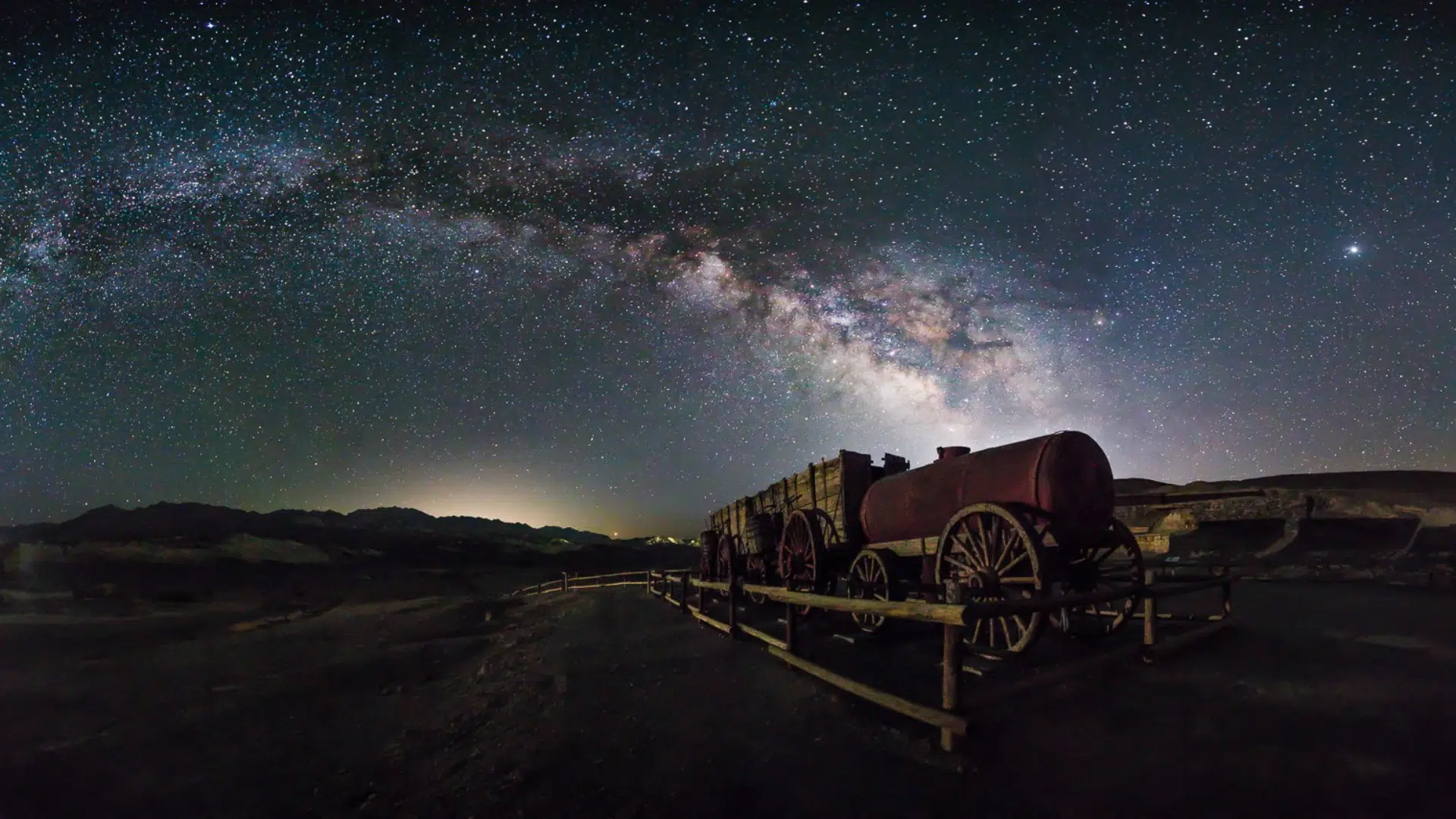
Image Source: Facebook
This spot is close to Furnace Creek, so it’s easy to get to. It’s a good choice for families or people who want a short trip from their campsite. The area is open and dark. The ruins of the old borax plant also add a nice touch to photos under the stars.
- Good for short visits
- Historic background
- Dark, quiet setting
Tip: Combine your visit with a sunset walk before the stars come out.
4. Ubehebe Crater
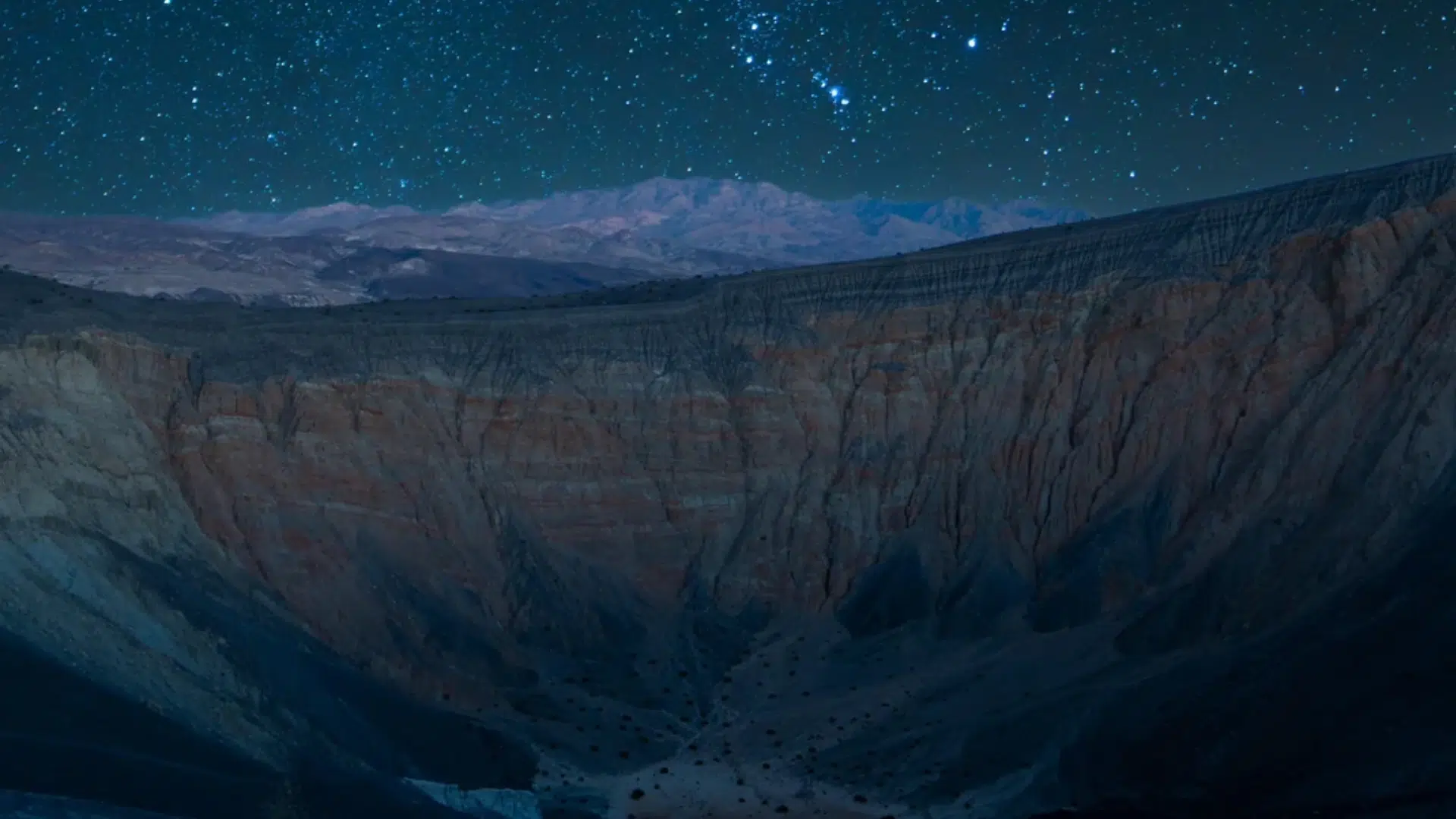
Image Source: Reddit
This large volcanic crater is up north in the park. Fewer people visit this area, so it stays quiet and peaceful. The sky is very dark here. There are almost no lights for miles. The rim of the crater gives you a nice spot to sit and enjoy the sky.
- Far from crowds
- Deep, dark skies
- Great for photos
Tip: Be careful near the crater rim at night. Bring a red flashlight for safety.
5. Telescope Peak Trailhead (Mahogany Flat Campground)
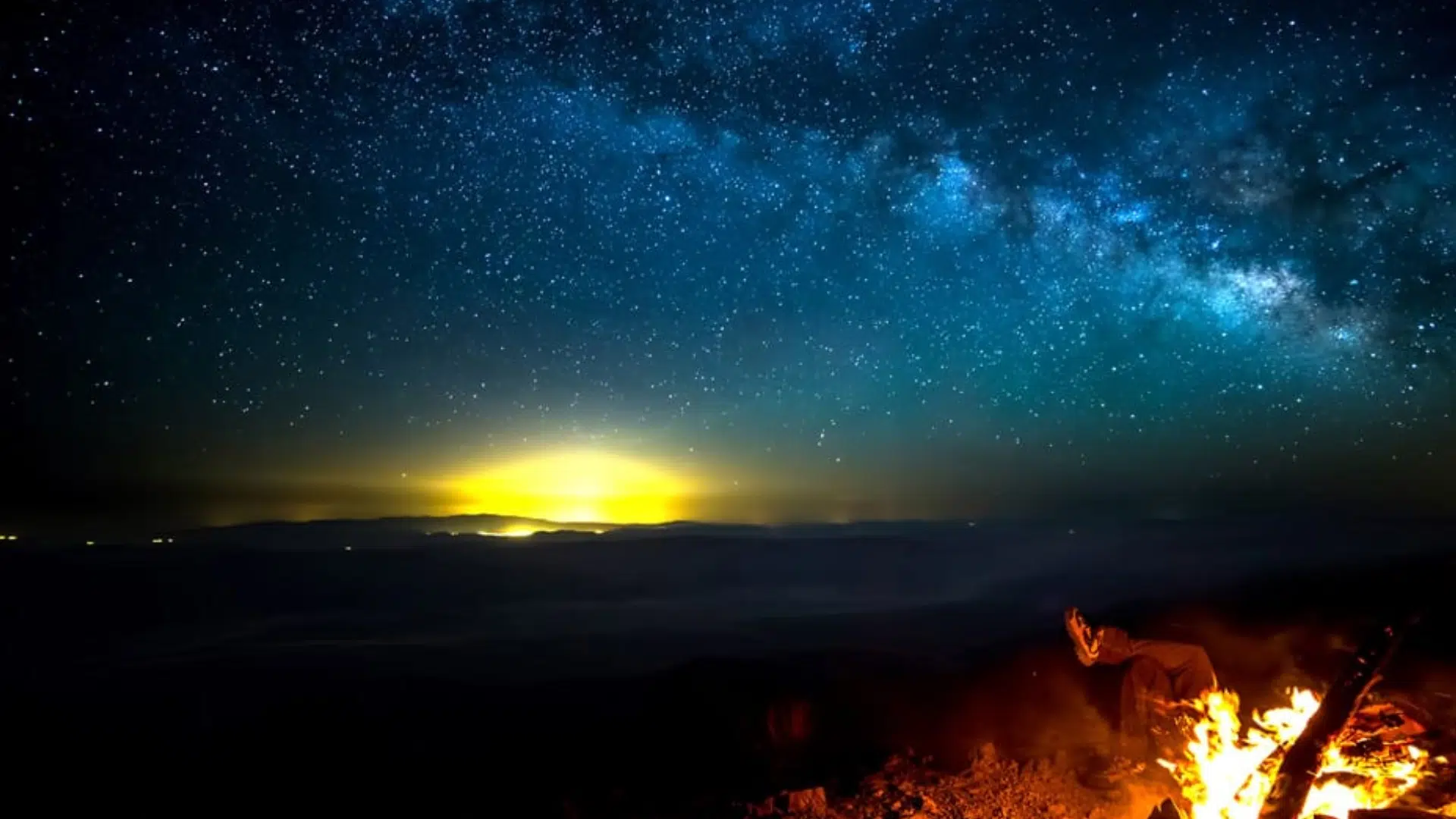
Image Source: Bare Backpacking
This is a more remote location. You need a high-clearance vehicle to get to Mahogany Flat Campground, but the dark skies here are worth it. You are higher up, so the view is wider. It’s one of the best places in Death Valley for quiet, serious stargazing.
- Very dark and remote
- High elevation with clear views
- Good for camping and longer stays
Tip: Make sure your car can handle rough roads before heading up.
6. Dante’s View
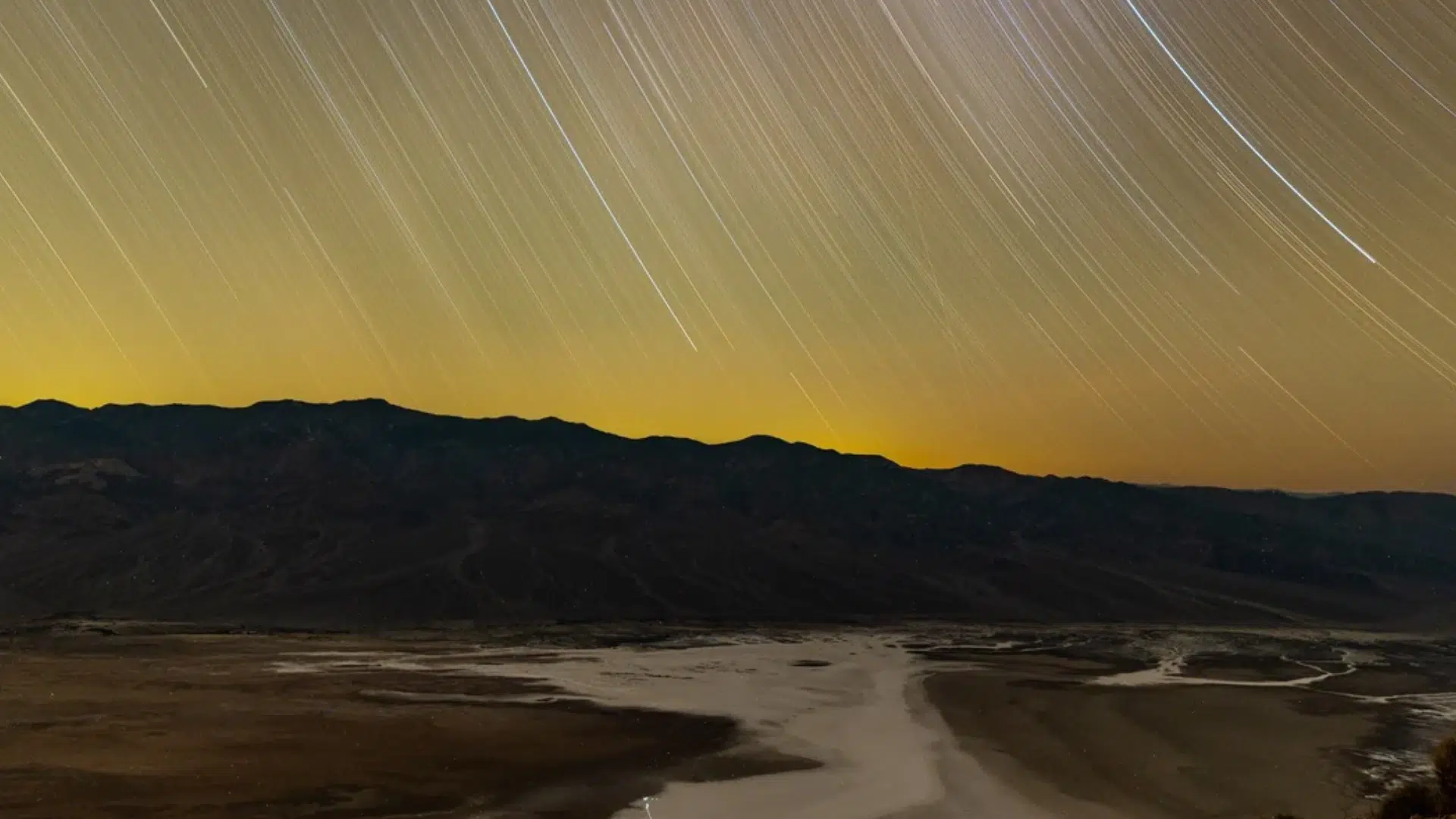
Image Source: Reddit
At over 5,000 feet, Dante’s View offers a bird’s-eye look at the valley below. This high point is great for stargazing because the air is clear and cool. You can see the stars above and the desert floor below. It’s easy to drive up and has a large parking area.
- High elevation
- Panoramic sky views
- Great for star photos
Tip: It can get windy and cold, so bring extra layers.
What Can You See When Stargazing in Death Valley?
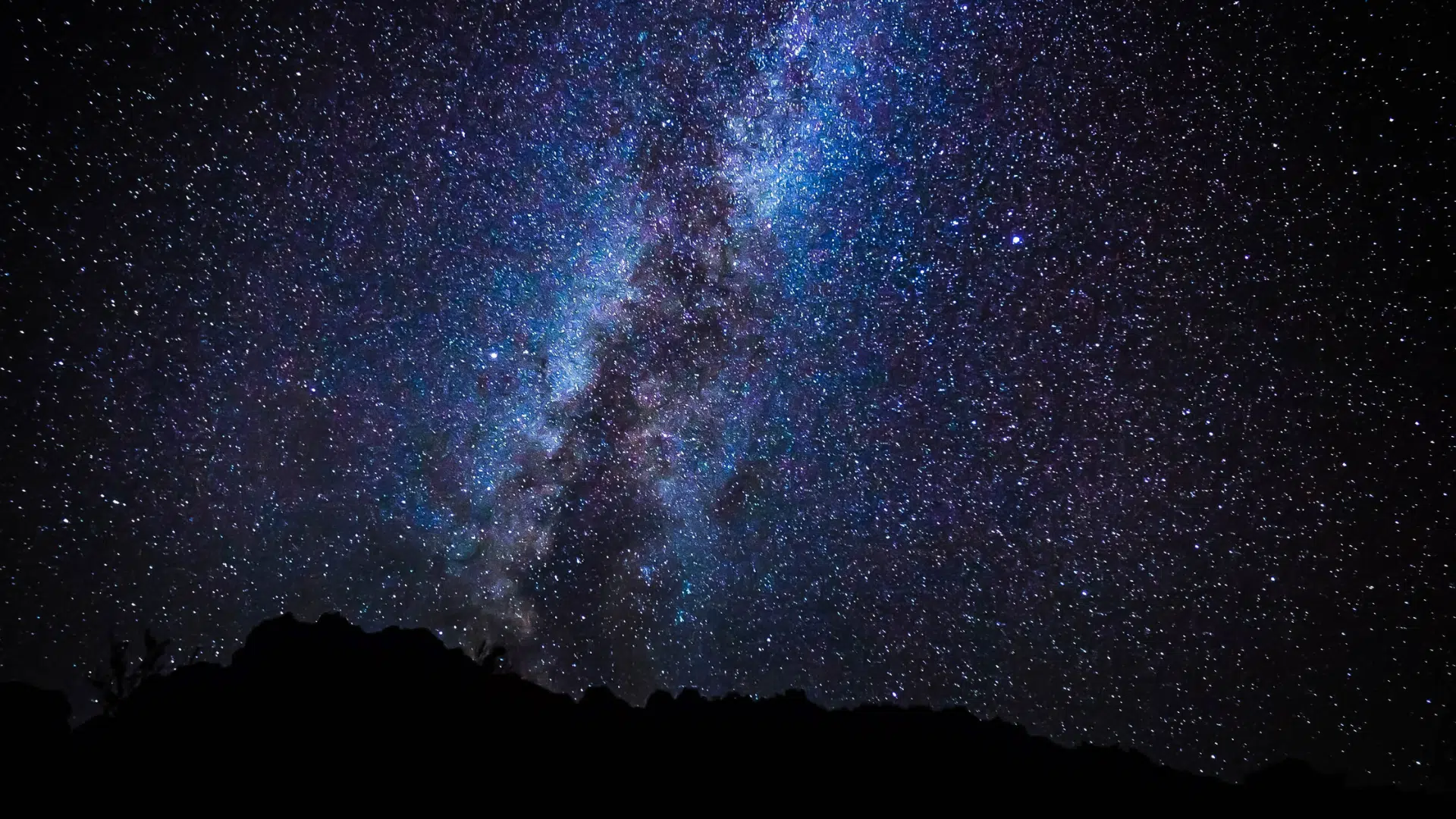
Image Source: The Oasis at Death Valley
Since the sky in Death Valley is very dark, it makes it perfect for seeing stars, planets, and other night sky sights. You don’t need a telescope to enjoy it. On a clear night, you can see many things with just your eyes.
The Milky Way
One of the main reasons people go stargazing in Death Valley is to see the Milky Way. This wide band of stars stretches across the sky and looks like a white cloud. On clear nights, it’s easy to see with your eyes. You don’t need a telescope.
Planets
At different times of the year, you may see planets like Venus, Jupiter, Mars, and Saturn. These look like bright stars but do not twinkle. A stargazing app can help you spot them.
Meteor Showers
Death Valley is also a great place to watch meteor showers. These are times when many “shooting stars” cross the sky.
Popular meteor showers:
- Perseids: August
- Geminids: December
- Quadrantids: January
Constellations
You can see many constellations in Death Valley. Some of the best-known ones are:
- Orion (the hunter)
- Ursa Major (the big bear)
- Cassiopeia (the queen)
Use a star map or app to help find them.
Stargazing Events and Ranger Programs
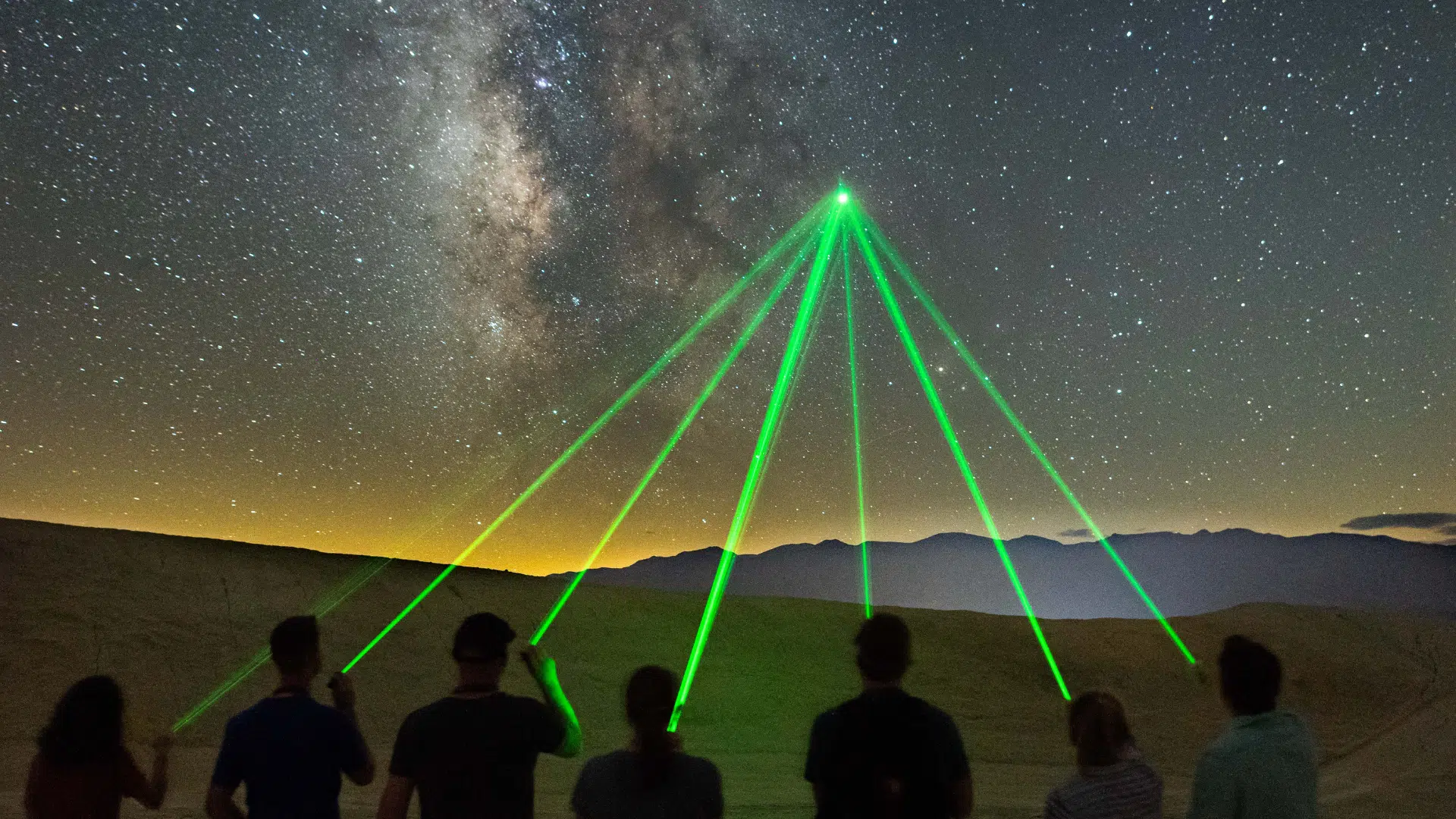
Image Source: National Park Service
Sometimes, the National Park offers night sky programs. Rangers use laser pointers to show constellations.
They may also bring telescopes for visitors to try. These programs are great for learning more about the stars.
Check the official Death Valley National Park website for the latest event schedule. Some programs are free. Others may require a small fee or sign-up.
Safety Tips for Night Visits
Spending time under the stars in Death Valley can be a great experience, but it’s important to stay safe. The desert is quiet and dark at night, so you need to be extra careful.
- Tell someone where you’re going: If you plan to be out late, let a friend or park staff know your plans.
- Stay on marked trails or parking lots: It’s easy to get lost in the dark. Stick to safe paths.
- Watch for desert animals: Some snakes, bugs, or scorpions are active at night. Stay alert and don’t touch wildlife.
- Bring enough water: Even at night, the desert is very dry. Drink water often to stay hydrated.
- Watch your step: The ground can be rocky or uneven. Wear good shoes and move slowly.
- Use a red flashlight: Red light helps you see in the dark without hurting your night vision. Avoid bright white lights.
To Conclude
Stargazing in Death Valley is more than just looking at stars. It’s a quiet break from screens, noise, and busy days.
The sky feels bigger here. Time moves more slowly. For a few hours, you can relax and just look up.
You don’t need fancy gear or special skills, just a good spot and clear skies. Some visitors come back again and again because the experience is so peaceful.
If you’ve never tried stargazing in a dark place like this, it’s worth the trip. Pick a night, grab your blanket, and head to Death Valley. The stars are waiting.