


Space-based internet has changed how the world stays connected. Two names keep coming up in every conversation about it: Project Kuiper and Starlink.
Both promise fast speeds, low latency, and global coverage. But picking between them is not as simple as it looks. The pricing is different. The hardware is different. And the coverage maps tell two very different stories.
So which one actually delivers what it promises in 2026?
This blog breaks down both services side by side. From satellite count to real-world performance, every key factor gets covered here. By the end, the choice should feel a lot clearer.
An Overview of Project Kuiper
Project Kuiper is Amazon’s satellite internet service. It aims to bring fast, low-cost broadband to areas that still lack reliable internet access.
Amazon plans to launch 3,236 satellites into low Earth orbit to build this network.
The project received its FCC approval in July 2020. The first batch of production satellites launched in April 2025, with incremental growth since then. As of early 2026, Kuiper has approximately 150-200 satellites in orbit.
Kuiper is targeting a consumer service launch around mid-2026. Until then, it remains unavailable for general public use.
Amazon plans to serve homes, small businesses, and enterprise customers through its AWS infrastructure.
An Introduction to Project Starlink
Starlink is SpaceX’s satellite internet service. It has been operating commercially since 2020 and has grown at a speed that no other satellite provider has matched so far.
As of early 2026, Starlink has over 9,300 operational satellites in low Earth orbit, making it the largest satellite constellation in the world.
Elon Musk’s SpaceX built Starlink to serve homes, businesses, and even moving vehicles.
Ships, planes, and RVs can all stay connected through it. The service is already live in over 110 countries, giving it a clear head start in terms of global reach compared to its competitors.
Pros and Cons of Both Project Kuiper And Starlink
Both services have a lot to offer. But like anything else, they come with their own set of trade-offs too.
Project Kuiper
Pros:
- Competitive pricing: Amazon is targeting terminal hardware under $400, aiming to keep Kuiper more affordable than most satellite internet options.
- AWS integration: Businesses already using Amazon Web Services can expect a strong connection between Kuiper and their cloud setup.
- Strong backing: With Amazon’s resources behind it, Kuiper has serious long-term financial support to grow and improve.
- Fresh hardware: Kuiper’s terminal hardware is built from the ground up with modern connectivity standards in mind.
Cons:
- Not yet available: Kuiper is targeting a consumer launch around mid-2026, meaning no real-world public access exists right now.
- Limited real-world data: Peak test speeds hit 1.29 Gbps, but latency in tests measured around 47ms, higher than initially promised.
- Smaller satellite count: With only around 150-200 satellites currently in orbit, Kuiper’s constellation is far behind Starlink’s operational fleet.
- Pricing still unclear: Final consumer pricing has not been officially announced, making it hard to plan around.
Project Starlink
Pros:
- Global coverage: Starlink is already live in over 110 countries, giving it one of the widest coverage footprints available today.
- Proven performance: Years of real-world use have shown that Starlink can deliver reliable speeds for homes and businesses.
- Mobile compatibility: Starlink works on ships, planes, RVs, and vehicles, making it a strong pick for users on the move.
- Large satellite fleet: Over 9,300 active satellites mean better signal density and more consistent connectivity for users.
Cons:
- Higher cost: Starlink’s monthly plans start at $80-120, with hardware at $349+, though promotional pricing has brought kits down to $175 in some cases.
- Congestion in dense areas: Some users still report slower speeds during peak hours, though network updates in 2026 have helped reduce this.
- Regulatory friction: Starlink continues to face government pushback in select regions, limiting its reach in certain markets.
- Dish size: The terminal equipment can be bulky, which makes installation tricky in some settings.
Key Differences of Project Kuiper vs Starlink
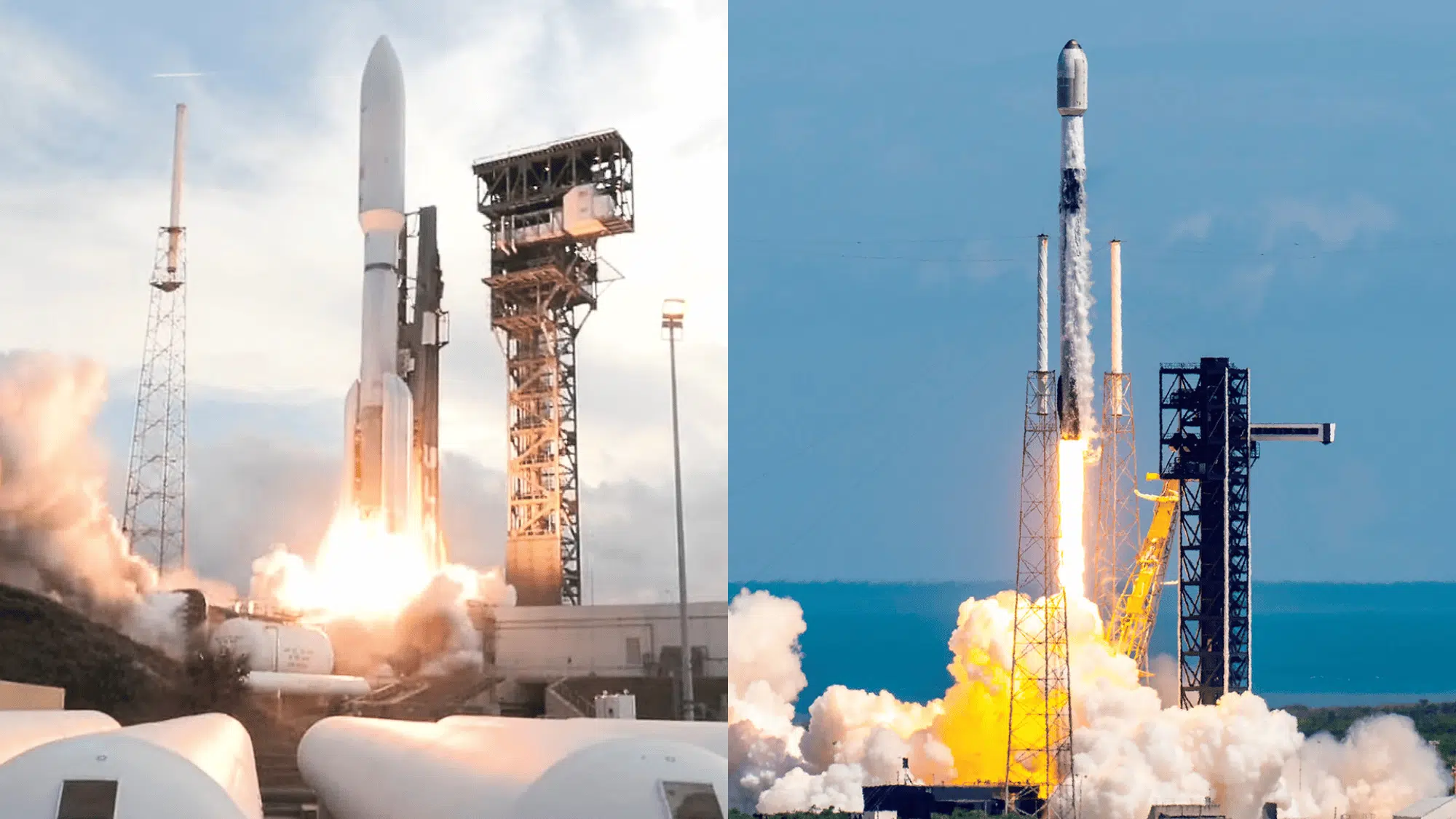
Both services use low Earth orbit satellites. But the way they operate, price, and perform tells a very different story.
Performance Comparison
Speed and latency are two areas where both services compete closely. Starlink currently offers download speeds between 50 Mbps and 220 Mbps, with latency around 20-40ms.
Kuiper has recorded peak test speeds of up to 1.29 Gbps in controlled conditions, but real-world latency in testing has measured at around 47ms.
Consumer-level performance data for Kuiper does not yet exist. Starlink’s years of live network data make it the more reliable benchmark right now.
Coverage & Reliability Comparison
Starlink covers over 110 countries and continues to grow. Kuiper’s coverage is still being built out, with a consumer launch targeted for mid-2026.
For users in remote or rural areas, Starlink is the clear working option today.
Kuiper’s planned 3,236-satellite constellation is designed to cover most of the globe between 56 degrees north and south latitude, but that build-out is still in progress.
Pricing Comparison
Cost is where Kuiper could shake things up. Amazon has not officially released final consumer pricing yet, though the hardware cost target sits under $400.
Starlink’s residential plan currently starts at around $80-120 per month, with hardware at $349+. Promotional offers have brought the kit price down to $175 in some markets.
If Kuiper launches at a lower price point, it could attract budget-conscious users looking for alternatives.
Hardware & Setup Comparison
Starlink’s dish, known as the Dishy, has gone through multiple design upgrades. It is compact, self-orienting, and relatively easy to set up at home.
Kuiper’s terminal hardware is still in development for consumer use, with a target cost under $400.
Enterprise-grade units are already in testing. Both systems require a clear view of the sky, but Starlink currently holds the edge in setup ease and proven hardware reliability.
Ecosystem & Strategic Advantages
Starlink benefits from SpaceX’s rocket technology, which keeps launch costs low. Kuiper plugs directly into Amazon Web Services, giving it a strong edge for businesses that rely on cloud computing.
Starlink’s approved constellation stands at 12,000 satellites, with applications filed for up to 42,000. For everyday consumers, Starlink’s head start matters.
For enterprise users, Kuiper’s AWS connection could make it the smarter long-term pick.
Project Kuiper vs Starlink: Key Differences at a Glance
| Feature | Project Kuiper (Amazon) | Starlink (SpaceX) |
|---|---|---|
| Satellites Deployed (2026 est.) | 100-1,600+ | 8,000+ |
| Planned Total | 3,236 | 12,000-42,000 YouTube |
| Orbit Altitude | 590-630km youtube+1 | 440-550km YouTube |
| Speeds (Download) | Up to 400 Mbps (std), 1 Gbps (enterprise) | 25-220 Mbps |
| Latency | Promised 20-30ms | 20-40ms |
| Hardware Cost | Sub-$400 | $349+ kit |
| Monthly Pricing | TBD, enterprise focus | $80-120 |
| Unique Edge | AWS integration | Proven global ops, vertical launches |
| Launch Partners | ULA, Blue Origin, SpaceX | SpaceX only |
Which One Fits Your Needs?
Choosing between Kuiper and Starlink really comes down to what matters most to a user right now.
For anyone who needs a working satellite internet connection today, Starlink is the practical choice. It is live, tested, and available in most parts of the world.
For businesses already running on AWS, or users willing to wait for a potentially lower-cost option, Kuiper looks promising.
It is not fully here yet, but the foundation Amazon is building points toward something worth keeping an eye on.
Regulation, Space Sustainability, and Astronomy Concerns
Satellites do more than beam internet signals. They raise real questions about space safety, government rules, and the night sky.
Regulatory Hurdles Both Companies Face:
Starlink has already run into regulatory hurdles in countries such as India, Russia, and parts of Africa. Kuiper, being newer, still needs approvals across multiple regions.
Both companies must work with local governments to get licensed. This process takes time and can significantly delay service launch in key markets.
The Growing Problem of Space Debris:
More satellites mean more debris risk. Both Kuiper and Starlink operate in low Earth orbit, where old or broken satellites can become hazards.
Starlink has faced criticism for its high number of satellites and collision risks. Kuiper will face the same scrutiny as its constellation grows. Space agencies are watching both programs closely.
Impact on Ground-Based Astronomy:
Astronomers have raised serious concerns about satellite constellations blocking their view of the sky.
Starlink’s bright satellite trails have already disrupted telescope observations in multiple studies. Kuiper will add thousands more objects to an already crowded orbit.
Both companies have taken some steps to reduce brightness, but the astronomy community says more action is still needed.
International Spectrum Competition:
Radio frequency spectrum is a limited resource. Both Kuiper and Starlink are competing for the same bands to transmit data. This has led to formal disputes at the International Telecommunication Union.
As more satellite operators enter the market, spectrum conflicts are likely to grow more intense, making regulatory coordination between countries more important than ever before.
Conclusion
Starlink leads today. That is simply the reality. It has the satellites, the coverage, and the track record to back it up.
Kuiper, though, is not far behind. Amazon is building something serious, and the AWS advantage gives it real weight for business users.
The satellite internet space is getting more competitive by the month.
For now, pick what works. But keep an eye on Kuiper because the gap between these two could look very different by 2027.