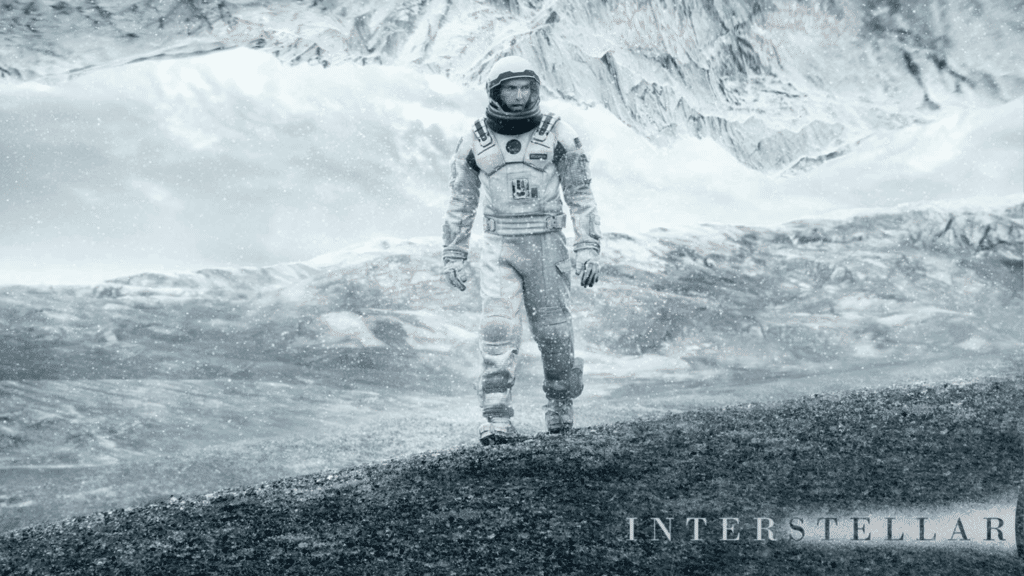
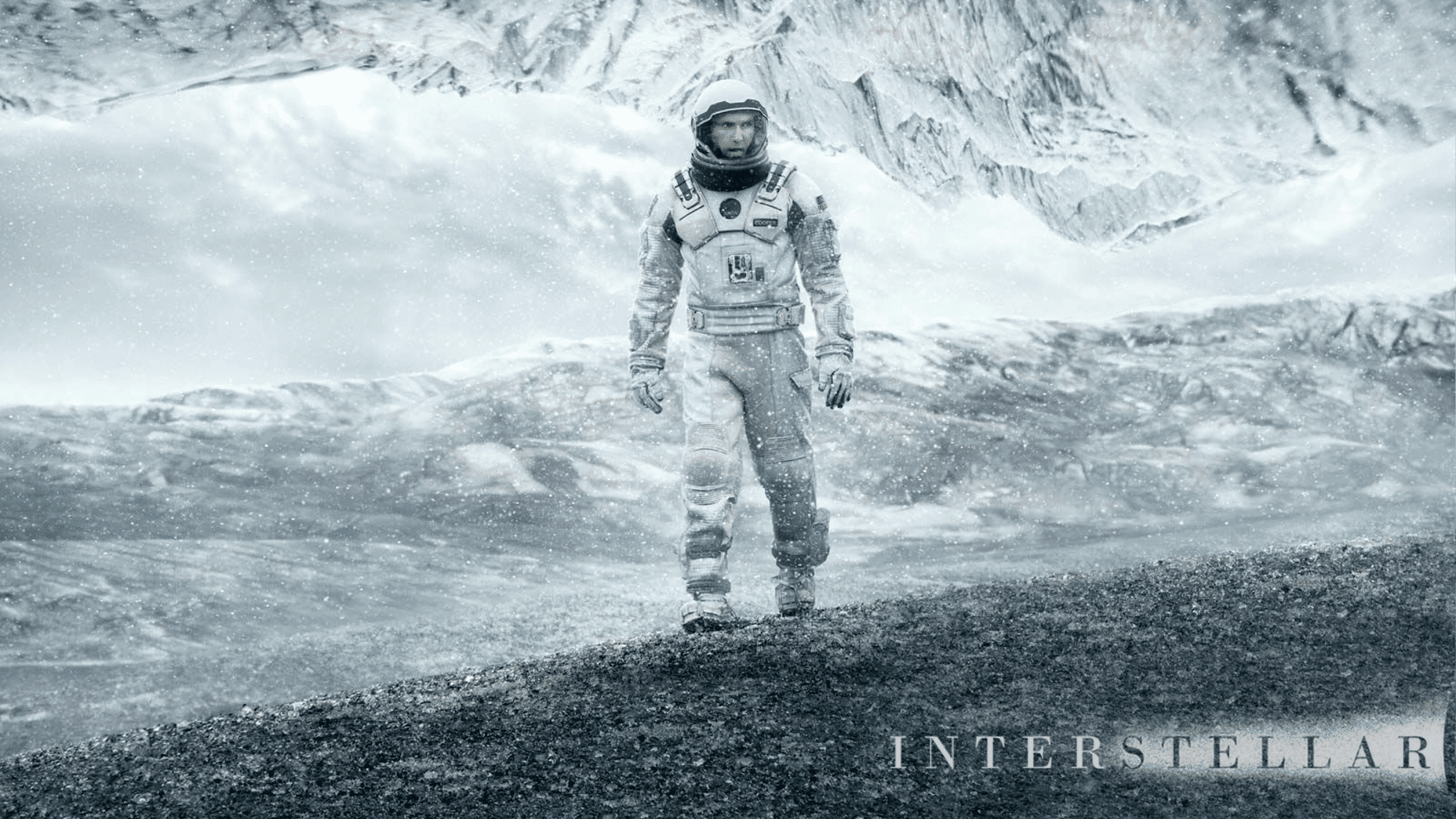



Interstellar left many viewers thinking long after the credits rolled. Its story of space travel, time, and survival that feels so layered that it often raises a simple question: Did this film come from a book first?
After all, many memorable science-fiction movies begin as novels or written stories.
Christopher Nolan’s film blends emotional storytelling with complex scientific ideas, which makes it feel almost literary in nature. Was it adapted from an existing novel, inspired by earlier science fiction, or created entirely for the screen?
Understanding where the story came from helps explain why Interstellar feels both imaginative and grounded at the same time.
What Inspired the Movie Interstellar?
The movie Interstellar grew from a mix of science, imagination, and careful storytelling. The idea first began with a concept about space travel and the search for a new home for humanity.
Real scientific theories about black holes, wormholes, and time played a big role in shaping the story. These ideas helped the film feel believable even while showing distant galaxies and unknown worlds.
At the same time, the creators focused on human emotions like love, sacrifice, and survival.
Because of this balance between science and feeling, the movie feels both thoughtful and powerful, which is one reason it continues to fascinate viewers.
Is There an Interstellar Book?
Many viewers start looking for an Interstellar book after watching the movie.
The story feels deep and detailed, which often gives the impression that it must have come from a novel. This curiosity has led many fans to search for a written version of the story.
In reality, there are a few books connected to the film that add more context and background.
Some were released around the time the movie came out, while others focus on the science behind the story. These books help readers understand the ideas, characters, and space concepts shown in the film.
Looking at them also clears up why people often assume the movie was adapted from a book in the first place.
Books Connected to Interstellar
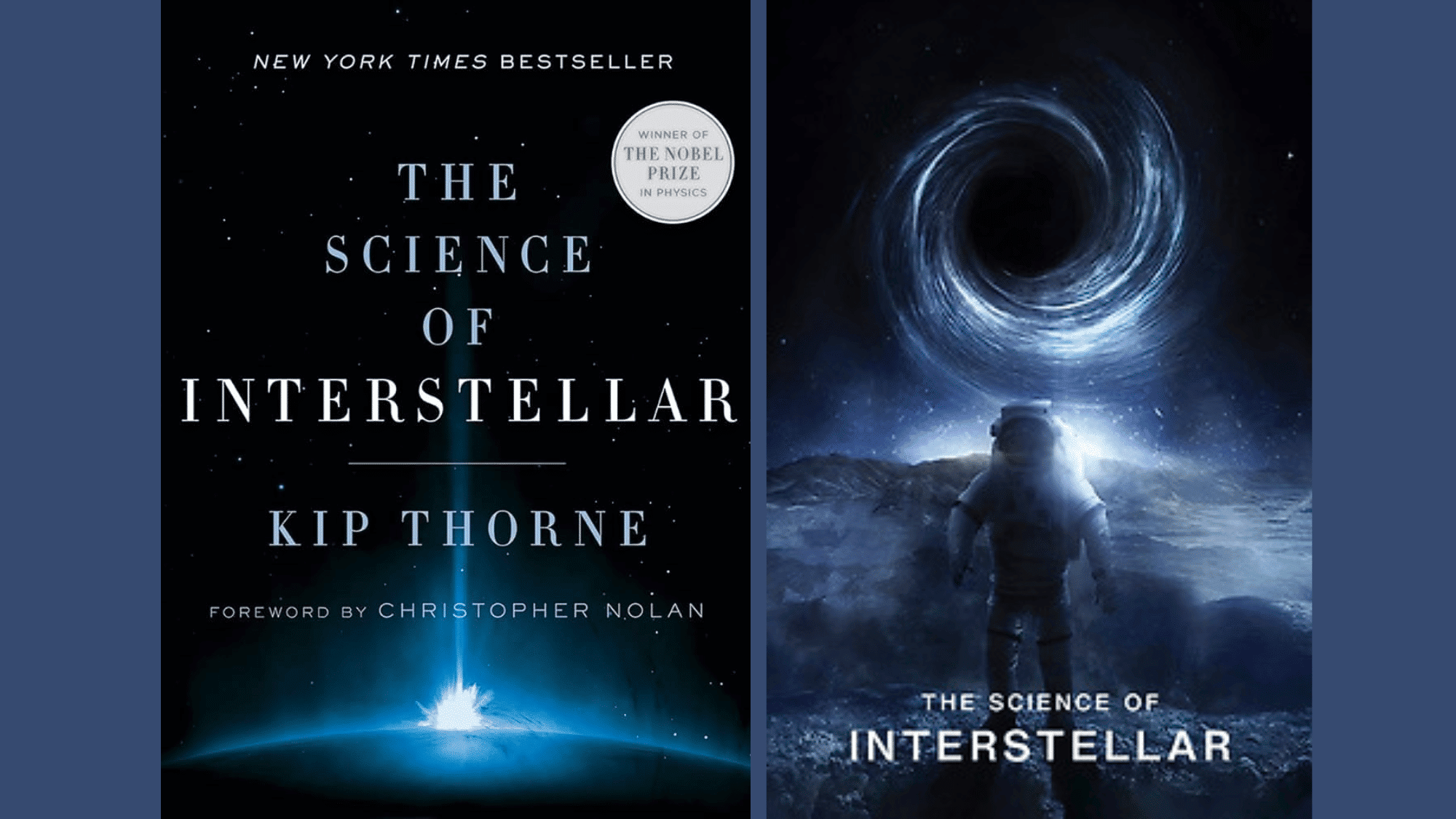
Books connected to Interstellar help readers understand the story and science behind the film, offering deeper context beyond what appears on screen.
Interstellar: The Official Movie Novelization
Written by Greg Keyes, this book retells the movie’s story in written form. It follows the film closely but adds more detail to characters and emotions.
Readers get extra insight into Cooper’s thoughts and his relationship with Murph.
The novelization also expands certain scenes, which helps fans experience the story in a slower, more reflective way.
The Science of Interstellar
Physicist Kip Thorne wrote this nonfiction book to explain the real science used in the film. It breaks down complex ideas such as wormholes, black holes, and time dilation in simple terms.
The book shows how scientific theories shaped the movie’s events and visuals. It also helps readers understand how closely the film follows real physics.
The Real-Science Influence Behind the Film
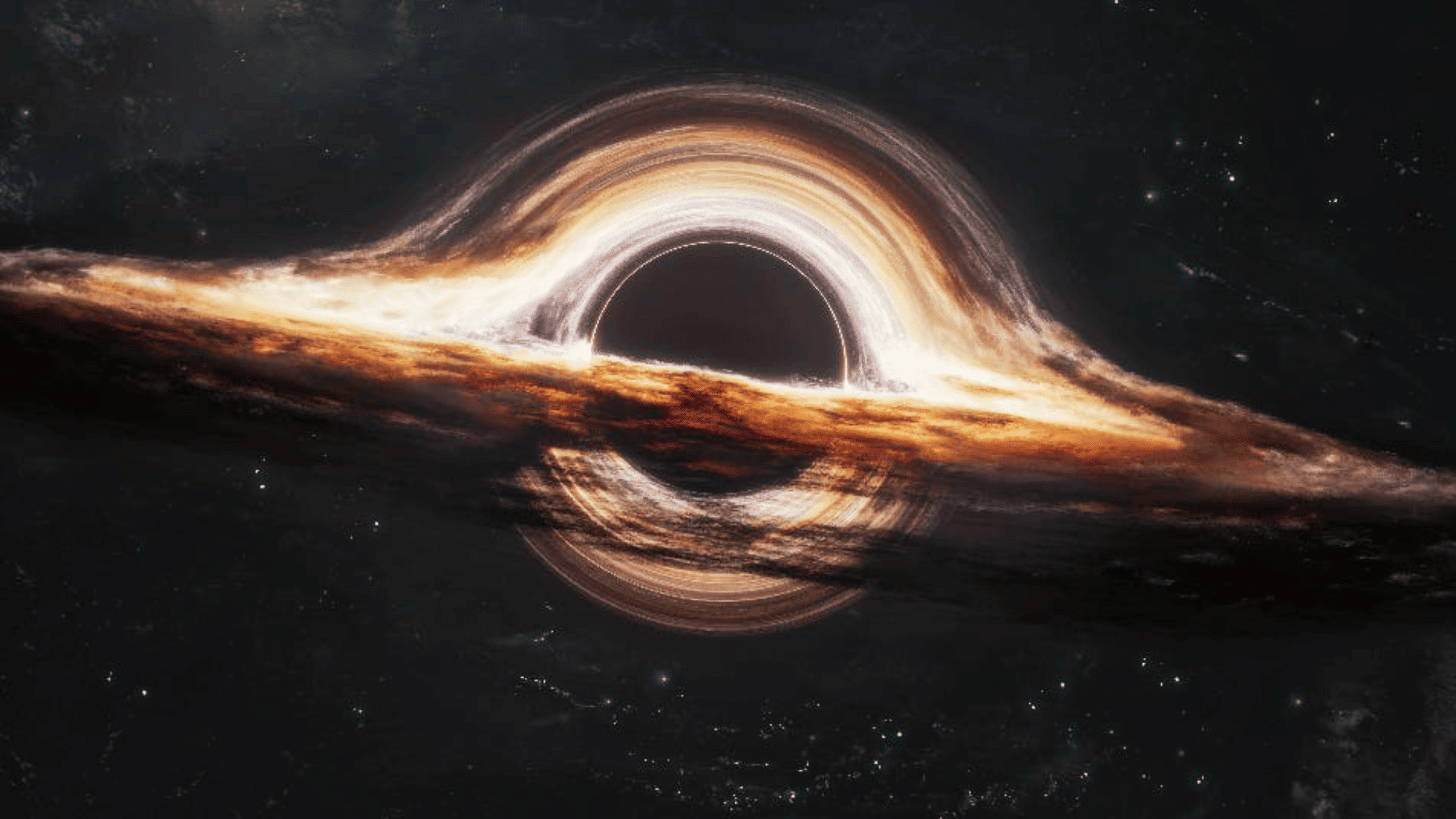
Real scientific theories shaped Interstellar, helping the film present space, gravity, and time in ways that feel believable and grounded.
1. Black Hole Visuals:
The black hole Gargantua was designed using equations based on general relativity. These calculations helped artists create realistic gravitational lensing, where light bends around the black hole.
The visuals became one of the most scientifically accurate depictions ever shown in film.
2. Wormhole Design:
The wormhole in the movie appears as a glowing sphere rather than a flat tunnel. This design reflects how gravity might bend space in three dimensions.
The idea comes from theoretical physics, suggesting wormholes could connect distant points in the universe.
3. Time Dilation Effects:
Time moves much more slowly near extremely strong gravity.
In the film, Miller’s planet sits close to a massive black hole, causing one hour there to equal several years on Earth. This idea follows predictions from Einstein’s theory of relativity.
4. Tesseract and Quantum Gravity
The tesseract scene imagines a higher-dimensional space where time can be viewed as a physical dimension.
While highly speculative, the concept draws inspiration from attempts in physics to connect gravity with quantum mechanics.
How Interstellar Differs From Typical Book Adaptations
Interstellar stands apart from many science-fiction films because it did not begin as a traditional book adaptation.
Most big movies in this genre come from popular novels or long-running book series. Their stories, characters, and worlds are already established before the film is made.
In contrast, Interstellar was developed as an original story created directly for the screen.
The filmmakers built the plot, themes, and characters during the scriptwriting process rather than adapting them from a novel. This approach gave the creators more freedom to shape the story around scientific ideas and emotional moments.
Because of that, the movie blends scientific concepts with personal drama in a way that feels unique compared with many films based on books.
The Bottom Line
Questions about whether Interstellar came from a book are common, especially because the film feels detailed and layered like a novel.
Looking at its background helps clear up that confusion and shows how the story actually developed. The movie grew from original ideas shaped by science, storytelling, and cinematic vision rather than a traditional literary source.
Understanding this origin makes the film even more interesting. It highlights how carefully the creators blended real physics with emotional storytelling to build a memorable space adventure.
For many viewers, learning where the story came from adds a new layer of appreciation to the film and the ideas behind it.