


Cloud computing has changed the way companies build and manage applications. As systems become more advanced, security has become a growing concern for businesses across industries.
Cloud native security focuses on protecting applications, services, and data in modern cloud environments. It supports faster development while helping teams reduce risks and improve system reliability.
Modern software systems now depend heavily on cloud-native technologies for daily operations and digital services.
Understanding this approach is important for anyone involved in today’s technology landscape. A strong security strategy also helps businesses respond better to changing threats and increasing digital demand.
What is Cloud Native Security?
Cloud native security is an approach designed to protect applications, data, and systems built for cloud environments.
It focuses on securing every stage of the application lifecycle, from development to deployment and runtime.
Unlike traditional security methods, cloud native security works with modern technologies such as containers, microservices, Kubernetes, and DevOps practices.
It uses automation, continuous monitoring, and identity-based controls to reduce risks and respond to threats quickly.
This approach helps organizations maintain stronger protection while enabling faster software development, scalable infrastructure, and flexible cloud operations across public, private, and hybrid cloud environments.
Importance of Cloud Native Security
Cloud native security plays an important role in protecting modern applications, cloud systems, and sensitive business data. It helps organizations manage security risks while enabling fast, flexible software development.
- Protection Against Threats: Helps defend cloud applications from cyberattacks and security breaches
- Container Security: Protects containers, microservices, and Kubernetes workloads
- Real-Time Monitoring: Detects and responds to threats quickly through continuous monitoring
- Reduced Misconfigurations: Lowers security risks caused by incorrect cloud settings
- Faster Development: Supports secure and efficient software development processes
- Better Visibility: Improves monitoring across cloud systems and workloads
- Stronger Access Control: Enhances authentication and permission management
- Compliance Support: Helps businesses meet security and data protection regulations
- Scalable Security: Adapts to growing cloud infrastructure and changing workloads
- Improved Reliability: Strengthens overall system performance and operational stability
Core Principles of Cloud Native Security
Cloud-native security is built on modern practices that protect applications, systems, and data throughout the cloud lifecycle. These principles help organizations manage risk while supporting fast, scalable development.
Security Built Into Development
Cloud-native security takes a proactive approach by adding security measures early in the development process. Developers and security teams work together to identify risks before applications are deployed.
This method reduces vulnerabilities and helps organizations fix issues faster. It also supports secure coding practices and regular testing throughout development.
Automation and Continuous Monitoring
Automation is a key part of cloud native security. Security tools automatically scan applications, containers, and cloud systems for threats or weaknesses.
Continuous monitoring helps organizations detect and respond to security incidents in real time. This reduces manual work and improves overall protection.
Zero Trust Approach
The zero-trust model assumes that no user or system should be trusted automatically. Every request must be verified before access is granted.
Cloud native environments use strong authentication, identity management, and limited access controls to reduce unauthorized access. This approach strengthens security across cloud applications and networks.
Shared Responsibility
Cloud-native security depends on a shared responsibility model between cloud providers and customers. Cloud providers secure the infrastructure and core services, while customers are responsible for protecting applications, user access, and data.
Many organizations adopt the Zero Trust Architecture to enhance access control and identity verification.
Key Components of Cloud Native Security
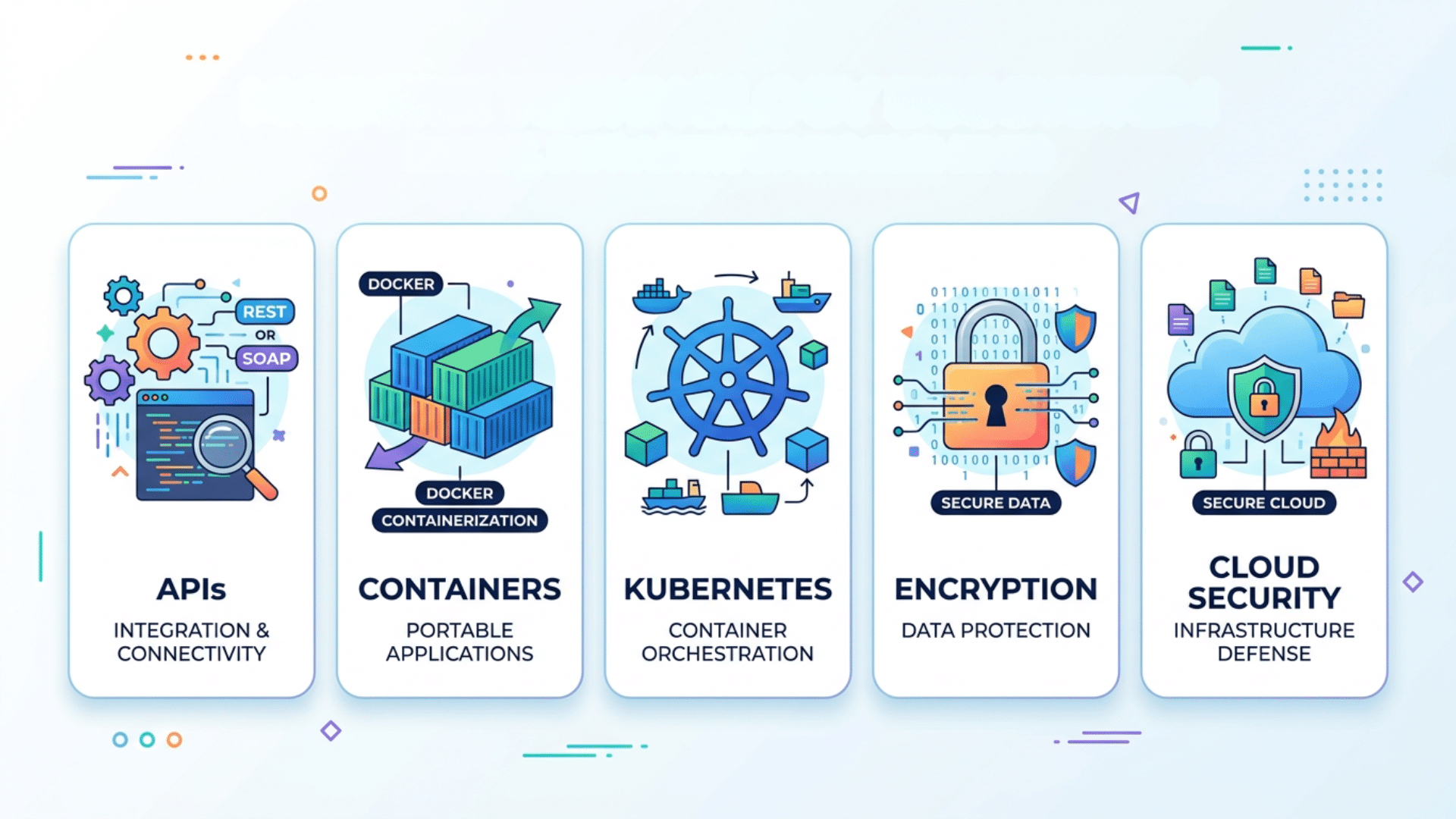
Cloud-native security relies on several key components that work together to protect cloud applications, systems, and data. These components help organizations reduce risks, improve visibility, and maintain secure cloud operations.
| Component | Description |
|---|---|
| Container Security | Protects container images and running containers from vulnerabilities, malware, and unauthorized access. |
| Kubernetes Security | Secures Kubernetes clusters, workloads, and configurations through access controls and policy management. |
| API Security | Protects APIs from attacks, unauthorized access, and data leaks through authentication and monitoring. |
| Identity and Access Management (IAM) | Manages user identities, permissions, and authentication to control access to cloud resources. |
| Network Security | Secures communication between cloud services using firewalls, segmentation, and encryption. |
| DevSecOps | Integrates security practices into development and operations for continuous protection throughout the software lifecycle. |
| Data Security | Protects sensitive information through encryption, backup systems, and access restrictions. |
| Runtime Security | Monitors applications and workloads during operation to detect and respond to threats in real time. |
| Cloud Security Posture Management (CSPM) | Identifies and fixes cloud misconfigurations that may create security risks. |
| Compliance and Governance | Helps organizations follow industry regulations, security standards, and internal security policies. |
Common Threats in Cloud Native Environments
Cloud native environments offer flexibility and scalability, but they also introduce new security risks. Organizations must understand these common threats to better protect applications, workloads, and sensitive data in cloud systems.
- Misconfigured Cloud Settings: Incorrect security settings can expose systems, storage, or data to unauthorized access.
- Weak Access Controls: Poor password policies and excessive user permissions increase the risk of security breaches.
- Vulnerable Container Images: Containers with outdated software or hidden vulnerabilities can become entry points for attackers.
- Insecure APIs: Weak API security can allow attackers to steal data or disrupt cloud services.
- Malware and Ransomware Attacks: Malicious software can spread through cloud environments and damage critical systems.
- Insider Threats: Employees or contractors with improper access may intentionally or accidentally expose sensitive information.
- Supply Chain Attacks: Attackers may target third-party software, tools, or dependencies used in cloud applications.
- Lack of Visibility: Complex cloud systems can make it difficult to detect unusual activity or hidden threats.
- Unpatched Software: Delays in updates and missing security patches can leave systems vulnerable to attacks.
- Data Breaches: Weak security controls may expose confidential customer or business information.
How Cloud Native Security Works
Cloud native security protects applications, systems, and data throughout the entire cloud lifecycle. It uses automation, monitoring, and access controls to reduce risks in modern cloud environments.
Security During Development
Security starts early in development through secure coding, automated testing, and vulnerability scanning. This helps teams identify and fix issues before deployment.
Secure Deployment
Applications, containers, and configurations are scanned before deployment to ensure they meet security standards and reduce vulnerabilities.
Continuous Monitoring
Cloud systems are monitored in real time to quickly detect suspicious activity, threats, or unauthorized access.
Identity and Access Control
Strong authentication and permission management help limit access to authorized users and applications only.
Runtime Protection
Security tools continue monitoring workloads and applications while they are running to detect attacks or unusual behavior.
Automation
Automated security checks and policy enforcement help maintain consistent protection and reduce manual errors.
Benefits and Challenges of Cloud Native Security
Cloud-native security offers several advantages for modern cloud environments, but it also presents challenges that organizations must manage carefully.
| Benefits | Challenges |
|---|---|
| Improves protection for cloud applications and workloads | Managing complex cloud environments can be difficult |
| Supports faster and more secure software development | Security visibility may be limited across multiple systems |
| Detects threats in real time through continuous monitoring | Misconfigurations can create major security risks |
| Uses automation to reduce manual security tasks | Requires skilled teams with cloud security knowledge |
| Scales easily with growing cloud infrastructure | Managing multiple security tools can become complicated |
| Helps organizations meet compliance requirements | Fast-changing cloud environments increase security complexity |
| Strengthens access control and identity management | Securing containers and Kubernetes requires constant monitoring |
| Reduces risks through proactive security practices | Integration between tools and platforms may be challenging |
| Improves system reliability and operational stability | Ongoing updates and patch management are necessary |
| Supports modern technologies like containers and microservices | Insider threats and weak access controls remain concerns |
Popular Cloud Native Security Tools
Cloud native security tools help organizations secure applications, containers, workloads, and cloud infrastructure against modern cyber threats.
- Kubernetes: Helps manage, deploy, and secure containerized applications across complex cloud-native environments and distributed systems.
- Falco: Detects suspicious runtime activity and alerts teams about unusual behavior in cloud workloads and containers.
- Aqua Security: Protects containers, Kubernetes clusters, and cloud workloads from vulnerabilities, malware, and configuration risks.
- Prisma Cloud: Provides cloud security monitoring, compliance management, and threat detection across multi-cloud environments and applications.
- Sysdig Secure: Monitors container activity and identifies runtime security threats through real-time visibility and automated detection tools.
- HashiCorp Vault: Secures passwords, secrets, encryption keys, and sensitive credentials used within cloud-native applications and services.
- Istio: Secures communication between microservices using traffic encryption, authentication controls, and service-level security policies.
- Snyk: Helps developers detect vulnerabilities in source code, containers, and third-party software dependencies during development.
- Open Policy Agent (OPA): Enforces security and compliance policies consistently across cloud systems, workloads, and Kubernetes environments.
The Future of Cloud Native Security
The future of cloud native security will focus heavily on automation, artificial intelligence, and faster threat detection.
As cloud environments become more complex, organizations will rely on smarter security tools to manage risks and improve visibility across systems. Security practices will continue to shift toward proactive protection rather than reactive responses after attacks occur.
Zero-trust models, automated compliance checks, and real-time monitoring are also expected to become more common.
Businesses will likely invest more in securing containers, Kubernetes, and multi-cloud environments as cloud-native technologies continue growing across industries and digital services worldwide.
Conclusion
Cloud-native technologies continue changing how businesses build and manage digital services. Security cannot remain a separate process added at the end of development.
Modern cloud environments require continuous protection, faster response times, and better visibility across systems.
A well-planned cloud native security strategy helps organizations stay prepared for evolving cyber threats while maintaining performance and flexibility.
Companies that invest in stronger security practices are better positioned to support long-term growth and reliable cloud operations. Keep learning about modern cloud security trends and tools to build safer and more resilient applications.
Frequently Asked Questions
What are the 4 C’s of Cloud-Native Security?
The 4 C’s are Cloud, Cluster, Container, and Code, which represent different layers of cloud-native security protection.
What is the Most Common Cause of Cloud-Native Security Breaches?
Misconfigured cloud settings are the most common cause of cloud-native security breaches, often exposing systems, applications, or sensitive data.
What are the 5 Pillars of Cloud Security?
The five pillars include identity management, data protection, network security, compliance, and continuous monitoring across cloud environments and systems.