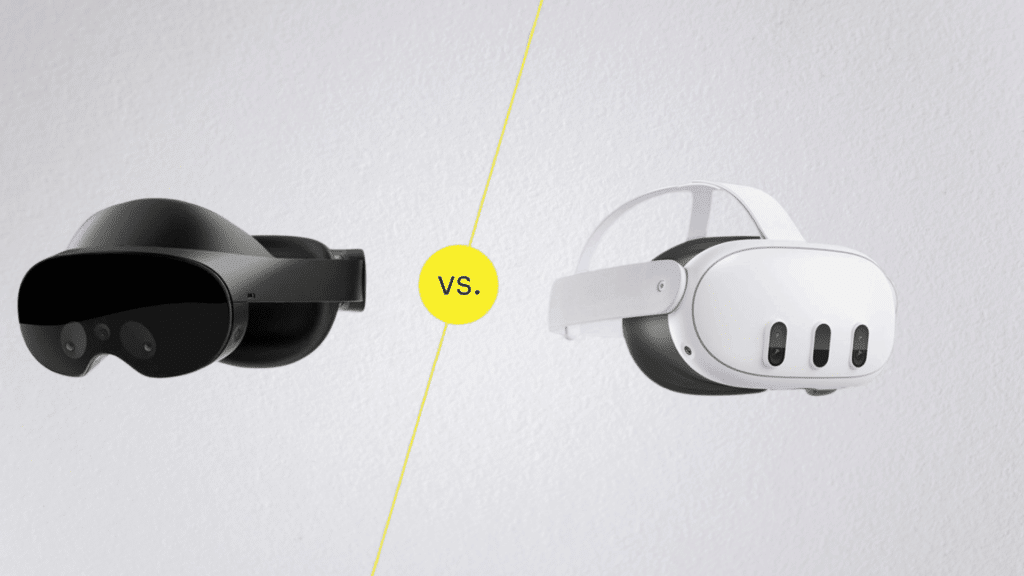
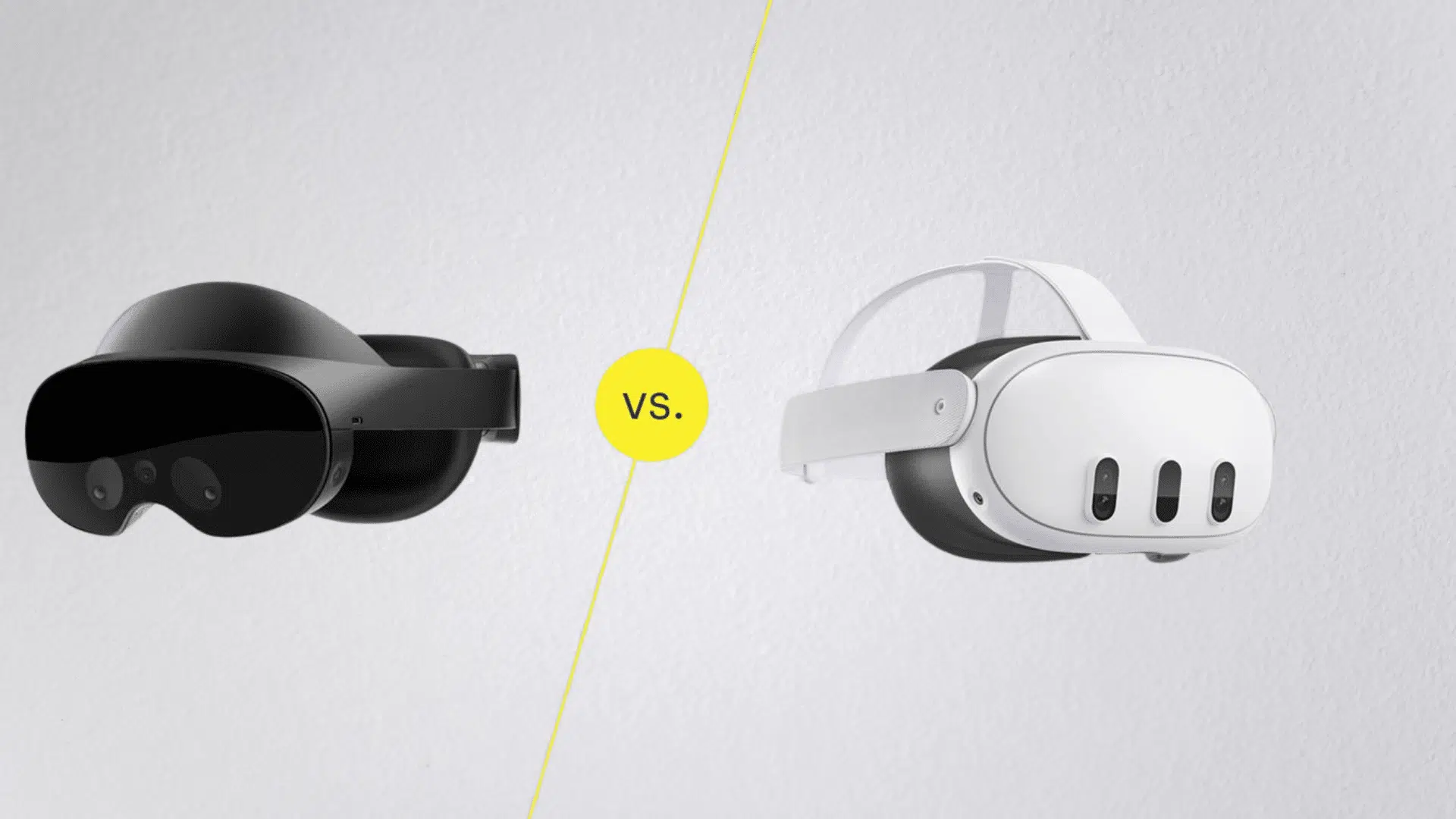



Choosing between Meta Quest 3 and Meta Quest Pro can be confusing when both headsets offer premium VR features but target different users.
Meta Quest 3 combines newer processing hardware, sharper visuals, and improved mixed reality, making it the stronger option for gaming and everyday VR.
Quest Pro offers specialized features such as eye and face tracking, although it is no longer sold as a current retail headset by Meta.
The right choice depends on performance, comfort, display quality, tracking needs, and overall value. Read on to compare Meta Quest Pro vs Quest 3 and find out which headset better matches your needs.
Meta Quest Pro vs Quest 3: Quick Comparison
Compare Meta Quest Pro and Quest 3 to understand their features, performance, and best use cases.
| Feature | Meta Quest Pro | Meta Quest 3 |
|---|---|---|
| Main Purpose | Built for professionals, creators, and business users | Built for gaming, entertainment, and everyday VR use |
| Processor | Snapdragon XR2+ Gen 1 | Snapdragon XR2 Gen 2 |
| Mixed Reality | Color passthrough with advanced tracking features | Improved color passthrough with a depth sensor |
| Special Features | Eye tracking and face tracking | Better graphics performance and newer hardware |
| Comfort | Balanced design for longer sessions | Lightweight design for regular VR use |
| Best For | Work-focused VR experiences and professional users | Gaming, movies, fitness, and general VR users |
| Overall Value | Better for users who need professional features | Better choice for most buyers due to newer hardware and lower price |
Note: Buyers choosing Quest 3 can also review how to charge Meta Quest 3 controllers and manage the controller setup for regular use.
Why Meta Quest 3 Stands Out
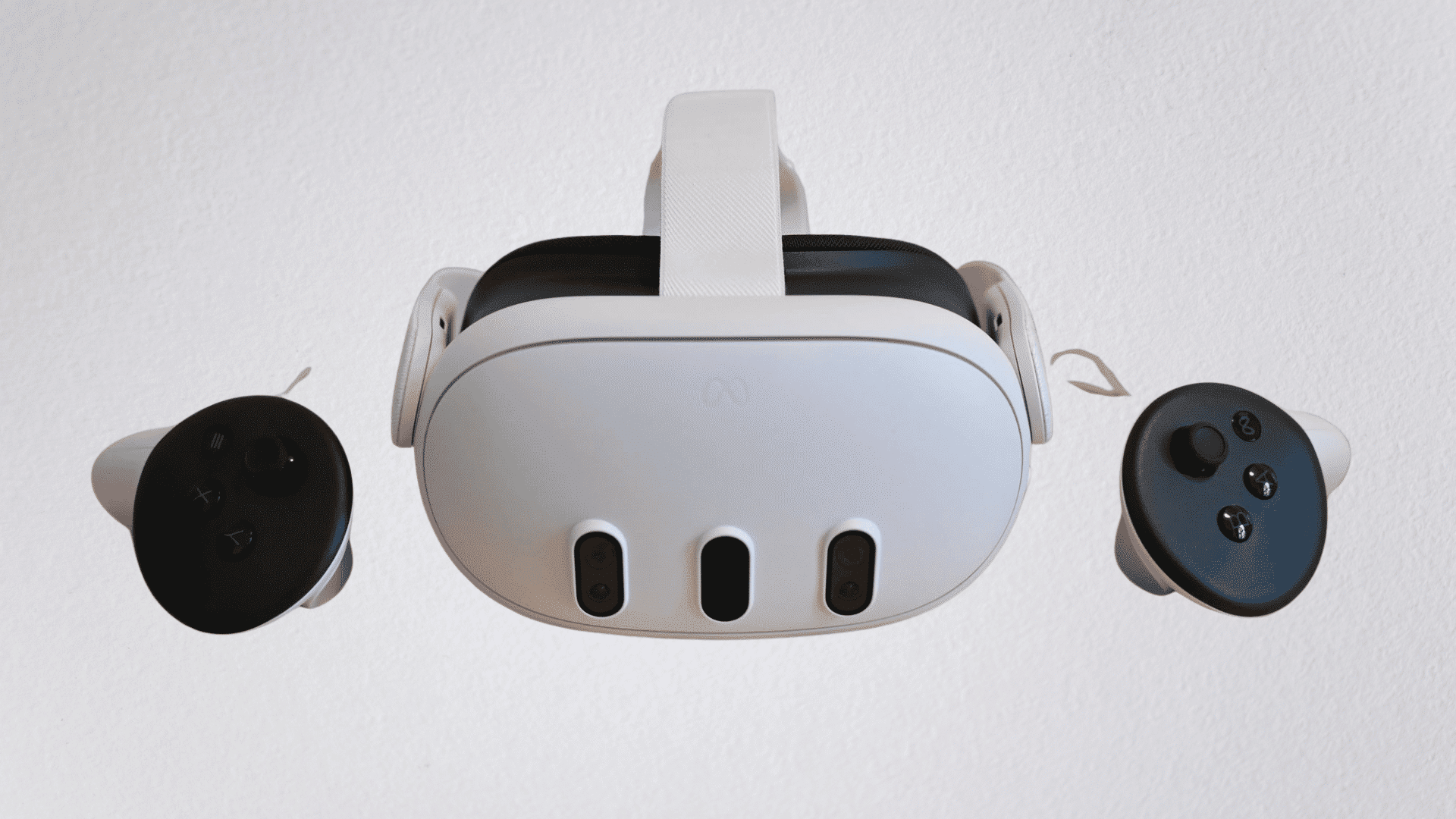
Meta Quest 3 offers newer hardware, better gaming performance, and strong mixed reality features for everyday users.
Faster Performance for Modern VR Games
Meta Quest 3 uses the Snapdragon XR2 Gen 2 processor, which delivers stronger graphics performance than the Meta Quest Pro. This newer chip helps games run with better visuals, smoother movement, and faster loading times.
The improved processor also gives developers more room to create detailed VR experiences. Many newer games are designed to take advantage of Quest 3’s hardware upgrades.
For users who mainly want VR gaming, Quest 3 is the stronger option. It provides better performance without requiring the higher cost of Quest Pro.
Better Mixed Reality for Everyday Use
Quest 3 improves mixed reality with better color passthrough cameras and a depth sensor. These upgrades help the headset understand your surroundings and place digital objects more naturally in your room.
Users can play mixed reality games, watch content on virtual screens, and interact with digital features while still seeing their real environment.
Quest Pro also supports mixed reality, but Quest 3 focuses more on making these features useful for regular users. It offers an easier way to combine VR with daily activities.
Sharper Visuals for Gaming and Work
Meta Quest 3 offers a higher display resolution than Quest Pro, which helps images, text, and virtual environments look clearer. Its pancake lenses also provide better sharpness across the viewing area.
This makes Quest 3 useful for gaming, watching movies, reading text, and using virtual screens for work.
Quest Pro has local dimming technology that improves contrast and creates deeper blacks in darker scenes. However, Quest 3’s higher resolution gives it an advantage for everyday viewing.
Better Value for Most Buyers
One of Quest 3’s biggest advantages is its balance between features and price. It includes newer hardware, improved mixed reality, and better gaming performance at a lower cost than the Quest Pro.
Most users do not need features like eye tracking or face tracking. Quest 3 provides the tools that many people use regularly, such as gaming, entertainment, fitness apps, and virtual experiences.
For buyers looking for a complete VR headset without paying extra for professional tools, Quest 3 is the better choice.
Tip: New owners may also want to know how to reset a Meta Quest 3 if setup problems or persistent software issues occur.
Why Meta Quest Pro Still Matters
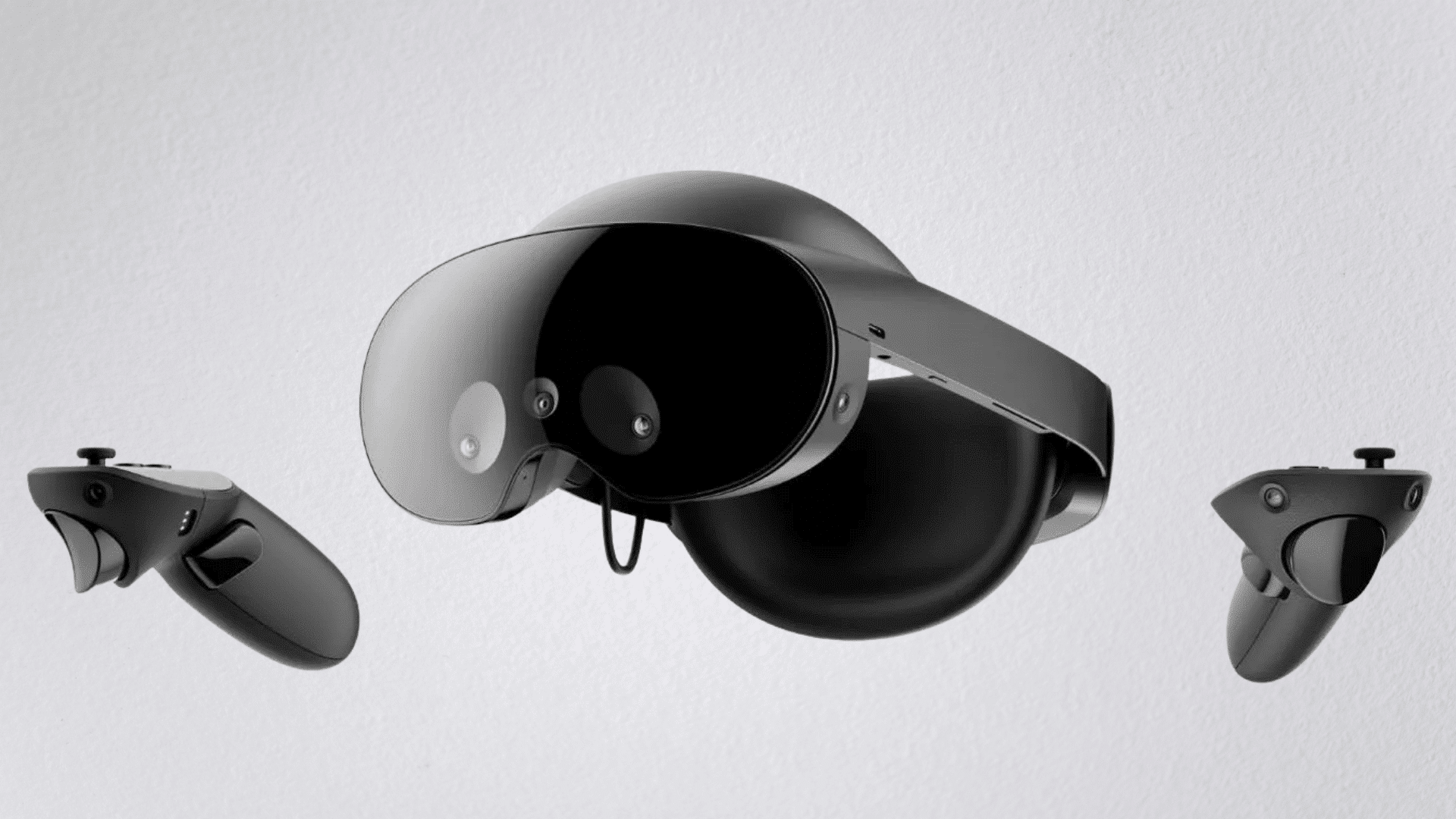
Meta Quest Pro still stands out for its balanced design, professional features, and advanced tracking capabilities. Its eye and face tracking remain valuable for work, social VR, and specialized applications.
- Better Weight Balance: The rear-mounted battery helps distribute weight more evenly and can reduce pressure on the front of the face.
- Open Facial Design: The open design keeps users more aware of their surroundings, which can suit meetings and work-focused VR sessions.
- Eye Tracking: Quest Pro includes eye tracking for supported apps, helping enable more responsive interactions and specialized VR features.
- Face Tracking: Built-in face tracking can create more expressive avatars, making virtual meetings and social VR experiences feel more natural.
- Professional Focus: These features make Quest Pro more relevant for creators, businesses, and users who need advanced tracking tools.
Note: Meta Quest Pro has been discontinued as a current retail headset and is no longer sold new directly by Meta. It may still be available through third-party sellers or the used market, so buyers should consider availability and support when comparing it with Meta Quest 3.
Meta Quest 3 vs Meta Quest Pro: Mixed Reality
Both headsets offer mixed reality features, but their cameras, sensors, and overall experience differ in important ways. This comparison highlights their key differences.
| Feature | Meta Quest 3 | Meta Quest Pro |
|---|---|---|
| Mixed Reality Quality | Clearer full-color passthrough with better depth understanding | Good passthrough but lower clarity compared to Quest 3 |
| Depth Sensor | The built-in depth sensor helps map rooms automatically | Uses external tracking sensors without a dedicated depth sensor |
| Passthrough Cameras | Higher-resolution RGB cameras provide sharper real-world views | Lower-resolution passthrough cameras with more grain in some lighting |
| Room Mapping | Faster and easier setup with automatic space scanning | Requires more manual setup for room awareness |
| Mixed Reality Use | Better for games, apps, and everyday MR experiences | Better suited for productivity and professional VR workflows |
| Low-Light Performance | Improved clarity in dim environments | Can appear noisier in low-light conditions |
| Overall MR Experience | Stronger choice for immersive mixed reality | Offers capable MR but focuses more on premium VR features |
Design and Fit: A Slimmer Quest 3 vs Quest Pro’s Premium Build
Both headsets take different approaches to comfort and design. Quest 3 focuses on a lighter, slimmer shape, while Quest Pro offers a more premium build with added comfort features.
- Meta Quest 3 Design: The Quest 3 has a slimmer front profile and a lighter body than earlier Meta headsets. Its compact design makes it easier to wear for longer gaming sessions.
- Meta Quest Pro Design: Quest Pro uses a higher-end build with a curved visor, premium materials, and a more balanced weight distribution. It feels more like a professional device.
- Comfort and Fit: Quest 3 is lighter at around 515 grams, making it easier for casual use. Quest Pro weighs about 722 grams but shifts weight better with its rear battery design.
- Head Strap: Quest 3 includes a basic fabric strap that many users replace for extra support. Quest Pro comes with a more comfortable built-in strap system.
- Best Choice: Quest 3 suits users who want a lightweight headset for gaming and mixed reality. Quest Pro fits users who prefer premium comfort and a professional feel.
What Real Users Say About Quest 3 vs Quest Pro
Reddit users compare both headsets based on gaming, mixed reality, tracking features, comfort, and overall value.
The reviewer favors Quest 3 for passthrough, accessories, and controllers, while Quest Pro suits tracking needs.
The reviewer recommends Quest 3 for mixed reality, choosing Quest Pro mainly for PCVR tracking features.
The reviewer uses Quest Pro for VRChat face tracking but prefers Quest 3 for everything else.
Meta Quest Pro vs Quest 3: Which One Should You Buy?
Choosing between Meta Quest Pro and Quest 3 depends on how you plan to use VR.
Meta Quest 3 is the better choice for most users. It offers newer hardware, stronger gaming performance, improved mixed reality, and clearer visuals. It works well for games, movies, fitness apps, and general VR experiences.
Meta Quest Pro is better suited for professionals who need eye tracking, face tracking, and a design made for longer sessions. These features make it useful for work-focused VR tasks.
If you want a headset for everyday use, Quest 3 provides better value. If your work depends on advanced VR tools, Quest Pro may be worth considering.
Final Thoughts
Meta Quest 3 is the stronger choice for most users because it offers newer hardware, better standalone performance, sharper visuals, and improved mixed reality features.
Meta Quest Pro still has value for specialized users who need eye tracking, face tracking, and its more balanced professional-focused design.
The better headset depends on how VR will actually be used, not simply which model has the higher original price. Gaming and everyday entertainment favor Quest 3, while specific work or social VR needs may still justify Quest Pro.
Share which headset fits your needs better in the comments.
Frequently Asked Questions
Is Meta Quest 3 Better Than Quest Pro?
Quest 3 is better for most users, while Quest Pro mainly offers advantages for specialized eye and face tracking.
Which Has Better Graphics, Quest 3 or Quest Pro?
Quest 3 has newer processing hardware and a higher display resolution, making it the stronger option for most standalone VR gaming.
Is Quest Pro Still Worth Buying?
Quest Pro may still suit users who specifically need eye and face tracking, especially when available at an attractive used price.