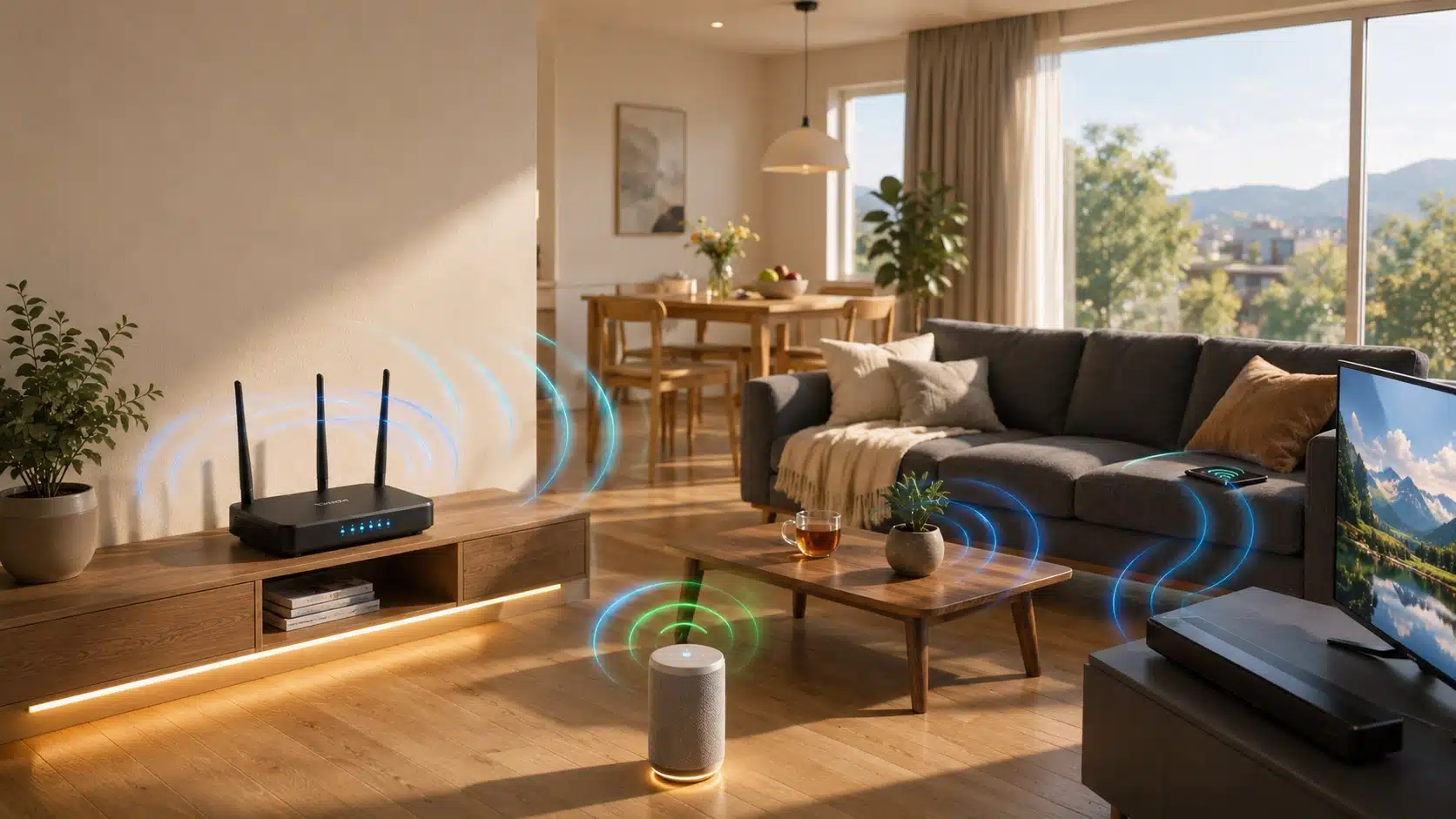



Heating and cooling systems have changed a lot in recent years. Traditional setups are no longer the only option for managing indoor comfort.
New technology has introduced smarter ways to control temperature and airflow in homes and buildings. These systems focus on making daily use easier while improving overall performance.
People now expect more control and better efficiency from the systems they rely on every day. As a result, smart HVAC systems have become a growing topic of interest.
This guide explains what these systems are and how they work, helping readers understand their role in modern life.
What is a Smart HVAC System?
A smart HVAC system is a heating, ventilation, and air conditioning system that uses technology to automatically and more efficiently control temperature.
It connects to the internet and uses devices like smart thermostats, sensors, and mobile apps to manage indoor climate.
Unlike traditional HVAC systems that rely on manual settings, a smart HVAC system can adjust itself based on real-time conditions. It may respond to factors such as room temperature, humidity, or the presence of people.
These systems also allow remote control through a smartphone or computer. This means users can change settings, monitor performance, and manage energy use from anywhere.
How Smart HVAC Systems Work
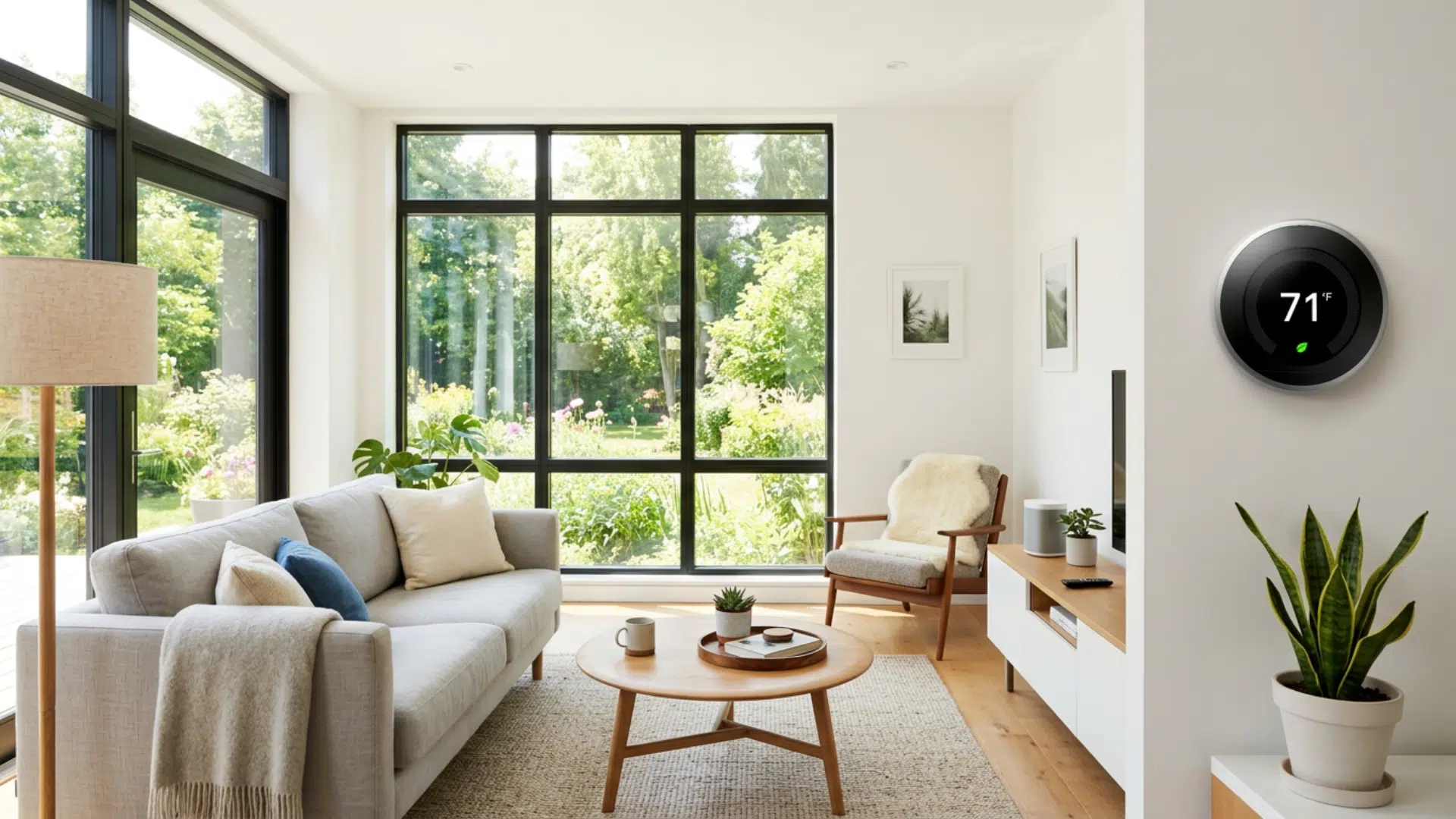
Smart HVAC systems operate by combining sensors, automation, and connected controls to manage indoor temperature more efficiently. Instead of relying solely on manual input, the system collects data and makes real-time adjustments.
Smart Thermostats and Control Systems
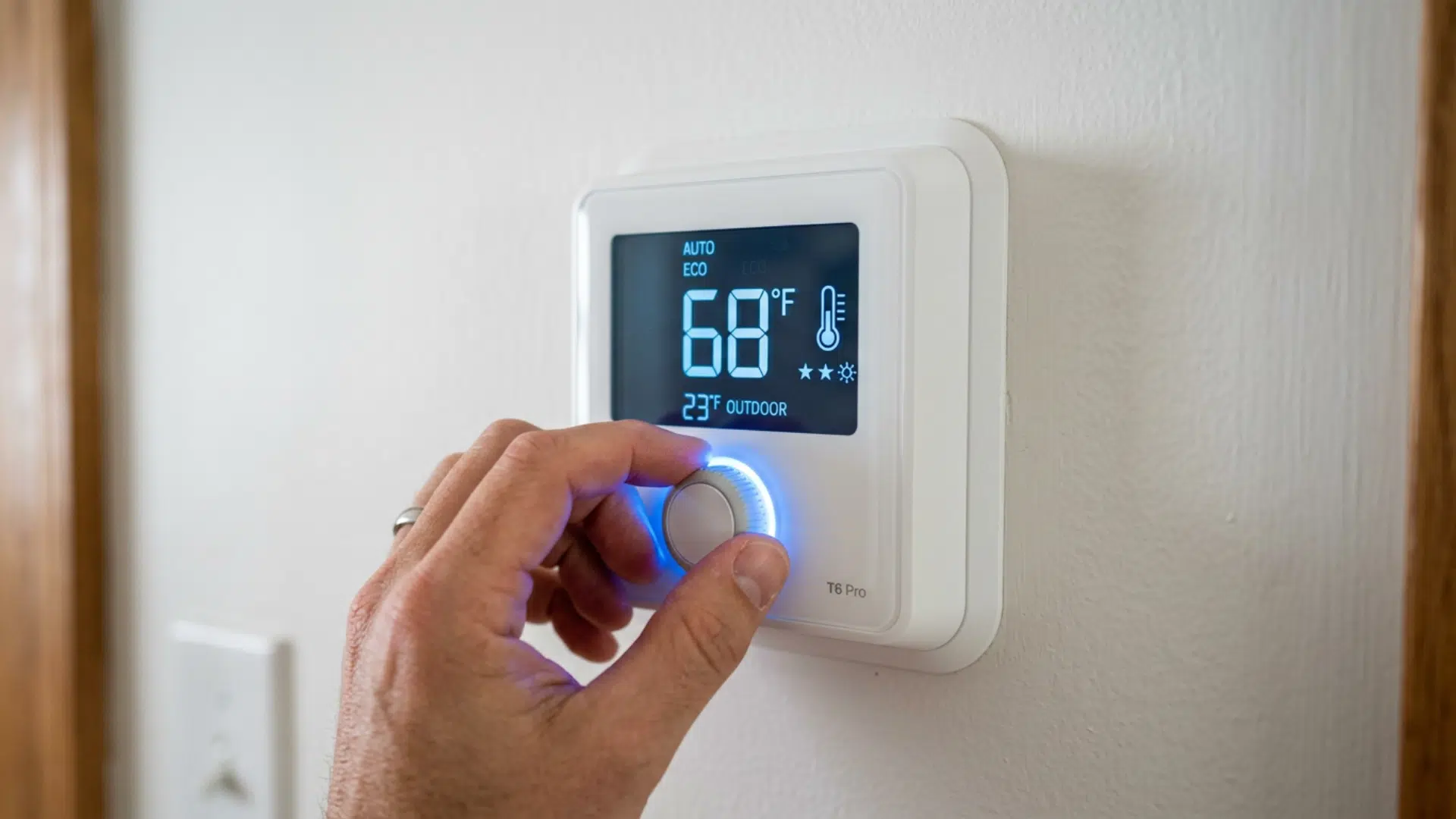
At the center is a smart thermostat. It acts as the main control unit, allowing users to set temperature preferences. Over time, it can learn patterns and adjust settings automatically based on daily routines.
Sensors and Data Collection
Sensors are placed throughout the home or building. They track factors like temperature, humidity, and occupancy. This data helps the system understand current conditions in different areas.
Automation and Real-Time Adjustments
Using the collected data, the system makes automatic changes. It can turn heating or cooling on or off, adjust airflow, or maintain a steady temperature without constant user input.
Remote Access and Connectivity
Smart HVAC systems connect to Wi-Fi, enabling control via mobile apps or smart devices. Users can adjust settings, check system status, and manage comfort from anywhere.
Key Components of a Smart HVAC System
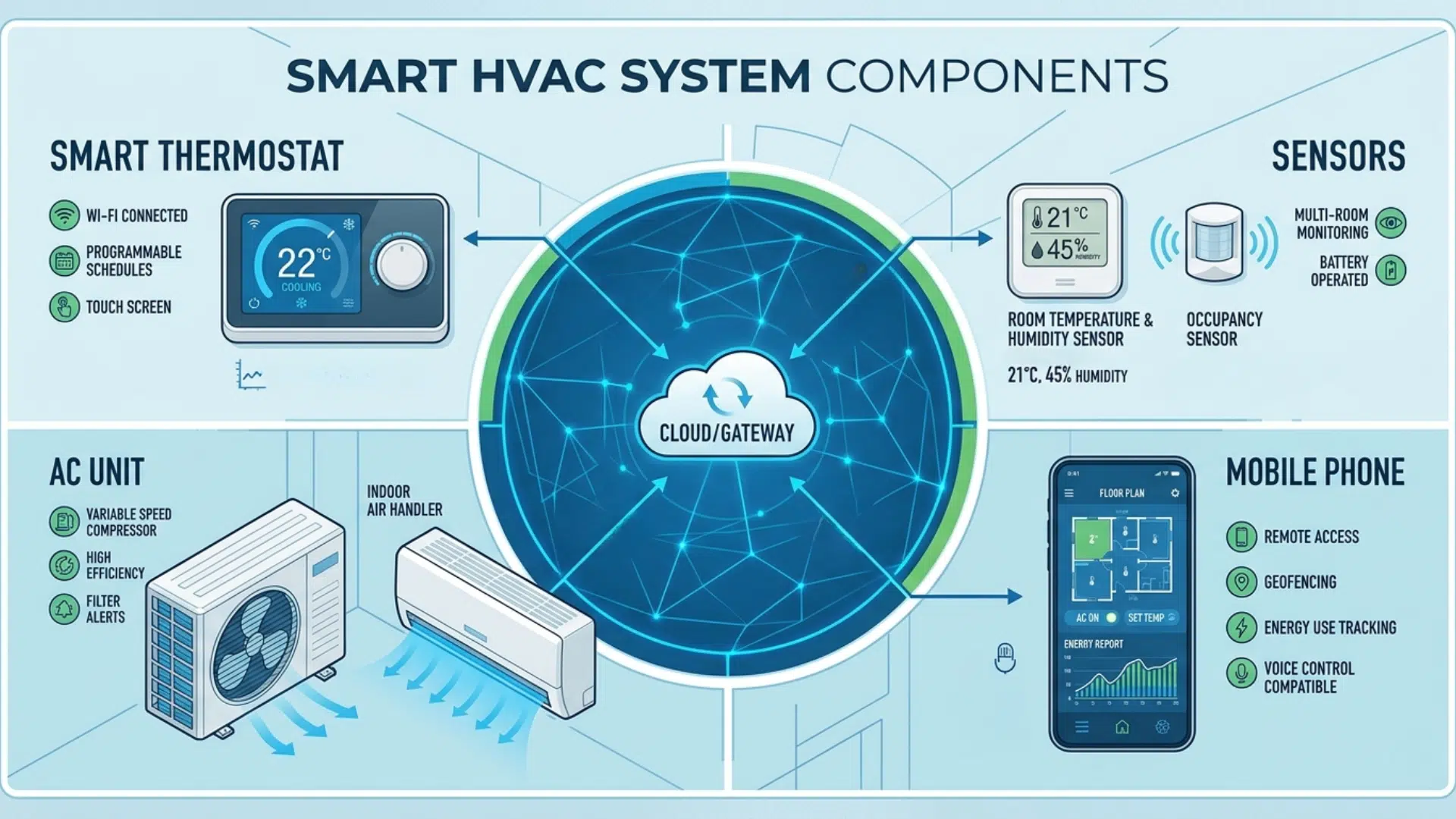
A smart HVAC system consists of several interconnected components. Each one plays a role in controlling temperature, collecting data, and improving efficiency.
1. Smart Thermostat
- Acts as the main control center
- Let users set temperature and schedules
- Can learn daily habits and adjust automatically
2. Sensors
- Track temperature, humidity, and occupancy
- Placed in different rooms for accurate readings
- Help the system respond to real-time conditions
3. HVAC Equipment
- Includes AC units, furnaces, or heat pumps
- Handles the actual heating and cooling
- Works based on instructions from the thermostat
4. Control System
- Processes data from sensors
- Decides when to heat, cool, or adjust airflow
- Ensures smooth system operation
5. Software and Connectivity
- Connects the system to Wi-Fi
- Allows control through mobile apps
- Enables automation and remote access
Features of Smart HVAC Systems
Smart HVAC systems come with advanced features that improve comfort, control, and energy use. The table below highlights the key features and what they do.
| Feature | What It Does |
|---|---|
| Smart Temperature Control | Adjusts heating and cooling automatically based on set preferences and real-time conditions |
| Remote Access | Allows users to control the system through mobile apps from anywhere |
| Sensors and Monitoring | Tracks temperature, humidity, and occupancy for better accuracy |
| Energy Usage Tracking | Shows how much energy the system uses to help manage costs |
| Zoned Heating and Cooling | Controls temperature in different rooms separately for better comfort |
| Learning Behavior | Adapts to daily routines and adjusts settings over time |
| Automation | Makes automatic changes without manual input |
| Maintenance Alerts | Sends reminders for filter changes or system issues |
| Smart Home Integration | Connects with devices like Alexa or Google Home |
| Real-Time Adjustments | Responds quickly to changes in weather or indoor conditions |
Benefits of Smart HVAC Systems
Smart HVAC systems offer several advantages that go beyond basic heating and cooling. They improve how a system performs while making daily comfort easier to manage.
1. Better Energy Efficiency
Smart systems adjust temperature in response to real-time needs rather than running continuously. This helps reduce energy waste and keeps the system running more efficiently over time.
2. Lower Energy Costs
By using energy only when needed, these systems help reduce unnecessary power use. Over time, this can lead to noticeable savings on monthly utility bills.
3. Improved Comfort
Smart HVAC systems maintain a steady and balanced indoor temperature throughout the space. They can also adjust based on room conditions, making each area feel more comfortable.
4. Easy Remote Control
Users can manage the system from anywhere using a mobile app or a connected device. This makes it simple to change settings before arriving home or while away.
5. Automated Operation
The system can make adjustments automatically without needing constant input. This reduces the need for manual changes and keeps the environment comfortable at all times.
6. Better Air Quality Monitoring
Some smart systems track humidity levels and indoor air conditions. This helps maintain a healthier space by preventing overly dry or humid environments.
7. Longer System Lifespan
Because the system runs more efficiently, it experiences less wear and tear. This can help extend the life of HVAC equipment and reduce the need for early replacements.
8. Maintenance Alerts
Smart HVAC systems send alerts when maintenance is needed, such as when filters need to be changed. This helps prevent larger issues and keeps the system working smoothly.
Smart HVAC vs Traditional HVAC Systems
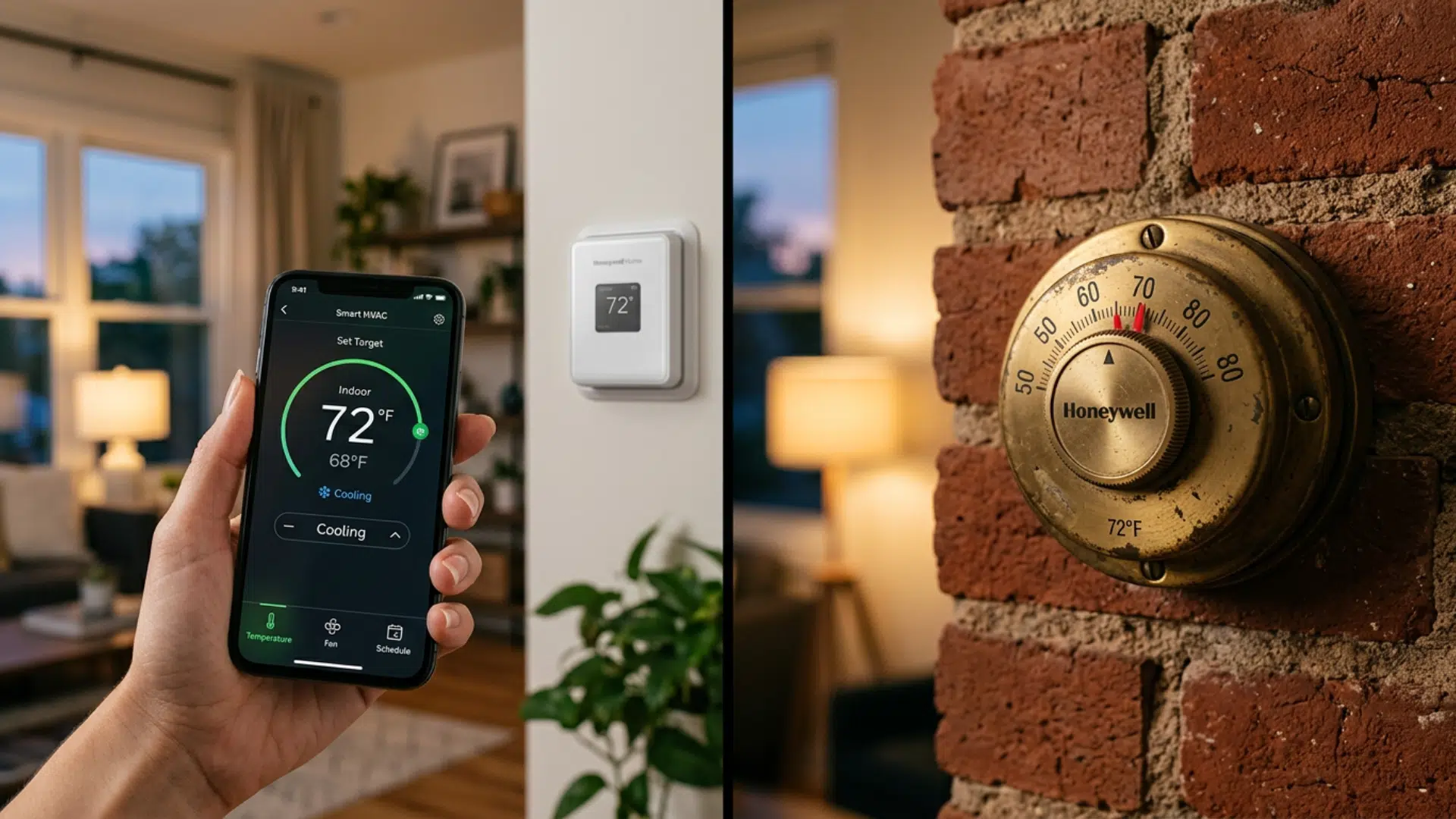
Smart HVAC systems offer greater control and efficiency than traditional systems. The table below highlights the key differences between the two.
| Feature | Smart HVAC | Traditional HVAC |
|---|---|---|
| Control | Automated, app-based | Manual thermostat |
| Efficiency | High, optimized | Moderate |
| Remote Access | Yes | No |
| Sensors | Yes | No |
| Automation | Learns habits | None |
| Cost | Higher upfront | Lower upfront |
Where Smart HVAC Systems are Used
Smart HVAC systems are used in many settings where comfort, control, and energy efficiency matter.
Residential Homes
- Used in houses and apartments
- Helps manage daily comfort automatically
- Allows easy control through mobile apps
Office Spaces
- Maintains a steady temperature for employees
- Adjusts settings based on occupancy
- Helps reduce energy costs during off-hours
Commercial Buildings
- Used in malls, hotels, and hospitals
- Manages multiple zones at the same time
- Keeps large spaces comfortable and consistent
Industrial Facilities
- Controls temperature in factories and warehouses
- Helps protect equipment and stored goods
- Supports efficient energy use in large operations
Things to Consider Before Installing Smart HVAC
Before installing a smart HVAC system, consider a few key factors. These points can help ensure the system works well for your space and needs.
- Initial Cost: Smart HVAC systems often have a higher upfront cost due to advanced technology and installation requirements.
- Compatibility with Existing System
Not all HVAC systems support smart upgrades. It is important to check if your current setup can work with smart components. - Internet Dependence: These systems rely on Wi-Fi for full functionality. A stable internet connection is needed for remote access and automation.
- Installation Requirements: Some systems may require professional installation. This can add to the total setup cost and time.
- Learning Curve: It may take time to understand and use all features properly, especially for first-time users.
- Maintenance Needs: Regular maintenance is still required. Smart alerts help, but the system still needs routine care.
- Privacy and Data Security: Since the system collects data, it is important to ensure proper security measures are in place.
To Conclude
Smart HVAC systems offer a more efficient, controlled way to manage indoor temperature. They rely on connected devices, data, and automation to improve overall performance.
These systems also help reduce energy waste while keeping spaces comfortable throughout the day.
With better control and real-time adjustments, they offer a clear upgrade from older setups. While the upfront cost may be higher, the long-term value is worth considering.
If you are planning an upgrade, take time to review your needs and consider switching to a smart HVAC system.
Frequently Asked Questions
Do Smart HVAC Systems Save Energy?
Yes, smart HVAC systems help reduce energy use by running only when needed. They automatically adjust temperature, helping avoid unnecessary power consumption.
Can a Smart HVAC System Work with An Existing System?
In many cases, smart features can be added to existing HVAC systems using a smart thermostat. However, compatibility depends on the current setup.
Do Smart HVAC Systems Require Internet Access?
Yes, most smart HVAC systems require a stable internet connection to use all features, such as remote control, updates, and automation.