


Installing security cameras sounds simple until the quotes start rolling in.
The costs vary a lot. Some systems cost a few hundred dollars. Others can stretch well into the thousands, depending on the type of system, the number of cameras, and who does the installation.
For most homeowners and business owners, that range feels confusing. And without the right information, it’s easy to overspend.
This blog explains what to expect at every step, from the type of cameras to labor fees, and shares practical tips to keep spending in check without cutting corners on safety.
How Much Does Security Camera Installation Cost
Security camera installation costs in the US vary based on the system size, type, and setup method.
A standard 4-camera residential system typically runs between $600 and $2,500, covering both equipment and labor.
Smaller single-camera setups can cost as little as $100 to $400, while larger 8-camera systems stretch up to $2,500 or more.
For commercial properties, costs start at $1,500 and can go well above $10,000 depending on the scale and complexity.
The final number depends on several moving parts: camera type, features like night vision or AI detection, labor rates in the area, and storage choices. Each of these factors plays a real role in the total bill.
Security Camera Installation Cost Breakdown

Understanding where the money goes helps in planning better. Costs are split across equipment, labor, and a few additional expenses.
Equipment Costs
Equipment usually makes up the biggest share of the total bill. Here’s what to expect across different camera types.
- Wired Cameras: These typically cost $100–$250 per unit. They offer stable, uninterrupted footage but require more cabling work, which adds to the overall installation effort and time.
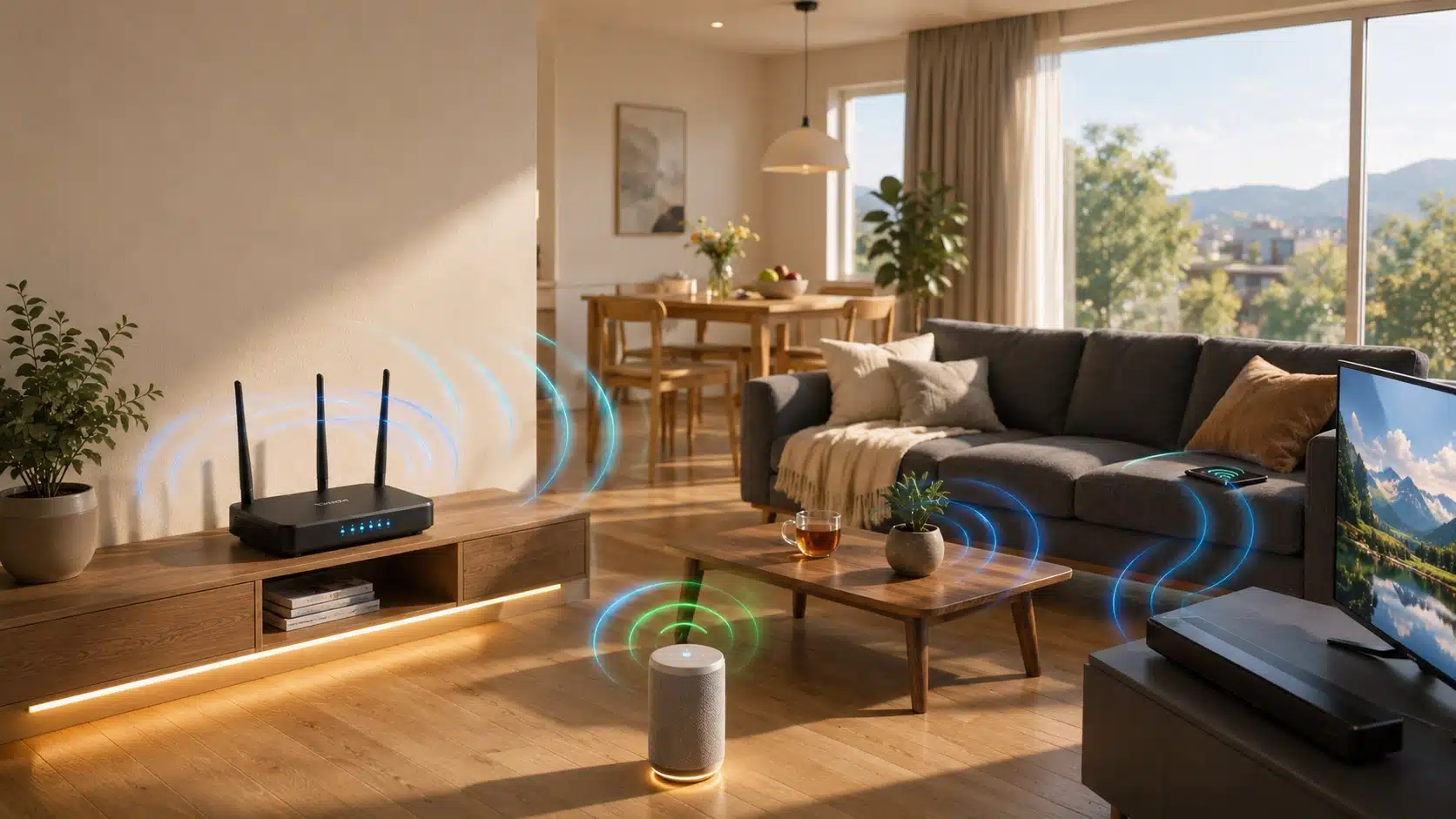
- Wireless Cameras: Priced between $25–$400 per unit, wireless cameras are easier to set up. However, they rely on Wi-Fi, and signal issues can affect performance over time.
- Indoor Cameras: Generally, the most affordable option, ranging from $50–$150 per unit. They don’t need weatherproofing, which keeps both the hardware and installation costs lower.
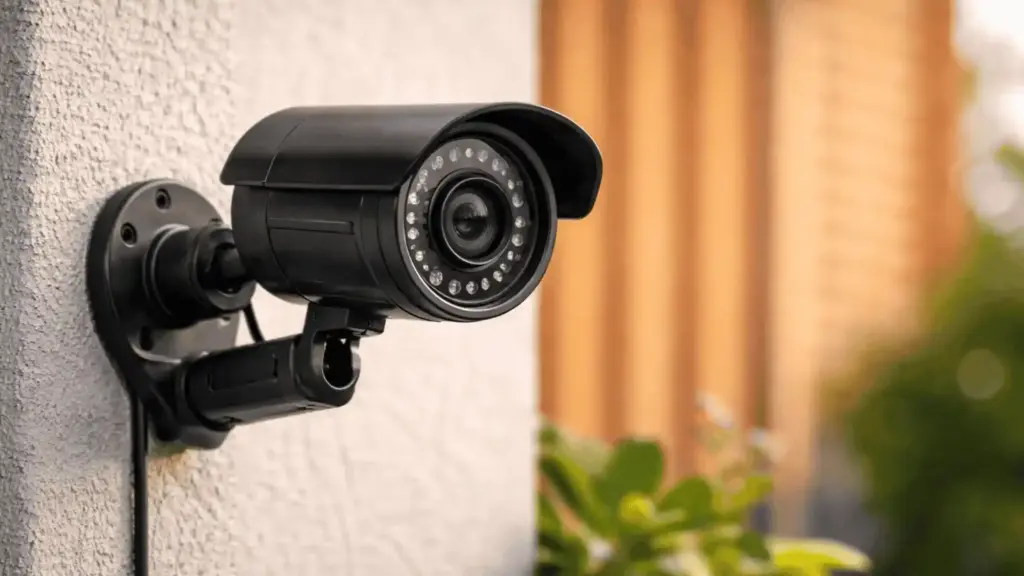
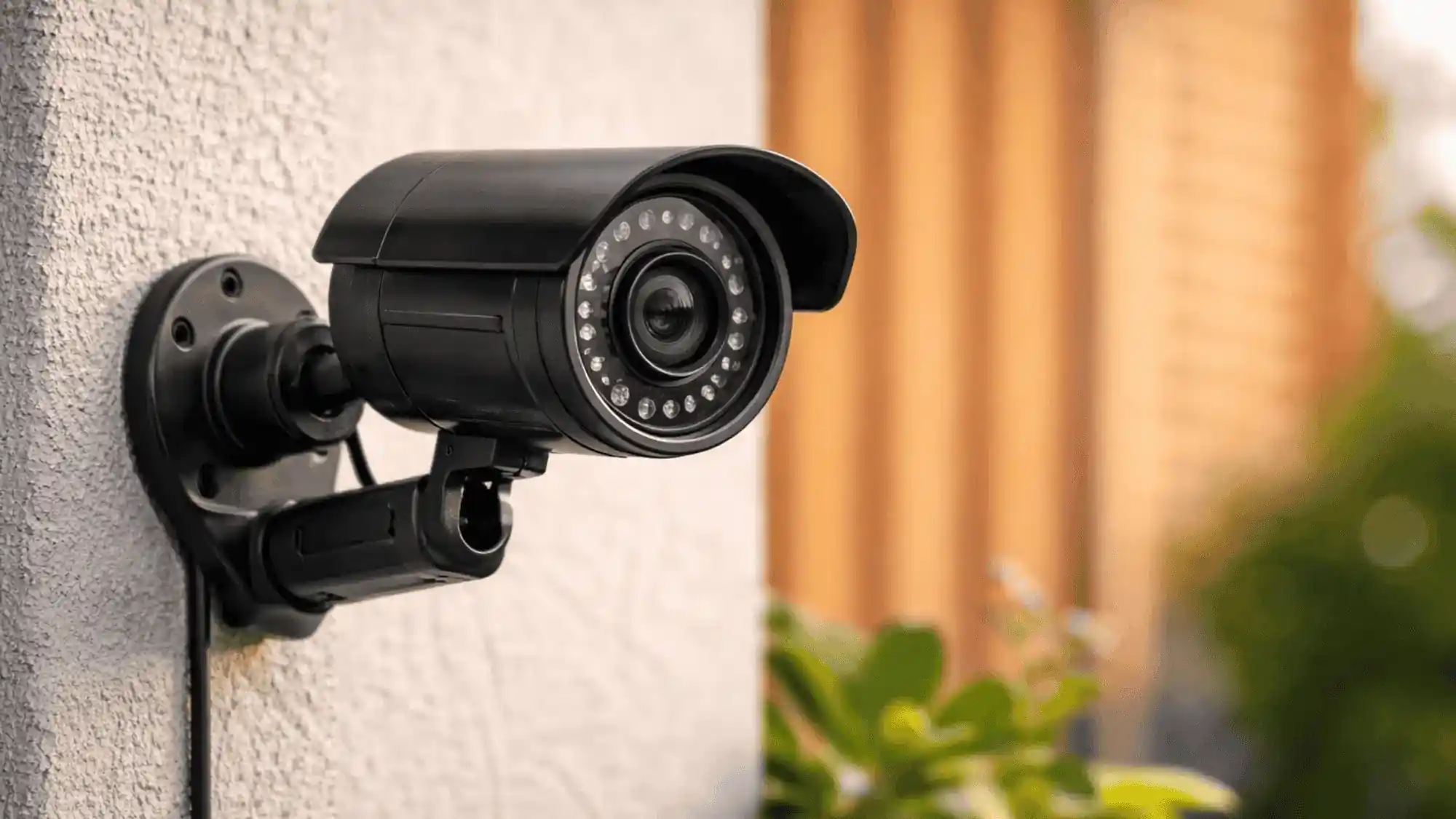
- Outdoor Cameras: These run $100–$300 per unit due to weather-resistant builds. Mounting them in high or hard-to-reach spots can also push labor costs a bit higher.
- Smart Cameras (AI Features, Cloud Storage): Expect to pay $150–$500 per unit. Features like motion detection, facial recognition, and cloud access add real value but come with higher upfront and monthly costs.
Labor Costs
Labor is the second-largest cost in most installations. Rates differ based on who does the job and how it’s priced.
- Professional Installation Charges: Most professionals charge $80–$200 per camera. A full 4-camera setup typically costs $300–$800 in labor alone, depending on the complexity of the job.
- Hourly Rates vs Flat Pricing: Hourly rates range from $50–$100/hour, while flat pricing covers the full job at a set fee. Flat pricing works better for larger, multi-camera installations.
- Electrician vs Security Specialist: Electricians charge $50–$100/hour for wiring work. Security specialists cost slightly more at $80–$150/hour but handle the full setup, including configuration and testing.
Additional Costs
Beyond cameras and labor, a few extra expenses tend to catch people off guard. Planning for these upfront avoids budget surprises later.
- Wiring and Cabling: Cabling materials and installation can add $100–$500 to the total. Longer runs or difficult wall paths increase both material use and labor time noticeably.
- Mounting Hardware: Brackets, junction boxes, and anchors typically cost $10–$50 per camera. Specialty mounts for ceilings, corners, or poles sit at the higher end of that range.
- Network Setup: Setting up a dedicated network or configuring a NVR/DVR system adds $100–$300. This step is often needed for IP camera systems to work correctly and securely.
- Subscription Fees (Cloud Storage): Cloud storage plans run $3–$15 per camera monthly. Over a year, that adds up to $36–$180 per camera, making local storage a smarter long-term choice for many.
Cost by Type of Security Camera System
Camera system costs vary widely by type. The table below gives a quick look at what each option costs.
| Type | Equipment per Camera | Total Installed (4 Cameras) | Notes |
|---|---|---|---|
| Wired | $100–$250 | $594–$2,040 | Reliable but requires cabling; higher labor costs |
| Wireless | $25–$400 | $200–$1,500 | Easier setup; potential Wi-Fi signal issues |
| IP Camera | $100–$400 | $1,000–$3,500 | High-res, remote access; PoE switch needed |
| CCTV | $50–$200 | $600–$2,500 | Analog or hybrid; good for business use |
Factors That Affect Security Camera Installation Cost
Several factors push the final cost up or down. These are the main ones to keep in mind.
- Number of Cameras: More cameras mean higher equipment and labor costs. Each additional unit adds $200–$500 to the total.
- Camera Features: Night vision, AI detection, and PTZ capabilities add $150–$500 per unit to the base price.
- Indoor vs Outdoor Placement: Outdoor cameras need weatherproof housing and tougher mounting, adding $100–$300 per camera.
- Property Size: Larger properties need longer cable runs and more cameras, driving both material and labor costs higher.
- Labor Rates by Location: Urban areas charge more for installation. Rates in major cities run $150–$200 per hour.
- Wired vs Wireless Setup: Wired systems cost more to install due to cabling work. Wireless setups save on labor but may need signal boosters.
- Storage Type: Local DVR/NVR storage has a one-time cost of $200–$500. Cloud storage adds $3–$15 monthly per camera.
- Brand and Resolution: Basic 2MP cameras start at $50. Premium 4K models can cost $300–$500 per unit.
DIY vs Professional Installation Cost Comparison
Choosing between DIY and professional installation affects both the budget and the quality of the final setup.
| Aspect | DIY | Professional |
|---|---|---|
| Cost (4 Cameras) | $100–$1,000 (equipment only) | $600–$2,500 (full setup) |
| Time Required | 2–4 hours | Half to full day |
| Skill Needed | Basic to moderate | Expert level |
| Equipment | Standard tools: drill, crimper | Specialized tools included |
| Support | None; self-managed | Warranty and after-service |
| Placement Accuracy | May not be optimal | Professionally assessed |
| Wiring Quality | Risk of errors | Clean, tested runs |
| Best For | Simple wireless setups | Wired or large-scale systems |
| 5-Year Total Cost | Higher if repairs are needed | Lower for wired systems |
How to Reduce Security Camera Installation Costs
Smart planning can cut installation costs significantly. These tips help get the most out of every dollar spent.
1. Go Wireless for Simple Setups: Wireless systems skip complex cabling work entirely, saving $200–$500 on labor costs.
2. Choose DIY for Basic Installations: Installing simple wireless cameras without professional help saves 30–50% on the total bill.
3. Buy Camera Bundles: Purchasing a 4–8 camera kit instead of individual units saves $100–$300 on equipment costs.
4. Opt for Local Storage: A one-time DVR/NVR purchase at $200–$500 costs far less than recurring cloud subscription fees.
5. Stick to Mid-Range Cameras: 4MP cameras offer solid quality without the premium price tag of high-end 4K models.
6. Compare Multiple Quotes: Getting at least three installer quotes helps identify fair labor rates and avoid overcharging.
7. Start Small and Expand Later: Beginning with 2–4 cameras on key entry points keeps upfront costs low and manageable.
8. Integrate With Existing Smart Home Systems: Compatible cameras reduce the need for separate hubs or extra networking equipment and setup costs.
Is Security Camera Installation Worth the Cost?
A properly installed security camera system does more than just record footage; it actively deters criminal activity, provides usable evidence when incidents occur, and brings genuine peace of mind.
Professional systems can lower home insurance premiums by up to 20%, which helps offset the installation cost over time. Most setups deliver a solid return on investment within one to two years through those savings alone.
Beyond the financial side, having reliable surveillance means faster response times from law enforcement and stronger legal standing in disputes.
The upfront cost of $600–$2,500 for a standard residential setup is a reasonable price for that level of protection and long-term value.
Conclusion
Security camera installation is a practical investment that pays off over time.
The right system, whether a budget-friendly wireless setup or a full professional installation, comes down to property size, specific needs, and available budget.
For most homes, a 4-camera system between $600–$2,500 covers the basics well. Prioritize local storage, compare installer quotes, and start small if costs feel overwhelming.
Have questions about your setup or are unsure which system fits best? Drop them in the comments below, happy to help point things in the right direction.